
Israel and Lebanon held their first direct talks in decades.
For the first time in decades, Israeli and Lebanese civilian officials sat down for face-to-face talks. This historic meeting took place within the framework of a US-brokered ceasefire, effective from November 2024, aimed at ending the protracted war between Israel and Hezbollah forces.
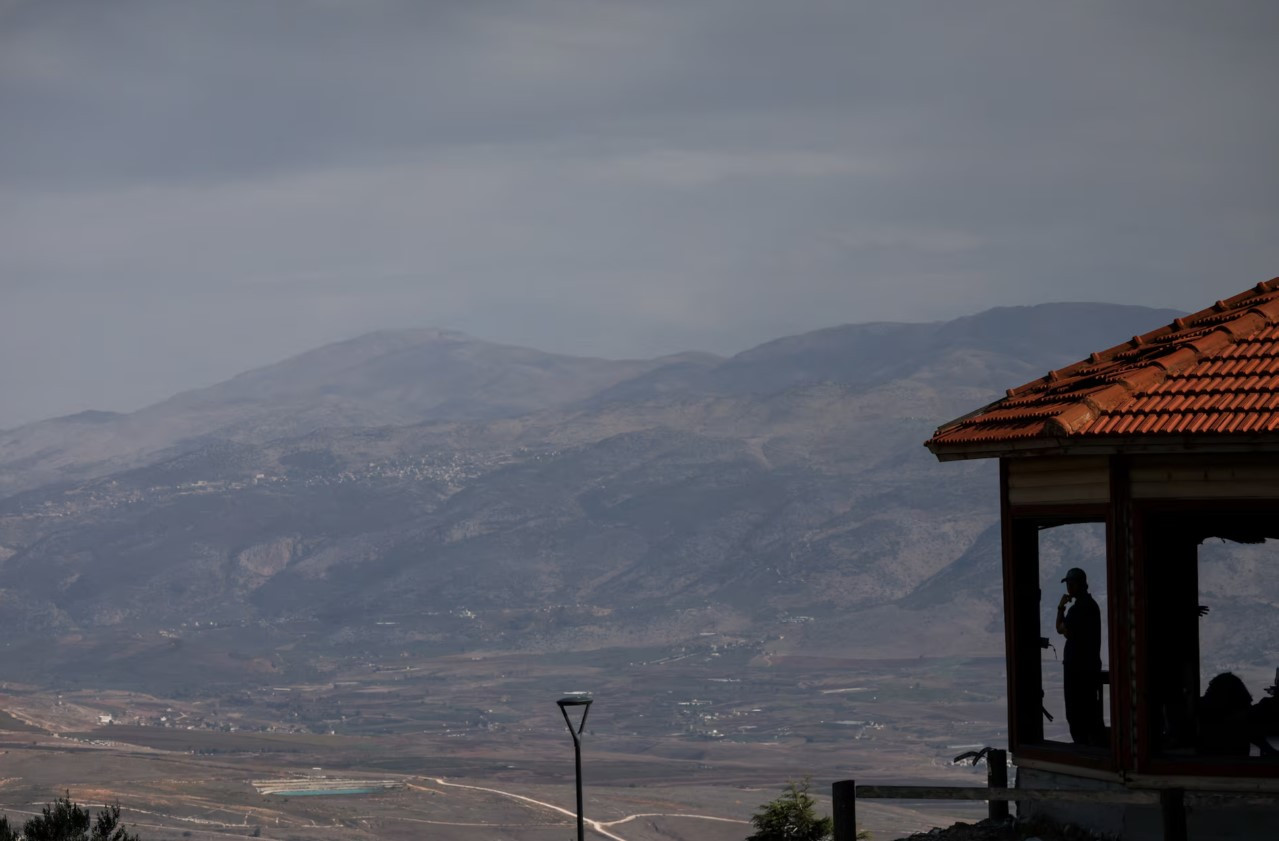
According to an announcement from the office of Israeli Prime Minister Benjamin Netanyahu, the meeting took place on December 3rd at the headquarters of the United Nations peacekeeping force in Naqoura, southern Lebanon.
This marks the first time the dialogue mechanism established since the November 2024 ceasefire agreement has included civilian officials, instead of being limited solely to military officers as before. The US Embassy in Beirut confirmed that the US Special Envoy for Lebanon, Morgan Ortagus, was also present at the meeting.
Israel has lauded the event, with a spokesperson for Prime Minister Netanyahu describing the meeting as "historic" and a first step toward potential future cooperation between the two neighboring countries.
However, in contrast to Israel's optimism, Lebanon has been cautious. Lebanese Prime Minister Nawaf Salam affirmed to the press that any economic cooperation with Israel can only take place after a formal peace agreement is reached. "We are still very far from that milestone," Salam emphasized.
Israeli Prime Minister Netanyahu has repeatedly called on Lebanon to join the Abraham Accords – an agreement to normalize relations between Israel and several Arab nations. However, Beirut has so far not supported this approach.
The last time Israel and Lebanon held direct talks was in 1983, after Israel invaded Lebanon. Although an agreement was reached at that time, it was never ratified.
The negotiations took place under significant pressure from the US, amid signs of escalating border tensions. Israel repeatedly accused Hezbollah – an Iranian-backed force – of violating the ceasefire and attempting to rebuild its military capabilities.
The November 2024 ceasefire brought to a temporary end more than a year of fierce cross-border fighting. The conflict erupted when Hezbollah attacked Israeli territory to show support for Palestinians in Gaza, leading to a full-scale Israeli military operation that killed many high-ranking Hezbollah commanders and caused significant civilian casualties.
According to the ceasefire terms, the Lebanese army is tasked with dismantling Hezbollah's military infrastructure. However, Israel considers these actions insufficient and has escalated its retaliatory airstrikes. The Beirut government warns that these Israeli military actions risk dragging the country into a "new war."
Regarding disarmament, Prime Minister Salam stated that the first phase of bringing all weapons under state control depends on Israel withdrawing its troops from the occupied territories. At the same time, Beirut is ready to allow the US and France to participate in verifying the remaining Hezbollah weapons stockpiles in the south of the country.


