
Jensen Huang admitted that Nvidia's AI market share in China has reached 0%.
Nvidia's CEO revealed that the company's AI hardware market share in China has dropped from 70% to 0% in just two years. Trade barriers from the US are driving a strong push for technological self-reliance in this market.
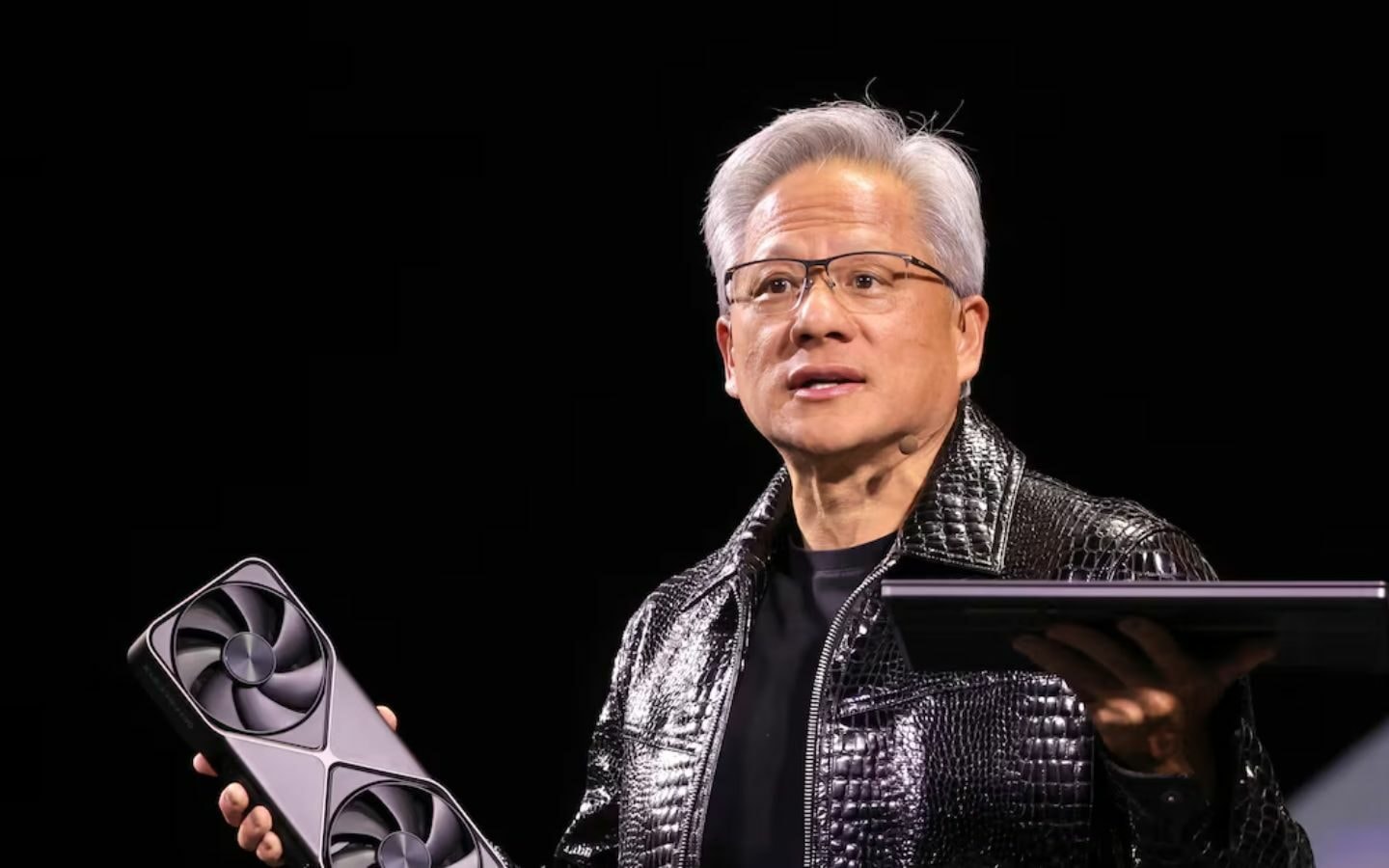
In a recent interview with the Special Competitive Studies Project, Nvidia CEO Jensen Huang made a shocking statement about the company's business situation. According to him, Nvidia's market share in the artificial intelligence (AI) hardware sector in China has now fallen to 0%.
This is a dramatic and rapid decline that exceeded all predictions. Just two years ago, Nvidia was the dominant name, holding nearly 70% of the AI hardware market share in this country. Nvidia's complete disappearance from one of the world's largest technology markets is believed to be a direct consequence of trade restrictions imposed by the US.
Impact of trade barriers and market forecasts
Jensen Huang frankly stated that strict export regulations have created unintended strategic consequences. Abandoning a vast market like China is seen as a lack of long-term strategic vision. He emphasized that current regulations need flexibility and adaptation to reality, rather than maintaining a static state.
Earlier in January, the analytics firm Bernstein predicted that Nvidia's market share in China would fall from 66% to 8%. However, actual data from Nvidia's CEO shows that the withdrawal process is happening much faster than previous financial analyses predicted. The withdrawal of American businesses is inadvertently paving the way for the strong rise of domestic Chinese competitors.
China accelerates its path toward technological self-reliance.
Despite a shortage of advanced GPUs and software from the US, China maintains a significant competitive edge in the AI field. The country is leveraging its low energy costs and abundant talent pool in science and mathematics. Jensen Huang even described China's AI research community as a "national treasure."
Currently, developers in China are gradually shifting to using domestic hardware solutions. Large corporations such as Huawei, Cambricon, and Moore Threads are striving to fill the void left by Nvidia. The biggest challenge for these companies now is overcoming the software barrier, especially the proprietary CUDA ecosystem that has helped Nvidia dominate the world for many years.
Risks to the US AI ecosystem
Nvidia's leadership argues that sustainable leadership doesn't come from stifling competitors. Instead, the key strategy should be to build and maintain the dominance of the US AI ecosystem globally. Tightening export regulations risks slowing down AI deployment even within the United States.
Meanwhile, China views artificial intelligence as the most important driver for future economic development and is aggressively pursuing its adoption of this technology. Overall, the changing landscape of the AI market in China is not just a matter of a company's sales, but also reflects a significant shift in the global technology supply chain.


