
"Telling the story" of the fields in the digital space.
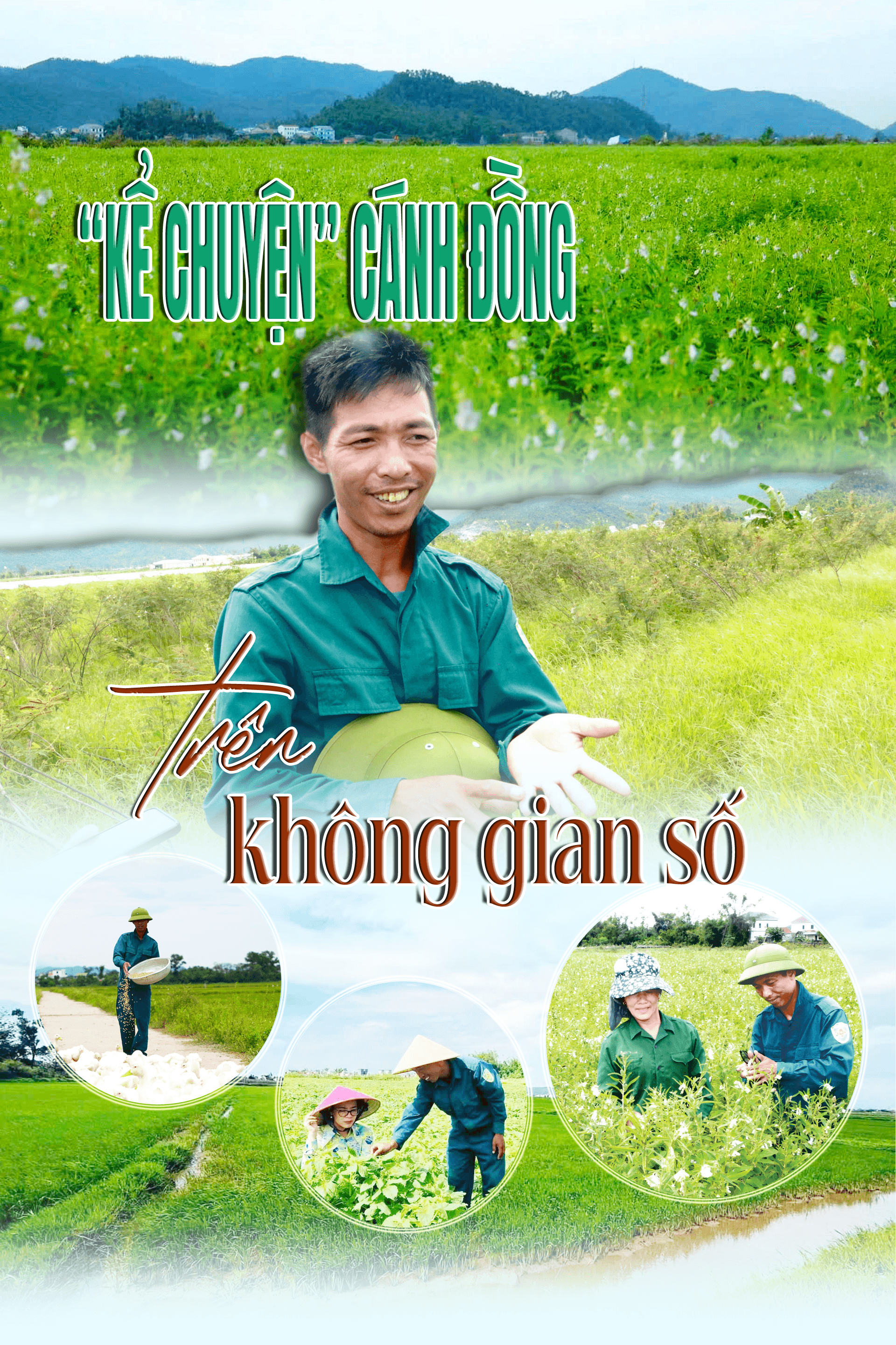
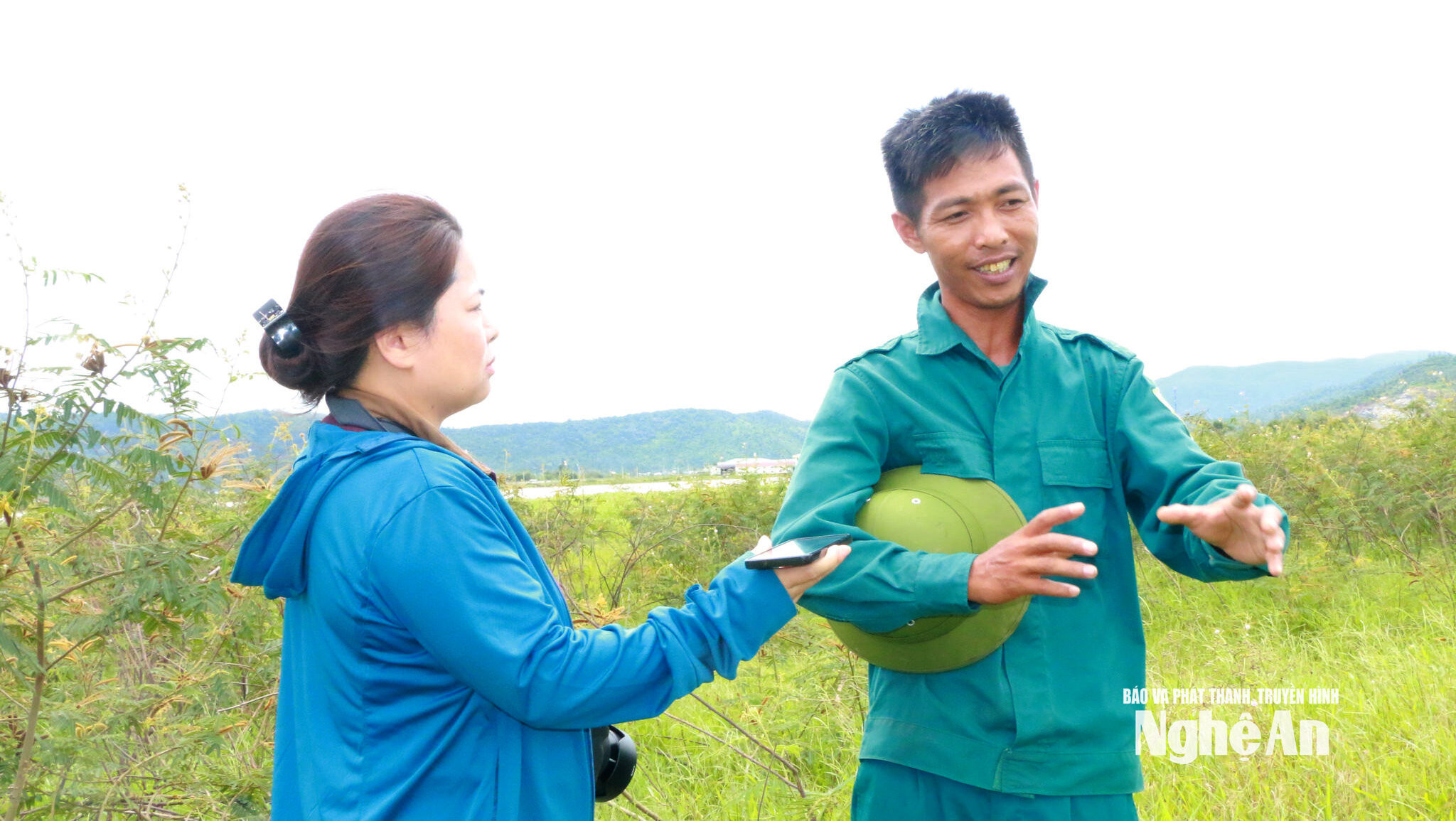
In the riverside plains of the Lam River, sesame and rice fields not only yield sesame seeds and rice but also become the material for telling the story of a land and its farmers. With ideas like seasonal Megalive events, photographs of sesame fields, and activities connecting agriculture with culture, Mr. Tran Van Tuan from Hung Loi 1 hamlet, Lam Thanh commune, is seeking to bring Lam Thanh's agricultural products closer to consumers in a different way: telling the story from the very place where the products are made.
Thanh Phuc - Khanh Ly/Present:Hong ToaiAugust 30, 2026
*****
In the riverside plains of the Lam River, sesame and rice fields not only yield sesame seeds and rice but also become the material for telling the story of a land and its farmers. With ideas like seasonal Megalive events, photographs of sesame fields, and activities connecting agriculture with culture, Tran Dinh Tuan (born in 1989), from Hung Loi 1 hamlet, Lam Thanh commune, is seeking to bring Lam Thanh's agricultural products closer to consumers in a different way: telling the story from the very place where the products are made.
.png)
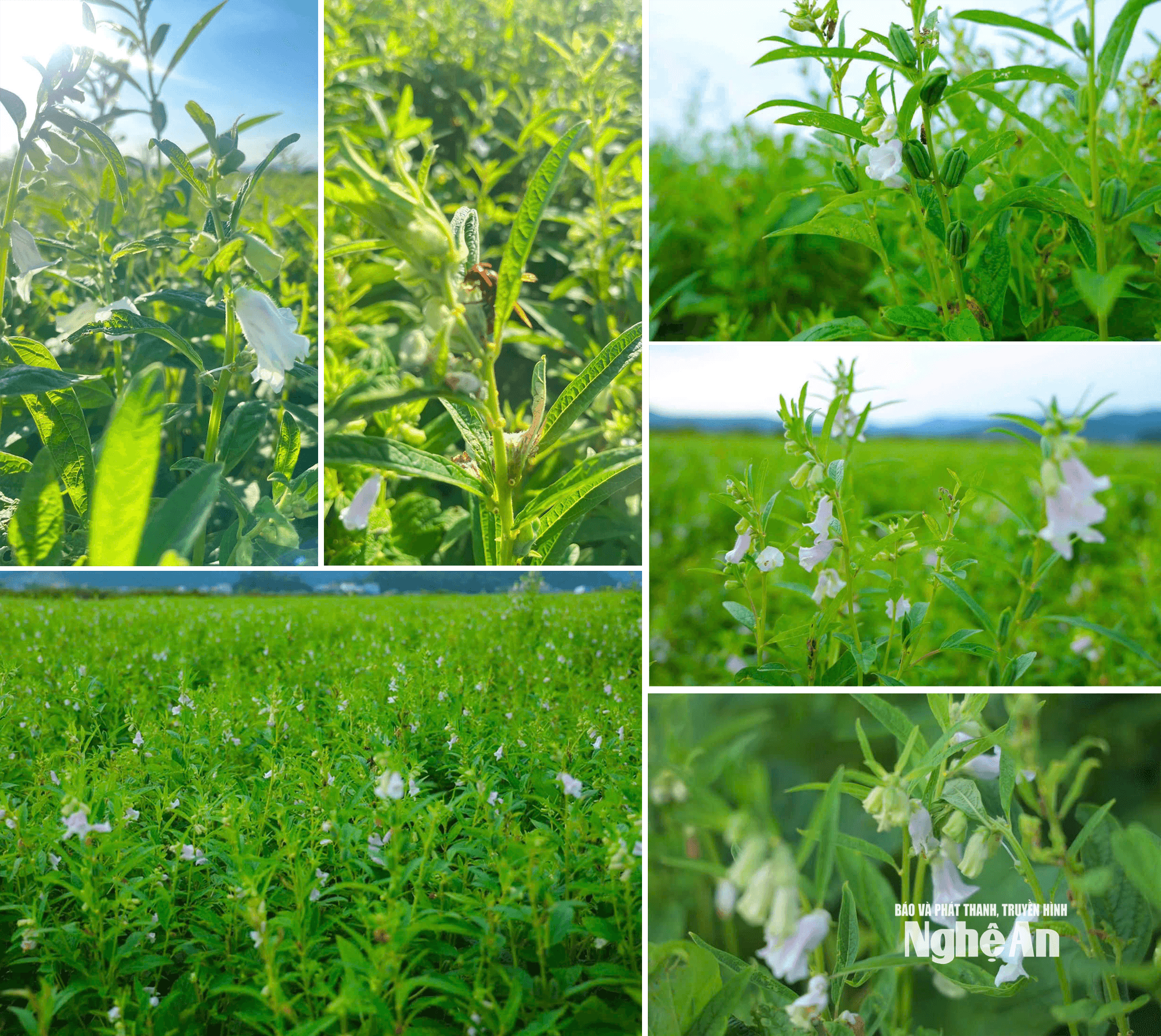
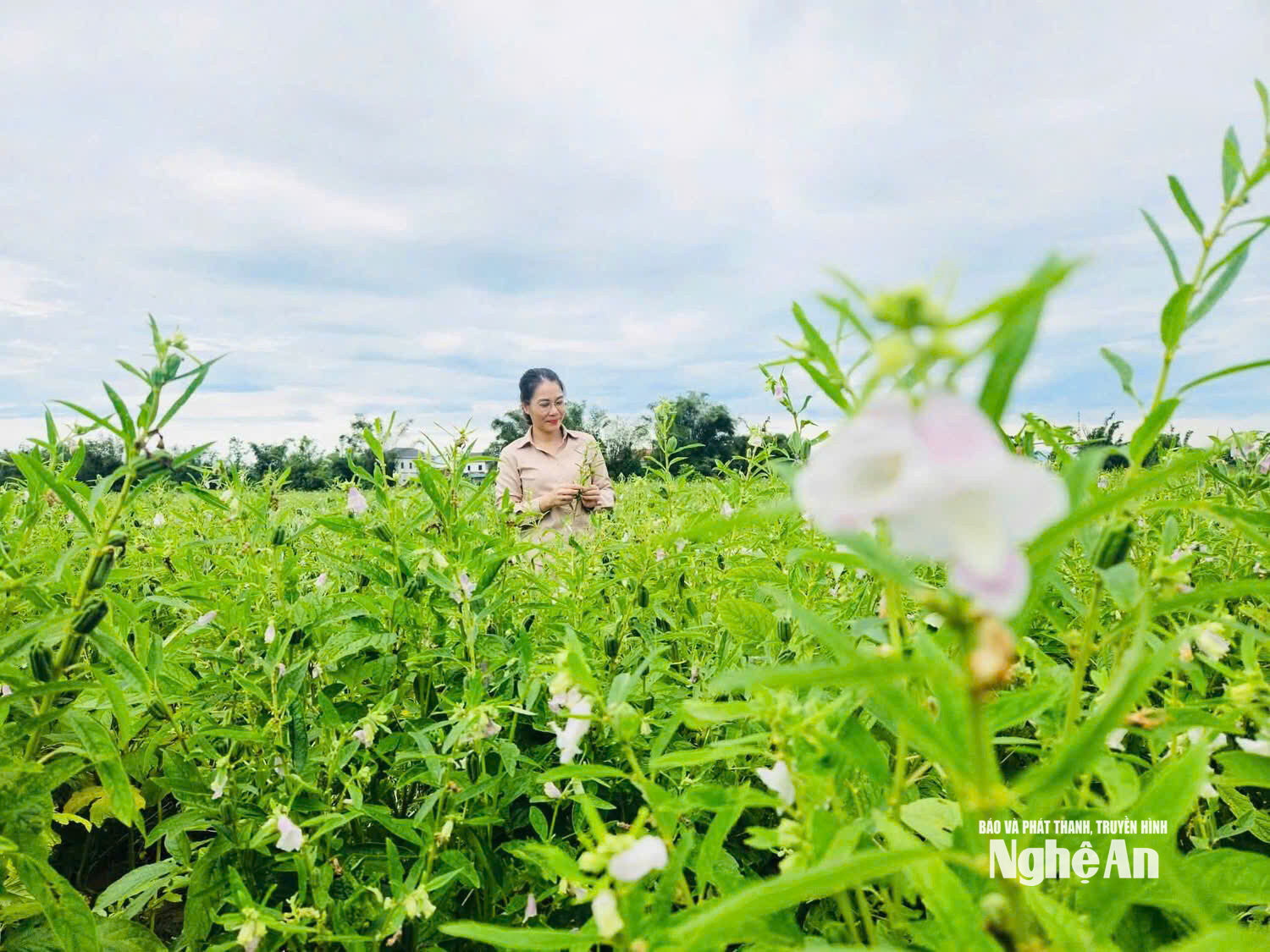
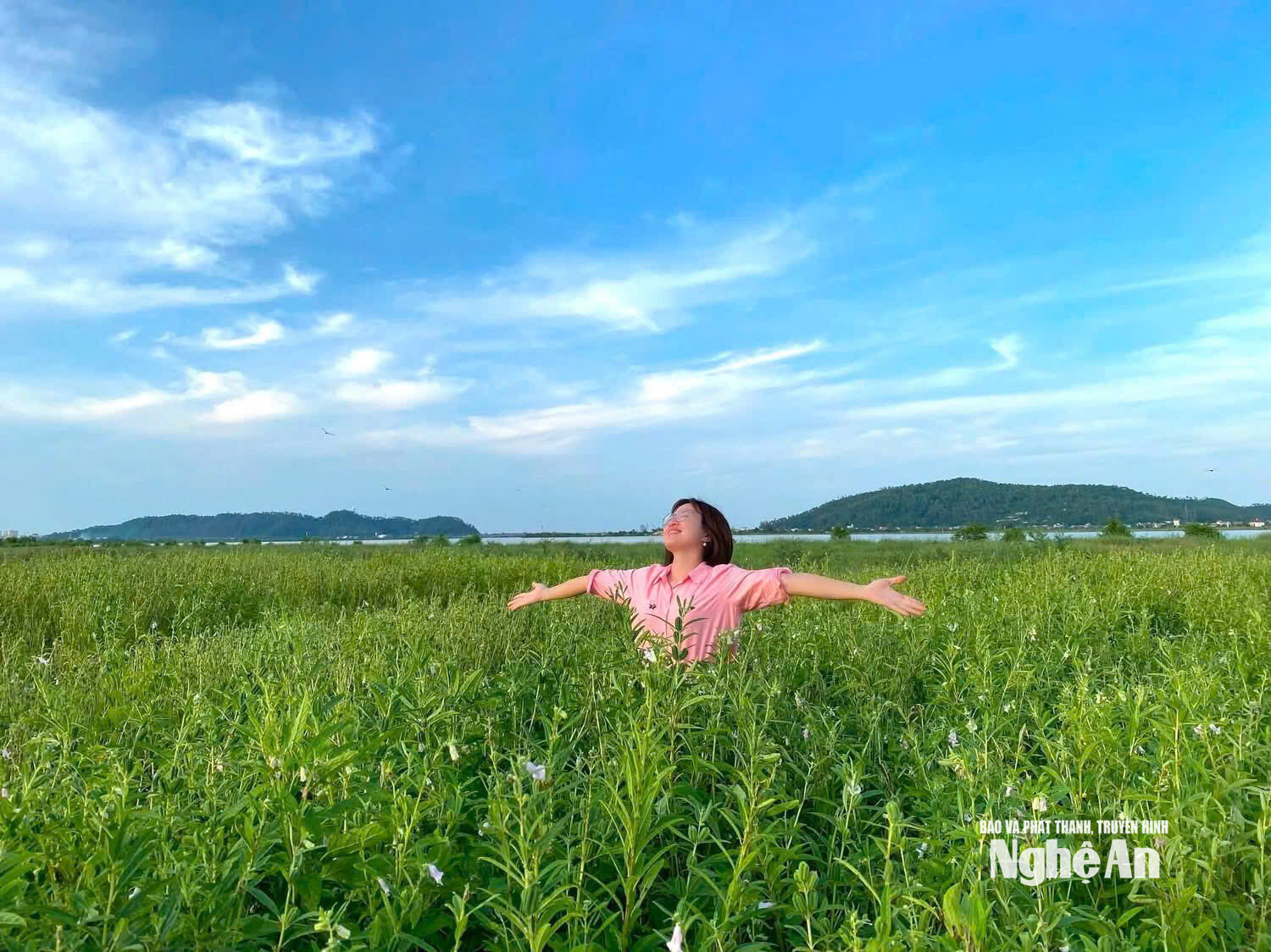
On an autumn morning, the Hung Loi 1 plain stretches out in the green of sesame fields. Between the rows of plants, small white flowers emerge, with the Lam River flowing in the foreground and mountains in the distance. The field is so beautiful that one can immediately picture it.
As for Mr. Tran Dinh Tuan, while walking among the sesame rows, he pays more attention to the plants, soil, water, and production organization. The more than 3.5 hectares of sesame he planted this summer-autumn season were areas at risk of being abandoned due to farmers' concerns about unpredictable weather.
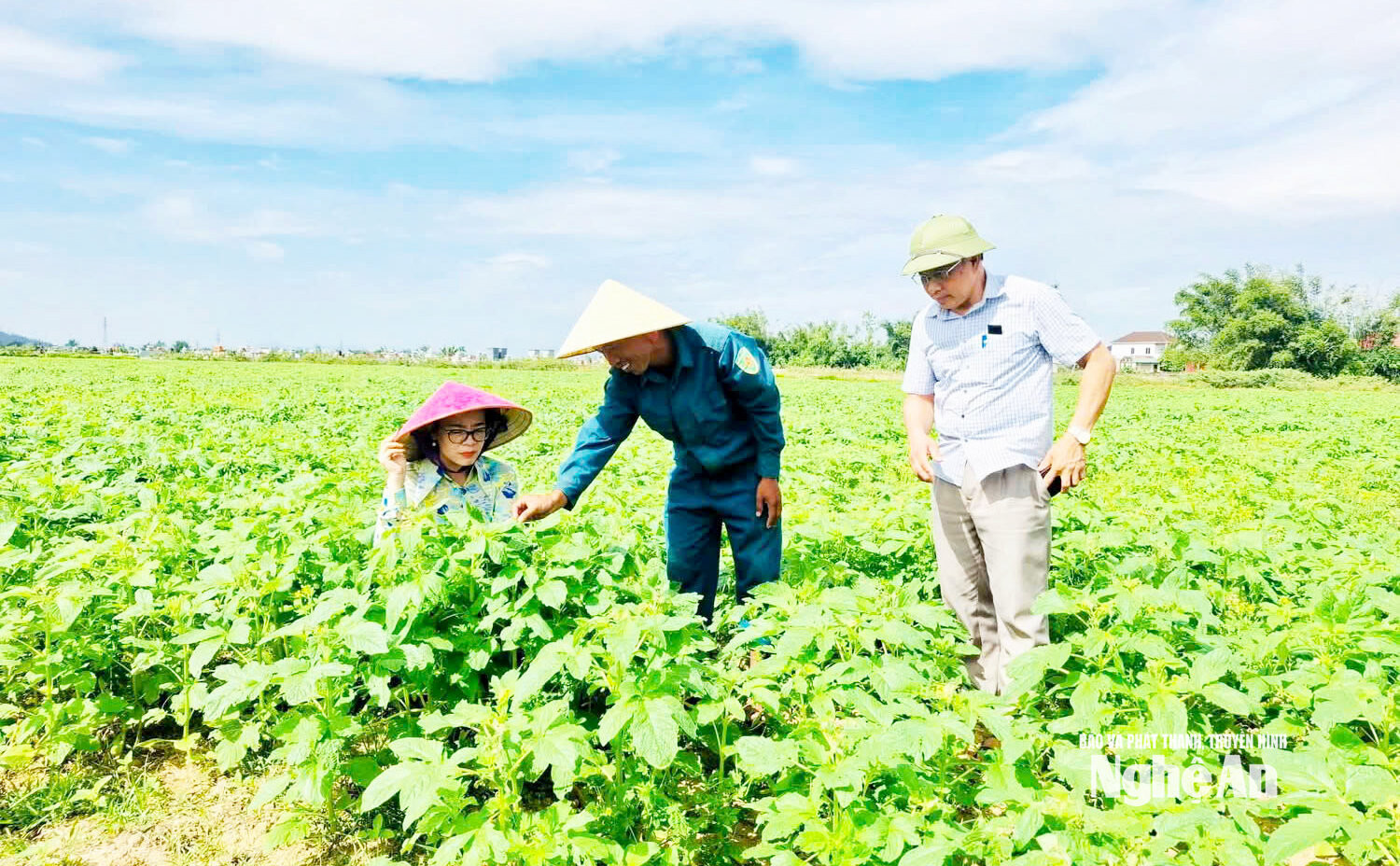
Land that is still productive must be brought back into production, but in floodplains, doing so is not just about planting. Mr. Tuan chose sesame because it is suitable for floodplain conditions, is drought-resistant; and the local sesame seeds are considered firm, fragrant, and rich in flavor.
However, this area also has the potential for flooding, so along with seeds and supplies, he also has to consider a production plan to reduce the crop's dependence on the weather.
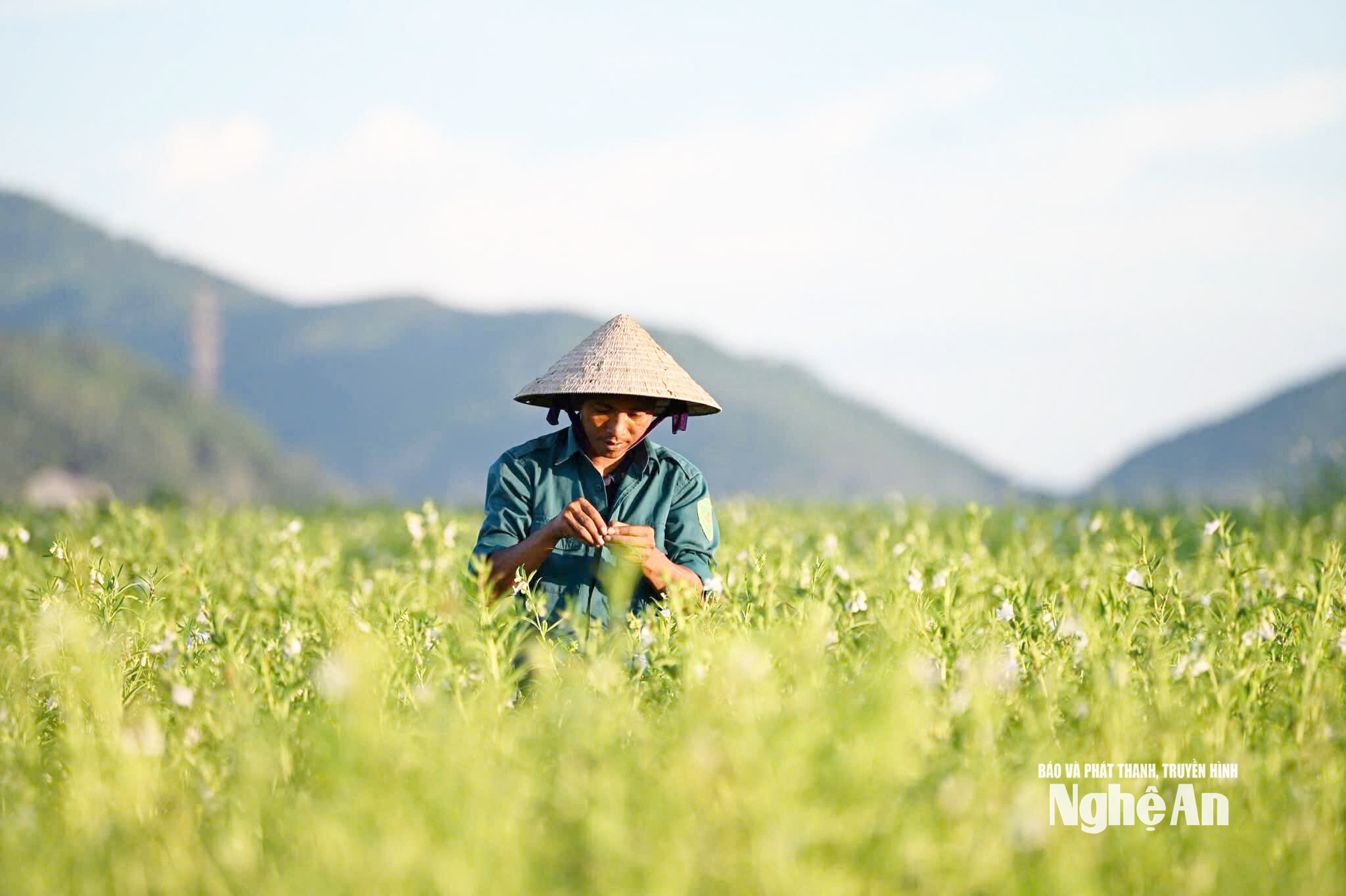
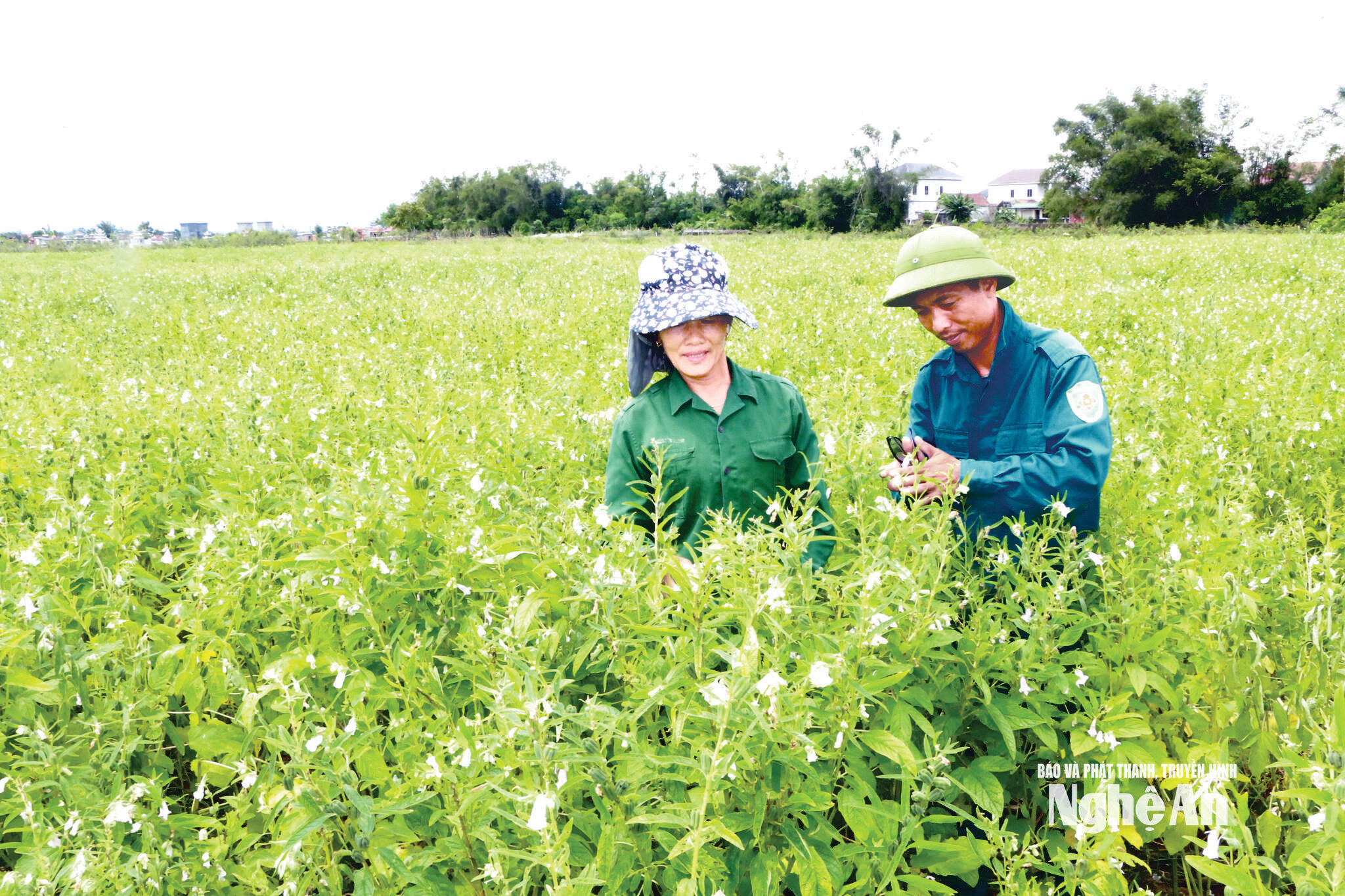
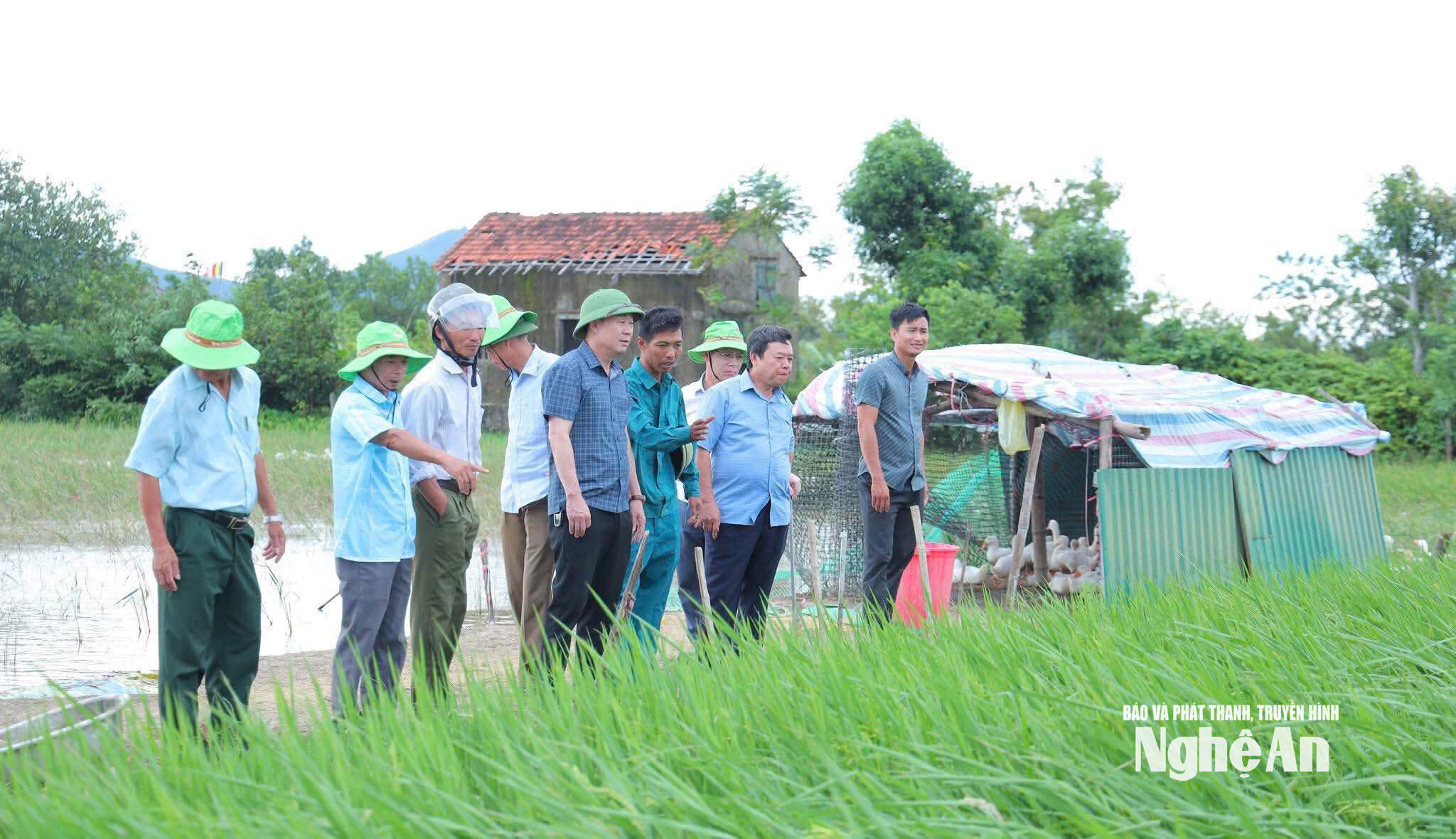
Not only did Mr. Tuan cultivate sesame on over 3.5 hectares of alluvial land, but he also borrowed nearly 20 hectares of abandoned rice paddies in Lam Thanh to grow ST25 rice. With this area, he organizes all stages of land preparation, sowing, spraying, fertilizing, and harvesting using machinery. When the production area reaches tens of hectares, mechanization is no longer just about replacing human labor in a few stages, but becomes a way to organize all production processes more synchronously.
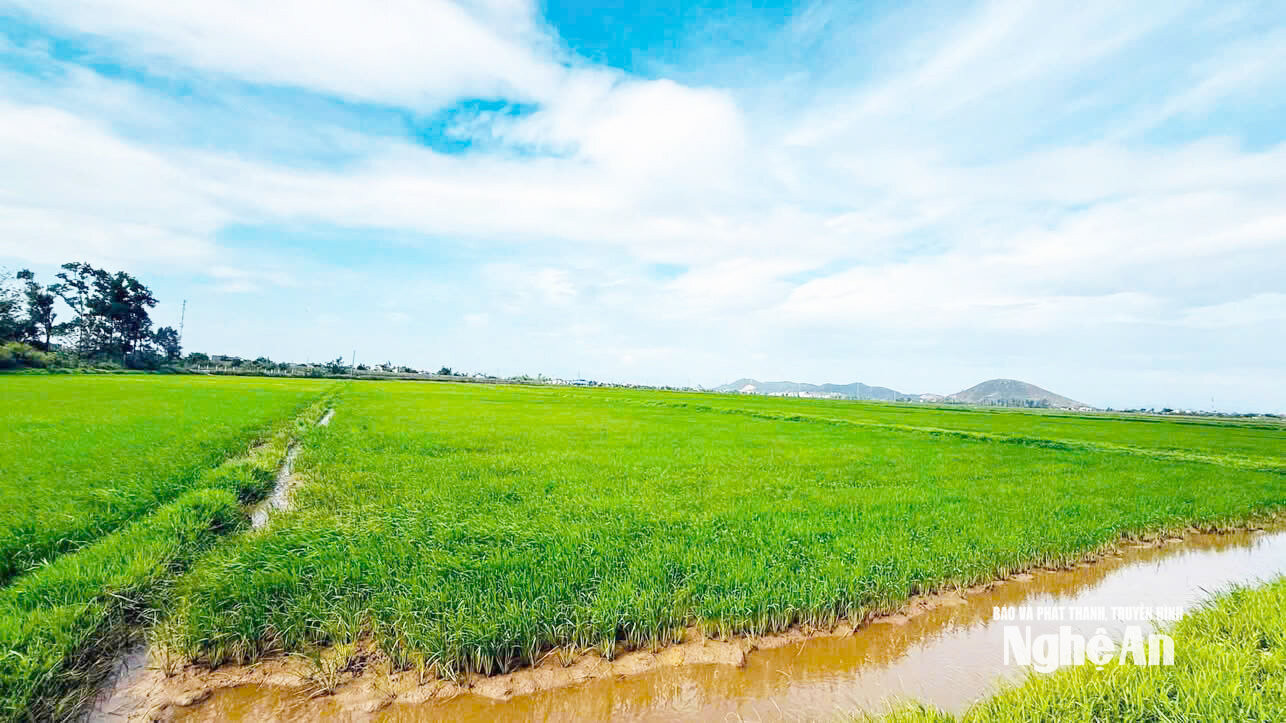
But machinery is only effective when the fields are properly organized. Along the edges of the fields, Mr. Tuan leaves a space of about 1-1.5 meters and then digs deeper than the field surface to create a system of ditches. He explains this with two very specific goals: "Quick water supply" and "quick water drainage".
In an area frequently affected by floods, the water drainage system is designed right from the field layout, reducing the dependence of production on sudden water level fluctuations. According to Mr. Tuan, during the heavy rains in mid-August, many areas were flooded, but this rice field still drained quickly thanks to the pre-planned system.
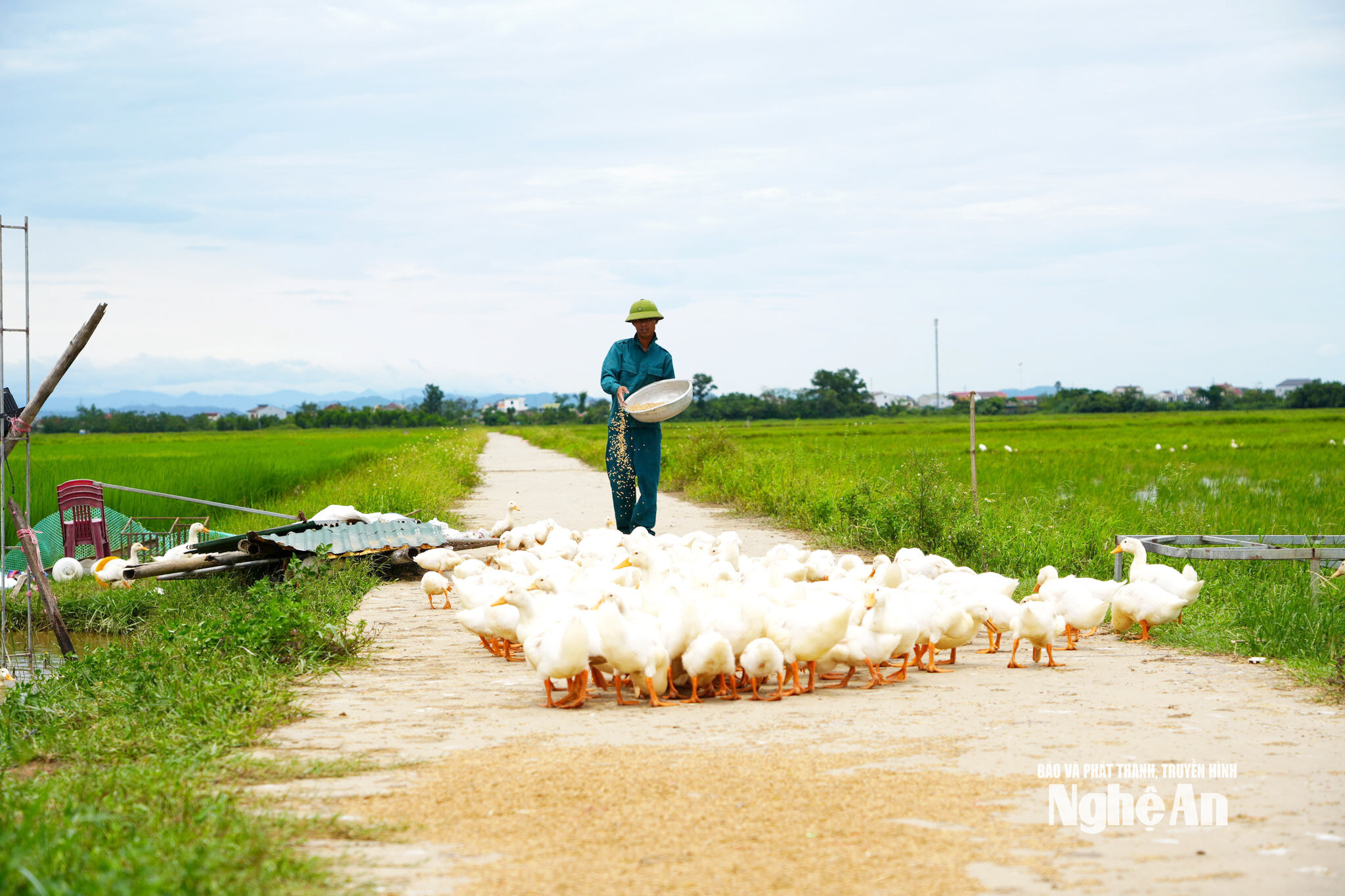
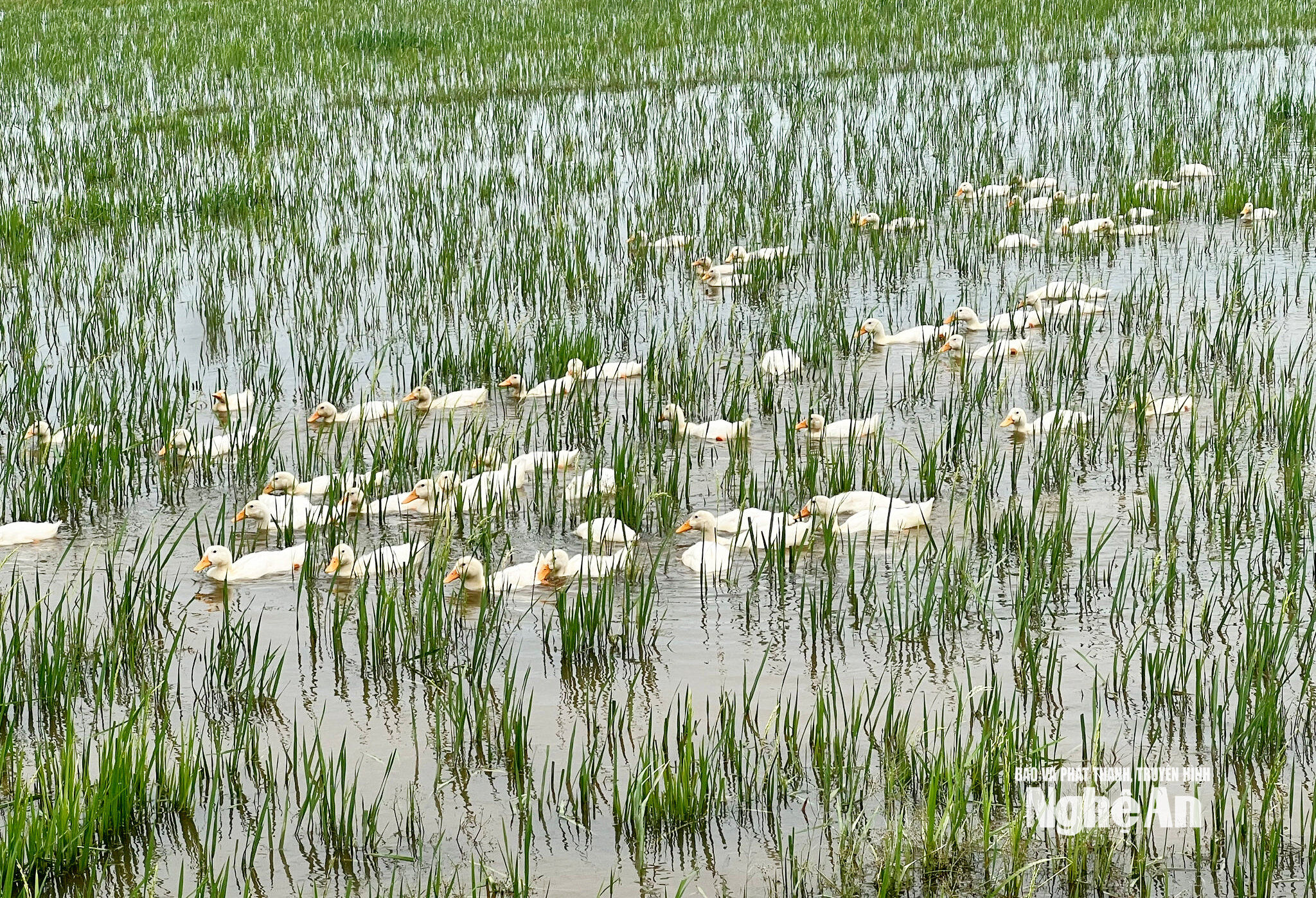
And those irrigation ditches open up another value. Fish, crabs, and snails can be harvested from the water; the low-lying, waterlogged fields below, unsuitable for rice cultivation, can be used for raising ducks. For the current batch, Mr. Tuan has released about 1,200 ducks and plans to sell them before the winter-spring season, when people return to farming.
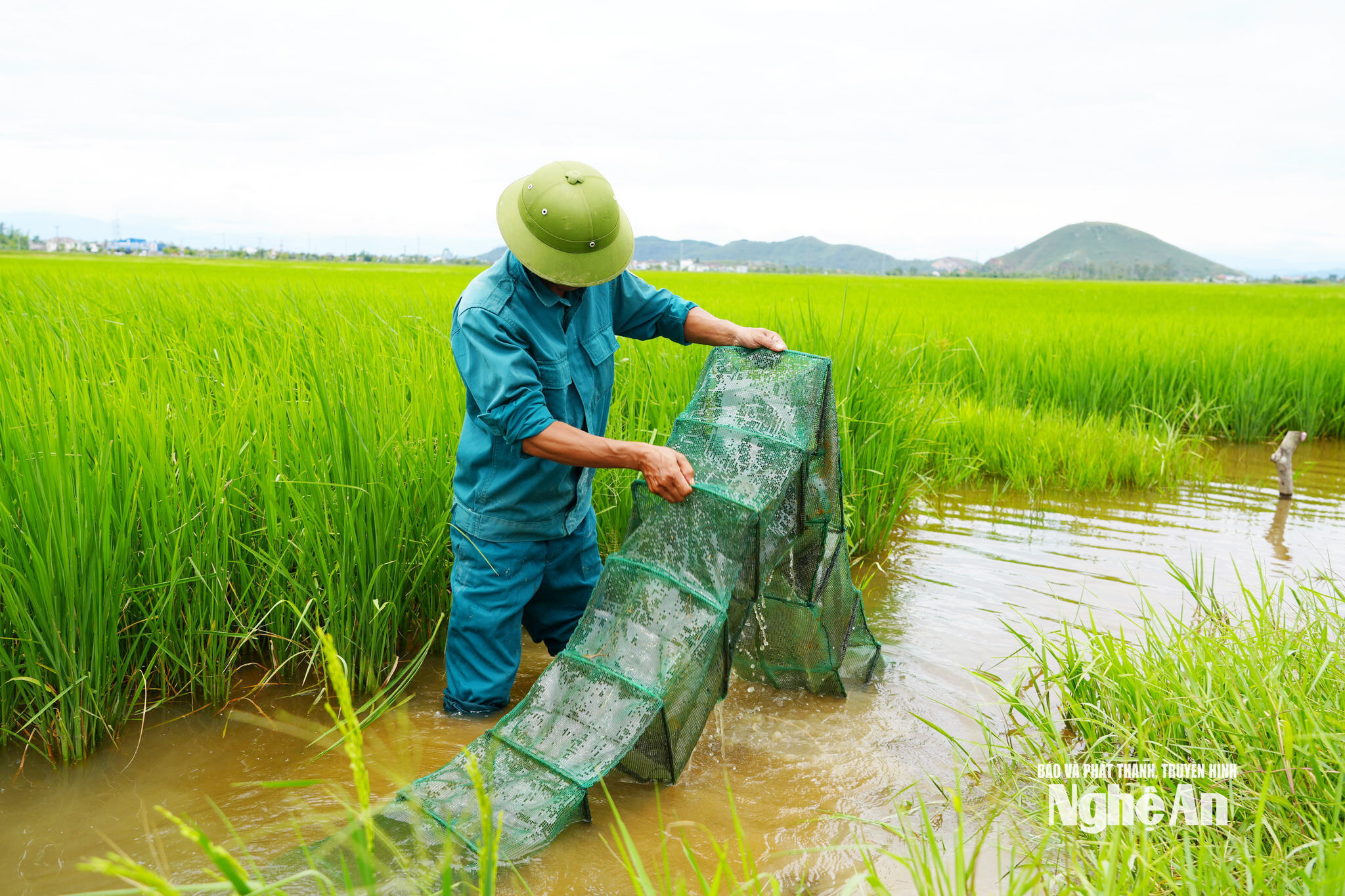
The same field, therefore, is no longer considered a single crop season. The rice crop produces a stream of products; the water surface and suitable land create additional sources of income. This organizational structure also changes the perspective on efficiency.
If only the main crop is considered, a plot of land primarily generates one stream of income. But when the land is reorganized, machinery is introduced, water is managed effectively, and empty spaces are utilized, the same unit of land can create much more value.
.png)
For Mr. Tuan, the story doesn't end with putting land into production or producing sesame seeds and rice. As these products began to take shape in the fields, he posed another question: How can we ensure that when consumers think of Lam Thanh, they immediately think of sesame seeds and rice?
In Tuan's calculations, the answer doesn't lie in a name or beautiful packaging, but must start with the products created on this land. He identified three product groups to build the Lam Thanh agricultural brand: sesame oil, Lam Thanh rice, and biological products from sesame stalks and rice by-products.
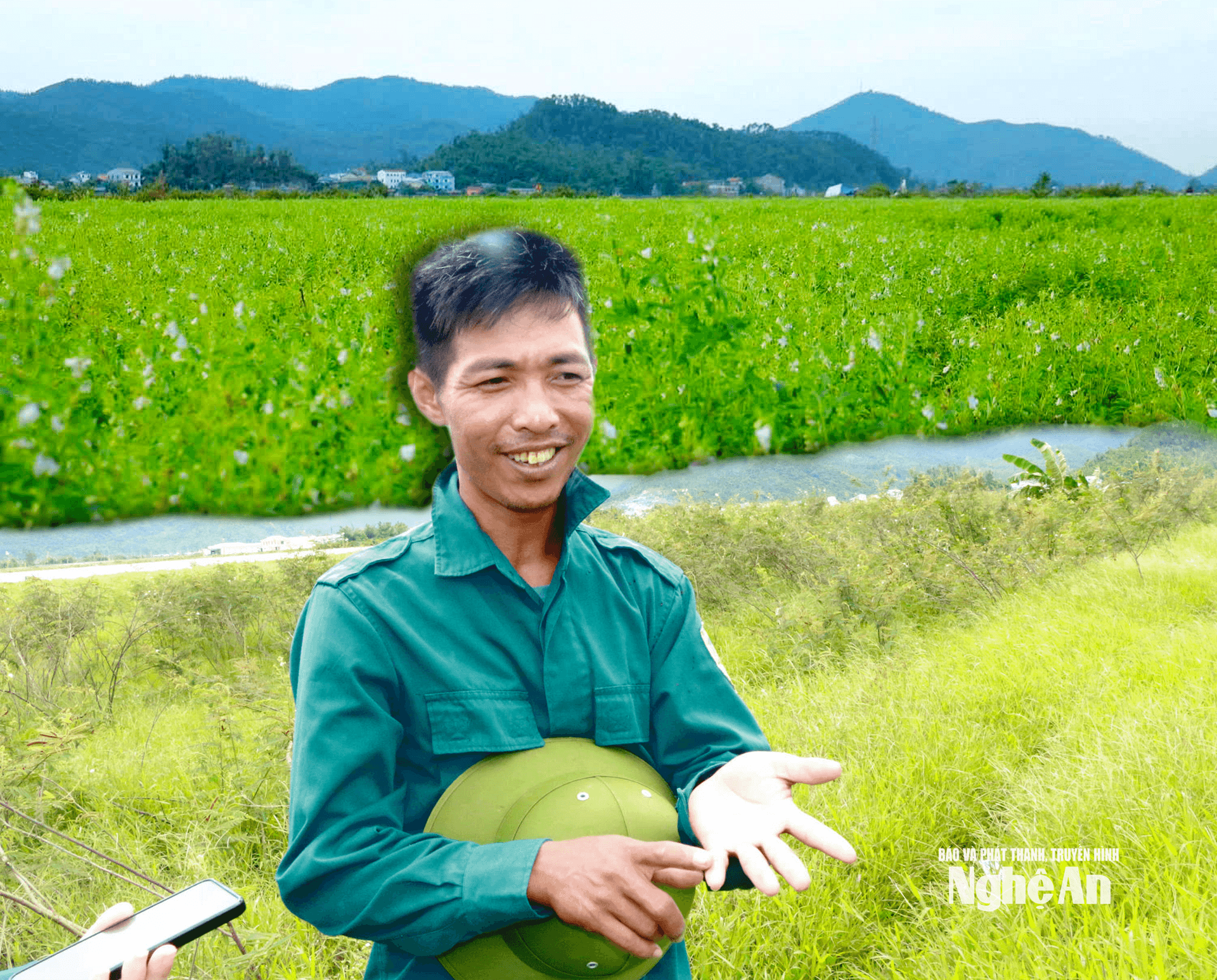
Over 3.5 hectares of sesame are not only grown for seeds and sold on the market, but according to his calculations, sesame plants can be developed into sesame oil and, further, into processed products, bio-products from sesame extracts, sesame stems, etc. The same applies to rice; while rice grains are the main product, straw, stems, and other post-harvest by-products still have value if collected, processed, and reintroduced into another production process. The goal is to minimize waste and extend the economic value of the crop.
According to Mr. Tuan, building the Lam Thanh brand requires, first and foremost, high-quality products. Consumers need to know how the products are grown and cared for, what pesticides are used, and have data to prove their safety.
"To establish a brand, you need a scientific basis and data; you can't just talk," Mr. Tuan said. But creating a good product is only the first step. That product also needs to be known and accepted by the market at a commensurate price.
Mr. Tuan used market prices for rice to illustrate his point. Even though it's the same rice, some types sell for around 28,000 VND/kg, others for over 30,000 VND/kg, and some even for 40,000-45,000 VND/kg, yet people are still willing to pay for quality and branded products. The question is, how can Lam Thanh rice achieve similar value? Besides quality, the product must have a brand and a suitable market approach.
To make the name more widely known, Mr. Tuan not only plans to bring the product to market but also wants to tell the story of where the product is made. Sesame fields, rice paddies, the Lam River, the flowering seasons, the farmers, and the cultural values of his homeland can all become material to introduce Lam Thanh agricultural products. And the space he aims for to tell those stories is the digital environment.
For a bottle of sesame oil or a bag of Lam Thanh rice to reach beyond the fields, it must first be known to consumers. But according to Mr. Tuan's calculations, you can't wait until the product is packaged to start telling the story. The entire harvest season must become a story, from the time the rice plants bloom and the sesame plants grow until harvest. And the space he chose to tell that story, first and foremost, is the digital environment.
Tuan is planning to organize Megalive sessions in stages throughout the growing season. The first session will take place when the rice begins to flower or at an appropriate time, focusing on introducing the production area, farming methods, applications of science and technology, and the potential of local agriculture. It will feature the story of three parties: the government, farmers, and technicians. Viewers will not only see the final product but also learn how it was produced.
As harvest time approaches, the second session will focus on evaluating new varieties, product quality, and topics typically only discussed in field workshops. According to Mr. Tuan, these activities have traditionally taken place on a small scale, meaning not all farmers have the opportunity to follow them. By uploading them to Megalive, a field workshop can become content that many people can watch together, learning about the raw material source and how the product is made.
The third session will trace back the entire journey, from planting, tending, production to harvesting, and then connecting with consumption. The ultimate goal remains brand building, but that brand isn't created by a few advertising images detached from production. It's formed from what actually happens in the field: the plant variety, the cultivation process, the techniques, the quality, and the actual product.
For Mr. Tuan, bringing agricultural products to the digital space isn't just about selling products. To make viewers remember a product, you have to tell the story behind it. And that story begins right in the field: How the plants are grown, how the farmers work, what makes that land unique. Lam Thanh has its own unique elements to tell. One morning in the middle of the sesame flower season, the white blossoms stand out against the green backdrop of the fields, with the Lam River flowing in the foreground and mountains in the distance.
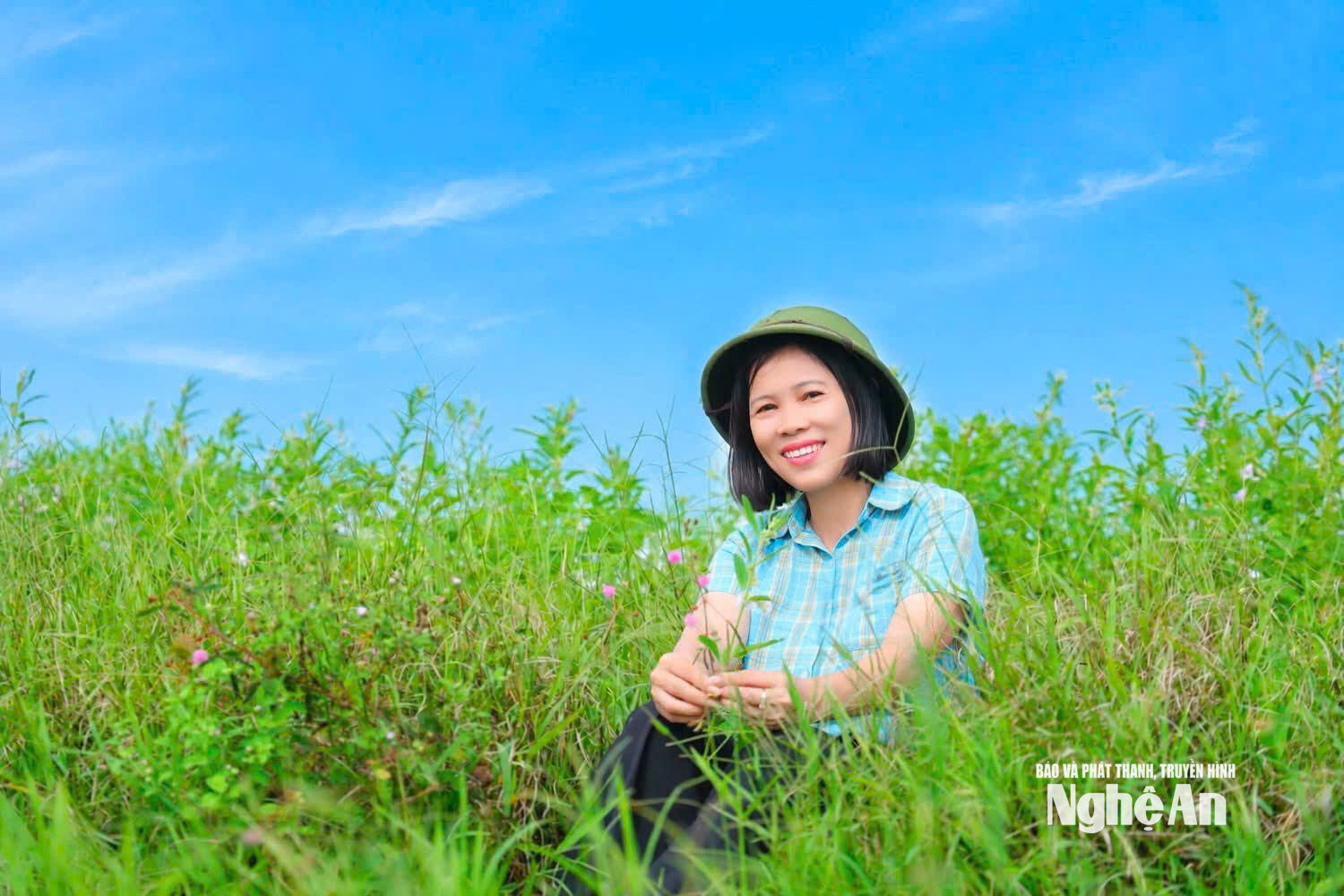
Anh Tuan envisioned photographs, videos, music videos, and cultural activities being created right in the fields. These images could then be uploaded to Megalive sessions and social media to tell the story of the product. The fields, therefore, not only provide the raw materials for the product but also offer a narrative that helps the product gain recognition.
Based on that idea, the "Colors of Sesame Fields" photo contest was launched in coordination with the Lam Thanh Commune Youth Union and with the support of Mr. Tuan and his companions. Local products such as sesame oil were considered as prizes.
Currently, this activity does not charge an entrance fee and does not aim for direct revenue; the focus remains on promoting the landscape, attracting people to experience and take photos, and thereby making the name Lam Thanh more widely known.
In addition, he is considering activities that connect agriculture with culture, from art and music to programs for children.
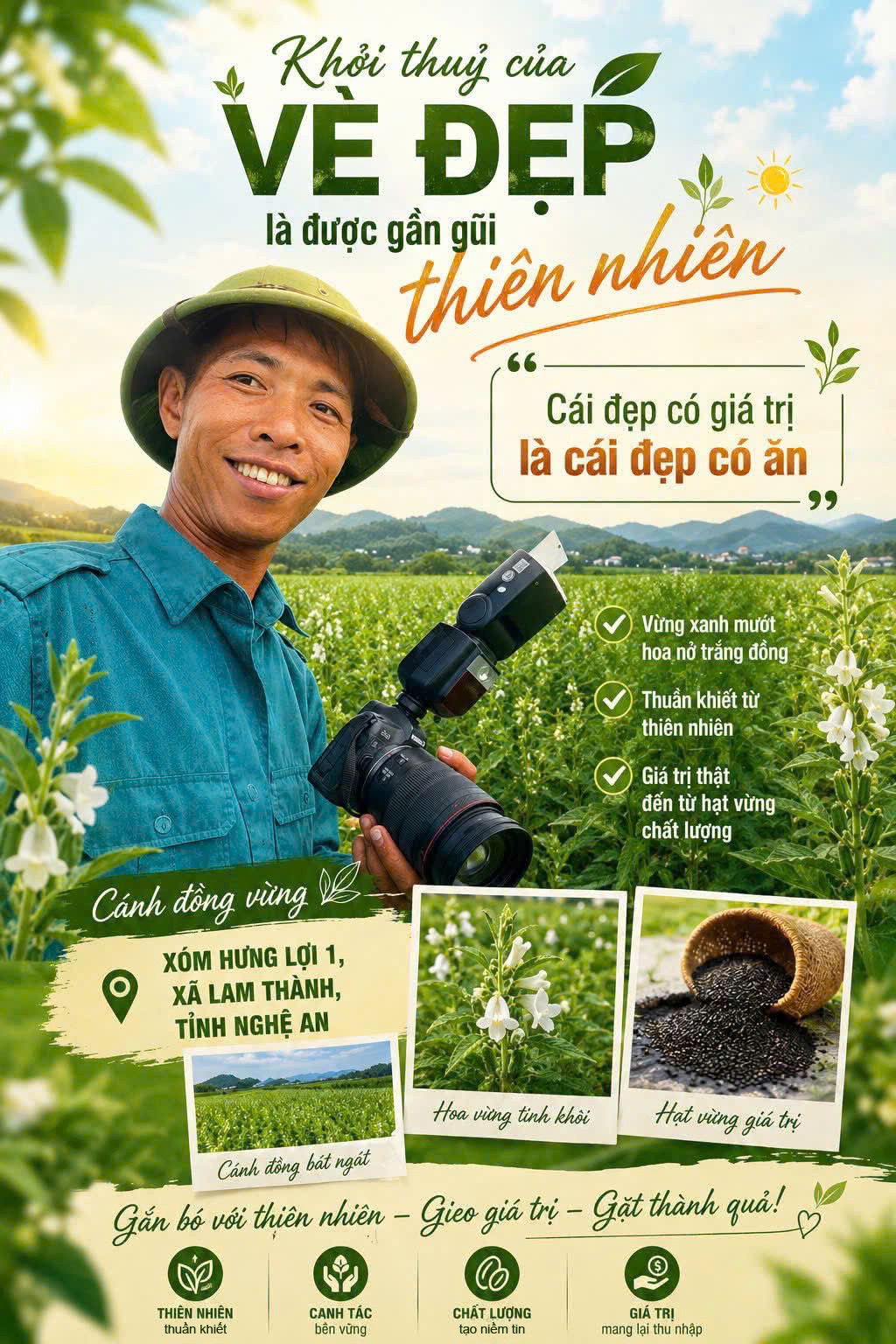
Through these photos, videos, Megalive, and activities, the fields are not only places where agricultural products are produced, but also become places that tell the story of the products and the land of Lam Thanh.
When people think of Lam Thanh, Tuan wants them to remember sesame seeds, rice, the fields along the Lam River, the sesame flowering season, and the people who produce these products. From the products to the landscape, culture, and stories of the farmers, Tuan wants to create a unique identity for Lam Thanh's agricultural products so that consumers can easily remember and recognize them.


