
The US's 28-point peace plan: A new chessboard in Eastern Europe?
A 28-point diplomatic document, described by U.S. officials as the Trump administration's "working paper," is creating profound geopolitical tremors from Washington to Kyiv and Moscow...
The new security structure and the price of compromise.
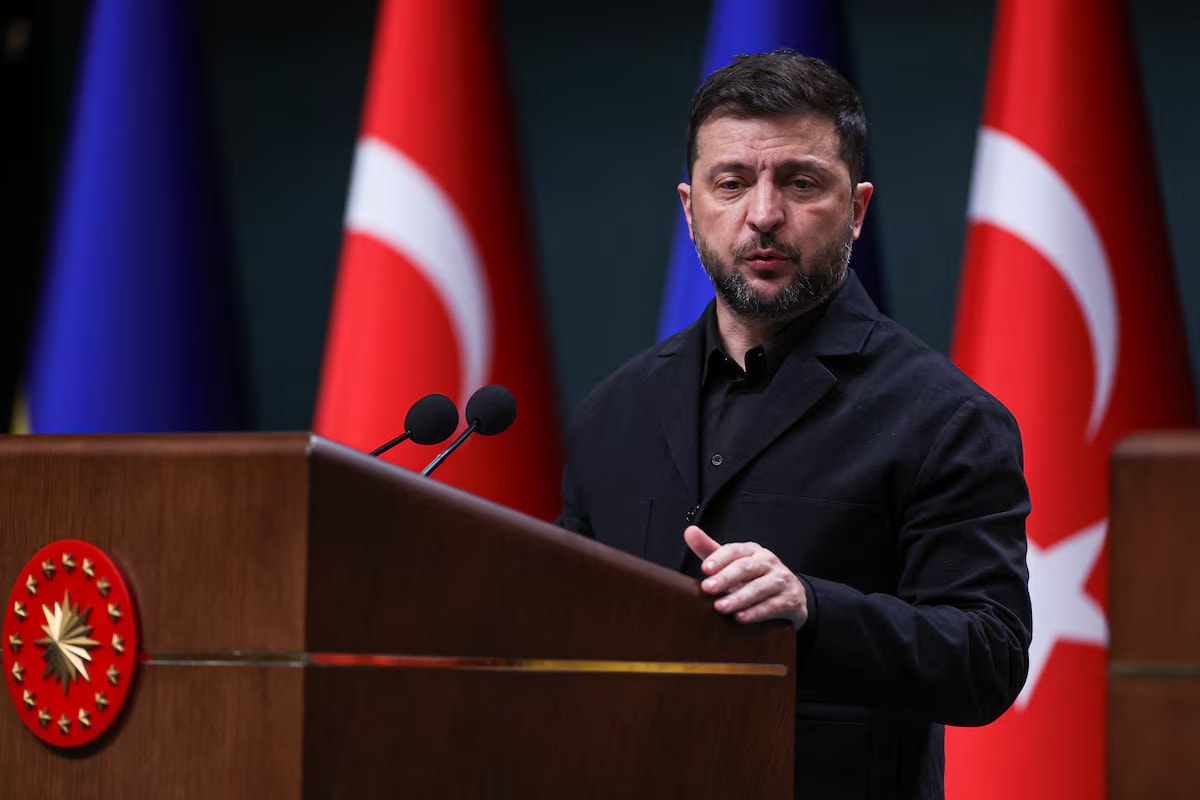
Information about the plan emerged in mid-November 2025, a time when the Ukrainian battlefield was locked in a stalemate and war fatigue had spread across the continent. According to reputable diplomatic sources from Reuters, CNN, and Axios, U.S. Army Secretary Dan Driscoll made an unannounced trip to Kyiv to personally deliver the document to Ukrainian President Volodymyr Zelensky. Drafted by special envoy Steve Witkoff in close consultation with Secretary of State Marco Rubio and the U.S. national security team, the document was seen as a concrete step toward fulfilling President Trump's repeatedly stated commitment to "ending the war quickly." However, its detailed content reveals a fundamental shift in Washington's foreign policy thinking: moving from supporting Ukraine to achieve a complete victory to accepting the realities of the battlefield in order to achieve a viable peace, even at an extremely high cost.
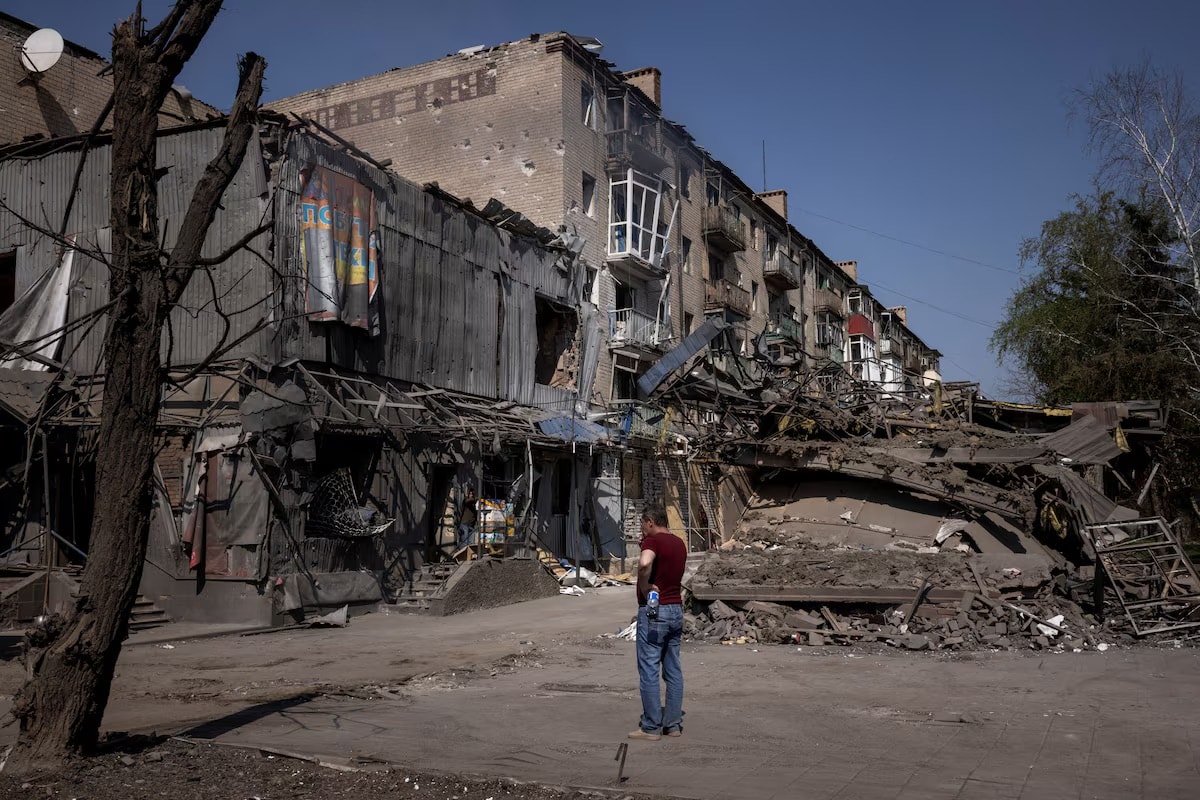
The most controversial and central element of the proposal lies in the complete reshaping of Ukraine's geographical map and military structure. Specifically, the 28-point plan demands international recognition of Russia's "de facto" control over the Crimean Peninsula and the two breakaway regions of Luhansk and Donetsk. For southern provinces like Kherson and Zaporizhzhia, the lines of control would be "frozen" along the existing front line. In parts of Donetsk still under Ukrainian military control, Kyiv would be forced to withdraw its troops. This area would then be established as a neutral, internationally recognized demilitarized buffer zone belonging to the Russian Federation, despite Russian military commitments not to enter it.
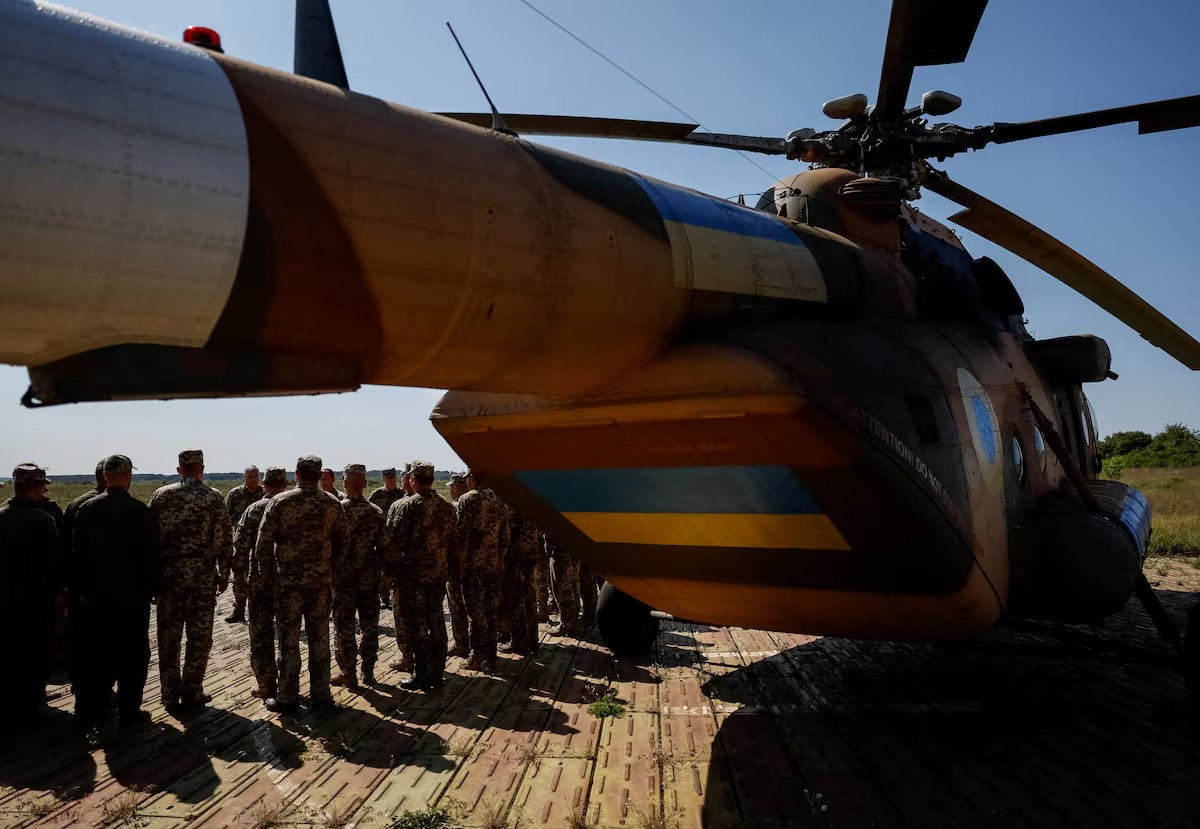
Alongside territorial concessions, the door to joining the North Atlantic Treaty Organization (NATO) – Kyiv's top strategic goal – will officially close. The document requires Ukraine to amend its constitution to commit to permanent neutrality, and in return, NATO will include a clause prohibiting Ukraine from admitting or stationing troops in the country. Ukraine's internal defense capabilities are also limited, with the size of its standing armed forces capped at 600,000 personnel. Ukraine must also reaffirm its commitment to being a nuclear-free state.
To compensate for these security "gaps," the US introduced a new, highly transactional security guarantee mechanism. Washington committed to a decisive, coordinated military response and the re-imposition of all global sanctions if Russia violated the agreement. As a long-term deterrent, modern European fighter jets would be permanently stationed in Poland, ready to protect Ukrainian airspace instead of being directly deployed on Ukrainian territory. However, the document also explicitly stated that the US would receive "compensation" for these security guarantees, a detail typical of the Trump administration's business-like negotiating style.
Alongside the "stick" of security is a massive "carrot" of economics. A $100 billion Ukraine Development Fund is planned, using capital from Russia's frozen assets to rebuild infrastructure, develop high-tech industries, and establish data centers. For Moscow, the plan opens a door out of international isolation: Russia will be invited back into the G8, sanctions will be lifted according to schedule, and the US will sign long-term cooperation agreements with Russia in strategic areas such as the exploitation of rare earth resources in the Arctic, energy, and artificial intelligence. In particular, the Zaporizhzhia nuclear power plant – Europe's largest – will be operated under IAEA supervision, with electricity production split 50:50 between the two countries, transforming a conflict hotspot into a symbol of forced cooperation.
Multidimensional response
The emergence of the 28-point plan not only shook military calculations but also triggered a complex chain of political reactions from major capitals. In Kyiv, President Volodymyr Zelensky is facing the most serious "dilemma" since the outbreak of hostilities. On one hand, pressure from his biggest ally, the United States, forces him to seriously consider the proposals to maintain the flow of aid and political support. On the other hand, accepting territorial concessions and limiting the military risks provoking a fierce wave of opposition from domestic nationalists and military forces on the front lines. Despite publicly declaring his readiness to work "honestly and constructively," cautious statements from the President's office suggest that Kyiv is trying to buy time and adjust the terms to protect its last remaining red lines. The demand for general elections within 100 days of signing the agreement further increases pressure on Ukraine's political system, which is already operating under martial law and a severely devastated society.
Meanwhile, Moscow's reaction has been cautious. Kremlin spokesman Dmitry Peskov, while stating there had been no "official consultation process," confirmed the existence of clandestine communication channels, indicating that Russia is carefully considering the costs and benefits of this proposal. International recognition of control over newly acquired territories and a break from economic sanctions are clearly attractive prizes for President Vladimir Putin. However, Moscow maintains its maximum demands, and observers believe that Russia will not easily accept any agreement unless it guarantees the complete elimination of Ukraine's potential to become a future threat.
In contrast to the calculations of the two warring sides, the atmosphere in Europe was one of apprehension and a sense of being marginalized. Ukraine's key allies in the European Union (EU) felt passive in the face of the speed and assertiveness of the US administration. EU High Representative for Foreign Policy, Kaja Kallas, frankly warned that any sustainable peace plan required the participation and consensus of Europeans. The French and Polish foreign ministers both voiced their concerns.
The plan also addressed humanitarian issues such as a full amnesty for all warring parties and the exchange of prisoners of war on an "all for all" basis, to pave the way for peace...
Overall, the 28-point US peace plan is the most concrete and detailed effort to date to break the deadlock in Ukraine. It bears the hallmarks of President Trump's "art of negotiation" style: direct, pragmatic, and exerting maximum pressure on all sides. However, the gap between the document and reality remains vast. The next 100 days will be a test, with the world holding its breath to see whether this proposal will usher in a true era of peace, or merely a temporary lull before new geopolitical storms erupt, with unpredictable consequences for global security.


