
Ending the conflict with Iran: Which scenarios is the US considering?
At the request of the White House, U.S. intelligence agencies are urgently assessing the risks of Washington unilaterally declaring an end to the war with Iran. Political pressure is mounting on President Donald Trump ahead of the midterm elections.
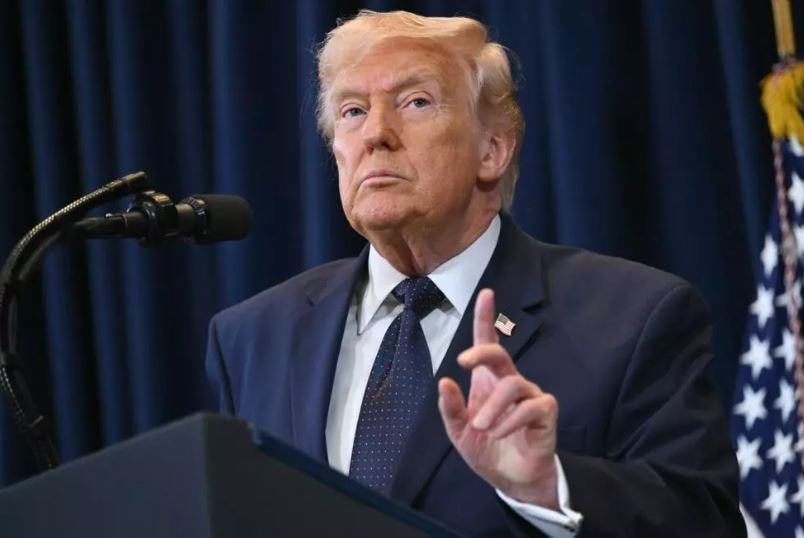
According to RIA Novosti, Reuters reported on April 29, citing sources, that US intelligence is analyzing how Iran would react if President Donald Trump unilaterally declared victory.
Based on information from two U.S. officials and one internal source, the analysis aimed to understand the potential consequences if Trump decided to withdraw from the conflict. Some officials and advisors in the Washington administration fear that continued entanglement could lead to a major defeat for the Republican Party in the upcoming midterm elections.
The US midterm elections will take place in November this year. Many observers are currently predicting a bleak outlook for the ruling Republican Party. The main reasons stem from the military campaign in Iran, which is facing strong opposition from domestic public opinion, along with the resulting skyrocketing fuel prices.
According to Reuters, Washington has not yet made a final decision, and the White House could still increase the intensity of the military campaign. However, "quickly de-escalating tensions could help reduce political pressure on the President."
This move could be considered even if it strengthens Tehran's resolve, creates an opportunity for it to revive its nuclear and missile programs, and potentially "threatens US allies in the Middle East."
Citing three sources familiar with recent White House discussions, Reuters emphasized that President Trump is acutely aware of the "political cost" he and his party are paying. A White House representative described domestic pressure on the President to end the hostilities as "enormous."
Nevertheless, the U.S. government maintains "various military action options" regarding Iran. These options include resuming airstrikes targeting Tehran's political leadership and military command system.
The implementation of the "most ambitious" plans, such as launching a ground offensive against Iran, is now considered "less likely than it was a few weeks ago."
In addition, Reuters points out that, during the ceasefire, Iran successfully recovered a large quantity of weapons. Many drones and missile launchers were removed from the rubble of military facilities that had been bombed by the US and Israel in the early weeks of the war.
For this reason, the cost of resuming large-scale military action between the U.S. and Israel "is likely to be higher than it was in the early days of the ceasefire that took effect on April 8."
The Central Intelligence Agency (CIA) declined to answer specific questions from Reuters regarding Iran. Liz Lyons, the CIA's press director at Langley, stated, "The CIA is not aware of this assessment from the intelligence community." The Office of the Director of National Intelligence also declined to comment.
In another development, The Wall Street Journal, citing anonymous sources, reported that President Donald Trump has instructed his aides to prepare a long-term plan to blockade Iran.


