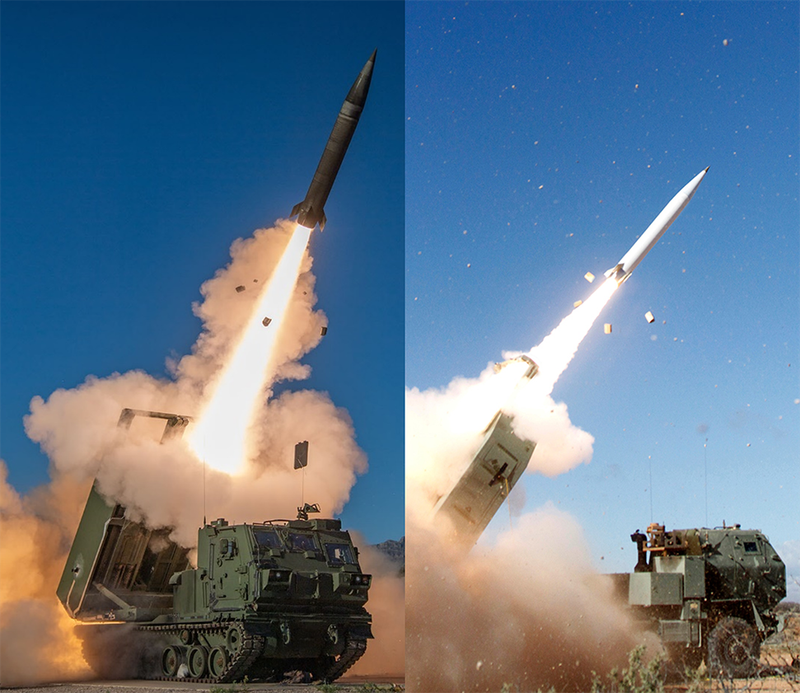
The ability of the S-350 and Buk-M3 air defense systems to intercept the US PrSM missile.
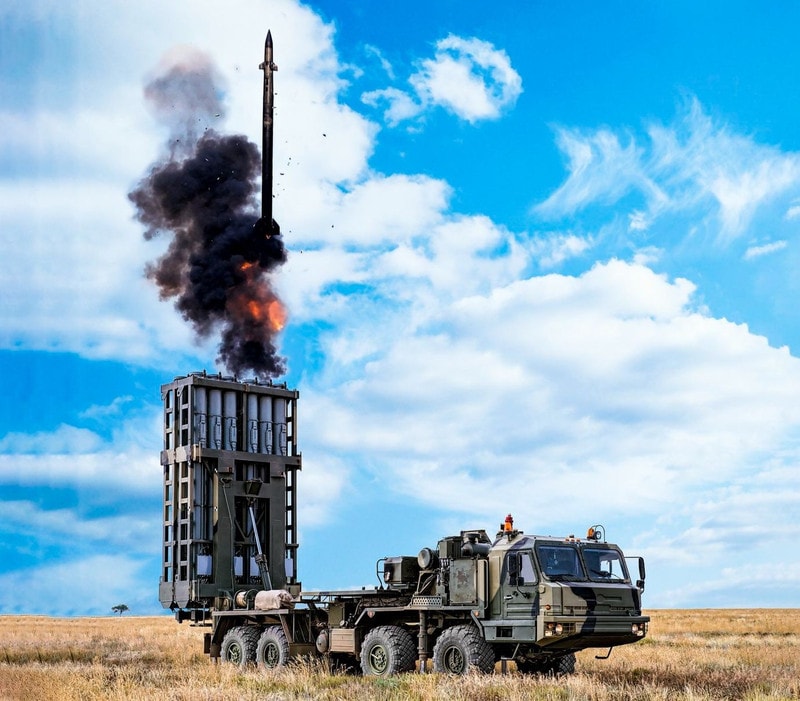
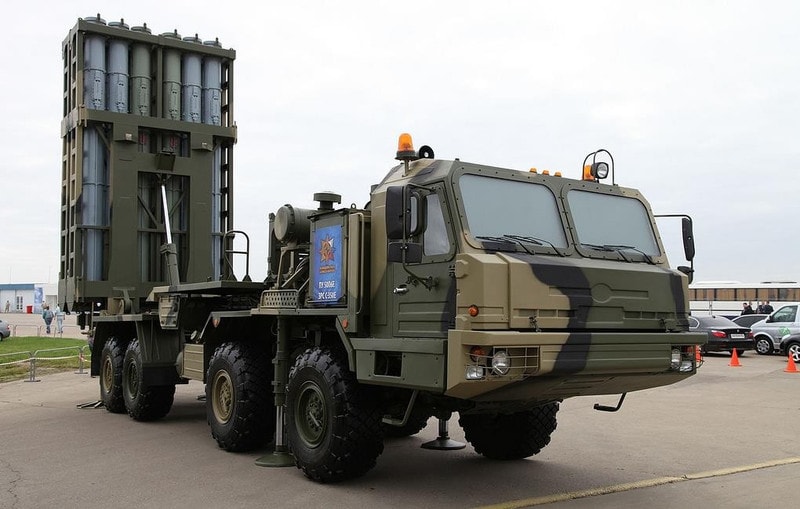
Russian military experts believe that the S-350, Buk-M3, and Pantsir systems have sufficient capability to counter the new generation US PrSM missiles, thanks to practical experience in intercepting ATACMS.
Modern Russian air defense systems, including the S-350 Vityaz, Buk-M3, and Pantsir, are believed to be capable of effectively countering the US military's new generation of precision-guided missile systems (PrSMs). This assessment is based on the combat experience of Russian air defense forces in intercepting previous generations of tactical ballistic missiles.
Russia's air defense capabilities against new generation weapons.
In an interview with News.ru, Russian military historian Yuri Knutov listed weapons capable of countering the PrSM missile – a type of munition that Western militaries expect to be the "destroyer" of S-400 Triumf systems.
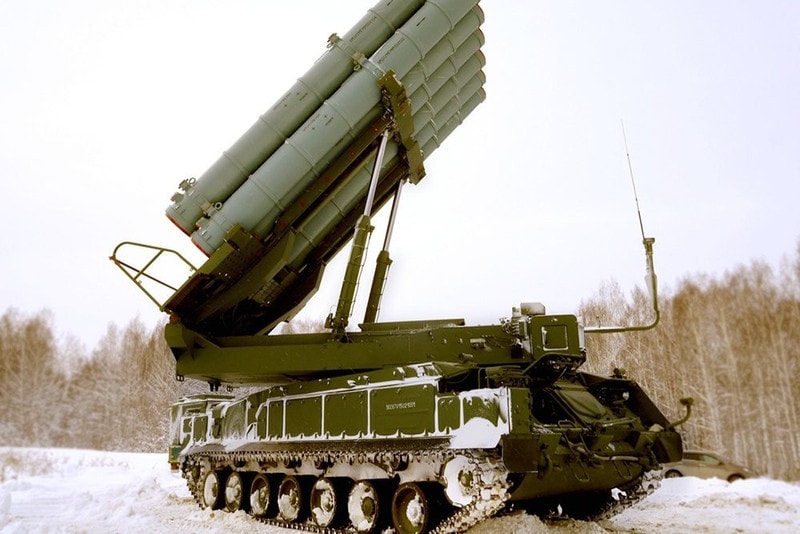
According to Knutov, the Russian military has accumulated considerable experience in shooting down ATACMS missiles. The synchronized operation of S-350, Buk-M3, and Pantsir anti-aircraft missile and artillery systems creates a multi-layered fire network. While acknowledging that newer missiles like the PrSM pose certain risks, the expert asserted that Russia currently possesses the necessary technology to intercept them.
Technical specifications of the PrSM missile
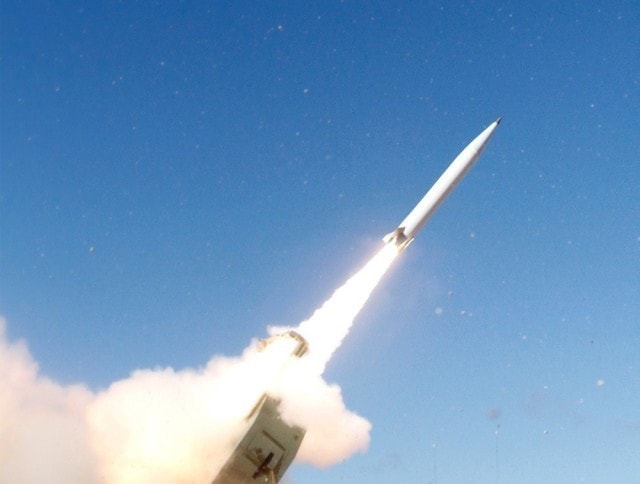
The PrSM missile was developed to replace the outdated ATACMS series. The biggest difference lies in its size: the PrSM is significantly smaller, allowing standard HIMARS launchers to carry up to two missiles, instead of just one as with the ATACMS.
The US military began receiving its first batches of PrSM missiles in late 2023. The current first-generation versions have a range of approximately 500km but lack multi-mode seekers. It is not until the second generation, expected to be tested in 2024, that this type of missile will be capable of engaging moving targets.
The practical challenges facing a defensive fire network.
Despite the confidence expressed by Russian experts, the realities of the battlefield still present significant challenges. In early March, it was reported that the US had used the PrSM for the first time in a targeted bombing campaign in Iran; however, the specific results have not yet been officially released.
Notably, the actual effectiveness of Russian air defense systems remains a subject of debate. Previously, ATACMS missiles equipped with cluster warheads inflicted significant damage on S-400 sites. This raises questions about the absolute protective capabilities of the S-350 or Buk-M3 against the destructive power of new-generation high-precision ballistic missiles from the United States.