
Long-range strike capability and the challenge posed by the Iskander-K cruise missile system.
With a range of up to 2,000 km and a low, difficult-to-detect flight trajectory, Russia's Iskander-K system is becoming a major threat to NATO's critical military infrastructure.
The Iskander-K is a long-range cruise missile system in service with the Russian military, supplementing the precision strike capabilities of the more common Iskander-M ballistic missile. Although less frequently mentioned, the Iskander-K possesses unique technical characteristics that allow it to carry out deep strikes into enemy territory with high accuracy.
Structure and attack capabilities of the Iskander-K system
The Iskander-K system began service in the mid-2010s. The core of this system is its ability to deploy modern cruise missiles, notably the 9M728 and especially the 9M729 variant. According to technical analysis, the 9M729 has an estimated range of 1,500 km to 2,000 km, allowing it to cover many key areas in Europe if deployed from strategic locations.
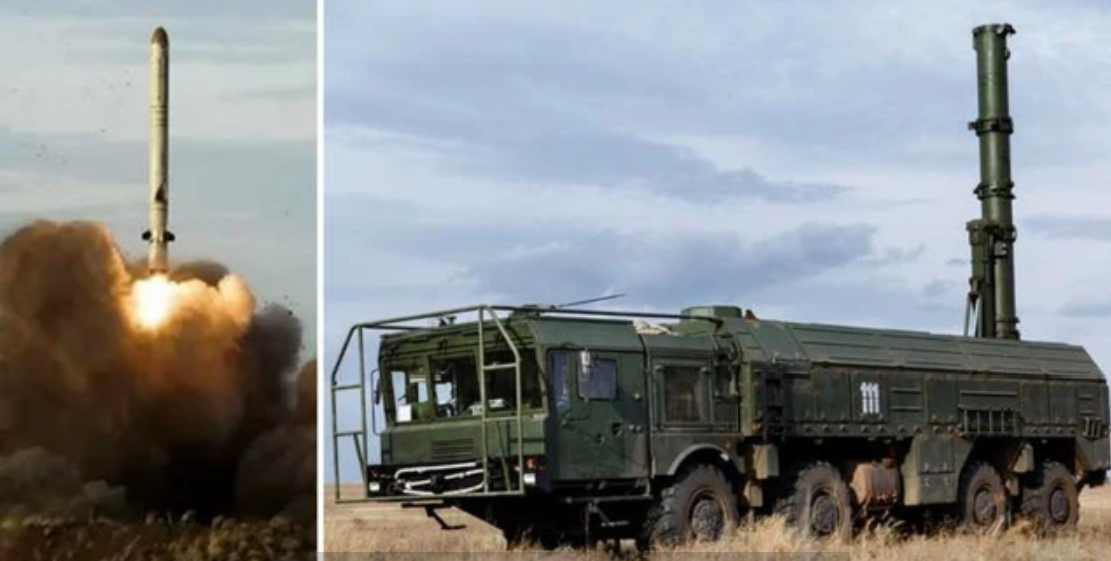
Notably, the Iskander-K launchers are designed based on a specialized truck chassis, providing extremely high mobility. The system can quickly move across various terrains, redeploy firing positions in a short time, and can even be transported by air to meet urgent combat requirements.
Superiority over modern air defense networks
Unlike the Iskander-M ballistic missile, which flies in a parabolic trajectory at high altitude, the Iskander-K cruise missile operates at low altitudes. Its terrain-following flight technique allows it to remain hidden from early warning radar systems and enables it to flexibly change its trajectory to avoid areas with high concentrations of air defenses.
Although cruise missiles typically fly at lower speeds than ballistic missiles, their stealth capabilities and complex trajectories make interception extremely difficult. The Iskander-K boasts a Circular Error Probability (CEP) of only 5-10 meters, allowing it to effectively destroy high-value fixed targets such as command centers, logistics depots, and critical military bases.
Combined offensive tactics and pressure on NATO
In realistic conflict scenarios, the Iskander-K is often expected to work closely with the Iskander-M to create multi-layered strike capabilities. Simultaneously dealing with high-speed ballistic missiles launched from above and low-flying, terrain-hugging cruise missiles would overwhelm defense systems like the MIM-104 Patriot.
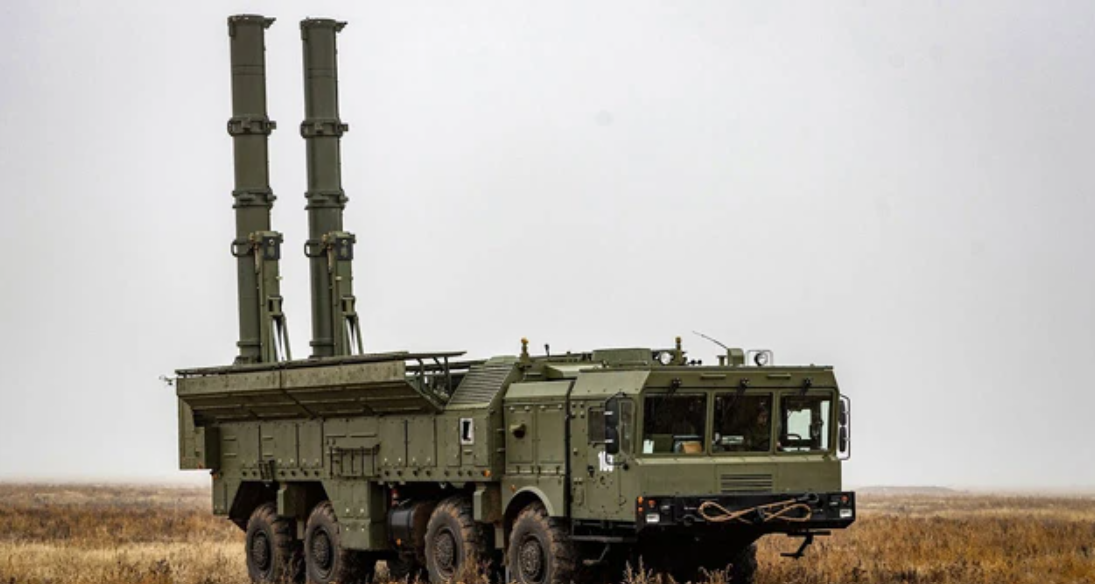
The current situation shows that the air defense capabilities of many NATO countries are under significant pressure due to the depletion of equipment in military support operations. The shortage of interceptor missiles and technical resources creates defensive gaps that the Iskander-K can exploit. If key defense systems are neutralized in the initial attack, subsequent strikes from the Iskander-K will achieve very high destructive efficiency.
Strategic importance and future prospects
Russia's integration of various long-range strike weapons, from the Iskander to newer systems like the Oreshnik, demonstrates a trend toward developing complex, multi-layered strike capabilities. Beyond conventional warheads, the Iskander-K system has the potential to carry tactical nuclear warheads, a key element in enhancing strategic deterrence.
Overall, the Iskander-K is not merely an adjunct weapon but has become an indispensable component in Russia's long-range combat architecture. The combination of its maneuverability, range reaching across much of Europe, and low-altitude, stealthy flight technology makes this system a persistent challenge for Western defense strategists in the future.


