
Overcoming difficulties, the Agriculture and Environment sector promptly provided irrigation and drainage water to serve production.
By consistently taking a proactive approach in investment promotion to attract maximum capital from various sources, aiming to build, repair, and upgrade irrigation infrastructure comprehensively, the Department of Agriculture and Environment of Nghe An province has made a significant contribution to promptly meeting the needs of agricultural production.
Ensuring irrigation and drainage for nearly 107,000 hectares of agricultural land.
Nghe An's irrigation system is responsible for ensuring irrigation and drainage for 107,000 hectares of agricultural land. The Nam Nghe An Irrigation Company Limited is entrusted with managing and operating these irrigation facilities, ensuring water supply and irrigation for nearly 47,000 hectares (including 17,000 hectares for water supply and nearly 30,000 hectares for drainage) of agricultural land and serving the needs of the people in 22 newly merged wards and communes (before the merger, there were 88 wards, communes, and towns in the districts of Nam Dan, Hung Nguyen, Nghi Loc, and Vinh City).
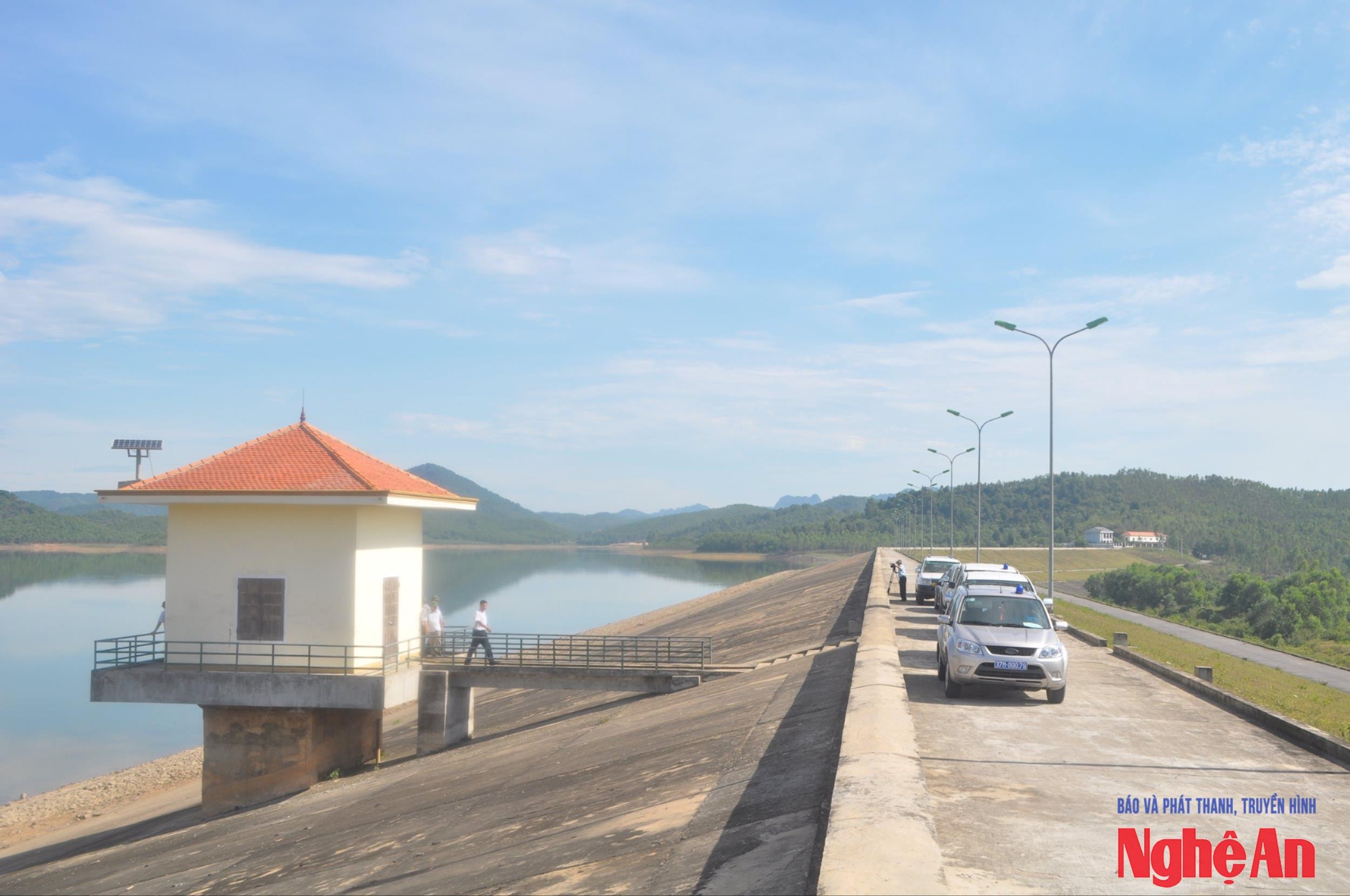
To effectively carry out the aforementioned important task, Nam Nghe An Irrigation Company Limited has proactively maintained, repaired, renovated, and upgraded the works within the system to improve irrigation capacity, ensure rational water distribution for production and daily life, protect water quality, prevent saltwater intrusion, and prevent, combat, and mitigate damage caused by drought and floods.
Operating in a vast area with complex terrain, and with some pumping stations and canal systems having been invested in a long time ago and deteriorating, the Nam Nghe An Irrigation Company Limited has developed an action program with the motto: "Economical, timely, and effective"; from which, it has proposed many solutions in irrigation services such as: Implementing scientific irrigation and drainage work on the fields; effectively implementing the 4 "attachments" (attachment to pumping stations, attachment to canals, attachment to fields, attachment to people), 3 "managements" (management of works, management of water, management of human resources), and building 5 "good" pumping stations (good unity, good management, proper operation, safe and efficient operation, good maintenance, ensuring technical standards, ensuring the safety of works, good unity, good management, proper operation, safe and efficient operation, good maintenance).
Therefore, the company has saved water and electricity, ensuring timely irrigation for farmers. In particular, the unit conducts monthly inspections at the pumping station, thereby directing and resolving existing problems and obstacles to best meet the quality of service for farmers…
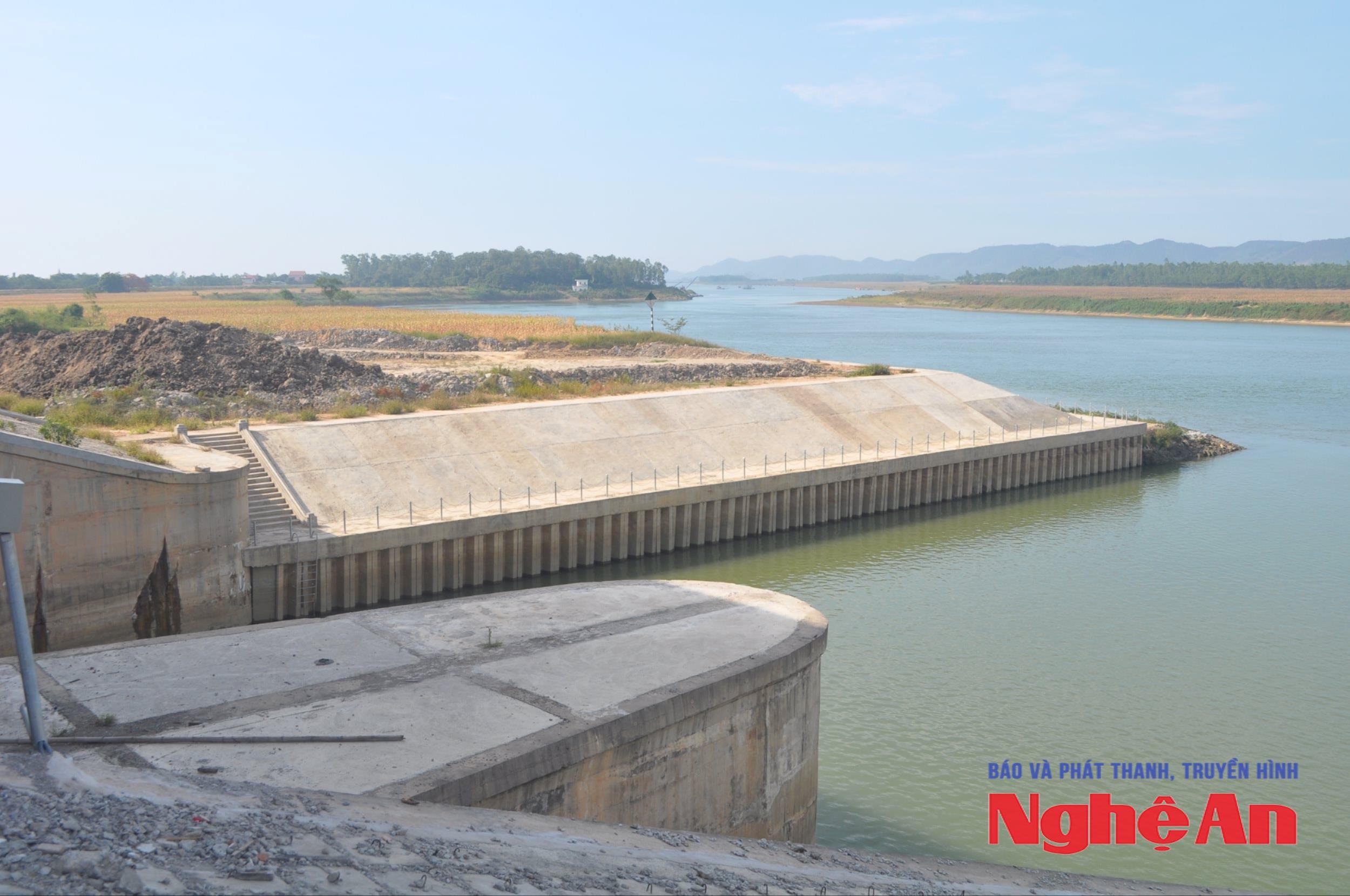
One of the crucial issues determining irrigation for agricultural production is the investment in upgrading and modernizing irrigation infrastructure. In recent years, with the attention and support of the State, several reservoirs, dams, and canals have been invested in, upgraded, and constructed. Currently, the Nam Dan Sluice Gate Project has been put into operation (with a capital of over 600 billion VND), and many reservoir and dam projects have been and are being implemented on schedule.
To ensure the safety of irrigation works in the area and to support disaster prevention, control, and search and rescue efforts, Nam Nghe An Irrigation Company Limited has implemented disaster prevention, control, and search and rescue plans throughout the entire system based on the "four on-the-spot" principle.
The organization conducted inspections of flood control structures, tested the operation of drainage pumping stations, inspected culverts under dikes, and inspected the dam bodies of water reservoirs, promptly addressing any damage. Drainage structures such as the Nam Dan culvert, Ben Thuy culvert, and Nghi Quang culvert were implemented according to proper procedures, ensuring effective drainage for both minor and major floods. Simultaneously, close coordination with local authorities ensured the safety of all reservoirs, contributing to the protection of crops, property, and people's lives.
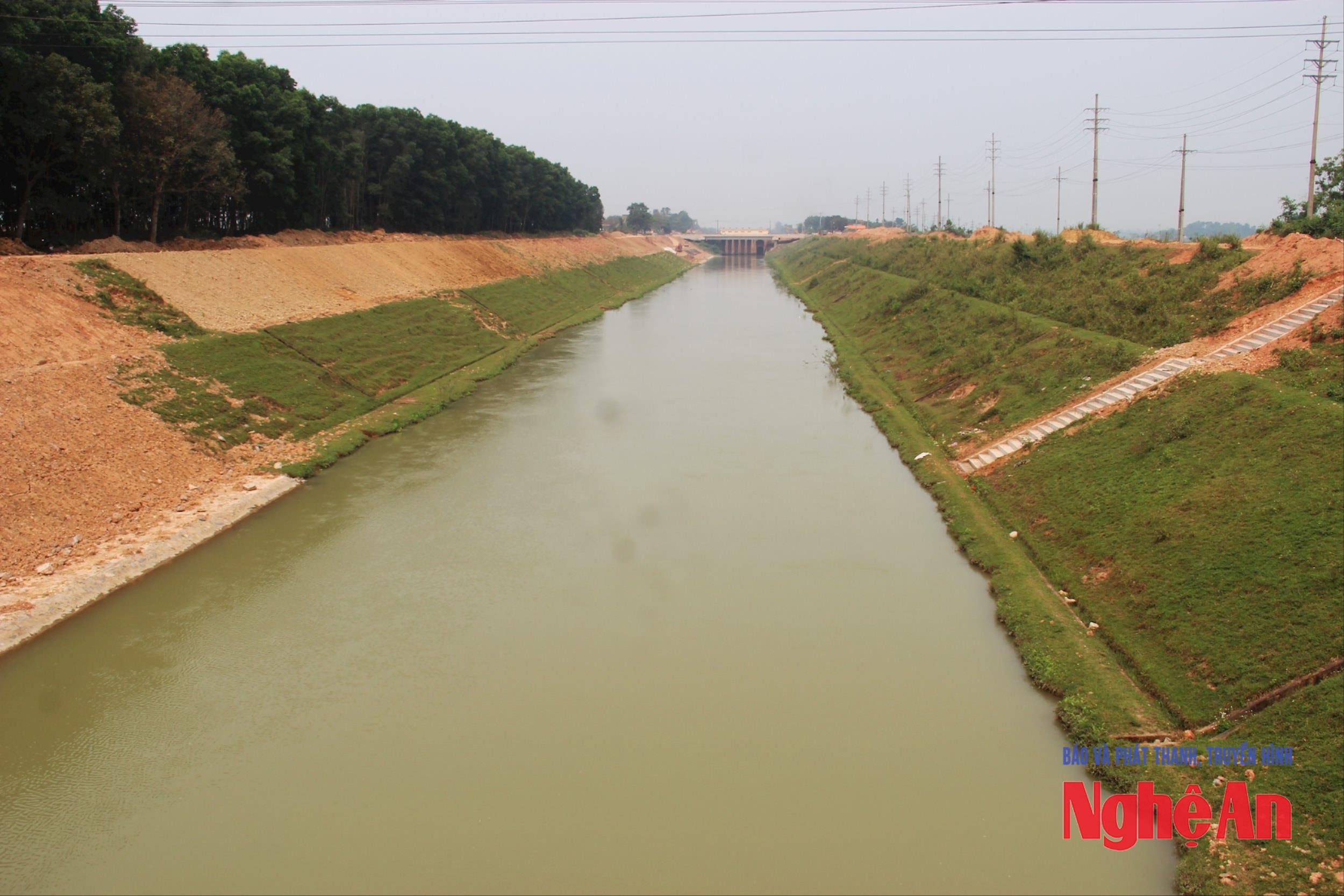
Ensuring timely water supply for irrigation and drainage across nearly 47,000 hectares of agricultural land and serving the needs of the local population is a crucial task for the unit. To effectively implement this, according to Mr. Ta Duy Hien, Deputy Director of Nam Nghe An Irrigation Company Limited, in the coming time, along with strengthening widespread propaganda to encourage farmers to use water rationally and economically, and to adopt scientific irrigation and drainage methods, the unit will overcome difficulties and strive to ensure sufficient water supply, timely drainage, and proper management and operation of the works according to regulations and procedures.
Furthermore, the unit will coordinate effectively with local authorities to protect irrigation works and reservoir safety. Simultaneously, it will actively attract investment capital to upgrade and repair irrigation works, striving to modernize the reservoir area, monitor and control water resources to ensure absolute safety, ensure sufficient water supply to combat drought in all situations, modernize management equipment to improve labor productivity, and harden the entire canal system. It will develop irrigated and drainage areas to nearly 70,000 hectares to meet the increasing demands of agricultural production.
Focus on developing a comprehensive irrigation infrastructure.
Over the past period, the Nghe An Department of Agriculture and Environment has actively and proactively strengthened investment promotion efforts to attract maximum investment capital from various sources, aiming to build, repair, and upgrade irrigation works such as the following projects:
The Khe Lai - Vuc Mau irrigation system (phase 1); Nam Mo river embankment; Renovation and upgrading of the canal system and structures on the canals in Vinh Thanh commune; Renovation and upgrading of headworks, canals and structures on the canals of pumping stations along the Lam River; Renovation and upgrading of the canal system and structures on the canals for reservoirs funded by the World Bank (WB); Construction of pumping stations and canal systems in Son Thanh commune, Yen Thanh district and Nghi Van commune, Nghi Loc district...
In Nghe An province, irrigation and dike systems continue to be repaired and upgraded, ensuring safety in disaster prevention and control at 1,061 reservoirs, 702 pumping stations, 423 diversion dams, 492 km of dikes, and over 6,414 km of canals... and ensuring irrigation, drainage, and water supply for approximately 223,000 hectares of agricultural production and 51,500 hectares of rural and urban drainage...
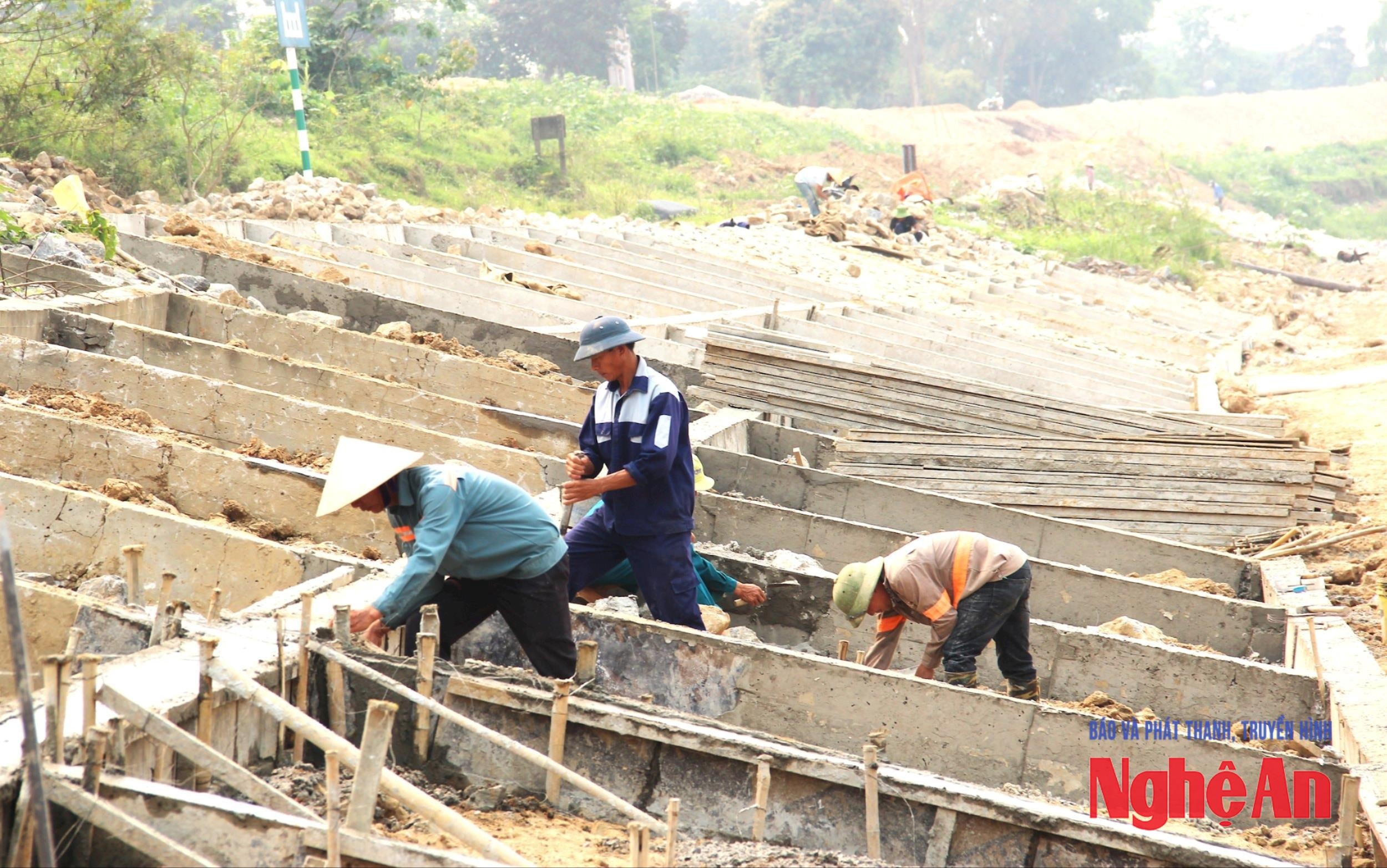
In response to the development requirements of the Agriculture and Environment sector in the new phase and to promptly meet the production needs of farmers in localities after the merger of new communes, the Nghe An Department of Agriculture and Environment continues to strengthen efforts to attract investment capital, prioritizing investment in completing key irrigation projects such as:
The Northern Irrigation System Upgrade Project (JICA), the Ban Mong Reservoir Project, the Khe Lai Vuc Mau Reservoir Project, the Nam Mo Embankment Project; the key project to restore and upgrade the Southern Nghe An Irrigation System; investment in repairing, upgrading, and constructing new reservoirs, dams, pumping stations, canals, and embankment systems to meet irrigation and drainage needs, adapt to climate change, and proactively prevent, mitigate, and reduce natural disasters; and improving the effectiveness of natural disaster risk management by applying modern technology in forecasting, warning, and preventing natural disasters.
Mr. Nguyen Hao, Deputy Director of the Nghe An Department of Agriculture and Environment, said: “The Department continues to mobilize and attract investment to complete the synchronous system of irrigation works, river and stream embankments, build infrastructure for salt production, infrastructure serving concentrated raw material production areas linked to product consumption, invest in infrastructure development for agricultural cooperatives, flood and storm prevention works, and arrange residential areas to adapt to climate change according to planning...; focusing on vulnerable areas such as coastal areas, low-lying areas, critical dike routes, infrastructure of mooring areas, fishing ports, fishing wharves, concentrated aquaculture areas...; implementing classification and grading of dikes (for dikes that have not yet been classified and graded) in the province.”


