
Opening Ceremony of the Sat Hai Dai Vuong Hoang Ta Thon Temple Festival
On the morning of July 28th, Hop Minh commune solemnly held the opening ceremony of the Sat Hai Dai Vuong Hoang Ta Thon Temple Festival to commemorate his great contributions to the country.
Attending the event were: Comrade Hoang Nghia Hieu - Standing Deputy Secretary of the Provincial Party Committee, Chairman of the Provincial People's Council; Vu Tuan Dung - Chief Inspector of the province; Major General, Hero of the People's Armed Forces Hoang Kien - Chairman of the Council of the Hoang Huynh clan of Vietnam; representatives of the Party Committee, People's Council, People's Committee, and Fatherland Front Committee of Hop Minh commune, along with a large number of local people and tourists from all over.
King Hoang Ta Thon, also known as Sat Hai Dai Vuong, was born on June 16th, 1254 (the year of Giap Dan) in Van Phan village, Dien Van commune, now Duc Chau commune, Nghe An province. As a child, he was renowned for his intelligence, strength, and exceptional swimming and martial arts skills. When the country was invaded by the Mongol army, he responded to the call of the court and went to fight. After a period of intensive training, the commanding generals recognized his understanding of military strategy and his exceptional swimming abilities, so they added him to the court's navy. Hoang Ta Thon's name is associated with the historic Battle of Bach Dang in 1288. He, along with other Tran Dynasty generals, commanded the navy in an ambush, destroying over 600 Mongol warships and contributing to the capture of the enemy general O Ma Nhi, achieving one of the most glorious victories in the nation's history of resistance against foreign invaders.
.jpg)
He was granted the title of Sat Hai Dai Vuong by King Tran Nhan Tong, bestowed the title of Minh Tu, and entrusted with the important responsibility of commanding the naval forces guarding 12 seaports from the Gulf of Tonkin to Central Vietnam.
.jpg)
In fulfilling his duty to protect the coast, Hoang Ta Thon organized coastal outposts, regularly patrolling and guarding, and promptly eliminating many pirate groups. Whenever the Champa army harassed Vietnam's waters and plundered some coastal areas in the South, Hoang Ta Thon led his troops to suppress them. Wherever the Tran dynasty army advanced, the Champa invaders were routed. During his time commanding the navy, he had the opportunity to visit his hometown. Seeing the poverty of the villagers and people, Hoang Ta Thon spent his own money and, along with his sons, led the coastal residents of Van Phan to find new land to cultivate and establish a village. Van Trang village, Hop Minh commune, Nghe An province, is the place where Hoang Ta Thon's family established their settlement. In his later years, due to old age, Hoang Ta Thon was summoned back to the capital to work in the Imperial Secretariat. During a sea tour from North to South, upon reaching Cua Trao (Thanh Hoa), he fell ill and passed away at the age of 85. The merits of King Hoang Ta Thon, also known as Sat Hai Dai Vuong, are remembered by the people. Many coastal villages from North to South have built temples to worship him, honoring him as a benevolent deity who protects fishermen.
.jpg)
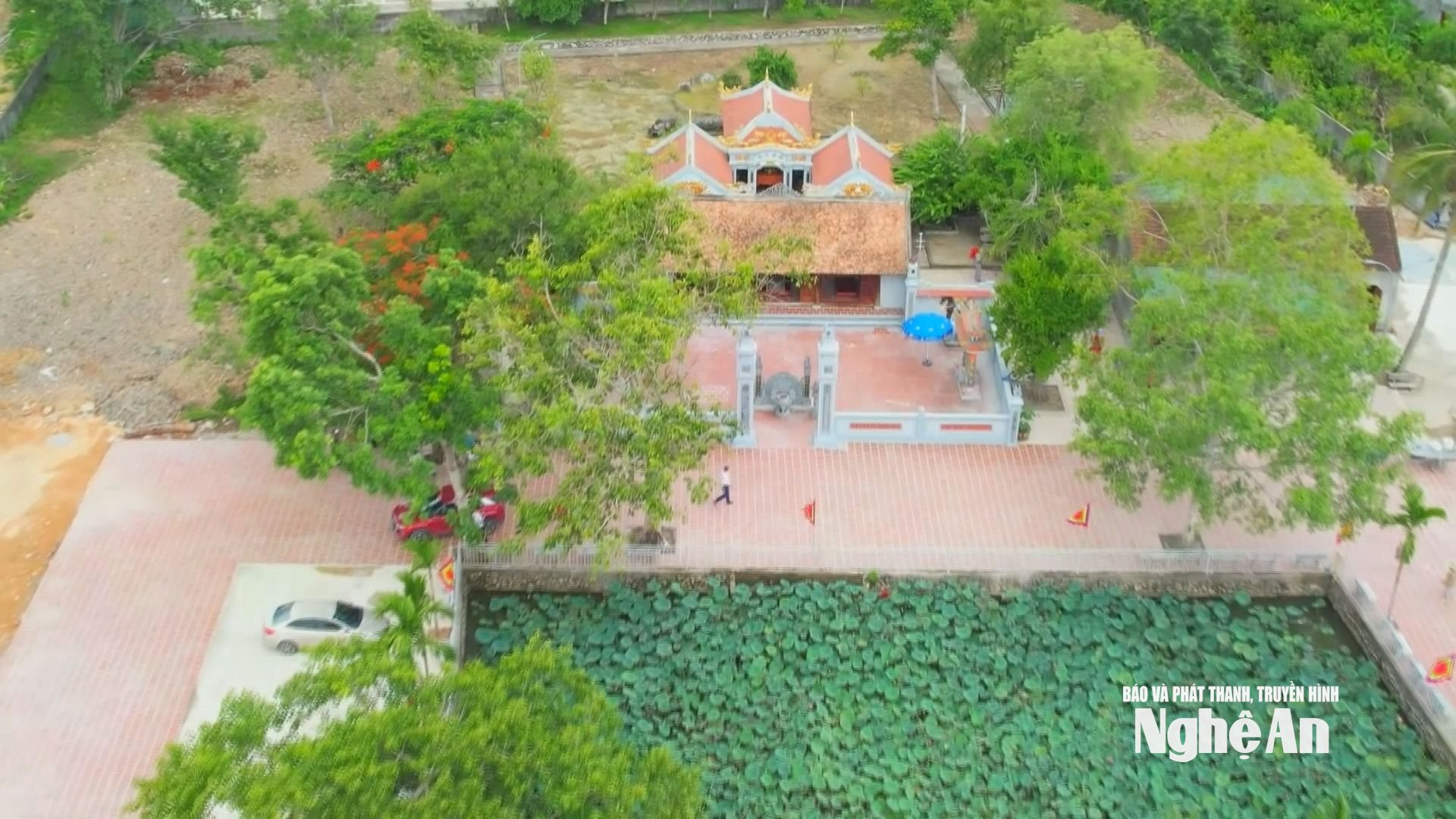
Despite the vicissitudes of history, the temple of Sat Hai Dai Vuong Hoang Ta Thon in Hop Minh commune has retained its majestic and ancient appearance, becoming an important center of religious activity for the local people. The temple is situated on high, airy land amidst a peaceful countryside, creating a sacred and tranquil atmosphere. The architectural complex includes many elements such as the temple gate, the main entrance, the worship hall, and the main sanctuary...
.jpg)
This year's festival at the Sat Hai Dai Vuong Hoang Ta Thon Temple is being held from the 11th to the 16th of June in the lunar calendar to commemorate his great contributions to the country. At the same time, people are praying for national peace and prosperity, favorable weather, abundant harvests, and an increasingly prosperous and happy life for the people.
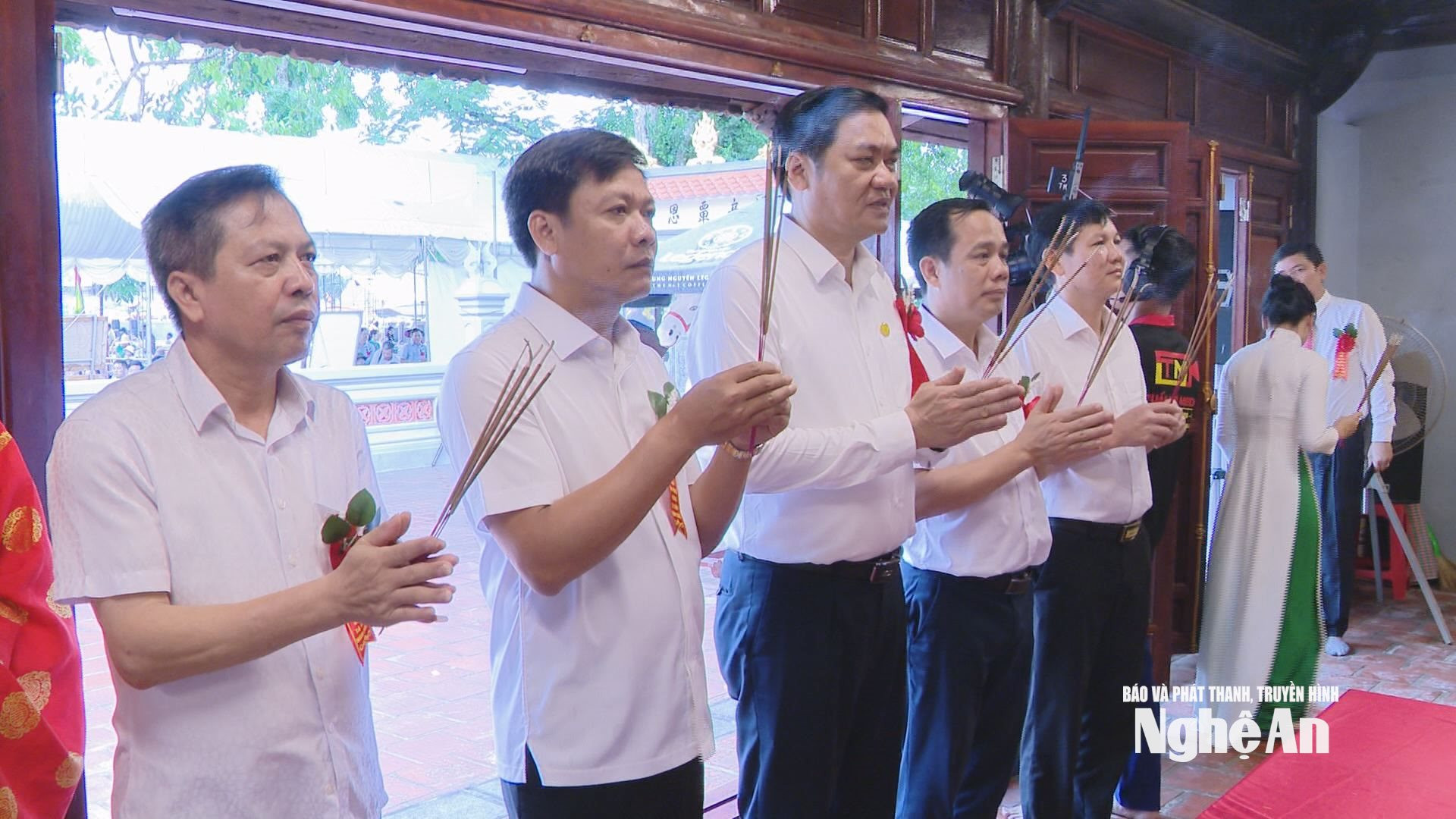
.jpg)
The festival featured a variety of rich and unique activities such as the opening ceremony, the announcement ceremony, the procession, the incense offering ceremony, the sacrificial rites, along with cultural, artistic, sports, and folk games activities, contributing to the recreation of traditional cultural values and creating a joyful and united atmosphere among the people.


