Opening Ceremony of the King Mai Temple Festival 2026
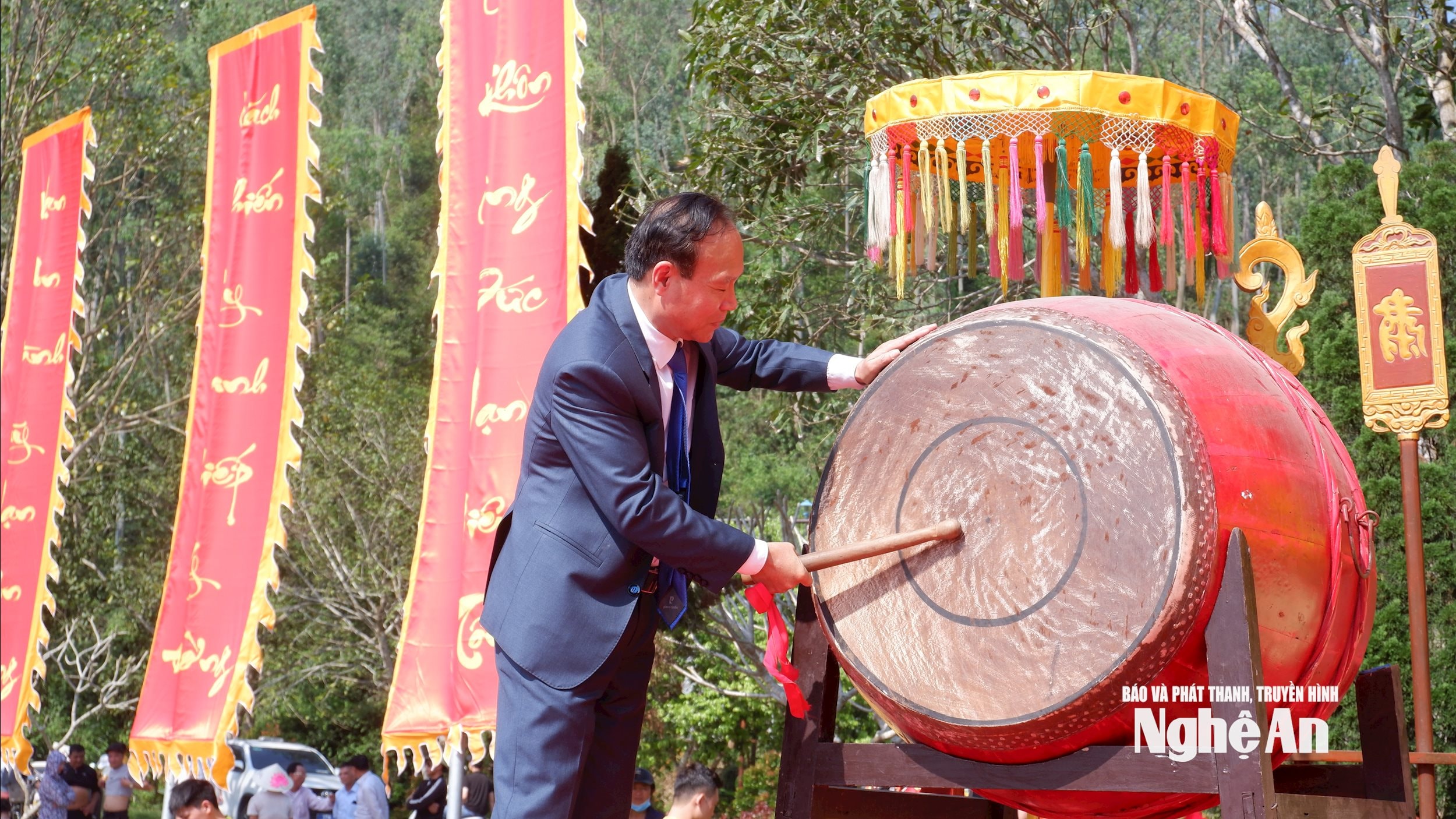
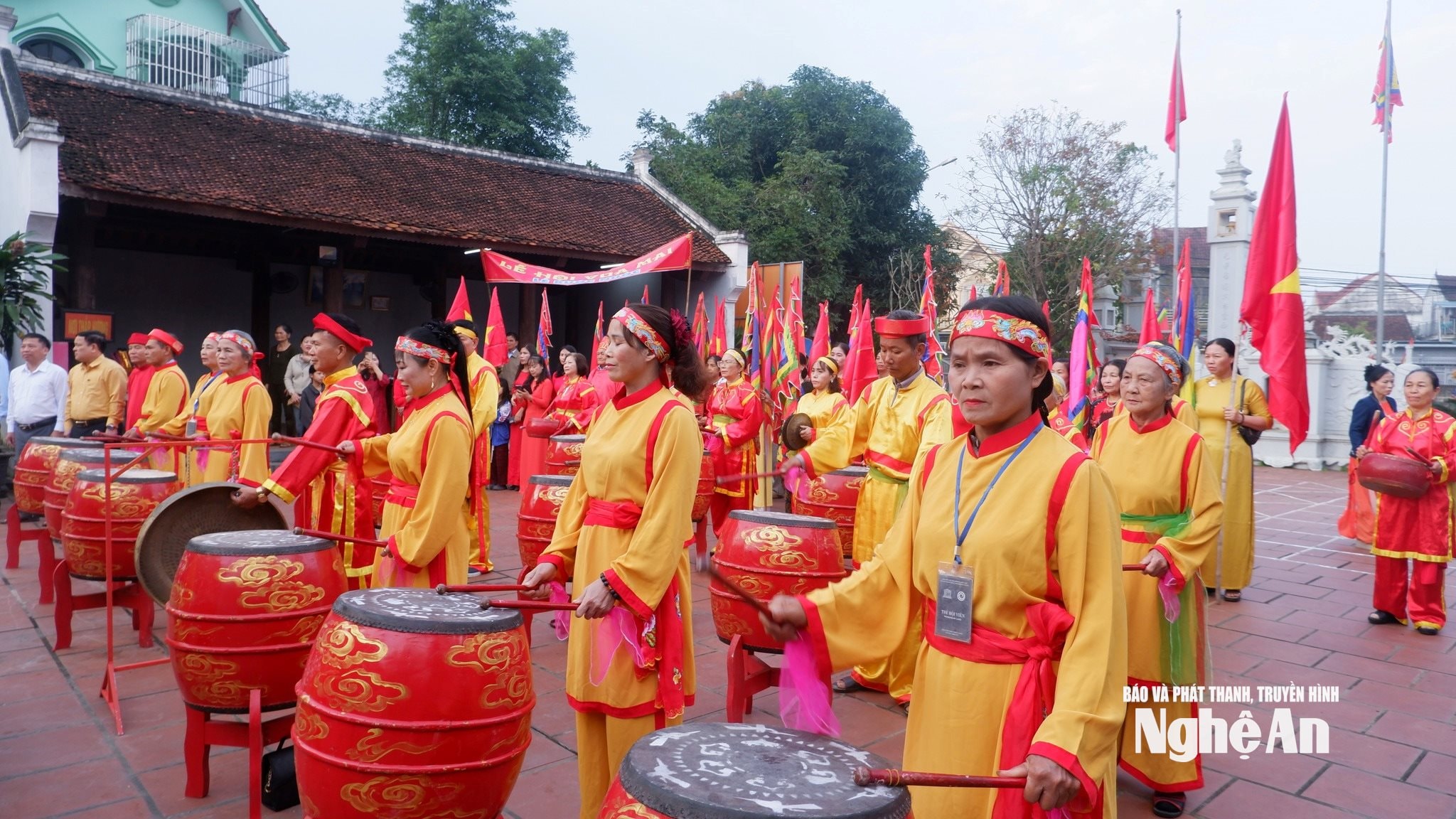
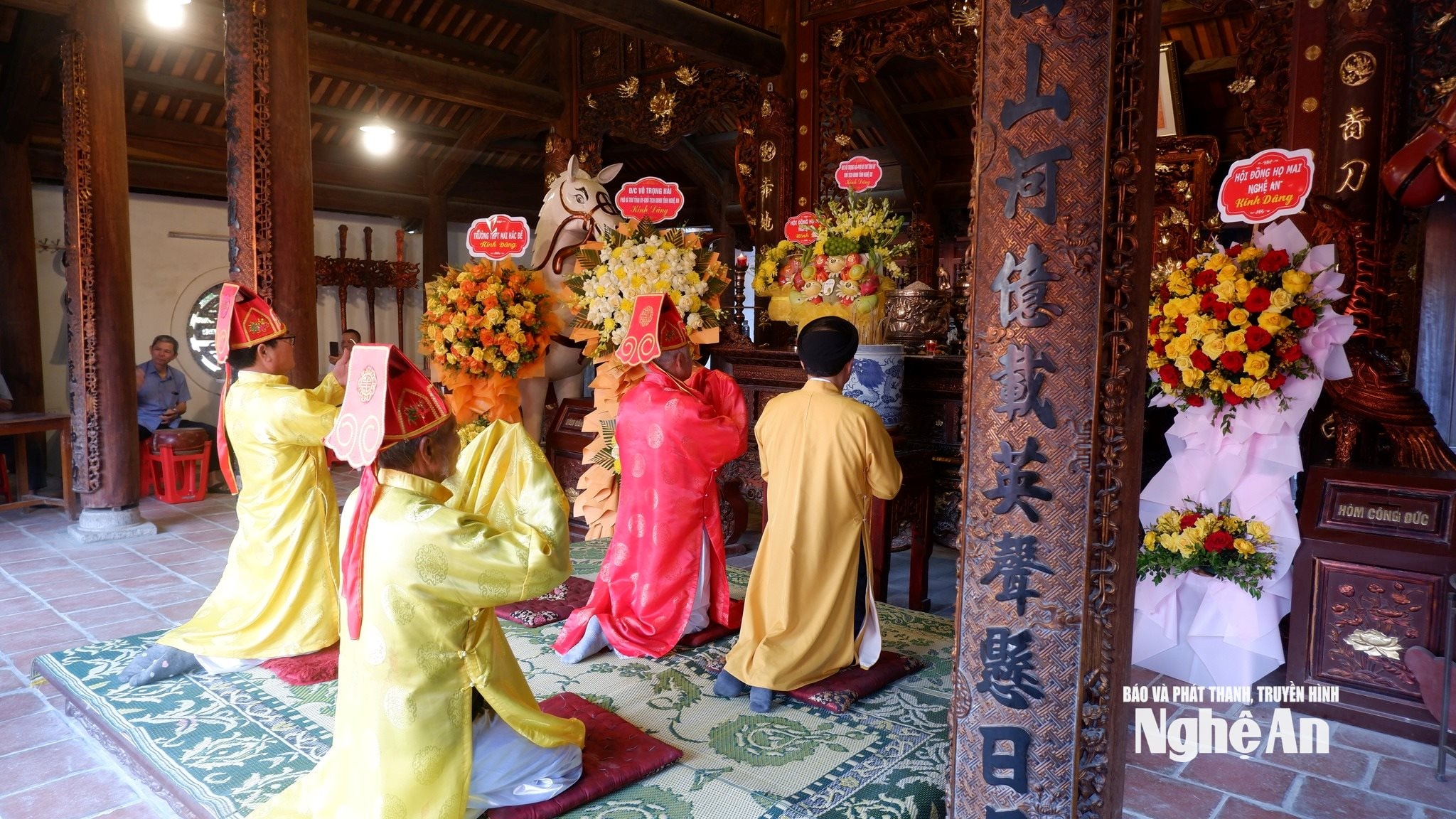
On the morning of March 1st (the 13th day of the first lunar month of the Year of the Horse), at the special national historical site of the Mausoleum of King Mai Hac De, the Party Committee, government, and people of Van An commune organized a ceremony to offer incense in commemoration and inaugurate the 2026 King Mai Temple Festival, coinciding with the 1313th anniversary of the Hoan Chau Uprising.
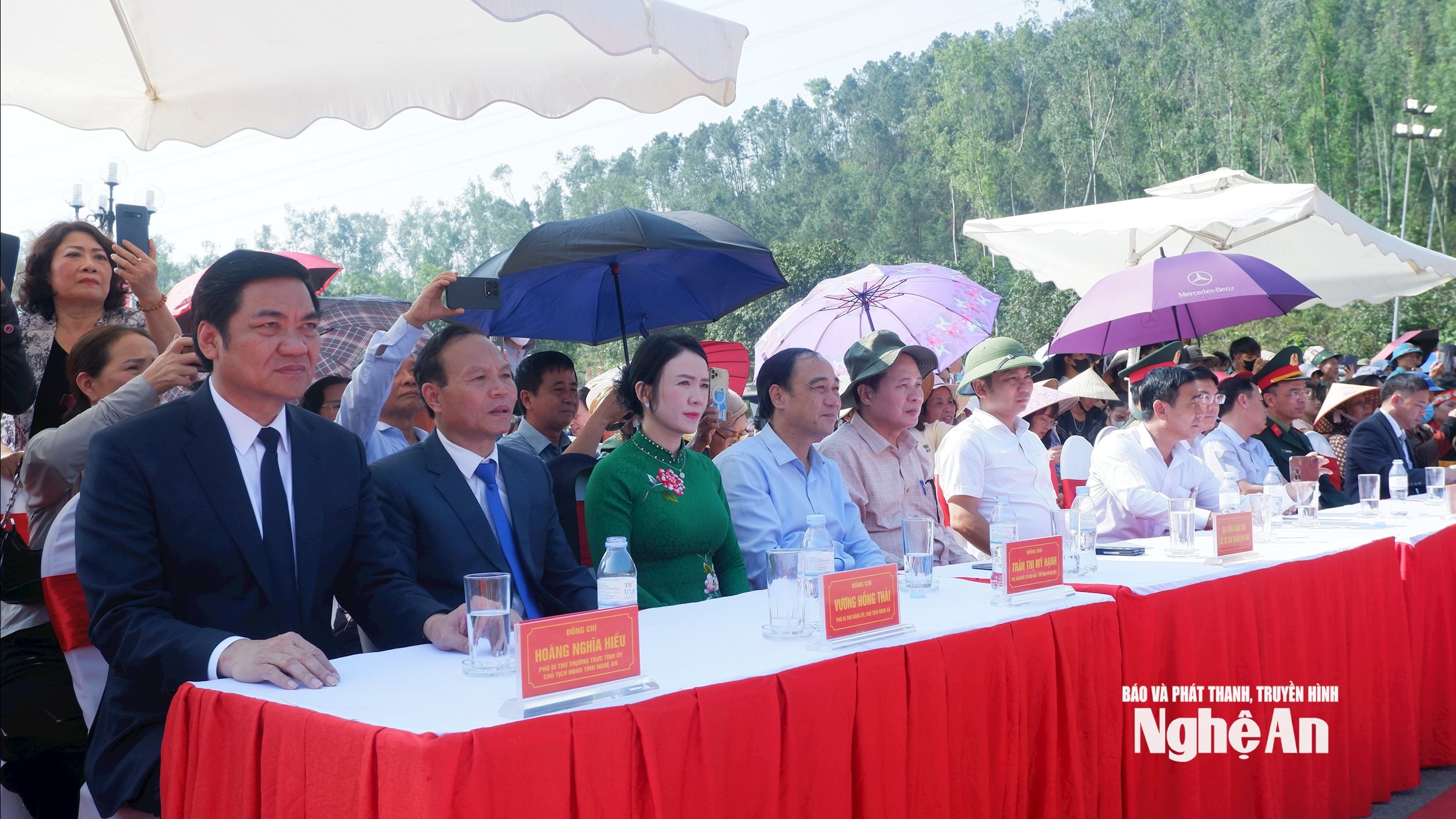
Attending the ceremony were: Comrade Hoang Nghia Hieu - Standing Deputy Secretary of the Provincial Party Committee, Chairman of the Provincial People's Council; Comrade Vo Trong Hai - Deputy Secretary of the Provincial Party Committee, Chairman of the Provincial People's Committee; and Comrade Tran Thi My Hanh - Member of the Provincial Party Committee, Director of the Department of Culture, Sports and Tourism.
Also attending were leaders of Van An commune; representatives from several relevant departments and agencies; representatives of the Mai family clan from various localities; and a large number of local people.
.jpg)
The King Mai Temple Festival is a traditional cultural and spiritual festival held annually in the first lunar month. It is an occasion to commemorate the merits of King Mai and his generals.
Through this, the aim is to recall the heroic spirit and indomitable will of the Hoan Chau uprising that defeated the Tang dynasty invaders and established the independent state of Van An from 713 to 722. This traditional festival also aims to awaken national pride and self-respect, and educate all levels of society, especially the younger generation, about the patriotism of their ancestors.
The festival is also an opportunity to organize cultural activities that enrich the spiritual life of the people, a chance for people and tourists from all over to learn about and enjoy the traditional cultural values and beautiful customs of the countryside of Nghe An province. At the same time, it is an opportunity to promote and introduce the historical and cultural relics, the special national relic of King Mai's temple, and the tourism potential of Van An homeland.
.jpg)
Traditionally,King Mai Temple FestivalThe 2026 event will take place at two locations: the Tomb of King Mai and the Temple of King Mai, both part of the special national historical site of the Temple of King Mai Hac De.
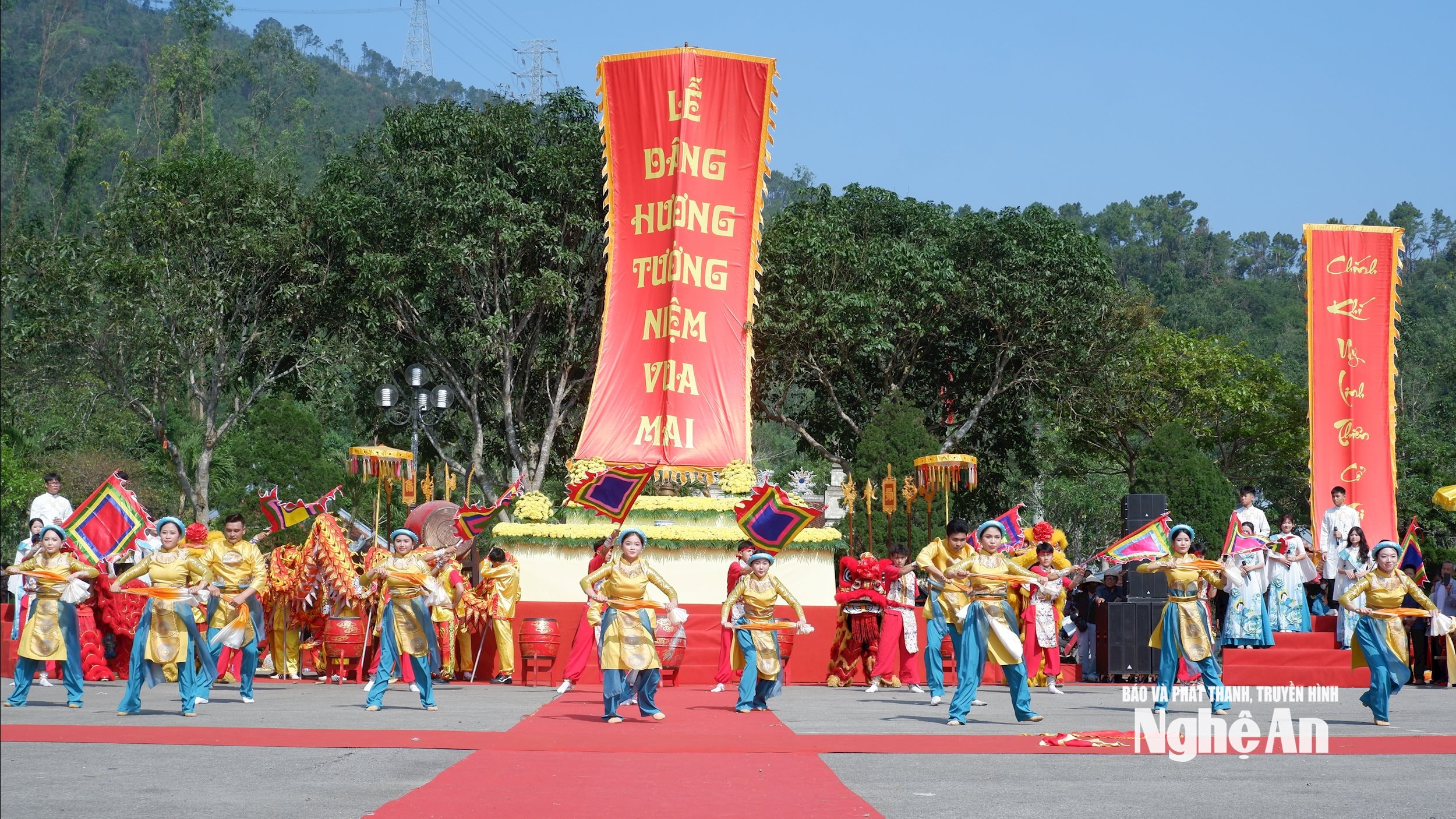
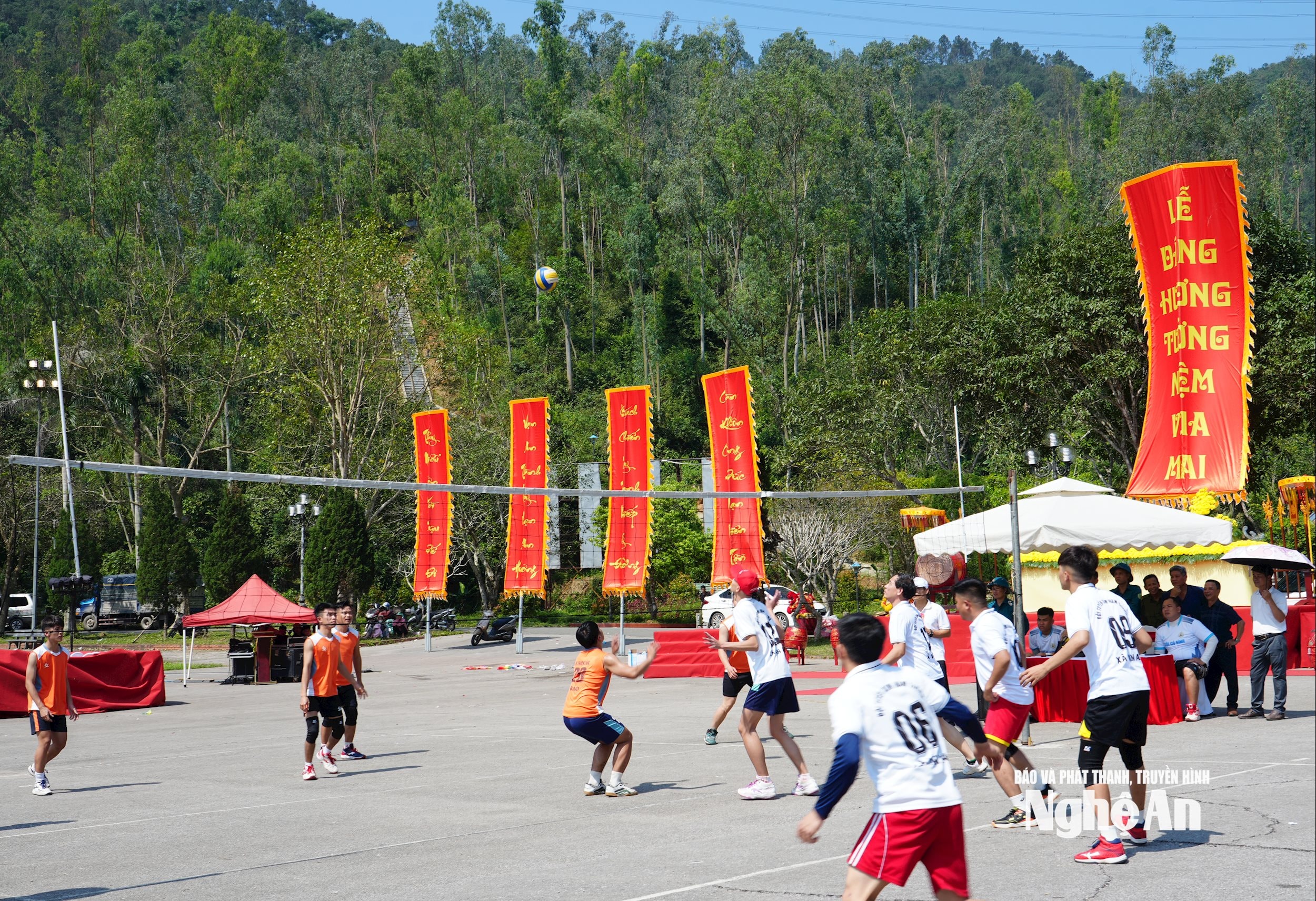
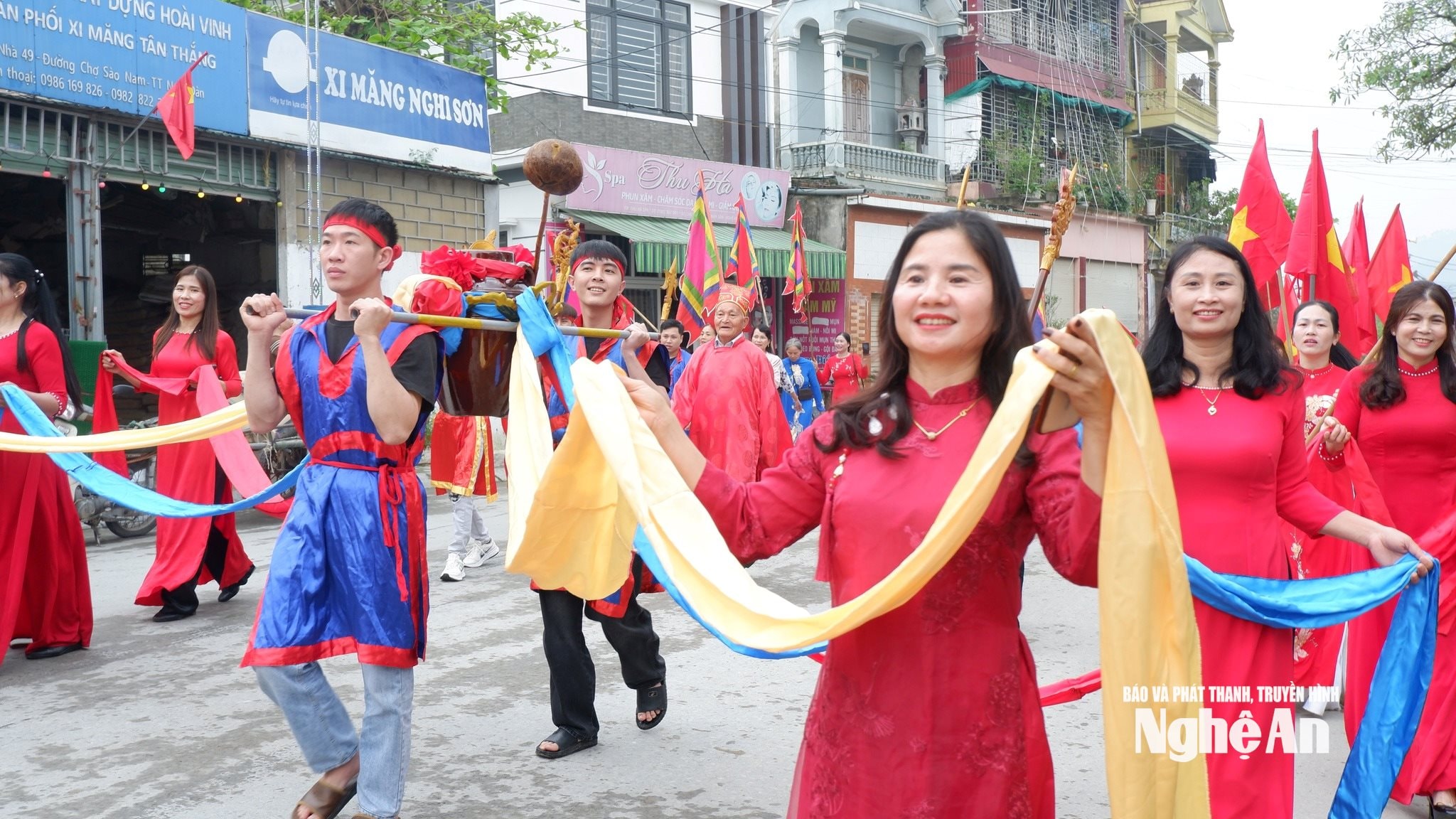
During the three days of the festival (from January 13th to 15th), in addition to rituals and ceremonies such as the opening ceremony, the announcement ceremony, the water procession, the procession of the deities, and the grand sacrifice ceremony, the people and tourists can also immerse themselves in many vibrant and unique cultural and sporting activities, such as lion and dragon dances, boat races, wrestling, chess, cockfighting, swing riding, carousel rides, stick pushing, sticky rice and chicken cooking competitions, volleyball matches, etc. Among these, traditional wrestling is considered a major highlight of the festival.
.jpg)
.jpg)
Mai Thúc Loan was born in the year Canh Ngọ (670), originally from Mai Phụ village, Thiên Lộc district (now Mai Phụ commune, Hà Tĩnh province). During her pregnancy, Mai Thúc Loan's mother moved to Ngọc Trừng village, Đông Liệt commune, Nam Đường district (now Nghĩa Thái commune) to live.
Witnessing the suffering of the people due to the harsh and exploitative policies of the Tang dynasty, and with the aspiration to regain national independence, in the year 713 (the year of the Ox), Mai Thúc Loan raised the banner of rebellion to overthrow the ruling apparatus established by the Tang dynasty in Hoan Chau; liberating the entire Ai Chau (present-day Thanh Hoa) and capturing Tong Binh citadel (now Hanoi).
With the country free from foreign invasion, Mai Thúc Loan ascended the throne, proclaiming himself Mai Hắc Đế (Emperor Mai Hắc Đế), and proceeded to build a government apparatus from the central to the local level, issuing many important decrees: abolishing the taxes and levies imposed by the Tang dynasty; ending all tribute payments to the people of the provinces and districts; each village cultivated its own land, and whoever worked it enjoyed the fruits of their labor…
Later, to commemorate King Mai's contributions, the people built a tomb and erected a shrine in his honor.
Here are some more images from the King Mai Temple Festival:
.jpg)
.jpg)