
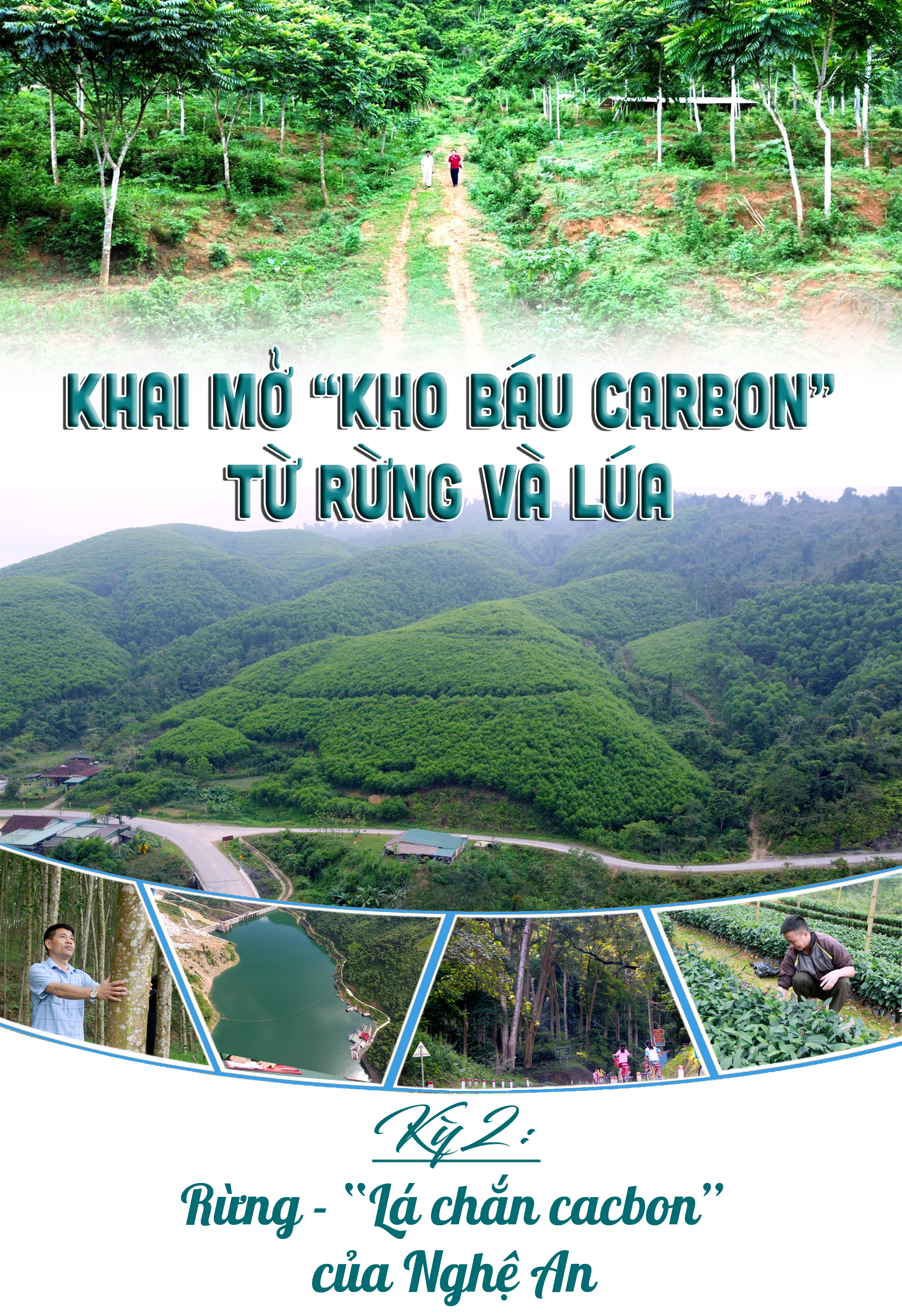
Unlocking the "carbon treasure" from forests and rice:Part 2: Forests - Nghe An's "carbon shield"
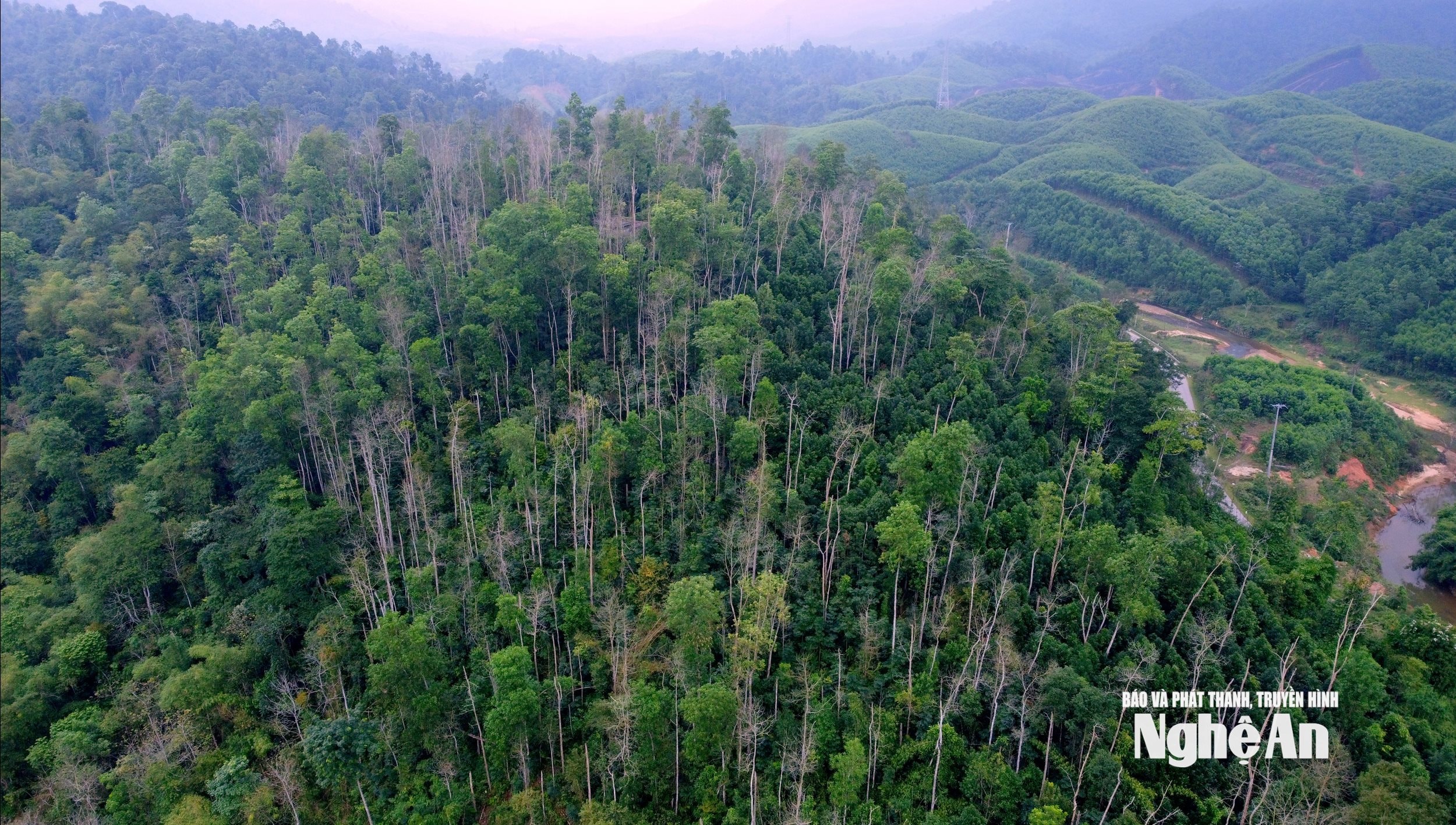
With nearly 1 million hectares of forest area, of which natural forests account for three-quarters, Nghe An province holds one of the largest "carbon sinks" in the country. Not only do these vast forests play a crucial role in environmental protection and ecological balance, but they are also creating opportunities for sustainable livelihoods for people in mountainous areas through mechanisms such as payment for forest environmental services and greenhouse gas emission reduction programs.
Reporters Team/Present:Hong ToaiMarch 25, 2026
*****
With nearly 1 million hectares of forest area, of which natural forests account for three-quarters, Nghe An province holds one of the largest "carbon sinks" in the country. Not only do these vast forests play a crucial role in environmental protection and ecological balance, but they are also creating opportunities for sustainable livelihoods for people in mountainous areas through mechanisms such as payment for forest environmental services and greenhouse gas emission reduction programs.
.png)
In the context of Vietnam's commitment to achieving net-zero emissions by 2050, forests have become a crucial resource for absorbing greenhouse gases and contributing to emission balance. However, the journey towards Net Zero by 2050 will not be sustainable if those directly living under the forest canopy are not guaranteed stable livelihoods. Therefore, linking forest protection with economic development for local people is considered key to both preserving forests and creating long-term momentum for local communities.
For the family of Mr. Lo Van Danh in the center of Tung Huong village, Tam Quang commune, Mr. Danh and his wife are rarely home, as they spend most of their time in their family's production forest, about 2km from the village center. There, they have built a temporary hut to conveniently care for their chickens, pigs, fish pond, vegetable garden, and acacia plantations. After many years of working in the forest, Mr. Danh's family has a fairly stable income. The acacia plantations and integrated livestock farms provide the family with a steady income, gradually improving their living standards. Ms. Vi Thi Khay, Mr. Danh's wife, happily shared that at one point, the family raised up to 30 pigs, mainly breeding pigs. At the beginning of 2026, they sold nearly 20 pigs. She then proudly added: "Soon, the family will use the more than 11 million VND from the carbon credit sales received at the end of 2025 to buy more livestock and acacia seedlings for the new production season."
Not only Khay's family, but many other families also received money from selling carbon credits. According to Mr. La Van Hoang, head of Tung Huong village, the village currently has about 250 households, and each household received more than 11 million VND from the greenhouse gas emission reduction payments under the ERPA Agreement. This is a great joy for the villagers who have lived off the forest for decades. "In Tung Huong, people are contracted to protect the community forest, so the money is divided equally among the households. We work together to protect the forest, develop the economy, and build a better life for the village. Most households, after receiving the money, use it to invest in buying seedlings, livestock, or for production," Mr. Hoang said.
In Muong Hin village, Thong Thu commune – one of the villages located in the core area of the Pu Hoat Nature Reserve – the people previously relied mainly on the forest for their livelihood. They went into the forest to collect firewood, exploit non-timber forest products, or utilize forest wood for house construction. However, as natural forests increasingly decline, forest protection policies have been implemented more strongly. In particular, since 2024, when the greenhouse gas emission reduction payment program was implemented, the lives of the people have begun to change significantly.
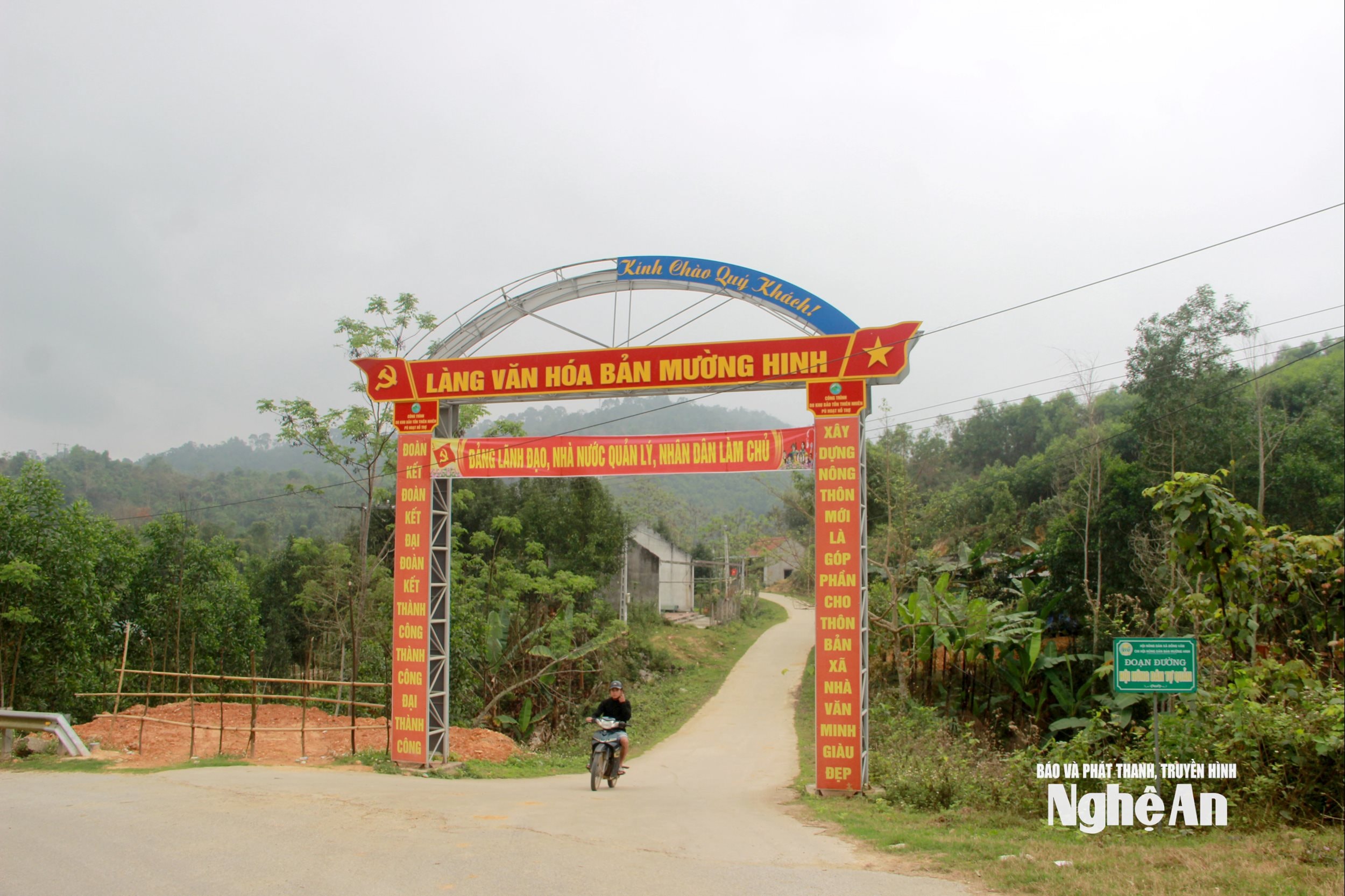
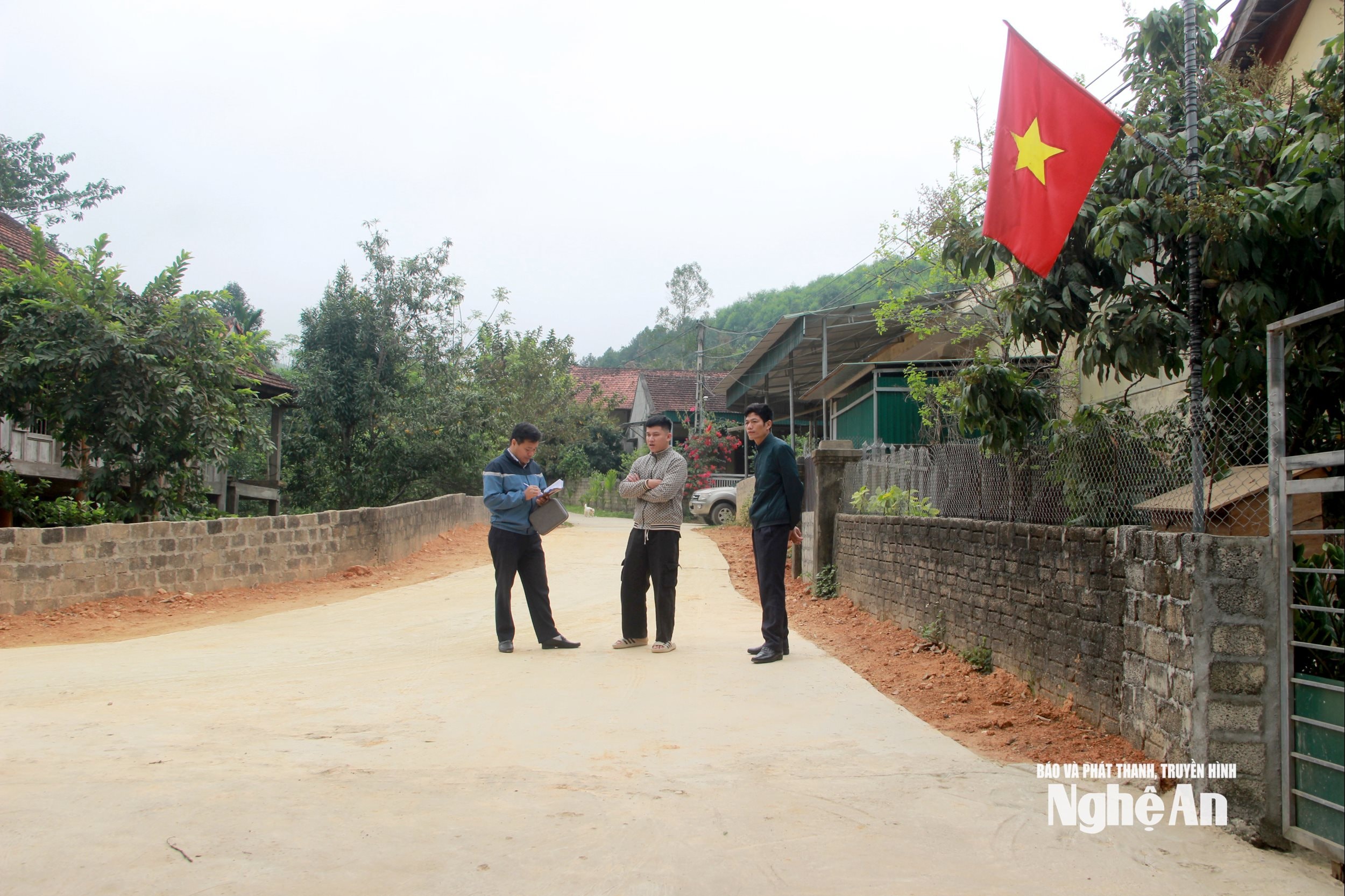
According to Village Head Lang Van Ngu, not only has the clandestine practice of illegally cutting down trees in the forest for house construction been completely stopped, but the villagers have also encouraged the conversion of stilt houses to brick houses, which is both economical and helps protect the forest. Thanks to their active participation in forest protection, in 2025, 149 households in Muong Hin village received 991 million VND in support from carbon credits, averaging nearly 8 million VND per household. In addition to support for households participating in the contracted forest protection program, the village also receives 50 million VND annually, including the construction of a village entrance gate in 2024 and 80 meters of concrete road in 2025.
Mr. Lang Van An, a household benefiting from ERPA (Emergency Response Fund) payments for reduced emissions, said: "Just after Tet (Lunar New Year), with the money from the emission reduction payments, I bought more tools and discussed with skilled workers to find construction projects. Currently, my family owns 8 hectares of forest with a land use certificate. We participate in several forest inspection trips annually, so in our free time, we work as laborers to earn extra income." Mr. An also said: "My family registered for forest protection and conservation in 2014, and in 2016 we received payments from the government. However, we only started receiving the greenhouse gas emission reduction benefits from 2024. Thank you to the government for providing financial support to help people better protect the forest. It's encouraging that people's awareness has changed significantly. While in the past many households secretly cut down trees to build houses, now people are encouraging each other to switch to building houses to limit the exploitation of natural forests."
In addition to directly supporting households contracted to protect forests, the emissions reduction payment program also provides funding to improve community infrastructure, facilitating forest visits and protection, and developing ecotourism. Individual households and shared roads have been equipped with solar-powered lighting systems, improved transportation routes, and the construction of facilities for communal living, largely funded by emissions reduction payments.
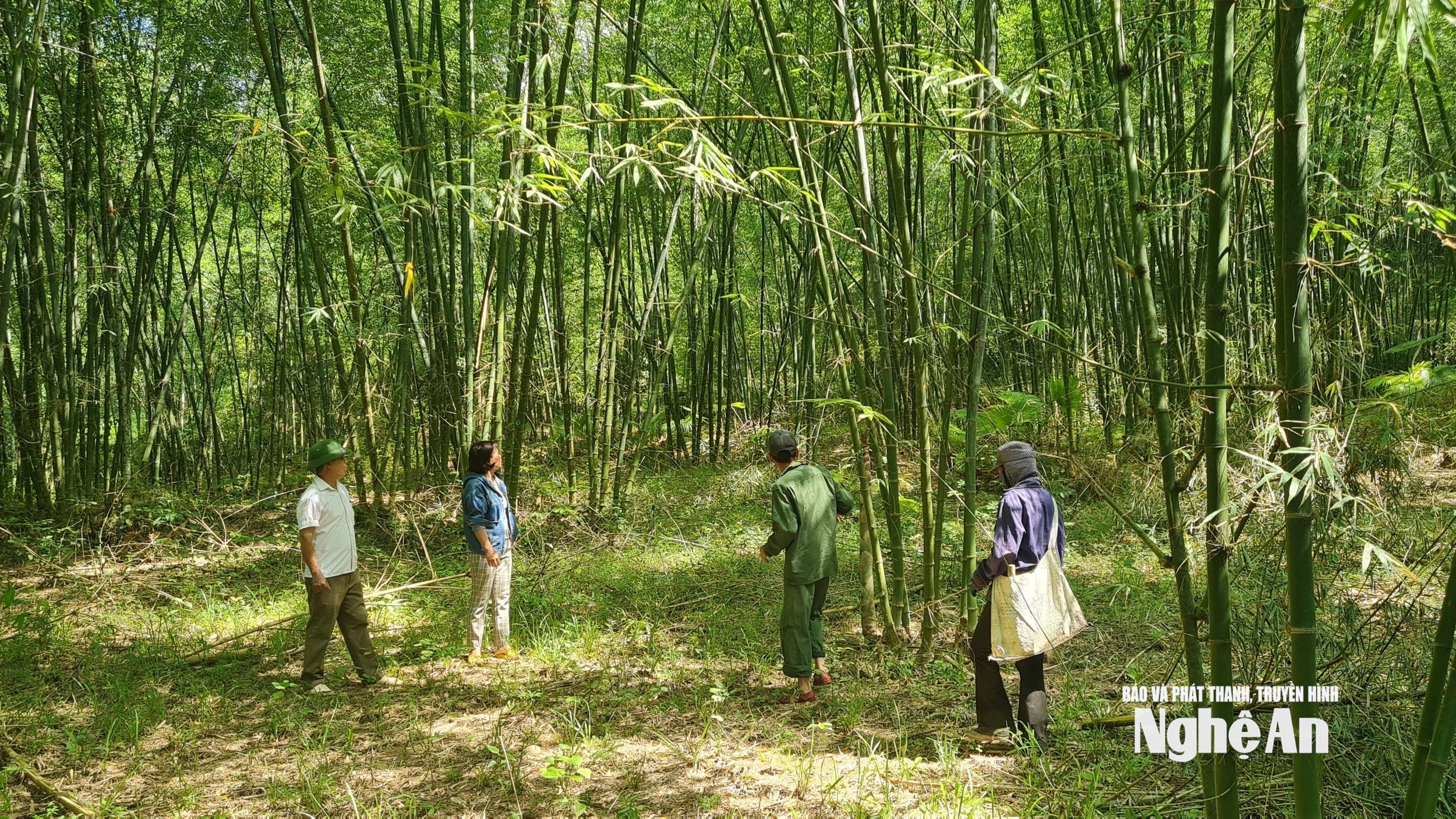
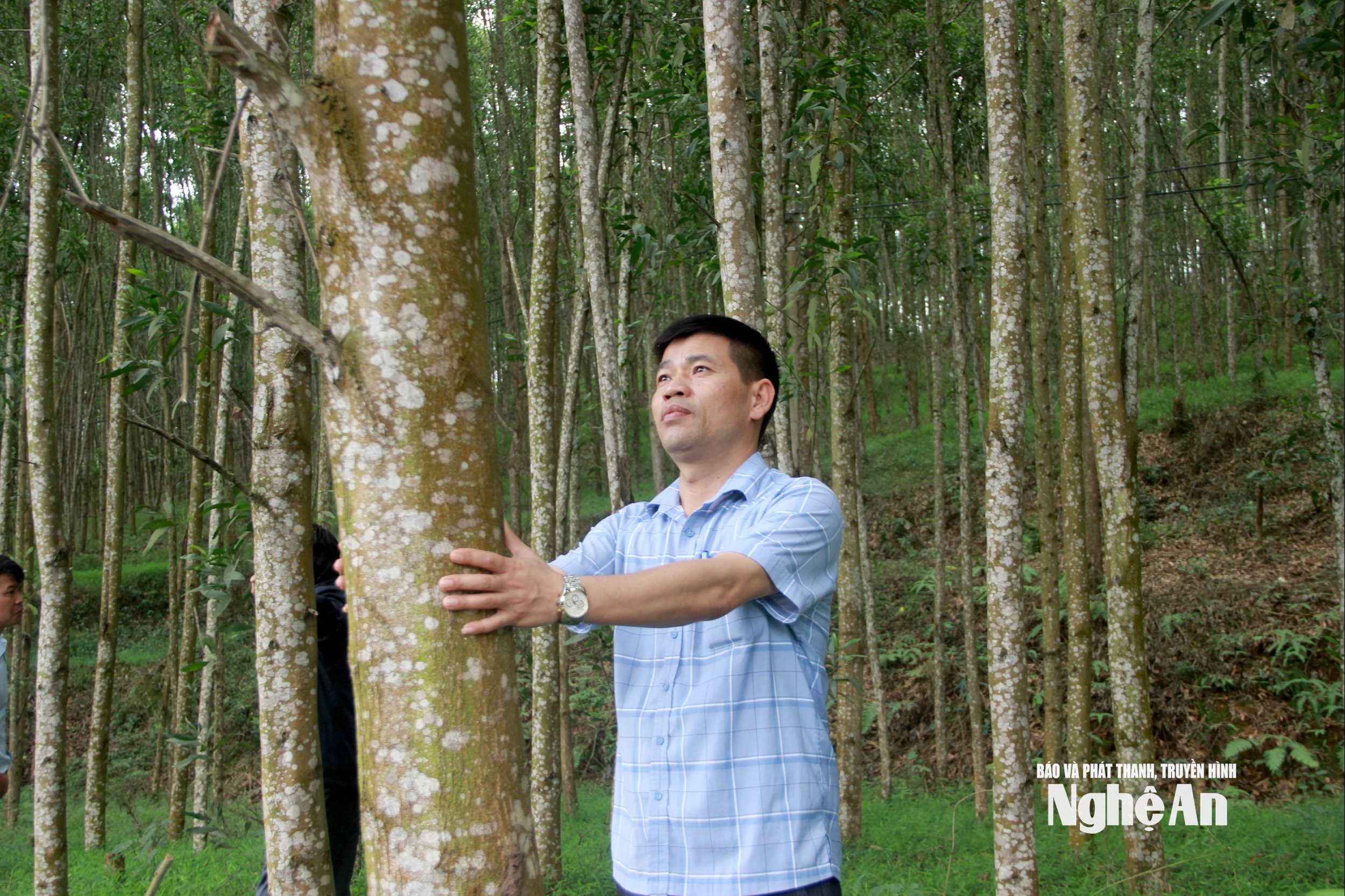
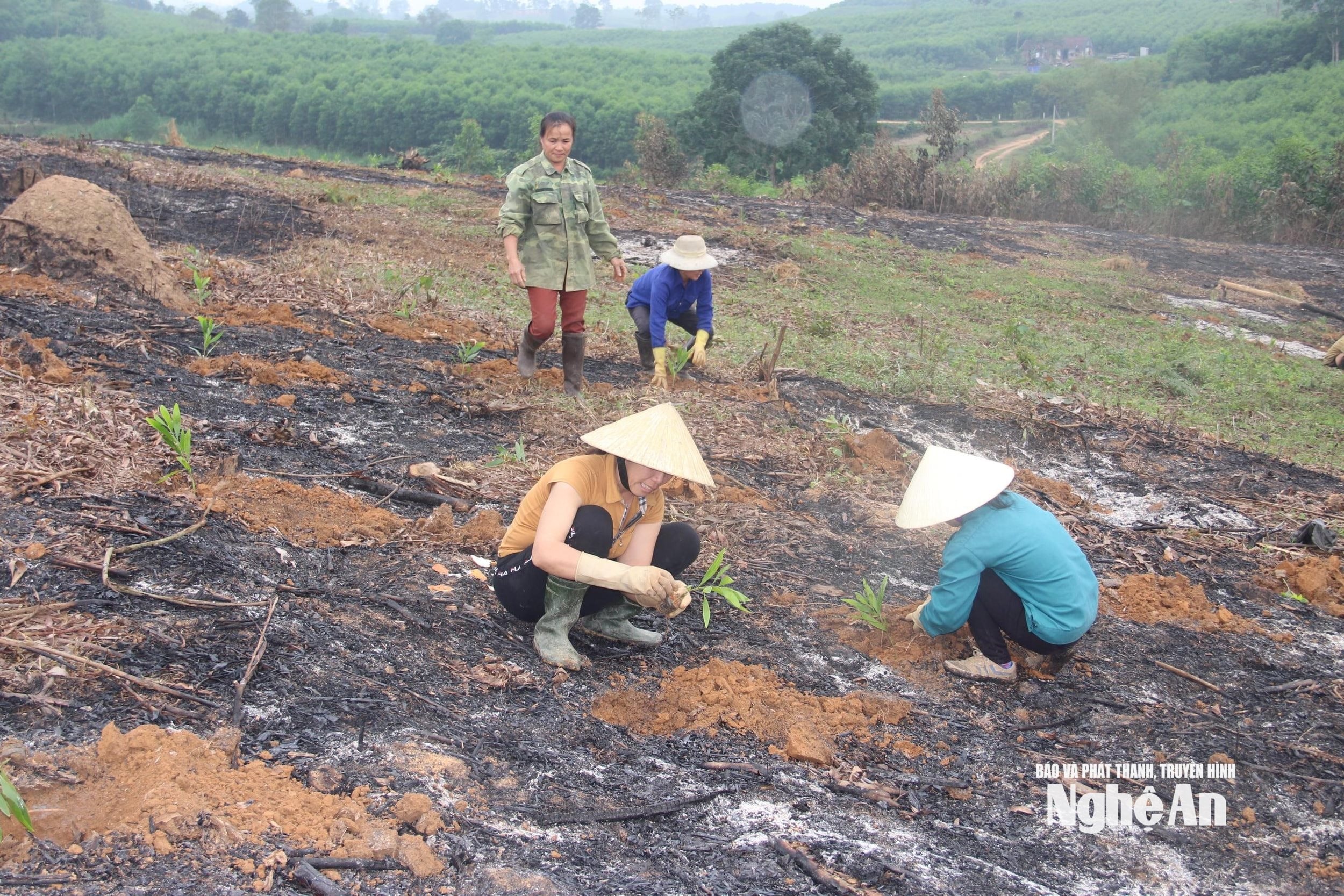
The model of forest planting linked to emission reduction has begun to bear fruit. In Quang Yen village, Tam Quang commune, village head Quang Van Dung said that the people of Quang Yen are becoming more diligent in planting acacia forests (with the entire village covering an area of 300-400 hectares) combined with raising livestock (4-7 animals per household) to increase income. In particular, the potential for developing medicinal plants under the forest canopy, such as Gynostemma pentaphyllum and Erythrina variegata, is being proposed by the local government to replace unsustainable natural exploitation practices. Practical experience in the villages of western Nghe An shows that when forests are well protected and people benefit from them, the conservation process becomes more sustainable.
From viewing forests merely as a resource to be exploited, many communities now consider them a shared asset that needs to be preserved long-term. This shift in perception is creating an important foundation for Nghe An to leverage its forest advantages in its journey towards achieving Net Zero. In the communes within the Pu Mat National Park area, such as Anh Son, Mon Son, Con Cuong, Chau Khe, Tam Quang, and Tam Thai, there are currently 34 communities approved to benefit from the forest.
Among them, Mon Son commune has the largest number of beneficiary communities with 16 villages. Each village on the list will receive approximately 50 million VND per year during the 2024-2025 period. This funding will not be distributed directly to individual households but will be used for common community projects such as installing solar-powered lighting systems, purchasing materials for concreting internal village roads, or repairing cultural facilities.
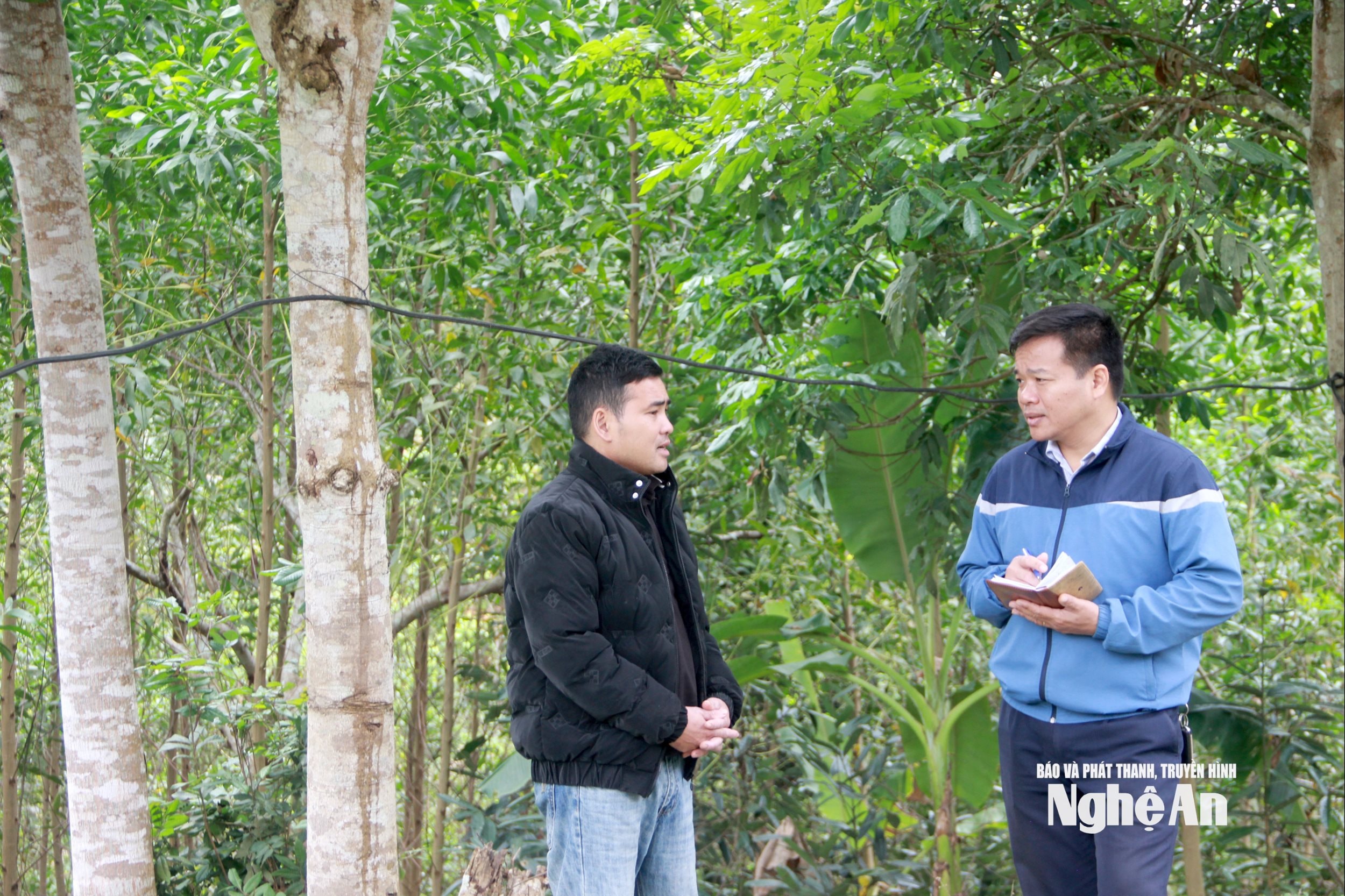
Thanks to this support, many villages like Bung and Co Phat have undergone significant changes. Internal village roads have been paved with concrete, and solar-powered lighting systems have been installed, making life more convenient for the people. These small but practical projects have brought joy and renewal to the Dan Lai people, motivating them to confidently stay connected to the forest and gradually improve their lives.
According to Mr. Le Anh Tuan, Director of Pu Mat National Park, as of February 2025, the total funding from the Emission Reduction Payment Agreement (ERPA) for forest communities under his management in 2024 has reached over 24 billion VND. This funding not only helps increase the income of communities contracted to protect the forest but also contributes to investing in essential infrastructure such as clean water, electricity, village roads, and community cultural centers, helping to preserve the cultural identity of the local people.
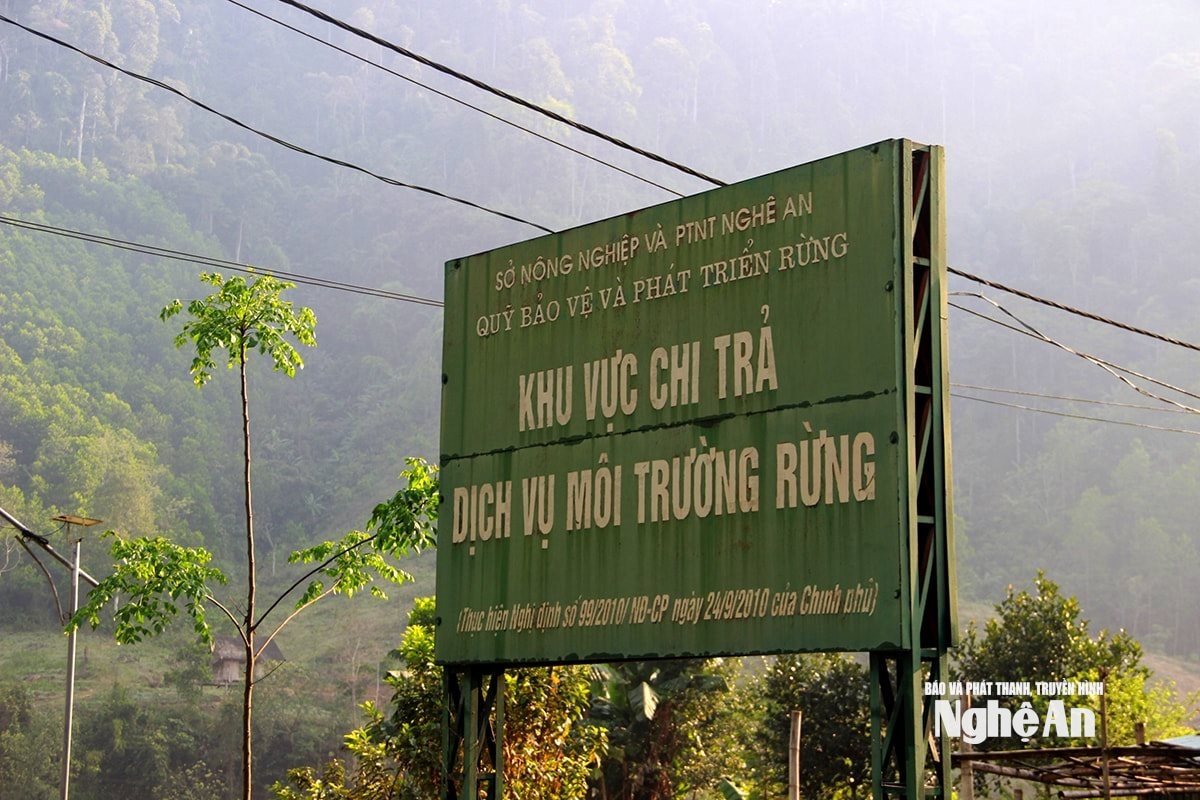
Mr. Nguyen Danh Hung, Deputy Director of the Department of Agriculture and Environment, stated: "The initial results are very commendable. To date, the total revenue from ERPA in Nghe An province has reached VND 356.43 billion, of which VND 355.6 billion was allocated from the Central Forest Protection and Development Fund. In 2024, Nghe An disbursed approximately VND 177.6 billion from the forest environmental service payment source, achieving over 80% of the plan. The funds were transferred directly to those participating in forest protection and development. Specifically, 31,201 households, individuals, and communities received payments for forest protection. In addition, 26 forest owners (organizations) and 109 commune-level People's Committees entrusted by the State with forest management also received financial support to carry out the task of managing and protecting forest areas in their localities."
.png)
The pilot implementation of the Emission Reduction Payment Agreement (ERPA) in the North Central region of Vietnam in Nghe An province is carried out in accordance with the regulations of Government Decree No. 107/2022/ND-CP. To concretize the plan for sharing benefits from ERPA and to establish a close coordination mechanism between agencies, units, and localities, the Department of Agriculture and Environment advised the Provincial People's Committee to issue Plan No. 124/KH-UBND dated February 22, 2024, along with many related directives, to organize the synchronized and effective implementation of the ERPA program throughout the province.
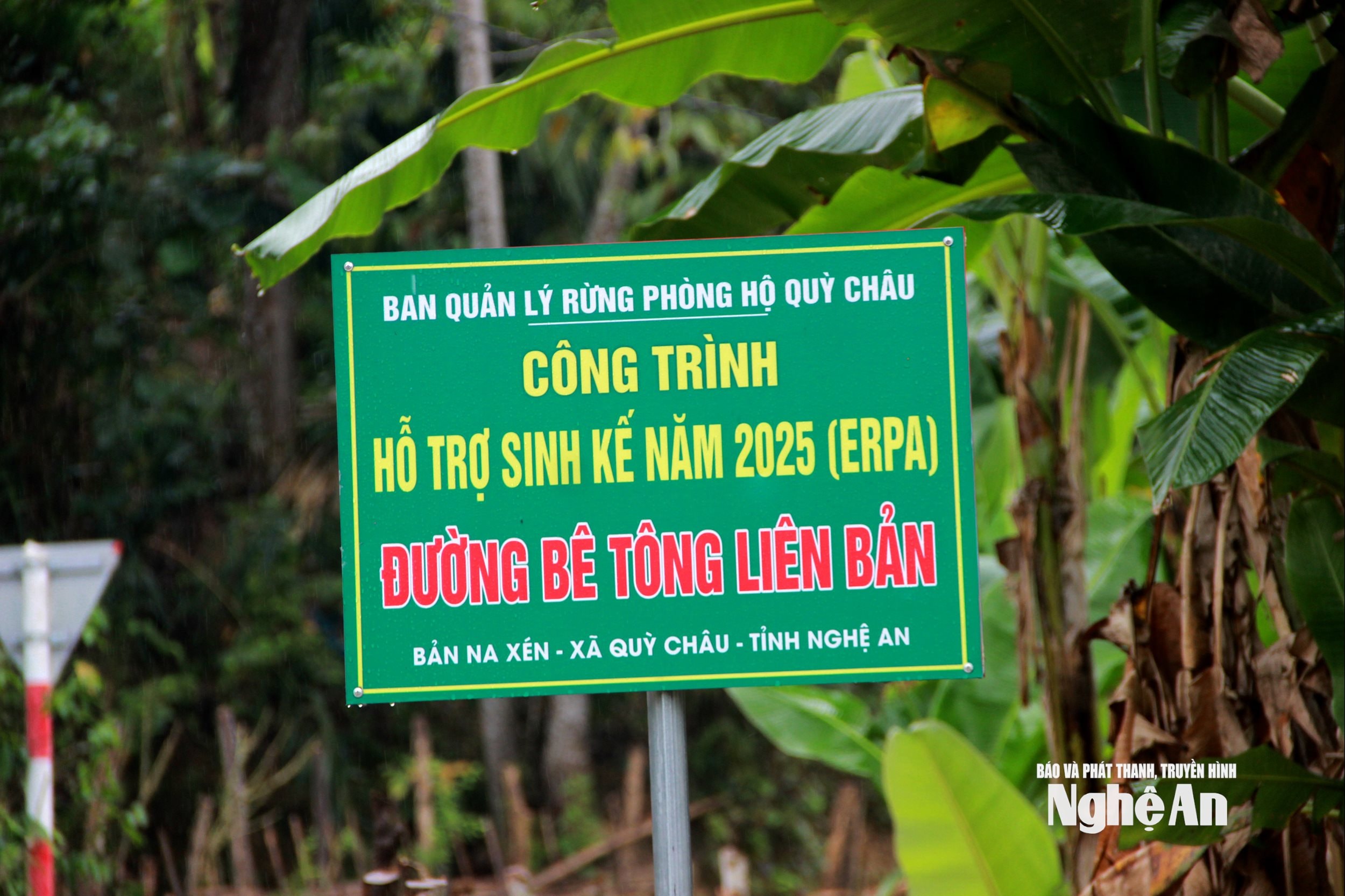
One of the key areas of particular concern for the province is ensuring transparency, fairness, and proper targeting in the disbursement of ERPA funds. To achieve this goal, Mr. Nguyen Danh Hung, Deputy Director of the Department of Agriculture and Environment, stated that the Department has advised the Provincial People's Committee to assign the Forest Protection Force to coordinate with and support the Provincial Forest Protection and Development Fund in implementing ERPA-related activities. The Forest Protection Force plays a crucial role in reviewing and determining the area of natural forests, verifying beneficiaries, and monitoring payments at the local level.
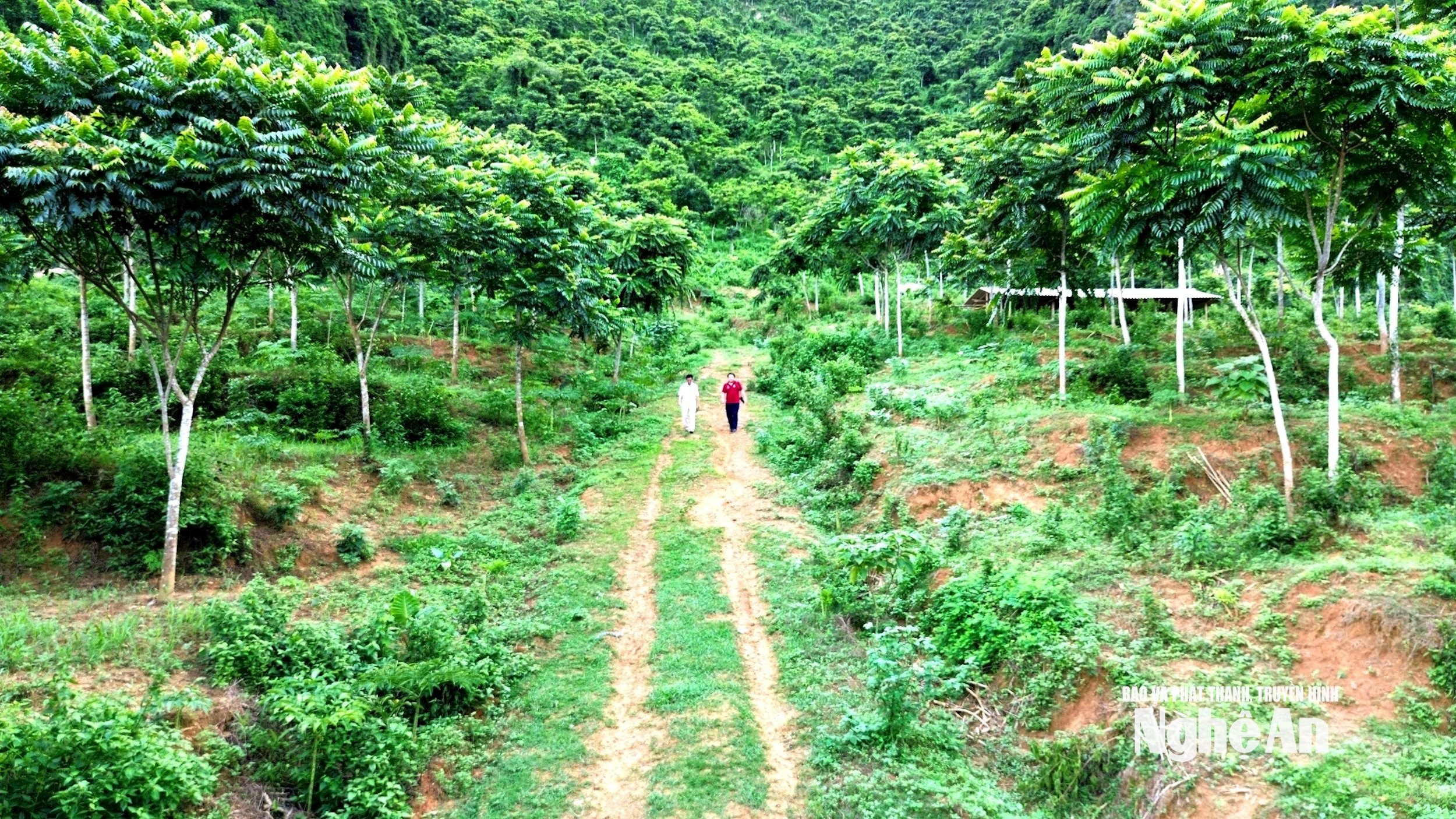
Annually, the Department of Agriculture and Environment advises the Provincial People's Committee to approve the list of beneficiaries of the ERPA and the financial plan for payment in accordance with regulations. This is an important basis for units to organize the payment of forest environmental service fees from the ERPA source to forest owners. At the same time, the department also directs and guides forest owners (organizations) and commune-level People's Committees to develop financial plans to manage and use these funds for the right purposes and in accordance with the law.
To provide stronger incentives for forest protection, especially of natural forests, the Department of Agriculture and Environment advised the Provincial People's Committee to issue a forest protection contract rate from the ERPA fund in the province. Initially, the rate was applied at 500,000 VND/ha/year. Subsequently, according to the regulations in Government Decree No. 58 and Resolution No. 27 of the Provincial People's Council, the rate was adjusted upwards to 800,000 VND/ha/year, contributing to increased income and encouraging people and communities to actively participate in forest protection.
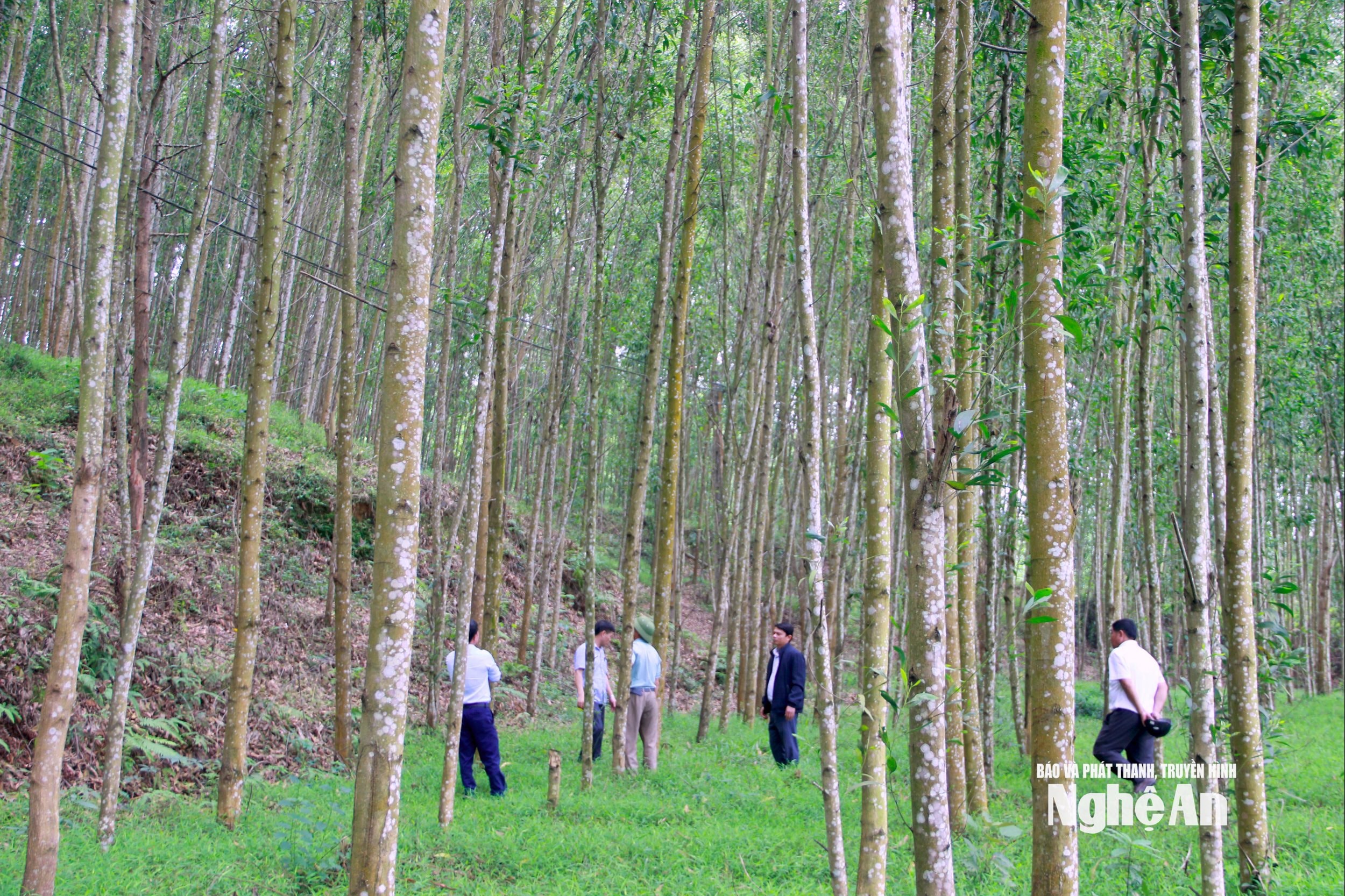
The payment of ERPA funds in Nghe An is carried out in accordance with the regulations of Decree No. 107/2022/ND-CP and the ERPA implementation manual of the Department of Forestry and Forest Protection. Before making payments, forest protection units coordinate with local authorities to review and compile statistics on the area of natural forests and create payment lists based on forest change data from the previous year. This list is publicly posted at the commune People's Committee headquarters and village cultural centers for people to monitor and supervise.
Regarding payment methods, the province makes payments through bank accounts or via payment service providers to ensure transparency and convenience for the people.
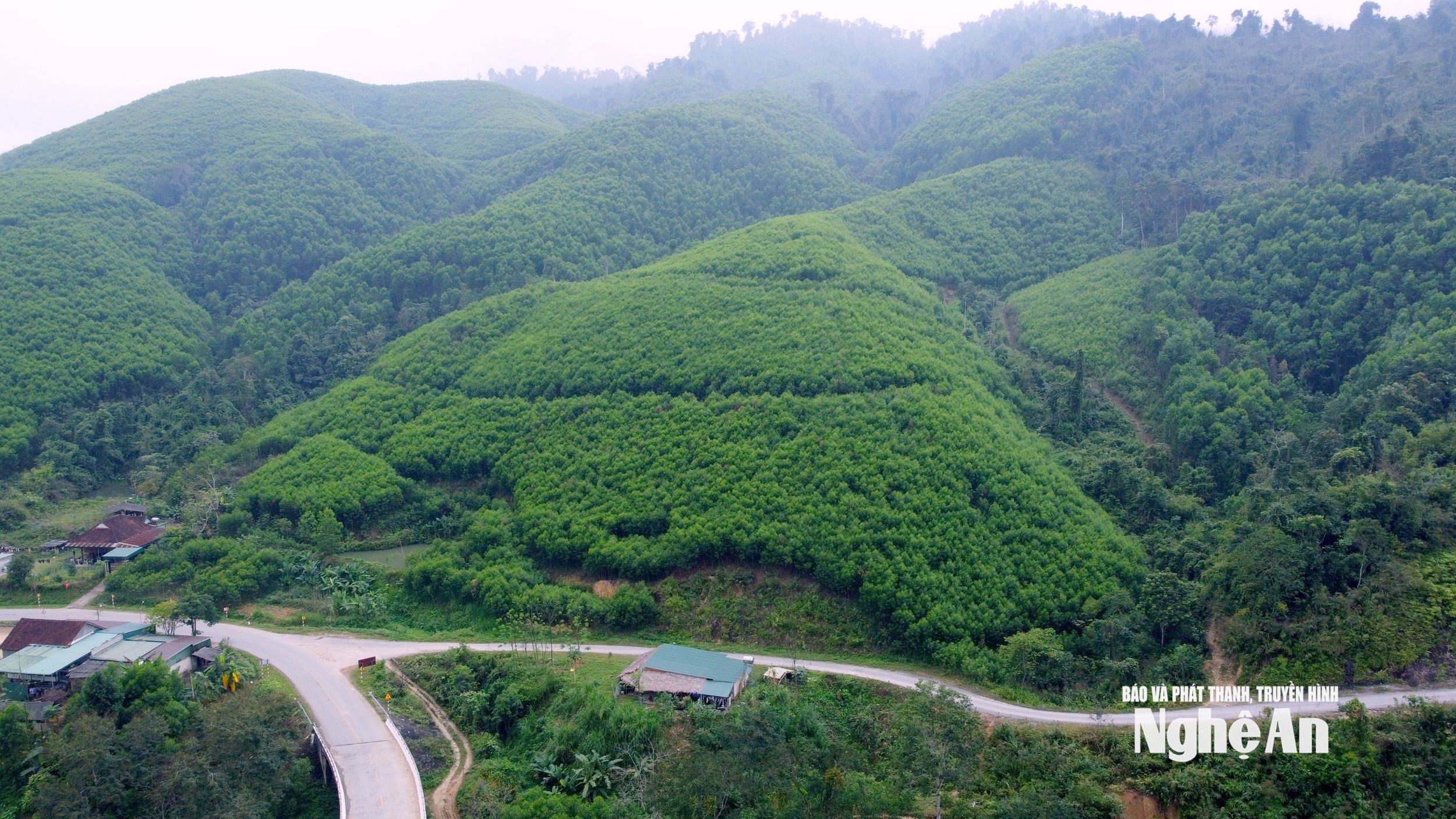
Alongside the payment process, authorities have also intensified inspections and supervision of the implementation by relevant parties, while monitoring the management and use of funds at units and in communities to prevent errors and ensure that the funds are used for their intended purpose. After three years of implementing ERPA payments, no complaints or grievances have arisen in Nghe An province. This demonstrates that the implementation mechanism is relatively rigorous and has received high levels of community support.
Forests are not only the "green lungs" of the environment but are also becoming a sustainable source of livelihood for people living beneath their canopy. When people truly benefit from the forests, they will be the best protectors of them.
(To be continued)
.jpg)


