
Unveiling the "green treasure"
From medicinal plants used by people for generations, Nghe An's medicinal herbs are developing into marketable commodities. Many households and cooperatives have begun cultivating, processing, and developing products, seeking markets. From forests to fields, from medicinal plants to finished products, a new direction is opening up, transforming the advantages of medicinal herbs into livelihoods, value, and, further, a green economic sector for Nghe An.
Thanh Phuc |Design:Huu QuanAugust 30, 2026
From medicinal plants used by people for generations, Nghe An's medicinal herbs are developing into marketable commodities. Many households and cooperatives have begun cultivating, processing, and developing products, seeking markets. From forests to fields, from medicinal plants to finished products, a new direction is opening up, transforming the advantages of medicinal herbs into livelihoods, value, and, further, a green economic sector for Nghe An.
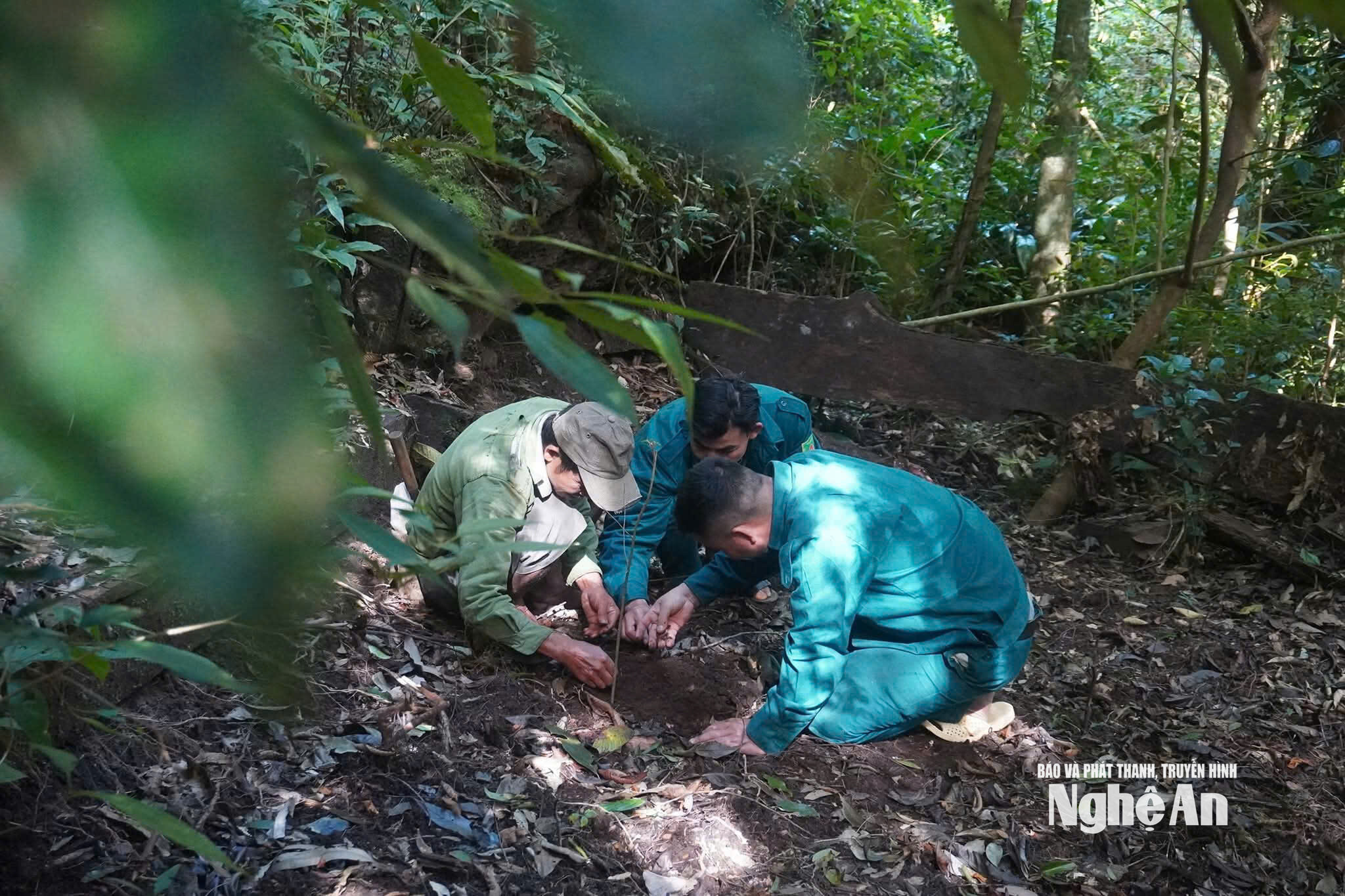
In Muong Quang commune, medicinal plants were once closely associated with the villagers' trips into the forest. Knowing which plants were medicinal and which seasons were suitable for harvesting, the villagers would bring them back for personal use or sell them to those in need. But alongside the medicinal plants found in nature, another approach is emerging: surveying, preserving, propagating, and then cultivating suitable medicinal plants. This is a way to preserve the value of medicinal plants for longer in daily life and production, instead of relying solely on what nature provides.
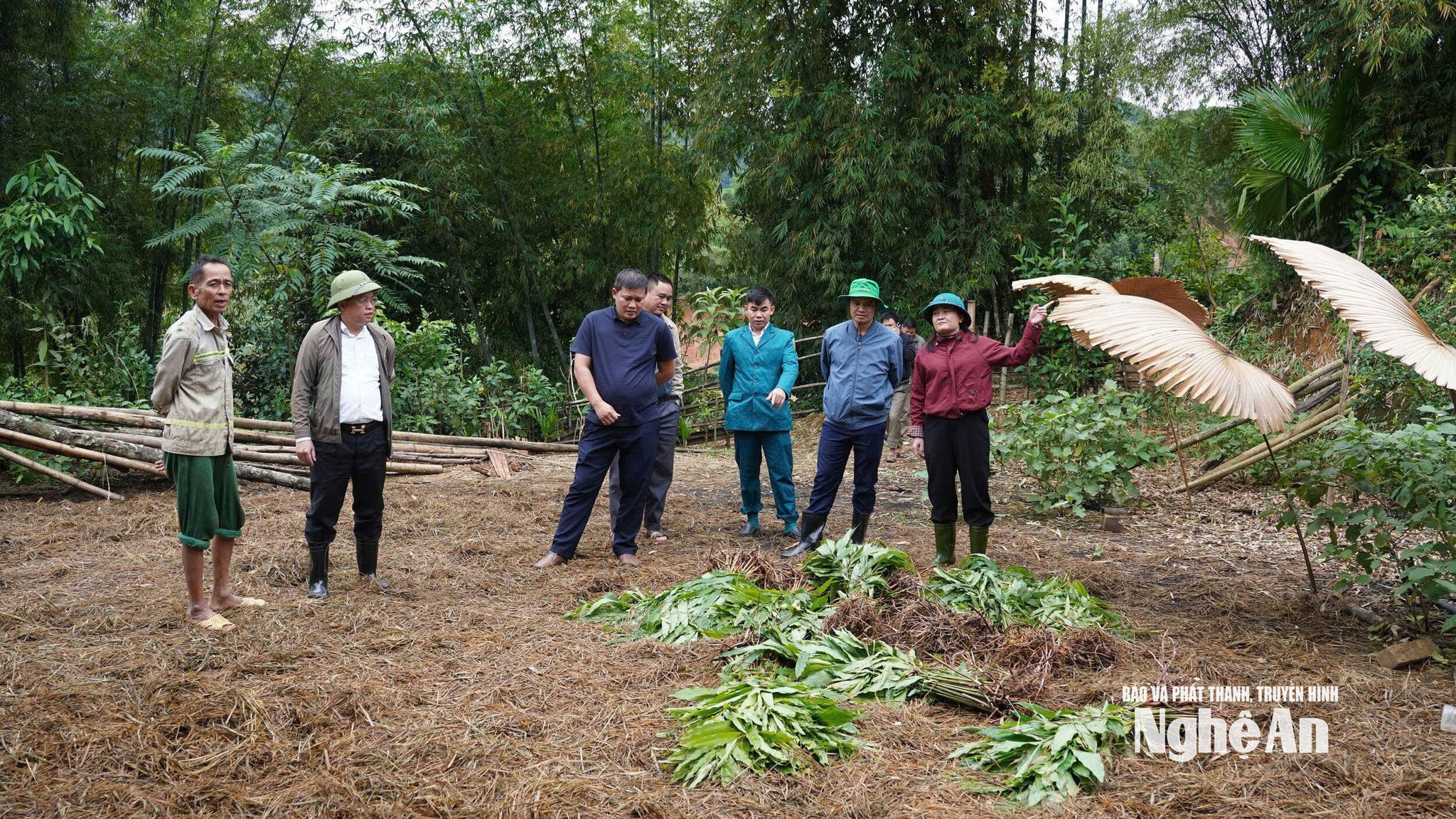
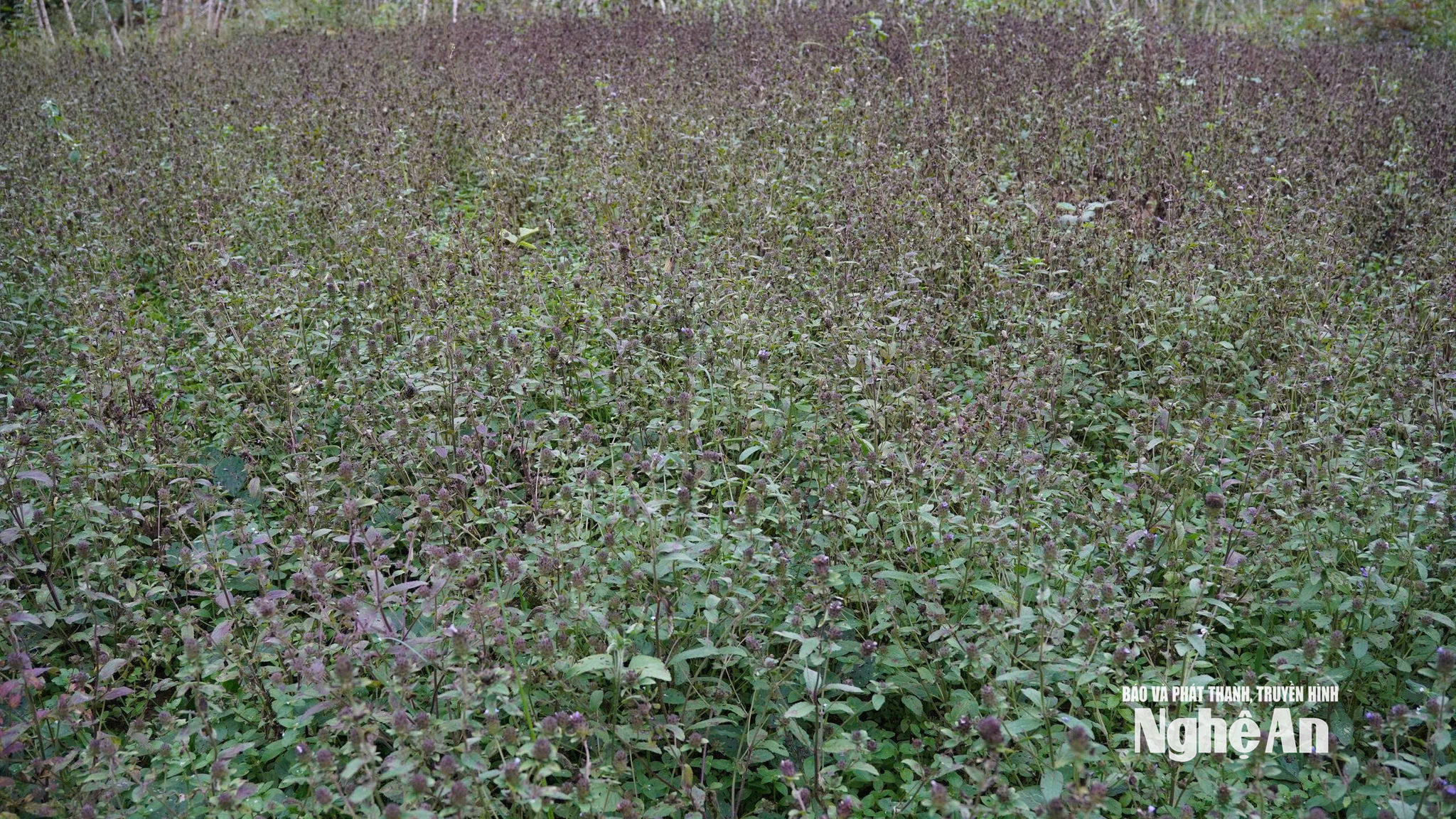
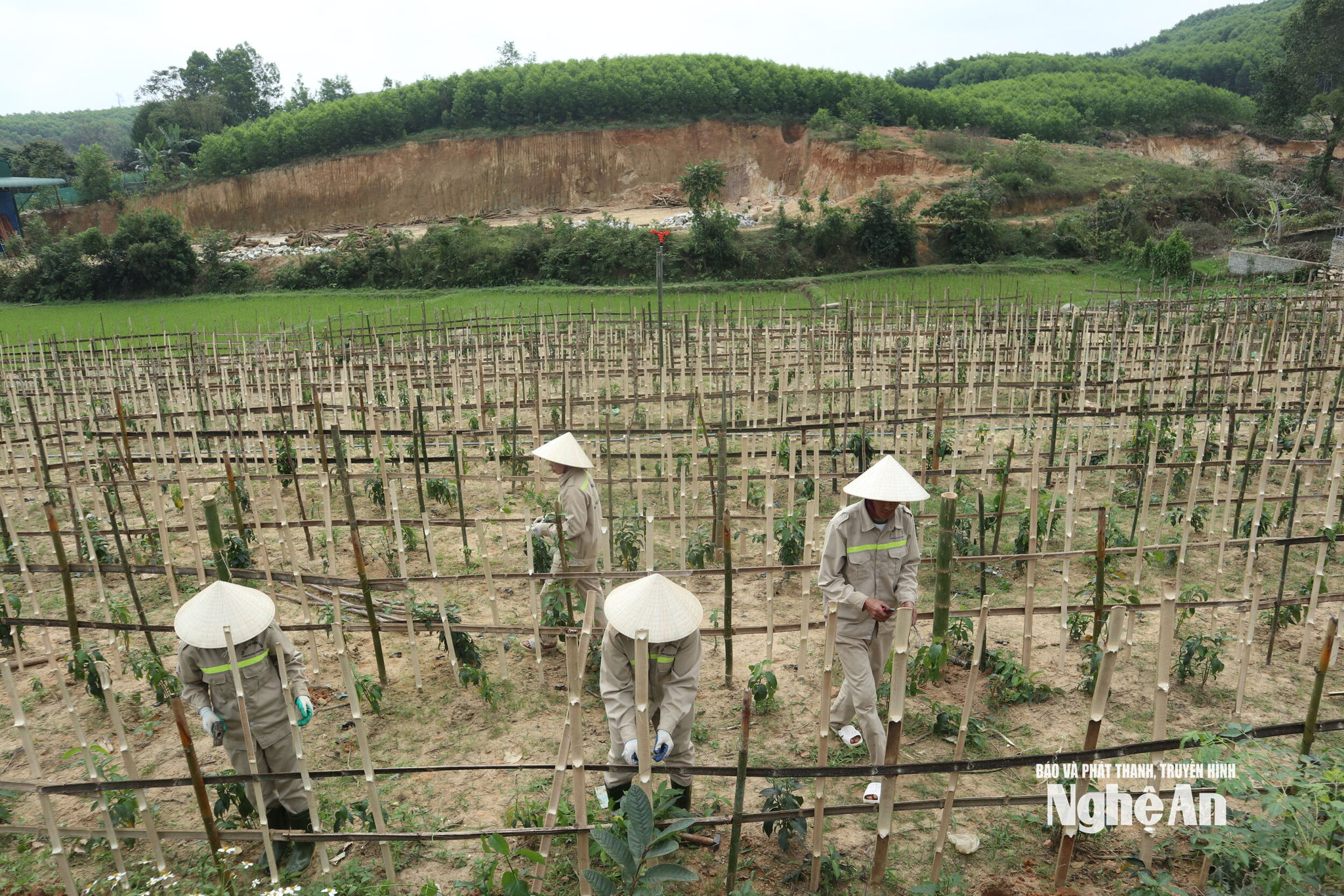
Having been closely associated with this mountainous region for many years, Mr. Lang Gia Luong - Director of the Muong Quang Agricultural and Forestry Service Cooperative - understands the value of native medicinal plants quite well. The cooperative is preserving and planting about 25 hectares of medicinal plants, including 20 hectares of Job's tears, 3 hectares of Artemisia capillaris, 0.5 hectares of Codonopsis pilosula, 0.5 hectares of star anise, and about 1 hectare of other plants; at the same time, it regularly harvests and purchases about 50 types of native medicinal plants for preliminary processing and preparation of traditional Vietnamese medicine. A noteworthy aspect of the cooperative's approach is that it does not place cultivation in opposition to natural exploitation, but gradually shifts from harvesting to proactively creating seed sources and raw material areas.
.jpg)
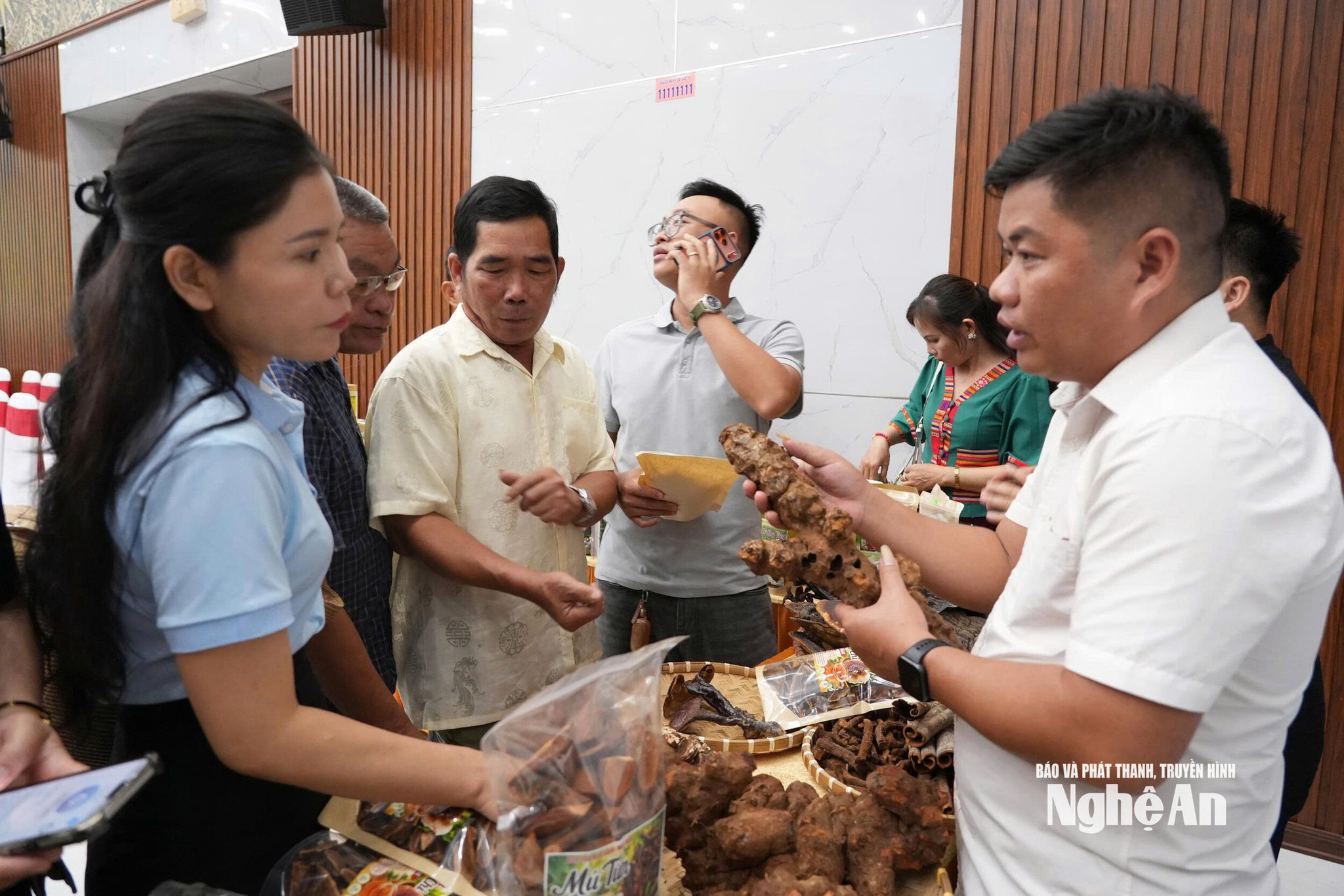
Since its establishment, the cooperative has created direct jobs for 8 local workers and approximately 30 households participating in the supply chain. These numbers are modest, but the reality shows that medicinal plants are creating a new value chain right where they grow: people can participate from seed, planting, and caring for the plants to supplying raw materials; the cooperative gains a stable source of goods to develop its products. For Muong Quang commune, "preserving" medicinal plants is therefore not only about preserving a resource, but also about preserving a livelihood.
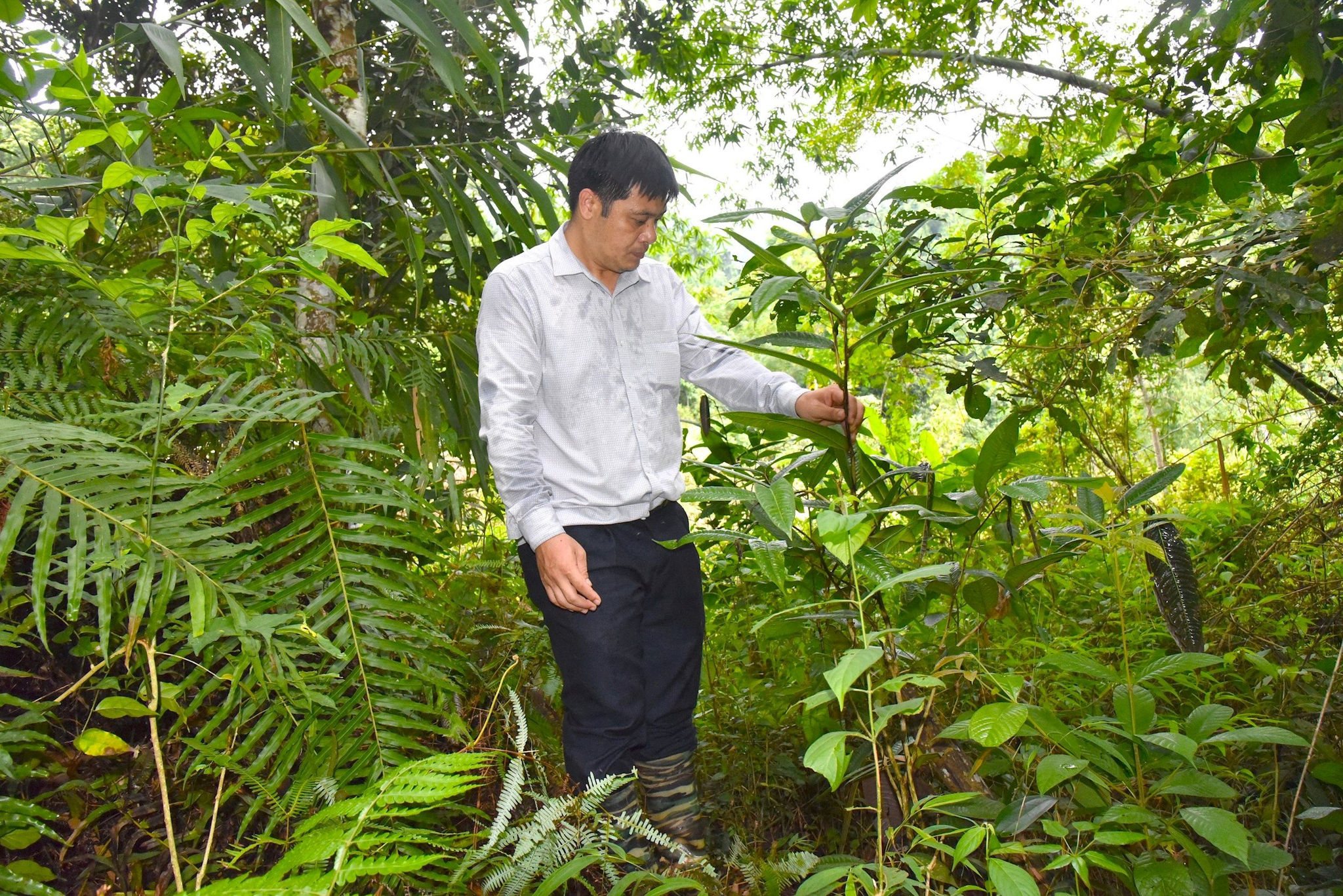
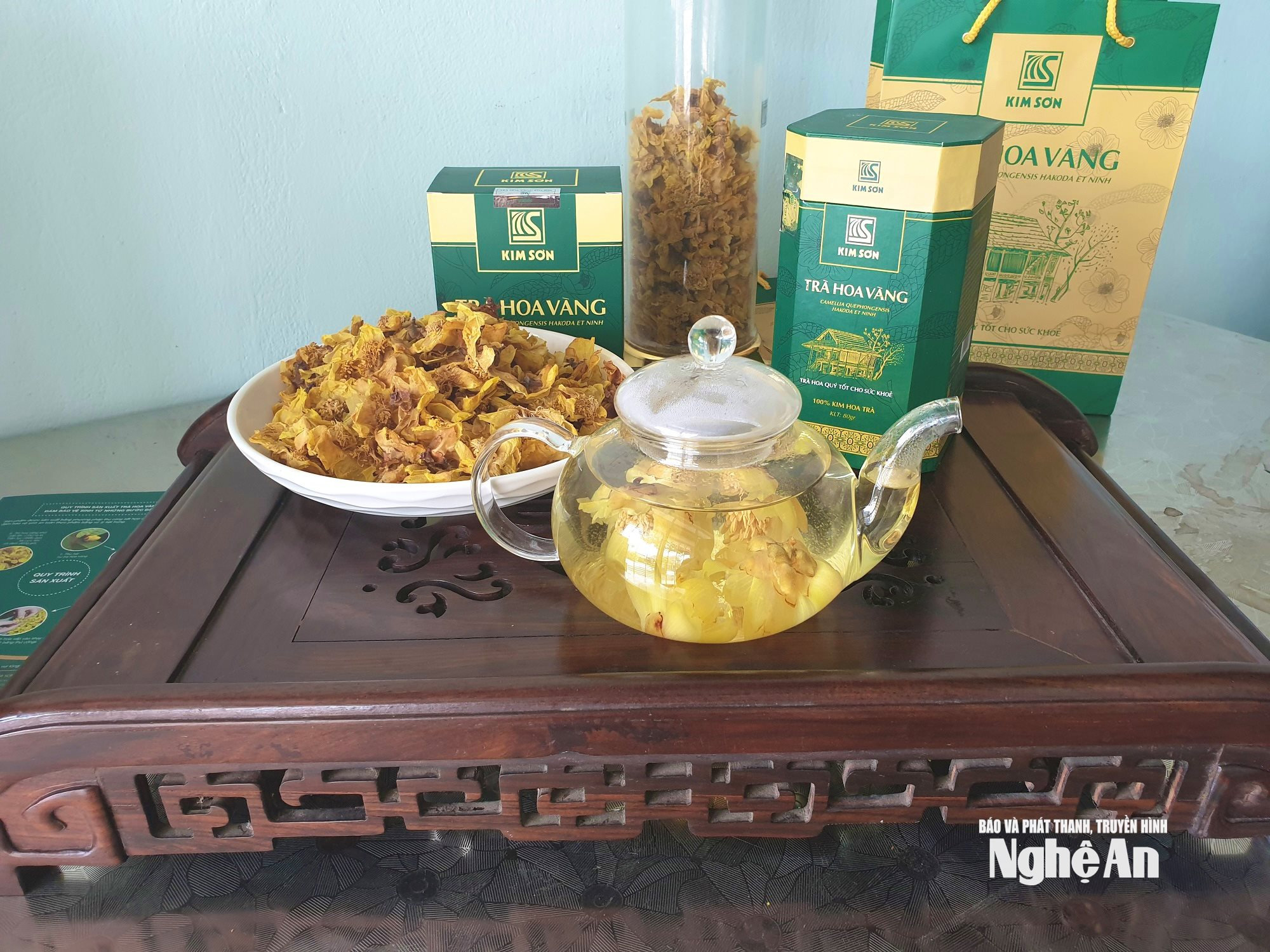
The golden-flowered tea plant, a valuable medicinal herb that originally grows scattered in the forest, has been brought back and cultivated by Mr. Ha Minh Tuan from Huu Van village, Que Phong commune, establishing a raw material area of over 3 hectares. From plants growing scattered in nature, he has created a proactive cultivation area, demonstrating a new approach to medicinal plants in mountainous areas: Instead of simply exploiting what the forest already has, people are beginning to create a source of raw materials that can regenerate and be harvested sustainably.
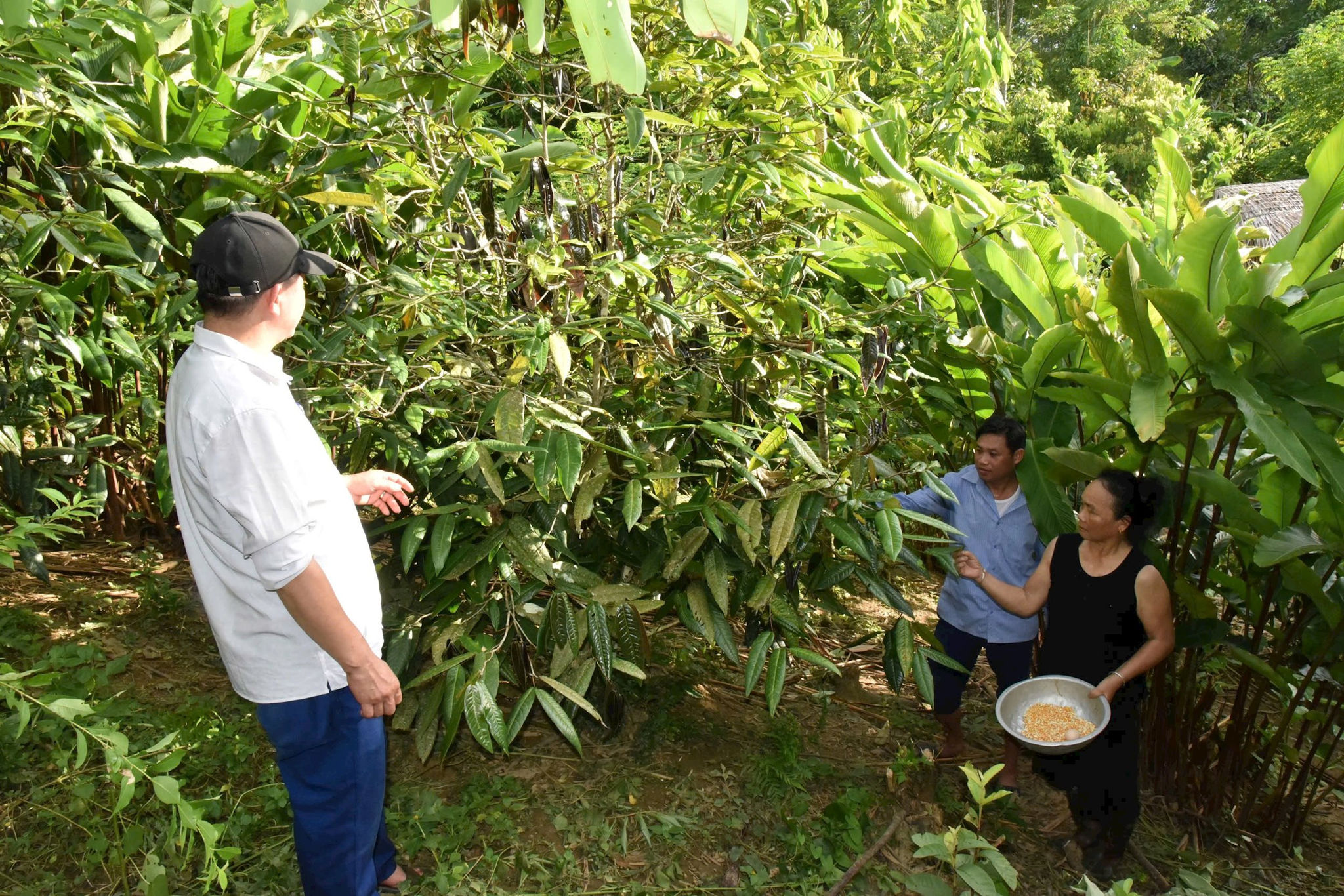
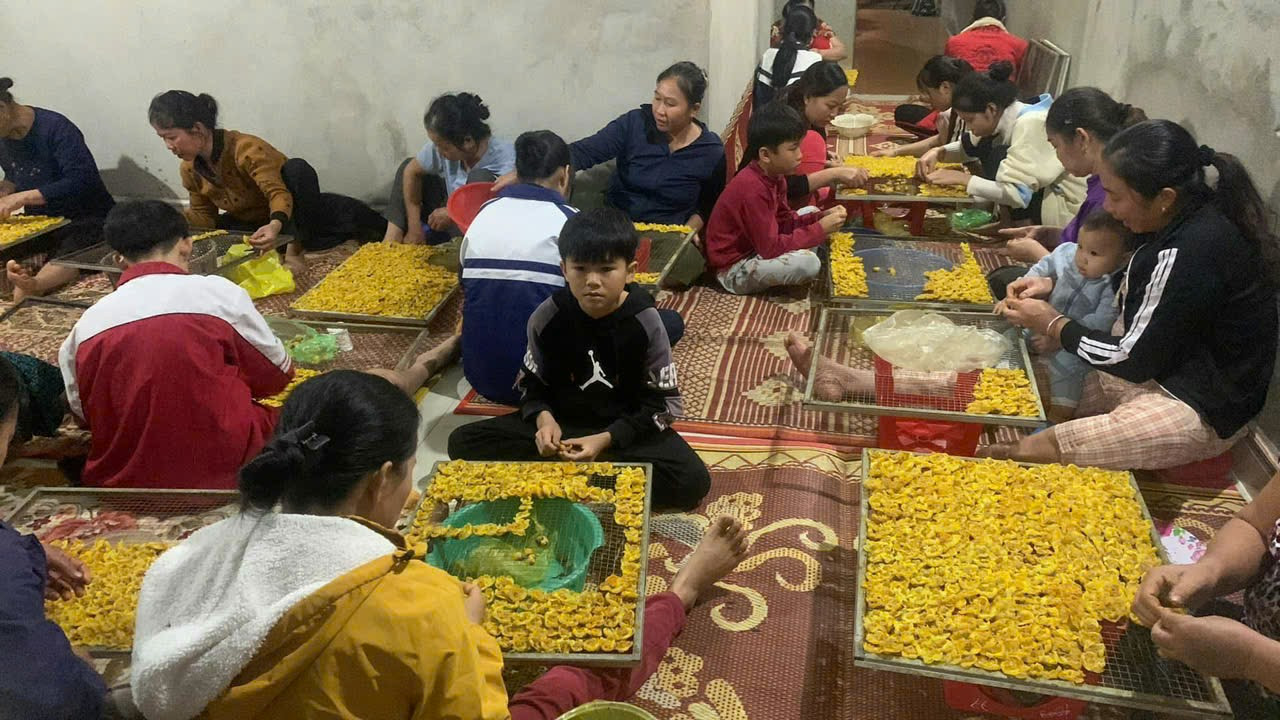
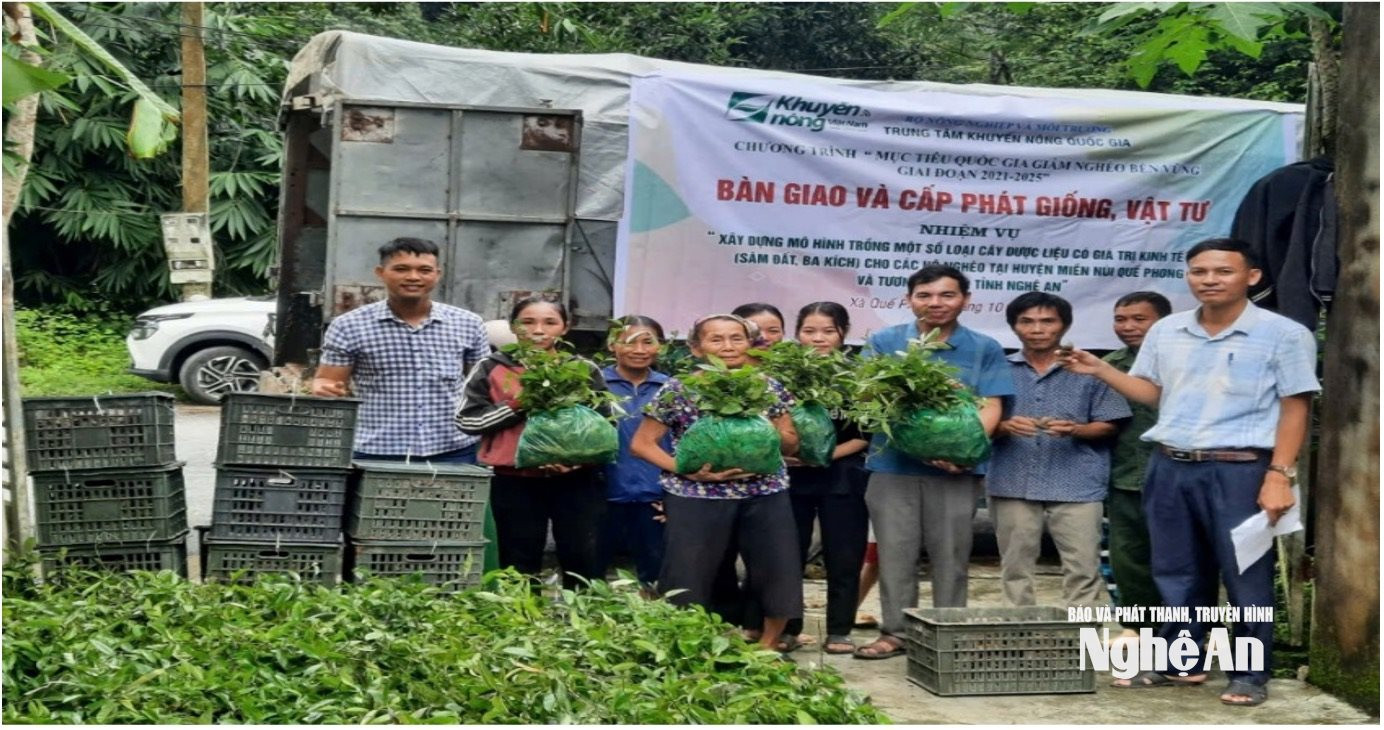
In Nga My and Que Phong communes, medicinal plants are being tested as a new livelihood option for poor households. In 2025, the National Agricultural Extension Center, in collaboration with the North Central Agricultural Science and Technology Institute, will implement a model for cultivating Codonopsis pilosula and Morinda officinalis in both localities, covering a total area of over 25 hectares and involving 79 households. According to the model's calculations, Codonopsis pilosula yields approximately 25-30 tons/ha after 8-10 months, with an expected revenue of 250-300 million VND/ha/year and an estimated profit of 120-140 million VND/ha; while Morinda officinalis can achieve a revenue of 300-400 million VND/ha after 3-4 years. Initial results show that, if suitable plants are selected, production is organized, and linked to market outlets, medicinal plants not only have significance in preserving indigenous genetic resources but can also become a livelihood option for poor people to increase their income.
Looking at the province as a whole, these models are becoming part of an increasingly clear picture. Nghe An has initially established over 3,180 hectares of medicinal plant raw material areas, with the participation of businesses, cooperatives, and local people; approximately 1,500 hectares are produced according to VietGAP standards, organic farming, and high-tech applications. In addition, about 35 species of medicinal plants are still harvested from the wild, with an estimated production of 3,700 tons per year. These figures show that Nghe An's medicinal plant resources are not only found in the forests, but are gradually being transformed into purposeful raw material areas.
Nghe An's medicinal plant resources are not limited to forests; they are gradually being transformed into strategically planned raw material production areas.
---
If cultivation is the proactive way to create a source of medicinal herbs, then processing is the crucial step in adding value to those raw materials. After harvesting, a medicinal plant is pre-processed, standardized into a product, then branded and marketed, increasing its value and creating jobs and income right in the production area. This is also the direction for Nghe An's medicinal herbs to not only have cultivation areas but also gradually develop products that are characteristic of each region.
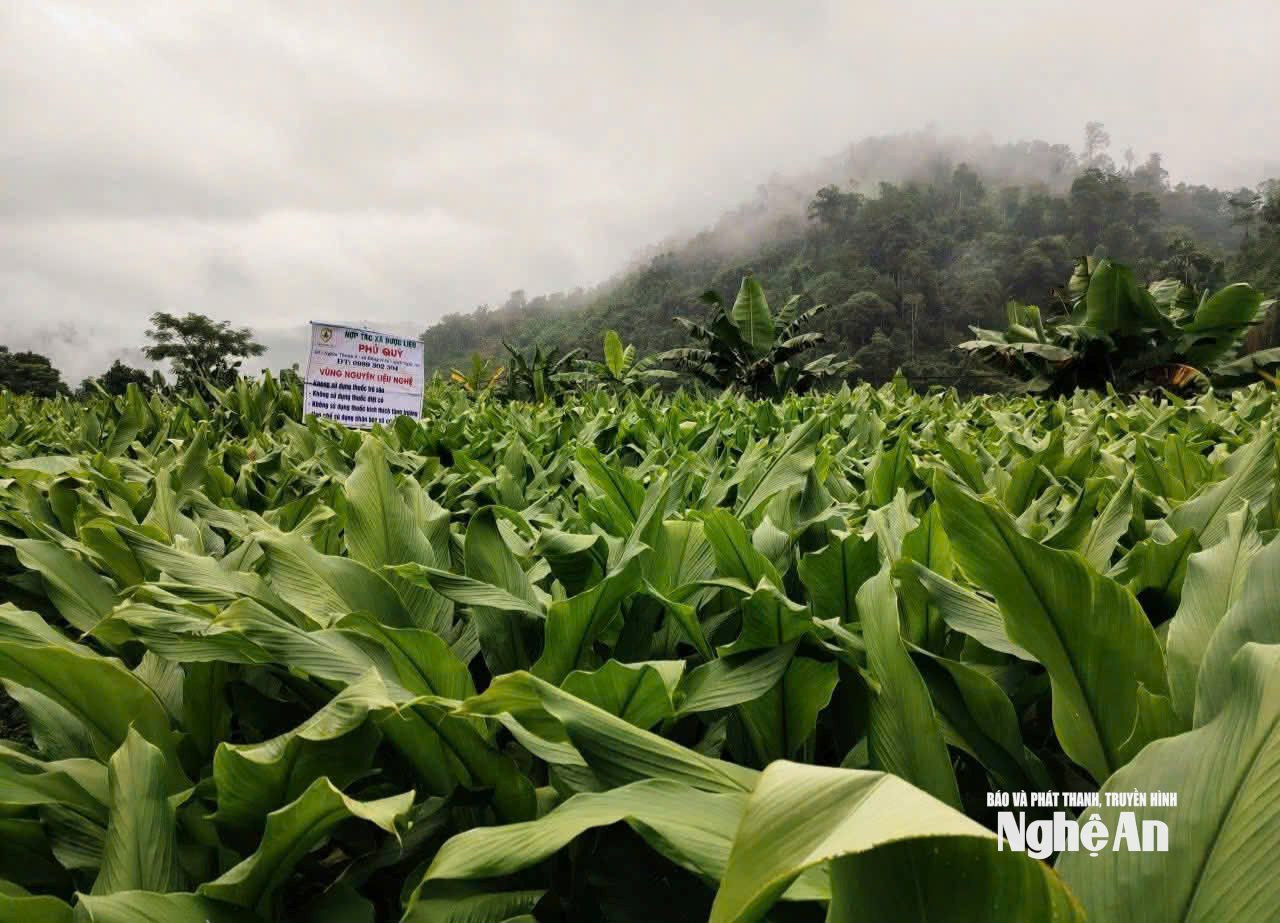
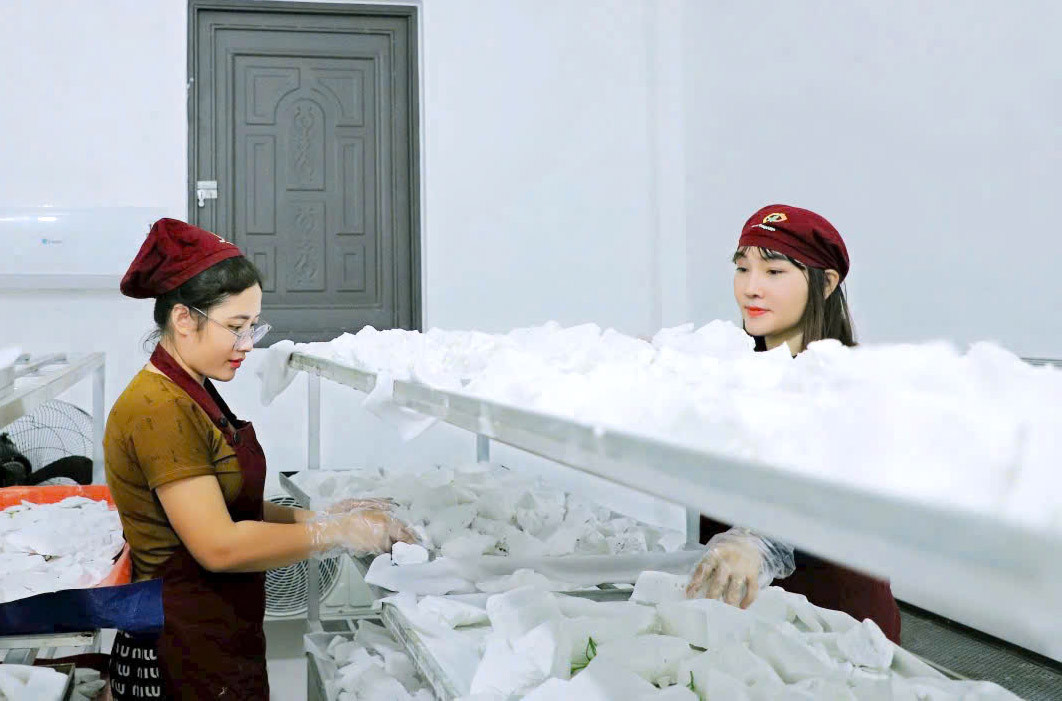
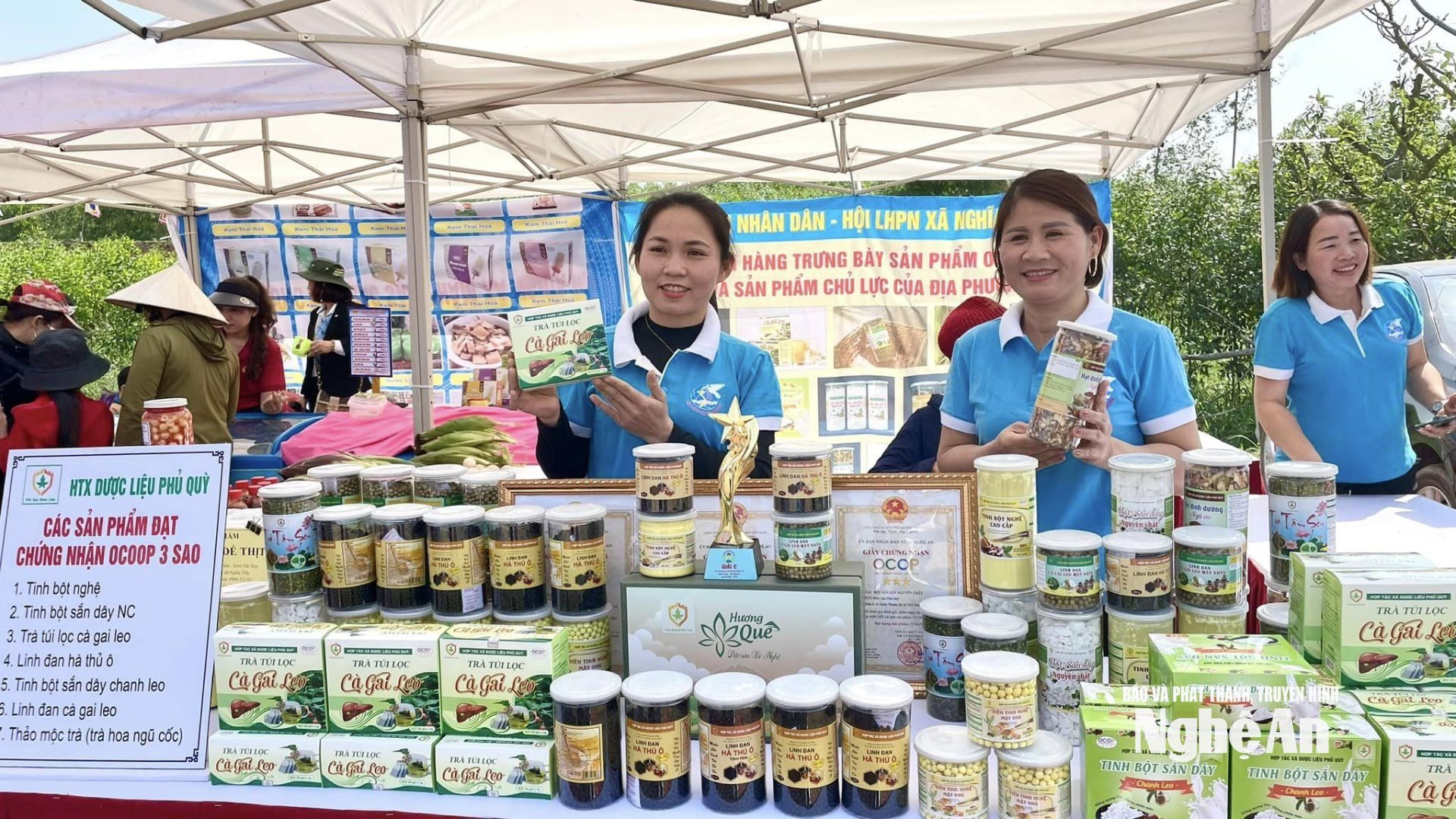
At Phu Quy Medicinal Herbs Cooperative, turmeric is processed into starch and turmeric-honey capsules; milk thistle and Polygonum multiflorum are also developed into tea bags, milk thistle-honey capsules, and Polygonum multiflorum elixirs... Many of these products have been recognized as OCOP 3-star products. Ms. Nguyen Dieu Thuy, Director of Phu Quy Medicinal Herbs Cooperative, said: “To date, our cooperative has 10 products, of which 7 have achieved OCOP 3-star status, gradually bringing our products to markets in many provinces and cities. The cooperative's revenue reaches nearly 3 billion VND, the average income of workers is about 84 million VND/person/year, creating stable jobs for 30 workers. These results show that when medicinal plants are processed into products with brands and markets, the value created will be much greater than just selling raw materials; at the same time, it opens up more job opportunities and income for people.”
The story in Phu Quy shows that the value of medicinal plants can be enhanced through processing. But to fully unlock that potential, we need to view medicinal plants within a broader value context, from a single source of raw materials that can produce many products, serving various market needs.
In Kim Lien, the Sen Que Bac Agricultural Cooperative has chosen lotus as its main medicinal plant, while also identifying lotus as a food source, raw material, and medicinal herb with the potential to be developed into marketable products. The cooperative has collected, cultivated, cared for, and preserved over 60 lotus varieties; from lotus, the cooperative has researched, developed, and brought to market 15 products, many of which have achieved OCOP 3-star and 4-star ratings. Notably, in the cooperative's approach, the medicinal value of the lotus is not separate from its other values, but is integrated within a single raw material area and product system.
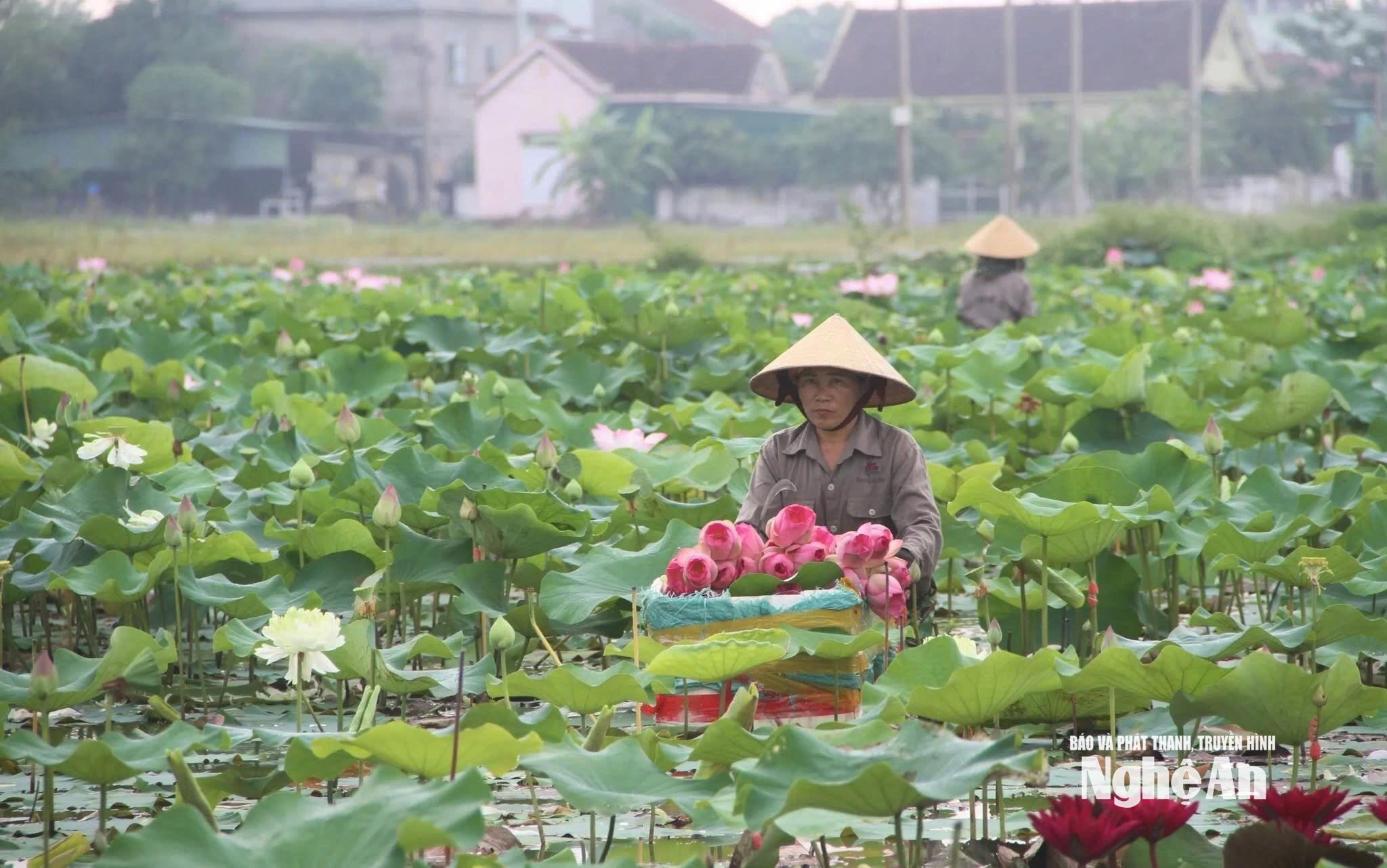
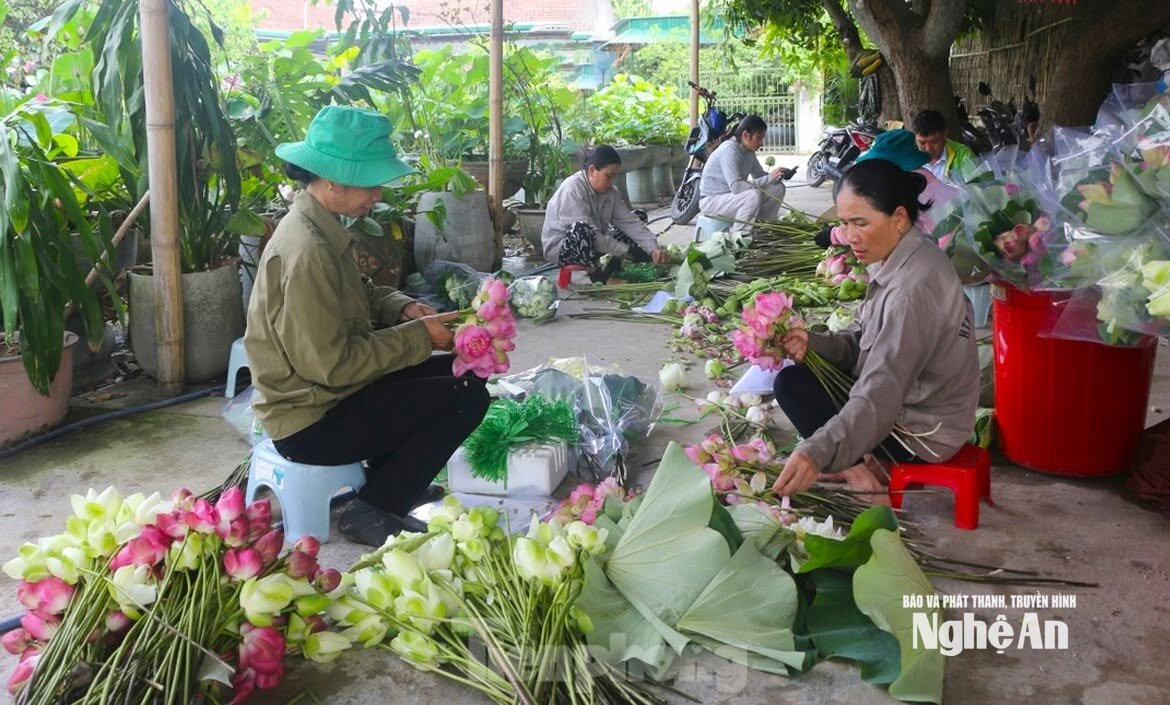
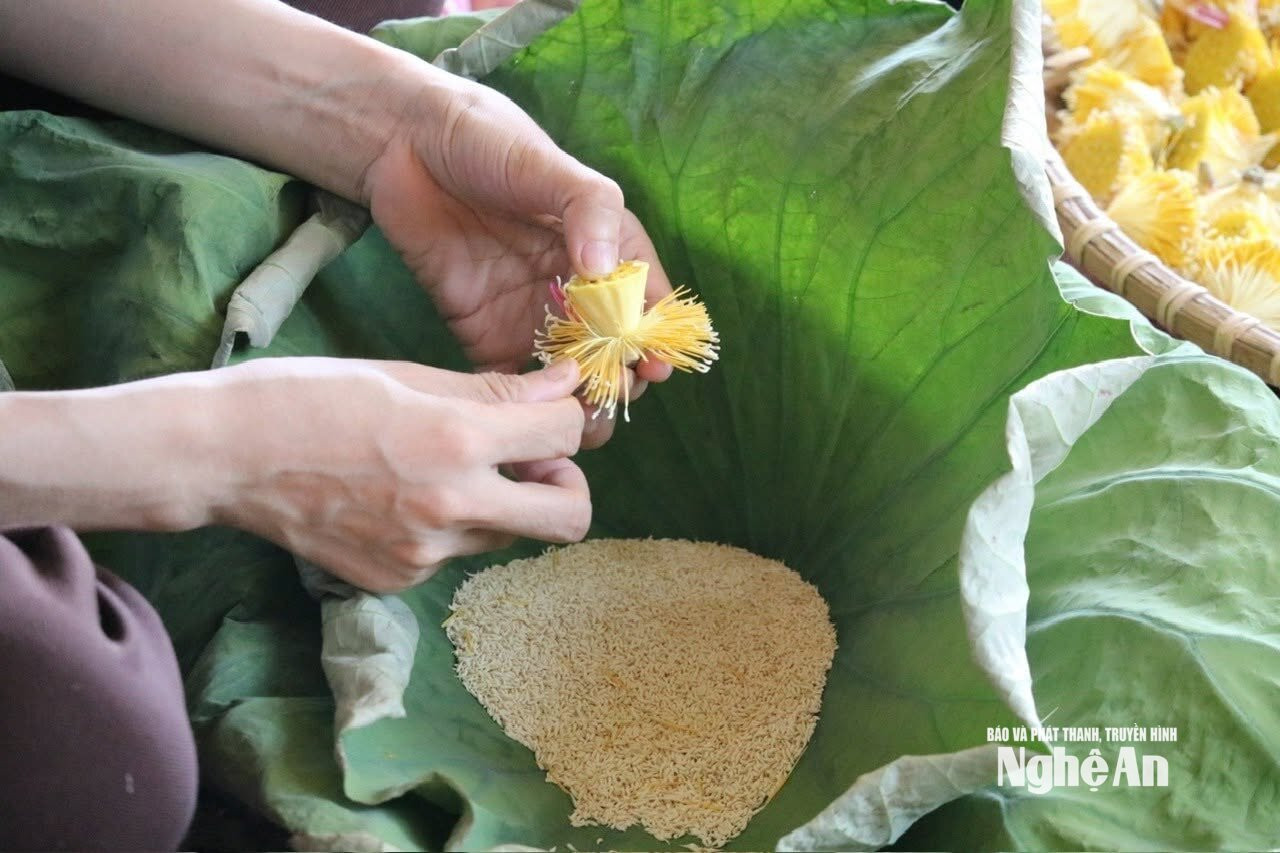
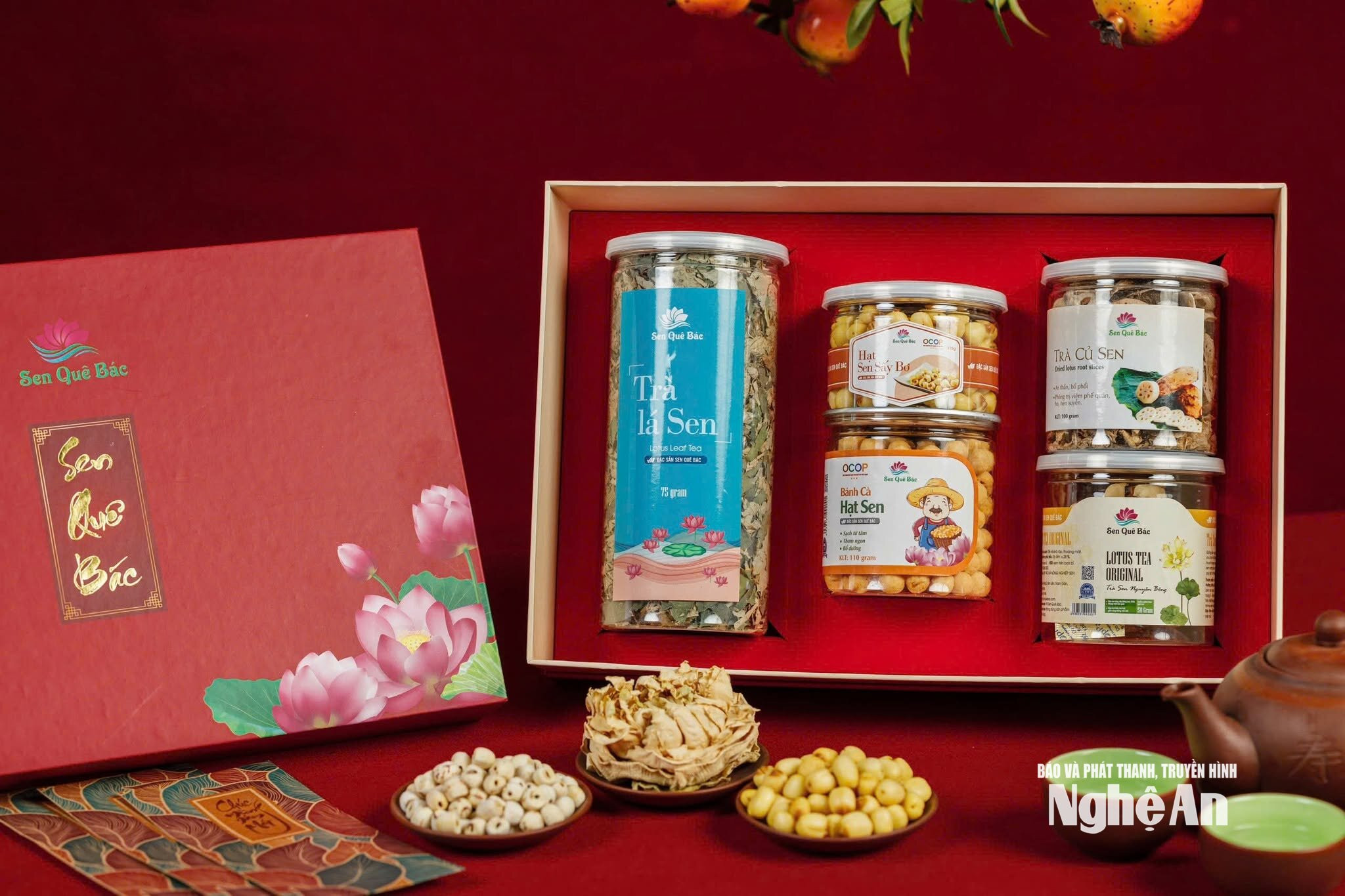
These approaches demonstrate that the value of medicinal plants extends beyond the growing region or harvest yield. Each stage, from preliminary processing and manufacturing to branding and marketing, adds another layer of value to the medicinal plant, while simultaneously creating jobs and income for those involved. When medicinal plants can reach beyond the fields, the story of this "green treasure" is no longer just about how many plants there are, but about how to fully exploit the value of this resource.
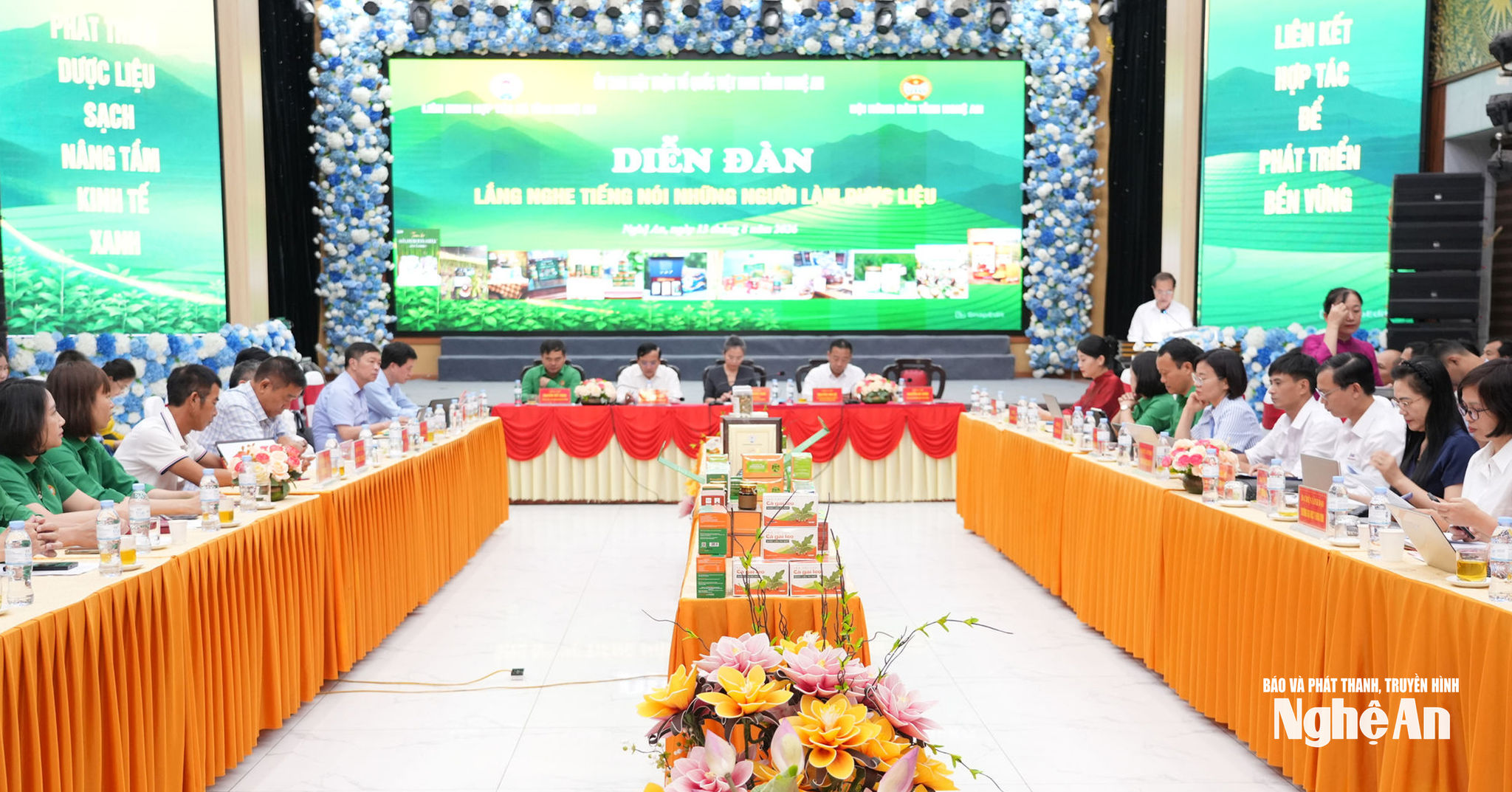
However, to ensure that the values being created in each region do not remain limited to individual highlights, Nghe An needs a larger-scale organizational approach. This involves forming raw material areas capable of supplying processing, with leading enterprises, accompanying science and technology, and a sufficiently large market for medicinal plants to reach a wider market. This organizational approach must first begin with the space for medicinal plants. With over 1.4 million hectares of agricultural and forestry land, including approximately 1.16 million hectares of forest and forestry land, Nghe An has the conditions to develop both concentrated cultivation areas for medicinal plants under the forest canopy and areas for gene conservation.
-6b087a1880722d383aa8ea25566816db.jpg)
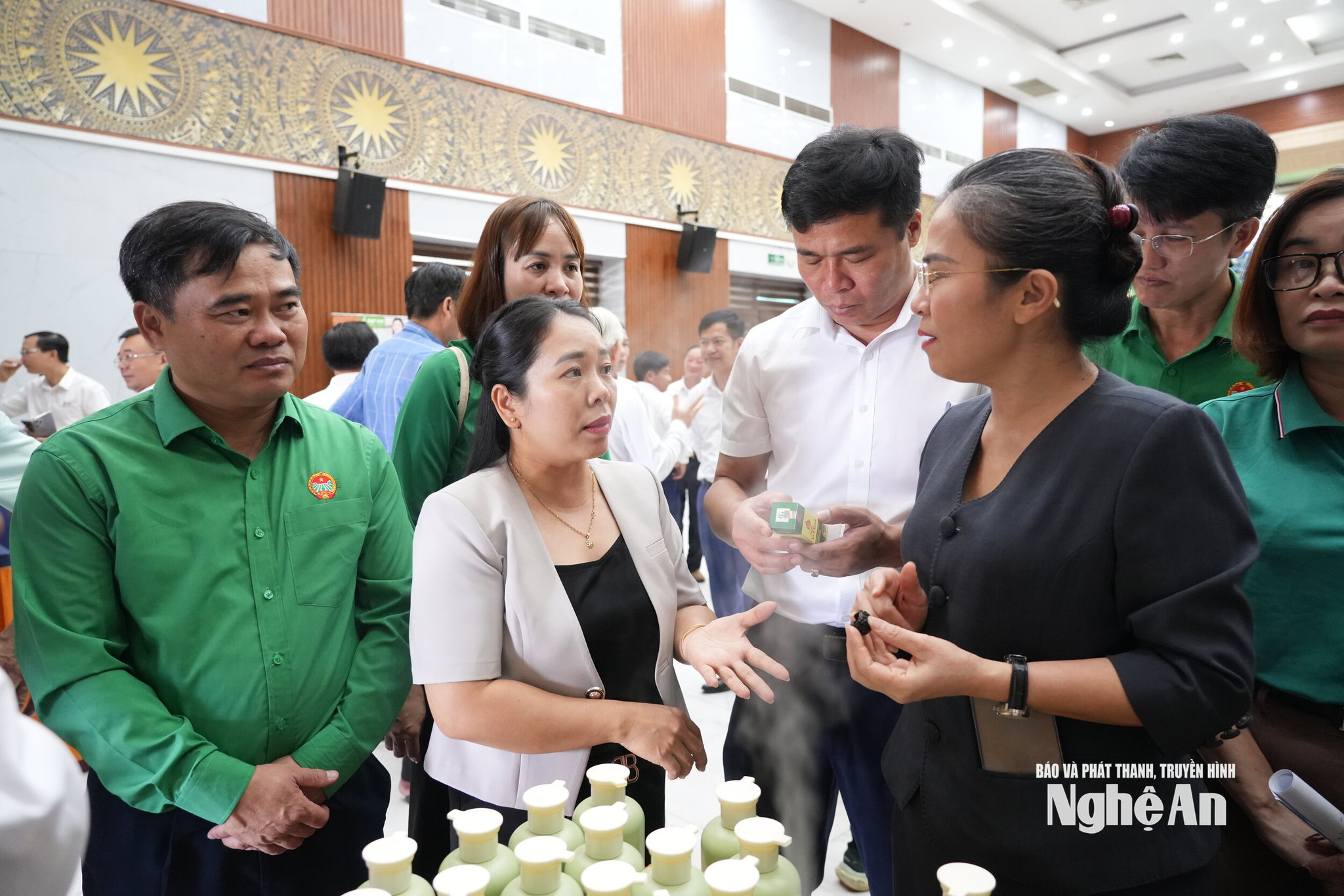
The development of medicinal plants must aim for three values: caring for people's health, enriching people, especially those in mountainous and forested areas, and forming a green and sustainable economy. It must shift from natural exploitation to conservation and cultivation; from raw materials to deep processing; from small-scale production to value chains; and from experience to standards, science and technology, and traceability. Development should not be driven by trends, nor by chasing after acreage, nor by planting first and then seeking markets; instead, production must be reorganized, linkages strengthened, and processing, science and technology, and markets used as drivers to enhance the value of medicinal plants.”
Comrade Vo Thi Minh Sinh -
Deputy Secretary of the Provincial Party Committee, Chairman of the Vietnam Fatherland Front Committee of Nghe An Province, and Head of the Steering Committee for the Development of Medicinal Plants in Nghe An Province.
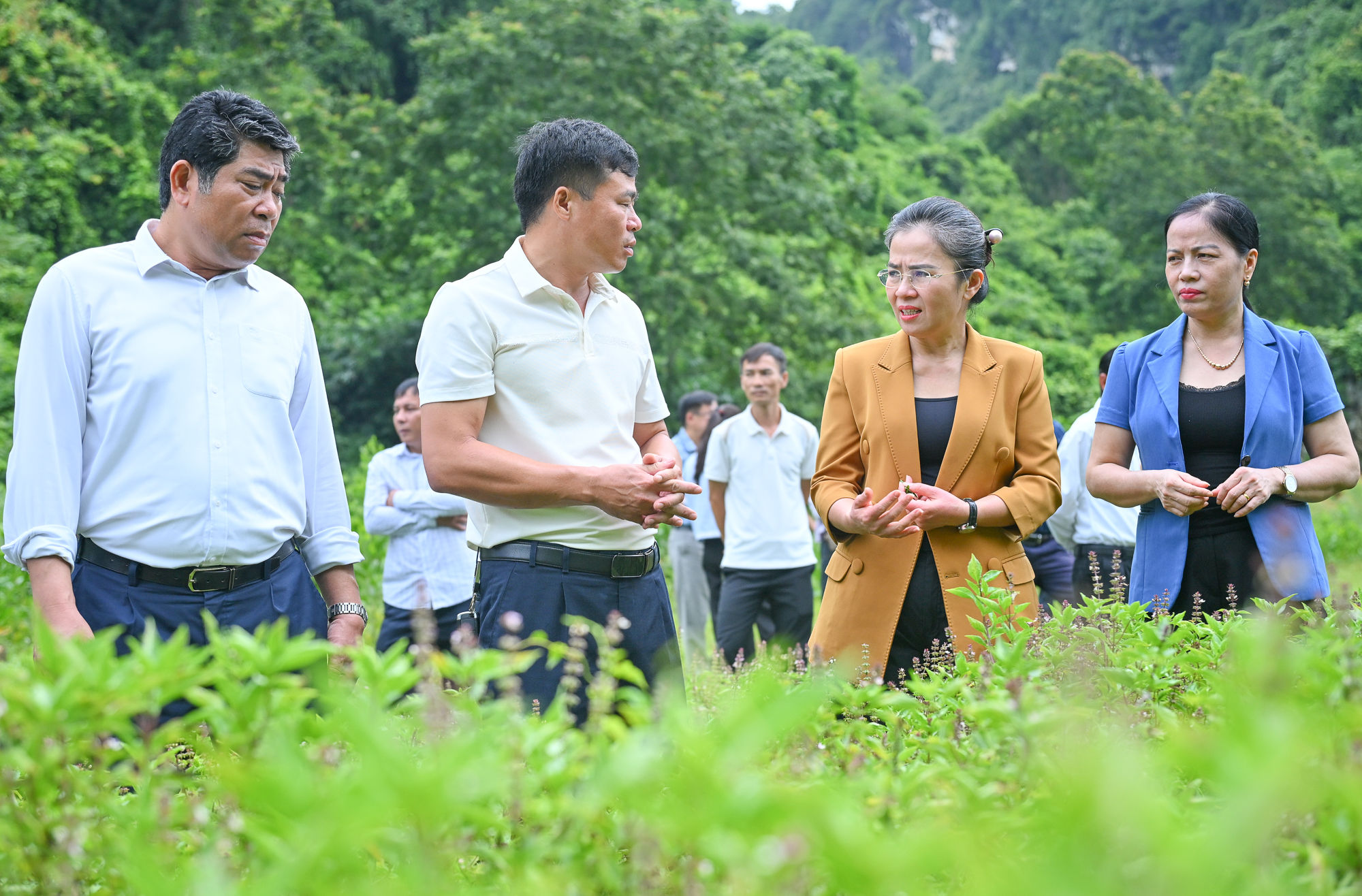
According to the plan for 2030, the province aims to have approximately 8,000 hectares of medicinal plants, including 4,500 hectares in concentrated cultivation areas, 2,500 hectares under forest canopy, and 1,000 hectares for genetic resource conservation; about 1,500 hectares will meet VietGAP, GlobalGAP, or organic standards. This area will also be organized according to ecological zones, with the Northwest region prioritizing Codonopsis pilosula, Amomum xanthioides, Dendrobium nobile, and Polygonum multiflorum; the Southwest region developing Panax notoginseng, Curcuma longa, Zingiber officinale, and Rehmannia glutinosa; and the midland and lowland regions focusing on short-term commercial medicinal plants such as turmeric, Leonurus artemisia, Achyranthes bidentata, and Ocimum basilicum.
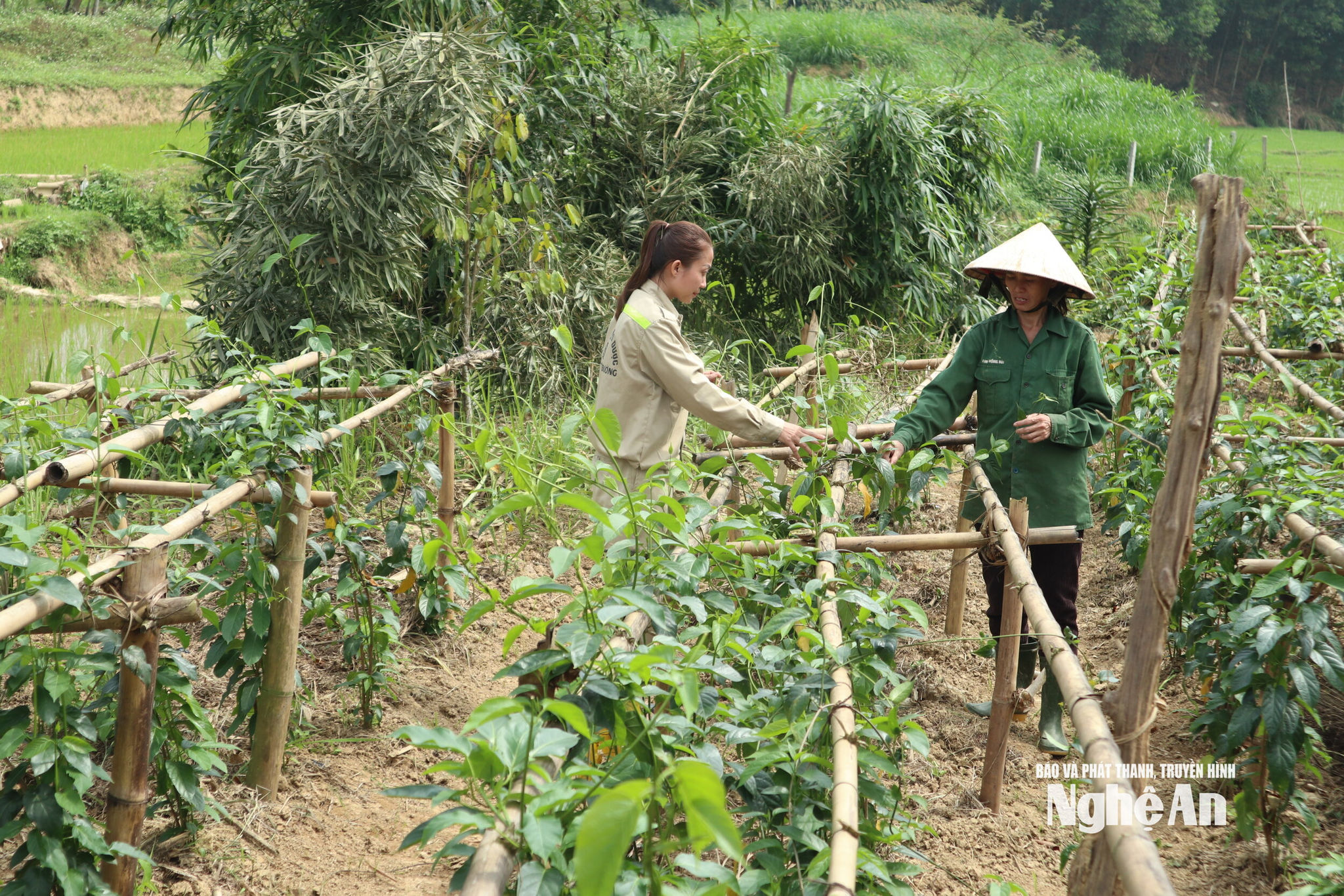
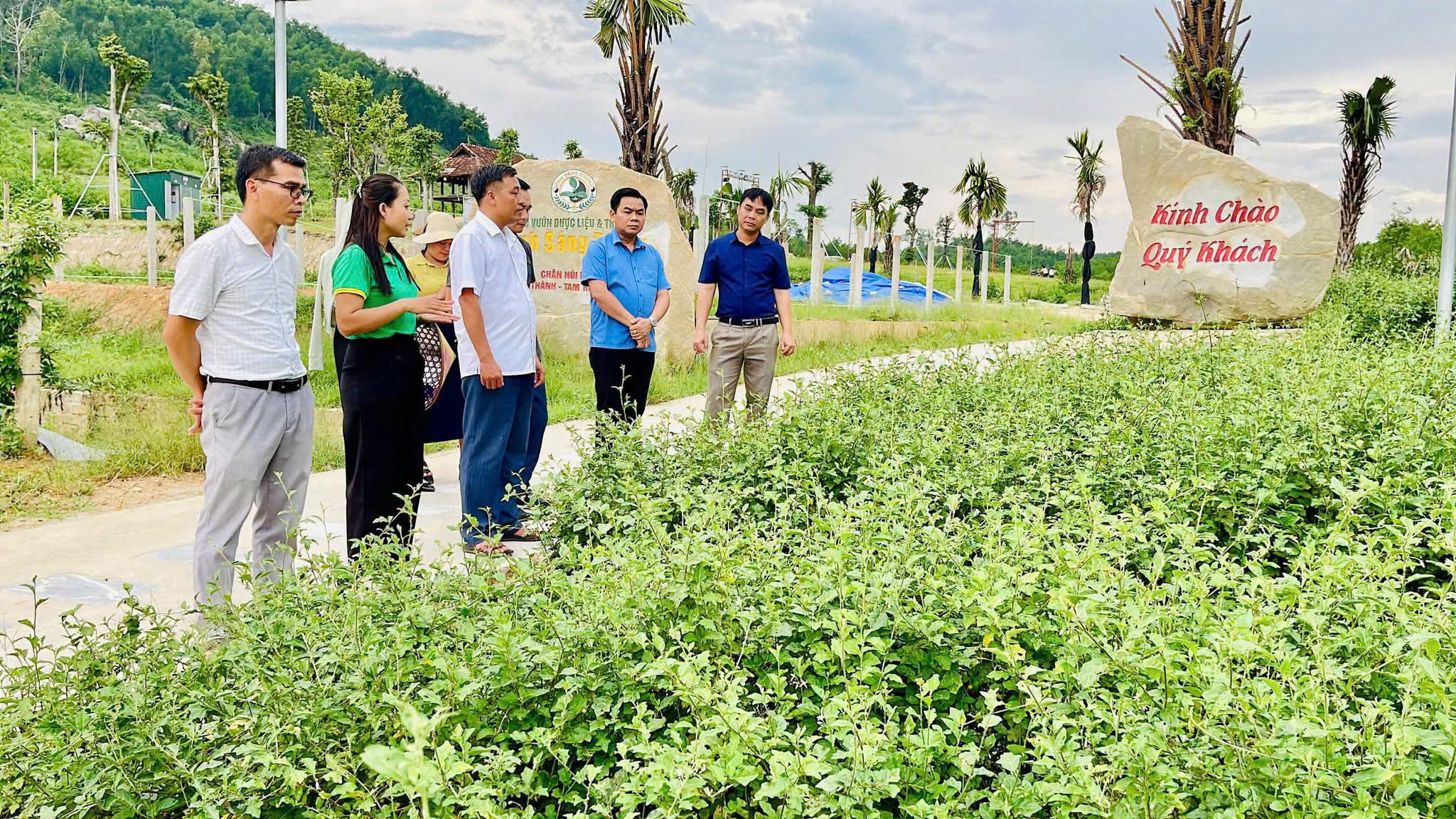
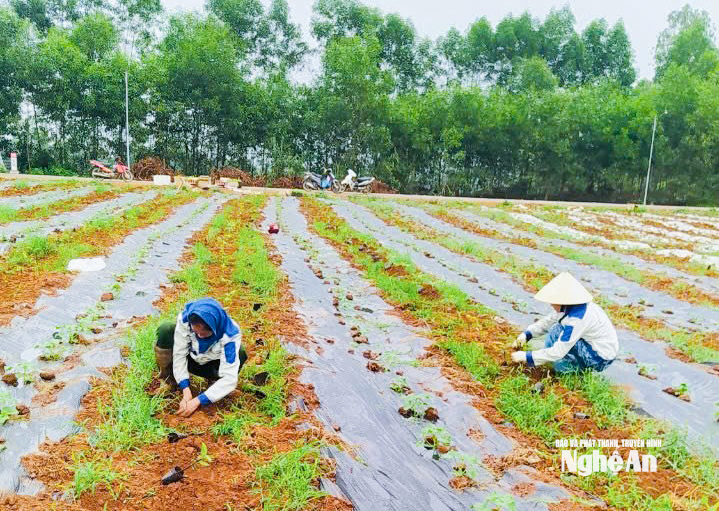
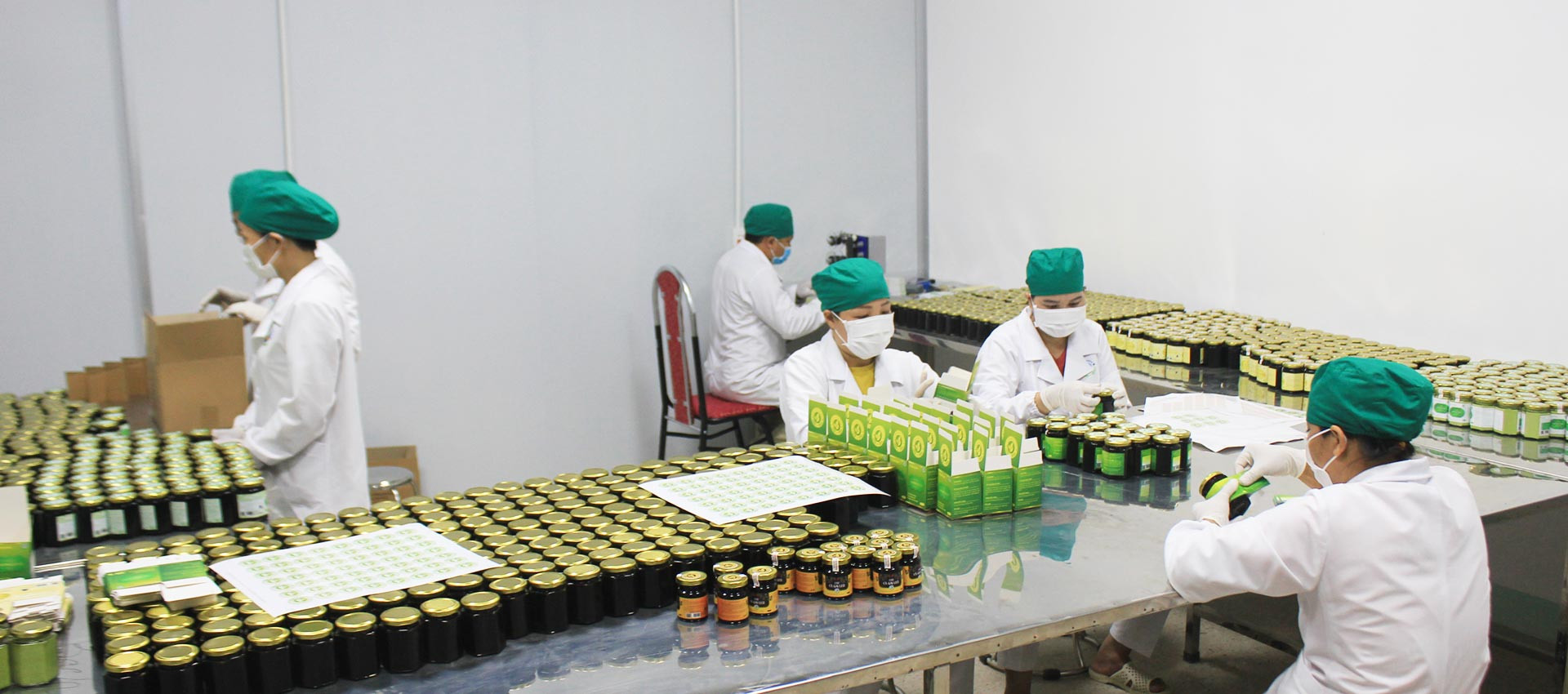
To ensure that these raw material areas do not remain confined to fields, processing infrastructure and science and technology are placed at the center. Nghe An province plans to build five medicinal herb processing plants in Nghi Loc, Que Phong, Quy Chau, Muong Xen, and Con Cuong; and simultaneously establish a high-tech forestry application zone of approximately 618 hectares as a center for research, seed production, and deep processing. Biotechnology is oriented towards serving breeding; GIS, remote sensing, and databases are applied to manage raw material areas and traceability. Thus, from a single medicinal plant being propagated to the planting area, from the planting area to the factory, and from the factory to the market, each stage can be controlled by standards and technology, instead of relying on individual experience.
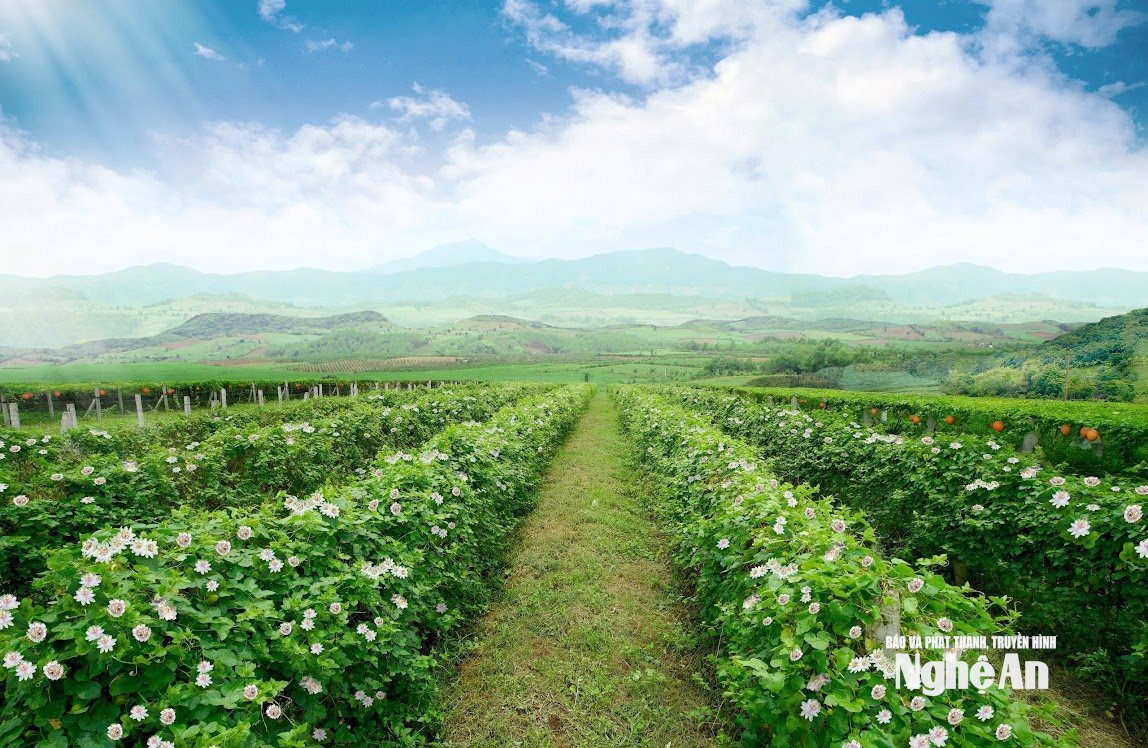
From today's growing areas to the goal of establishing the "Western Nghe An Medicinal Herbs" brand, it's a journey requiring the involvement of many stakeholders, but the direction has been quite clearly defined. First, businesses invest and lead the chain, cooperatives and people create raw material areas, research institutes and science and technology units participate in preserving genetic resources and transferring technology, while the province plays the role of connecting and creating a development environment. Proposed cooperation has aimed at complete chains from seeds, growing areas meeting GACP-WHO standards, digital management, preliminary processing, extraction, deep processing to pharmaceuticals, health food products and natural cosmetics. When these links are connected, medicinal plants are no longer just the story of a single household, a cooperative or an OCOP product, but can become an economic chain linked to forests, land, science, processing industries and markets.
And that's when the "green treasure" that Nghe An possesses will truly be revealed...


