
Leveraging local advantages and maximizing the value of OCOP products in Nghe An.
Since the government launched the "One Commune, One Product" (OCOP) program, Nghe An province has quickly established a direction suitable to its local advantages, while also building a systematic implementation mechanism. As a result, the province currently ranks second nationwide (after Hanoi) in the number of OCOP products achieving 3 stars or higher.
Nghe An's products mainly revolve around three groups: traditional products associated with local culture; new products based on the advantages of readily available raw materials; and processed products that enhance the quality of agricultural products. Over the years, the OCOP program has become a strong driving force promoting production in rural areas, helping to increase the value of agricultural products, create jobs, and improve sustainable income for the people.
Leveraging the advantages of the "One Commune, One Product" (OCOP) program.
After a long period of development, many localities in Nghe An have 1 to 3 OCOP products that have achieved 3-star quality, creating stable outlets and sustainable value. To date, the entire province has 743 OCOP products that have achieved 3 stars or higher, including 3 products with 5 stars, 45 products with 4 stars, and 695 products with 3 stars. This number makes Nghe An one of the leading localities nationwide in the number of recognized OCOP products.
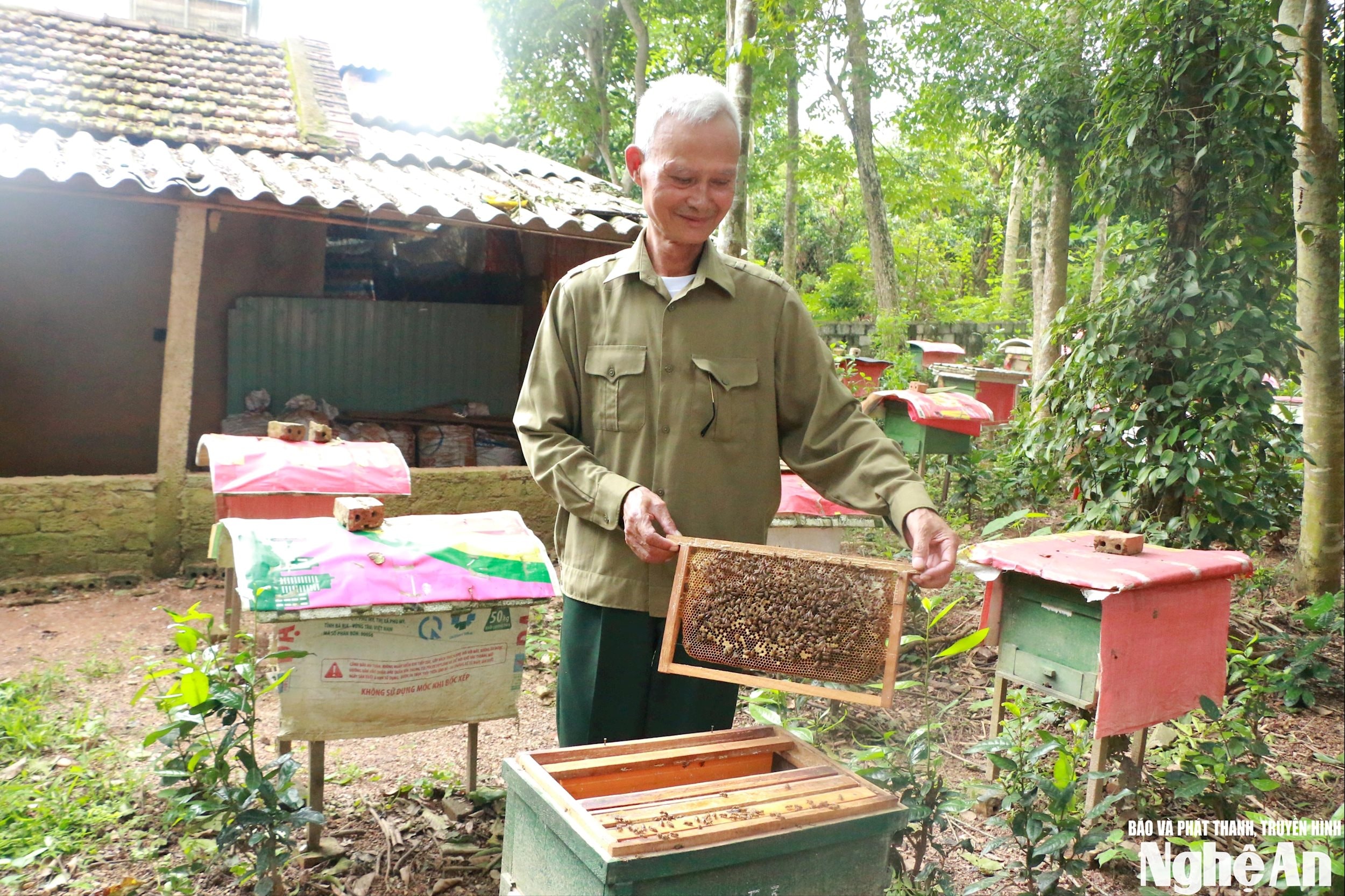
A vivid example of this transformation is Nghia Dong commune – a land of diverse origins with a tradition of making Cua tiles, where the people mainly worked as laborers in brick and tile factories. When the factories were dissolved, the people returned to their fields and sought new livelihoods. The emergence of the Nghia Dong Beekeeping Cooperative was a crucial turning point. The commune's honey products have achieved OCOP 3-star status for many years and are increasingly affirming their value.
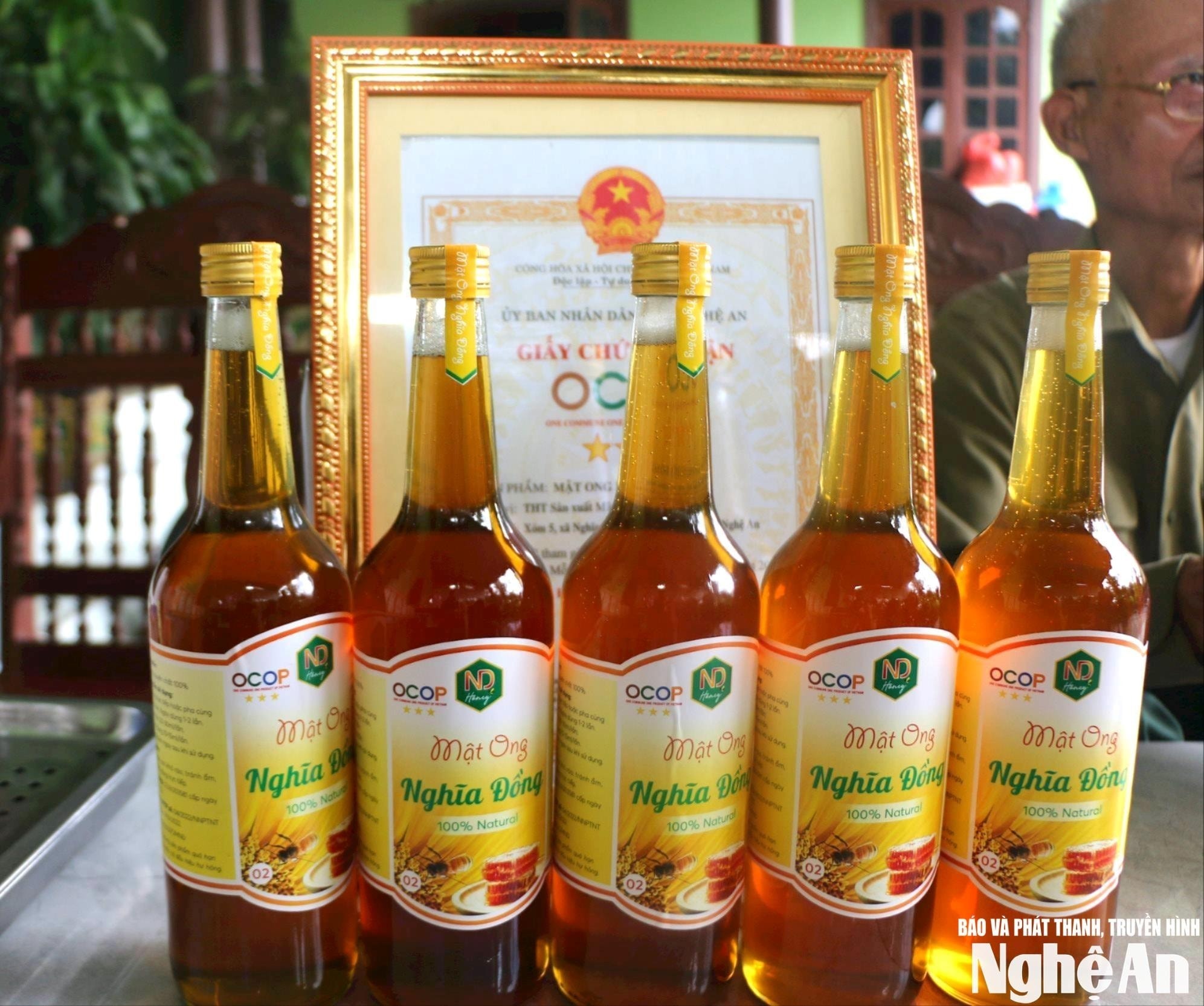
Since 2022, Nghia Dong commune has chosen honey as its key product for OCOP (One Commune One Product) development. A beekeeping cooperative was established, initially with 17 households and 336 bee colonies. To date, the cooperative has 26 members, managing 525 bee colonies and is divided into three groups based on hamlets for easier technical support. Large-scale beekeeping households such as Mr. Nguyen Van Tien (Hamlet 5) and Mr. Nguyen Trong Tu (Hamlet 7) have achieved high and stable yields annually.
According to Mr. Nguyen Van Tien, head of the cooperative group: In the 2024 honey season, the group harvested nearly 7,000 bottles of honey; in the 2025 season, they expect to harvest around 6,500 bottles. With proper beekeeping techniques, each beehive can yield 10-15 bottles of honey. Mr. Tien's family has 100 bee colonies, harvesting over 450 bottles of honey (about 300 liters/year), plus selling bee colonies. After deducting expenses, they earn a profit of approximately 100 million VND/year. This model creates local jobs, makes good use of natural advantages, and opens up new development opportunities for this once-difficult region.
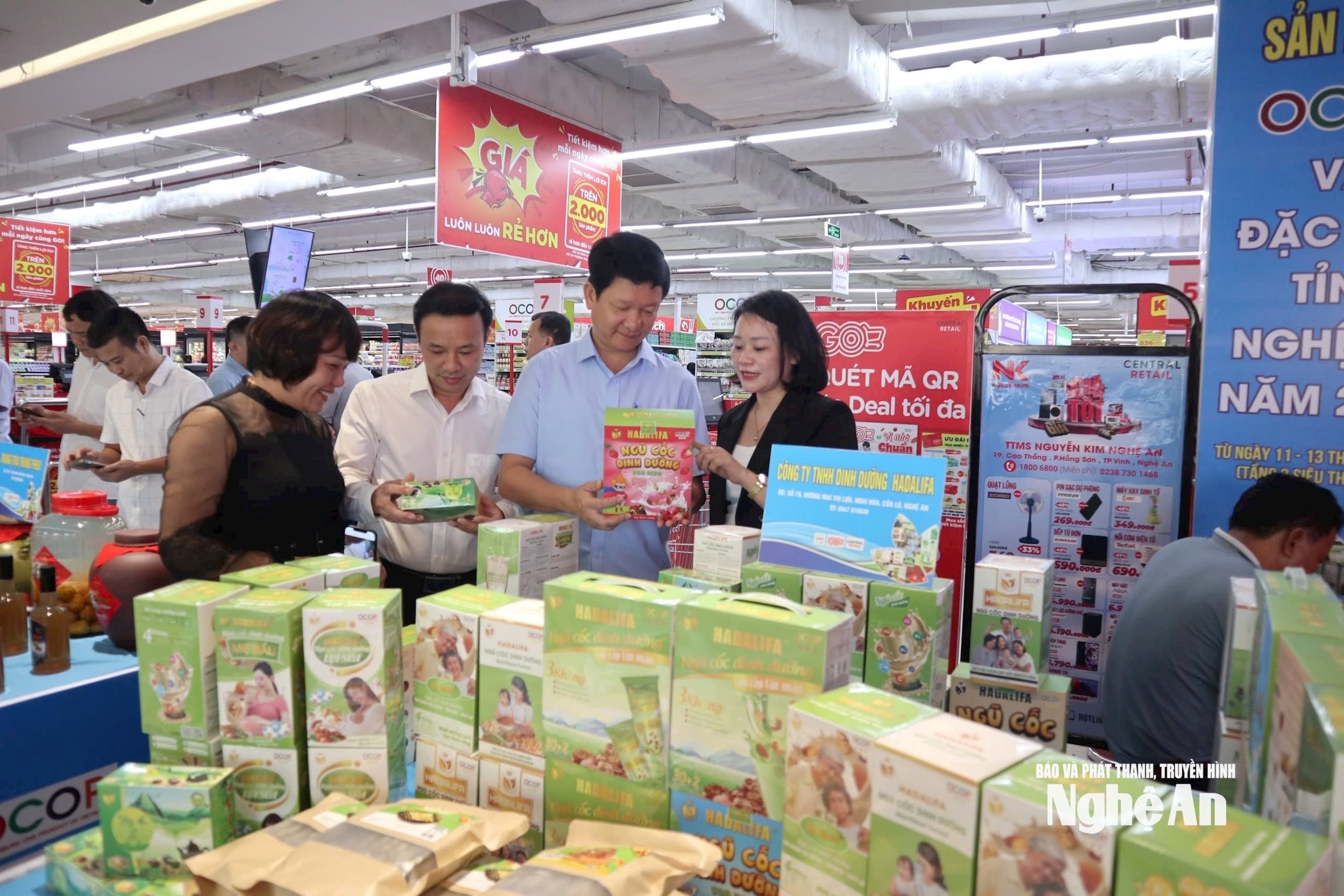
Not only Nghia Dong commune, but many other localities have also built OCOP product brands with characteristic agricultural products: Vinh oranges, pomelos, peanuts, dried lotus seeds, chayote, or processed products such as veal sausage, Cua Lo fish sauce, Mu Tun wine, instant tea from milk thistle and Gymnema sylvestre, along with handicrafts such as rattan and bamboo weaving, bamboo lamp sets... A typical example is Van Kieu commune, which still faces many difficulties but currently has 11 products ranked as 3-star OCOP, many of which have established their brands in the market such as: Xa Doai oranges, guavas, honey, green-skinned pomelos, cantaloupes and black chicken eggs. These products are strongly consumed through various channels.
Many OCOP products have made their mark on the market both within and outside the province, such as: products from Pu Mat Medicinal Herbs Joint Stock Company; Quynh Anh Spirulina algae; Van Phan fish sauce (Dien Chau)... In particular, the rattan and bamboo woven lanterns of Duc Phong Co., Ltd. – the only 5-star OCOP product in Nghe An – have been exported to many international markets. Mr. Thai Dai Phong, the company's director, said: Achieving OCOP certification helps products access markets more easily, thereby expanding the value chain. Thus, since the company's lanterns achieved 5-star certification, the products have been present in many international markets, helping the Vietnamese rattan and bamboo weaving brand reach further.
The impact of the OCOP program on the rural economy is evident. OCOP increases product value, creates thousands of jobs, raises incomes, and encourages the application of science and technology in processing and preservation. At the same time, linking products with local culture and community tourism increases their ripple effect.
Mr. Le Van Luong - Head of the Department of Cooperative Economics and Rural Development of Nghe An Province
Currently, the OCOP program provides regular employment for approximately 2,300 workers, along with 1,800-2,000 seasonal workers, with an average income of 3.5-4 million VND per person per month. Some outstanding models, such as brocade weaving linked to community tourism in Hoa Tien village (Chau Tien district), Khe Ran village (Bong Khe district), and Nua village (Yen Khe district), have created jobs for 150 households and 205 workers, with an income of 3.8-4.2 million VND per person per month. More importantly, this model contributes to preserving the local cultural heritage and environmental landscape.
Transforming the face of the countryside
Nghe An possesses many advantages, including a large area, diverse topography ranging from plains and coastal regions to high mountains; abundant local resources; and a varied culinary culture. This provides a foundation for the province to develop OCOP products that reflect regional characteristics and meet consumer market demands.
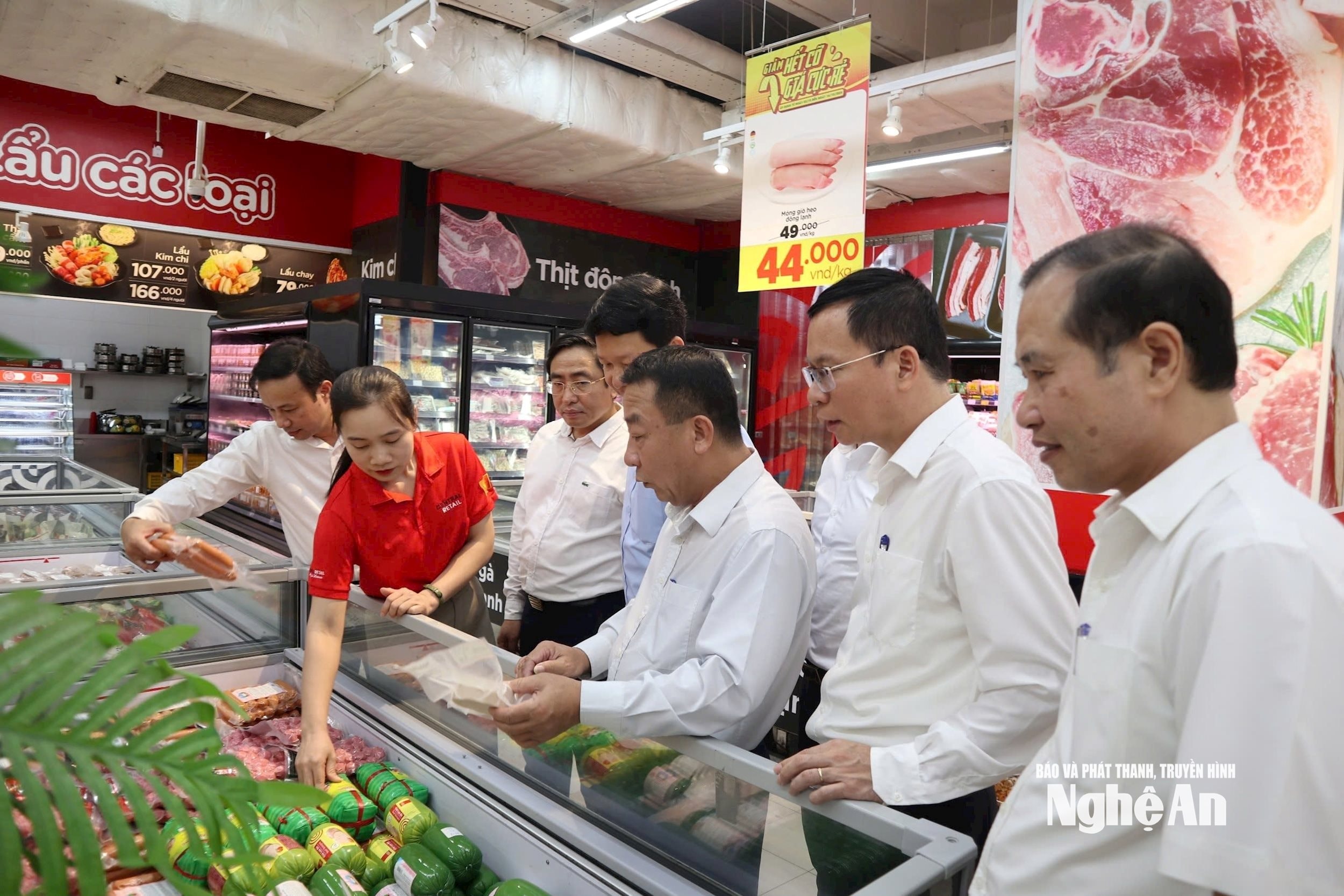
Currently, the province has 449 entities participating in the program, including businesses, cooperatives, and production and business households. Collective economic entities account for a large proportion: 194 cooperatives and cooperative groups (43%). More than 65% of OCOP products have completed packaging, labeling, and traceability, meeting market requirements and enhancing professionalism.
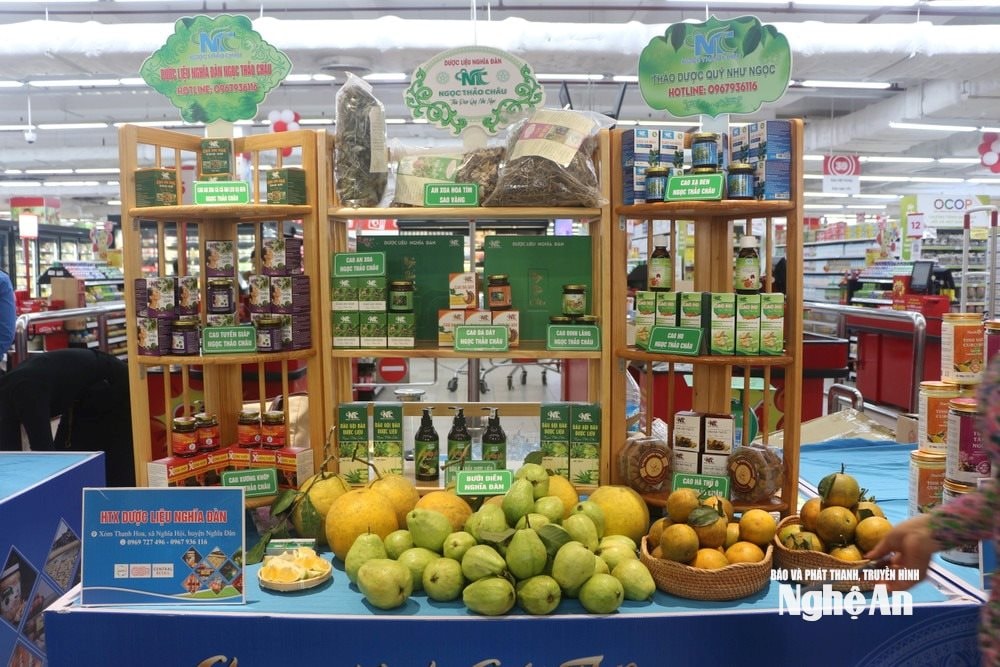
According to the provincial Department of Agriculture, the OCOP program not only recognizes products but also creates momentum to boost the rural economy. The application of science and technology in deep processing and preservation helps improve productivity and quality. People's incomes have increased significantly thanks to large-scale production and supply chain linkages.
Mr. Le Van Luong, Head of the Department of Cooperative Economics and Rural Development of Nghe An province, affirmed: "OCOP is not just an individual product, but a commodity within an ecosystem of production, processing, distribution, and consumption." The orientation from 2023 to the present has been to build raw material areas that meet VietGAP, organic, and GlobalGAP standards; combined with the application of food safety and hygiene standards in processing and transportation.
Beyond its economic benefits, the OCOP program also connects products with tourism and local culture. Tourists visiting Nghe An not only experience the landscapes and history but also purchase distinctive products such as lotus tea from Uncle Ho's hometown, Nam Dan veal sausage, and Kim Nhan mandarin oranges. This stimulates product consumption and enhances the value of the local agricultural sector.
To enhance efficiency, the province encourages OCOP (One Commune One Product) entities to develop concentrated raw material areas, link along the value chain, and sign consumption contracts with businesses and e-commerce platforms. Nghe An is currently developing an "OCOP product area map" to rationally plan and improve management efficiency.
The province has also implemented many important solutions such as: supporting the development of raw material areas and innovating processing technologies; building value chains, ensuring traceability and food safety; investing in production infrastructure and training management skills for stakeholders; developing brands, registering trademarks and geographical indications.
Furthermore, according to Mr. Le Van Luong, digital transformation is considered a crucial lever to enhance the competitiveness of products. The province encourages OCOP (One Commune One Product) entities to participate in e-commerce, promote products on digital platforms, and diversify distribution channels. Post-inspection and monitoring are strengthened to ensure product quality and maintain the reputation of Nghe An's OCOP products.
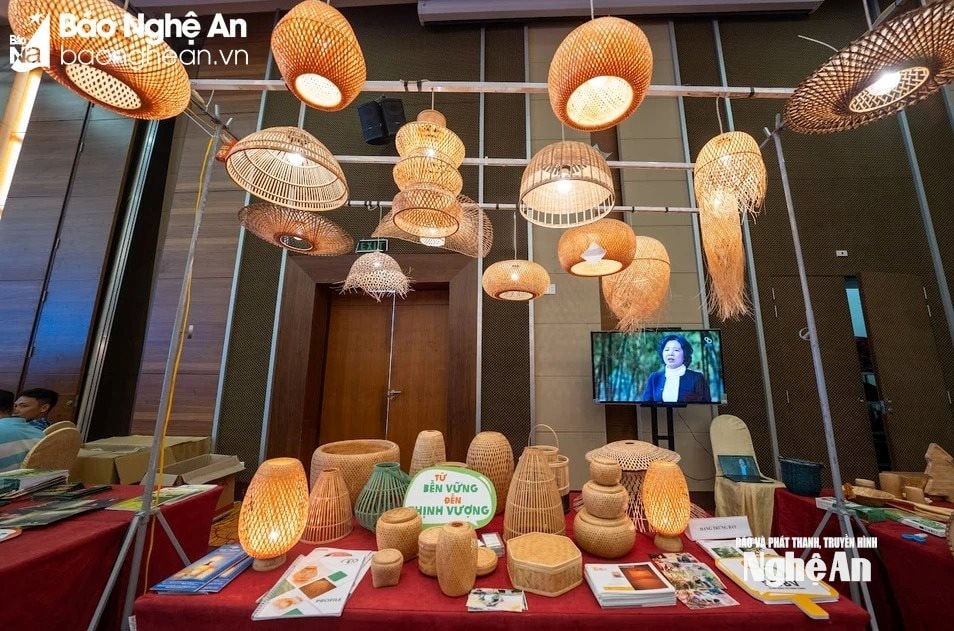
With clear direction and serious investment, Nghe An is gradually asserting its position in the development of OCOP products. The program not only enhances the value of agricultural products but also creates a foundation for sustainable rural economic development, linking production with tourism and local culture. When local values are properly exploited, OCOP will continue to pave the way for Nghe An branded products to reach further in domestic and international markets.


