
Discover the unique Lunar New Year customs in Asian countries.
Besides Vietnam, Lunar New Year is a sacred holiday in many countries such as South Korea, China, and Mongolia, with distinctive rituals that reflect a connection to one's roots.
Besides Vietnam, Lunar New Year is deeply ingrained in the cultural life of many Asian countries. Despite differences in name and rituals, it marks the transition from the old year to the new, a time for families to reunite and remember their ancestors.
South Korea: Seollal ceremony and tteokguk (rice cake soup).
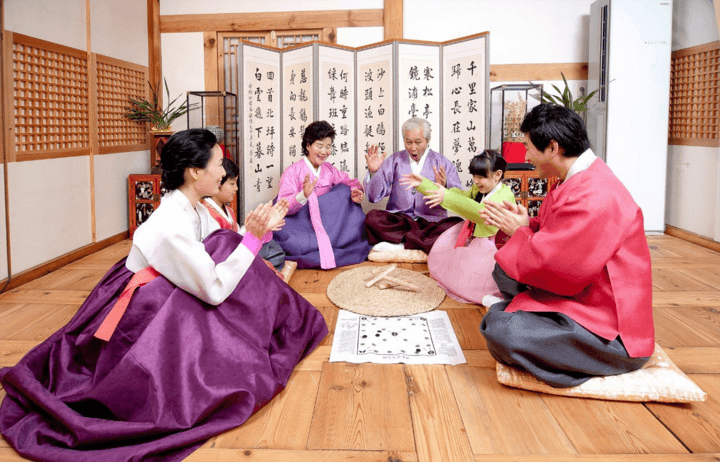
In South Korea, Lunar New Year is called Seollal, one of the two most important traditional holidays alongside Chuseok (Mid-Autumn Festival). People usually return to their hometowns to perform ancestral worship rituals (cherye), showing respect and strengthening the bond between generations.
A distinctive custom of Seollal is the sebae ritual, where children and grandchildren bow to their elders in traditional hanbok attire to wish them a happy new year. In particular, tteokguk (rice cake soup) is the heart of the first meal of the year. According to Korean tradition, finishing a bowl of tteokguk marks the moment each person officially enters a new year of their life.
North Korea: Emphasizing the value of folk culture.
In North Korea, Seollal is also an important three-day holiday. On New Year's Day morning, people usually visit statues or portraits of Kim Il-sung and Kim Jong-il before visiting relatives. Due to the nature of travel, New Year's celebrations are usually confined to a small area with folk games such as kite flying, spinning tops, and making rice cakes and steamed buns together.
China: Spring Festival bursts with vibrant red
Known as Spring Festival, the Lunar New Year in China is the biggest festival of the year, lasting 15 days. Customs such as setting off firecrackers, hanging lanterns, and using the color red originate from the legend of the monster Nian. On the New Year's Eve dinner table, dumplings are an indispensable dish because their shape resembles gold bars, symbolizing wealth and prosperity.
Chinese people traditionally exchange red envelopes (hongbao) and visit relatives. The festive atmosphere usually culminates on the 15th day of the first lunar month with the Lantern Festival, highlighted by lantern viewing and dragon boat racing.
Mongolia: Tsagaan Sar on the steppe
Mongolia's New Year, called Tsagaan Sar, marks the end of the harsh winter. On New Year's Eve, families clean their houses and light candles for good luck. On New Year's Day, people dress in nomadic clothing (deel), exchange New Year's greetings in order of age, and enjoy steamed buns (buuz) and salty milk tea. This is also a time for exciting traditional wrestling matches (bokh).
Malaysia: A Modern Cultural Intersection
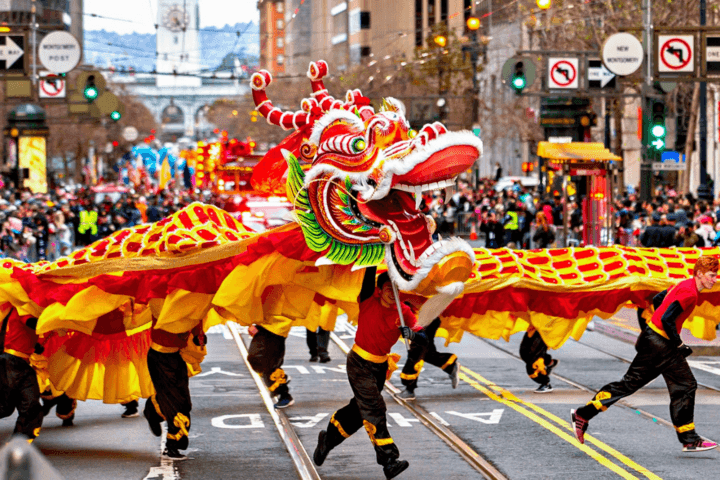
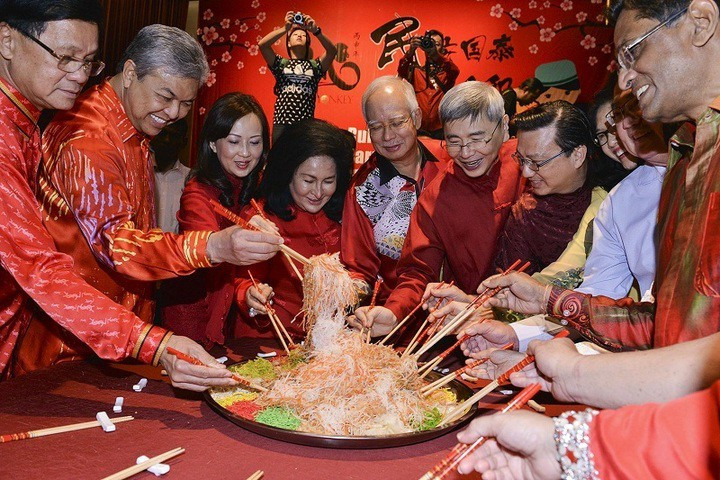
With a large Chinese community, Lunar New Year in Malaysia is a major holiday featuring vibrant lion and dragon dances. Most notably, the spectacular fireworks display at the Petronas Twin Towers in Kuala Lumpur creates a unique blend of traditional values and a modern urban setting.
An estimated 1.5 billion people worldwide celebrate Lunar New Year. Besides the countries mentioned above, this holiday is also popular in Singapore, Thailand, the Philippines, and many Asian communities globally, reflecting the strong vitality of a cross-border cultural heritage.


