
The aspirations of the Hmong people of Huoi Co
While the spring mist still clings to the moss-covered wooden roofs of the Hmong village of Huoi Co (Nhon Mai border commune) – a new day begins with the sound of the Hmong flute calling the wind and the warmth of the highland hearth. In a place seemingly only filled with clouds, mountains, and steep slopes, the people of Huoi Co are quietly making lasting changes: preserving the forest, conserving ancient peach trees, developing large-scale livestock farming, cultivating high-yield cassava, and nurturing the dream of a community-based tourism village nestled high in the mountains.
.png)
Phuc Thanh - Gia Huy/Present:Hong Toai• February 7, 2026
*****
While the spring mist still clings to the moss-covered wooden roofs of the Hmong village of Huoi Co (Nhon Mai border commune) – a new day begins with the sound of the Hmong flute calling the wind and the warmth of the highland hearth. In a place seemingly only filled with clouds, mountains, and steep slopes, the people of Huoi Co are quietly creating lasting changes: preserving the forest, conserving ancient peach trees, developing large-scale livestock farming, cultivating high-yield cassava, and nurturing the dream of a community tourism village nestled high in the mountains. Without fanfare or haste, Huoi Co chooses to progress through its own strength, by preserving its identity and creating lasting changes with each passing spring.
.png)
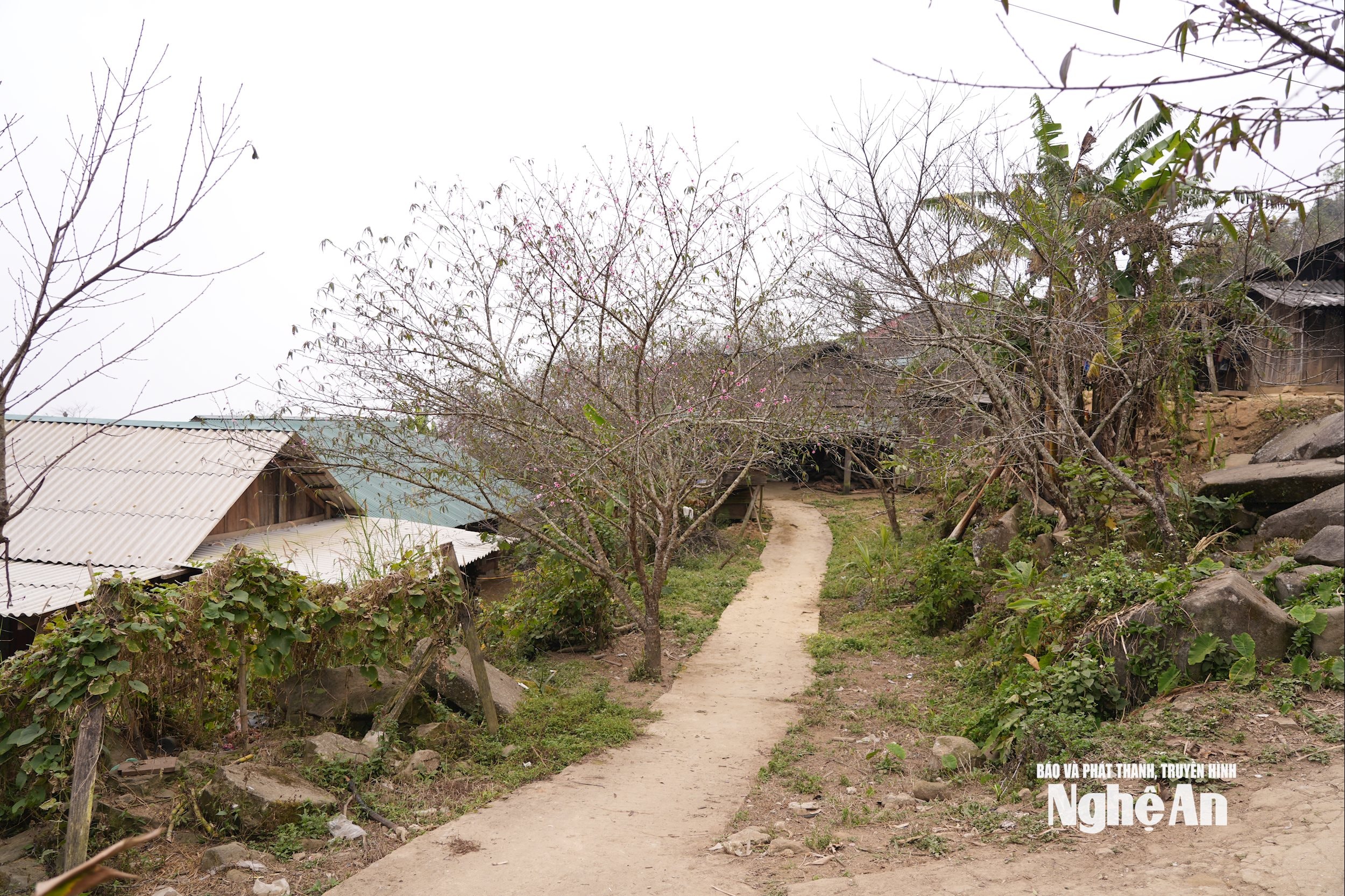
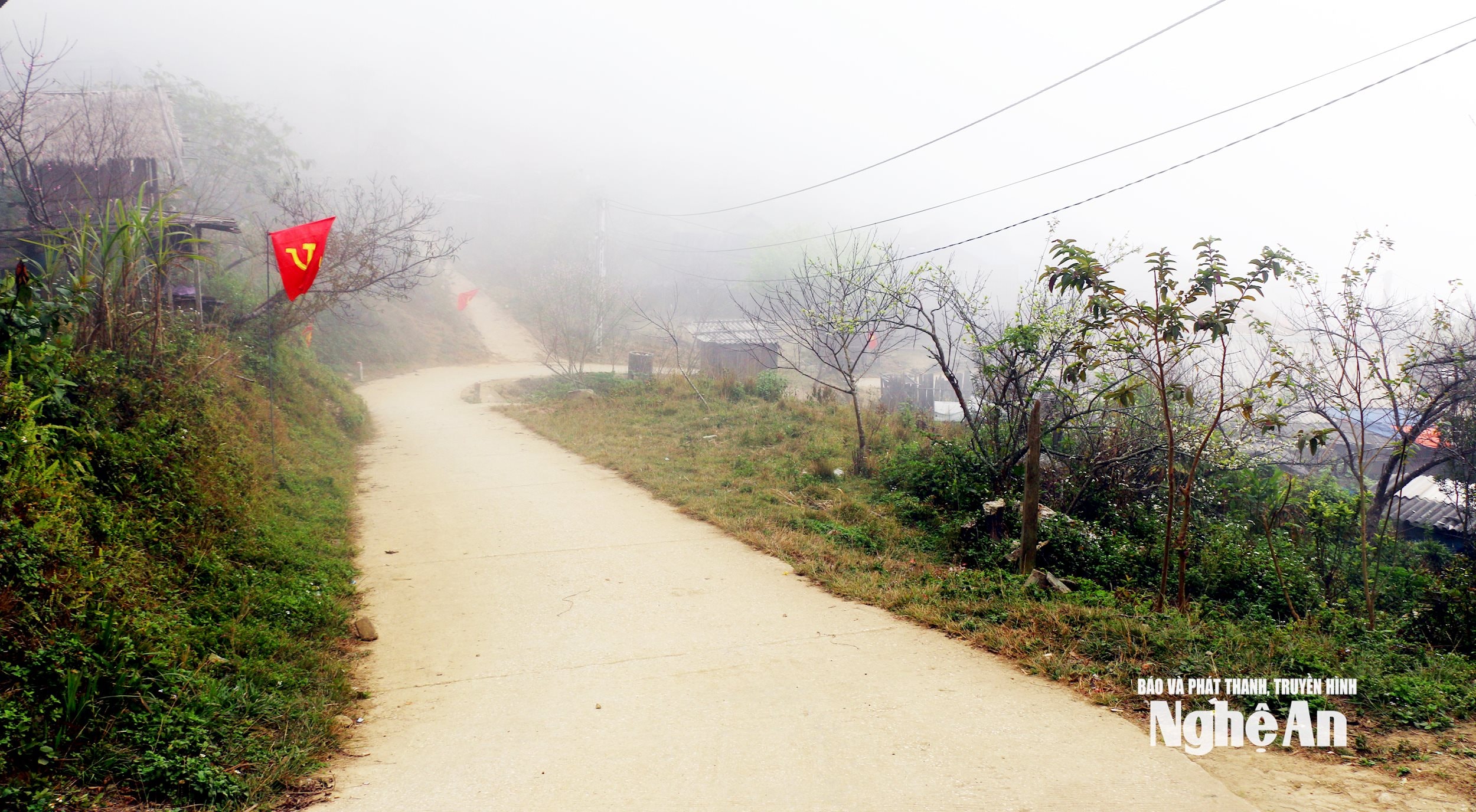
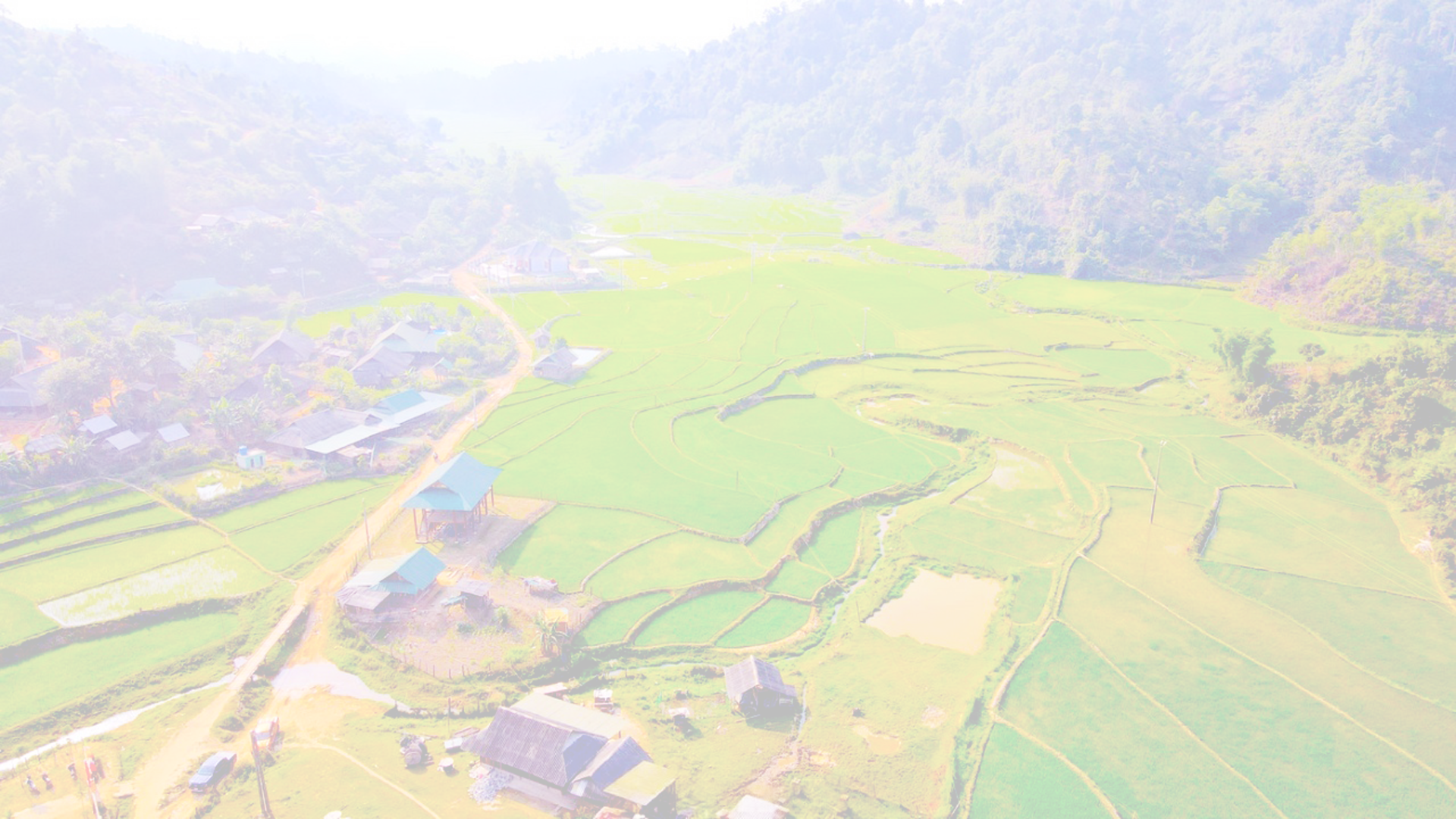
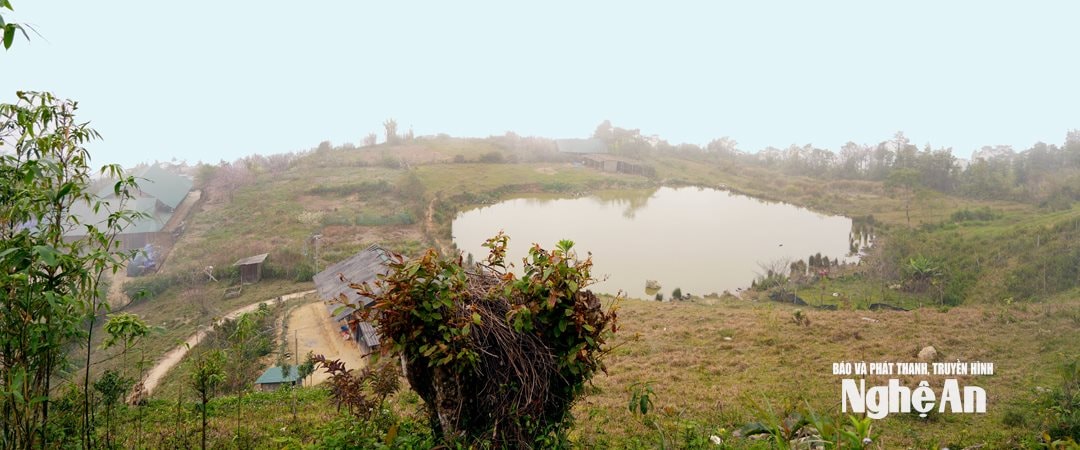
From National Highway 16 – the main artery connecting National Highway 48 with National Highway 7 – looking up at the majestic Pu Ka mountain range, Huoi Co village appears hazy like a watercolor painting. The concrete road, over 3 km long and about 3m wide, winds precariously along the mountainside, through hairpin bends, and it takes nearly an hour to climb the slopes to reach Huoi Co, the "gateway to heaven."
Upon reaching the summit, the landscape opens up expansively: At the foot of the mountain, clusters of villages such as Tham Tham, Xoi Voi, Co Ha, Na Lot, Na Hy, Xa Mat, Huoi Xa… are faintly visible in the early morning mist, strung together by the soft ribbon of National Highway 16 winding along the Hy stream.
.jpg)
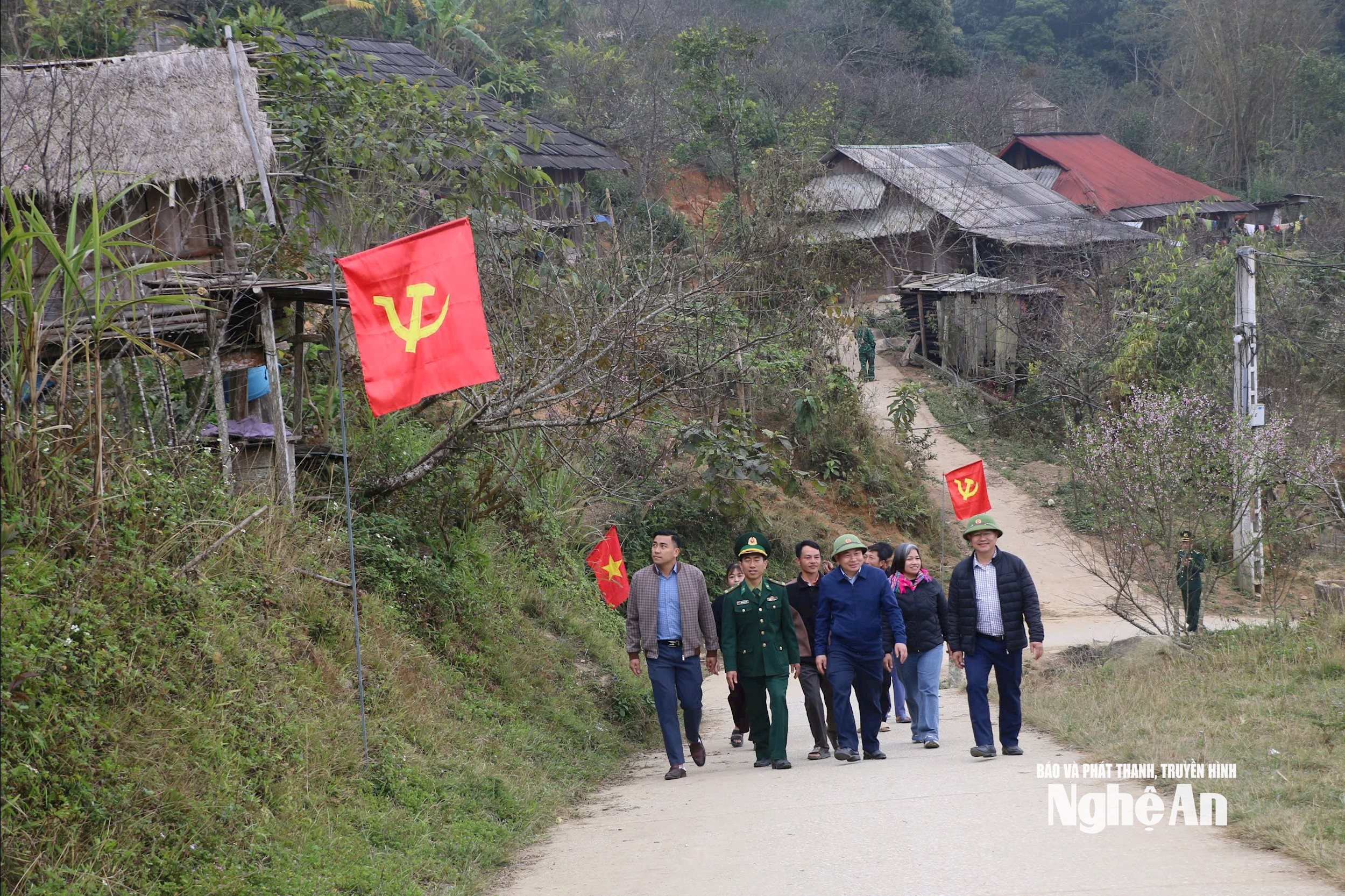
The most striking feature of Huồi Cọ is the vibrant red of the national flag fluttering atop the school gate and in front of the ancient wooden houses with thatched roofs. Amidst the mist, the lively sounds of laughter and conversation fill the air, emanating from small radios and mobile phones. On the open field, children, dressed in their traditional attire, play in the early morning sun, their faces as clear as the highland atmosphere itself.
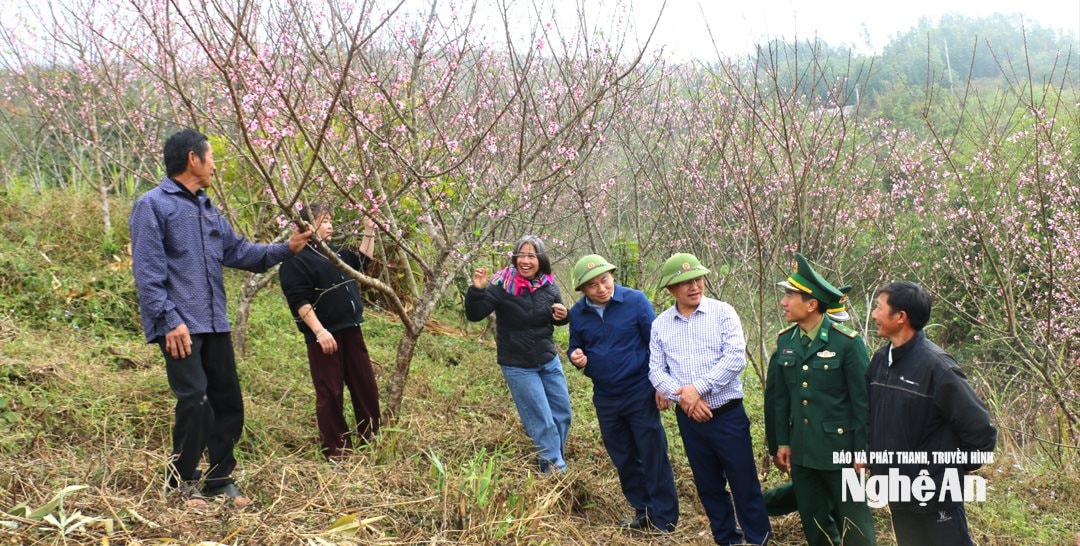
But perhaps the true "soul" of Huồi Cọ lies in its ancient peach trees. Along both sides of the village entrance, around the stone fences, and in the gardens of each house, the native Hmong peach blossoms bloom profusely, with thick petals, a delicate pink on the outside and a deep red on the inside.
The peach tree trunks are covered in white moss, gnarled and bumpy, some even covered in parasitic plants, creating a wild, ancient, and captivating beauty. Huoi Co has thousands of peach trees; some households have only a few dozen, while others have hundreds. Some trees are only a few years old, while others are 30-50 years old.
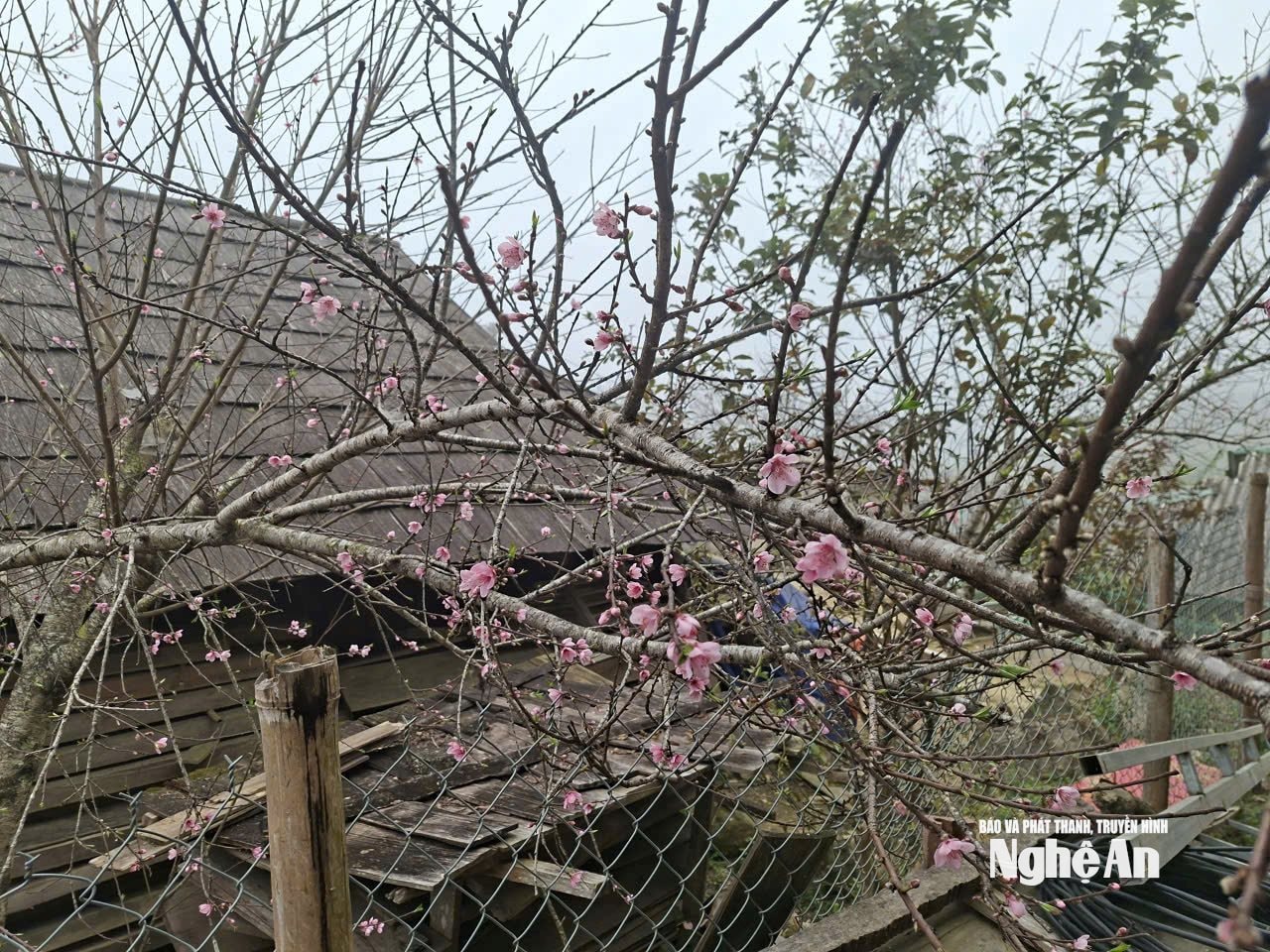
Remarkably, despite numerous truck drivers from the lowlands driving up the hill to the village and offering prices ranging from tens to hundreds of millions of dong for these unique peach trees, not a single villager has dug up the roots or cut branches to sell. Va Ba Sua, the Party Secretary of Huoi Co village, explained slowly: "The Hmong people in Huoi Co have an 'unwritten' custom: peach trees planted around houses and villages are for landscaping purposes only and are absolutely not for sale. If a tree gets old or dies, a sapling is planted to replace it. Only peach trees planted in concentrated areas in fields and production zones like C5 are allowed to be sold."
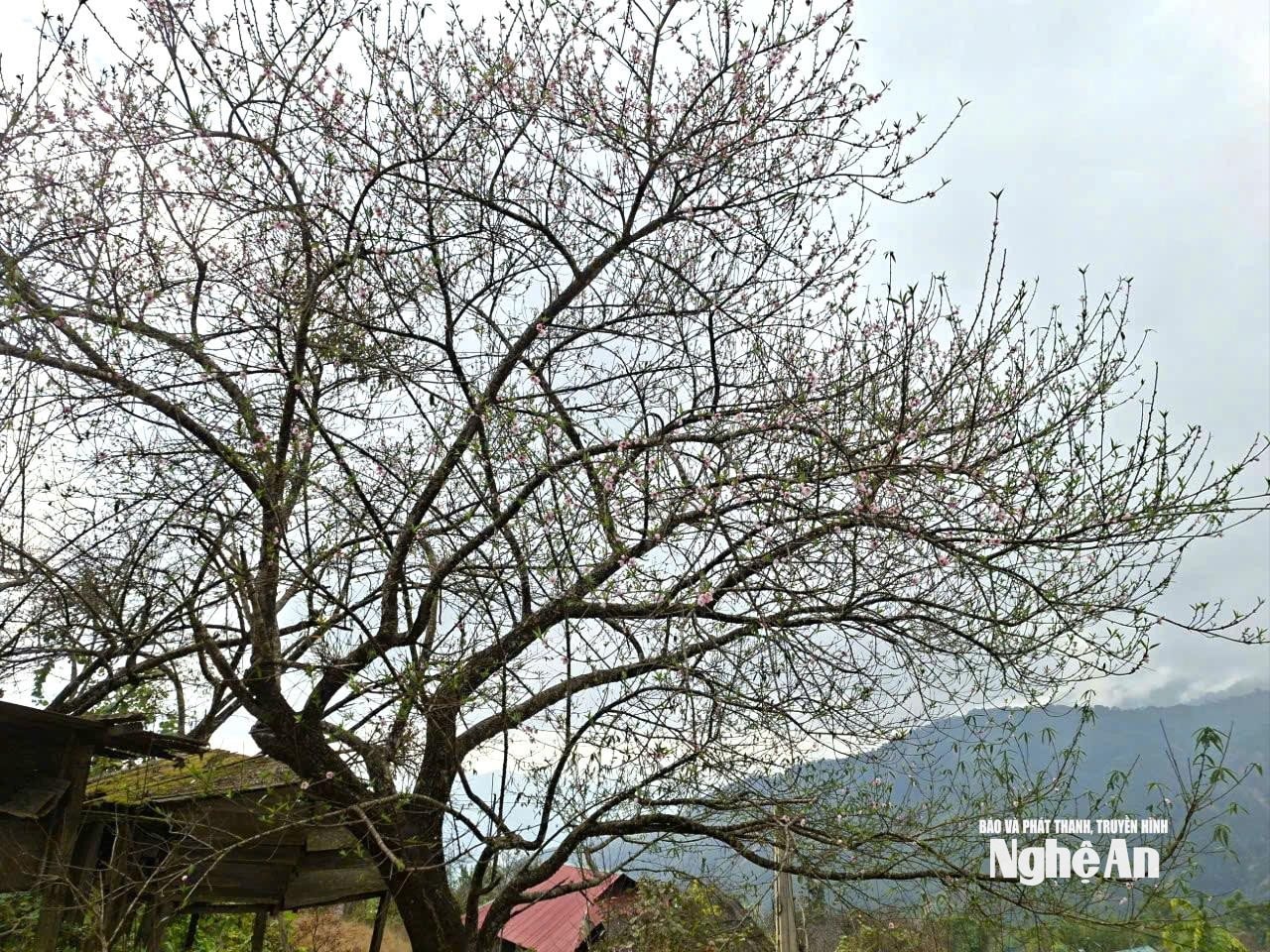
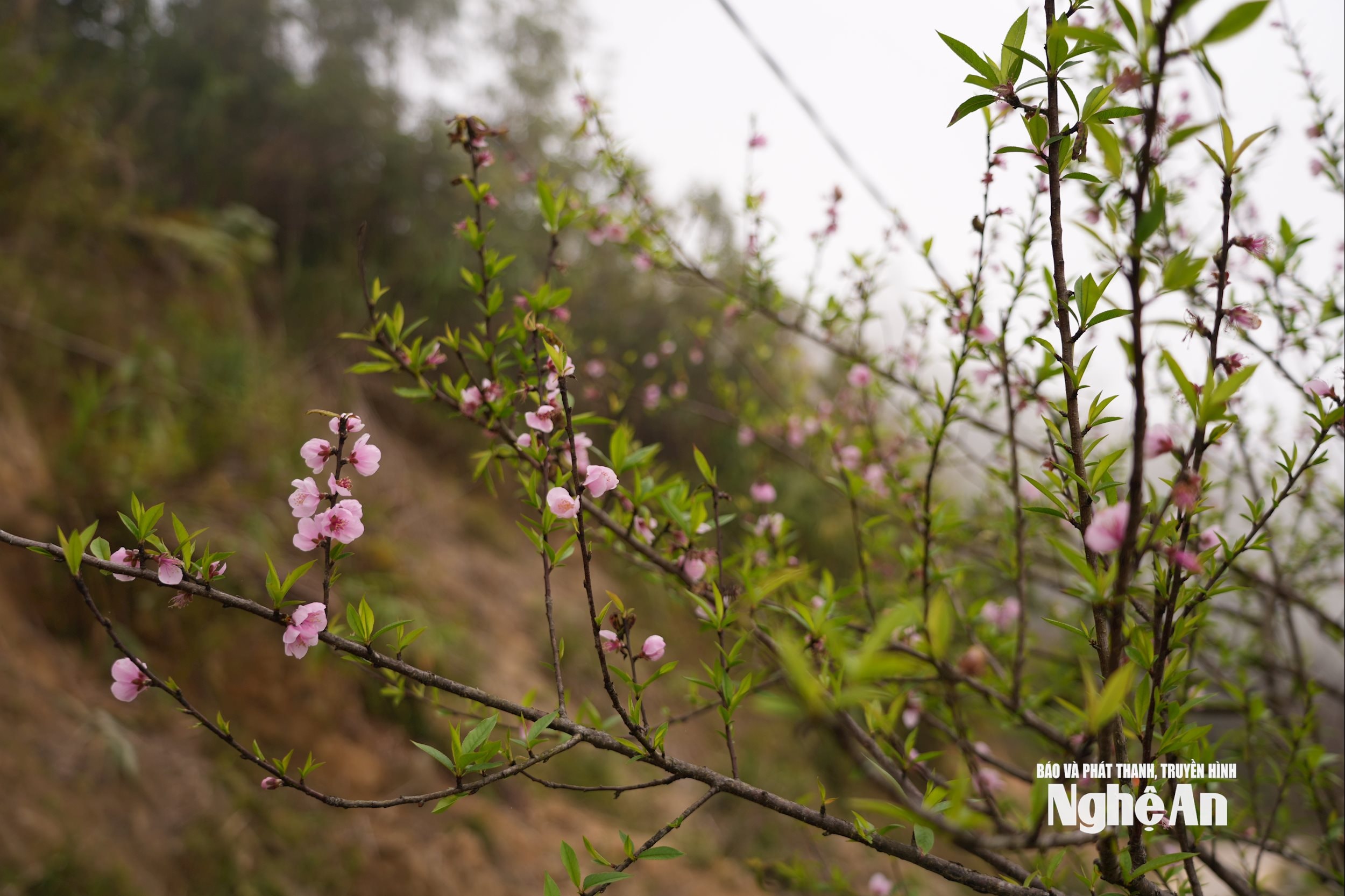
Village elder Va Chan Do, who owns five ancient peach and plum trees around his garden and over 600 peach trees in his fields, still vividly remembers last Tet (Lunar New Year) when traders from the city came and, captivated by the natural shape of the peach tree in front of his house, offered prices ranging from 30 to 50 and then 60 million dong. “The ancient peach tree is the soul of the village. If we sell it, Huoi Co will lose its soul. The villagers have made an agreement, and we cannot do otherwise,” village elder Va Chan Do asserted.
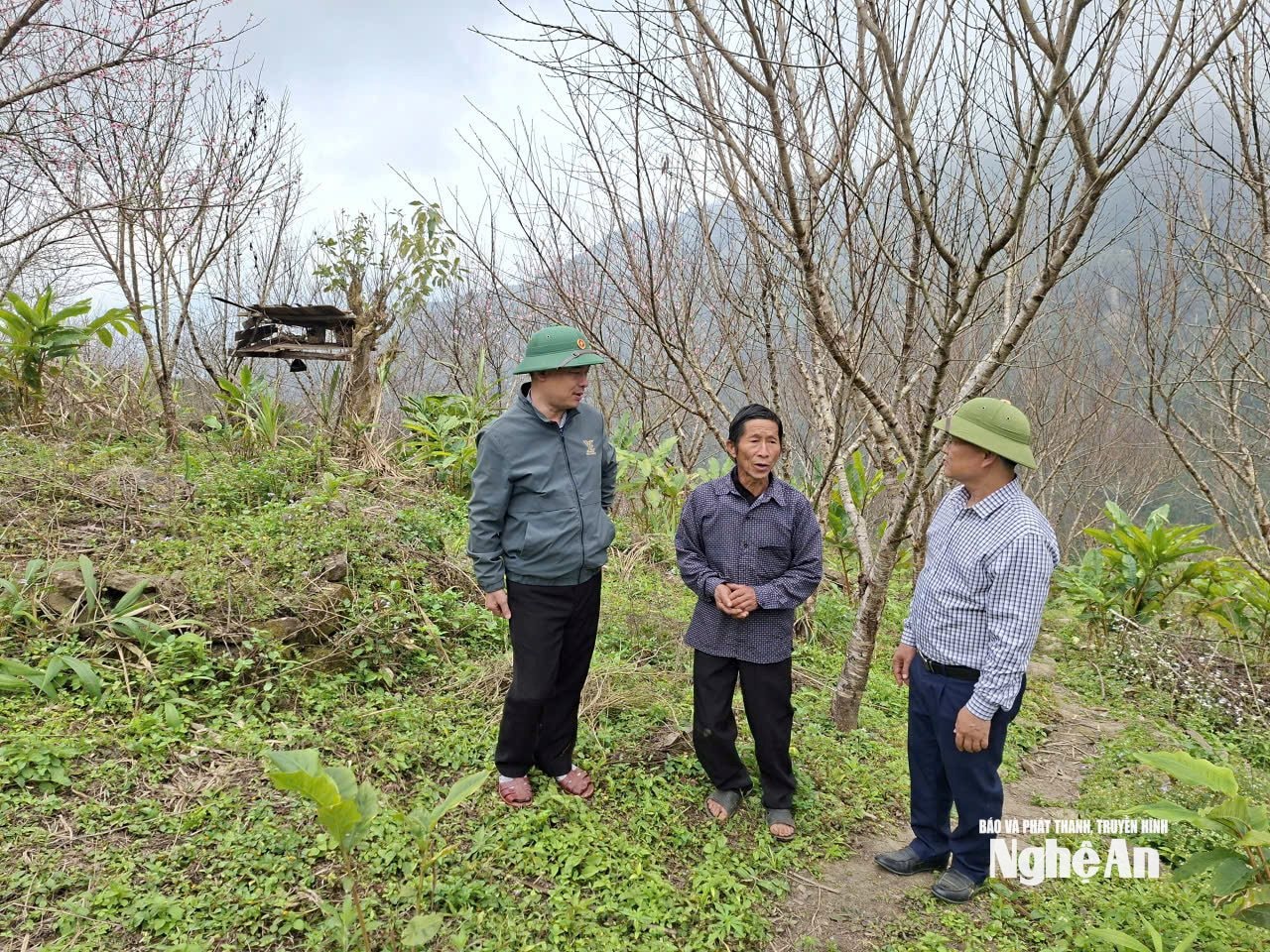
Keeping peach trees isn't just for admiring. The people of Huoi Co have devised a way to "cultivate" peach trees for their livelihood. From ancient peach trees, they graft branches, sow seeds, and plant peach trees in their fields and intercrop them in production areas. Currently, the entire village has about 20 hectares of concentrated peach tree cultivation. Some households plant thousands of trees, such as Village Head Va Khua Do with 2 hectares; Va Ba Dua with 5 hectares; and Va Chu So with over 2.4 hectares… “Huoi Co peach trees thrive in the soil and climate, require little care, and don't need elaborate pruning or leaf stripping, so they retain their pristine beauty. Every Tet holiday, even the least successful households earn 3-5 million VND, while more successful ones earn 20-30 million VND from selling peach branches,” shared Village Head Va Khua Do.
Looking at the small roads lined with peach blossoms, the Party Secretary of Nhon Mai commune, Mac Van Nguyen, said that the commune will soon encourage people to plant more peach trees along the village entrances and experiment with planting cherry blossoms. “Huoi Co has a clean climate, unique Mong culture, a traditional flute playing troupe, the Cu Xia Folk Song Club, ancient wooden houses with thatched roofs, stone fences… If we know how to preserve and exploit it properly, it is entirely possible to develop ecotourism and community tourism like Ha Giang.”
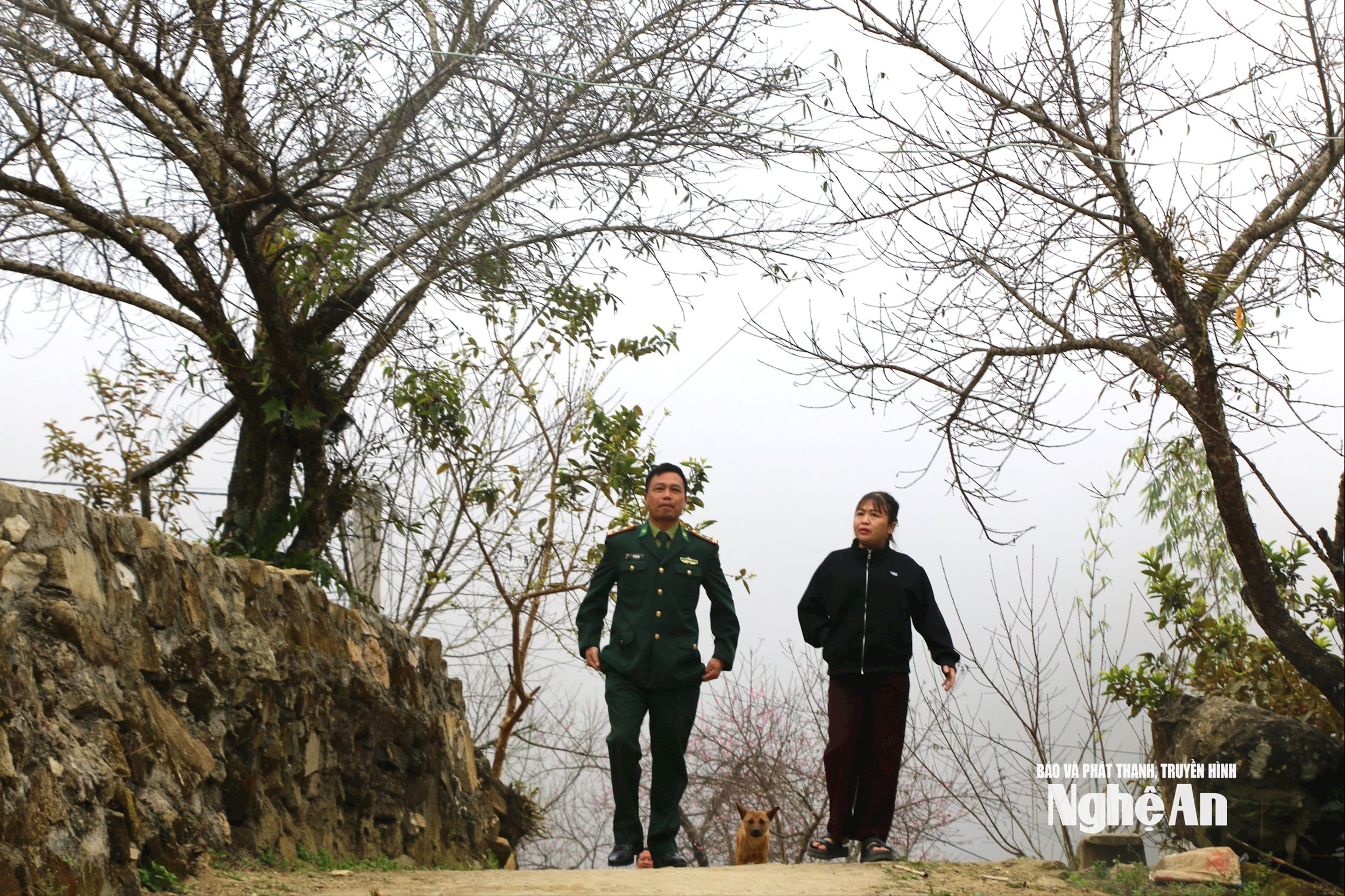
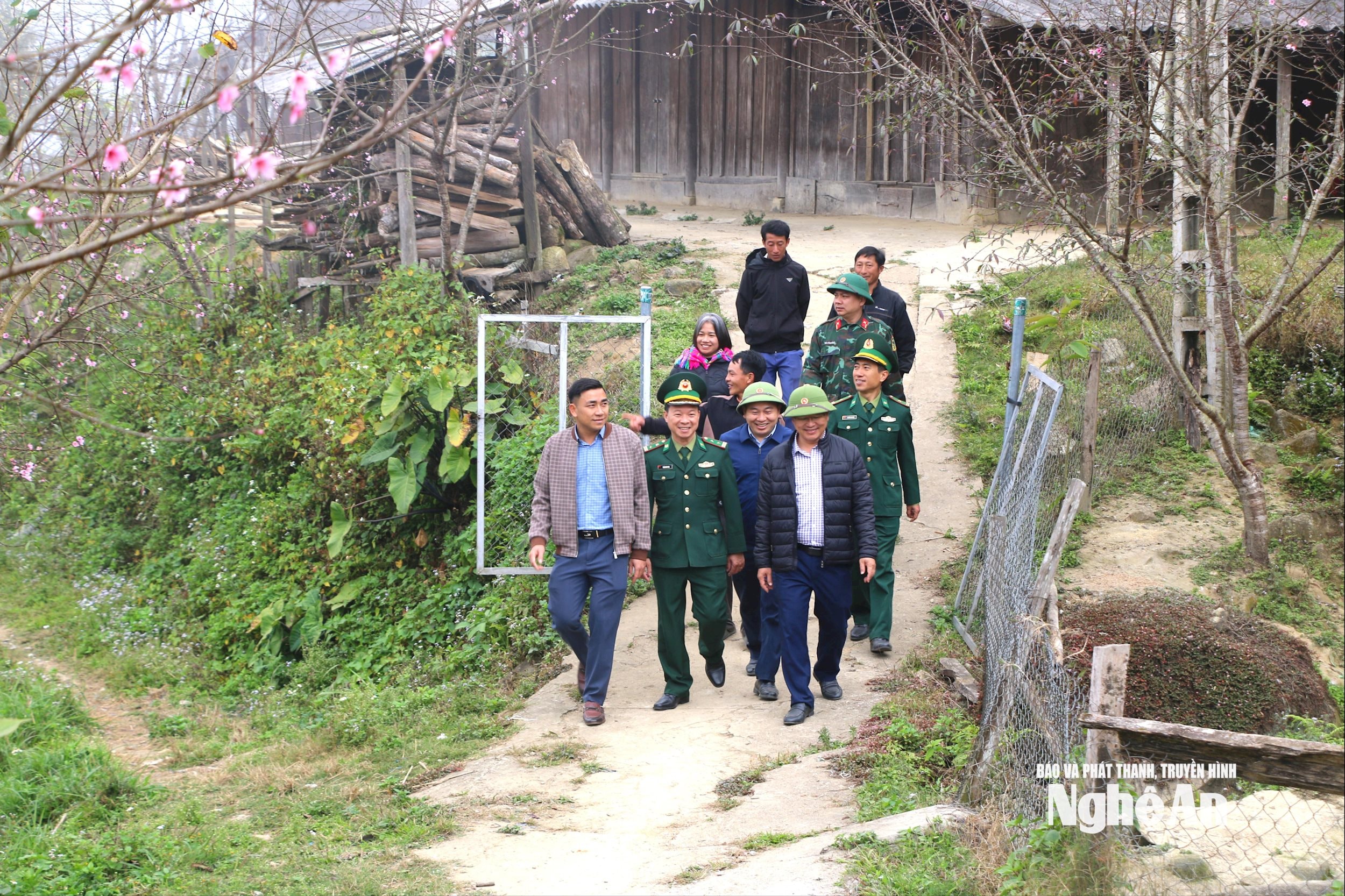
Preserving peach trees, therefore, is not just the story of a tree species, but the way the people of Huoi Co preserve their living space. The ancient peach trees, standing silently through countless seasons of wind and rain, have become landmarks, "signs" that remind those far away of the village. Every spring, the pink blossoms blanket the paths, gardens, and stone fences, creating a picture of the plateau that is both pristine and warm. It is from these regularly blooming peach blossoms that the dream of Huoi Co welcoming visitors from afar gradually takes shape. Without the hustle and bustle, Huoi Co aims for ecotourism linked to local experiences: Visitors come to walk along the winding concrete paths around the village, admire the peach blossoms in the early morning mist, listen to the Hmong flute amidst the Pu Ka mountains, share a Tet (Lunar New Year) meal with the locals, and sleep in centuries-old wooden houses with thatched roofs.
Every peach tree, every stone fence, every house is a "tourism asset" if properly preserved. The people of Huồi Cọ understand that to develop tourism, they must first preserve their cultural identity. Therefore, the village's agreement to preserve the peach trees is not just a temporary consensus, but a long-term commitment of the entire community. Preserving the peach trees means preserving the landscape, preserving the landscape means preserving the soul of the community, and from there, opening up new, more sustainable livelihoods for future generations. The dream of ecotourism in Huồi Cọ therefore doesn't come from large-scale projects, but germinates from the ancient peach trees silently welcoming spring on the summit of Pu Ka…

The changes in Huồi Cọ did not happen by chance, but began with specific individuals – people who dared to think, dared to act, and took a step ahead in economic development. Village head Và Khùa Đớ is one such "key figure."
From a purely agricultural household, dependent on free-range buffalo and cattle, his family has now become a well-off household in the village with nearly 25 cows and thousands of peach trees planted on more than 2 hectares of farmland. Mr. Đớ's approach is no longer just about "raising many animals for the sake of having them," but is linked to planned grazing areas, planting grass for feed reserves, and proactively preventing and combating cold weather and diseases – things that the villagers previously paid little attention to.
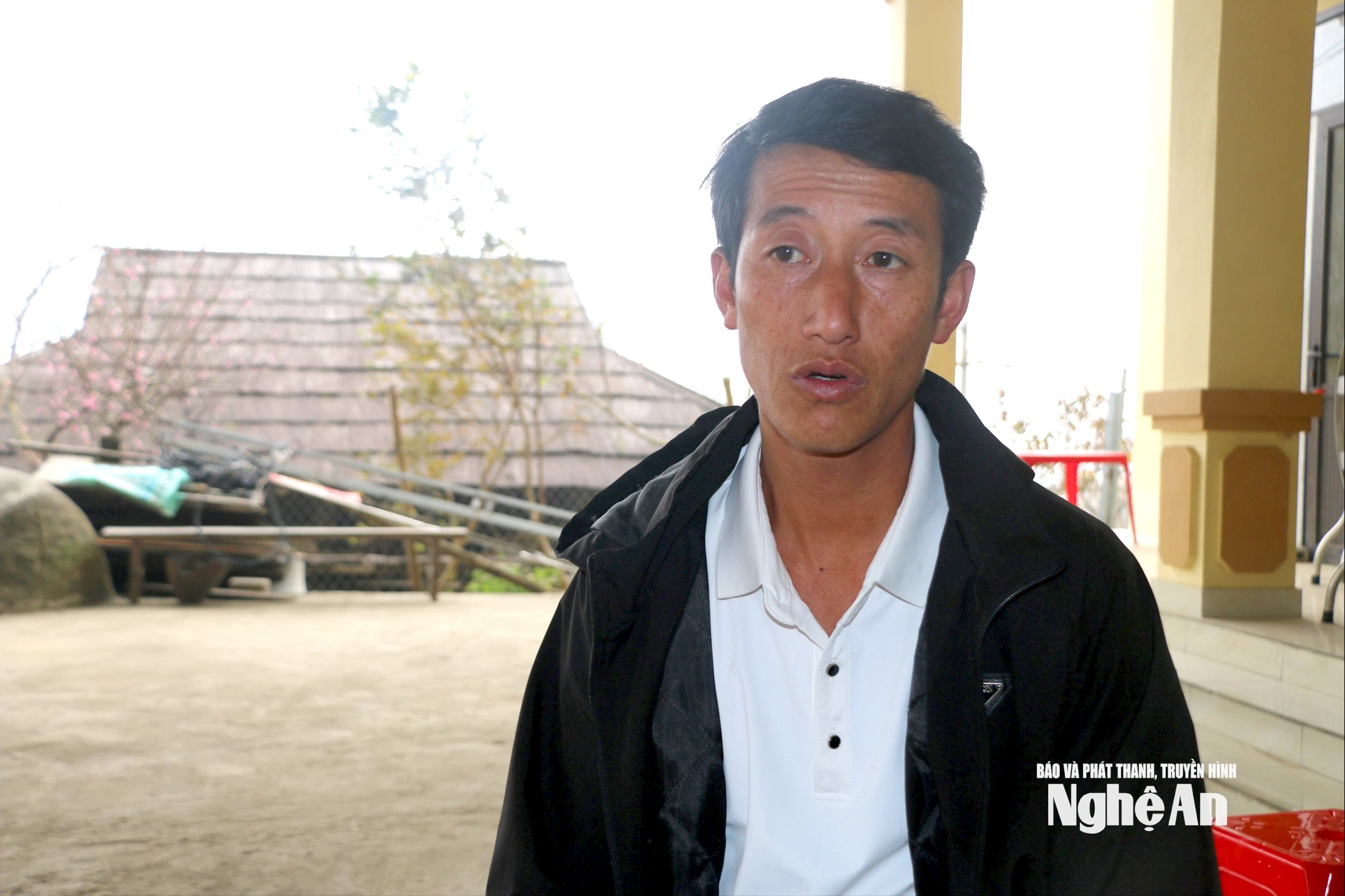
Alongside the village headman, Do, is the Party branch secretary, Va Ba Sua, considered a "leading figure" in innovative thinking. Born in 1987 and a graduate of the University of Economics, Sua not only developed his family's economy with 2 hectares of peach trees, nearly 3 hectares of high-yield cassava, a fish pond, and integrated livestock farming, but also persistently encouraged villagers to change their mindset and way of doing things. "To escape poverty, you can't do business haphazardly, and you certainly can't rely solely on government support," Sua shared.
Since 2017, when the Huoi Co Agricultural Cooperative was established, the production mindset of the villagers has undergone a significant transformation. Currently, the entire village has formed 15 livestock farming groups based on geographical areas, each group consisting of 5-7 households, jointly demarcating grazing areas, protecting forests, and growing Japanese grass as feed for buffaloes and cows.
Thanks to this, livestock farming has developed steadily, minimizing risks. According to statistics, the entire village currently has 300 buffaloes and 400 cows; many households have become well-off from raising large livestock, such as the families of Va Ba Chai, Va Xai Xo, Va Ba Dua… Along with large livestock, native animals such as black pigs and black chickens continue to be maintained and expanded. The entire village currently has 100 black pigs and more than 2,520 poultry.
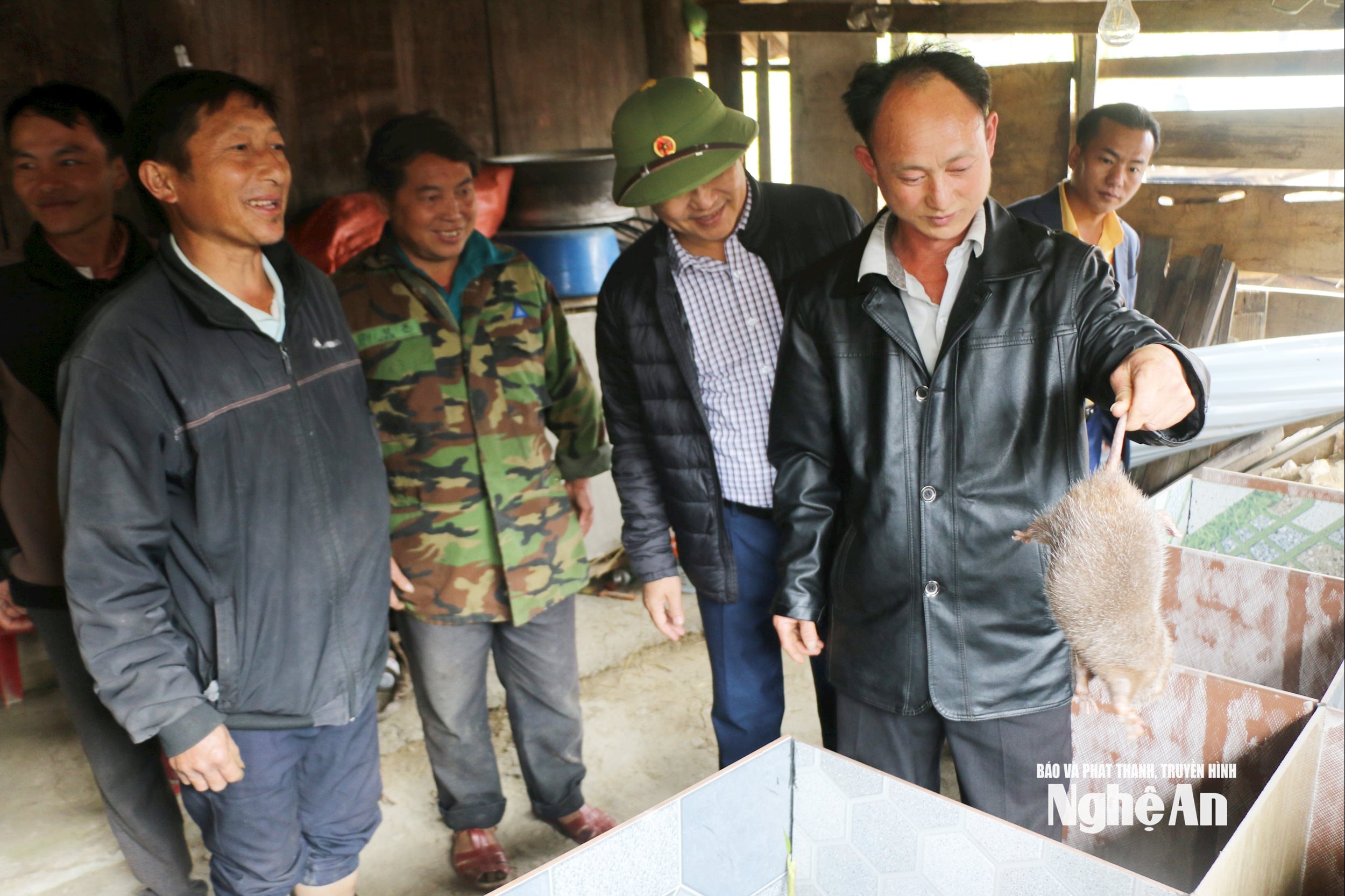
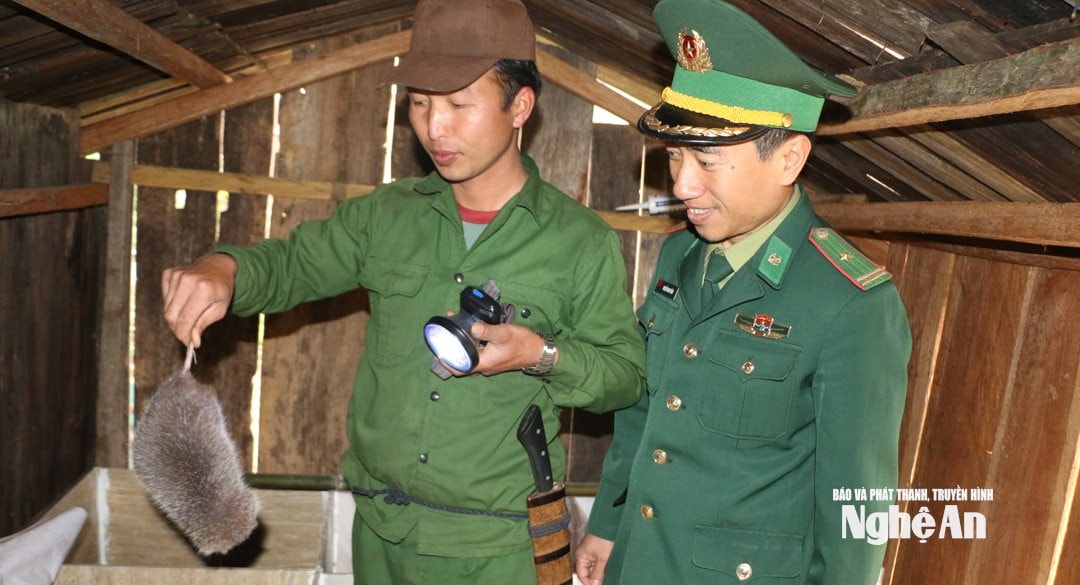
Recently, some households have also boldly started raising bamboo rats, a new livestock species suitable for the cool climate of the highlands, initially providing a decent income and opening up new livelihood opportunities for the people.
Beyond just the growth figures, what's even more noteworthy is the new way of doing business that has gradually become ingrained in the community. Previously, cattle and buffalo were mostly left to roam freely according to old customs, with each person working independently. Now, however, people have learned to calculate market demand, proactively stockpile feed for the winter, administer regular vaccinations, and support each other when livestock are sick. Village meetings and Party branch activities no longer just discuss customs and security, but increasingly dedicate time to exchanging production experiences and approaches to economic development support policies. This spread is most evident in households that were once classified as poor, but have now boldly borrowed capital and joined cooperatives to expand production.
In agriculture, Huồi Cọ has both preserved traditional crops and livestock while quickly adopting new varieties. Besides paddy rice, hybrid corn, Mong cabbage, and various vegetables and legumes, high-yield cassava has truly taken root on the summit of Pu Ka. The total cassava cultivation area in the village currently exceeds 43 hectares, surpassing the set plan and becoming a key crop providing a stable income for many households. The lush green cassava fields stretching across the mountain slopes are vivid evidence of the changes in the mindset and practices of the Mong people of Huồi Cọ.
Thanks to a gradually strengthening economic foundation, people's lives have become more stable, and the village no longer suffers from nomadic farming, shifting cultivation, or food shortages. According to the new poverty standard, Huoi Co village currently has 21 poor households, accounting for 33.3%, and 28 near-poor households, accounting for 44.4%. Although the poverty rate is still high, this represents significant progress, demonstrating a sustainable poverty reduction trend.

In the days leading up to Tet (Lunar New Year), Huoi Co seems to slow down in its own unique rhythm of a highland village. Spring mist blankets the peak of Pu Ka, enveloping the moss-covered wooden roofs of the houses. Along the road leading into the village, children, dressed in colorful traditional costumes, play in the crisp cold, carrying with them the feeling that spring is very near.
In each house, the glowing red hearth is lit early in the morning, its warmth dispelling the chill of the high mountains. Many families celebrate Tet (Lunar New Year) early when honored guests visit, or when children from the village return from studying or working far away. A complete Tet celebration according to Hmong customs includes: slaughtering a chicken, jointly slaughtering a black pig, and pounding sticky rice cakes, a cake closely associated with Tet and the spiritual life of the people. A feast is prepared solemnly to offer to ancestors, expressing gratitude to the generations who pioneered and preserved the village on the mountaintop, perpetually shrouded in clouds.
As the Hmong flute begins to play in the evening mist, Huoi Co seems to be ushering in spring. The melodious sounds, sometimes gentle, sometimes rapid, echo through the mountains and forests.
Interspersed among them were the songs of Cự Xia, simple yet poignant Hmong folk songs, telling stories of love, village life, and dreams of a prosperous future. Young men and women in traditional attire gathered in the open field, playing the khene (a traditional Hmong wind instrument) and chatting and laughing boisterously, heralding the imminent arrival of a new spring.
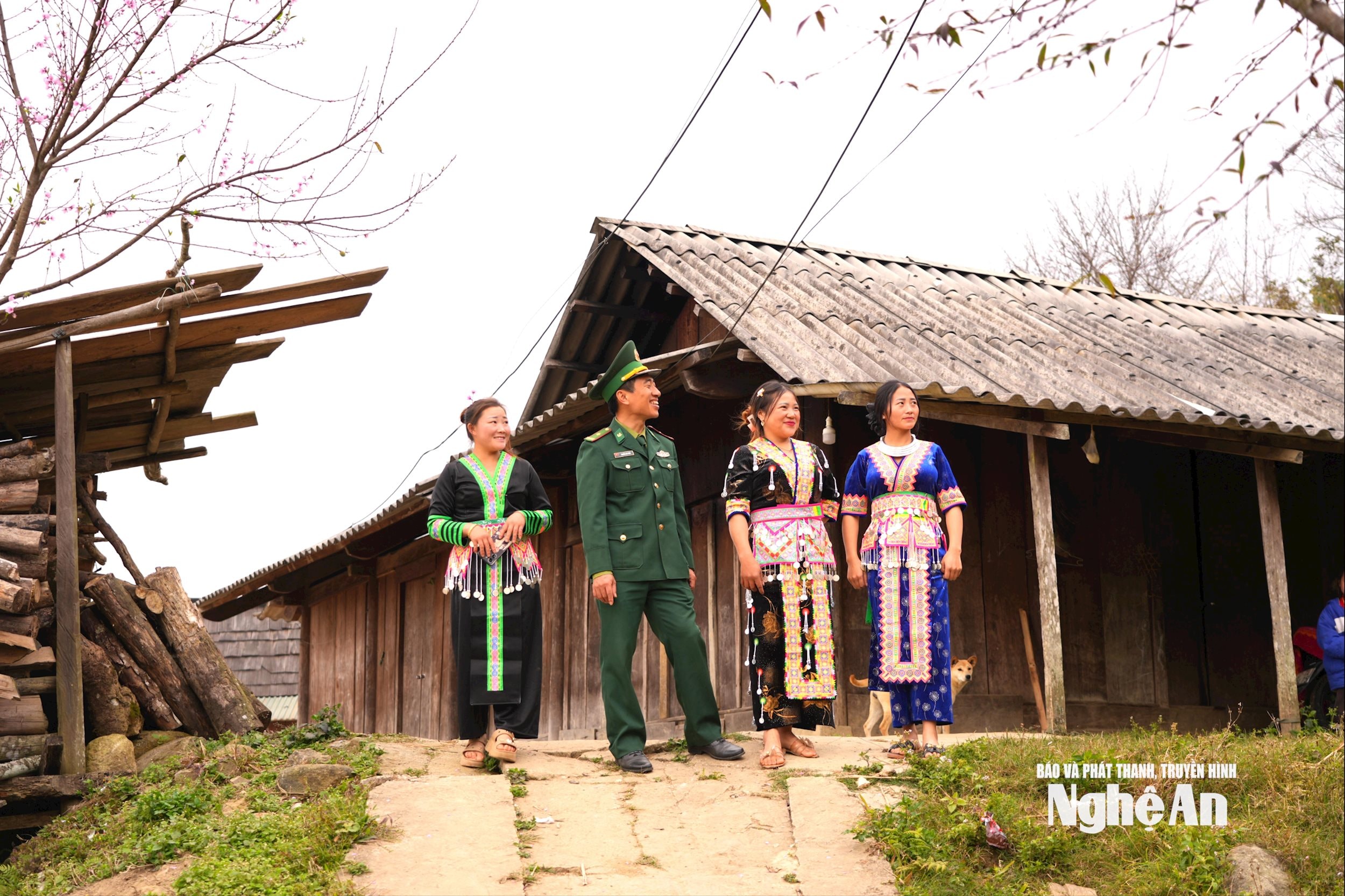
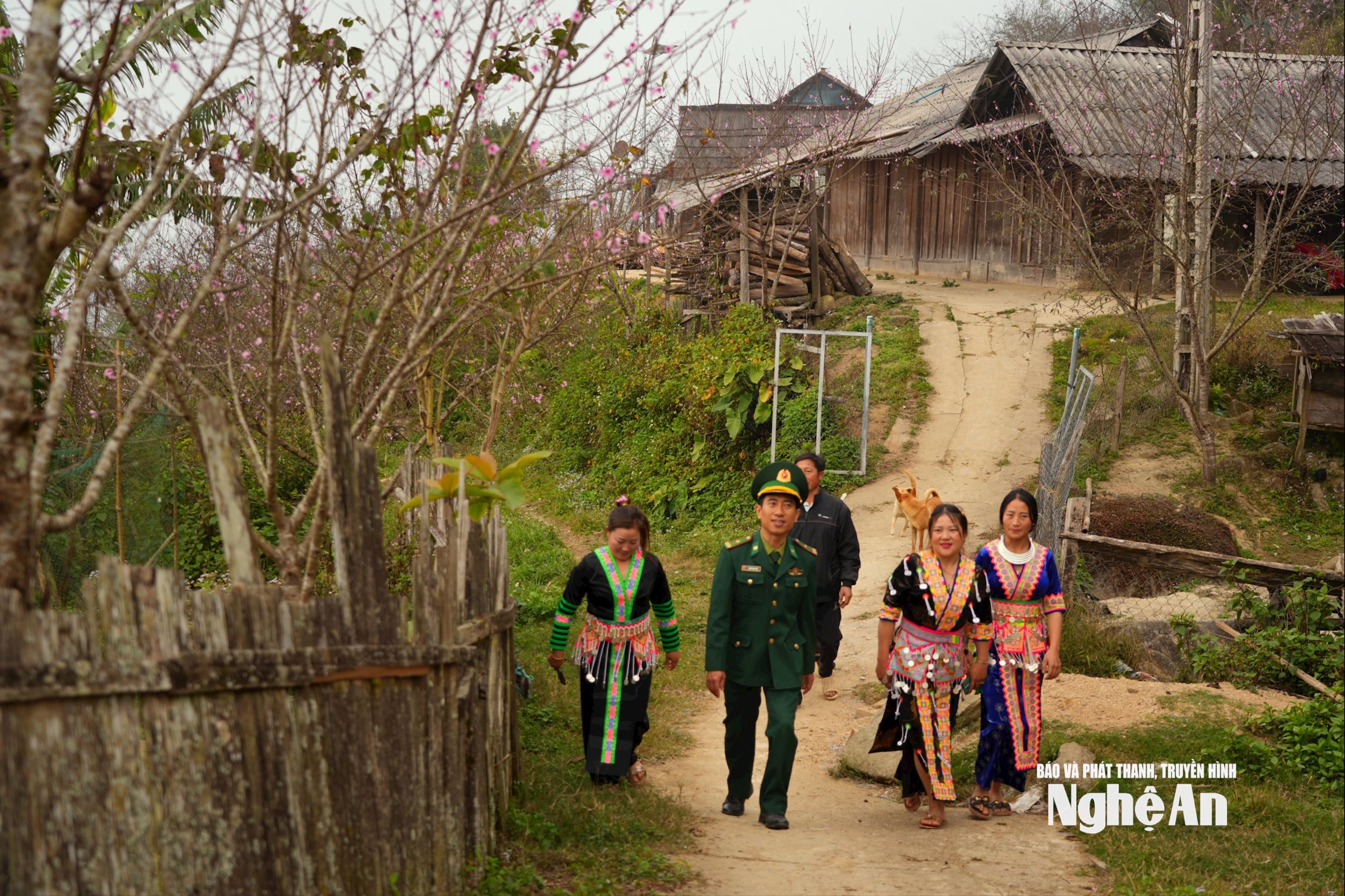
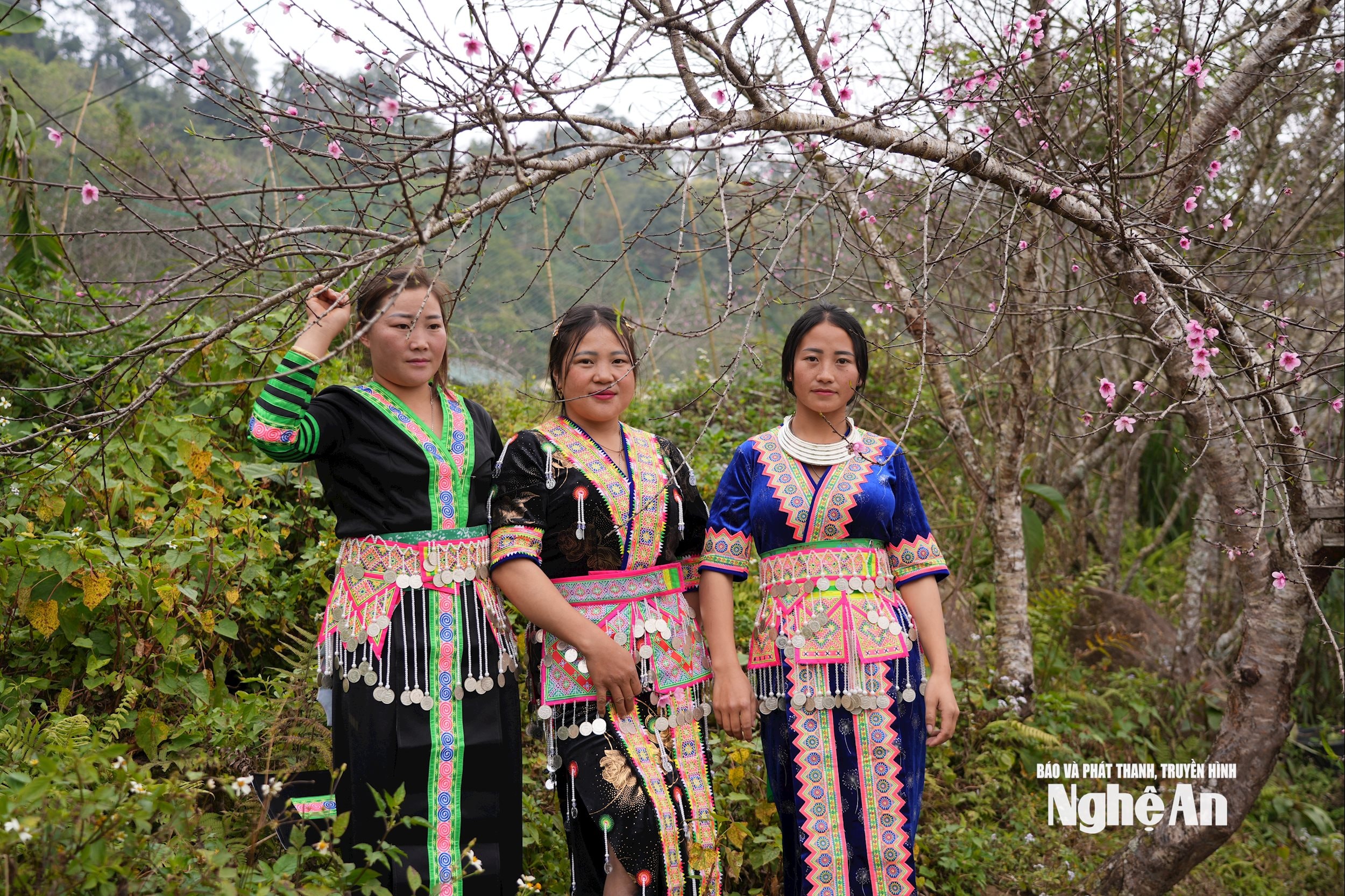
The days leading up to Tet (Lunar New Year) are also a time to strengthen community bonds. People in the village visit each other, and invite their sister village, Tang Sau (Laos), to join in the festivities. Cups of strong rice wine are raised, and conversations revolve around the harvest, livestock, children's education, and business plans for the new year.
In those stories, hope is evident. The Party Secretary of Nhon Mai commune, Mac Van Nguyen, observed: “Huoi Co has all the conditions to develop ecotourism and community tourism: a clean climate, beautiful scenery, unique Mong culture, and a united population with a strong sense of preserving their identity. The commune will continue to support the people in a sustainable development direction, so that tourism truly becomes a new livelihood, without losing the essence of the village.”
Amidst the delicate pink blossoms of peach trees atop the clouds, and the lingering sound of the Hmong flute in the spring mist, the people of Huoi Co are eagerly awaiting a new spring, where old values are cherished and new paths are gradually opening up, created by the hands and minds of the Hmong people at the "gateway to heaven" of Huoi Co…


