
The 2B16 Nona-K museum gun reappears, along with the anti-drone fire system of a US aircraft carrier.
Ukraine is bringing the Nona-K artillery system from the museum into combat, while US and Swedish aircraft carriers are strengthening their multi-layered defense systems to counter the current drone threat.
In the context of modern conflict, the utilization of older weapons combined with advanced defensive technology is becoming an inevitable trend. From Ukraine reusing artillery systems from museums to the US and Sweden upgrading their drone interception networks, the battlefield is rapidly changing based on each side's ability to adapt.
The renewed vitality of the 120mm 2B16 Nona-K cannon in Ukraine.
Ukrainian forces, specifically the 80th Airborne Brigade “Halychyna”, currently operate the 120mm 2B16 Nona-K towed artillery-mor system. Notably, this artillery piece was previously stored away since 2003 and displayed as an artifact at the National Army Academy in Lviv before being returned to combat service in early 2023.
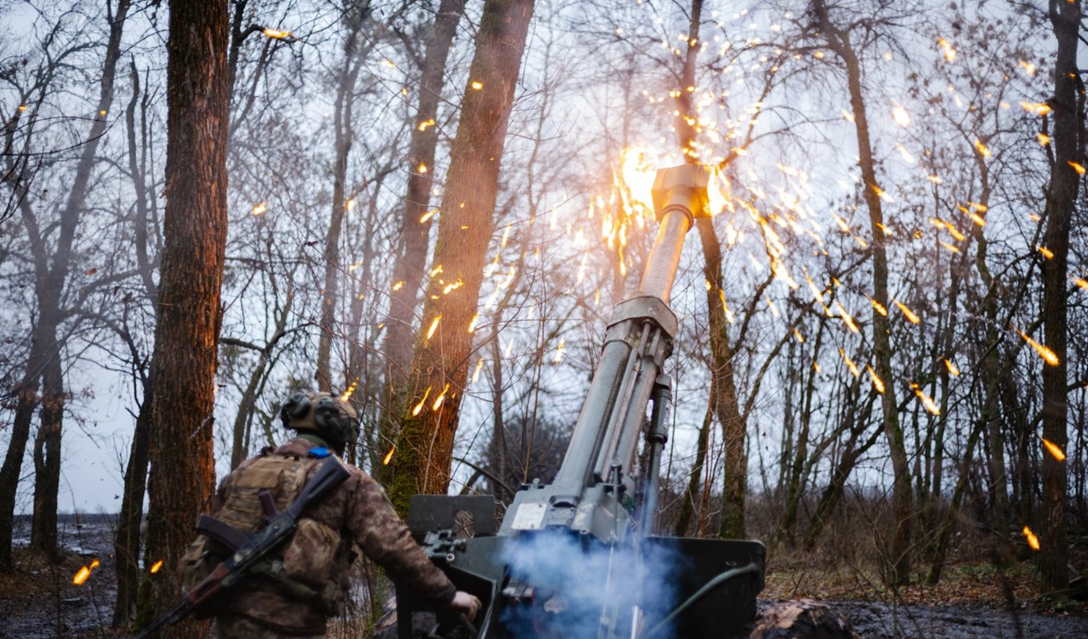
Despite being outdated in terms of generation, the Nona-K still proves effective in suppressing infantry and destroying fire targets such as mortar positions and anti-tank gun emplacements. The system has an effective range of 7km to 8.8km, and a maximum range of approximately 12.8km depending on the type of ammunition. However, due to its limited range in the face of the threat from reconnaissance UAVs, operating units usually prioritize deployment in the spring and summer to take advantage of the vegetation for camouflage. According to data from Oryx, Ukraine has also seized at least 8 similar systems from Russia since 2022.
Multi-layered defense tactics on US aircraft carriers
Alongside ground-based artillery operations, the U.S. Navy is also tightening maritime security against asymmetric threats. The aircraft carrier USS Abraham Lincoln recently conducted live-fire exercises in the South China Sea, focusing on self-defense against drones, low-flying missiles, and high-speed attack boats.
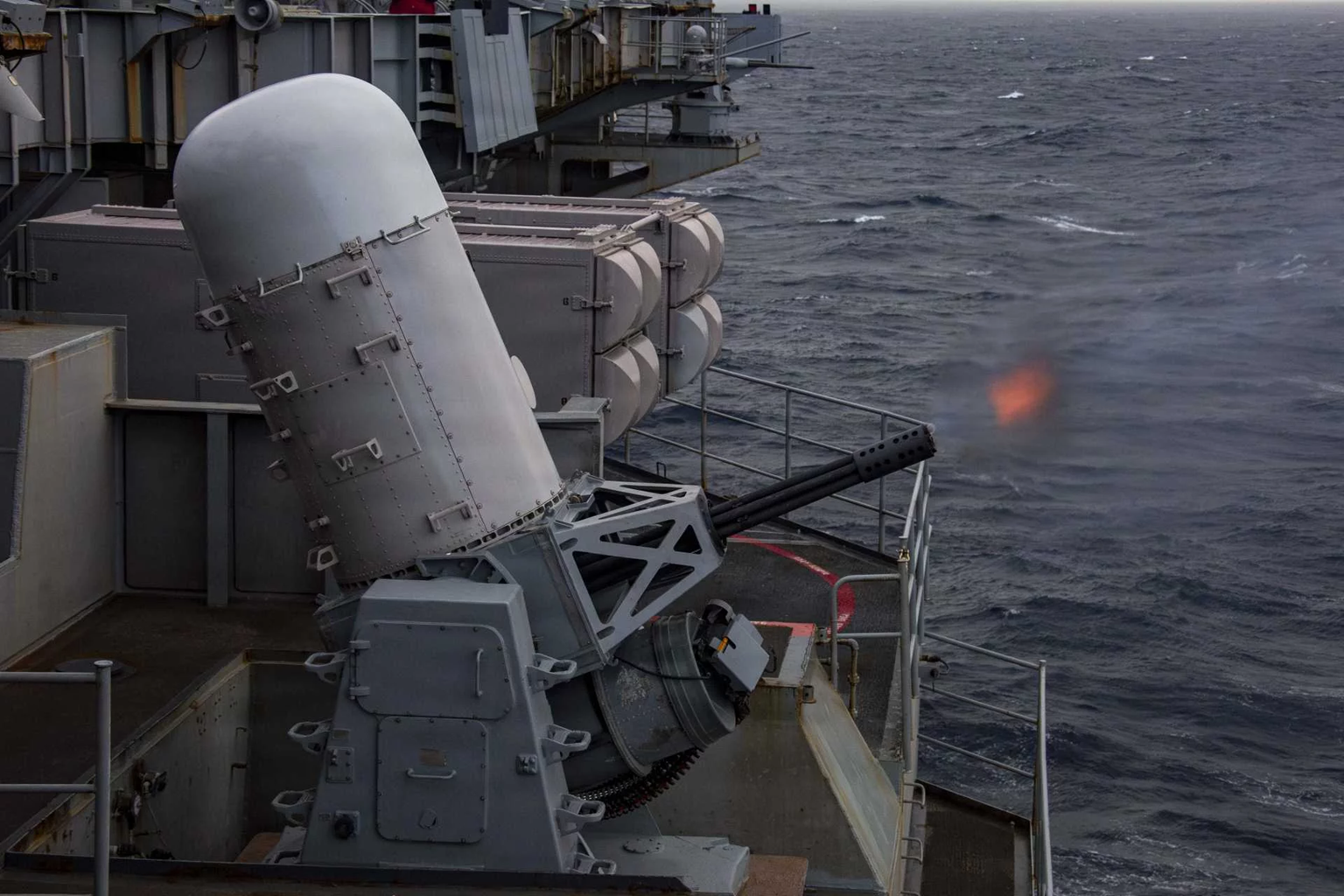
The close-range defense structure of a US aircraft carrier is structured into three main layers:
- Outer layer (15-20km):Use Sea Sparrow missiles to destroy enemy aircraft and missiles early on.
- Intermediate class (9-10km):The RAM missile uses infrared and electronic guidance, making it particularly effective against fast-moving targets.
- Final layer (1.5-2km):The Phalanx CIWS system, with a firing rate of 4,500 rounds per minute, acts as the "last line of defense" against objects flying close to the sea surface.
Sweden spends $162 million to modernize its anti-drone capabilities.
In Northern Europe, Sweden is also pushing forward with its Amphibious Battalion 2030 program. The Swedish Defence Materials Management Agency (FMV) has signed a $162 million contract with Saab to procure Trackfire remote-controlled weapon stations.
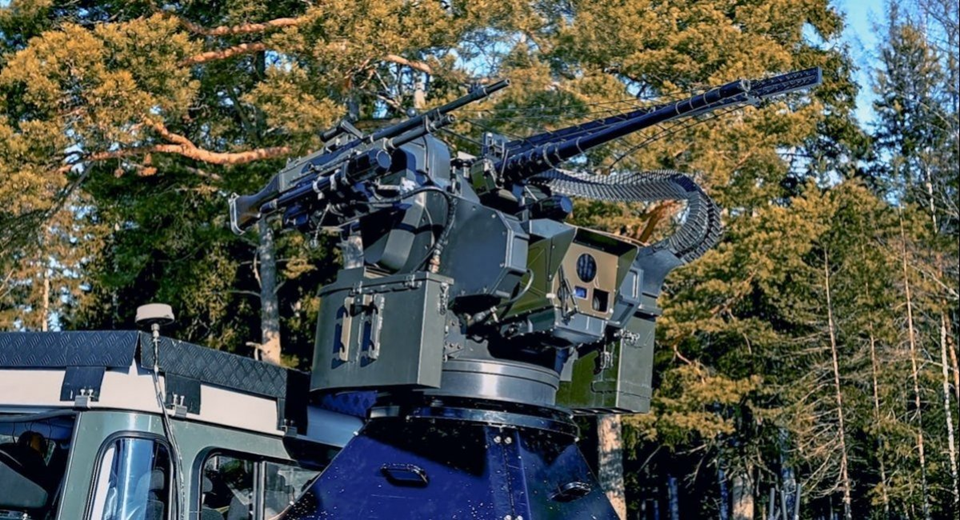
The Trackfire ARES system is equipped with a 30mm M230LF automatic cannon, capable of effectively destroying drones while they are in motion. Notably, Sweden successfully developed the mobile C-UAS system called Loke in just 84 days. Loke combines the Giraffe 1X radar with the Trackfire weapon station, creating a flexible defense network capable of detecting and neutralizing unmanned aerial vehicles in a short time.


