
Skillful mobilization and harnessing the people's strength in Nghia Mai mountainous commune.
Not merely empty slogans or superficial movements, the "Effective Mass Mobilization" work in Nghia Mai mountainous commune is vividly evident in every clean and beautiful concrete road; the cultural center with free Wi-Fi, the security camera system, nighttime lighting, and economic models that help people escape poverty sustainably. Through closeness to and respect for the people, this mountainous rural area is gradually building strong consensus between "the Party's will and the people's hearts" to build a New Rural Area.
.png)
Khanh Ly - Thanh Phuc /Present:Hong ToaiMay 24, 2026
*****
Far from being mere slogans or superficial movements, the "Effective Mass Mobilization" work in the mountainous commune of Nghia Mai is vividly manifested in every aspect: clean and beautiful concrete roads; cultural centers with free Wi-Fi; security camera systems; nighttime lighting; and economic models that help people escape poverty sustainably. Through closeness to and respect for the people, this mountainous region is gradually building strong consensus between "the Party's will and the people's hearts" to develop a new rural area.

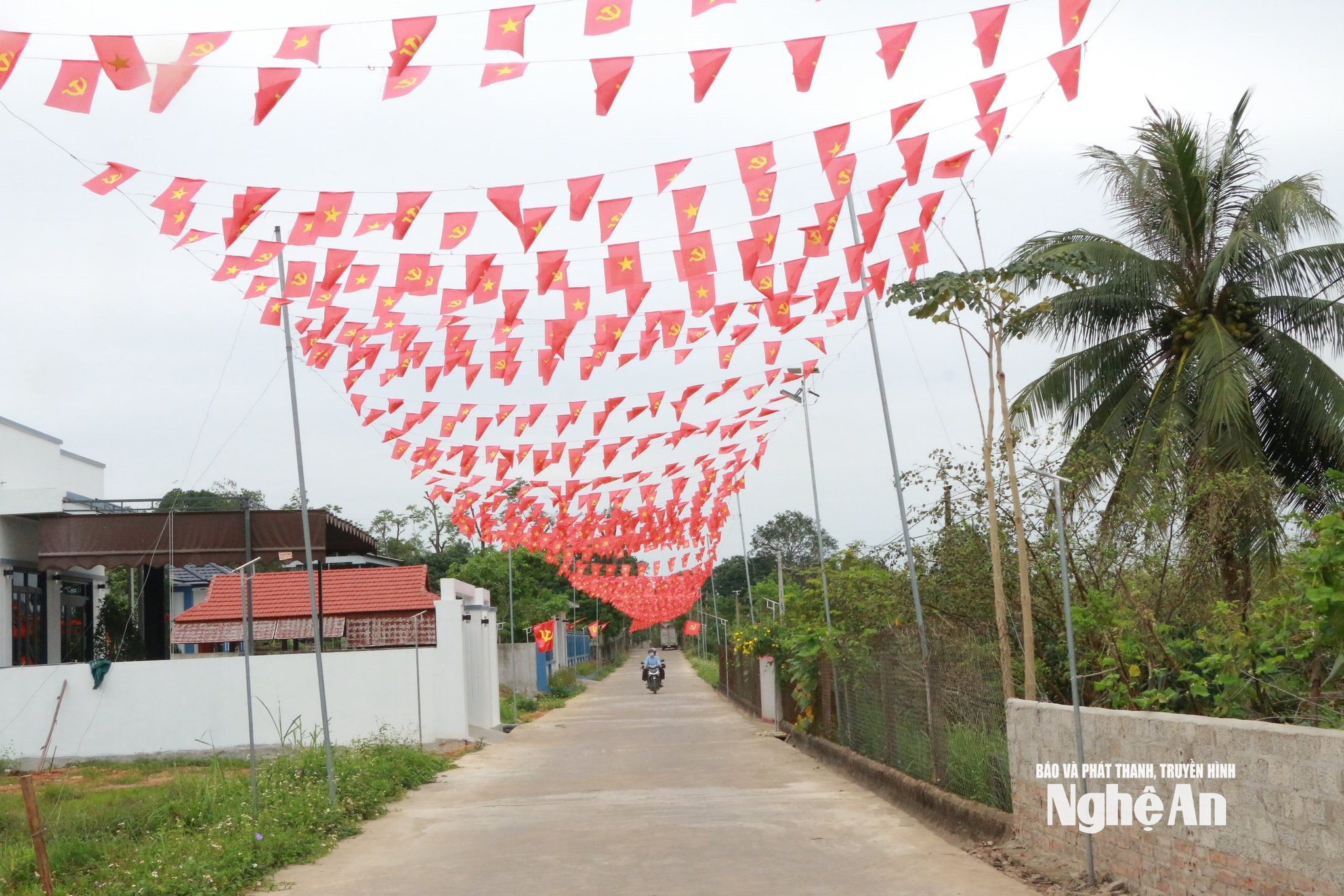
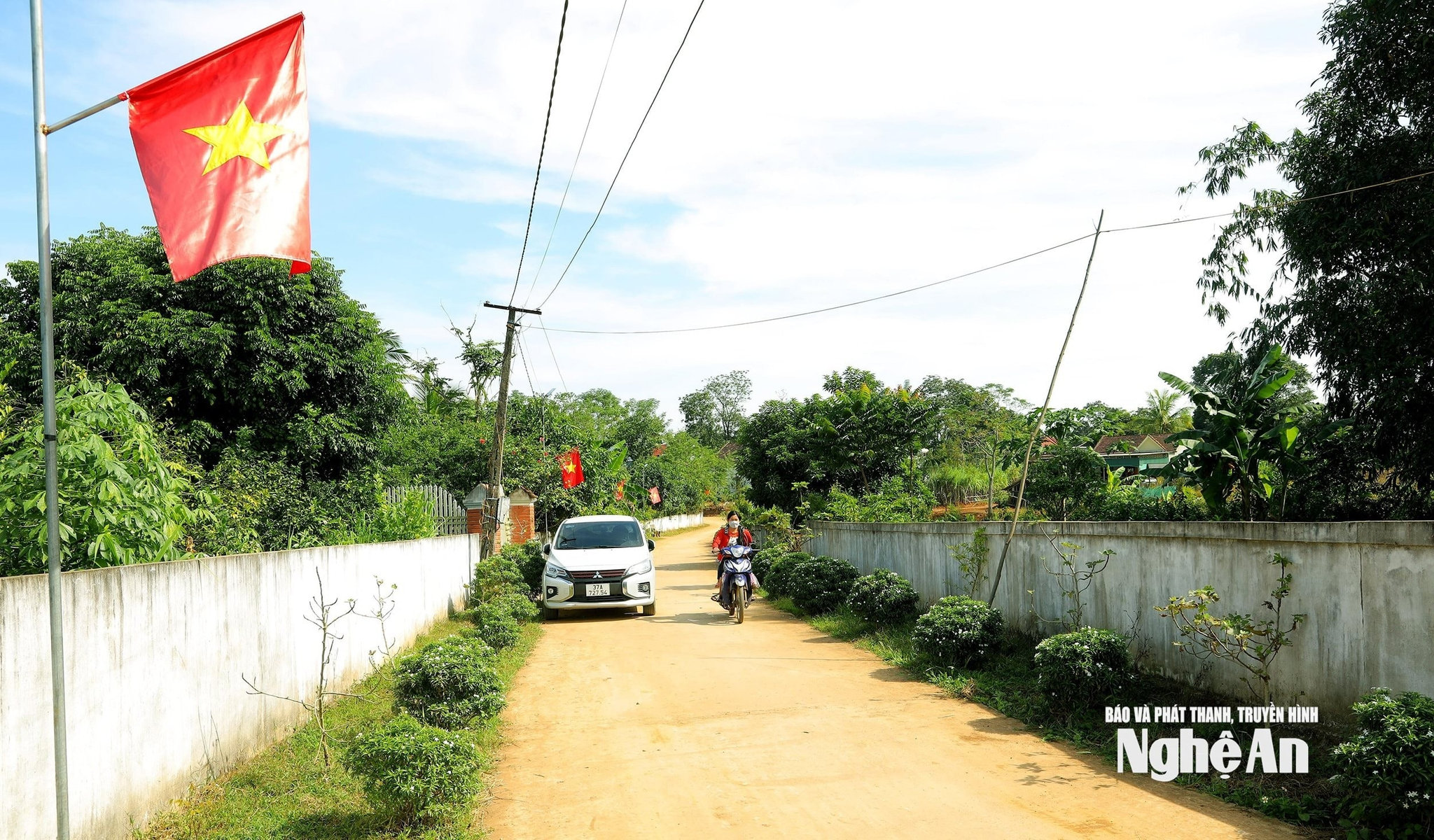
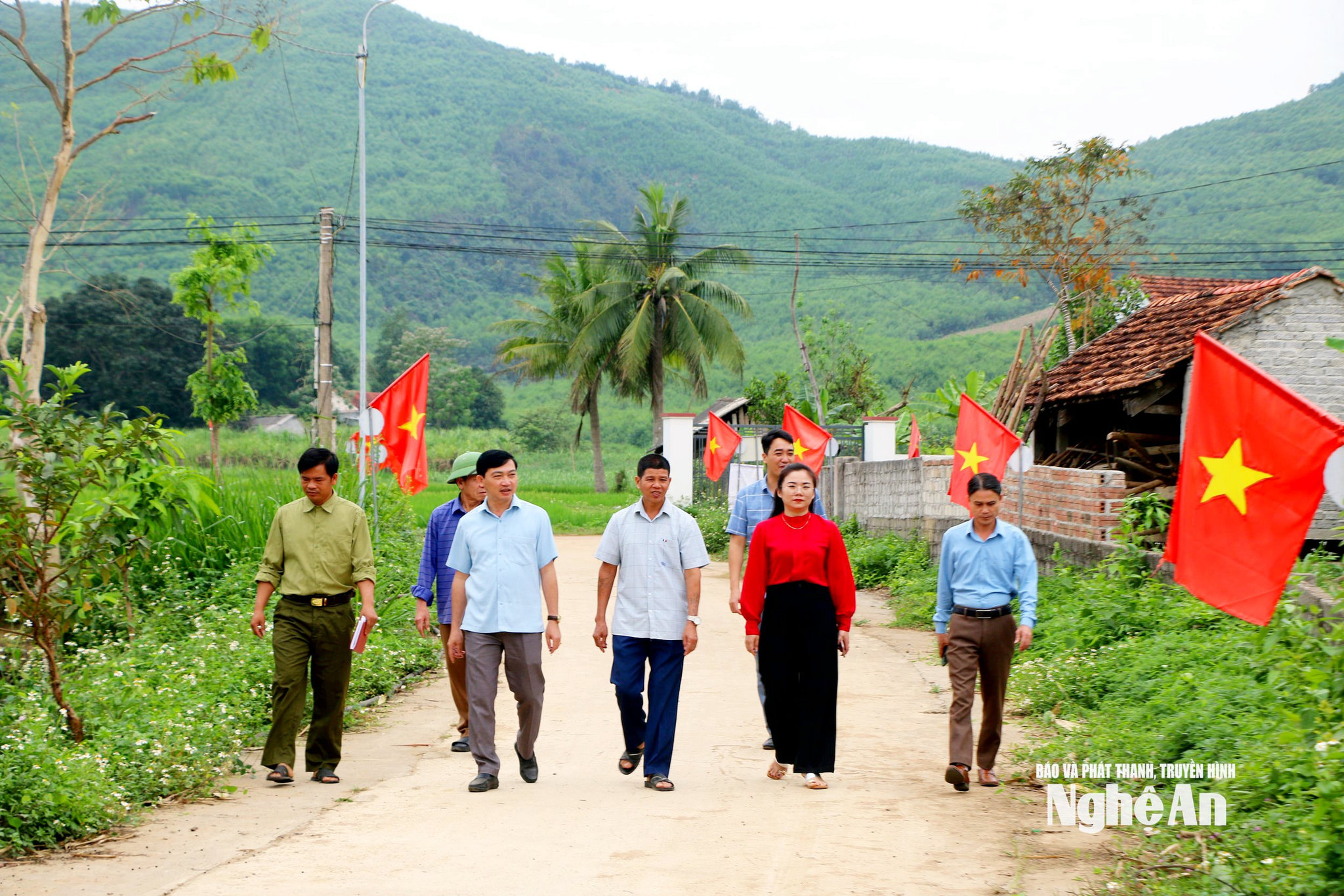
Visiting Hong Phuc hamlet (Nghia Mai commune) on a May afternoon, one feels like stepping into a model residential area on the outskirts of the city. From the beginning to the end of the hamlet, the concrete roads are clean and spacious, with rows of red flags fluttering in the wind on both sides, and a well-maintained lighting system extending along the road.
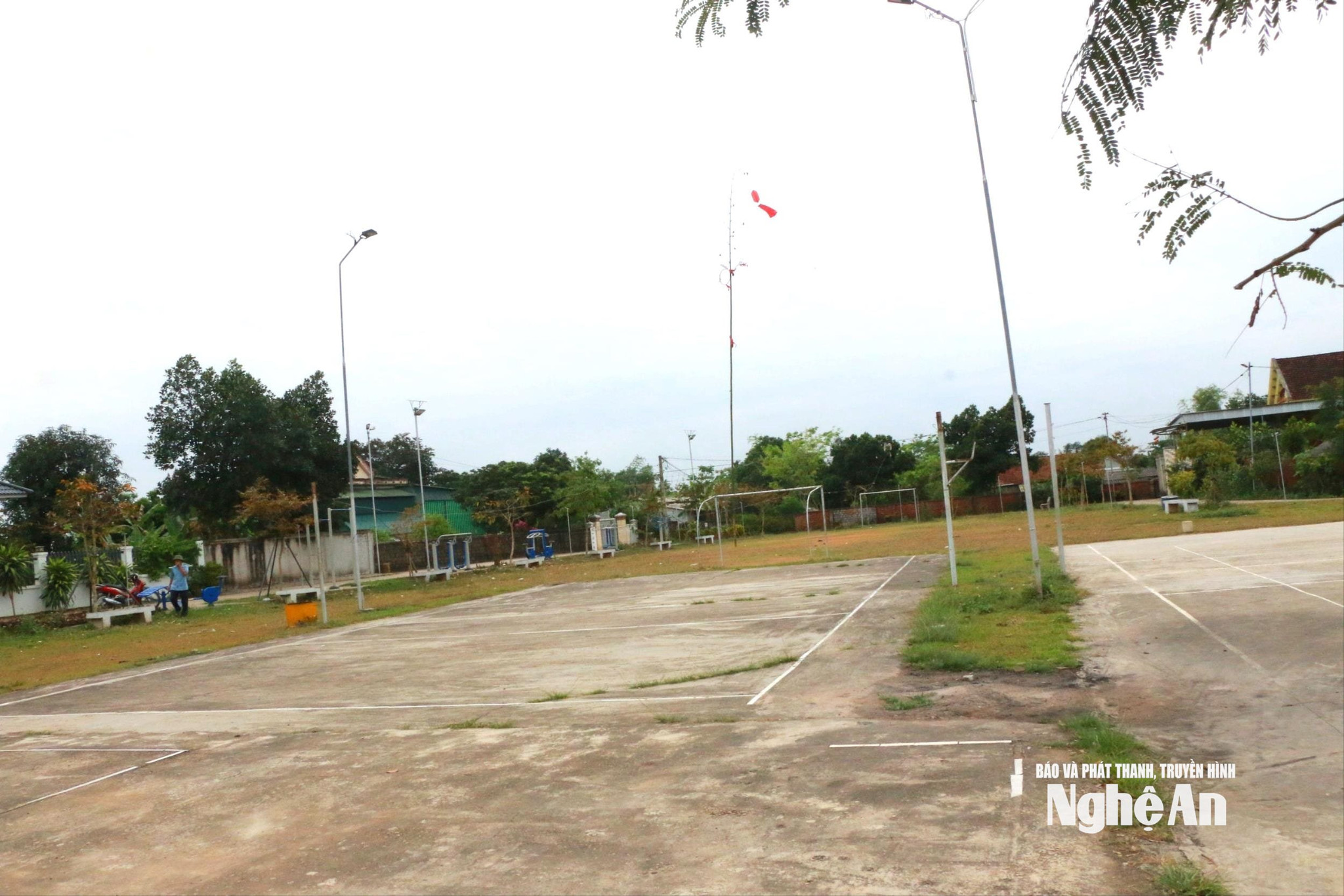
In the spacious, tree-shaded courtyard, a few elderly people leisurely play chess or read books on stone benches in front of the charming little library; children and adults exercise in the sports facilities surrounding the large stadium, and the lively laughter from the football and volleyball courts makes the village both peaceful and familiar, yet vibrant and cheerful.
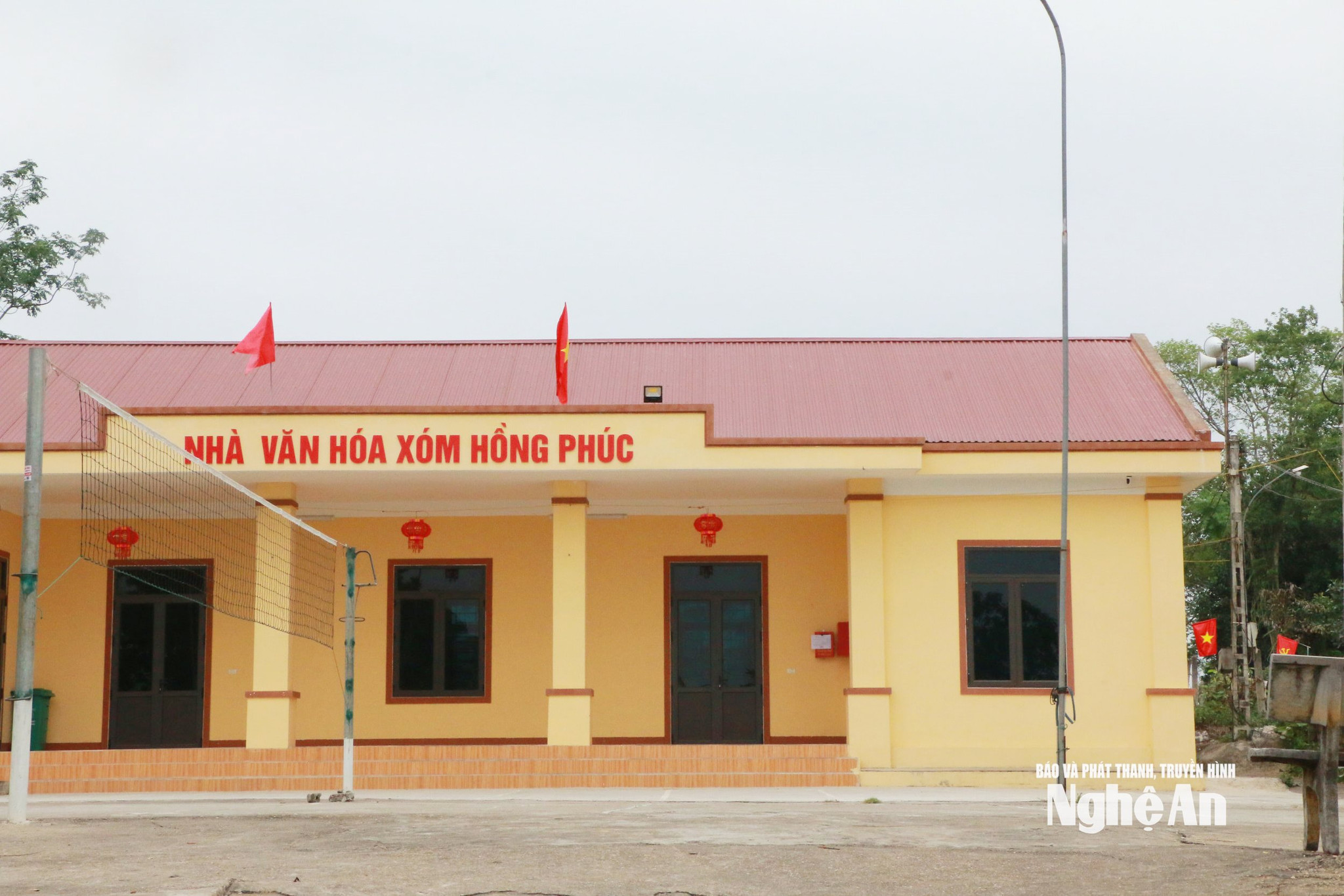
Ms. Nguyen Thi Xuan, the head of Hong Phuc hamlet, enthusiastically shared stories with pride as she guided the visitors: "The hamlet currently has nearly 1,000 residents in 241 households, half of whom are retired officials."
The most valuable thing is not the beautiful roads or the well-equipped football fields, but the spirit of solidarity and unity among the people in every common task, which is fostered through skillful "people mobilization".
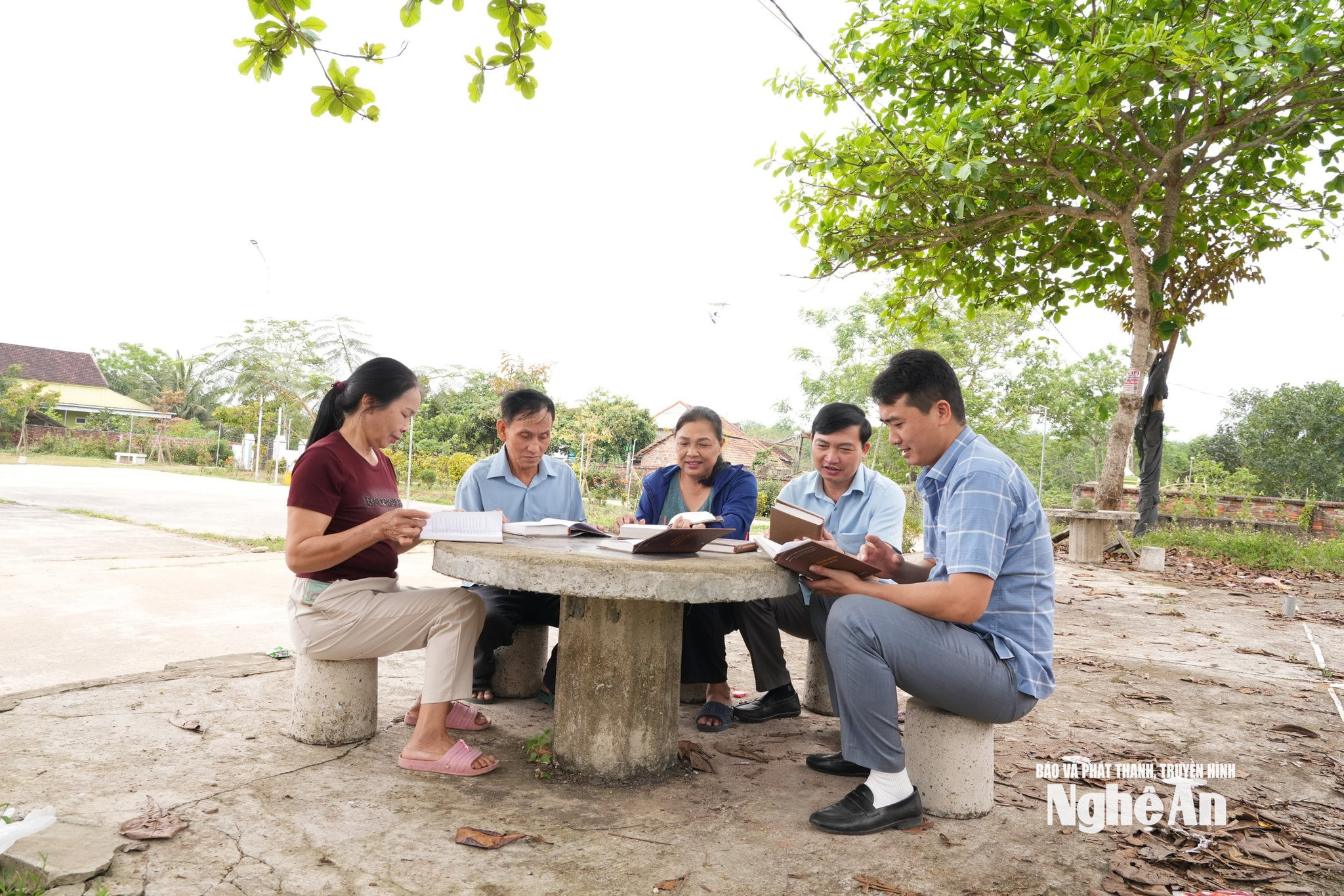
Nowadays, mass mobilization work cannot be done with just empty slogans. To gain the people's support, officials must be close to the people, understand them, lead by example, and do things genuinely. When the people trust them, even the most difficult tasks can be accomplished.
Ms. Nguyen Thi Xuan shared
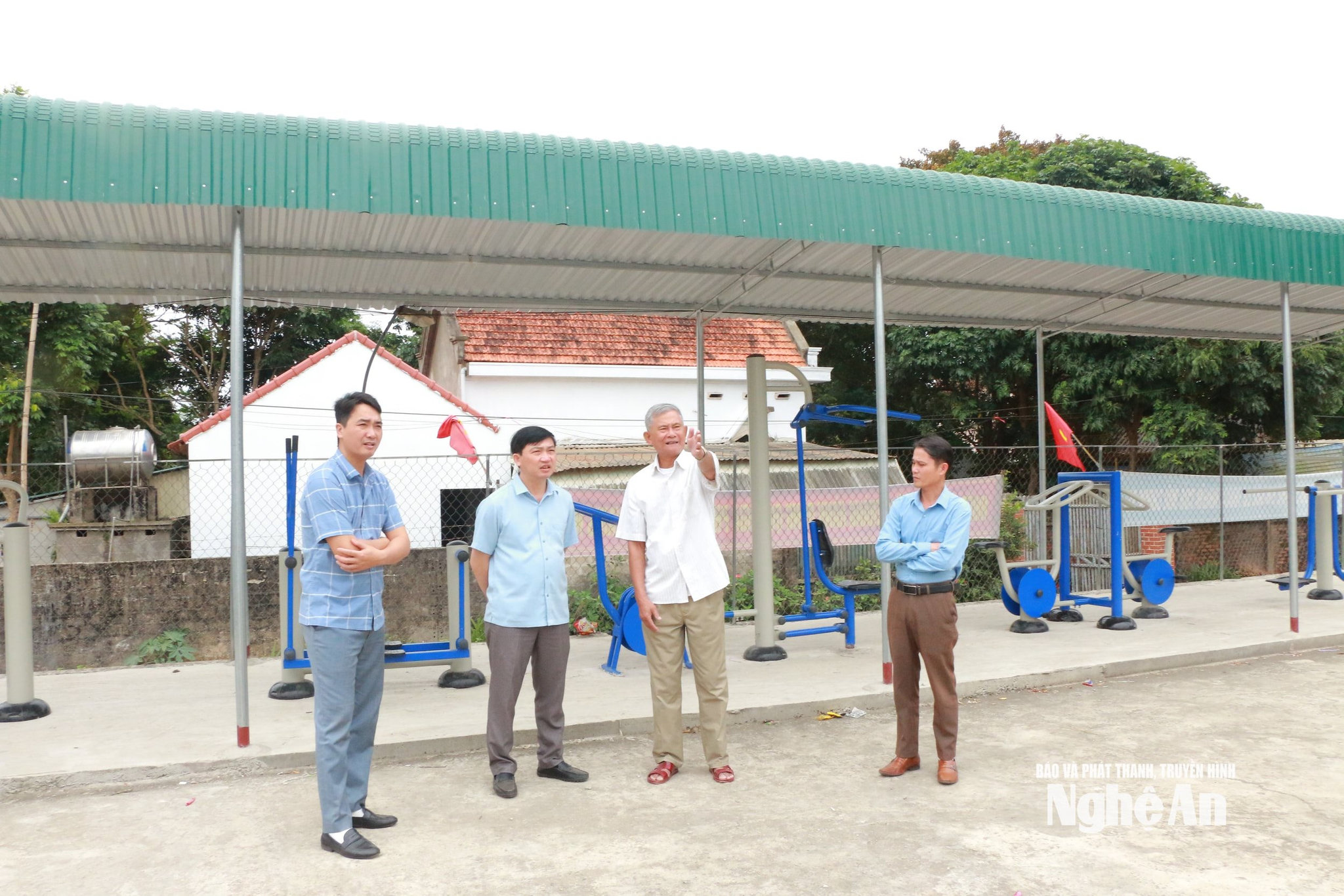
Thanks to that consensus, Hong Phuc hamlet now has all its rural roads paved with concrete; nearly 90% of the roads are equipped with streetlights. The hamlet is also considered a shining example of cultural and sports facilities in the commune, with 3 large-scale football and volleyball courts (ranging from 500 to over 3,000 square meters).2), including two fields equipped with modern sports equipment for people to practice every day.
Party Secretary of Hong Phuc hamlet, Dinh Van Phong, recalled the days when the whole hamlet worked together to build the sports field. Some contributed money, others contributed labor, and they worked together until late at night, not wanting to stop. The atmosphere was as joyful as a festival.
“The total cost was about 500 million VND. But the greatest benefit wasn't the money, but the spirit of solidarity and neighborly affection. Practical experience shows that village officials today must innovate their thinking and methods of community mobilization, not only harnessing the people's strength but also making them feel like they are the main actors in building their homeland,” Mr. Phong shared.
While Hong Phuc hamlet made its mark with its unity, Hong Tho hamlet impressed with its democratic and transparent approach to building trust among the people.
At 80 years old, Mr. Nguyen Viet Hong, Secretary of the Hong Tho Hamlet Party Branch, still maintains the demeanor of a soldier. Slowly pouring a cup of hot tea, he shared that the most important thing in mass mobilization work is to keep one's word.
"Uncle Ho taught, 'Even the most difficult tasks can be accomplished with the people's support.' But to get the people to participate, we must first gain their trust. To gain their trust, officials must match their words with their actions," Mr. Hong said.
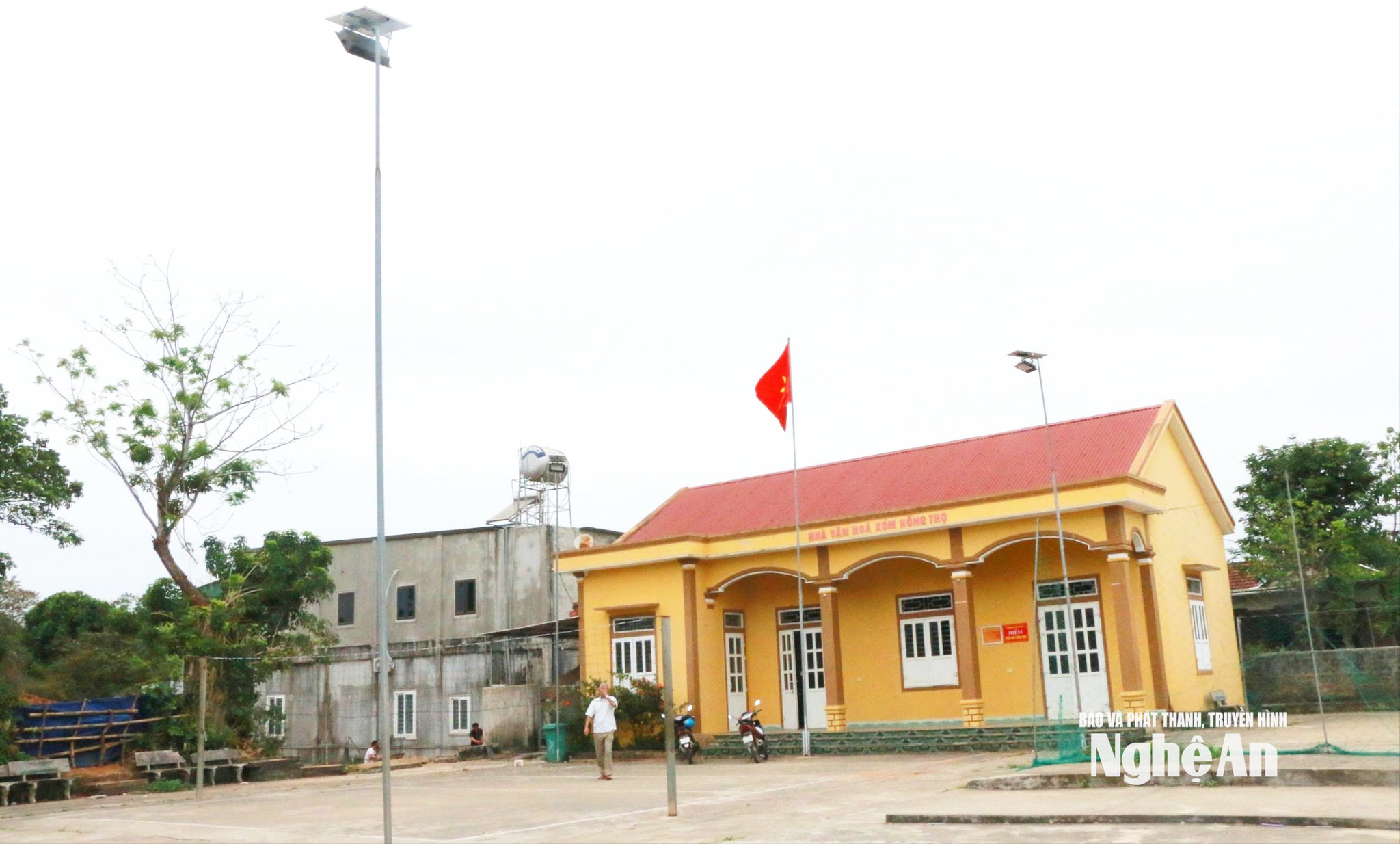
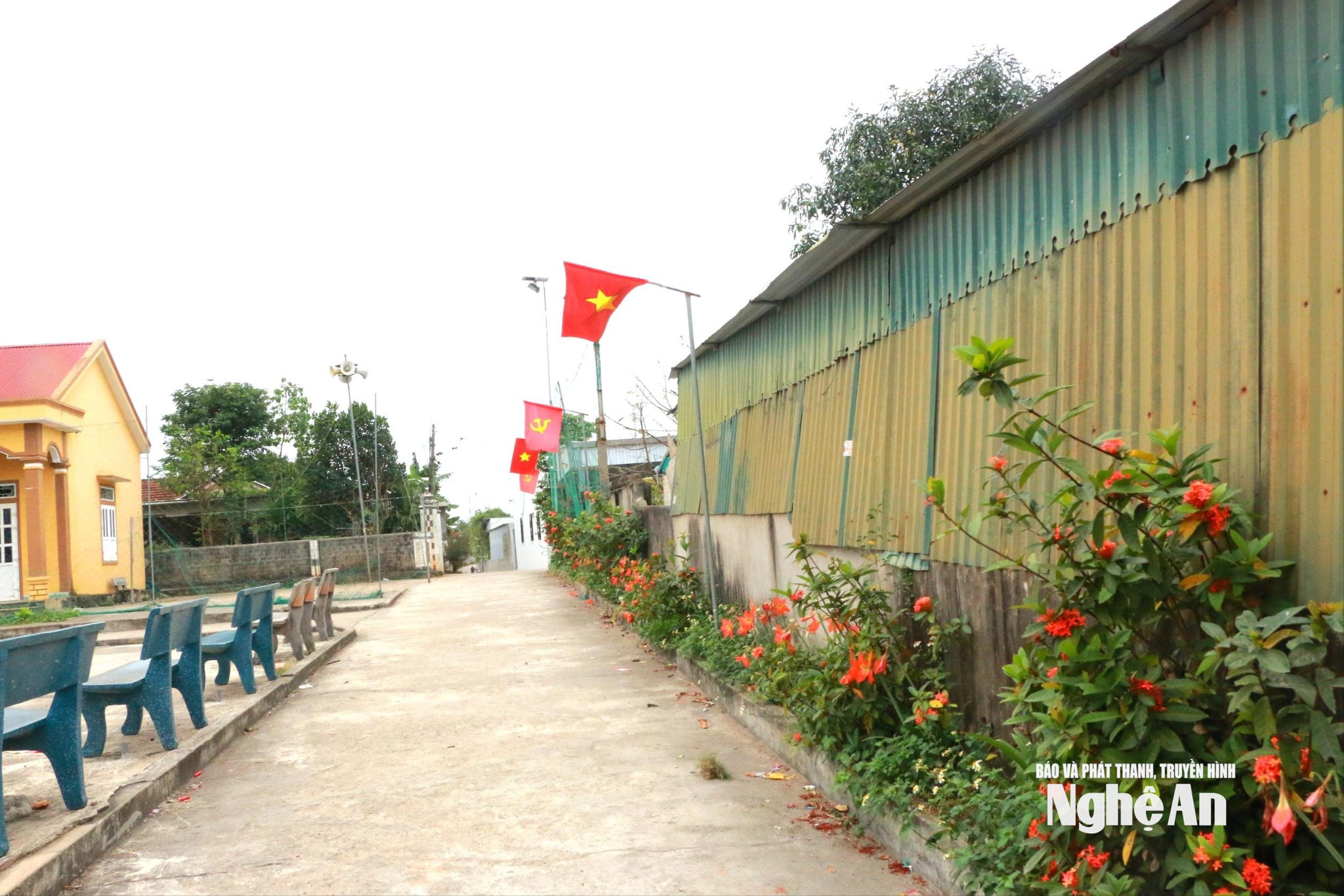
Hong Tho was formerly an old building materials production area with little agricultural land and dilapidated infrastructure. The muddy dirt roads during the rainy season made travel extremely difficult.
But now, the village has changed its appearance. Concrete roads extend to every small alley. The flag-lined and flower-lined streets, created and maintained by the villagers themselves, make the countryside even more vibrant.
The cultural center, spanning over 1,000 square meters, is equipped with modern facilities, including sports fields, lighting systems, and free Wi-Fi.
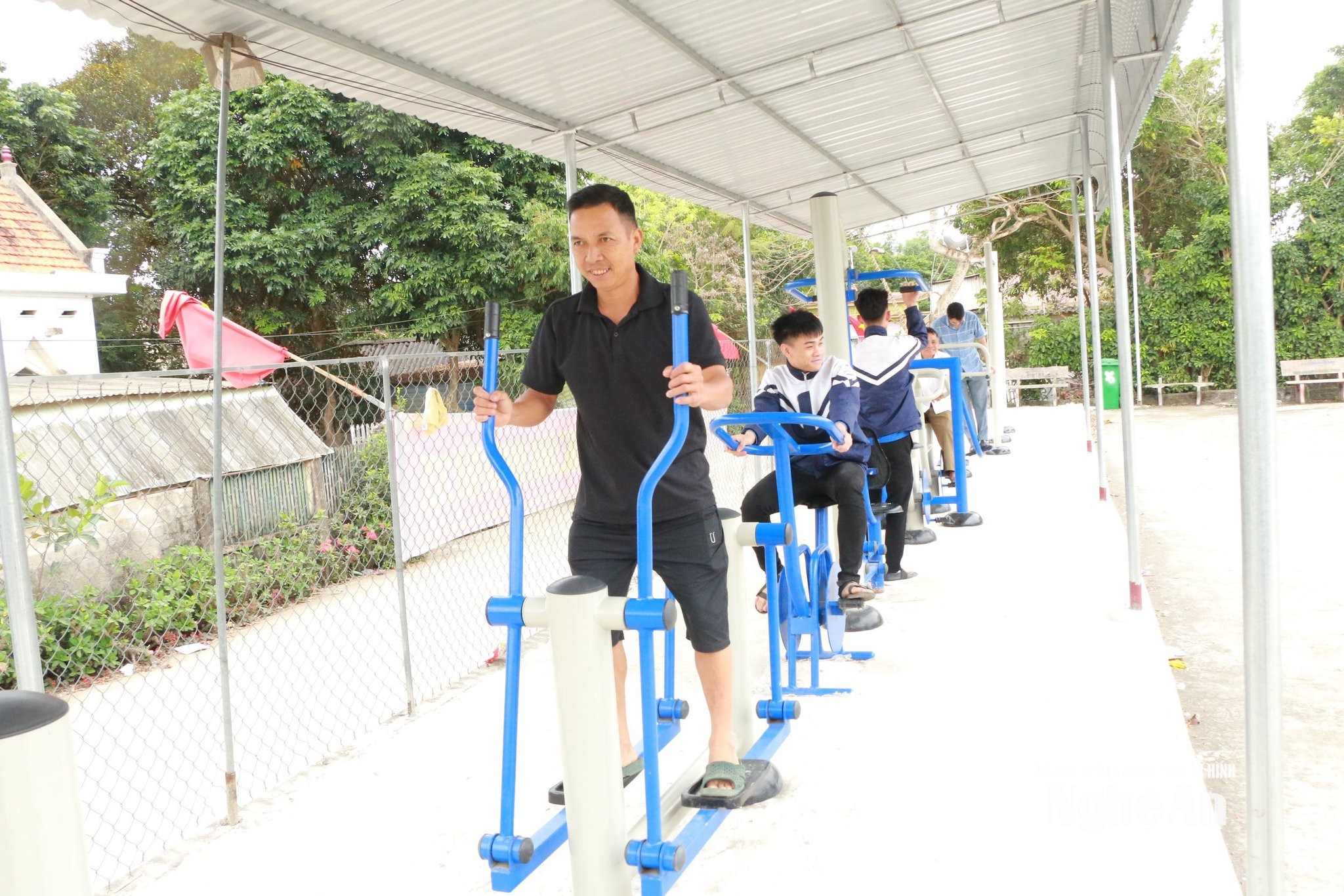
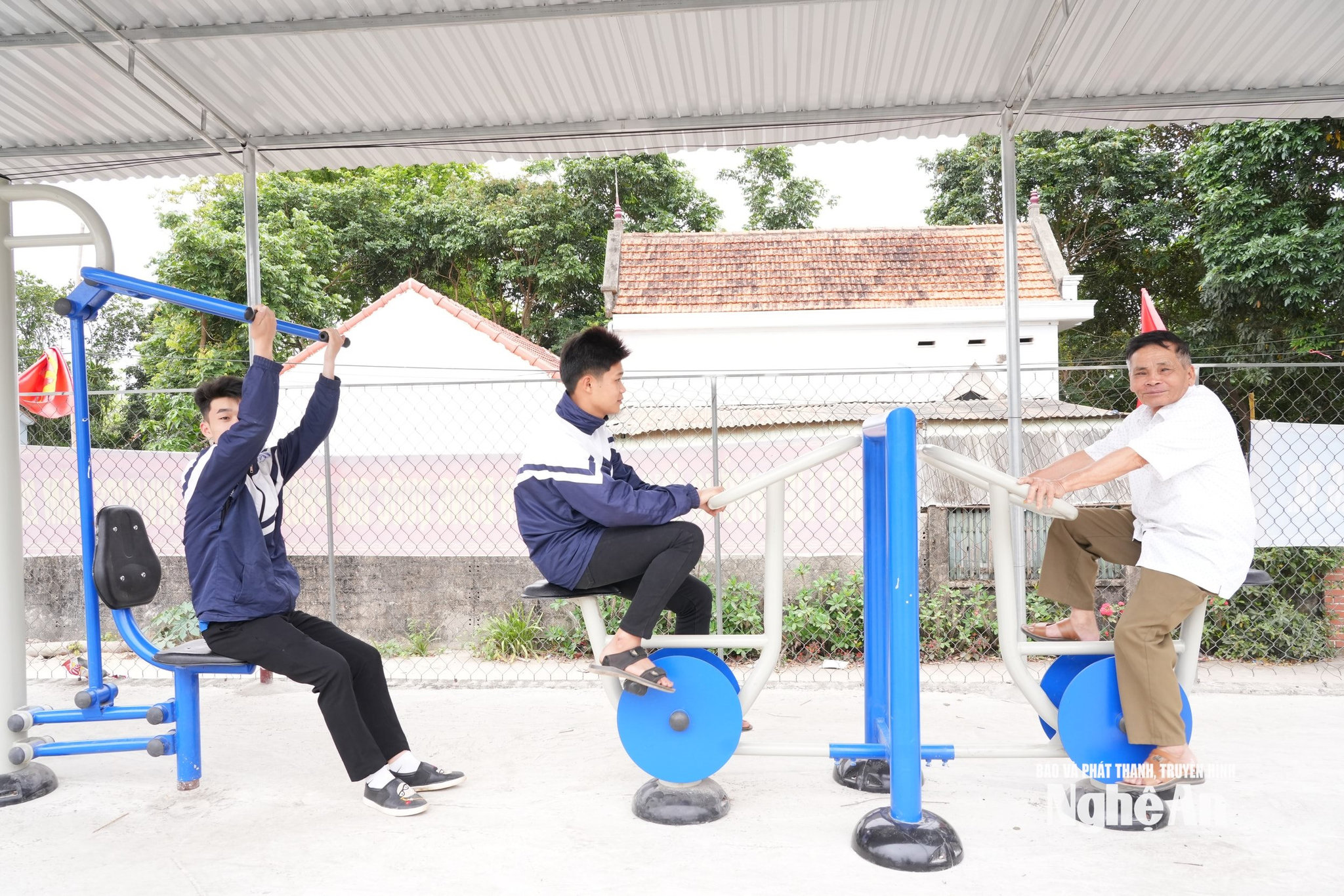
What is commendable is that the majority of the project was carried out through social mobilization and voluntary contributions from the people, including those who have moved away from home. "We raised nearly 150 million VND from our children working far away to build sports facilities for the hamlet," Mr. Hong said.
Currently, Hong Tho is continuing to plan the upgrading of the cultural center and the construction of an additional football field, with an estimated cost of approximately 800 million VND. All plans are discussed openly within the Party branch and among the people, and are included in the Party branch's resolution for implementation.
When the resolution came into effect, the new rural development in Hong Tho was not only evident in the brightly lit roads but also in the changes in people's lives. Many households shifted to business, trade, and overseas employment.
The average per capita income is approximately 50 million VND/year. Currently, the entire hamlet only has 2 poor households due to unavoidable circumstances, and no near-poor households.
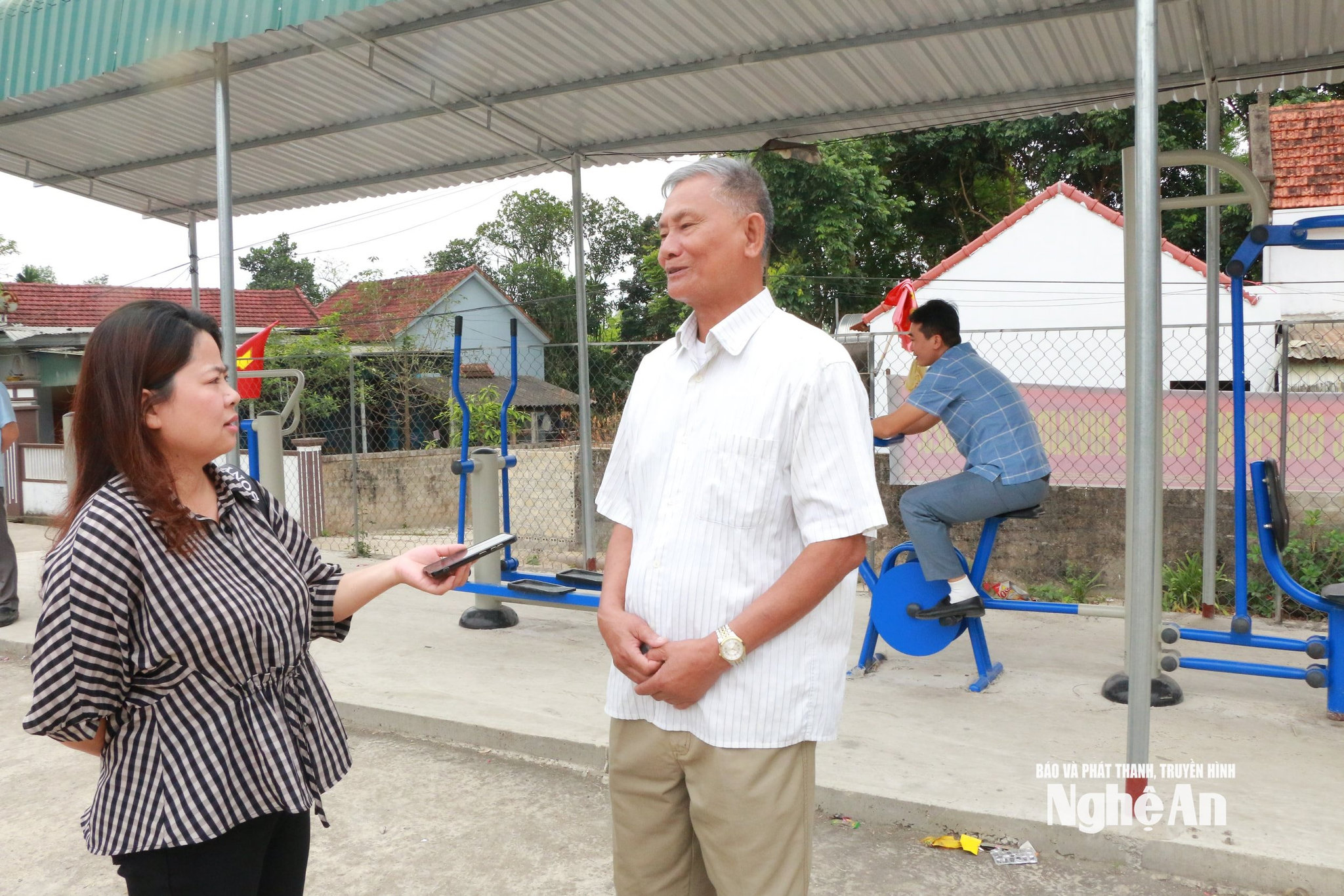
According to Mr. Nguyen Nam Phuong, Secretary of the Party Committee of Nghia Mai commune, after the merger of the former Nghia Minh, Nghia Hong, and Nghia Mai communes, the locality has 23 hamlets and villages with three ethnic groups: Kinh, Thai, and Tho. Due to the challenging socio-economic conditions, the locality has identified the development of integrated infrastructure linked to advanced new rural development as one of its key breakthroughs.
"For policies to be implemented effectively, it's essential to gain public consensus. Public relations work is the key," Mr. Phuong emphasized.
Based on that orientation, many effective "People's Mobilization" models have been implemented in accordance with the realities of each locality. In Mai Thinh village, people voluntarily contributed more than 635 million VND and thousands of man-days to concrete nearly 3km of rural roads, install a solar power system, and renovate the community hall.
In Hong An hamlet, officials and residents are working together to improve the residential area, install security cameras, and build a flag-lined street connected to a flower-lined street for war veterans.
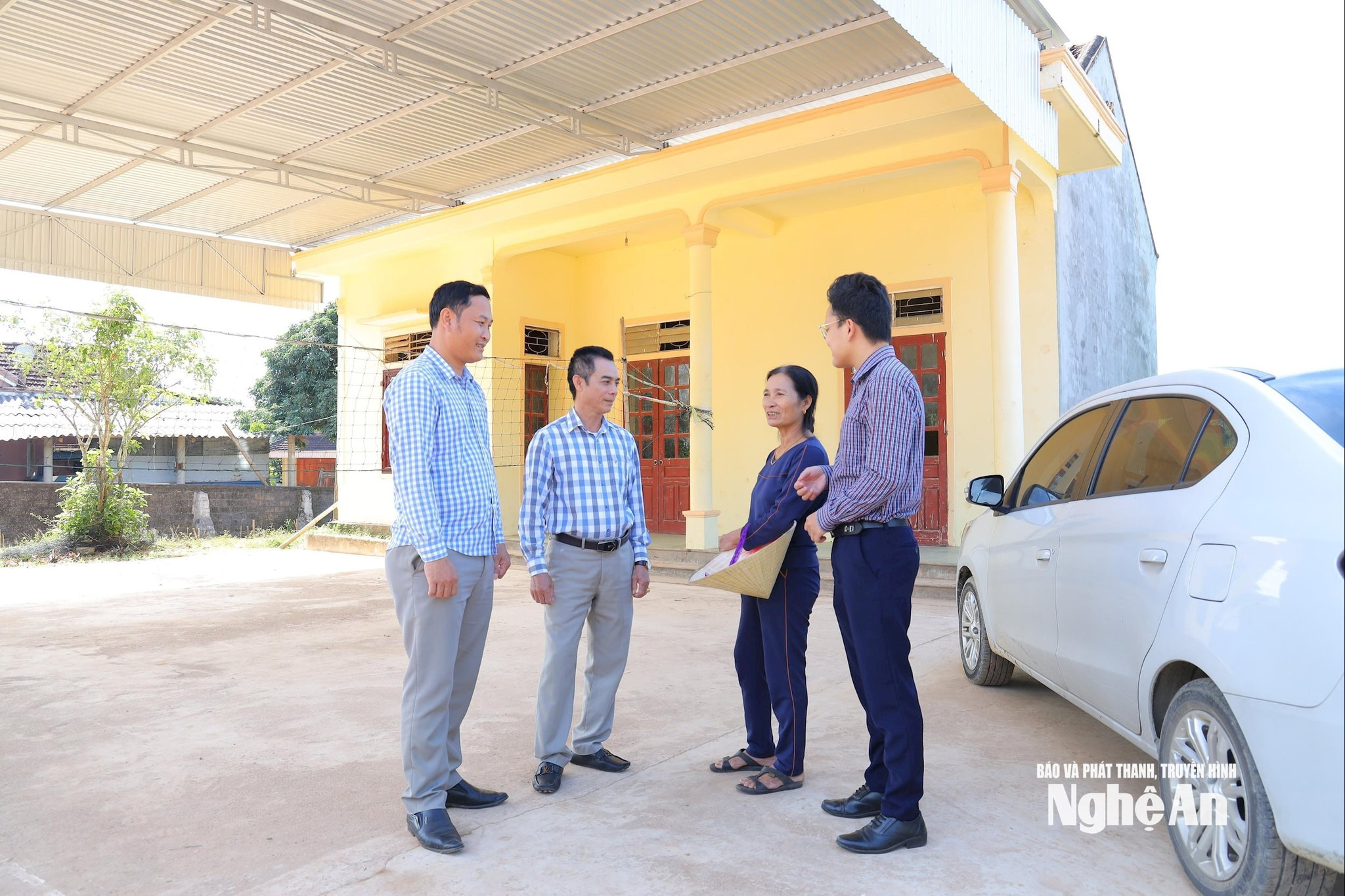
In Mai Hop village, 100% of the internal village roads have been concreted thanks to the voluntary donation of land, trees, and demolition of fences by the residents.
Following the principle of "the state and the people working together," in addition to mobilizing the people's strength, the locality also strives to invest in projects and facilities serving the people's lives. This includes the installation of a system of 30 solar-powered streetlights along the approximately 5km long DH391 road – a vital transportation artery of the commune.
In the evening, when the solar power system along the route lights up simultaneously, many locals jokingly call it the "road of light".
In addition to investing in transportation infrastructure, Nghia Mai also focuses on digital infrastructure to bring digital transformation to the grassroots level. Currently, all 23 hamlets and villages have free Wi-Fi installed at their community centers, funded by the local budget. For the people, especially those in remote areas, this is a huge change that helps shorten the "digital divide" and allows them to quickly access new policies and initiatives.

Behind the transformation of each hamlet and village lies the role of those who silently "keep the flame" of the movement alive at the grassroots level. These are exemplary individuals, "real people, real deeds," whose influence spreads throughout the community, as President Ho Chi Minh once emphasized: "A living example is worth more than a hundred propaganda speeches."
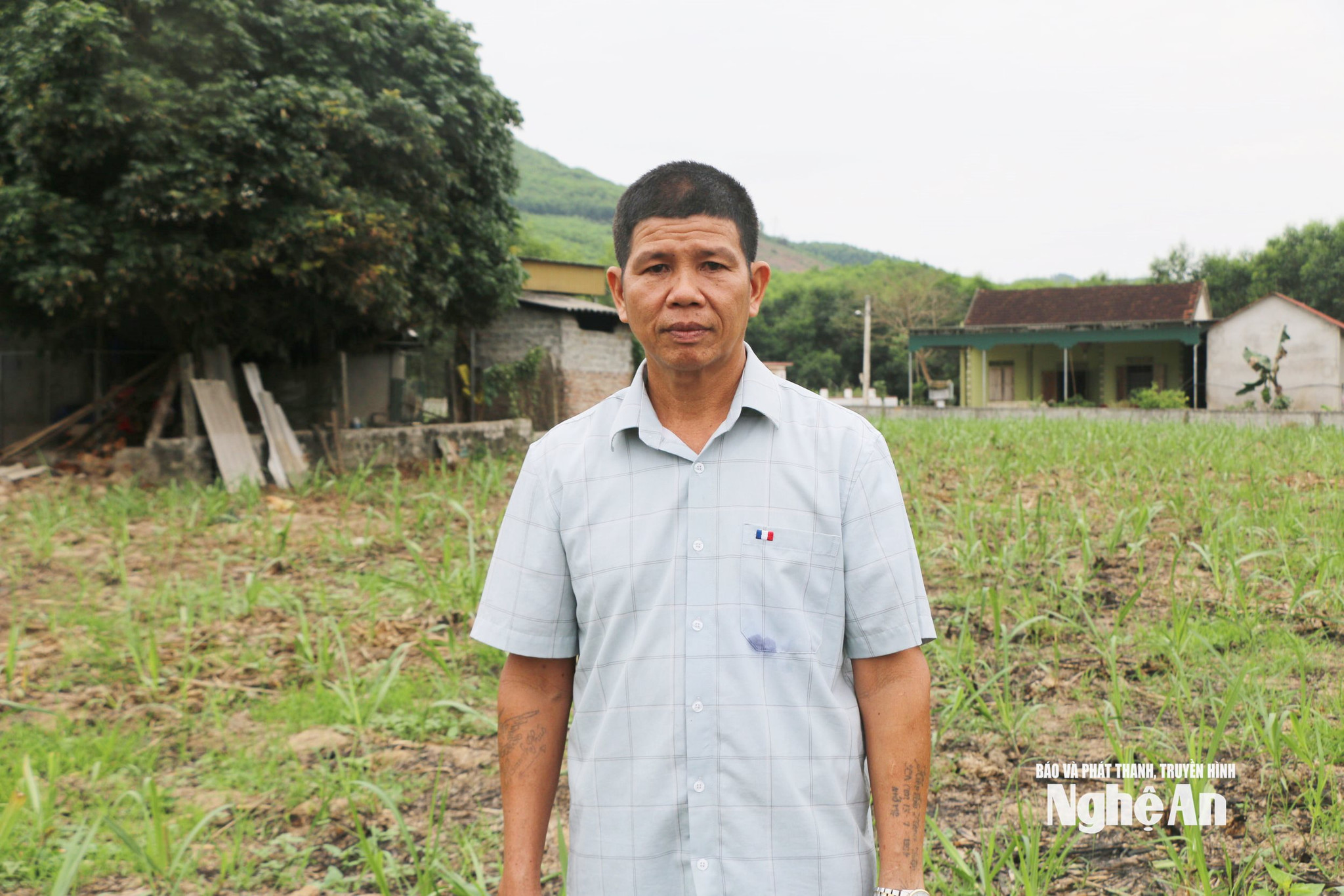
In Mai Thai village, when people mention Mr. Luong Van Xuan, everyone speaks with special respect. Having served as village head for over 30 years, he is not only a unifying figure for the villagers but also a leading example in economic development.
Mai Thai is a remote area with difficult transportation, mostly inhabited by the Thai and Tho ethnic groups. In previous years, the poverty rate was very high. As the village head, Mr. Xuan determined that to mobilize the people, he had to lead by example.
Starting from nothing, he received land for forest production and diligently cultivated 5-6 hectares of acacia trees. Then he planted sugarcane and developed livestock and poultry farming. At one point, his family raised up to 25 cows and several hundred chickens and ducks.
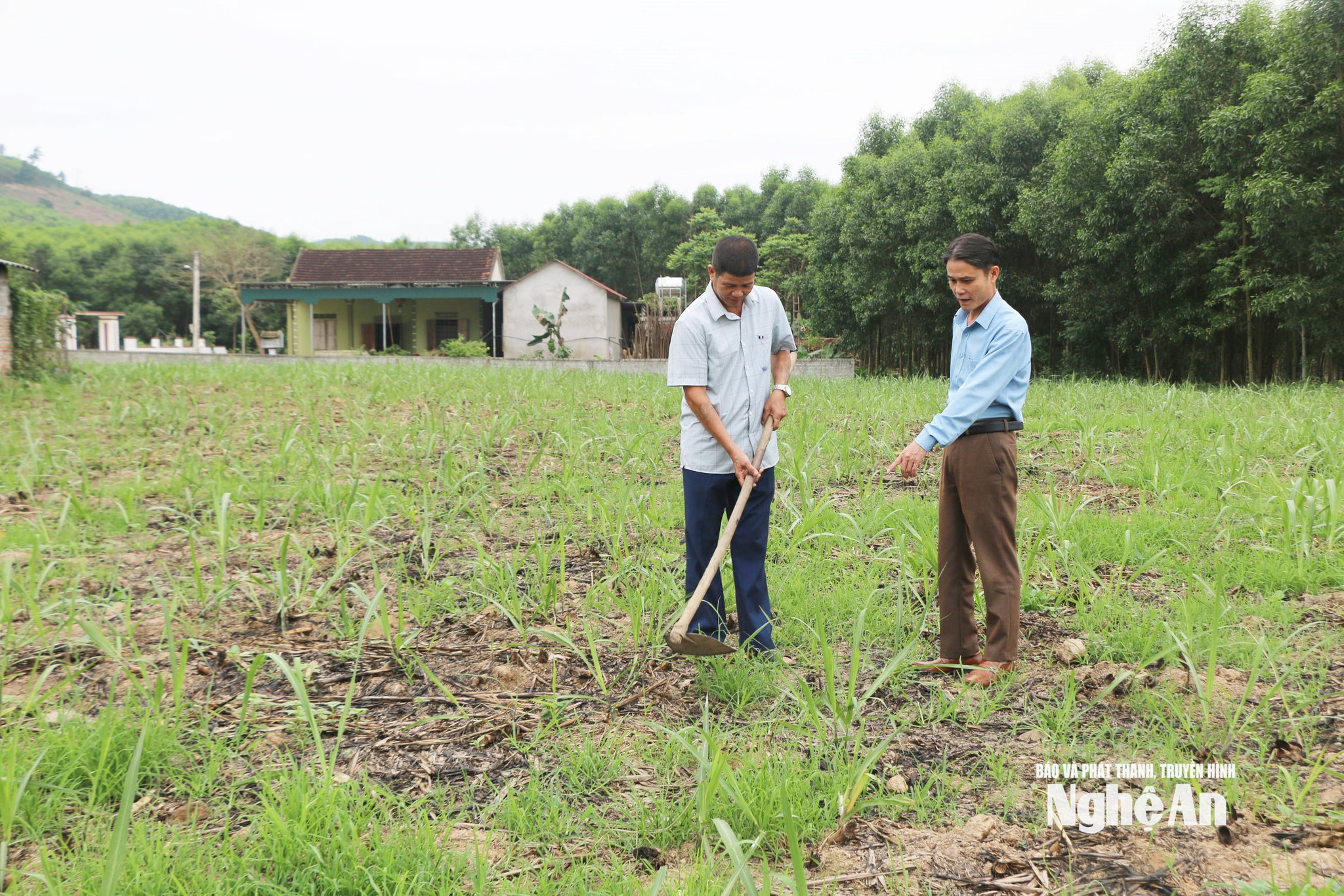
Inspired by that pioneering example, many households in the village boldly followed suit. Currently, Mai Thai has about 200 hectares of acacia trees, nearly 50 hectares of sugarcane, and hundreds of buffaloes and cows. Many large-scale farm and family farm models are gradually being formed.
Besides developing his family's economy, Mr. Xuan also took on the role of head of a loan group, helping villagers access production capital. The loan group he manages currently has outstanding loans of approximately 3 billion VND. "With me as the head of the group, the villagers feel more secure. They can only invest in their businesses if they have the capital," he said.
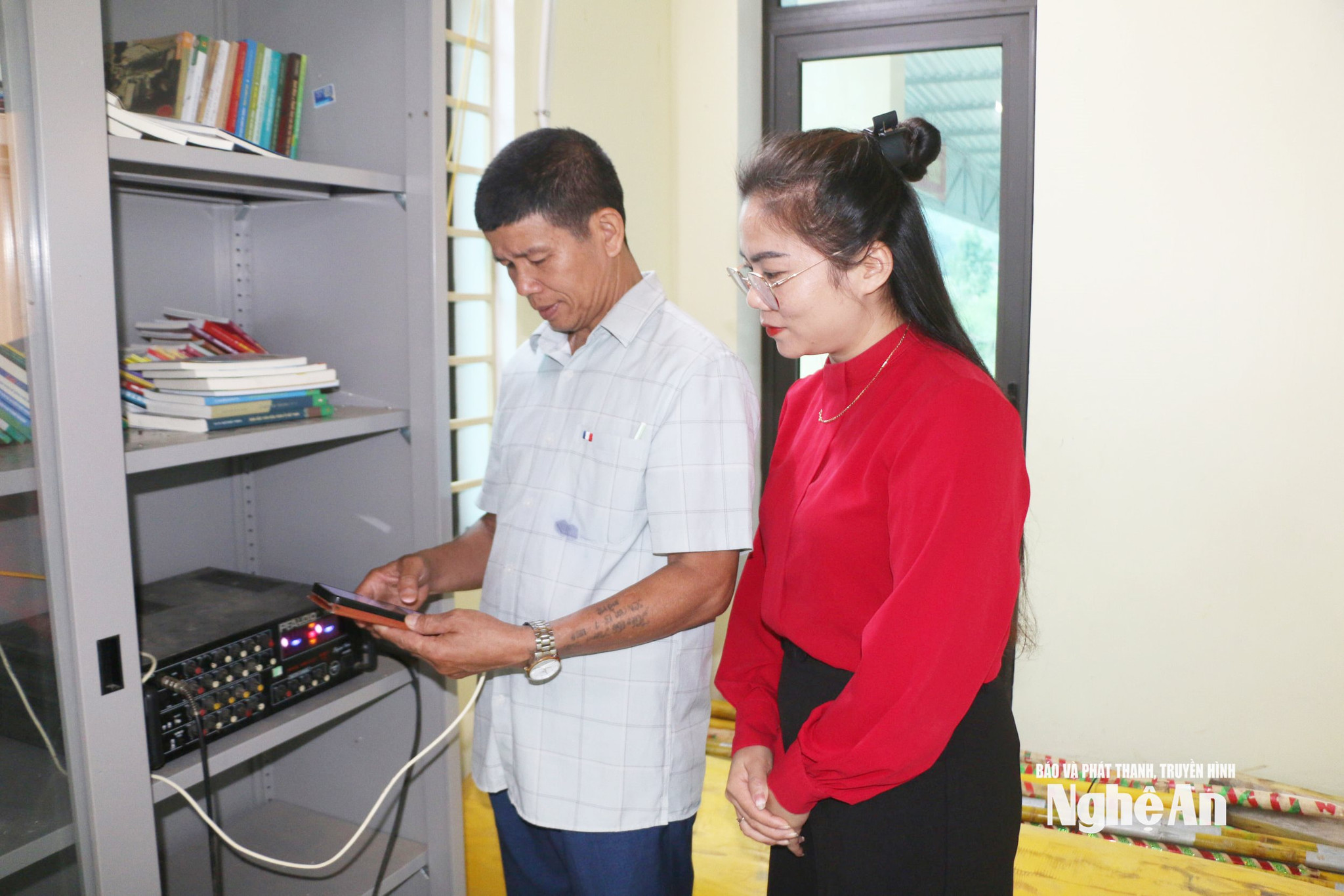
What the villagers appreciate most about Mr. Xuan is his dedication to community affairs and his exemplary spirit. He was a pioneer in mobilizing villagers to donate land and contribute labor to build roads and improve the residential area. Thanks to his efforts, the villagers' perceptions gradually changed. The muddy dirt roads of the past have now been replaced with clean, beautiful concrete roads.
Nguyen Thi Hoai An, Party Secretary of Mai Thai village, commented: "Luong Van Xuan, the 'leader,' is not only good at economic development but also very skillful at mobilizing the people. He speaks little but does much, so the villagers trust him!"
Meanwhile, in Minh Son hamlet, the model of a professional association for fruit tree cultivation and the model of a model garden are opening up new directions for the people. A prime example is the lush green garden of over 1 hectare belonging to Mr. Pham Thanh Nghi - the head of the professional association for fruit tree cultivation in the hamlet - with rows of guava trees laden with fruit, now in season.
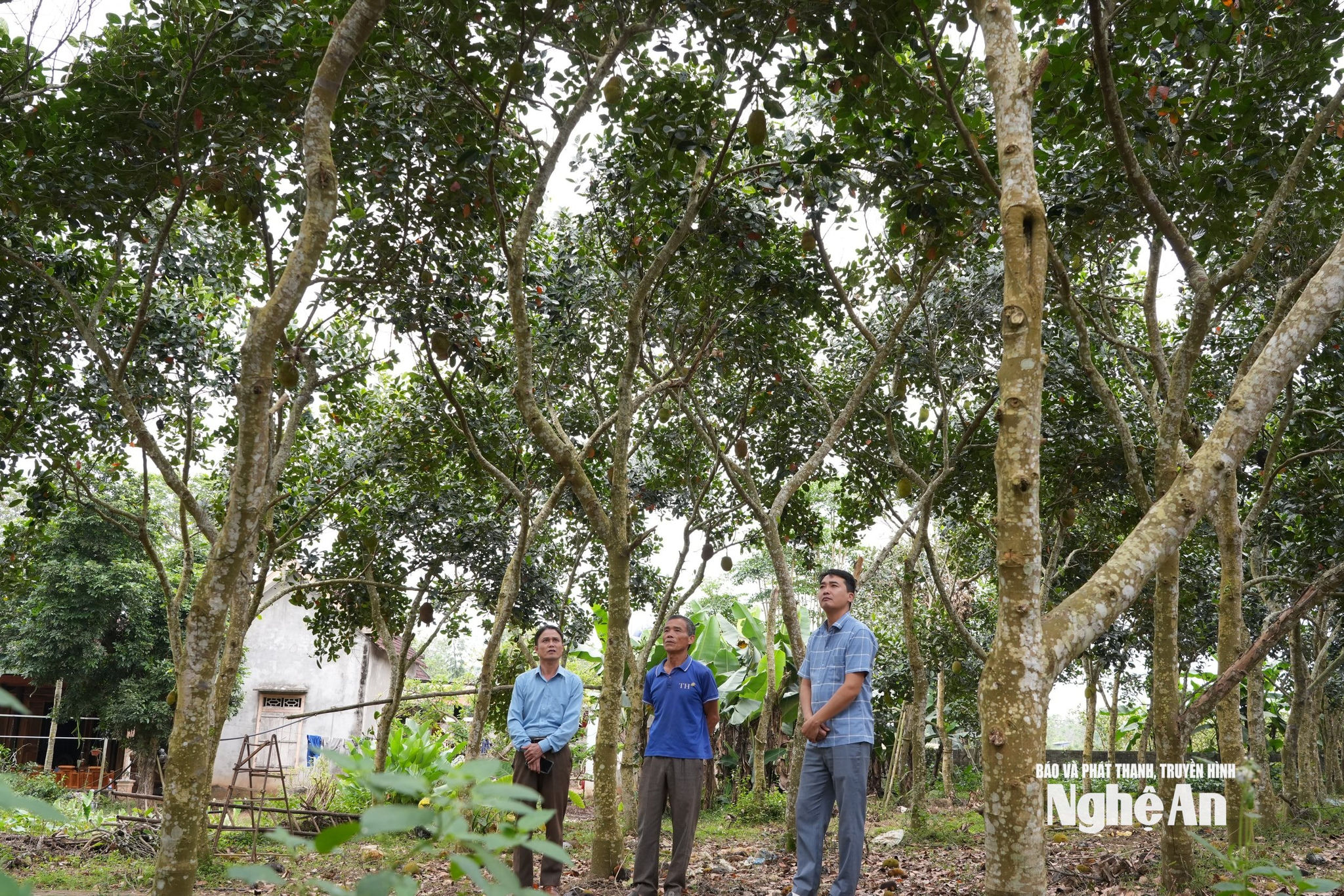
Mr. Nghi said: With the support of the commune's Farmers' Association and systematic investment, the garden now has more than 500 guava trees, hundreds of Thai jackfruit trees, and many other fruit trees. Each year, the guava trees alone bring his family about 150 million VND.
Not content with enriching his own family, Mr. Nghi also supports other households with technical assistance, loans, and finding markets for their products. "The professional association is not just about helping ourselves prosper, but also about helping each other and supporting the people in the neighborhood to develop together," he said.
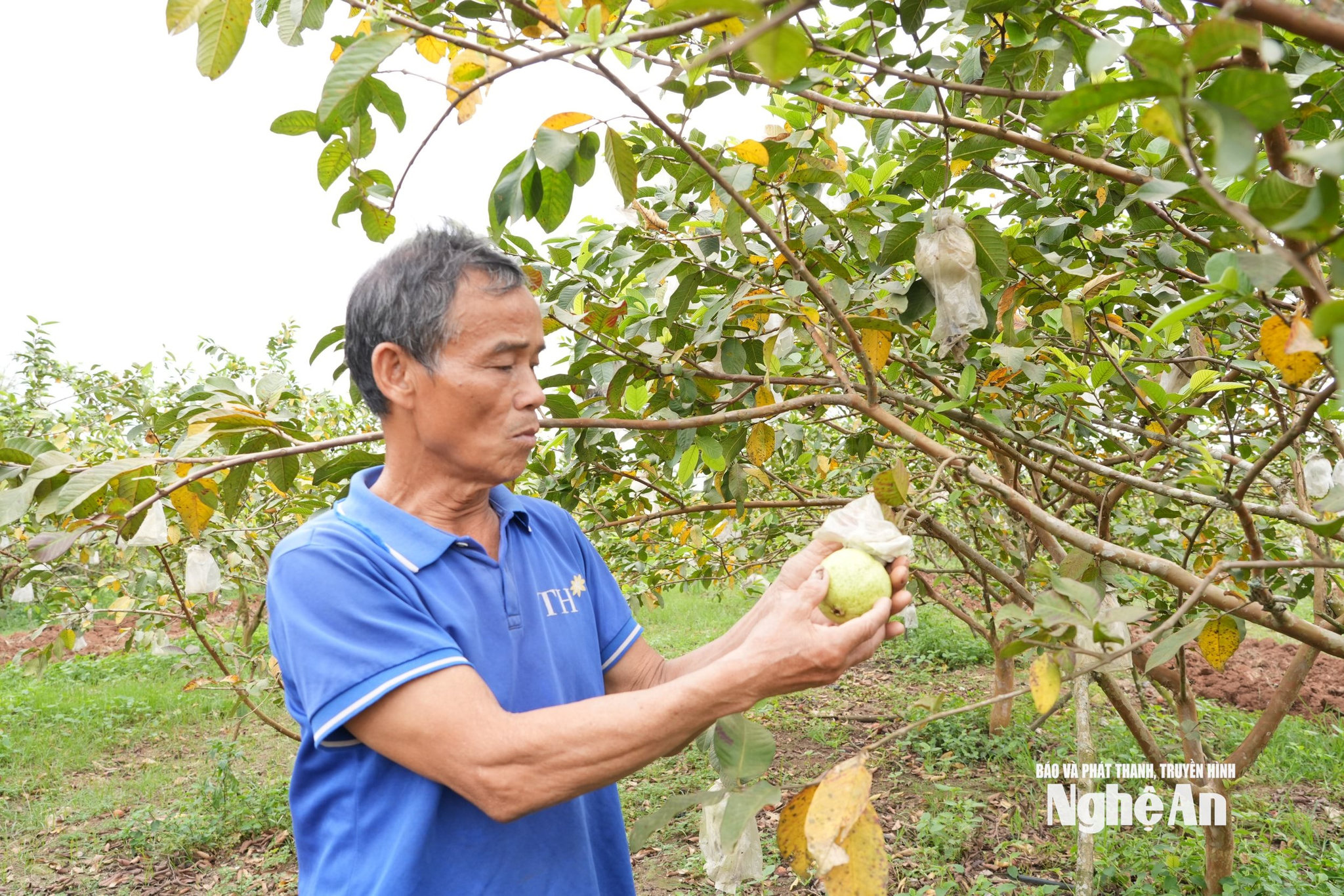
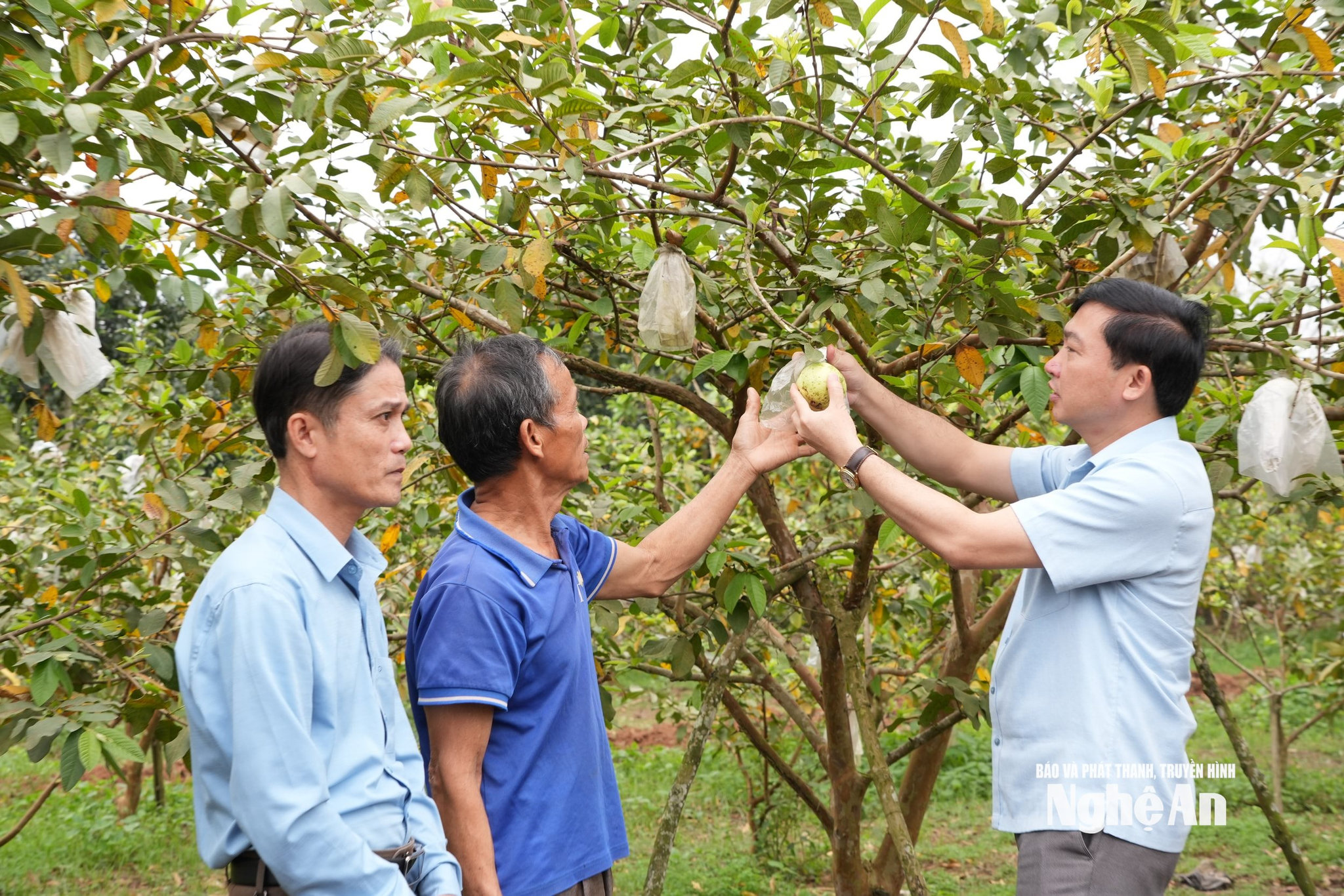
Besides growing fruit trees, with his dynamism and resourcefulness, Mr. Nghi also collaborated with TH Group to grow biomass corn, and simultaneously acted as a buyer for the produce from local people. As a result, many households have boldly switched to different crops, gradually escaping poverty sustainably.
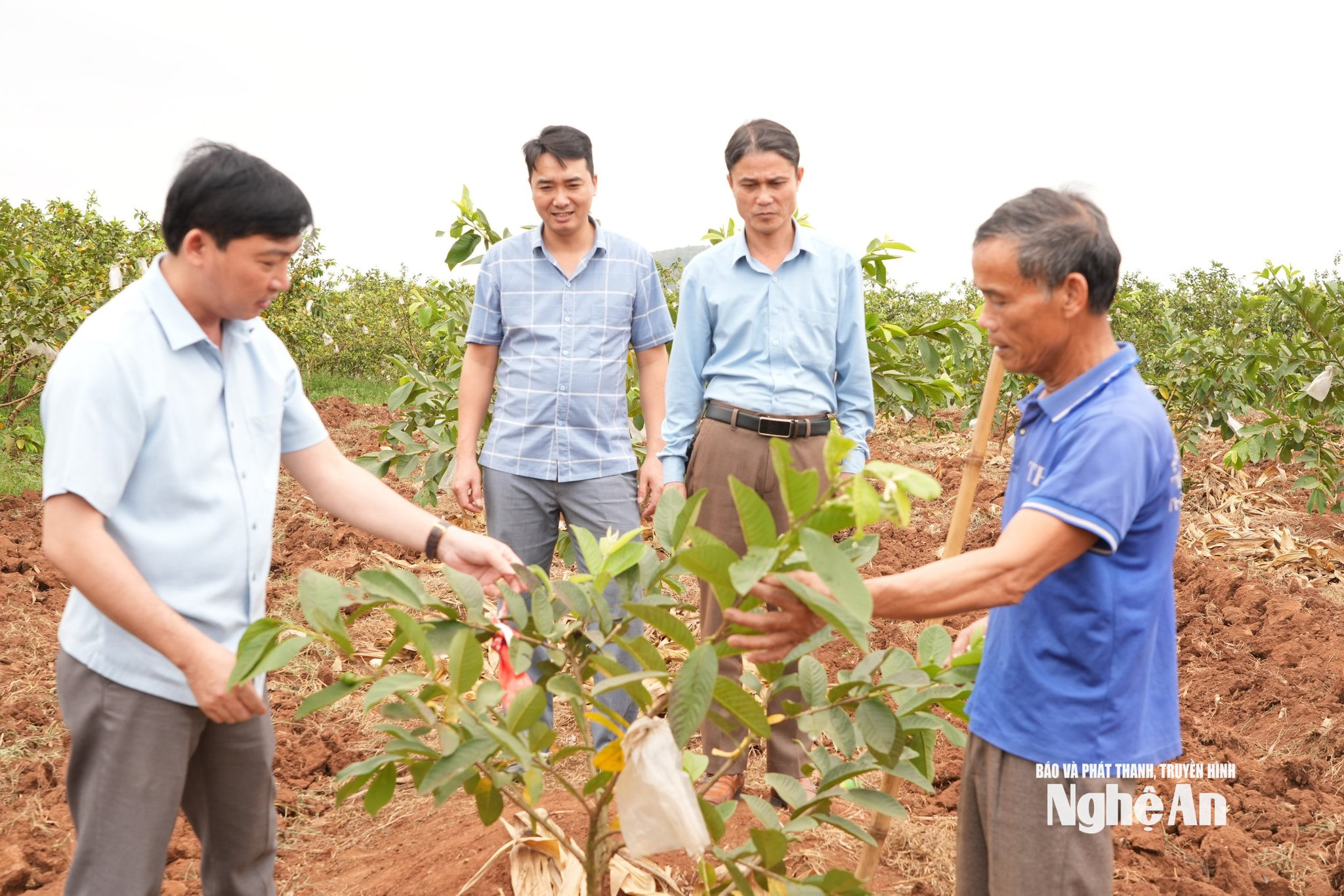
From exemplary models like Mr. Luong Van Xuan, Mr. Pham Thanh Nghi, etc., the "Effective Mass Mobilization" movement in economic development and crop restructuring in Nghia Mai is gradually deepening, becoming a driving force for socio-economic development in the locality.
According to Mr. Nguyen Van Tuong, Deputy Head of the Party Building Committee of Nghia Mai commune, after the merger and operation of the two-tiered government, the entire commune registered to build 35 "Effective Mass Mobilization" models in the fields of economy, culture and society, national defense and security, and political system building. Through these models, many good and creative approaches have emerged from the grassroots. Most importantly, they have created trust and consensus among the people.
.jpeg)
Although many challenges still lie ahead, the brightly lit streets, Wi-Fi-covered cultural centers, fruit-laden orchards, and vibrant flag-lined streets in Nghia Mai today clearly demonstrate one thing: When the people trust and agree, resolutions are no longer just on paper but have truly become part of daily life through effective public relations work.
From there, the Party's will and the people's aspirations are connected, unleashing the inner strength to enable this rural area, still facing many difficulties, to continue its journey in building a new rural community.


