
When Southeast Asian football is in the hands of a South Korean coach?
(Baonghean.vn) - Recently, everyone knows that football in Southeast Asia is constantly evolving, exemplified by the acquisition of coaches from the most advanced football nations in the continent, namely Japan and South Korea.
Two contrasting stories unfolded before everyone's eyes, eliciting surprised amusement: coaches from Japan, Thailand (Nishino), and Singapore (Yoshida) failed to achieve success and accepted defeat, while others...The Korean teacher came to Vietnam.(Park Hang-seo), then Indonesia (Shin Tae-yong), and possibly Singapore – have they all achieved even greater success than expected?
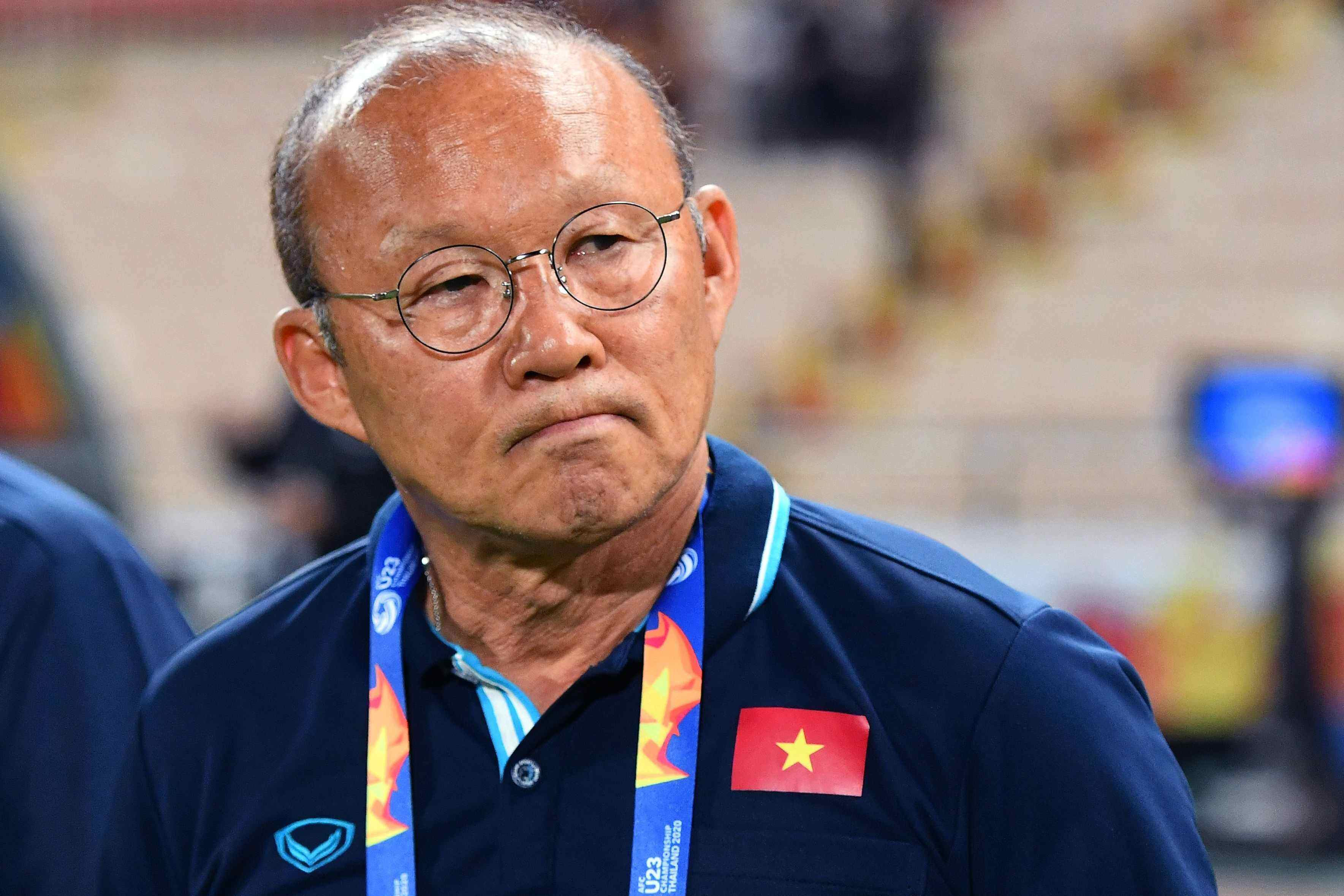 |
| Coach Park Hang-seo. |
So, perhaps, while advanced Japanese football produces many talented players, the question of who is the best coach remains to be seen. And, convincingly, South Korean football has consistently produced excellent coaches, leading to the development of many talented players who need to be "exported" to develop and elevate the footballing nations of Southeast Asia!
Could it be that the fact that Vietnamese football once invited a Japanese coach (T. Miura) and was unsuccessful as "theory" suggests, but achieved resounding success with a Korean coach (Park Hang-seo), is a lesson and a practical suggestion for the "movement" of inviting Korean coaches to lead the national team and U23 team, which is taking place in Indonesia and possibly continuing in Singapore as public opinion is speculating?
What Park Hang-seo has done to elevate Vietnamese football to the top of the region over the past four years is something that cannot be overlooked, evoking immense pride and widespread inspiration in many aspects of life. From the snow-covered Changzhou at the 2018 AFC U23 Championship, to the 2018 AFF Cup, the 2019 SEA Games, and the 2022 World Cup qualifiers… Vietnamese football has surprised opponents in the region and across the continent time and again, making the dream of a World Cup appearance closer and clearer than ever before.
For Indonesian football, what just happened at the 2021 AFF Cup shows that choosing a South Korean coach is the right and necessary move. In the context of repeatedly losing foreign coaches, Indonesian football, despite its potential, consistently finished second and had little hope of reaching the level achieved by Thailand or Vietnam. Shin Tae-yong arrived in Indonesia with the mission to end that decline and start anew. Not long after, everyone saw Indonesian football transform and perform brilliantly with a young, ambitious squad, retaining only a few older key players.
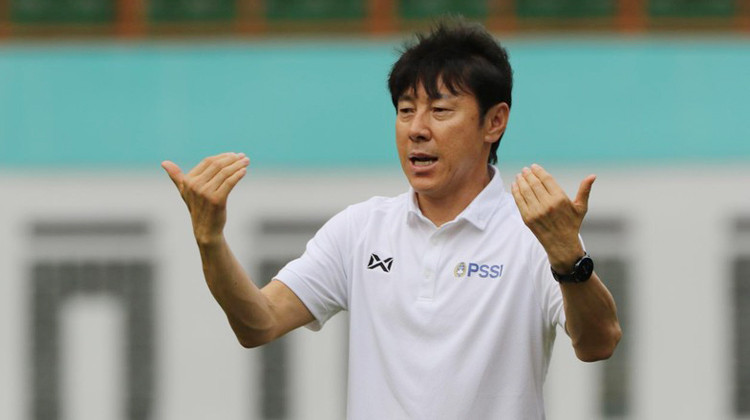 |
| Coach Shin Tae-yong. |
Two decisive actions by coach Shin Tae-yong have drawn attention and admiration from fans: entrusting the captain's armband of the Indonesian national team to a 22-year-old player (Asnawi) and benching a renowned pillar and former hero of Indonesian football (Dumas). The Korean coach has gradually transformed the Indonesian team from a rough and aggressive style of play (as in the match against Vietnam) to a team full of character and willpower, refusing to accept defeat, never giving up or yielding (as in the second leg of the semi-final against Singapore and the second leg of the final against Thailand).
He resolutely fought against any offensive behavior from players and was determined to steer everything towards the most proper and civilized path in life and sports. This included warning captain Asnawi about his behavior of mocking the opposing player who missed the decisive penalty in the final minute of regulation time in the second leg of the semi-final against Singapore. The warning stipulated that Asnawi would be removed from the Indonesian national team if similar offensive behavior were repeated!
The success stories of Korean coaches are commendable and worth learning from. But that doesn't mean everything is perfect. After four years of success with Vietnamese football, Park Hang-seo has had to start over and reinvent everything with the Vietnamese national team. Shin Tae-yong immediately reaped rewards with the youth team, but he is currently only second place, like many coaches before him, even though this youth team will bring much hope to Indonesian football at the U23 level at the upcoming SEA Games. Clearly, no one can stop or be complacent, whether they are number one or number two in the region, even though Korean coaches always seem to have a knack for it more than Japanese coaches.
Certainly, regional football in the coming period will be more interesting to watch and talk about, with the constant thrilling battles between Korean coaches and regional talents striving to break free from their current weak positions. The methods and results of Thailand and Vietnam serve as valuable lessons and are goals that many rivals aspire to surpass as soon as possible.


