
When men 'ignite' happiness
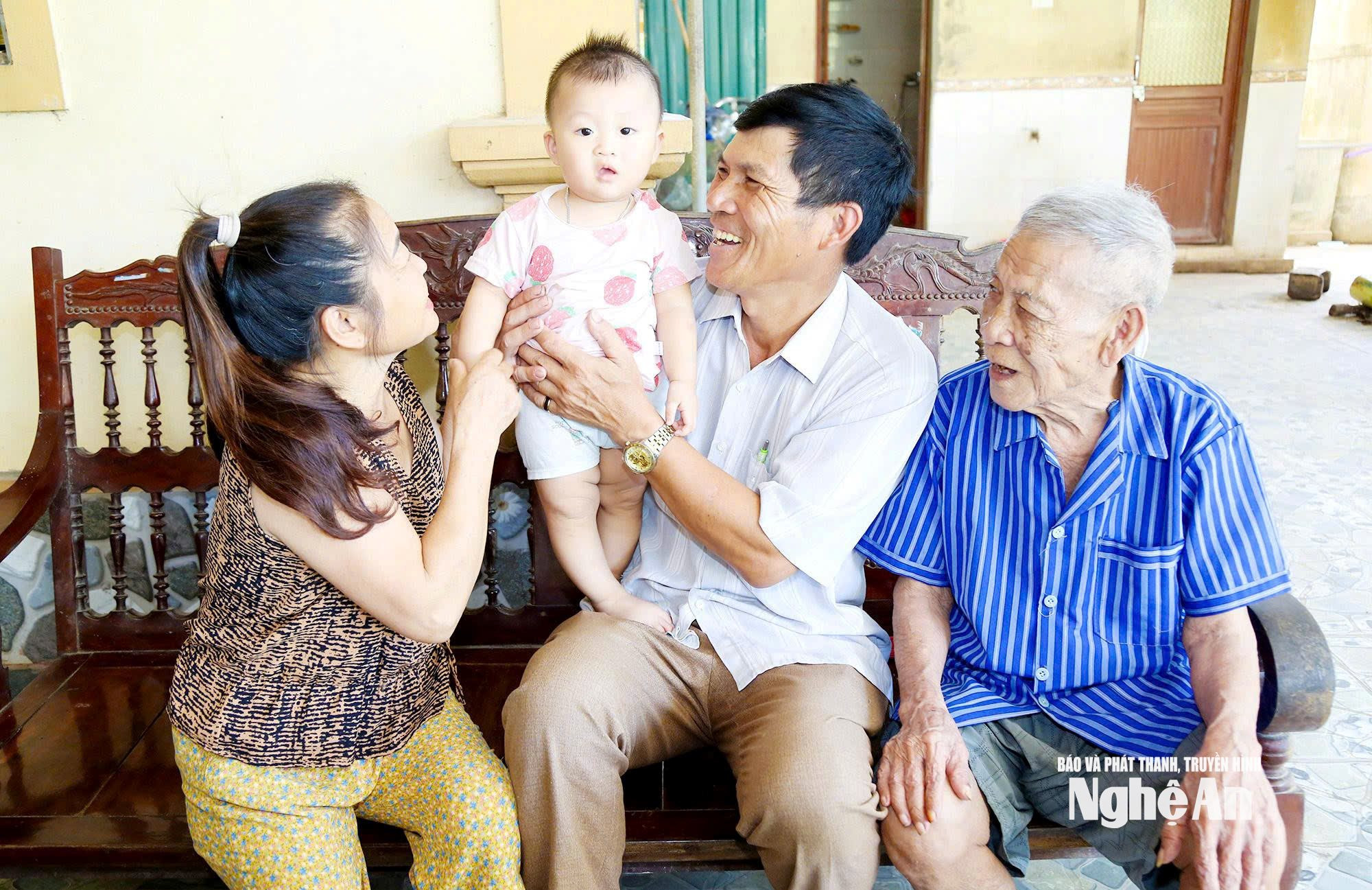
Family happiness doesn't always begin with grand gestures; sometimes it starts with very simple things: the husband joining in the kitchen to cook dinner, spending time listening to the children, or proactively sharing chores traditionally considered the woman's responsibility.
.png)
Thanh Quynh(Perform) /Present:Hong ToaiJune 28, 2026
*****
Family happiness doesn't always begin with grand gestures; sometimes it starts with very simple things: the husband joining in the kitchen to cook dinner, spending time listening to the children, or proactively sharing chores traditionally considered the woman's responsibility.
In a context where many family values are being impacted by the pace of modern life, changing the perceptions and actions of men is becoming one of the keys to building equal, loving, and sustainable homes.
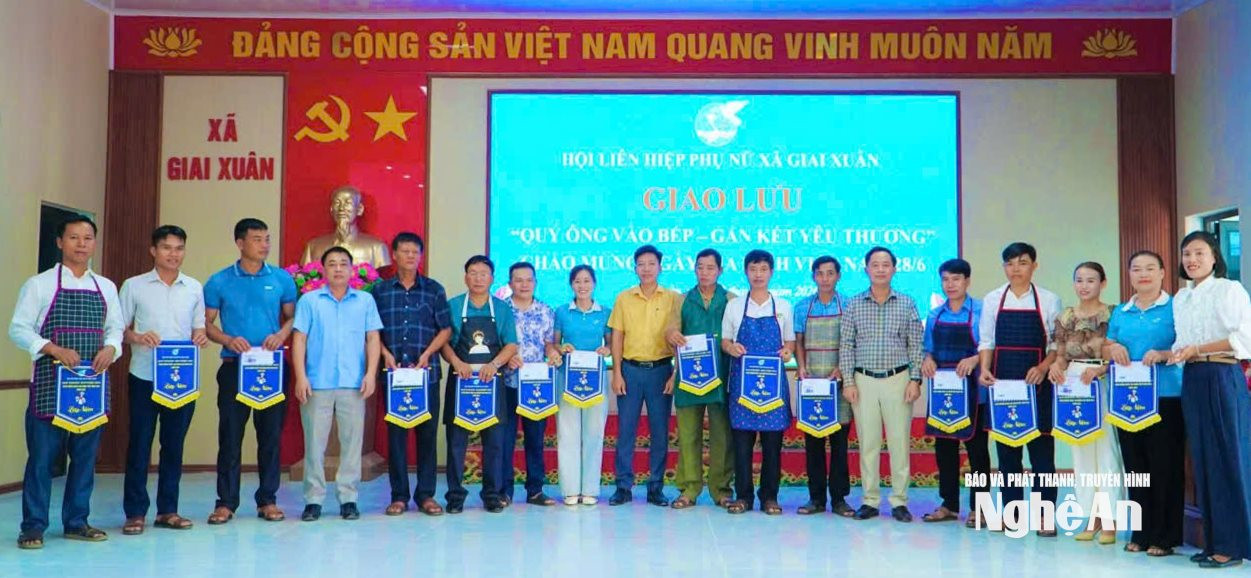
In early May 2026, the Nghe An Provincial Women's Union launched the "Men Leading the Way in Building Happy Families" model in Giai Xuan and Quan Thanh communes, with the participation of nearly 80 men representing 80 families. More than just a promotional model, this is also a forum for men to learn how to share, listen, and make changes starting from their own homes.
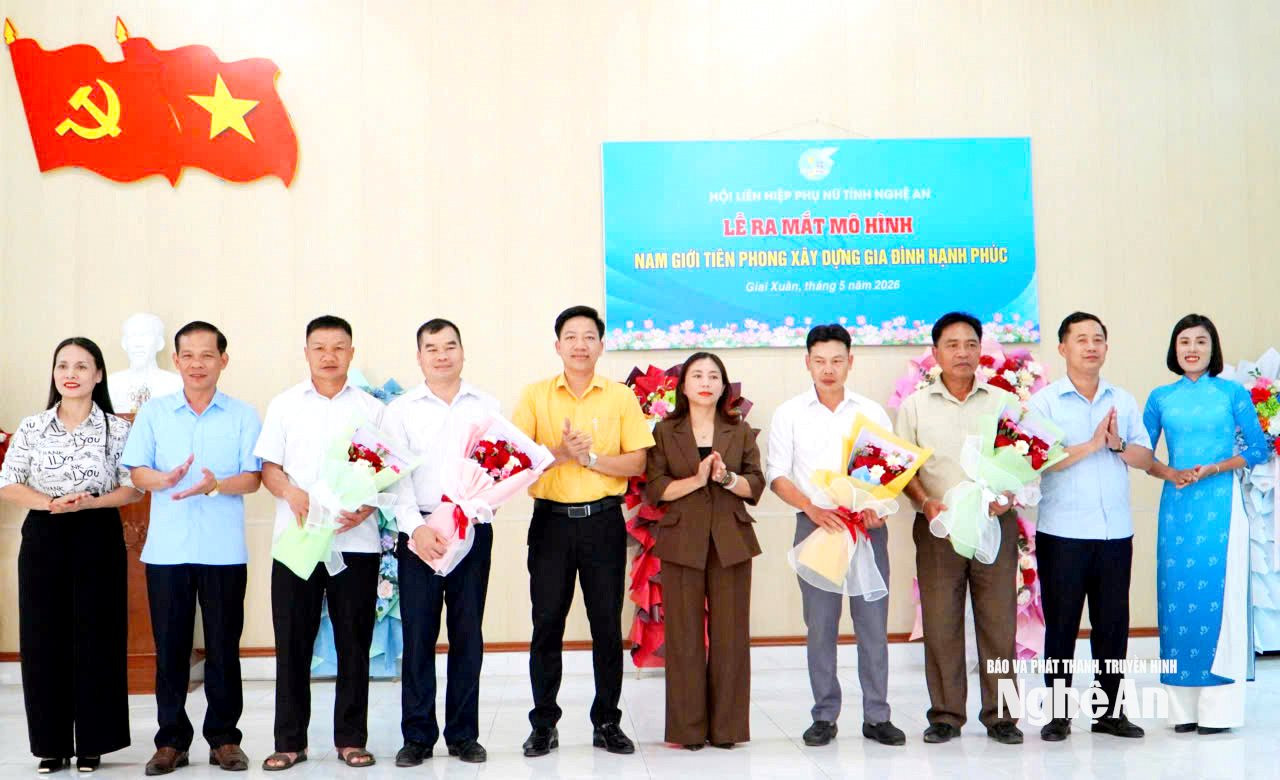
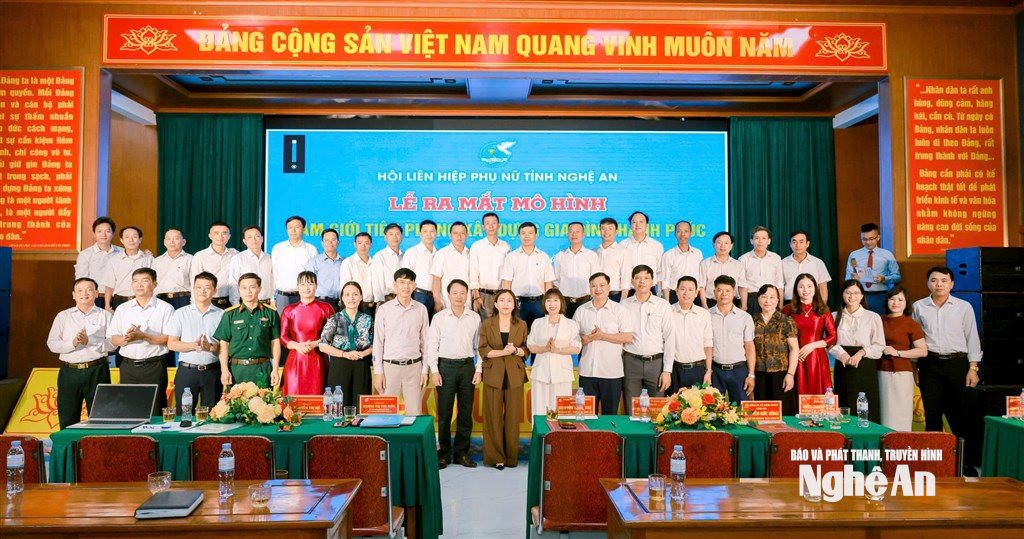
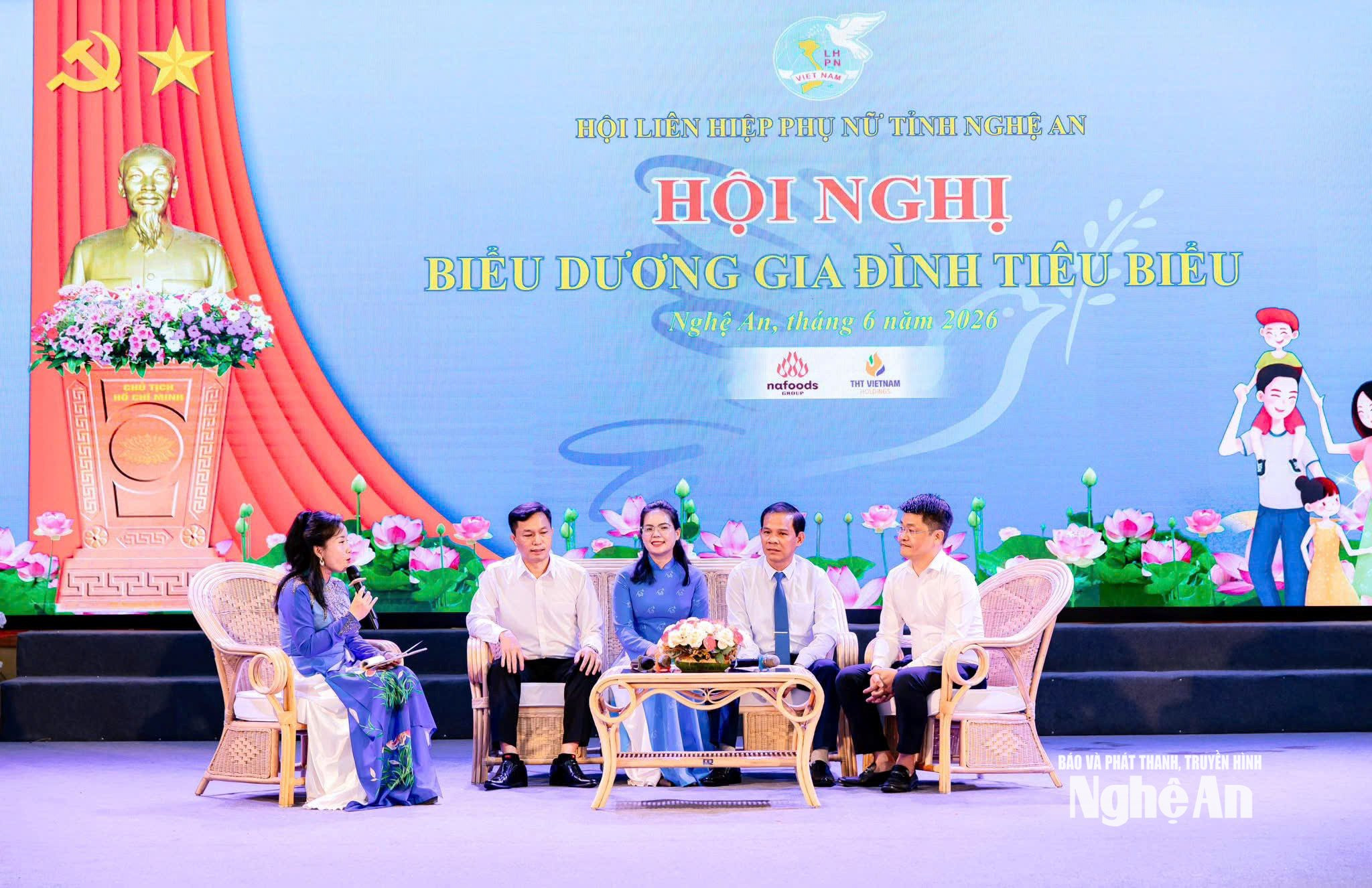
On the occasion of Vietnamese Family Day (June 28th), Nghe An Newspaper and Radio & Television had an interview with Mr. Dang Trong Trung and Mr. Nguyen Van Hoa - Heads of the Model Management Board in two localities - about their journey of changing perceptions, the difficulties in the implementation process, and the hope of spreading positive values from each family to the community.

Mr. Dang Trong Trung:In my opinion, the first thing that needs to change is the perception of the man's role in the family. Previously, many believed that simply earning a good living was enough to fulfill their responsibilities. But modern life demands more than that. A man should not only be the economic pillar but also a partner to his wife, close to his children, and contribute to creating a loving atmosphere in the family.
The first reason is that men hold the "key" to changing stereotypes. Historically, the biggest obstacle to gender equality and domestic violence has stemmed from the patriarchal mindset of some men. Therefore, the problem must be addressed where it lies. When men proactively change, the "wall" of stereotypes will crumble the fastest.
Secondly, it's about sharing the burden with women. In modern life, many women simultaneously participate in work, contribute to the economy, and shoulder the majority of household responsibilities. This "double burden" easily creates pressure, fatigue, and is a cause of marital breakdowns. When men take the lead in the kitchen and help with childcare, it's the most practical way to share the burden and restore balance to the family.
Finally, this model redefines "manliness." Traditionally, men have been pioneers in society, at social gatherings, or in their careers. But this model asserts: "Being a pioneer in protecting, caring for, and nurturing one's small family is the true mark of a man." This pioneering spirit earns them absolute respect from their wives and love from their children.
Mr. Nguyen Van Hoa:In my opinion, "pioneering" is primarily demonstrated by a man's clear understanding of his role in creating a harmonious family atmosphere. This involves proactively changing behavioral habits, controlling his ego, avoiding imposition, and maintaining a positive attitude in all situations.
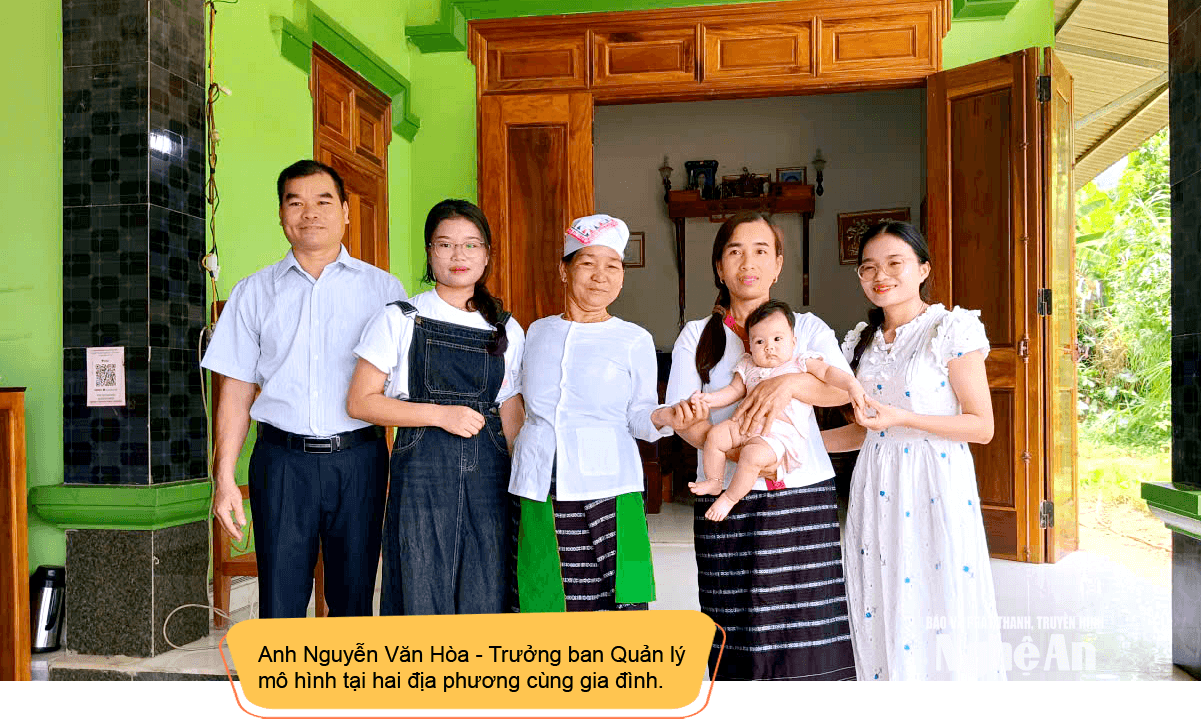
Being a pioneer also means demonstrating responsibility through concrete actions, from caring for children and sharing household chores to how family members interact with each other. These things may seem small, but they have a huge impact on the bond and shared emotions of the whole family.
More importantly, when men fulfill their roles effectively, family stability and happiness are strengthened, thereby creating a foundation for positive values to spread throughout the community.

Mr. Dang Trong Trung:What troubles me most is that many families don't fall apart because of a major event, but rather are fractured by subtle, underlying distances.
In rural areas, the pressure of making a living forces many people to work far from home. Couples have limited opportunities to be together, and children lack the companionship of either parent. This prolonged geographical distance, if not compensated for by care and sharing, can easily lead to emotional distance.
Another reality is that in many families, men still believe that earning money is their primary responsibility, while childcare, housework, and caring for parents are the women's duties. This mindset leads many wives to shoulder "two roles," simultaneously earning money and managing all household chores.
In reality, happiness doesn't come from who does more, but from each person knowing how to share. Preparing a meal together, helping the children with their homework in the evening, or simply spending time listening to each other after a long day at work is enough to keep the home warm and loving.
In my opinion, a man's true character today doesn't lie in always being right or always being strong, but in his ability to listen, to protect his wife and children from outdated prejudices, and to be wise enough to say no to violence, alcoholism, gambling, or other habits that could harm his family.
Mr. Nguyen Van Hoa:Since the model was established, what I've noticed most is that many men were initially quite hesitant to participate. Some said, "I already know how to do housework, why do I need to learn?" Others were embarrassed because they were afraid of being teased by their friends for "being a man and talking about cooking all the time."
But when they sat down together and shared very ordinary stories, they realized they weren't the only ones struggling to balance work and family.
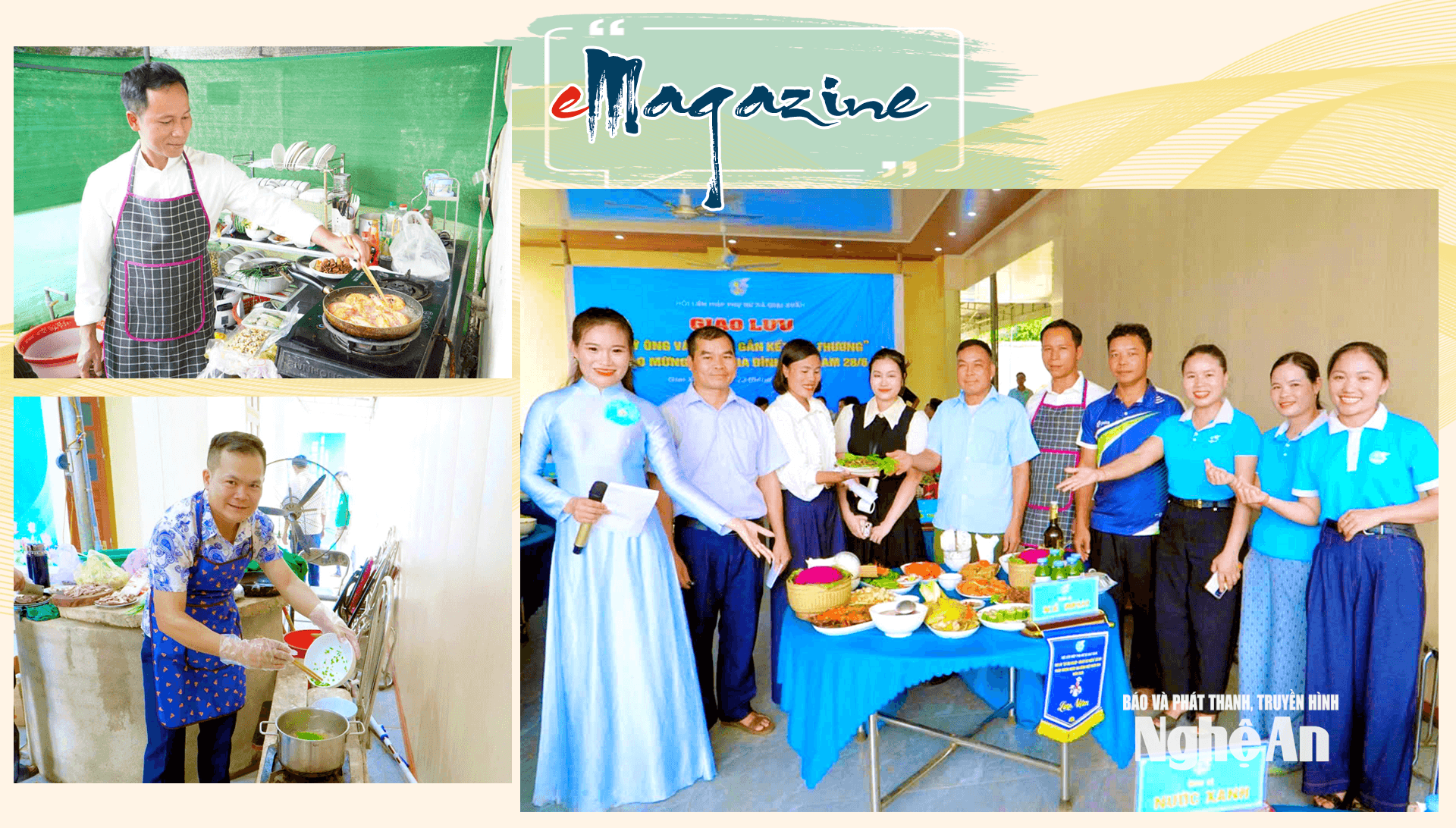
The good news is that after each meeting, many members have started to change in very small ways: proactively taking their children to school, cooking weekend meals with their wives, or spending more time talking with family members.
In my opinion, family happiness doesn't come from grand gestures. It's built on small changes that are maintained every day.
Mr. Dang Trong TrungIn my opinion, many people still think that love requires a lot of sacrifice. But if only one person is always giving in and bearing all the burdens, sooner or later they will get tired.
A man shouldn't consider keeping all his stress bottled up as a sign of strength. Sometimes, simply telling his wife, "I'm tired today," or proactively asking her to share a work-related difficulty, is a very valuable act of trust.
Conversely, women shouldn't get used to silently enduring things. When something displeases them, they should speak up so their husbands understand, instead of keeping it to themselves and creating distance between them.
I've always believed that a happy family isn't one where one person makes the most sacrifices, but one where no one has to sacrifice alone.
Mr. Nguyen Van Hoa:During our meetings, we often ask the guys a very simple question: "When was the last time you thanked your wife?" Many people laugh because... they can't remember.
In fact, change doesn't start with big things. Simply checking in on each other after a day's work, apologizing when angry, and expressing gratitude for seemingly ordinary things can make a huge difference in the family atmosphere.
I think that when both husband and wife are willing to share their feelings instead of trying to suffer alone, the family will become a place everyone wants to return to.

Mr. Dang Trong Trung:I hope that one day, men sharing childcare, cooking, and household chores will be considered normal, rather than something to be "praised."
What we aim for is not short-term movements, but a change in perception. When men change, women are given more responsibilities, and children grow up in love and respect for each other, that will be the greatest success of the model.
To achieve this, in addition to the efforts of each family, the support of the government, organizations, and the community is essential to ensure the model has the conditions to maintain its activities, provide skills training, and spread inspiring stories to more localities.
Mr. Nguyen Van Hoa:What makes me happiest isn't how many more members the model has, but that after each meeting, many of them start bringing what they've learned back to their own families.
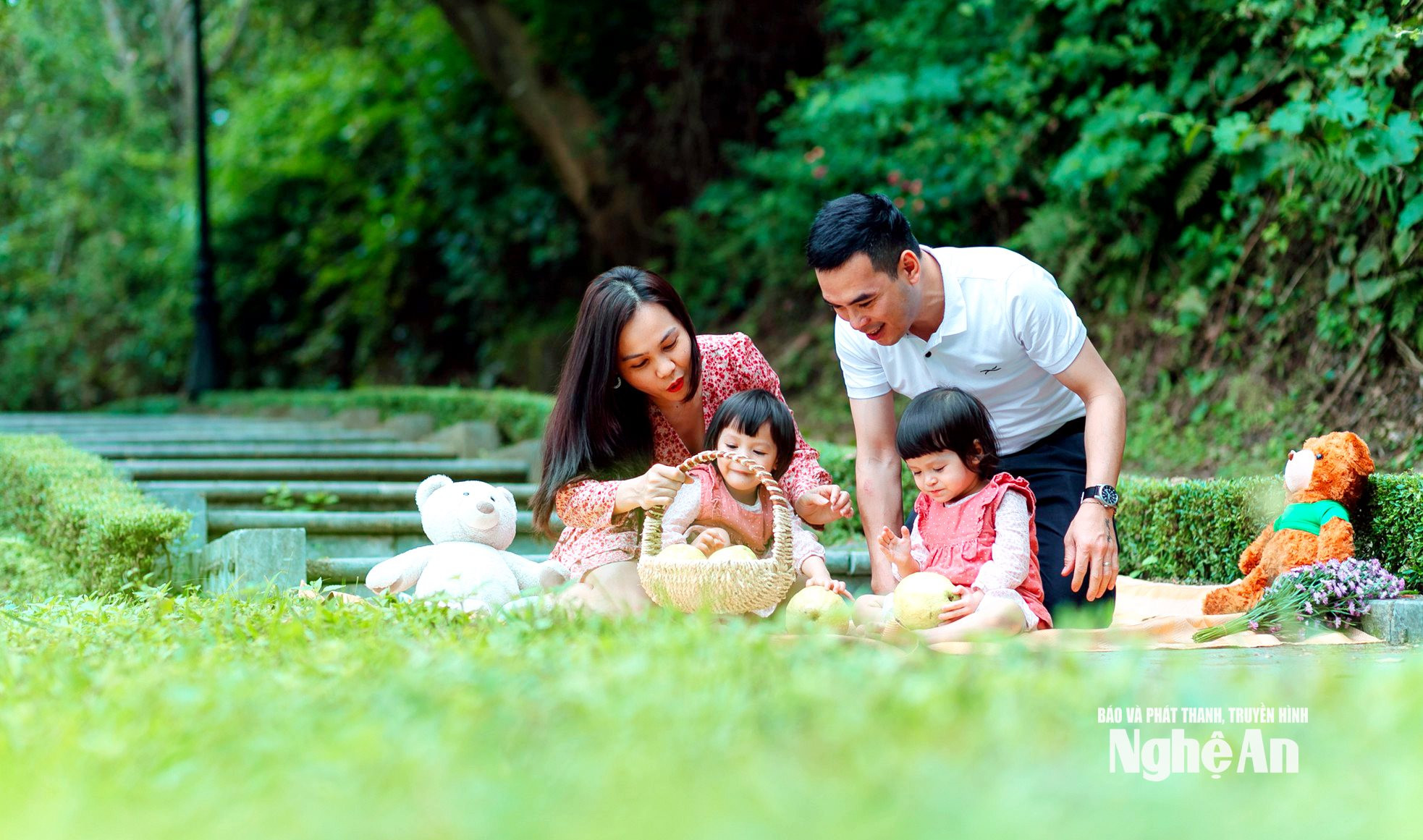
Some men say they've learned to apologize to their wives after every outburst of anger. Others have taken the initiative to take their children to school for the first time or help prepare weekend meals. These changes are small, but they are what truly determine a family's happiness.
I believe that when a man changes, it's not just one family that changes. His wife and children are happier, the children grow up in a more positive environment, and those good values will continue to spread to many other families.
Mr. Dang Trong Trung:Family is a place to return to, not a place to vent anger. As a man, sometimes all it takes is refraining from saying a harsh word, listening more, or proactively sharing household chores to maintain peace in your home.
Mr. Nguyen Van HoaDon't think of love as something grand. Start today with a meal with your family, a conversation with your children, or a thank you to your spouse. Happiness is always built from the smallest things.


