
When Cờn Temple is "recreated" through the language of cinema.
Driven by love and pride for their homeland's heritage, the people of Quynh Mai have come together to create the 9-episode series "Corn Temple - The Sacred Soul at the Seaport". More than simply recreating history and culture through narration, the film uses modern cinematic language to bring the more than seven-century-old temple closer to the public, especially the younger generation.
Driven by love and pride for their homeland's heritage, the people of Quynh Mai have come together to create the 9-episode series "Corn Temple - The Sacred Soul at the Seaport". More than simply recreating history and culture through narration, the film uses modern cinematic language to bring the more than seven-century-old temple closer to the public, especially the younger generation.

The sound of the bells at Cờn Temple each morning has accompanied generations of people in the coastal region, bidding farewell to ships setting sail and welcoming back those returning from long voyages. At the point where the Mai Giang River meets the sea, the ancient temple, over seven centuries old, stands serenely beneath the canopy of ancient trees. More than just a valuable architectural structure, Cờn Temple is also a spiritual anchor deeply intertwined with the religious life of the coastal inhabitants.
But what would become of heritage if it remained only in the pages of history books or on propaganda billboards? From this concern, the 9-episode series "Cờn Temple - The Sacred Soul at the Seaport" was born, opening up a new approach in cultural communication, bringing the story of heritage to the public through the language of cinema.
Unlike traditional documentary filmmaking, which focuses on commentary and narration, the nine episodes are structured as short films, aligning with digital media trends. The length is concise, the narrative pace flexible, and each episode focuses on a specific aspect of the heritage, creating a seamless journey of discovery.
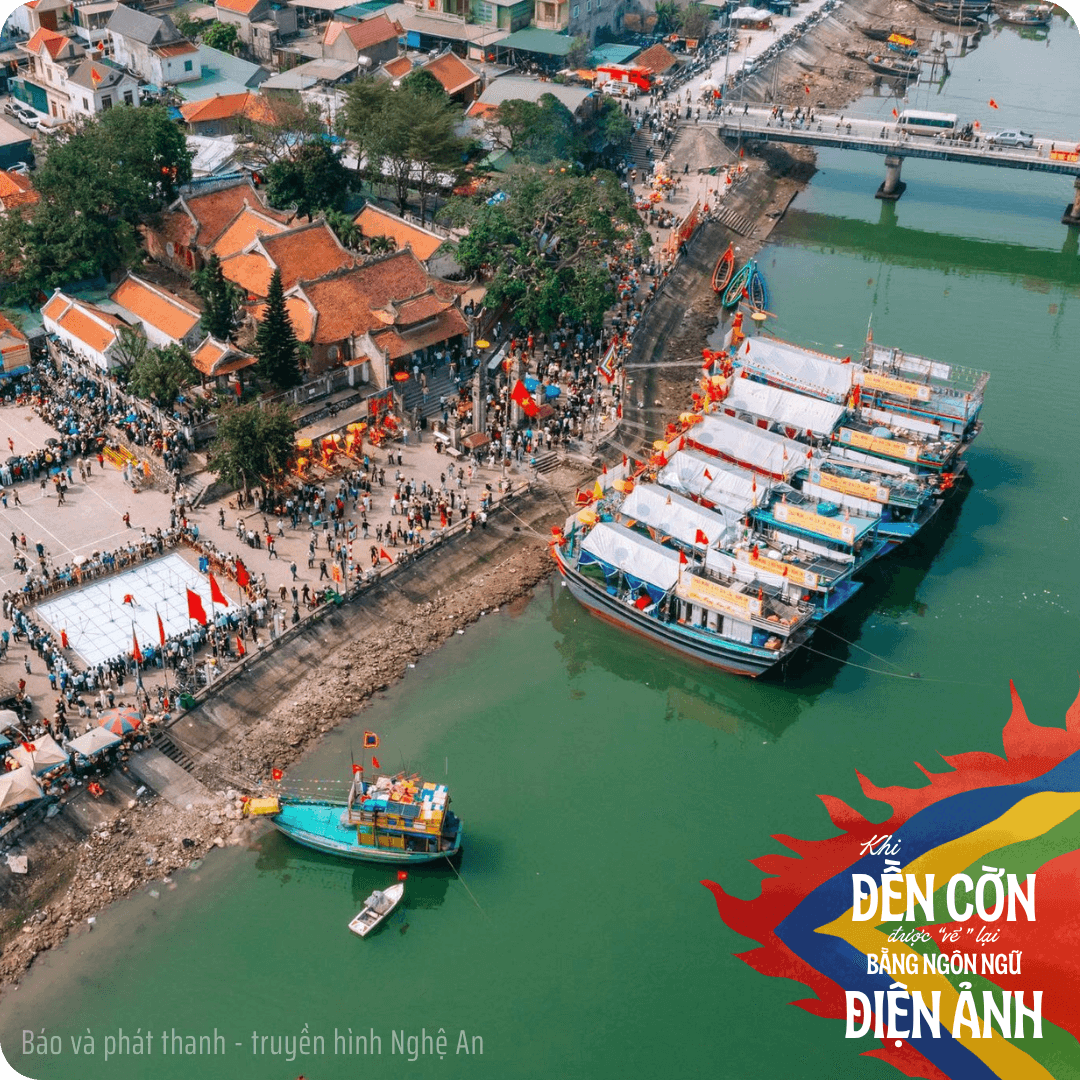
The visual language is a highlight of the film. Aerial shots reveal the Mai Giang River, the estuary, and the ancient temple roofs; while close-up shots bring viewers closer to every detail of the relics: the time-worn wood grain, the moss on the roof tiles, the carvings on the stone statues, or the gilded Han Nom characters on the horizontal plaques and couplets.
That atmosphere is enhanced by realistic sounds: the sound of ocean waves, the wind, the temple bells, the drums and gongs in the rituals at the House of Dance and Music. In particular, the film makes room for moments of silence when the commentary is restrained, allowing the images to tell their own story. The smoke from the incense in the early morning sun, the fallen leaves on the temple grounds, or the face of the temple caretaker become details that create emotional depth.
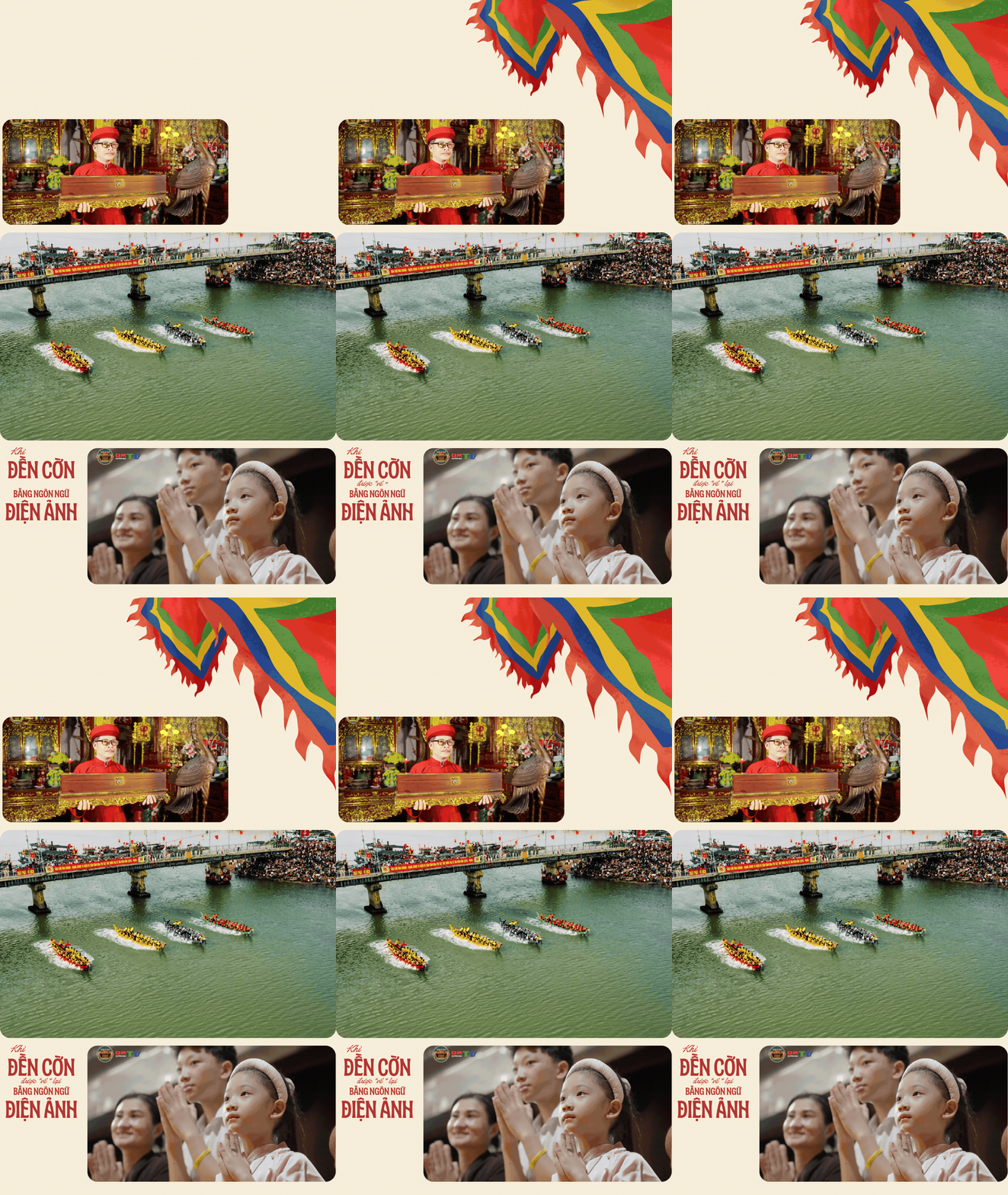
Another noteworthy aspect is the choice of narrators. The combination of Nguyen Phuong Anh, a young student, and the long-time caretaker of the Corn Temple creates a dialogue between two generations. Phuong Anh is portrayed as a young person returning to explore her roots. The temple keeper, on the other hand, is a witness to time, calmly recounting stories connected to the historical site. Conversations on the temple's veranda, under the ceremonial gate, or beneath the ancient banyan tree make the historical narrative more relatable.
Alongside them are ordinary people – the residents living within the heritage space. A fisherman mending his nets before a fishing trip, an elderly woman offering incense, a child with clasped hands before an altar, or students diligently taking notes in their notebooks… They don't appear as staged actors, but tell the story of the heritage from their own experiences and emotions.
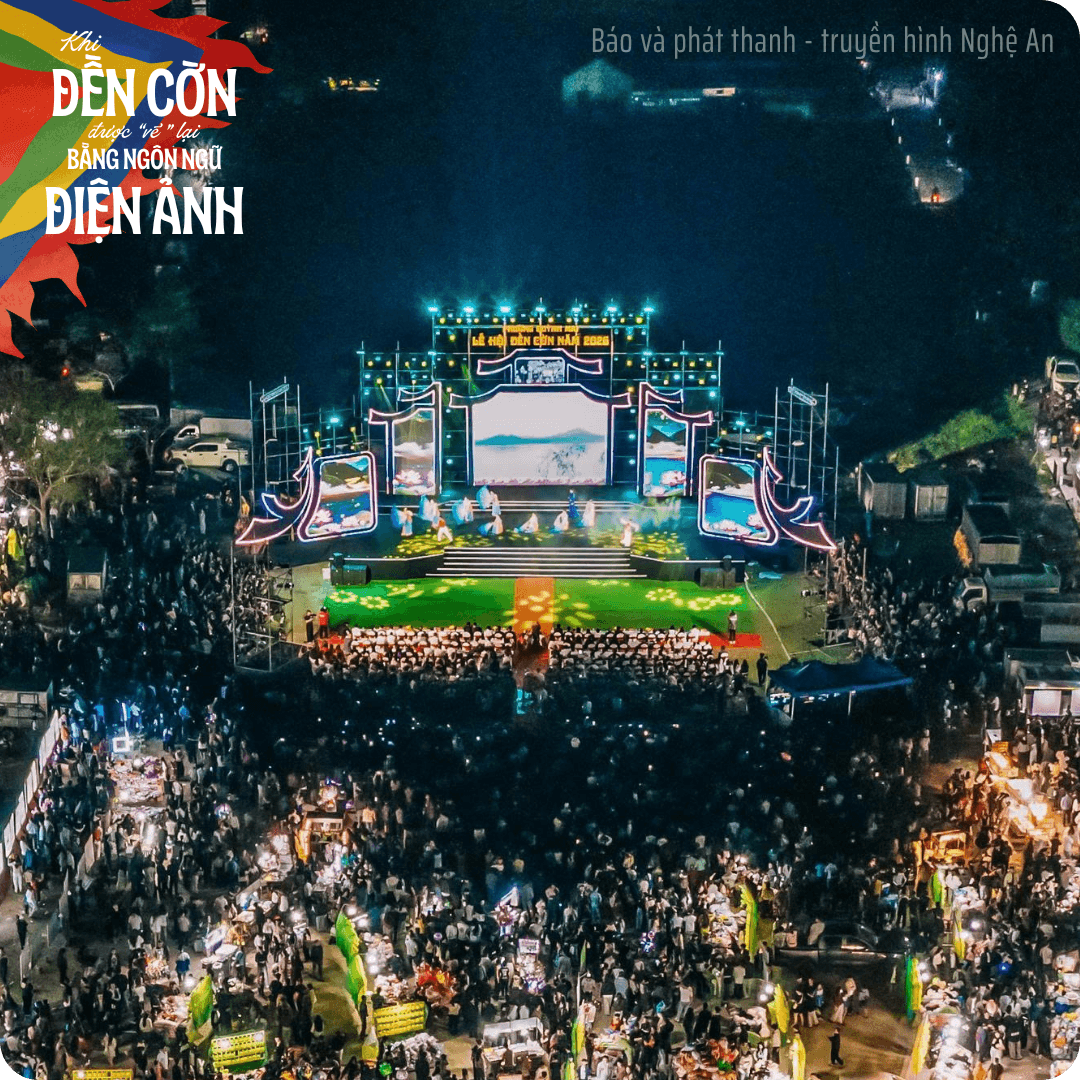
The entire nine episodes are strung together as a journey of discovery, exploring the physical space and the cultural and spiritual depth of Cờn Temple. Starting with the story of the temple's special location by the sea, the series takes viewers down the Mai Giang River, exploring the legend of the Four Holy Mothers through Hán Nôm documents and royal decrees; thus explaining the role of Cờn Temple in the spiritual life of the coastal inhabitants. The journey continues through the ceremonial gate, the stone statues, the performance hall, the system of horizontal plaques and couplets, and the main hall. One of the most striking images is the large bronze bell bearing the marks of war, thus opening the story of historical upheavals and the value of peace.
The journey concludes with a message about the responsibility of today's generation in preserving and passing on heritage.

Behind the nine episodes lies a process nurtured by the love of heritage of the people of Quynh Mai. Instead of presenting heritage only through familiar forms, the team chose cinema as a new storytelling method, in which the local community becomes the subject of the story.
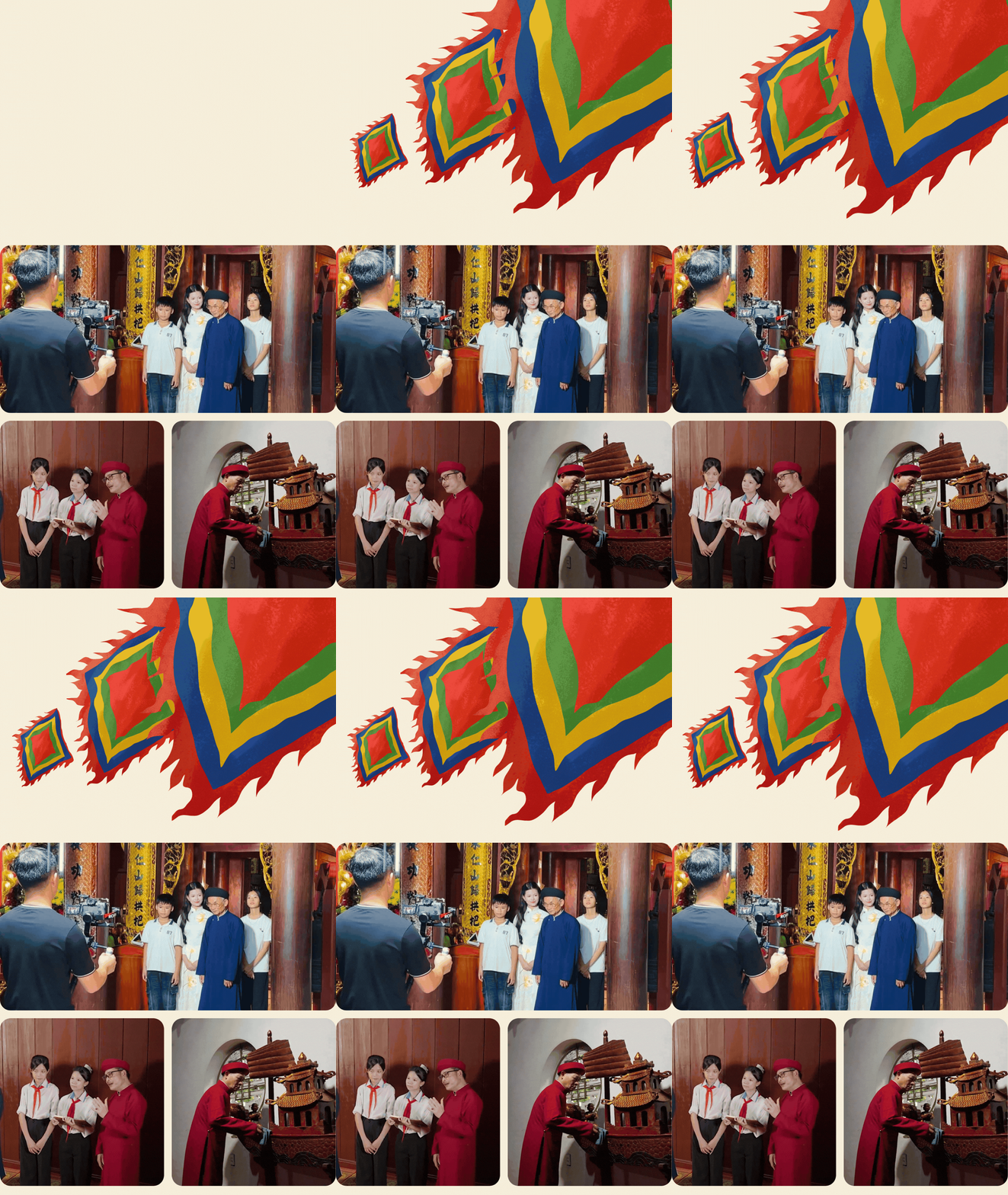
Nguyen Phuong Anh, a student from the Faculty of Literature at Vinh University, serves as the narrator throughout the series. Having excelled in History and Literature and having participated in numerous presentations about historical sites in her hometown, Phuong Anh has a strong connection to the Corn Temple.
Recalling her time on the project, Phuong Anh said she was initially quite nervous, especially since filming coincided with waiting for her university entrance exam results. However, the closeness and encouragement from the crew helped her gradually gain confidence. “I asked my parents about anything I didn't understand, which made things less daunting during the filming process. The days of filming were tiring but very enjoyable and left me with many memories. What I liked most was being able to express myself naturally, without feeling forced. This is a very memorable experience for me,” Phuong Anh shared.
The love for heritage is also present in the people who care for Cờn Temple every day. The temple keepers, priests, and members of the monument management board who have been associated with the temple over the years have contributed materials, stories, and memories to help the film crew complete the film.
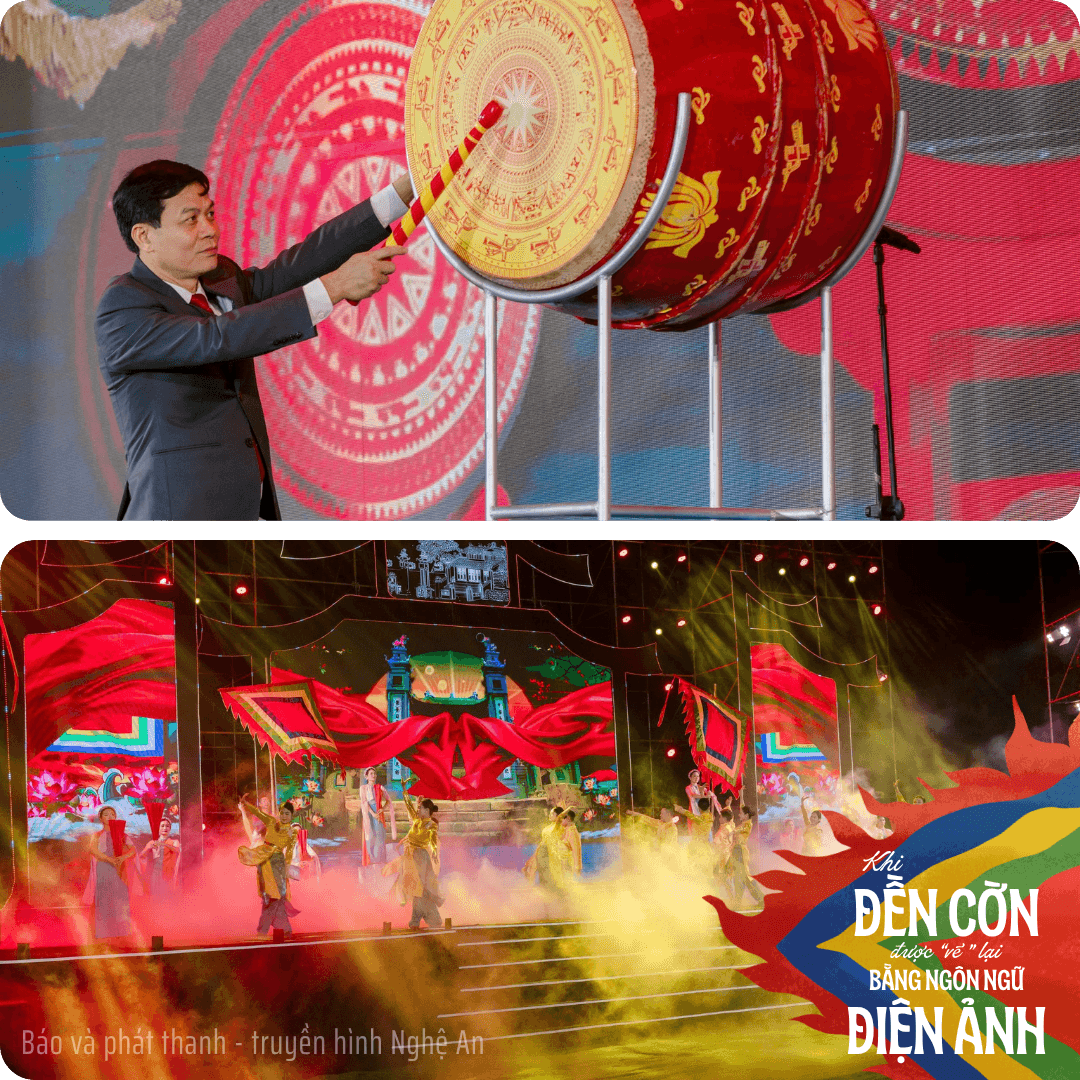
The project is supported by the local government. Ms. Nguyen Thi Ha, Vice Chairman of the People's Committee of Quynh Mai Ward, believes that the proactive participation of the people in telling the story of the heritage is a practical way to spread the value of Corn Temple. “The local government always acknowledges and appreciates the efforts, voluntary contributions, and love for heritage of the people of Quynh Mai towards Corn Temple. The film is the culmination of the Party's will, the people's hearts, and the wisdom of young people, helping the heritage story become a vibrant source of pride for the community,” Ms. Ha shared.
A notable value of the project is its ability to integrate heritage into local education. When stories about Cờn Temple are told through familiar images, sounds, and characters, students can access history right within the familiar cultural space of their homeland. The traces of time on the ceremonial gate, the sound of the temple bells, the story of the Four Holy Mothers, or the bomb marks on the Great Bronze Bell are therefore no longer dry pieces of information. They become concrete examples for the younger generation to learn about the history, culture, and traditions of the place where they live.
If utilized in local educational activities, the nine episodes could become a visual form to help students better understand their heritage and develop an awareness of preserving the cultural values of their homeland.
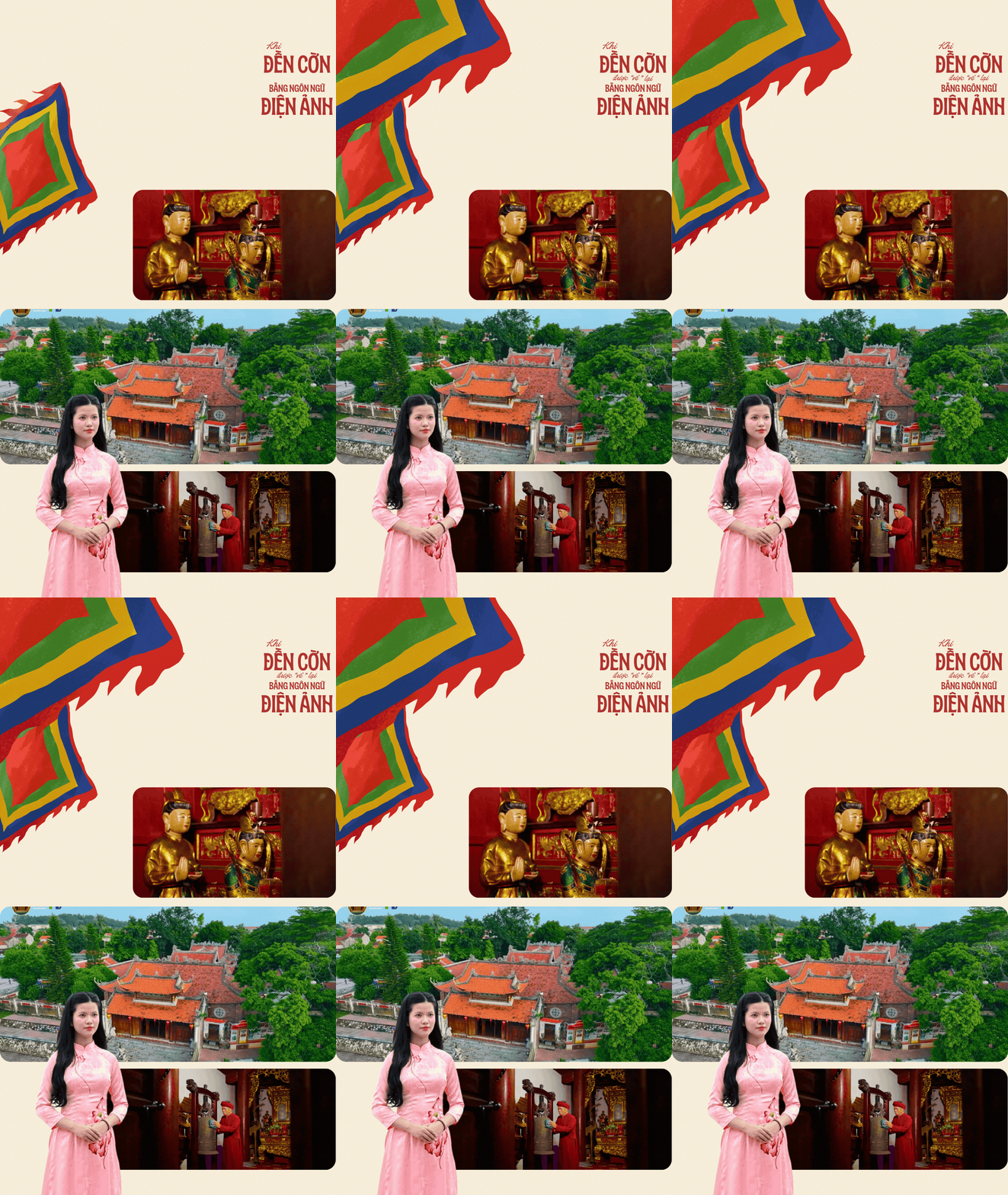
As the final frames reveal a panoramic view of Cờn Temple, the Mai Giang River, and the estuary, the temple bells ring out again. The film ends, but the story of heritage continues – in the lives of the community, in the memories of the people, and in how today's young generation receives, preserves, and passes on the values of their ancestors.
Through a new storytelling approach, the people of Quynh Mai have contributed to "recreating" the Cờn Temple using the language of cinema – so that the heritage is not only seen again, but also felt, discussed, and continued in today's life.


