
When should you replace your car battery?
The battery is the "heart" that powers a car's engine. But unlike the engine, it has a limited lifespan. So how do you know when to replace your battery before your car unexpectedly breaks down?
You're eagerly anticipating a weekend trip to visit family. Your luggage is neatly packed in the trunk, the gas tank is full, and you believe nothing will hinder your journey. But the moment you turn the key or press the start button, all you hear is a faint clicking sound. The car won't start. At this point, you probably think of the battery. But how do you know if it just needs a jump start, or if it's time to replace it?
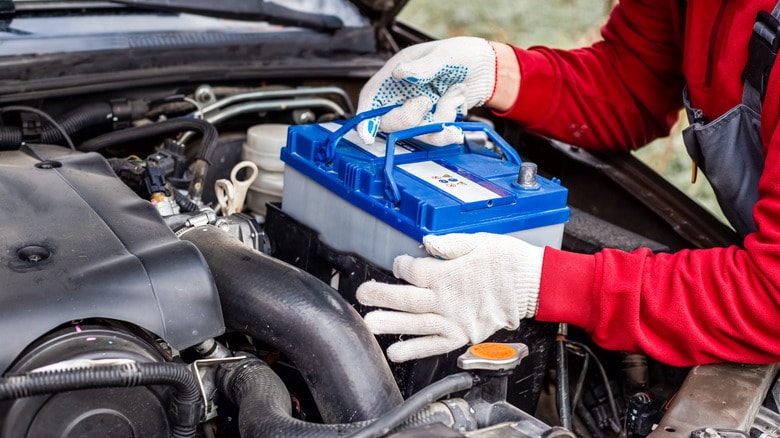
Before concluding, it's important to consider the battery's lifespan. According to the American Automobile Association (AAA), car batteries typically last 3 to 5 years, depending on usage. However, a new battery doesn't guarantee it won't have problems; just one night with a leakage current from the auxiliary system can cause the battery to "die," even if you've completely turned off the engine.
Some seemingly harmless driving habits, such as forgetting to turn off the headlights or leaving the radio on for too long, can also contribute to battery drain. In addition, factors such as faulty charging systems, constant vibrations during driving, or extreme ambient temperatures can also reduce battery lifespan.
AAA also notes that batteries operating in hot climates tend to degrade faster than those in cold environments. Therefore, understanding the signs and conditions that affect battery performance will help you decide when to simply recharge or when it's time to replace the battery.
Warning signs that your car battery is about to fail.
Before the car completely fails to start, the battery will usually give the driver several warning signals. The most obvious and easily recognizable sign is the battery warning light illuminating on the dashboard. Of course, there are many reasons why this light comes on, from the charging system to the wiring, but if other factors have been ruled out, it is highly likely that the battery is weak, damaged, or nearing the end of its lifespan.
Besides the warning light, several other symptoms are also worth noting. Unusually dim headlights, especially when the engine is idling, are a common indicator. Slow engine start, weak RPM, or strange noises during starting are also signs that the electrical current is no longer strong enough to start the vehicle.
Visually, a failing battery may appear abnormally swollen, often due to overcharging, a common cause being a malfunctioning voltage regulator in the alternator. Corrosion on the battery terminals, especially the appearance of white or green crystals, is also a warning sign. And if you've ever had to jump-start your car, only for it to stall after a few minutes, it's almost certain the battery is no longer able to hold a charge and needs replacing as soon as possible.
When should you jump-start a car battery, and when should you replace it with a new one?
Modern vehicles are often equipped with advanced diagnostic systems that can automatically check battery status and provide warnings when replacement is needed. This eliminates much of the guesswork and gives users greater peace of mind during use.
However, with older cars that lack this monitoring system, drivers are forced to rely on physical and sensory signs such as a swollen battery, difficulty starting the car, weak headlights, or electrical devices like power windows malfunctioning, to know when the battery needs replacing.
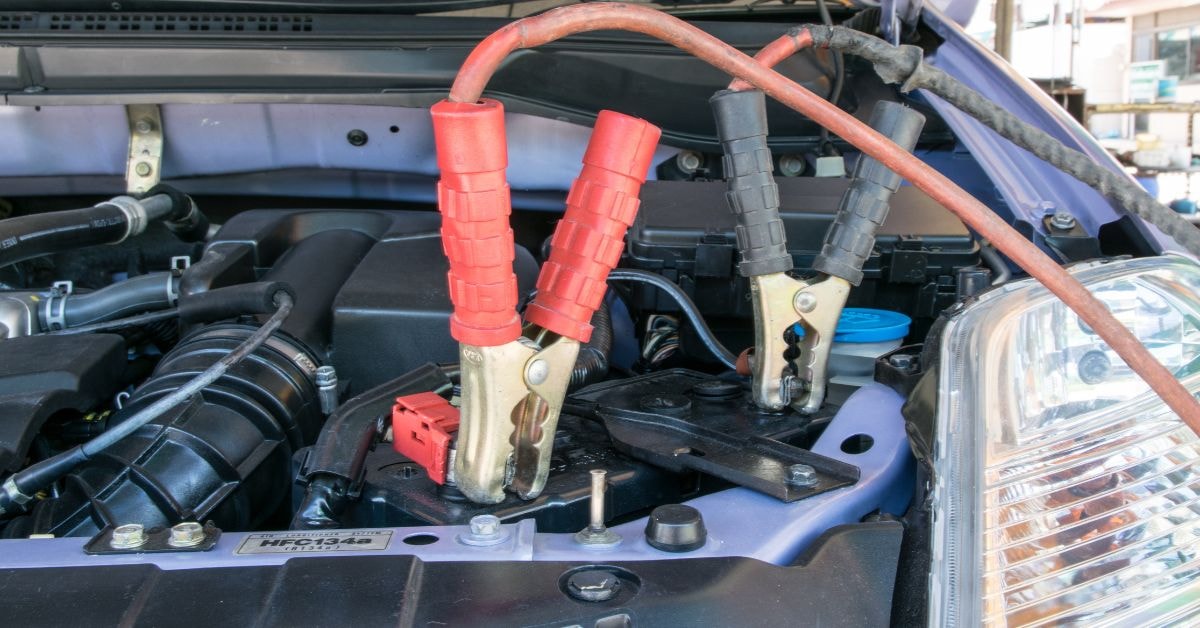
Photo: Internet
For a more accurate check, a multimeter will be a great help. This is a simple but effective electrical measuring device that allows you to check the battery voltage. A healthy car battery, when fully charged, will have a voltage of approximately 12.6 volts or higher. If the reading is lower than this, the battery may be weak or running low.
However, it's important to remember that while a weak battery can be recharged and temporarily used, this is only a short-term solution. After years of operation, the battery's capacity will gradually decrease and it will no longer be able to hold a charge as effectively as before.
At that point, continued charging will only last for a very short time, and the risk of being "left behind" mid-journey due to the familiar clicking sound during startup will always be lurking. To avoid unwanted situations, it's best to proactively replace the battery when you notice clear signs of degradation; it's a small investment that will give you peace of mind on every journey.


