
When the neighborhood "leaders" are young people.
In many localities throughout Nghe An province, young cadres are gradually taking on important positions at the grassroots level. With their youthful energy, dynamism, ability to apply technology, and spirit of innovation, they are contributing to improving the effectiveness of the political system right from the grassroots.
Youthful energy in challenging environments
In Dong Minh Hamlet, Tan Mai Ward, where more than 700 households primarily rely on fishing for their livelihood, the local life is undergoing significant changes as a series of large-scale projects are being implemented, including the Quynh Lap LNG Thermal Power Plant project. Surveying, land clearance, and the construction of resettlement areas have significantly increased the workload at the local level. Furthermore, with a large number of young people working elsewhere, many issues arise that require consensus and timely resolution.
In this context, Ms. Mai Thi Gai, a young Women's Union official, was elected by Party members and the people to serve as Secretary of the Dong Minh Party Branch. Upon assuming her new role, Ms. Gai admitted to feeling somewhat overwhelmed by the large area, the numerous tasks, and the direct impact on people's interests. However, she determined that to achieve consensus, she must first be close to the people, listen to them, and promptly address issues arising at the grassroots level. According to her, while young people may lack experience, they have the advantage of a willingness to learn, the ability to access information, and the quick adaptation to new demands. The guidance of senior officials also boosted her confidence in undertaking the work.
Mr. Tran Xuan Sanh, former Head of the Allied Bloc, said he felt completely at ease handing over his duties to the younger generation. According to him, what the younger generation mainly lacks is life experience and the ability to handle situations arising at the grassroots level. Therefore, retired officials are always ready to share their experiences and practical lessons to equip their successors with the necessary tools to successfully complete their tasks. The combination of the experience of the older generation with the youthful energy and innovative thinking of the younger generation is creating a harmonious transition in many residential areas.
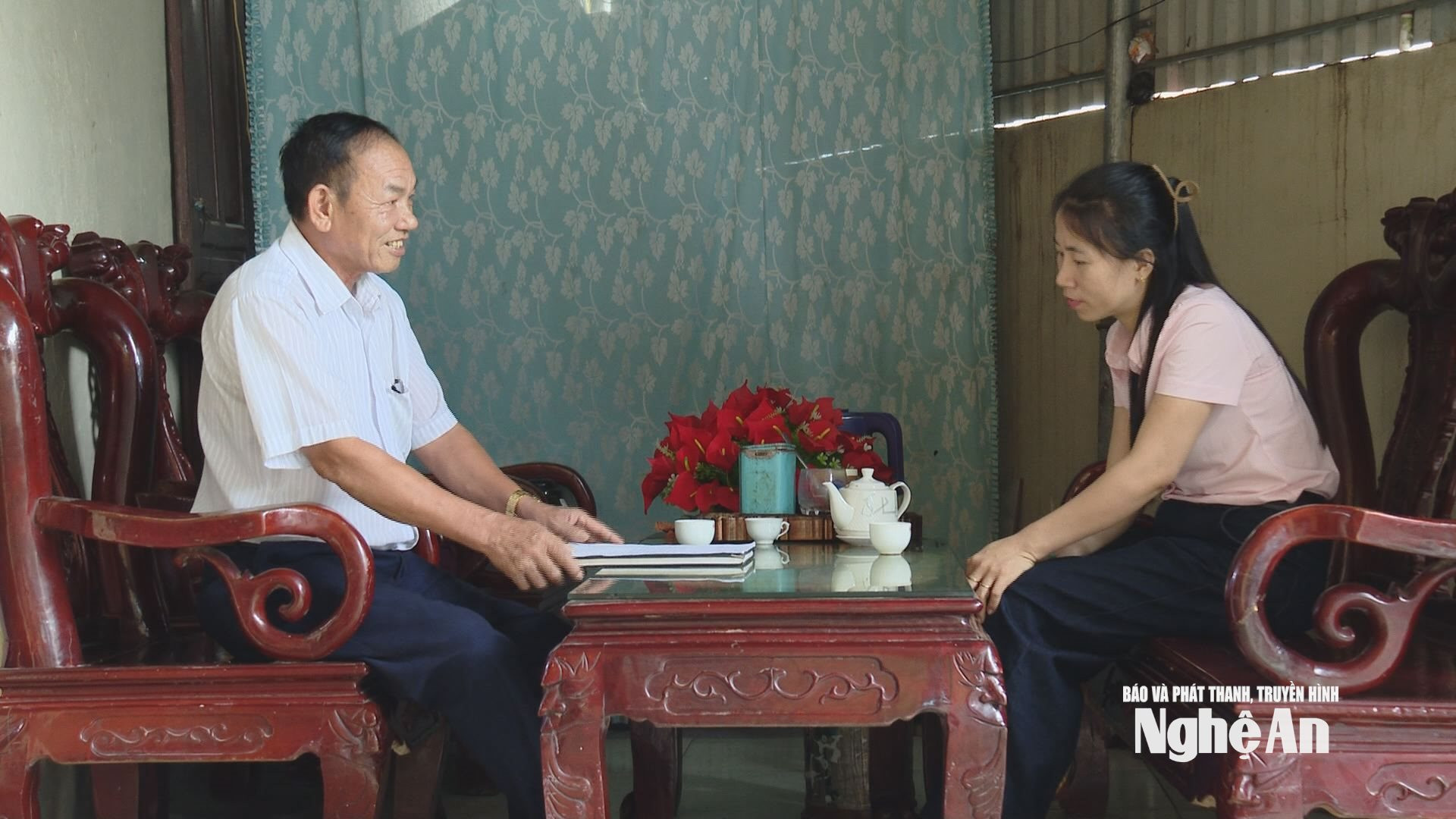
Getting closer to the people through technology, innovating starting from small things.
While in coastal areas young officials often deal with issues related to large-scale projects, in Quang Long hamlet, Quang Dong commune, the focus is on developing production and building new rural areas. Quang Long hamlet currently has nearly 500 households, whose livelihoods mainly depend on agriculture and forestry. After the merger of Quang Long and Tien Phong hamlets, all three key positions – Party Branch Secretary, Hamlet Head, and Head of the Fatherland Front Committee – are held by young, university-graduated officials. This is considered an advantage as the locality is gradually developing high-tech agricultural models and digital transformation in management and production.
According to Mr. Phan Duc Tu, head of Quang Long hamlet, the large area and dense population mean greater work pressure. However, instead of relying solely on traditional methods, he proactively built a Fanpage and established Zalo groups for each residential area to quickly disseminate information about policies, meeting schedules, production support programs, and to receive feedback from residents. Thanks to the application of information technology, many announcements are delivered to residents in a timely manner, saving time and improving management efficiency. Content about digital transformation, administrative reform, and new policies is also disseminated more quickly.
Beyond administrative work, young officials actively seek out effective production models, directly visiting high-tech agricultural models to learn from their experiences. They then introduce and guide local people in researching and applying these models to suit local conditions. From creating Zalo groups and using social media for dissemination and updating administrative procedures online, young officials are gradually innovating administrative methods at the grassroots level, bridging the gap between the government and the people.
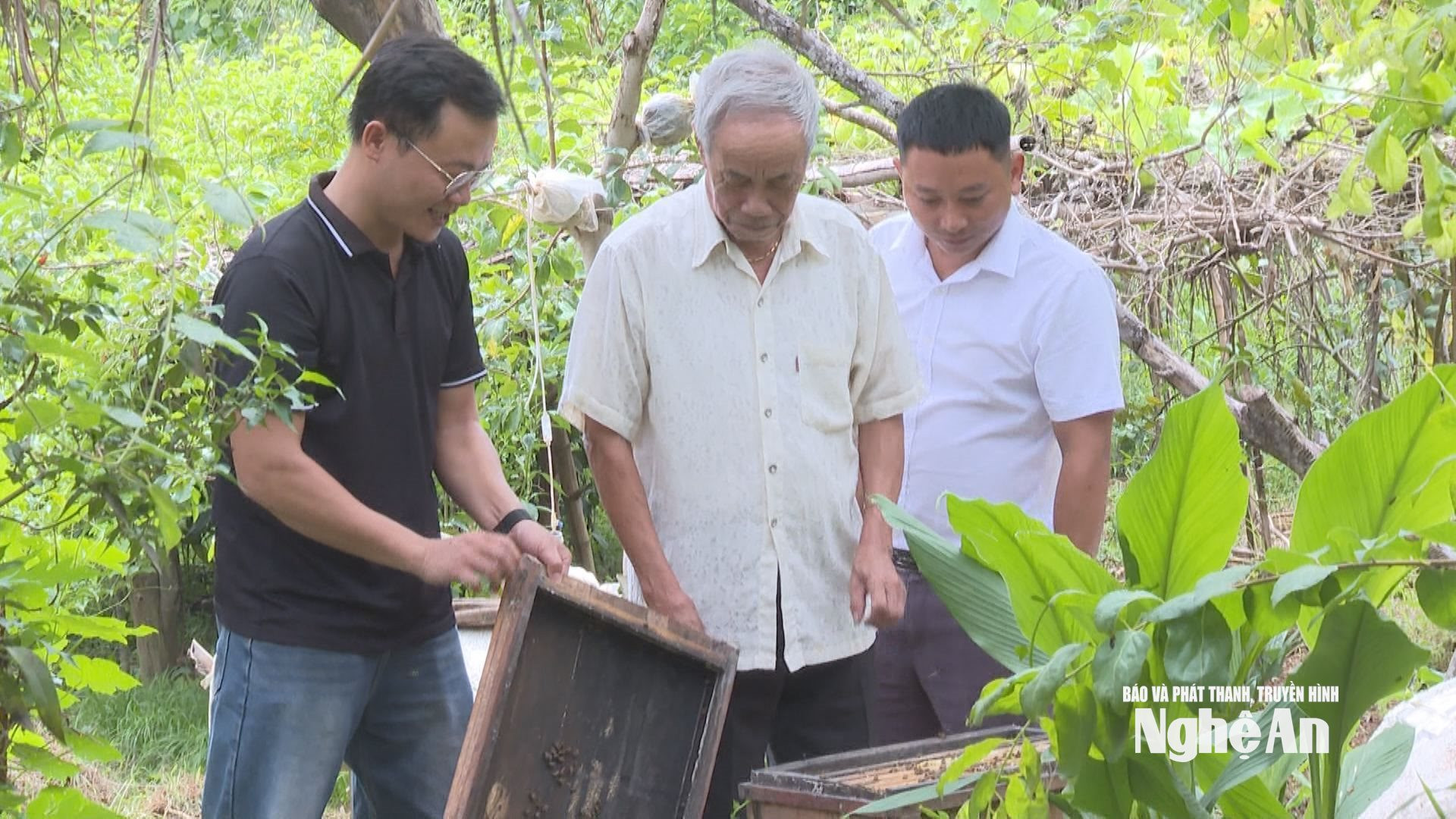
A bridge to bring policies into practice.
In mountainous communes, rejuvenating the grassroots cadre is even more important. Unlike in the lowlands, grassroots cadres in mountainous areas not only perform administrative tasks but also act as a bridge to bring the Party and State's policies and guidelines to each household. This requires them to understand the customs and traditions, speak the languages of ethnic minorities, and be able to apply technology to support people in the digital transformation process.
In Chieu Luu 1 village, Chieu Luu commune, Ms. Lo Thi Mai Cam, the village Party Secretary, said that the work of grassroots officials doesn't just take place at the office or in meetings. Every day, she and other officials in the village go directly to each family to guide people in installing and using digital applications, support them in using online public services, disseminate new policies and guidelines, and encourage people to participate in local movements. For ethnic minority communities, she communicates many of the information in Thai and Khmu languages to make it easier for people to understand. This linguistic closeness and communication style helps policies and guidelines be implemented more easily and creates consensus among the people.
According to Mr. Phan Van Manh, Deputy Secretary of the Party Committee of Chieu Luu commune, boldly assigning tasks to young cadres is a necessary step in the current context. Young cadres possess many advantages in terms of professional qualifications, access to science and technology, innovative thinking, and a spirit of daring to think and act. More importantly, they can easily connect with the people, readily listen to their concerns and aspirations at the grassroots level, and promptly advise and propose appropriate solutions.
In many localities, young officials are playing an active role in building new rural areas, developing the economy, maintaining security and order, preserving national cultural identity, and implementing community digital transformation programs. They are also an important source of successor officials, contributing to ensuring the continuity and sustainable development of the grassroots political system in the coming years. However, to enable young officials to fully utilize their potential, localities still need to continue focusing on training and developing their leadership skills, mass mobilization skills, problem-solving skills, and creating opportunities for them to gain practical experience and grow. Because even with knowledge and enthusiasm, working at the grassroots level remains a unique environment where every decision is directly linked to the lives of the people.
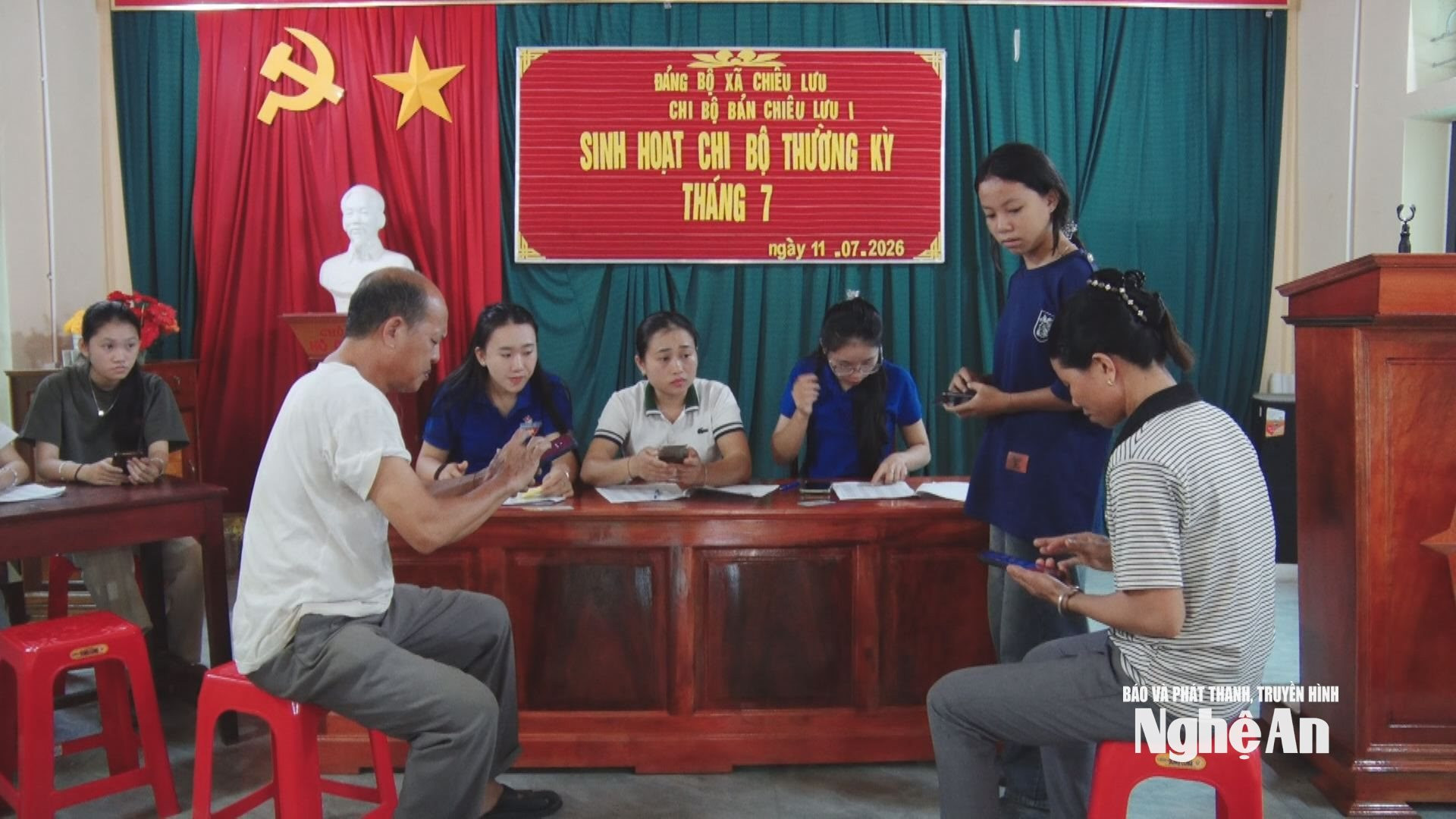
Following the merger of blocks and hamlets, the workload at the grassroots level has increased, the administrative area is larger, the population is greater, and the demands for quality service to the people are also becoming higher. In this context, the emergence of young Party branch secretaries, block leaders, and hamlet leaders is bringing positive signals. Given opportunities and mentored by experienced cadres, this young workforce is gradually demonstrating its capabilities through concrete tasks at the grassroots level. Not only are they contributing to the innovation of management methods and the increased application of technology, but they are also strengthening the bond between the government and the people. This also forms the foundation for building a grassroots cadre that is both capable and responsive to the demands of development in the new era.


