
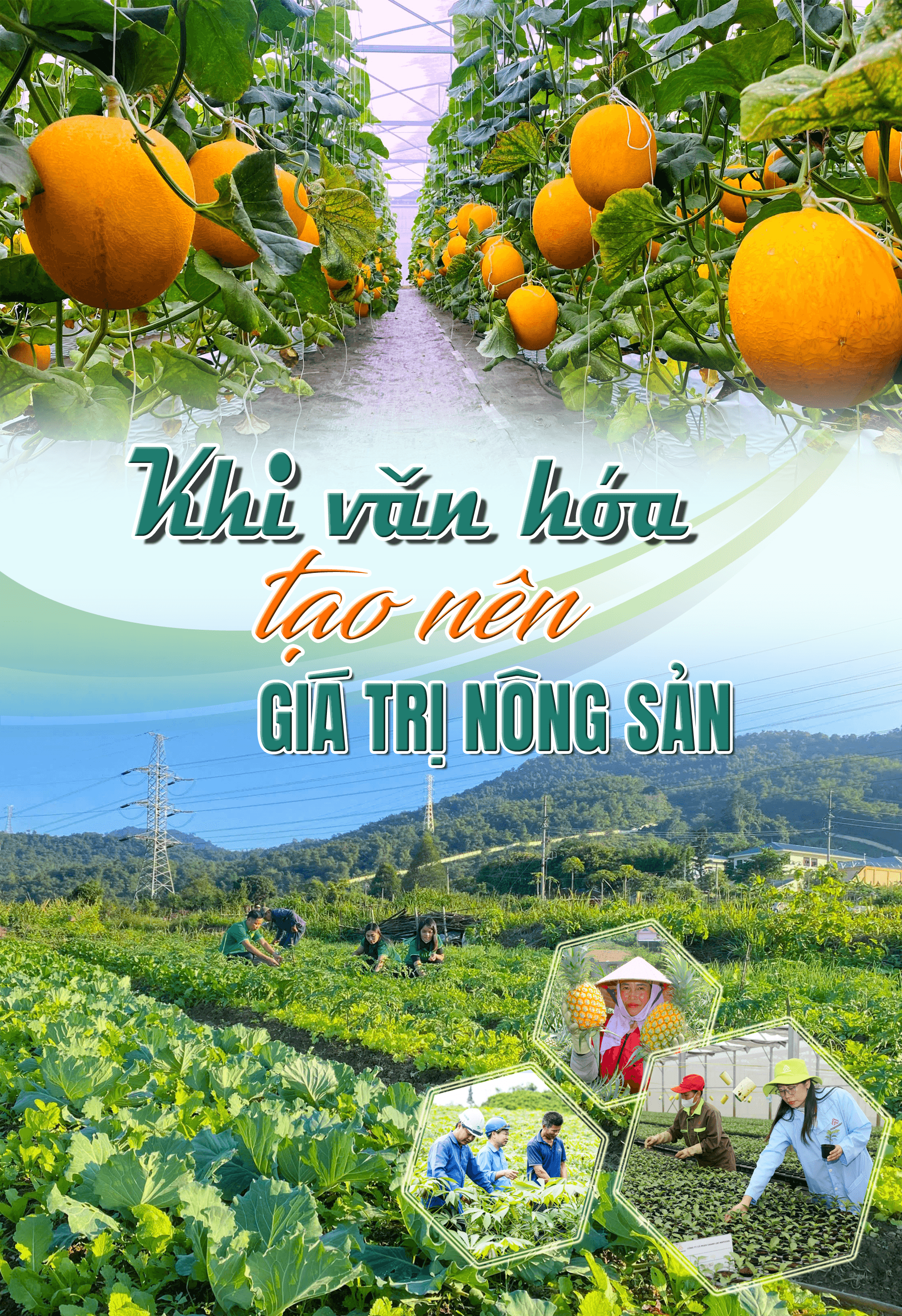
When culture creates value for agricultural products.
The value of agricultural products today lies not only in technology or productivity, but also in the intangible values cultivated throughout the production process. Trust, quality, and respect for consumers are becoming key factors in the competitiveness of many agricultural brands worldwide. For Nghe An, the journey to building a high-value agricultural sector also requires transforming these cultural values into a resource for development and a foundation for elevating agricultural product brands.
Khanh Nhu /Present:Hong ToaiJune 15, 2026
*****
The value of agricultural products today lies not only in technology or productivity, but also in the intangible values cultivated throughout the production process. Trust, quality, and respect for consumers are becoming key factors in the competitiveness of many agricultural brands worldwide. For Nghe An, the journey to building a high-value agricultural sector also requires transforming these cultural values into a resource for development and a foundation for elevating agricultural product brands.

In modern agriculture, it's not uncommon to find products with similar appearance and quality, but vastly different prices. This gap isn't just created by crop varieties, technology, or yield, but also by a more intangible value – the culture of production. It's an asset that cannot be measured, yet it can determine the value of each kilogram of agricultural product when it enters the market.
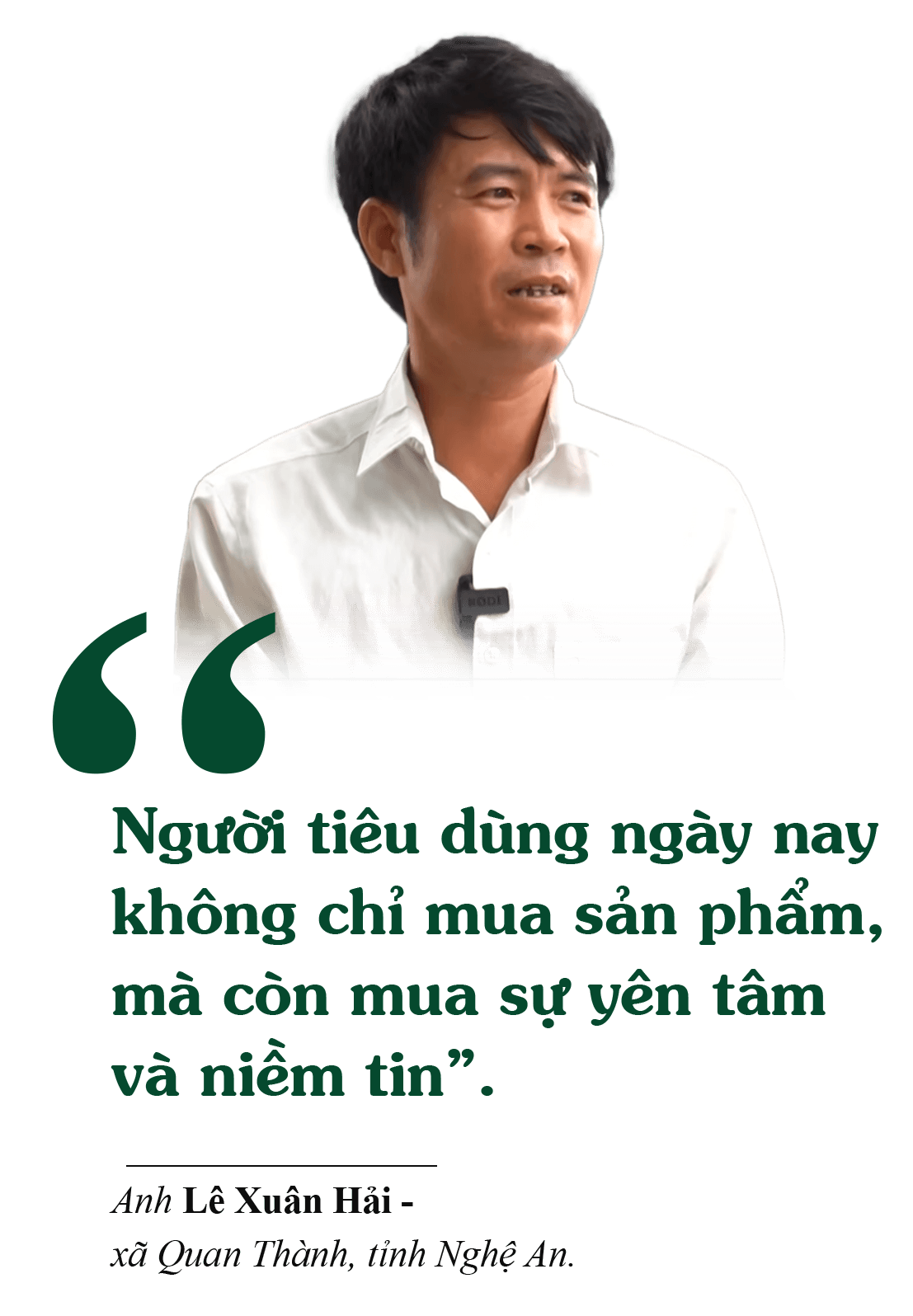
In Quan Thanh commune, Nghe An province, the high-tech cantaloupe farming model of Mr. Le Xuan Hai's family covers an area of over 5,500 square meters.2The entire production process is controlled by a modern greenhouse system, automatic drip irrigation, and strict technical standards. Each melon plant is monitored throughout its growth. Care steps are meticulously documented and controlled. Before reaching customers, the product must meet quality and safety standards. This reflects a culture of respect for quality and respect for consumers. Thanks to this consistent adherence to standards, Mr. Hai's family's cantaloupes are now sold at prices 1.5 to 2 times higher than many similar products in the traditional market.
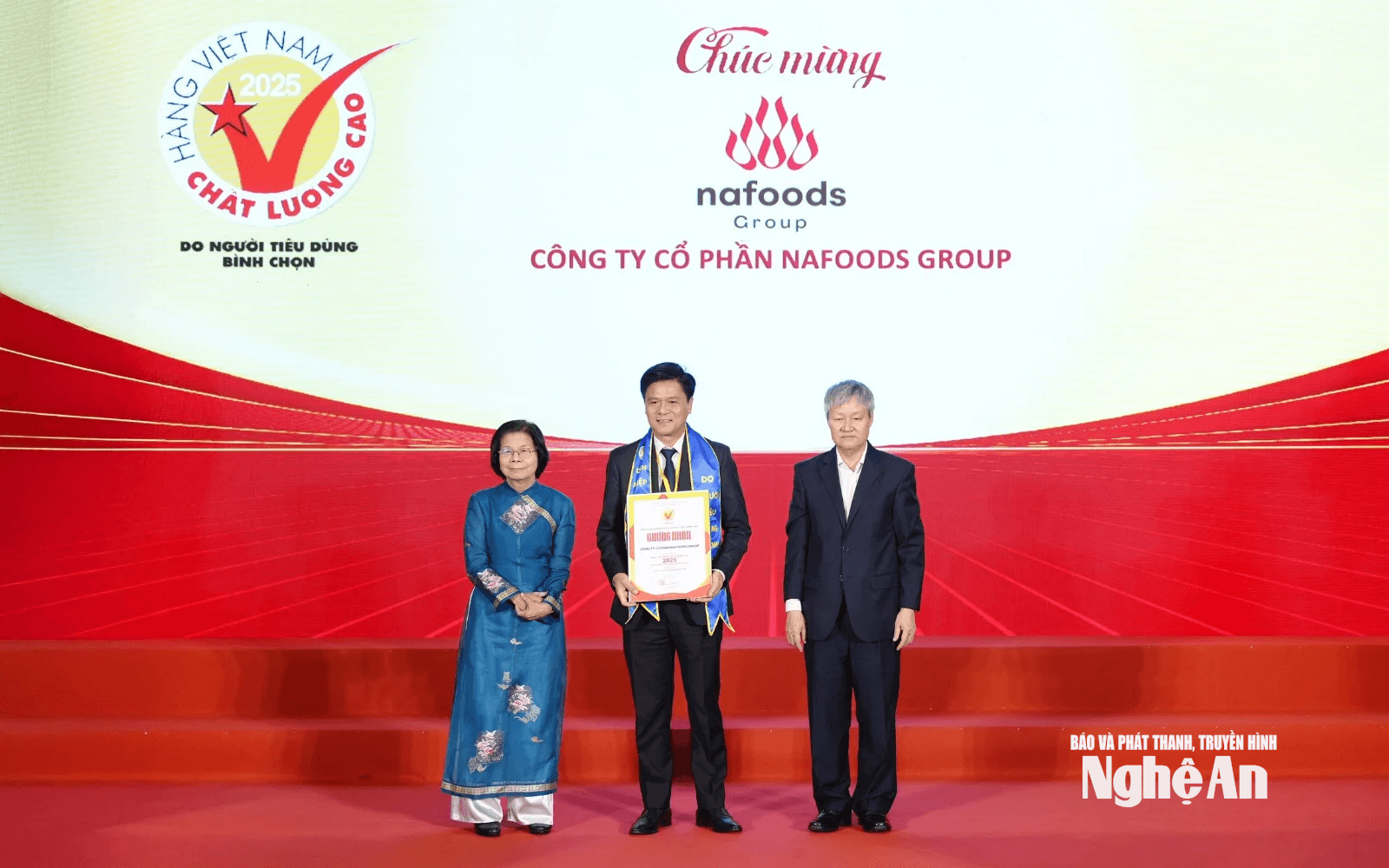
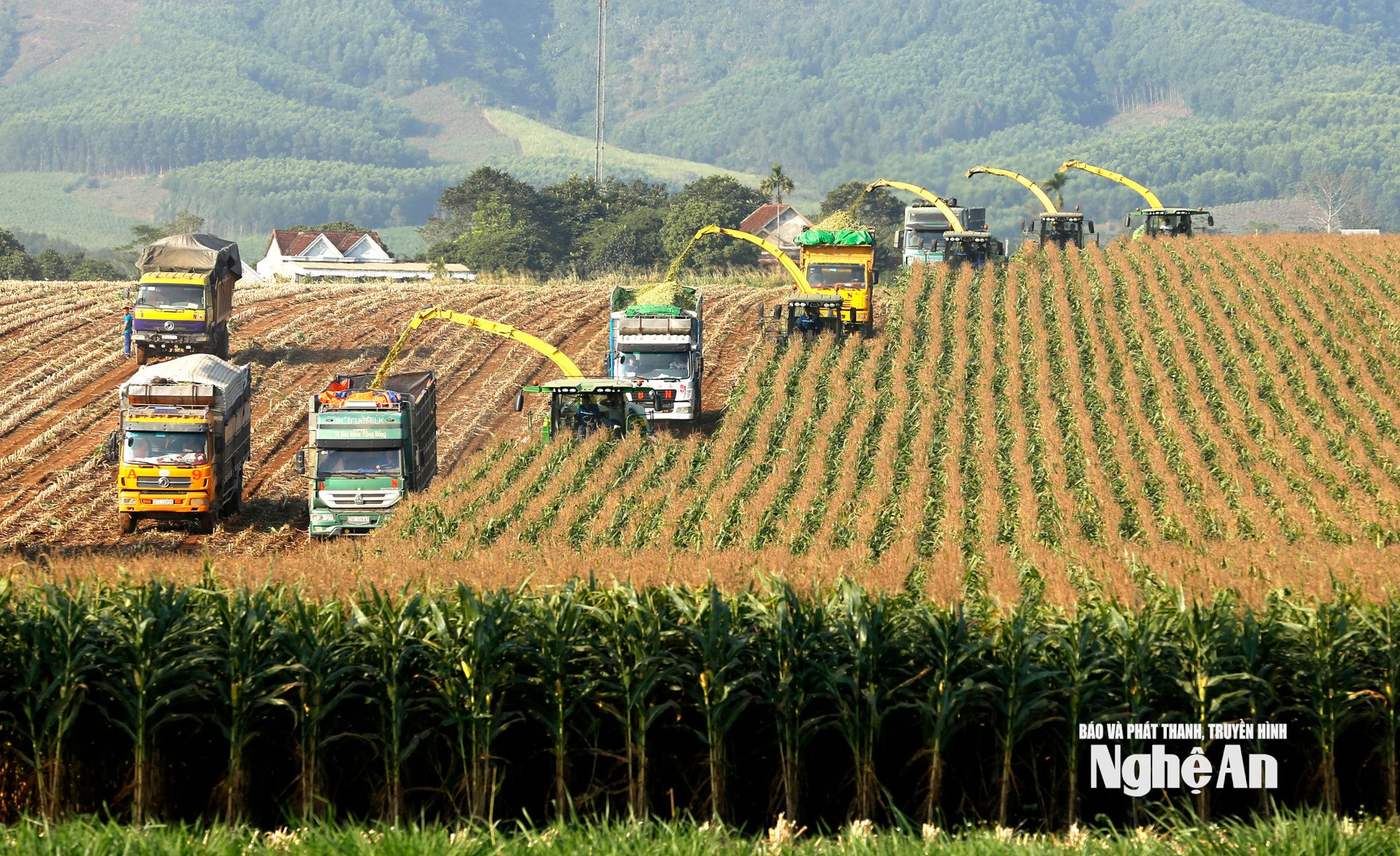
While at the household level, culture is expressed through meticulous attention to detail in every plant and every product, at the corporate level, culture becomes an integral part of the development strategy. At Nafoods Group Joint Stock Company, one of Nghe An's leading agricultural processing enterprises, a culture of quality is built throughout, from the raw material sourcing area to the processing plant and the consumer market. Beyond controlling input quality, the company also invests heavily in deep processing, traceability, and international standards. As a result, the company's products are now present in approximately 70 countries and territories worldwide.
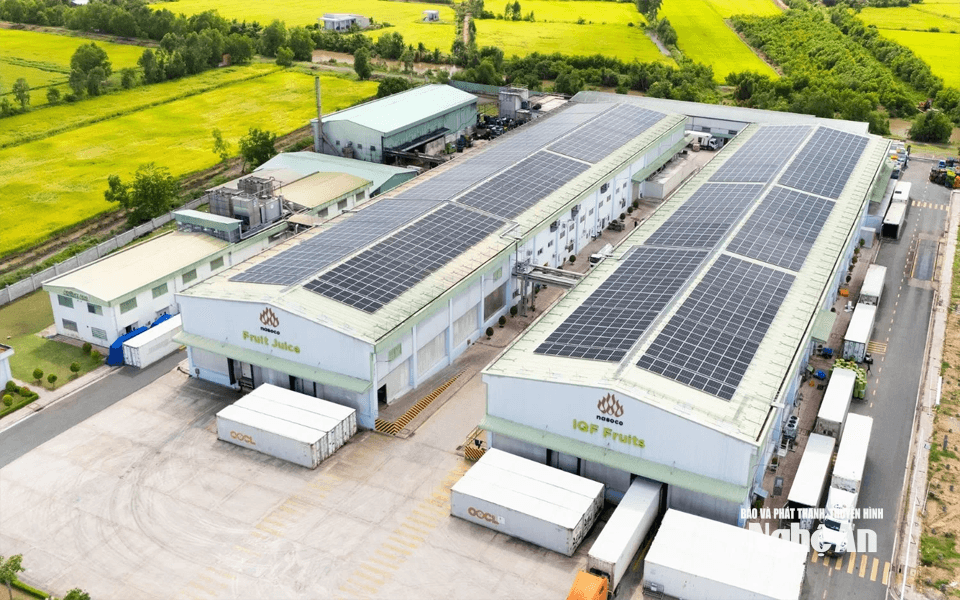
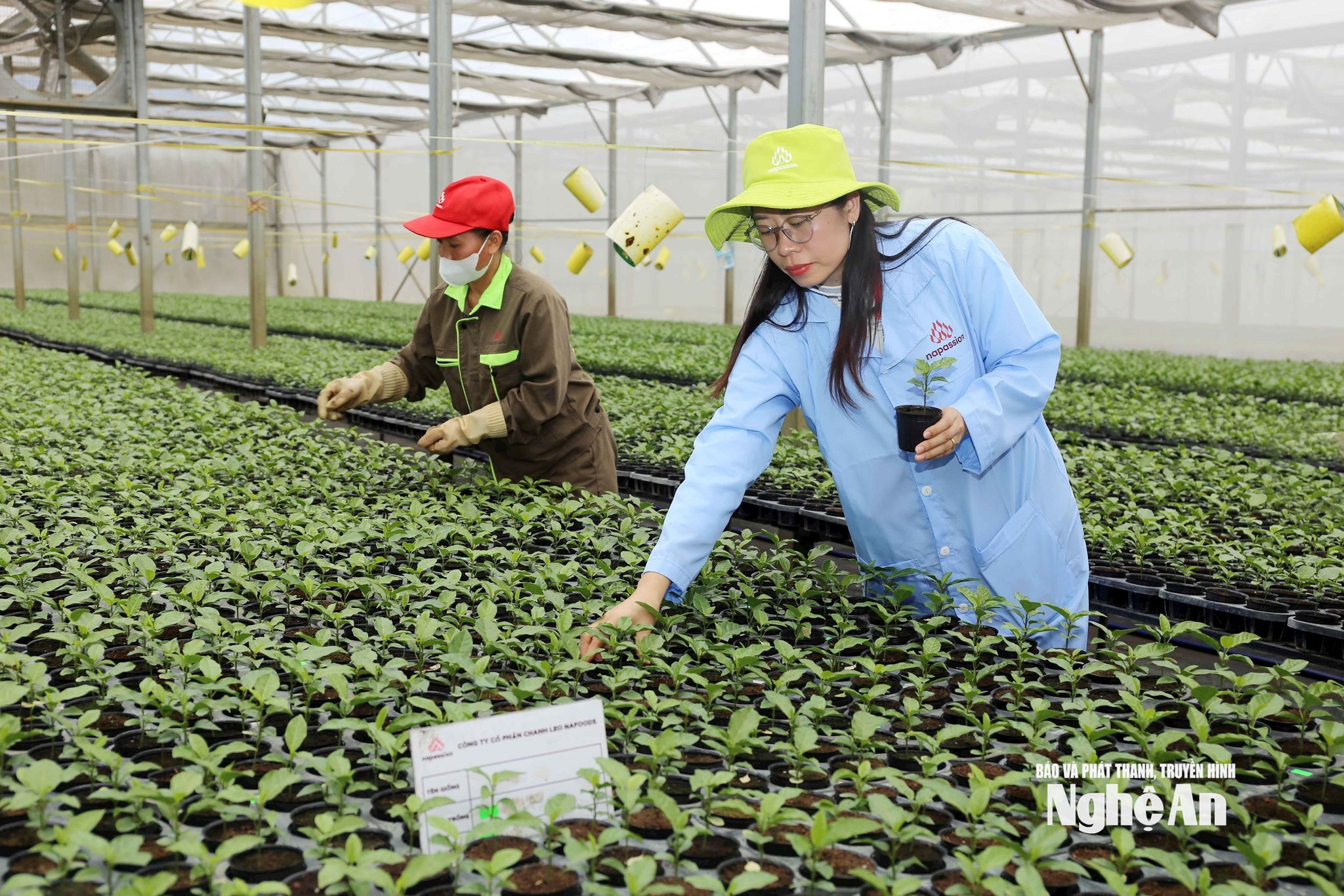
"Our top priority isn't producing one good shipment, but maintaining consistent quality across thousands of shipments."
Ms. Nguyen Thi Trang - Deputy General Director of Nafoods Group
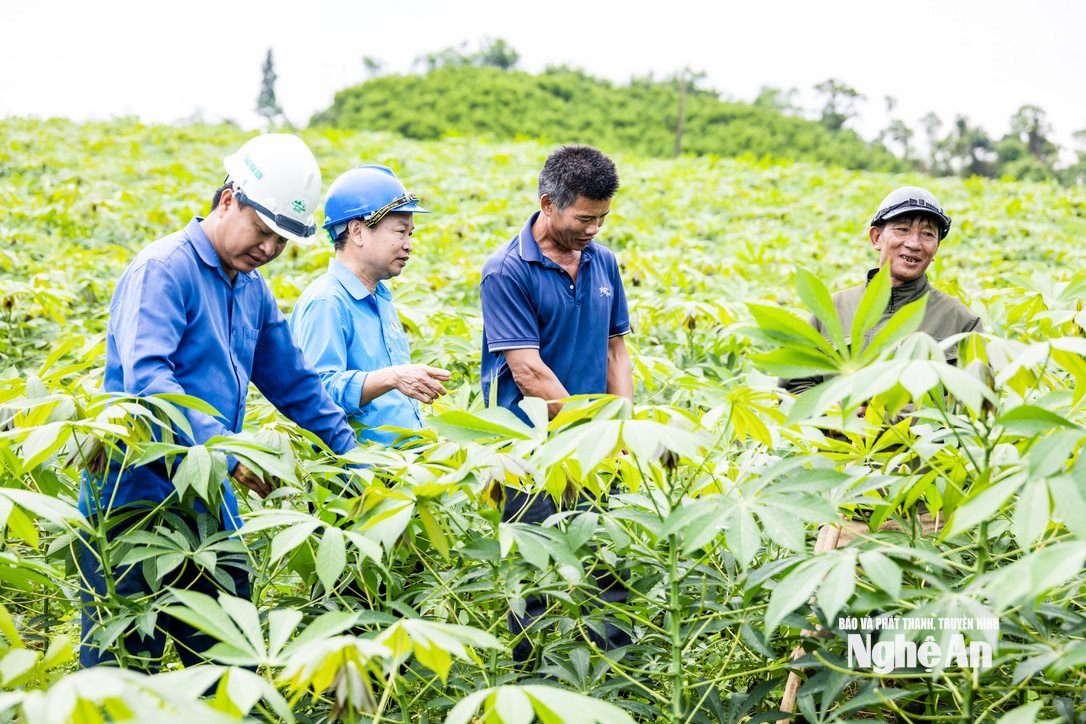
Meanwhile, at Asia Hoa Son Joint Stock Company, a large cassava starch processing enterprise in Nghe An province, the company's culture is formed from the raw material source itself and sustainable links with farmers. From an agricultural product with low added value and heavily dependent on the raw material market, through deep processing, quality control, and the establishment of a stable supply chain, cassava has become a product that meets the requirements of many domestic and international markets. Here, culture is no longer a spiritual concept, but has become an element of production, contributing to increasing the value and enhancing the competitiveness of the product.
"Culture is no longer just a spiritual value, but has become a factor in production."
.jpg)
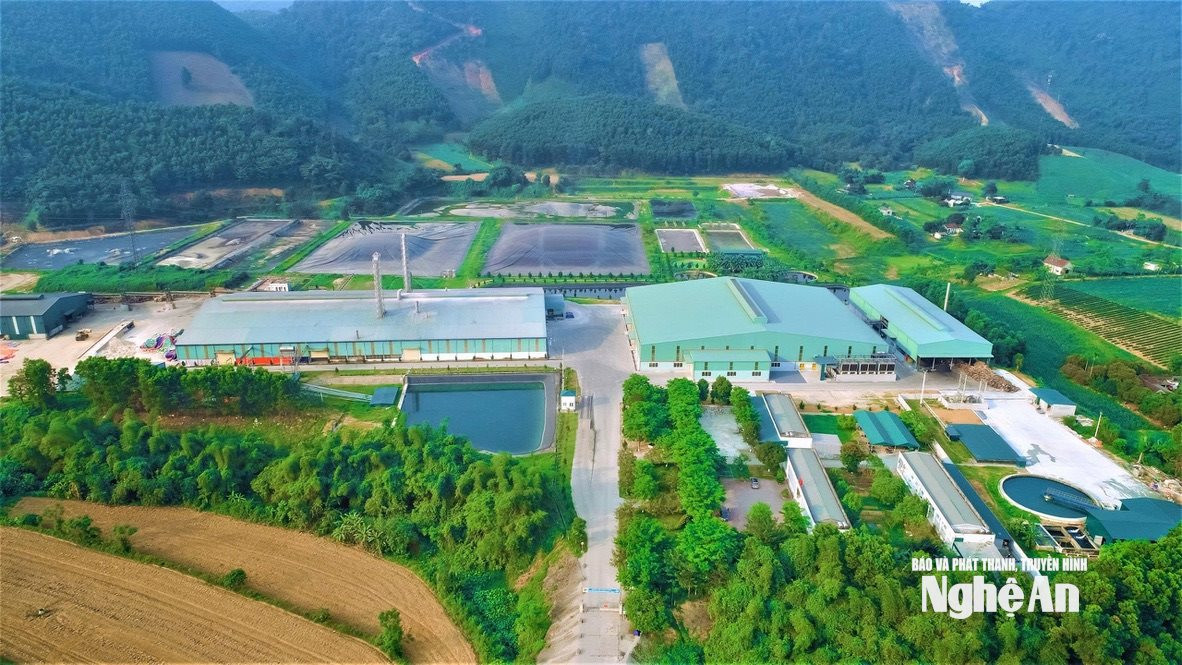
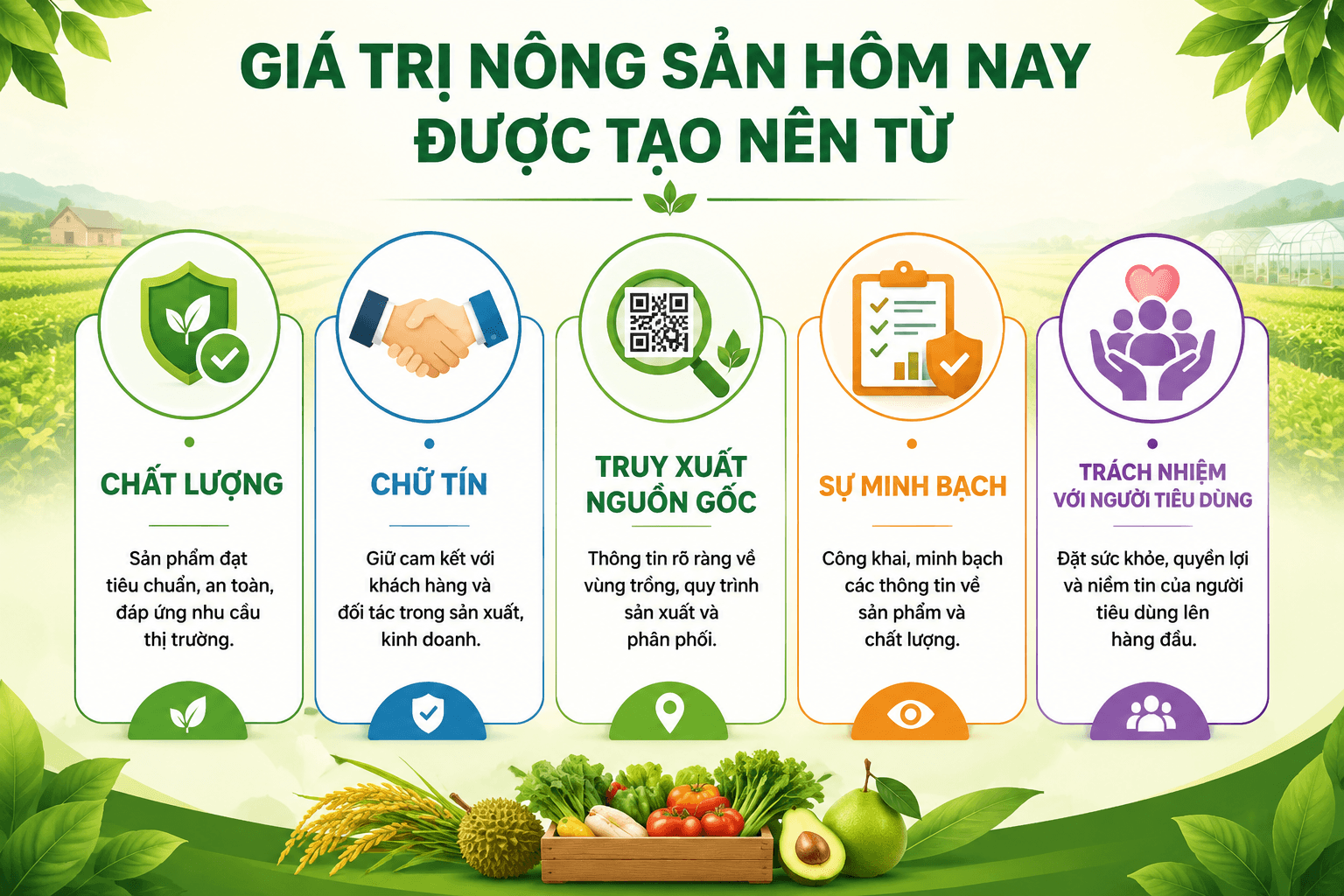
In reality, while technology can help create standardized products in the modern economy, it is culture that creates differentiation and sustainable competitive advantage. Today's consumers are not just buying a product; they are buying peace of mind, trust, and the values accumulated from how producers treat their products, customers, and the market. As the gap in technology and productivity narrows, factors such as integrity, discipline, transparency, and accountability throughout the entire production chain are becoming the most difficult values to replicate. This is why culture is gradually becoming a new competitive factor in agriculture – an intangible value that can determine the tangible value of agricultural products in the market.
The question arises: Nghe An has many distinctive products, advantages in raw material sources, and some businesses have even brought Nghe An agricultural products to dozens of countries around the world. But why is it that for the same type of agricultural product, some products are willing to pay high prices, while others have to compete on price? Therefore, what is lacking is not just technology or investment capital, but also strong cultural values to build trust and elevate the brand.
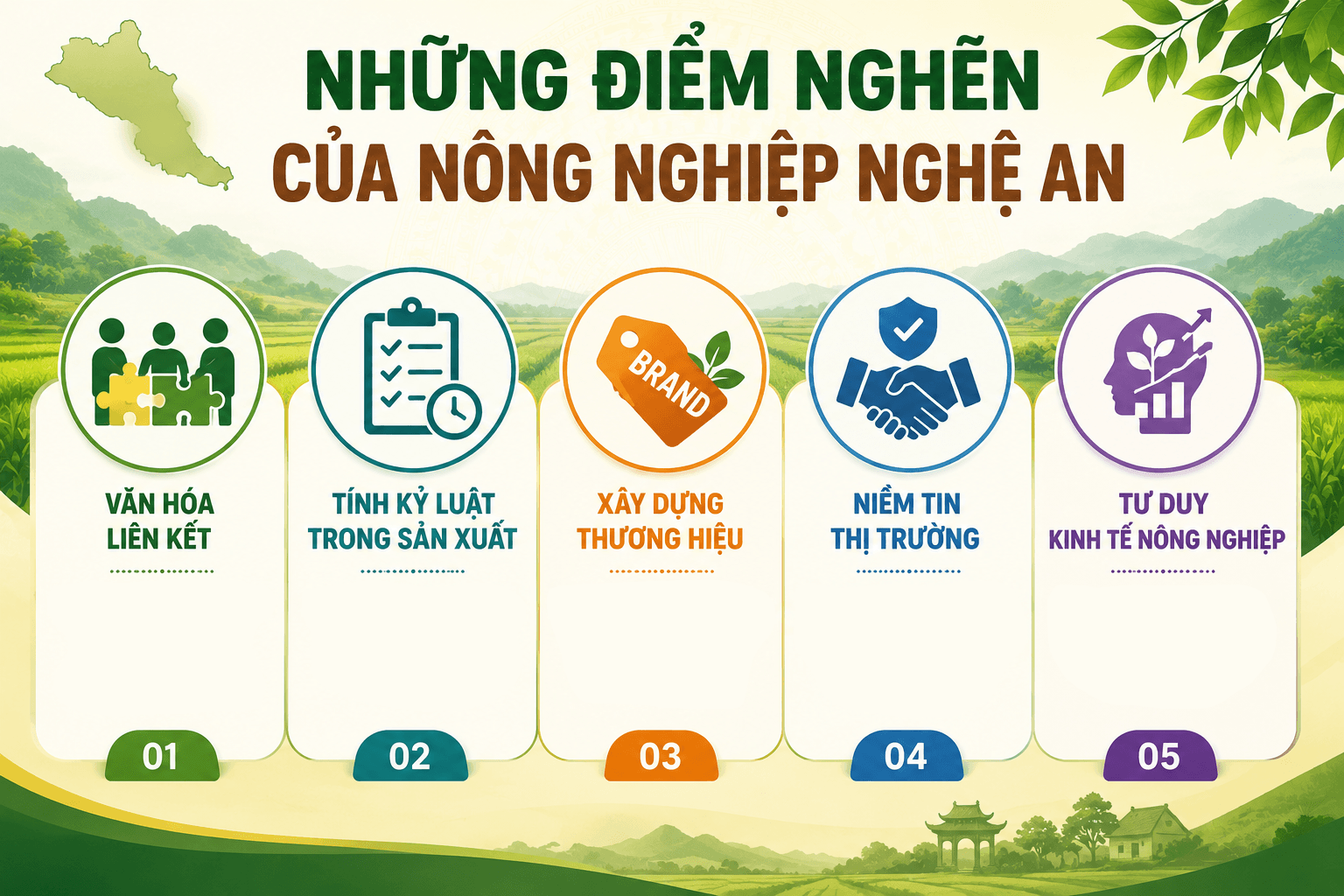
In Nghe An province in particular, and Vietnam in general, the transformation of culture into economic value still faces numerous obstacles. Building trust in the market requires more than just one pioneering enterprise, cooperative, or household. It demands a whole value chain undergoing change. The first bottleneck is the lack of collaborative culture. In many raw material areas, production remains fragmented and small-scale. Many businesses spend considerable time and money establishing standardized raw material areas, but maintaining stability is far from easy."Although we have signed consumption contracts and have many policies to prioritize farmers, there are still quite a few households that unilaterally break the contracts, affecting the supply of raw materials for the factory's production line."Mr. Ngo Van Tu, General Director of Nghe An Sugar Company Limited - Nasu, affirmed.
.jpg)
Meanwhile, in high-end export markets, even a single substandard shipment can damage the reputation of an entire brand. This demonstrates that quality assurance is the responsibility of the entire production chain, not just the individual business. Discrepancies in awareness and production habits make establishing standardized raw material sourcing areas a significant challenge.
"The biggest bottleneck lies not in capital or technology, but in the ability to build trust."
And perhaps the biggest bottleneck lies in the culture of brand building. Nghe An has many specialty products. There are famous tea-growing regions, orange-growing regions, and fruit-growing regions, but many products are still known only as raw materials rather than strong brands in the market. This shows that the bottleneck in Nghe An's agriculture today is not just in investment capital, technology, or consumer markets. More fundamentally, it's about the mindset of production, discipline, collaboration, and the ability to build trust with customers.
In Japan, a country with limited agricultural land but possessing many of the world's most valuable agricultural products, production culture is considered an integral part of its competitiveness. What has enabled the Japanese to transform these seemingly intangible values into economic strength? And what are some insights for agriculture in Nghe An province? Reporters from Nghe An Newspaper and Radio & Television interviewed Mr. Yokoyama Toru, an agricultural expert from Japan.
GrandfatherYokoyama Toru:I think that culture is a factor, but the most important thing is mindset. In other words, mindset needs to be integrated into culture. For example, in Japan, when we produce a closed-loop agricultural model, it's a unique blend of Shinto spirit (respect for nature), the philosophy of dedicated work (Shokunin), and the application of advanced technology. Farmers value quality over quantity, emphasizing perfection and sustainable development.
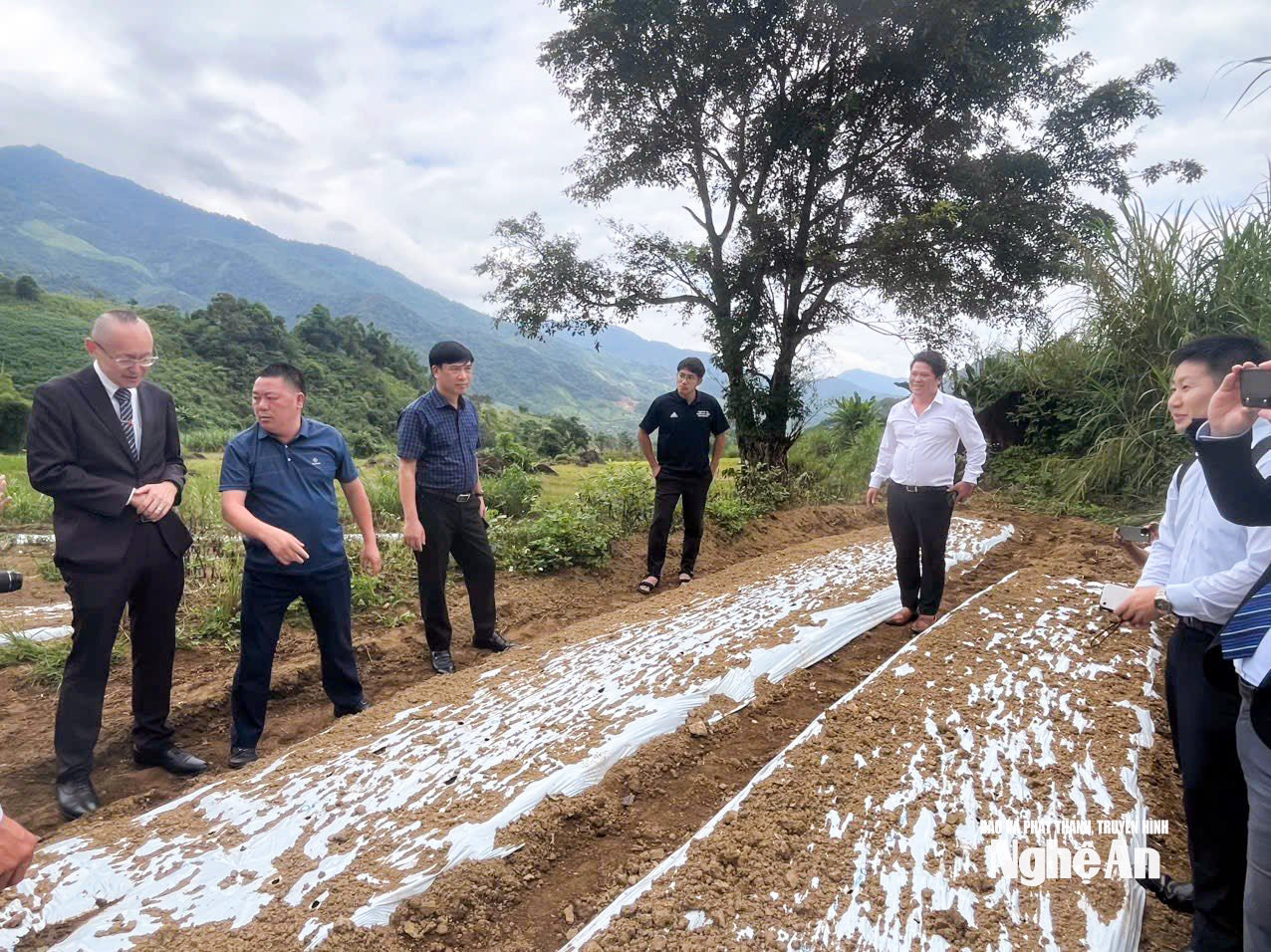
"What matters is not just the technology, but the mindset that is integrated into the culture."
Mr. Yokoyama Toru:Nghe An can be considered a major agricultural province in Vietnam. Nghe An's agriculture possesses significant advantages in terms of diverse land area and rich ecosystems. The province is leveraging these potentials to build a new "production culture" – shifting from traditional production to ecological agriculture, applying high technology, and ensuring transparency and accountability. This helps to enhance the value and position of agricultural products in the market. However, in my assessment, the issues I am discussing are still only in the "potential" stage and have not yet been effectively exploited.
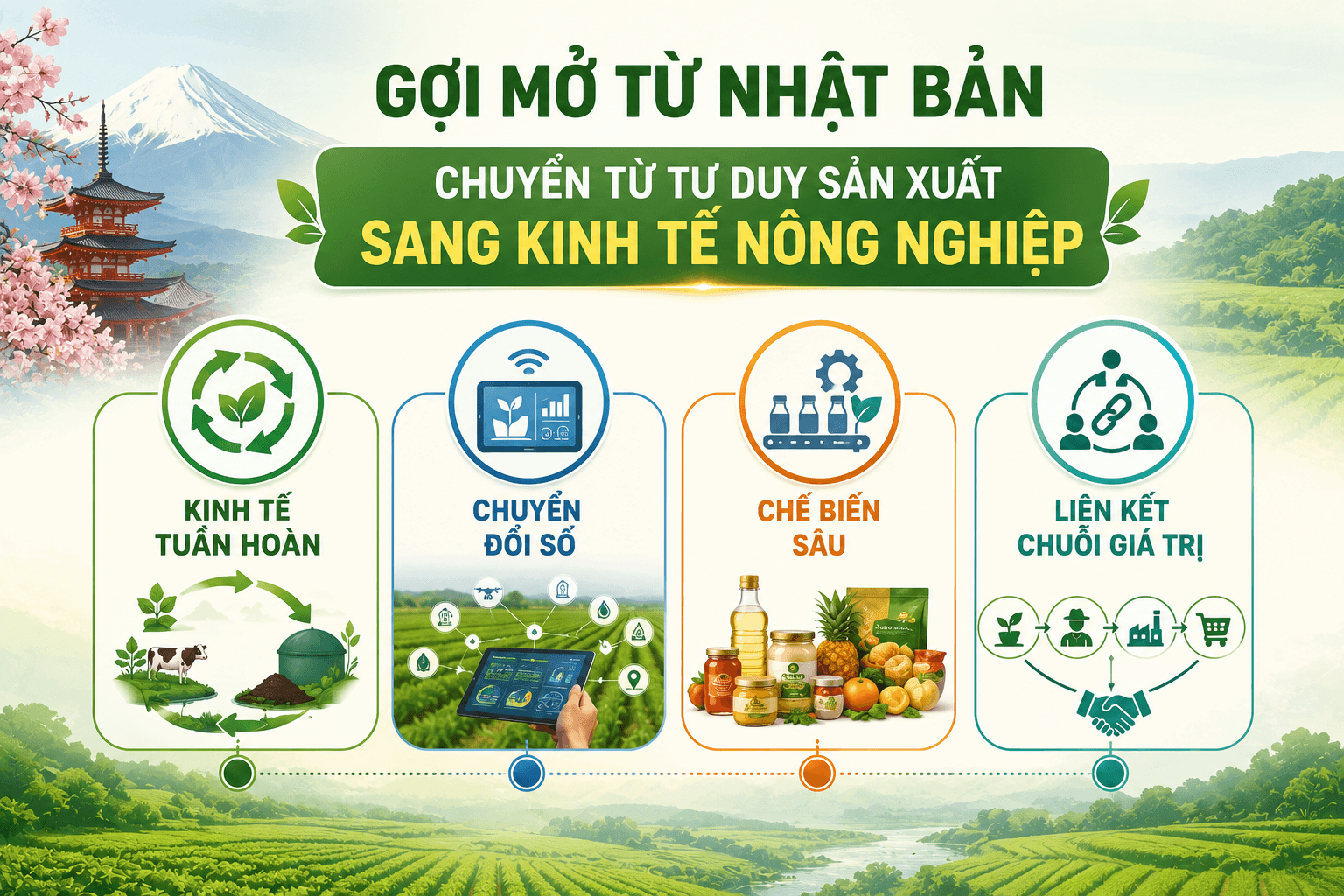
GrandfatherYokoyama Toru:The most important thing to change is the mindset from production-oriented to agricultural economic thinking. Instead of chasing quantity, businesses and farmers in Nghe An need to focus on quality, deep processing, and markets, combined with building brands based on sustainable standards. This transformation needs to be concretized through four key priorities: Transitioning to a circular economy and green agriculture; Promoting the application of technology and digital transformation; Investing in deep processing; and Linking value chains.
"In a market where technology is increasingly accessible, sustainable competitive advantage lies in values that are harder to replicate. That is culture."


