
Sweet potatoes and potatoes: Which is better for your health?
Sweet potatoes and potatoes both provide many nutrients such as fiber, vitamin C, antioxidants, etc. So, are sweet potatoes really better than potatoes?
Sweet potatoes and potatoes are both root vegetables, but they differ in shape and flavor. They come from separate plant families, provide different nutrients, and affect blood sugar levels in different ways.
Sweet potatoes belong to the Convolvulaceae family, while white potatoes belong to the Solanaceae family. The edible part of these plants is the tuber that grows on the root.
Sweet potatoes typically have brown skin and orange flesh, but purple, yellow, and red varieties also exist. Potatoes are usually brown, yellow, and red, with white or yellow flesh.
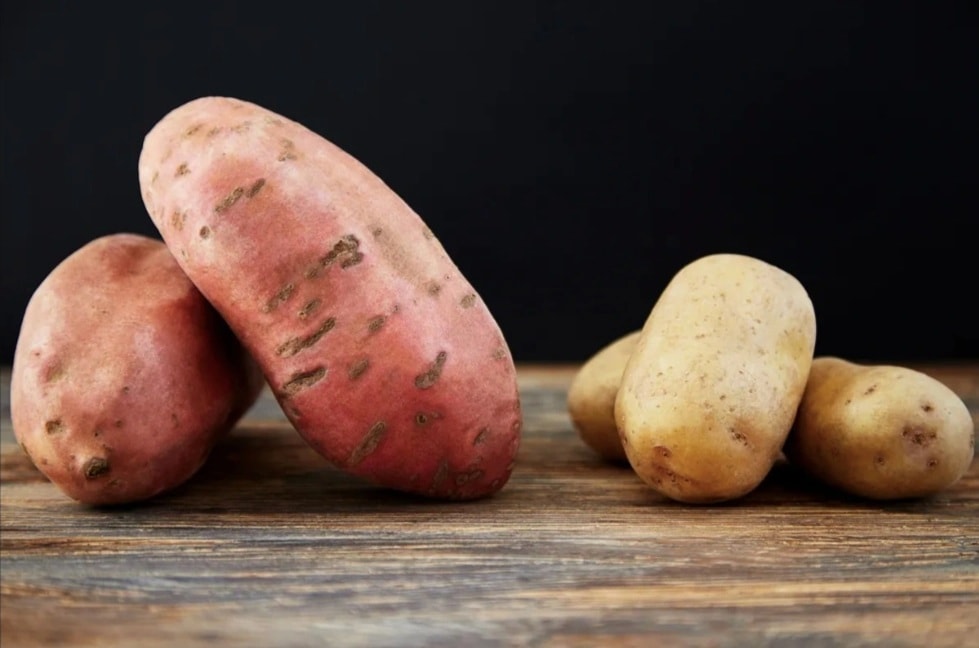
Both potatoes and sweet potatoes offer numerous health benefits. Photo: Shutterstock
Both are nutritious.
According tographlineSweet potatoes are often touted as healthier than white potatoes, but in reality, both can be very nutritious.
While potatoes and sweet potatoes have similar calorie, protein, and carbohydrate content, white potatoes provide more potassium, and sweet potatoes are extremely rich in vitamin A.
Both types of potatoes contain other beneficial plant compounds.
Sweet potatoes, including both red and purple varieties, are rich in antioxidants that help fight cellular damage in the body caused by free radicals.
Potatoes contain compounds called glycoalkaloids, which have been shown to have anticancer and other beneficial effects in in-tube studies.
Both sweet potatoes and potatoes are rich in fiber, carbohydrates, and vitamins B6 and C. Potatoes have a higher potassium content, while sweet potatoes provide more vitamin A.
Similarly, according tofine ClinicPotatoes and sweet potatoes offer many nutritional benefits, Czerwony says. Both are low-calorie, low-fat foods and rich in:
- Fiber: However, the key to this health benefit is eating the peel. Half of the fiber from potatoes or sweet potatoes is in the peel, just make sure you wash the peel thoroughly to remove any dirt.
- Carbohydrates: Potatoes and sweet potatoes are considered starchy vegetables due to their high carbohydrate content, which helps boost energy.
- Potassium: Interestingly, potatoes and sweet potatoes contain more potassium than bananas.
- Vitamin B6: A medium-sized potato or sweet potato provides about 30% of the recommended daily allowance of vitamin B6, which helps boost brain and nervous system function.
- Vitamin C: You can get about one-third of your recommended daily intake of vitamin C through potatoes or sweet potatoes.

Eating raw sweet potatoes also offers many health benefits. Photo: Maxres
Different glycemic indexes
Different types of potatoes also differ in their glycemic index (GI), a measure of how a given food affects blood sugar levels. Foods with a GI of 70 or higher raise blood sugar more rapidly than foods with a medium GI of 56-69 or a low GI of 55 or below.
Depending on the type and cooking method, sweet potatoes can have a glycemic index (GI) ranging from 44 to 94. Baked sweet potatoes tend to have a much higher GI than boiled sweet potatoes because the starch gelatinizes during cooking.
Potatoes also have a glycemic index (GI) that varies. For example, boiled red potatoes have a GI of 89, while baked Russet potatoes have a GI of 111.
People with diabetes or other blood sugar problems may benefit from limiting foods with a high glycemic index (GI). Therefore, it is often recommended that patients choose sweet potatoes over white potatoes, as sweet potatoes generally have a lower GI.
However, how eating potatoes affects your blood sugar largely depends on the type of potato, the serving size, and the cooking method. While some sweet potatoes may have a lower GI than regular potatoes, others do not.
Both can be included in a balanced diet.
Both sweet potatoes and potatoes provide fiber, vitamins, minerals, and energy-boosting carbohydrates, and can fit into a balanced diet that includes a variety of other healthy foods.
Are sweet potatoes or potatoes healthier?
So, which is healthier, potatoes or sweet potatoes? Regardless of how you answer this question, one thing is clear: both potatoes and sweet potatoes are considered healthy and nutritious foods.
But if you had to choose one, sweet potatoes have a slight advantage. The main reason is their high beta-carotene and vitamin A content.
Sweet potatoes have a vibrant orange flesh thanks to the presence of beta-carotene, an antioxidant that protects your body's cells from damage and diseases like cancer. Your body converts beta-carotene into unusually high levels of vitamin A.
That's the main reason why sweet potatoes are considered a slightly better option. But ultimately, it depends on personal preference.
The best advice is to use both types. It will help make your diet more varied.
Healthy ways to prepare them
Although potatoes are very nutritious, they are often prepared in unhealthy ways. For example, white potatoes can be processed into french fries, mashed with butter and cream, or baked and topped with high-calorie ingredients.
Sweet potatoes can be combined with sugar, marshmallows, or other less healthy ingredients.
To prepare sweet potatoes or potatoes in a healthy way, try boiling or baking them, leaving the skin on for more fiber, and serving them with fresh herbs or spices instead of cheese, butter, and salt.
If you're concerned about the impact of these vegetables on your blood sugar, opt for boiled potatoes instead of baked potatoes. Combining potatoes with foods lower in carbohydrates, such as lean protein and non-starchy vegetables, can also limit their impact on blood sugar.
Potatoes can affect your blood sugar levels in different ways, although this depends on the type, serving size, and other factors.
In general, both sweet potatoes and potatoes can fit into a healthy diet when prepared in a nutritious way.


