
Construction begins on the spiritual space of Da Pagoda (Au Lac Ancient Temple).
The groundbreaking ceremony for the construction of the spiritual space at Da Pagoda (Au Lac Ancient Temple) marks an important milestone in the journey of restoring a cultural and spiritual heritage that has been associated with generations of people in Nghe An. This is the only pagoda in the country with a separate altar commemorating Vietnamese revolutionary journalists who sacrificed their lives in the struggle to protect the independence and freedom of the nation.
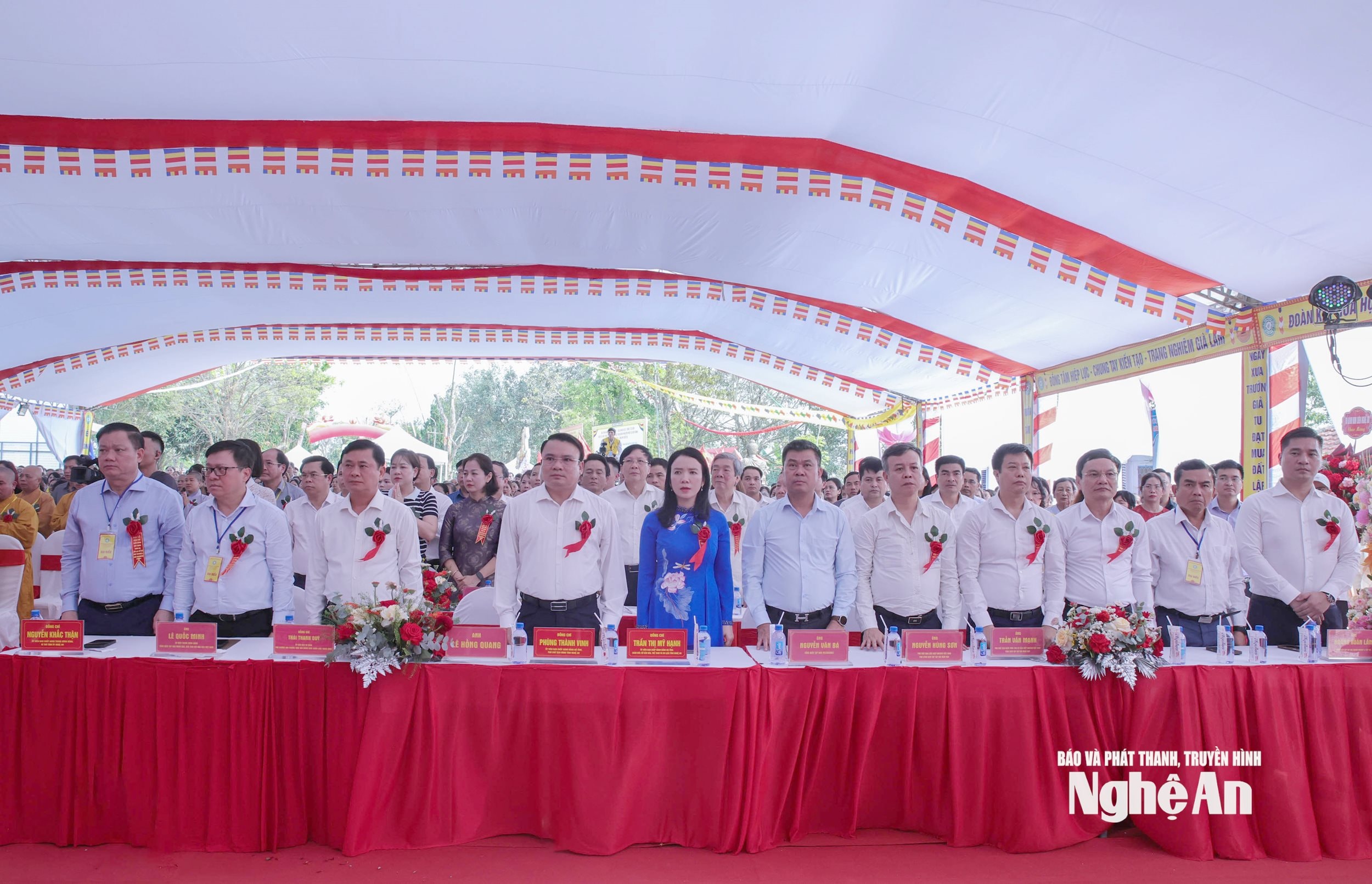
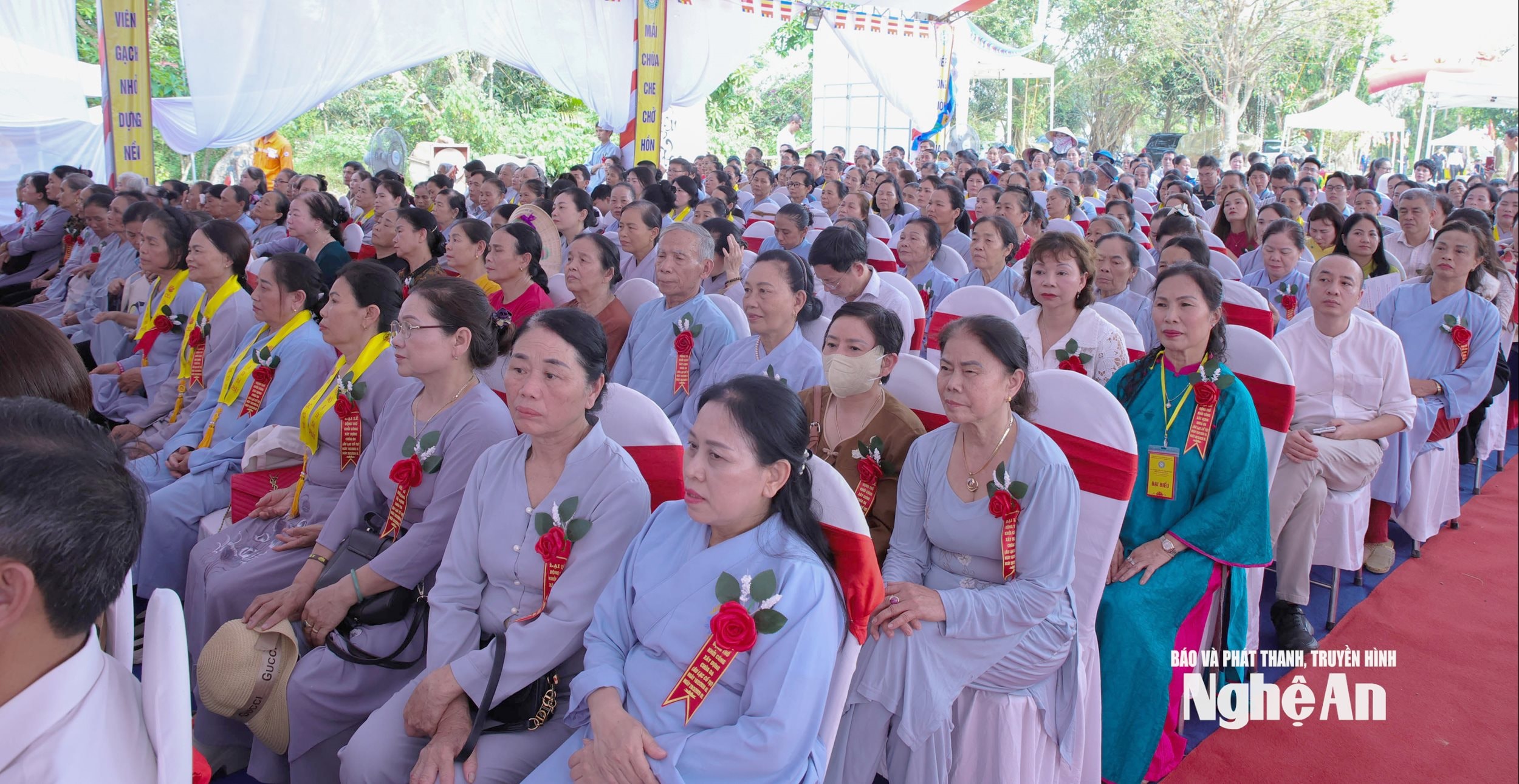
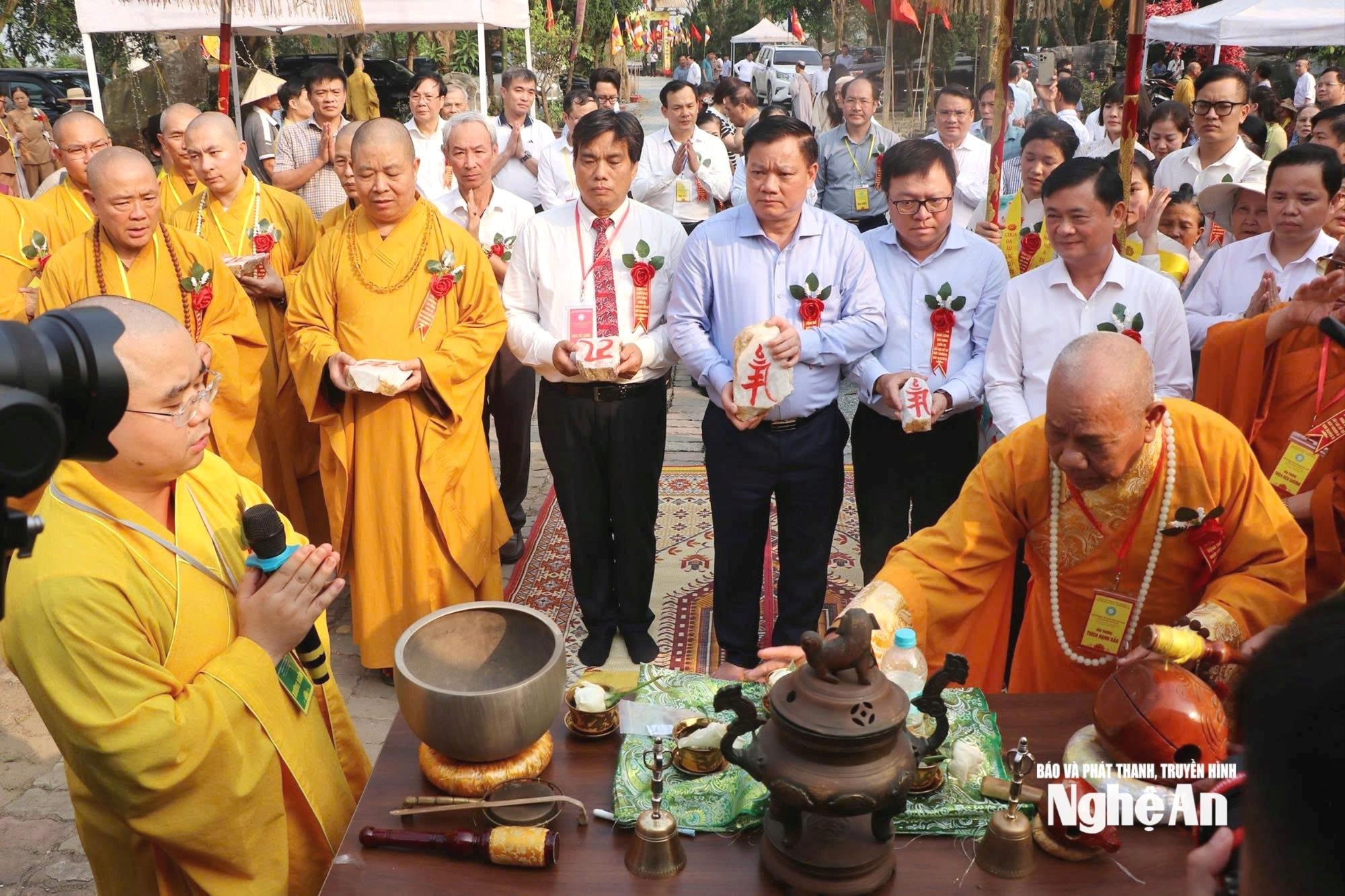
On the afternoon of March 28th, a groundbreaking ceremony for the construction of the Da Pagoda (Au Lac Ancient Temple) spiritual space took place in Hoa Tien Hamlet, Vinh Loc Ward, Nghe An Province.
Attending the ceremony were: Comrade Thai Thanh Quy - Member of the Central Committee of the Party, Deputy Head of the Standing Committee of the Central Policy and Strategy Board; Comrade Le Quoc Minh - Member of the Central Committee of the Party, Deputy Head of the Central Propaganda and Mass Mobilization Board, Editor-in-Chief of Nhan Dan Newspaper, President of the Vietnam Journalists Association; Comrade Nguyen Khac Than - Member of the Central Executive Committee of the Party, Secretary of the Nghe An Provincial Party Committee; Comrade Phung Thanh Vinh - Vice Chairman of the Provincial People's Committee, along with representatives from ministries, departments, agencies and press organizations.
The ceremony was attended by representatives from the Central Committee of the Vietnam Buddhist Association, the Executive Board of the Vietnam Buddhist Association of Nghe An province, and the Executive Boards of the Vietnam Buddhist Association of many provinces nationwide.
.jpg)
Da Pagoda (Au Lac Ancient Temple) is located in the former Loc Da village, now Hoa Tien hamlet, Vinh Loc ward, Nghe An province.
The pagoda was built in the late 17th century and later renovated in 1889 during the reign of King Thành Thái of the Nguyễn dynasty.
At that time, amidst the lush green ancient forest, there was a large banyan tree with a wide canopy covering the majestic Three Jewels temple, so the locals often called it the Banyan Tree Temple or Banyan Tree Temple.
.jpg)
In folk beliefs, people used to recite the saying: "The sacred temple of Tria, the Buddha of Da Pagoda" - as a way of affirming the sacred status of the pagoda.
More than just a place of religious worship, Da Pagoda is also closely associated with the heroic history of the homeland. Da Pagoda is a "red address" linked to the Nghe Tinh Soviet revolutionary movement (1930-1931). During the peak of the struggle, it served as a secret meeting place for the Loc Da Party Branch. At this pagoda, discussions and mobilization efforts took place, contributing to the protests against French colonialism demanding the right to life and freedom.
.jpg)
.jpg)
A sacred relic associated with Da Pagoda is the large drum. During the May 1st, 1930 protest in Ben Thuy, members of the Loc Da Party Branch carried the pagoda's drum and beat it amidst the demonstrators. The resounding drumbeat echoed across the square, blending with the fervent fighting spirit of the masses, becoming a symbol of indomitable spirit.
Today, that drum is preserved at the Nghe An-Soviet Nghe Tinh Museum as a vivid testament to the connection between religious spaces and the revolutionary movement in Nghe An province.
.jpg)
Through the vicissitudes of history, wars, and time, the temple gradually deteriorated, leaving only traces amidst the dense foliage covering the former foundation of the Three Treasures Hall.
In response to the heartfelt wishes of the people and Buddhist followers, on October 19, 2017, the People's Committee of Nghe An province issued a decision to restore and renovate Da Pagoda (Au Lac Ancient Temple). Under the guidance of Venerable Thich Dong Tue and with the consensus of the government and Buddhist followers, the pagoda has gradually been revived, and religious activities have become more stable.
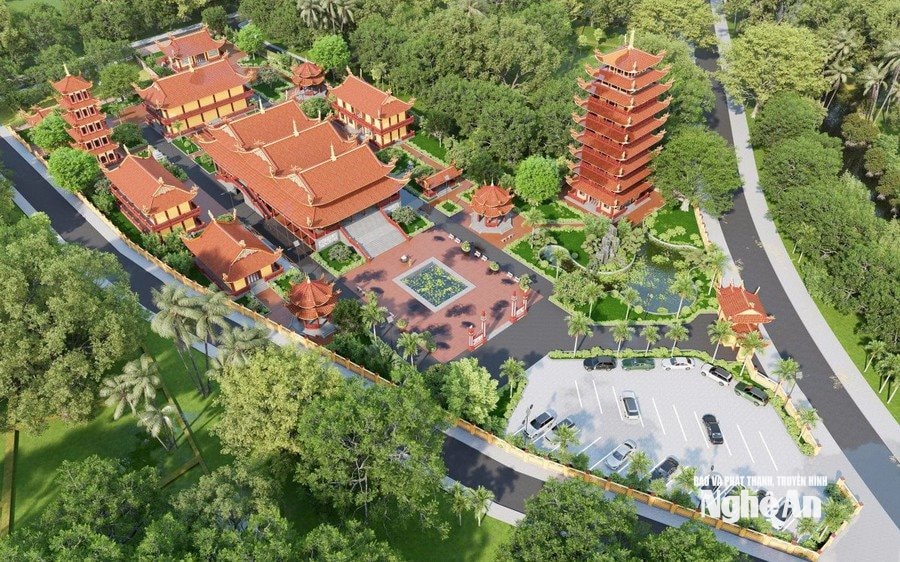
Currently, Da Pagoda is undergoing a comprehensive planning process, preparing for the commencement of larger-scale, more systematic construction, commensurate with its historical significance and special role.
This planning and construction project aims not only to expand the spiritual space but also to create a cultural and historical landmark that symbolizes the past and the present.
According to the design, the new complex will include the following components: the main hall, the ancestral temple, the tower, the landscaped grounds, and especially the memorial area for the Vietnamese Revolutionary Journalists Martyrs.
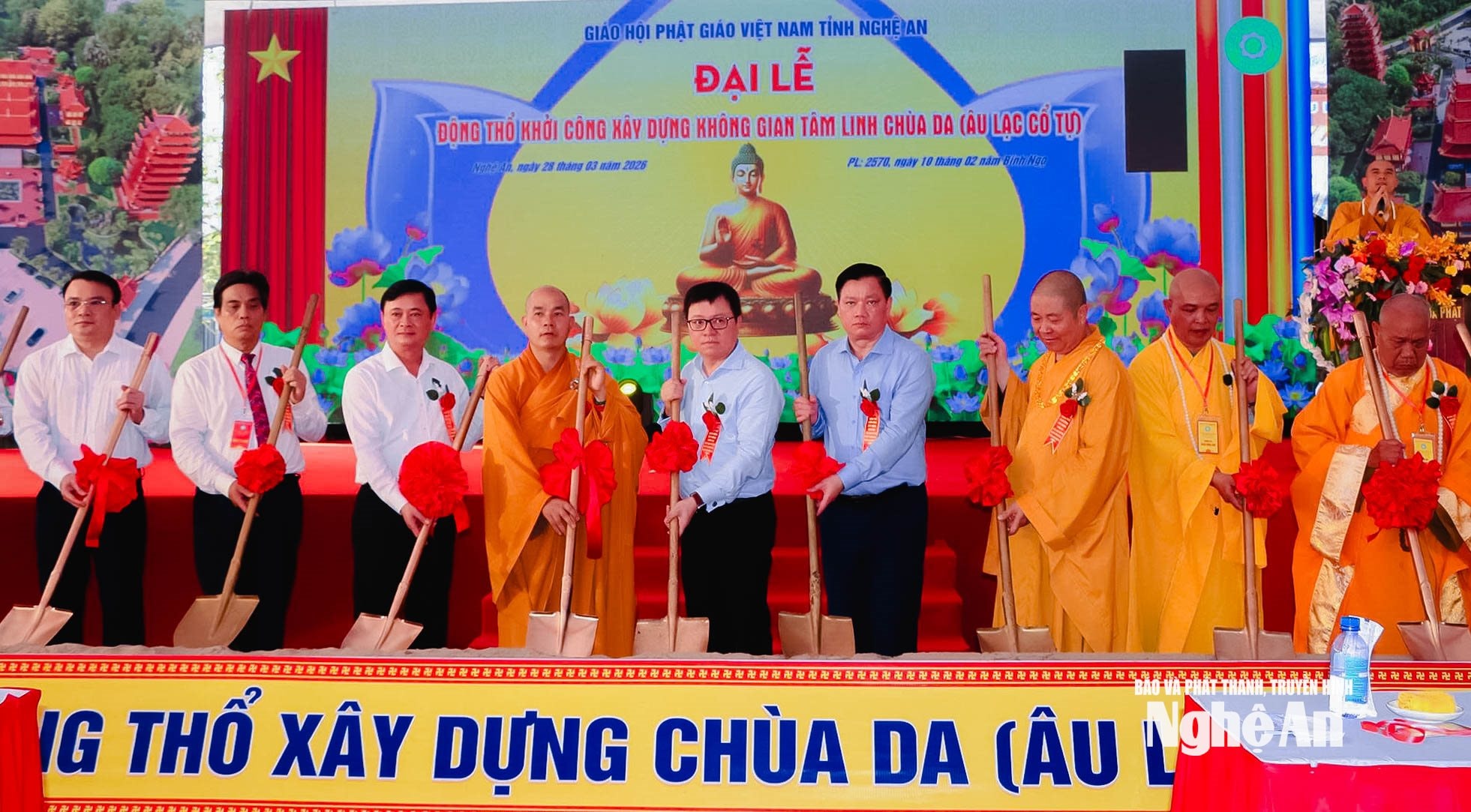
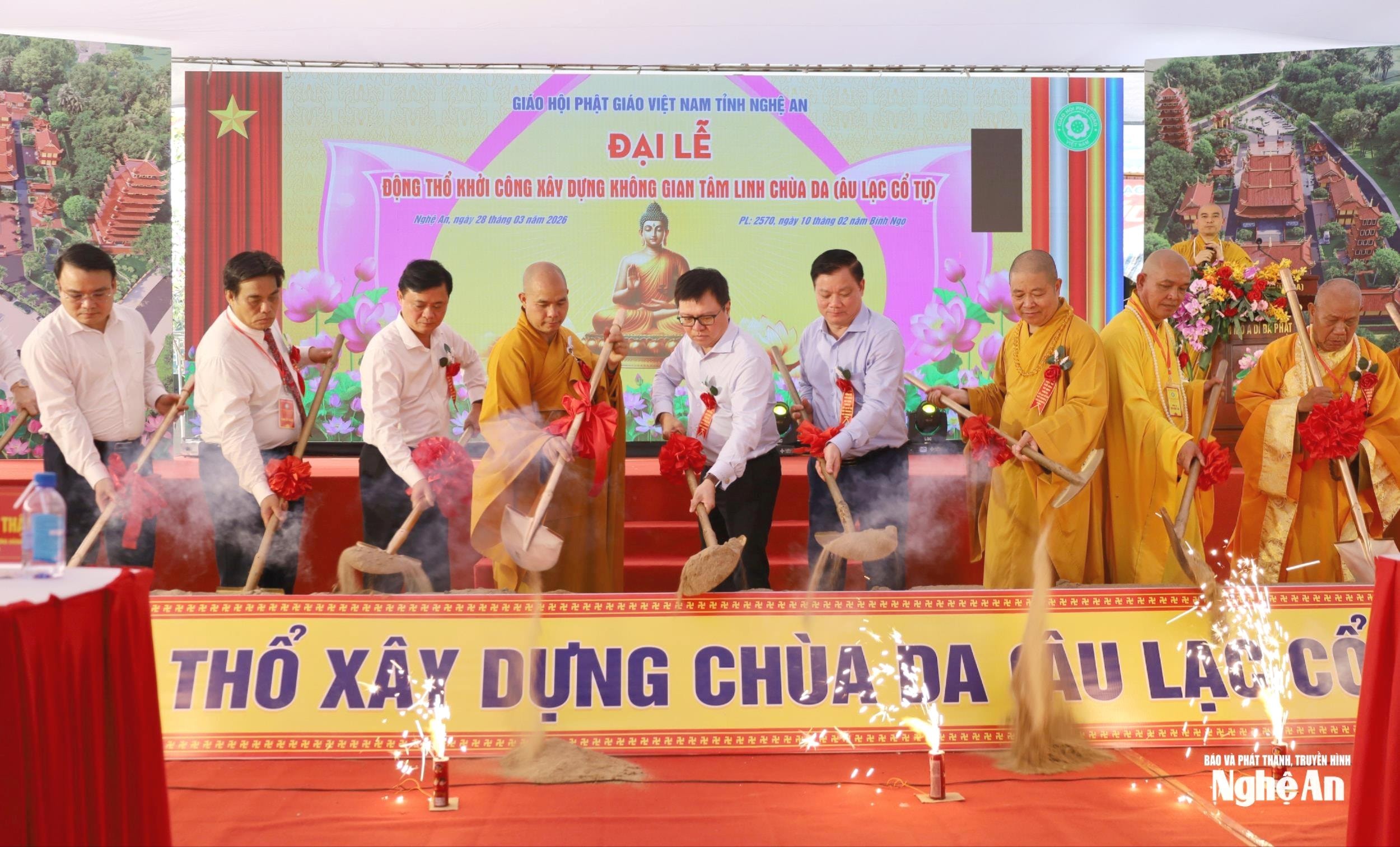
Within the overall planning area of Da Pagoda, there is a memorial house honoring over 500 Vietnamese revolutionary journalists who sacrificed their lives in the struggle to protect the independence and freedom of the nation. This is the only pagoda in the country with a separate altar dedicated to these "soldiers of the pen".
The Martyrs' Memorial for Journalists is designed to be solemn and tranquil, creating a profound sense of remembrance. The architecture harmonizes with the overall temple complex, yet still possesses a distinct character, reflecting respect for the revolutionary journalistic force.
Speaking at the ceremony, Comrade Le Quoc Minh affirmed that the restoration of Au Lac Pagoda is not only about building a Buddhist architectural structure, but also about restoring a spiritual and cultural heritage of the homeland, preserving and promoting the good values left by our ancestors. At the same time, it serves as a significant site for future generations of journalists to visit, pay tribute, and continue the dedication and sacrifices of their predecessors.
The comrade also respectfully acknowledged journalist Nguyen Van Hien - former Deputy Editor-in-Chief of Nghe An Newspaper (now Nghe An Newspaper, Radio and Television), who has quietly spent more than 15 years collecting, connecting, and preserving information about journalists who sacrificed their lives. At the same time, he vowed to work with the temple to establish a place of worship for their spirits.
The creation of this spiritual space is not only a place to commemorate our ancestors, but also a place for self-reflection, a reminder to live and work in a way that is worthy of our heritage.
Once completed, this place will become a source of spiritual support not only for journalists, but also for the general public – those who cherish the truth and appreciate silent sacrifices.


