

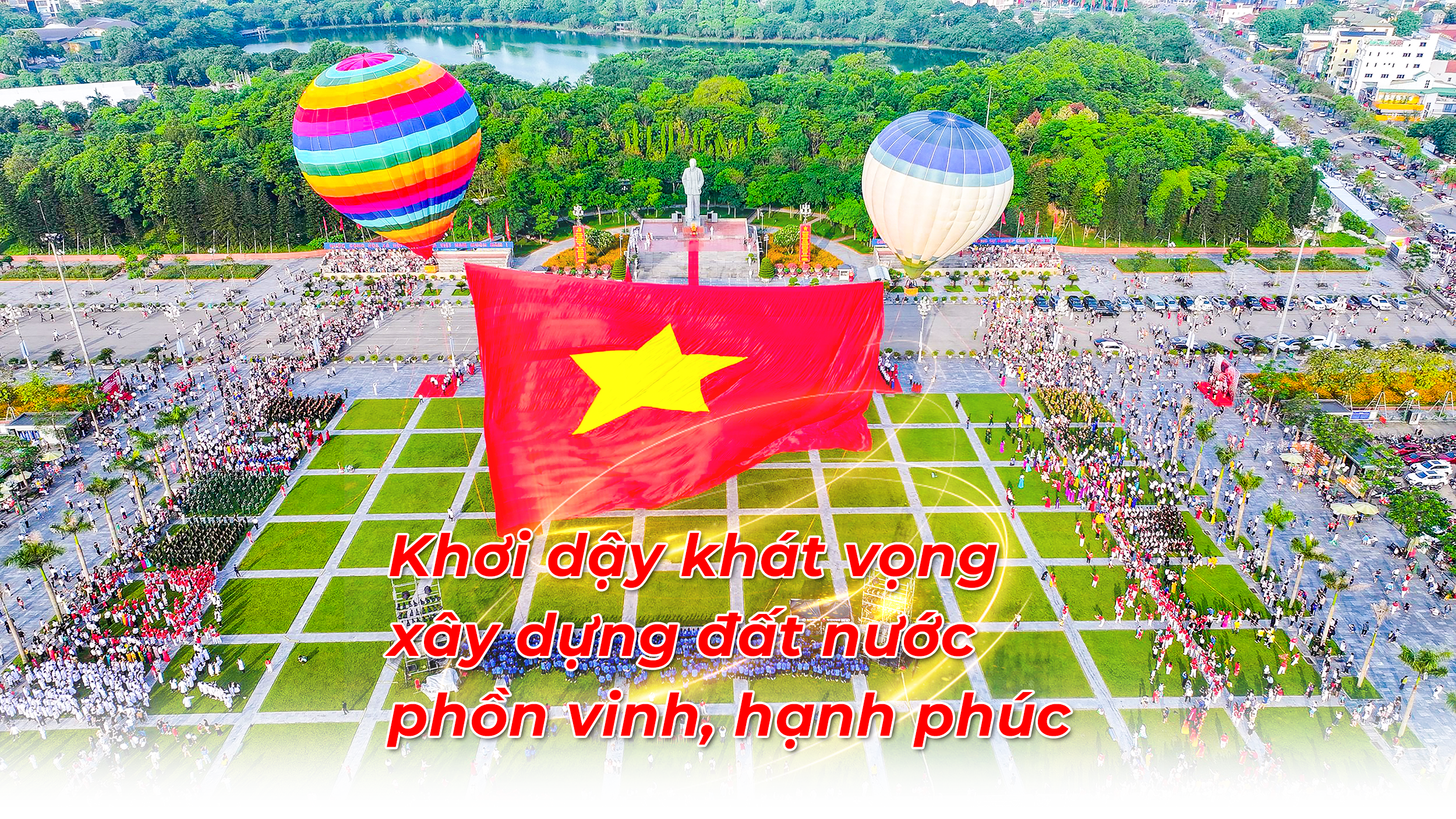
Inspiring the aspiration to build a prosperous and happy nation.
Over the years, Vietnamese literature and art have strived to transform and develop in quantity and quality, meeting the needs of spiritual life, profoundly expressing the beauty of the soul and character of the Vietnamese people, and continuing the tradition of the nation.
Over the years, Vietnamese literature and art have strived to transform and develop in quantity and quality, meeting the needs of spiritual life, profoundly expressing the beauty of the soul and character of the Vietnamese people, and continuing the tradition of the nation. Our reporter had an interview with Associate Professor Dr. Nguyen The Ky - Vice Chairman of the Central Theoretical Council and Head of the Literary and Artistic Criticism Committee, on the development of literature and art in the new era.
***
Van Khanh(Perform) • January 1, 2026
PV: Professor Nguyen The Ky, how do you assess the achievements of Vietnamese literature and art in recent times?
Assoc. Prof. Dr. Nguyen The Ky:The year 2025 is marked by many significant events. We celebrate the 80th anniversary of the National Day of the Socialist Republic of Vietnam. Among these, a very important historical milestone is the 50th anniversary of peace and national reunification. Political, economic, and cultural events are all centered around these milestones, and in the field of literature and art, numerous national-level seminars and discussions have taken place.
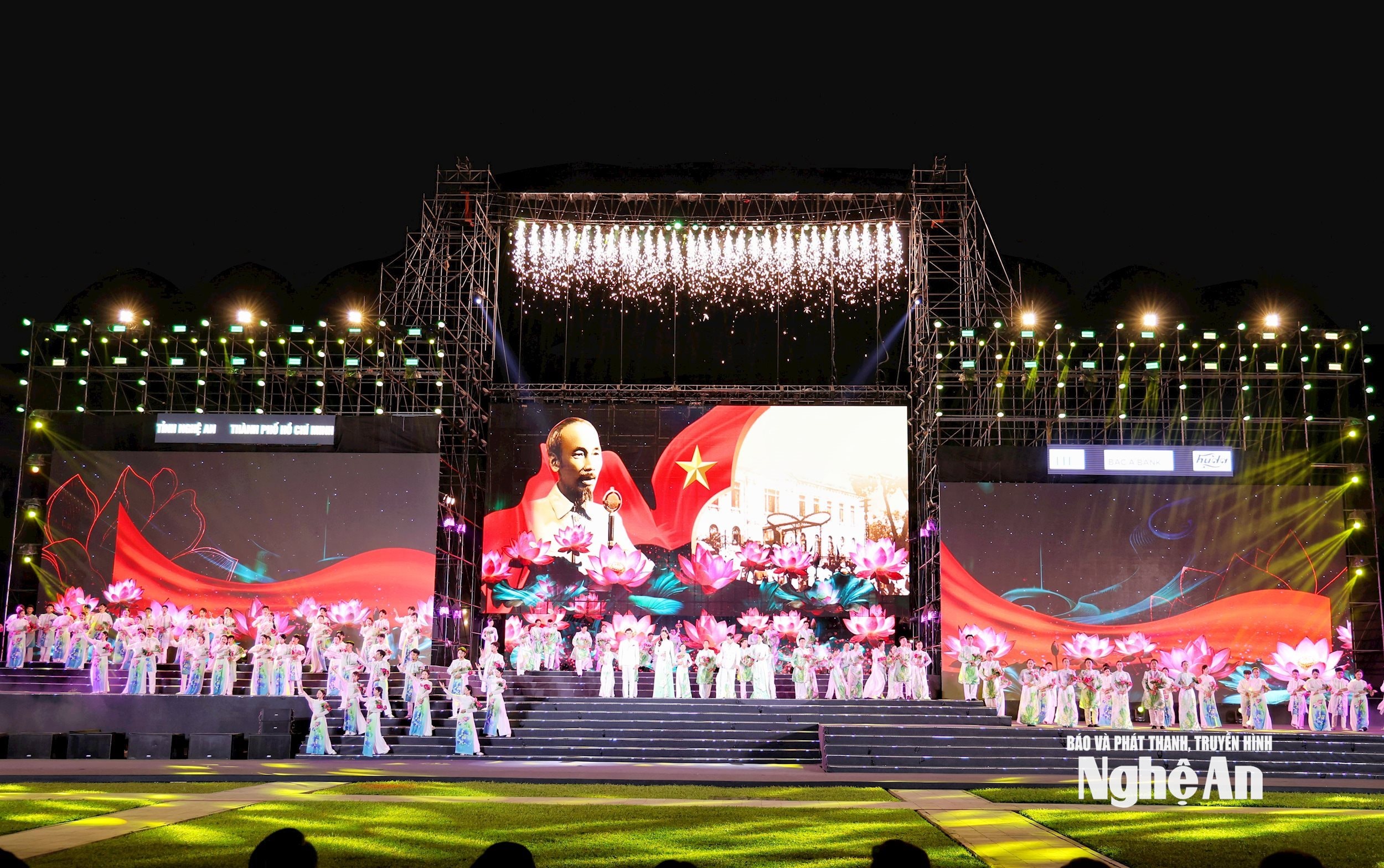
In each field, there is in-depth discussion about what changes have occurred after 50 years of national reunification. We can see points like this: Firstly, after 1975, writers, poets, and literary and art critics began to desire both to continue the traditional lineage and to find a new direction – how to innovate literature and art.
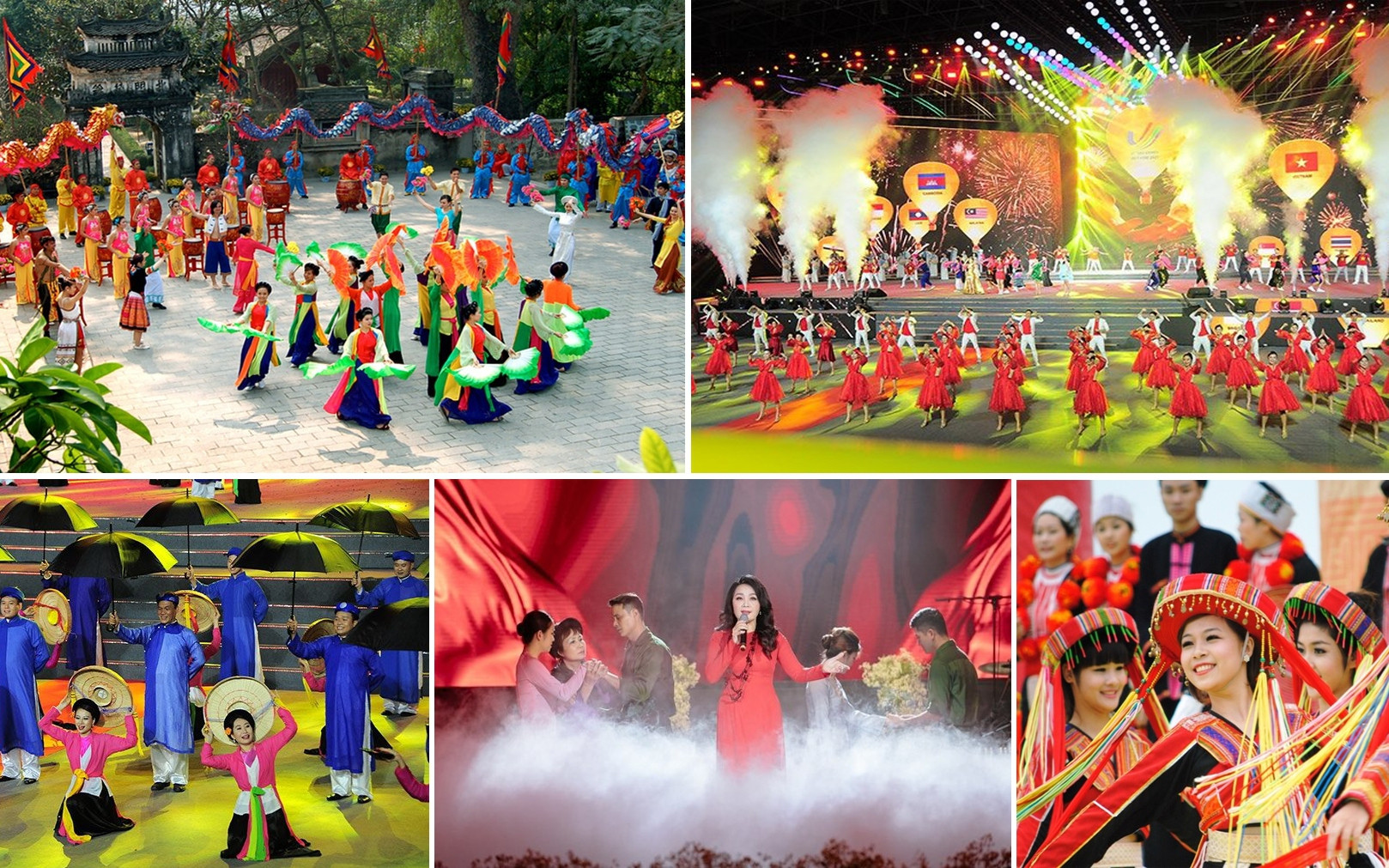
Opening the way for the development of arts and literature in the early stages also sparked debate. This was during the early years of the Party's Doi Moi (Renovation) policy, which included cultural and artistic reform. Some argued that we were abandoning or recognizing a literature and art that was merely illustrative... I think that's not entirely accurate, because that arts and literature had already fulfilled a very glorious mission: joining the entire nation in the arduous and sacrificial resistance against the French and then against the Americans. In reality, it was a revolutionary culture and arts, with many forms—poetry, prose, film, music, theater, photography, fine arts, folk art, dance, architecture—all fighting together, contributing to clearly elevating the stature and position of the nation. We achieved victory through righteousness and through culture.
.jpg)
But today's reality demands innovation. The theme of revolutionary war and the image of the soldier remain very important, but in this new era, new figures must emerge: entrepreneurs in the context of integration, national development, and enrichment; soldiers in the era of advanced technological development; pioneers who master modern, sophisticated technology.
Literature and art have explored these layers and have clearly undergone a transformation compared to the previous period. This transformation is reflected in cognitive thinking, writing style, approach to reality, and the way that reality is portrayed. I also believe that the role of literary and artistic theory is very important, as it serves as a scale for evaluation and guidance for creativity. If theory does not innovate, creativity will face difficulties and breakthroughs will be impossible.
PV:So, what bottlenecks need to be removed so that literature and art can achieve more breakthroughs and development compared to the previous period, sir?
Assoc. Prof. Dr. Nguyen The Ky:Institutional bottlenecks are gradually being recognized and addressed. We have developed strategies for the cultural industry, with a focus on film and music; the film industry alone has undergone a spectacular transformation in the last 15 years. The government has issued new strategies to elevate these fields, and if done well, they will both serve people's spiritual lives and become a very important economic sector – the cultural industry.
When discussing the cultural industry, it's essential to mention the role of various forms of literature and art, as they provide both ideas and materials, giving wings to the cultural industry. For example, to develop tourism, we must draw inspiration from literature and art to create unique tourism products.
PV: What do today's young artists inherit and build upon from previous generations to contribute to the advancement of literature and art?
Assoc. Prof. Dr. Nguyen The Ky:It must be said that today's generation of young artists is better trained, has better working conditions, possesses strengths in foreign languages and computer skills, can learn and interact with friends around the world, embrace new trends, broaden their horizons, and thus develop their strengths and talents. They have contributed to a fresher and more vibrant literary and artistic landscape. They know how to target a young audience, and therefore their artistic products are more innovative, creative, and appealing.
PV: According to him, what specific solutions do we need to implement to ensure the comprehensive development of literature and art in the new era?
Assoc. Prof. Dr. Nguyen The Ky:Our Party has defined the task of Vietnamese literature and art during the period of accelerated industrialization, modernization, and international integration as comprehensive and vigorous development, deeply imbued with humanistic and democratic spirit. To develop literature and art in this new era, many synchronized solutions are needed, focusing on strengthening the Party's leadership, improving the effectiveness of State management, reforming operational mechanisms, building policies to reward and support artists, promoting theoretical research and criticism, developing the cultural industry and cultural market, promoting international exchange, while simultaneously preserving national identity and integrating into the international community.
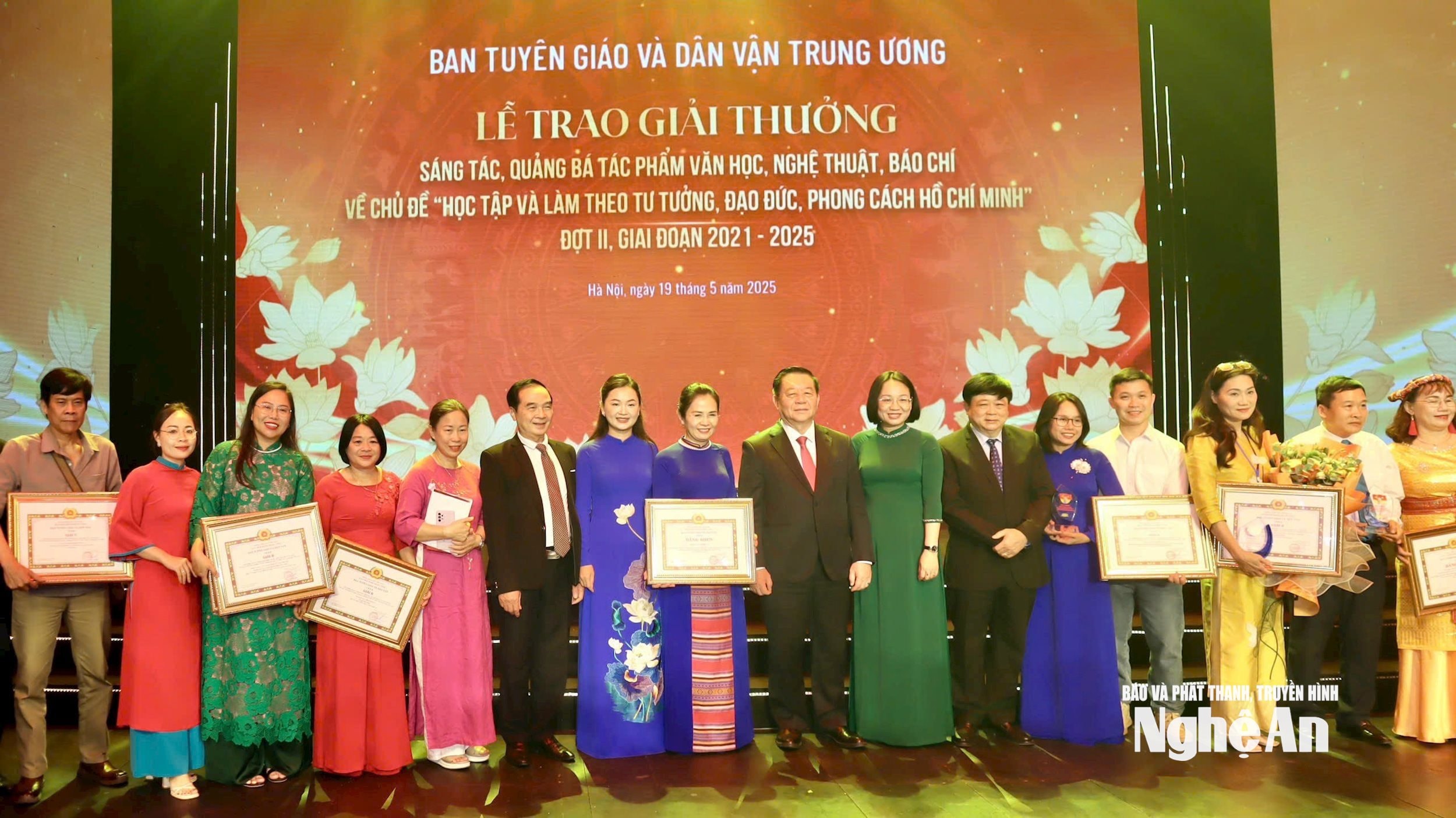
Furthermore, strengthening art education is a solution in building a new generation of people with fundamental characteristics: patriotism, compassion, loyalty, honesty, solidarity, diligence, and creativity. New policies and regulations should be developed for literary and artistic activities, such as salary and royalty systems, professional development programs, and retirement schemes for intellectuals and artists. Mechanisms should be established to encourage artists and artisans to develop their talents and creative abilities, and to promote literature and art with a full awareness of their social responsibility and civic duty.
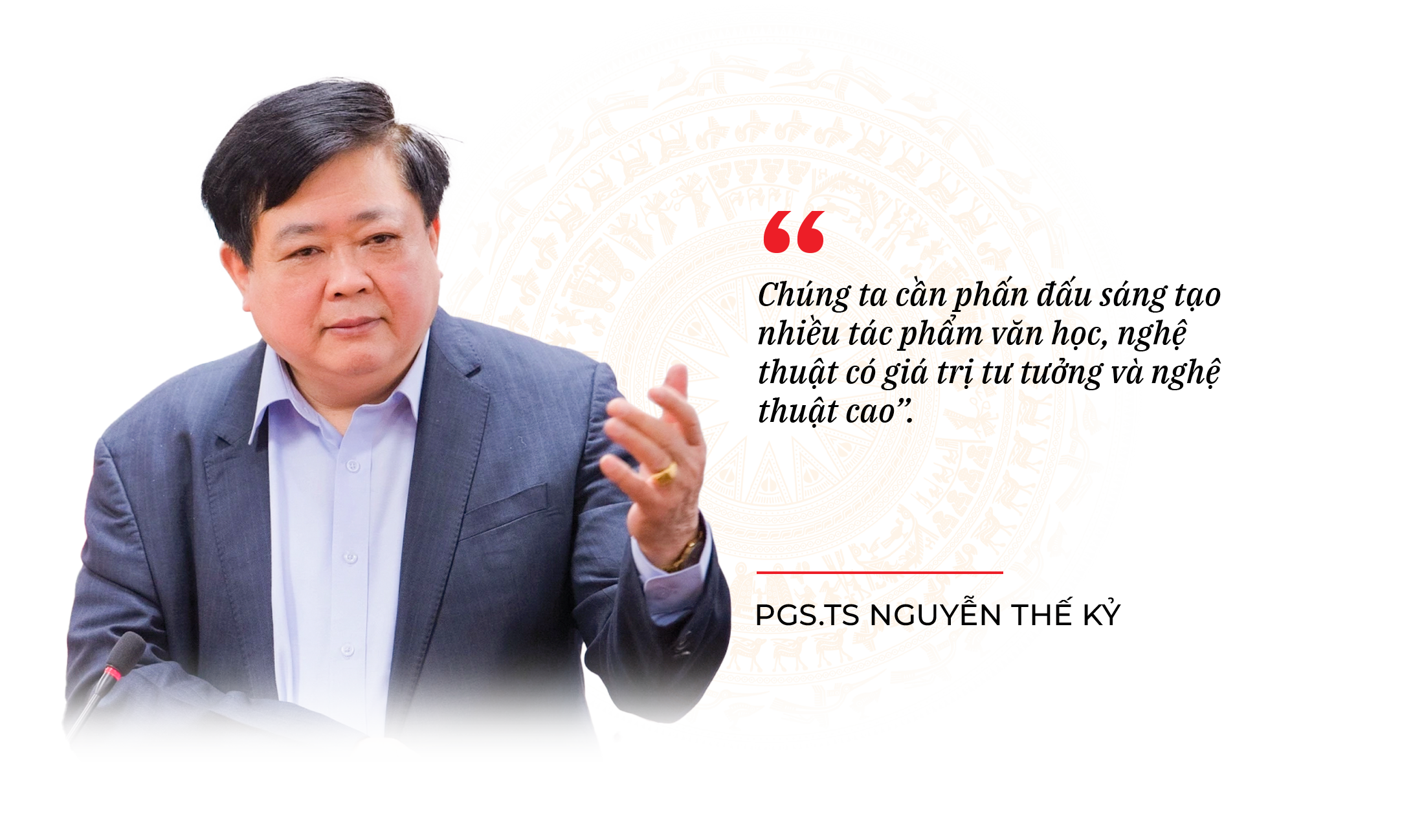
We need to strive to create more literary and artistic works of high ideological and artistic value. We should value traditional themes while closely adhering to the realities of life in the era of industrialization, modernization, and international integration, especially themes related to combating corruption and moral degradation. We should implement a policy of commissioning literary and artistic works.
Developing literature and art through an industrial approach will give them new vitality, making them closer to the needs and aspirations of the people. This will instill greater confidence in the people, create a positive atmosphere for national development, and contribute to inspiring the desire to build a prosperous and happy country through the power of culture and art.
PV: We sincerely thank Associate Professor Dr. Nguyen The Ky for his valuable insights!


