Society

Cua Lo is not only known for its beaches, but also for its sacred land.

Tuyen Temple December 23, 2025 19:11

When mentioning Cua Lo, many people immediately think of its turquoise beaches, long stretches of white sand, or delicious fresh seafood. But few know that hidden behind this vibrant beach tourism scene are sacred and ancient spiritual destinations, preserving the soul of Nghe An's culture, and offering visitors a place to find peace and tranquility.
Cũng tại phường Nghi Thủy, nằm không xa đền Mai Bảng là đền Yên Lương, được xây dựng từ cuối thế kỷ XVI, thờ Phó mã Thái úy Quận công Nguyễn Sư Hồi – người có công chiêu dân lập ấp, đặt tên làng Vạn Lộc với ước vọng “muôn lộc đổ về”.
Nestled amidst coastal residential areas, the temples and pagodas of Cua Lo have quietly existed for hundreds of years, serving as places where people return for holidays, festivals, before fishing trips, or when life is hectic, seeking refuge, faith, and peace amidst the modern pace of life. Photo: Dinh Tuyen
Ngôi đền được xây dựng từ thời Trần, thờ các vị thần Cao Sơn, Cao Các, phối thờ Hoàng Khắc Dòng – vị quan thời Lê có công hộ quốc an dân, cùng Tam Tòa Thánh Mẫu và bản cảnh Thành hoàng. Trải qua gần 7 thế kỷ, đền vẫn giữ được không gian linh thiêng, hài hòa với cảnh quan bàu Lối, trở thành điểm dừng chân quen thuộc của người dân và du khách.
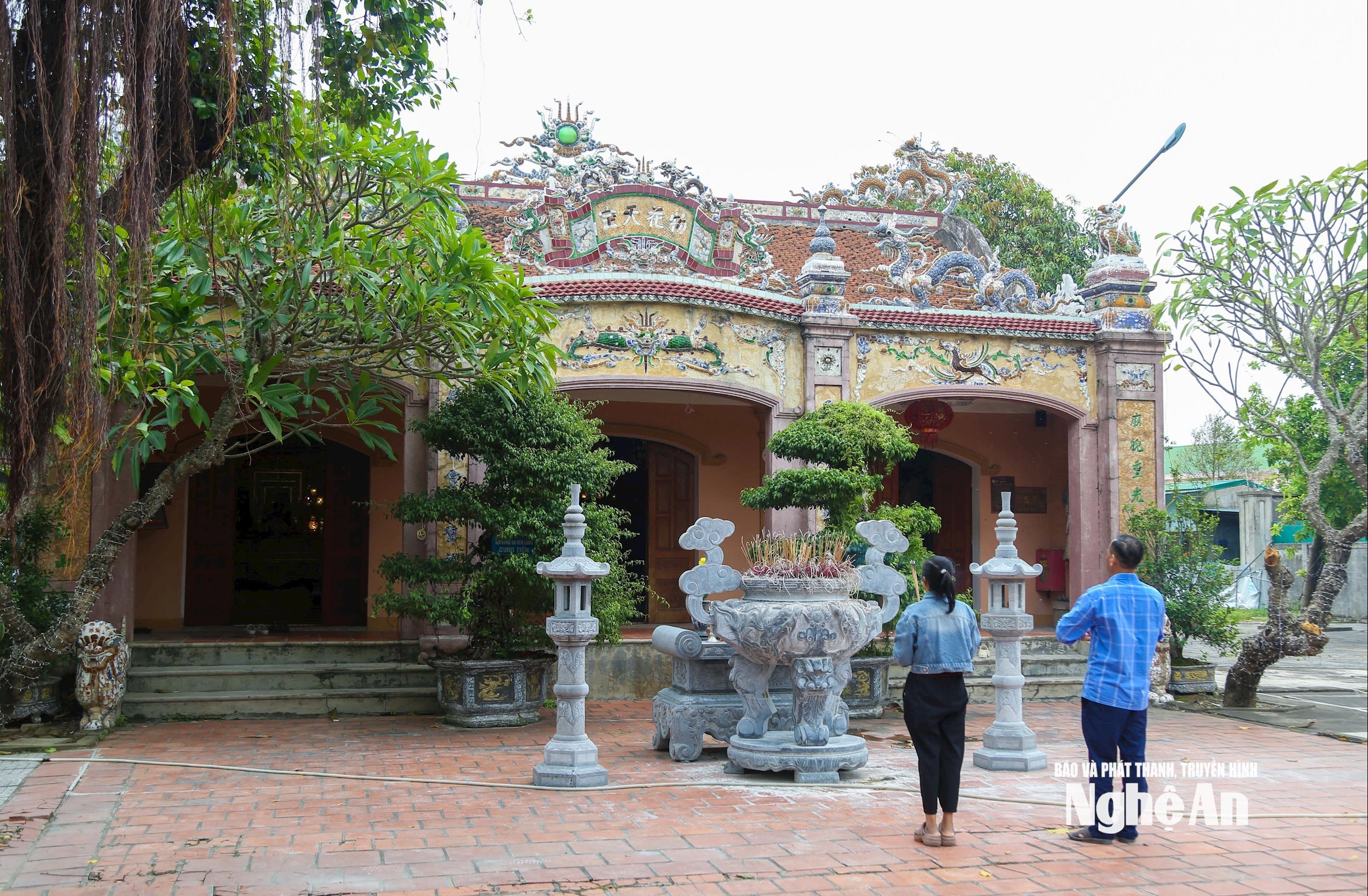
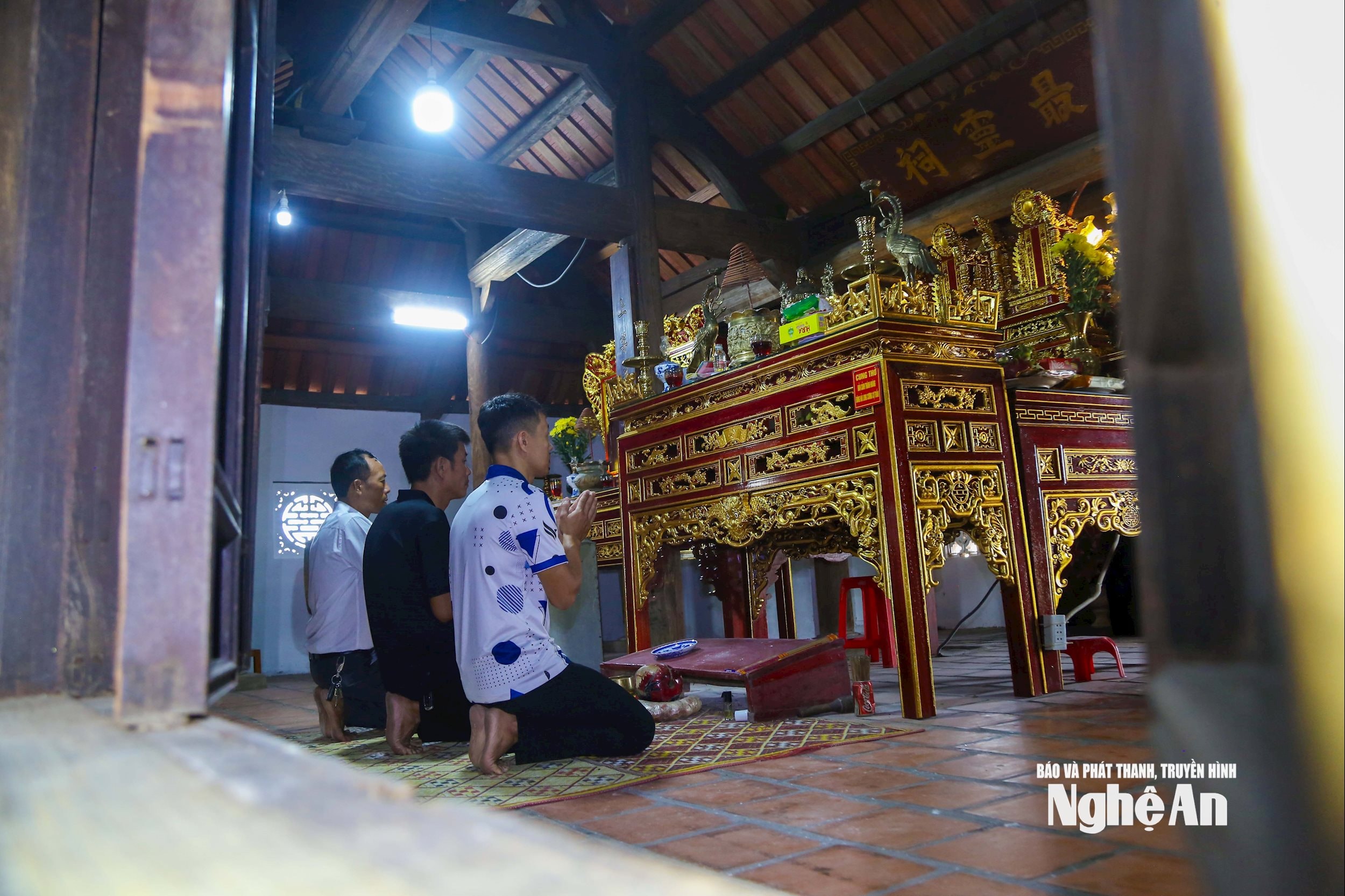
In Nghi Thu hamlet, the Bau Loi Temple (also known as Thu Lung Temple), built during the Tran Dynasty, worships the deities Cao Son and Cao Cac. It also includes the worship of the secondary deity Hoang Khac Dong, a Le Dynasty official who contributed to protecting the nation and ensuring peace for the people, along with the Three Holy Mothers and the local tutelary deity. Photo: Dinh Tuyen
Ẩn mình giữa các khu dân cư ven biển, những ngôi đền, ngôi chùa ở Cửa Lò lặng lẽ tồn tại qua hàng trăm năm, là chốn để người dân tìm về mỗi dịp lễ, tết, trước chuyến ra khơi hay khi cuộc sống bộn bề, gửi gắm niềm tin và tìm sự an yên giữa nhịp sống hiện đại.
The temple covers an area of ​​over 3,800 m² with a system of three gates, lower, middle, and upper halls; among which the lower hall is a structure bearing unique architectural features. For nearly seven centuries, the temple has remained an important spiritual anchor for the local people. Photo: Dinh Tuyen
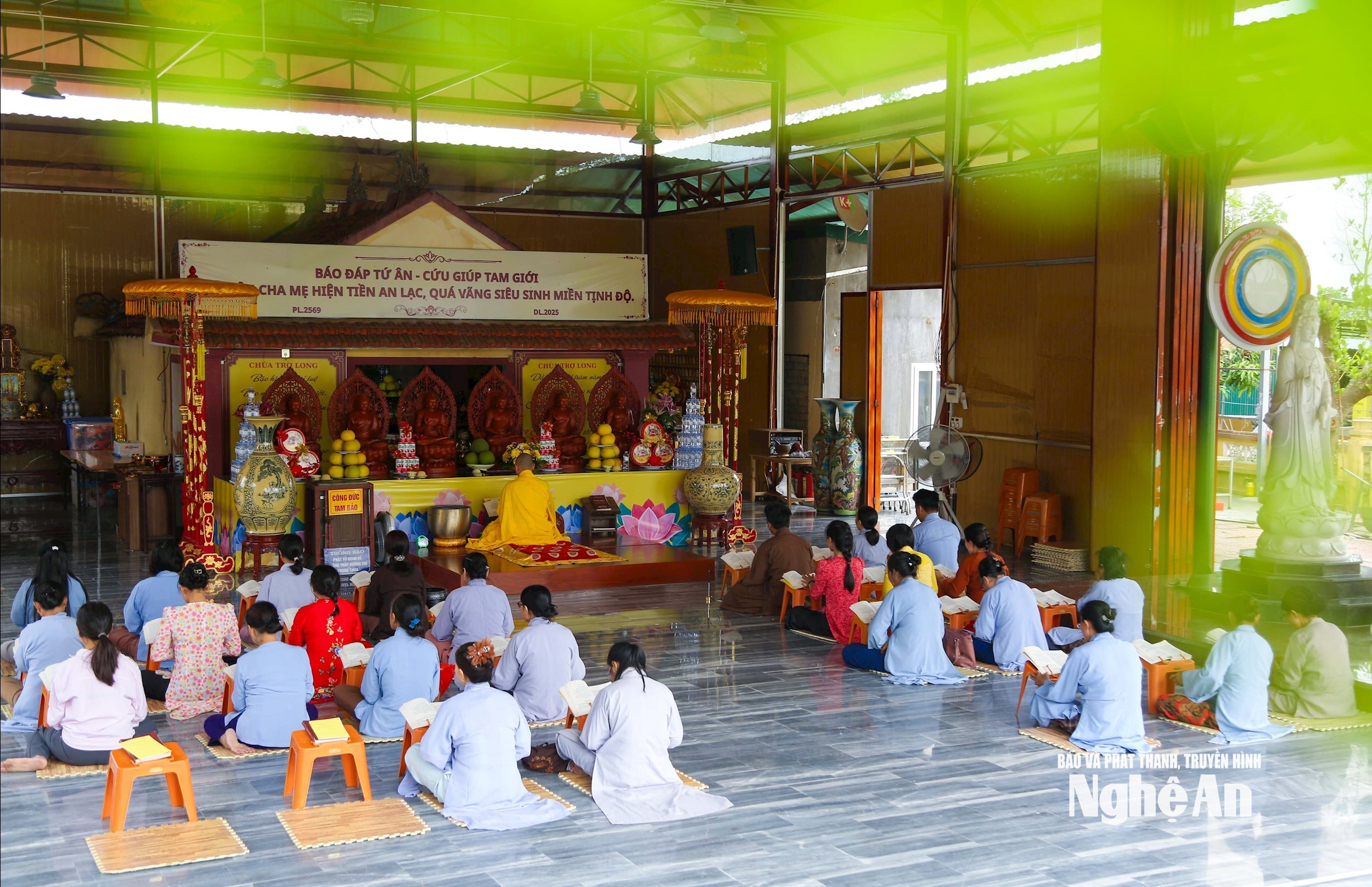
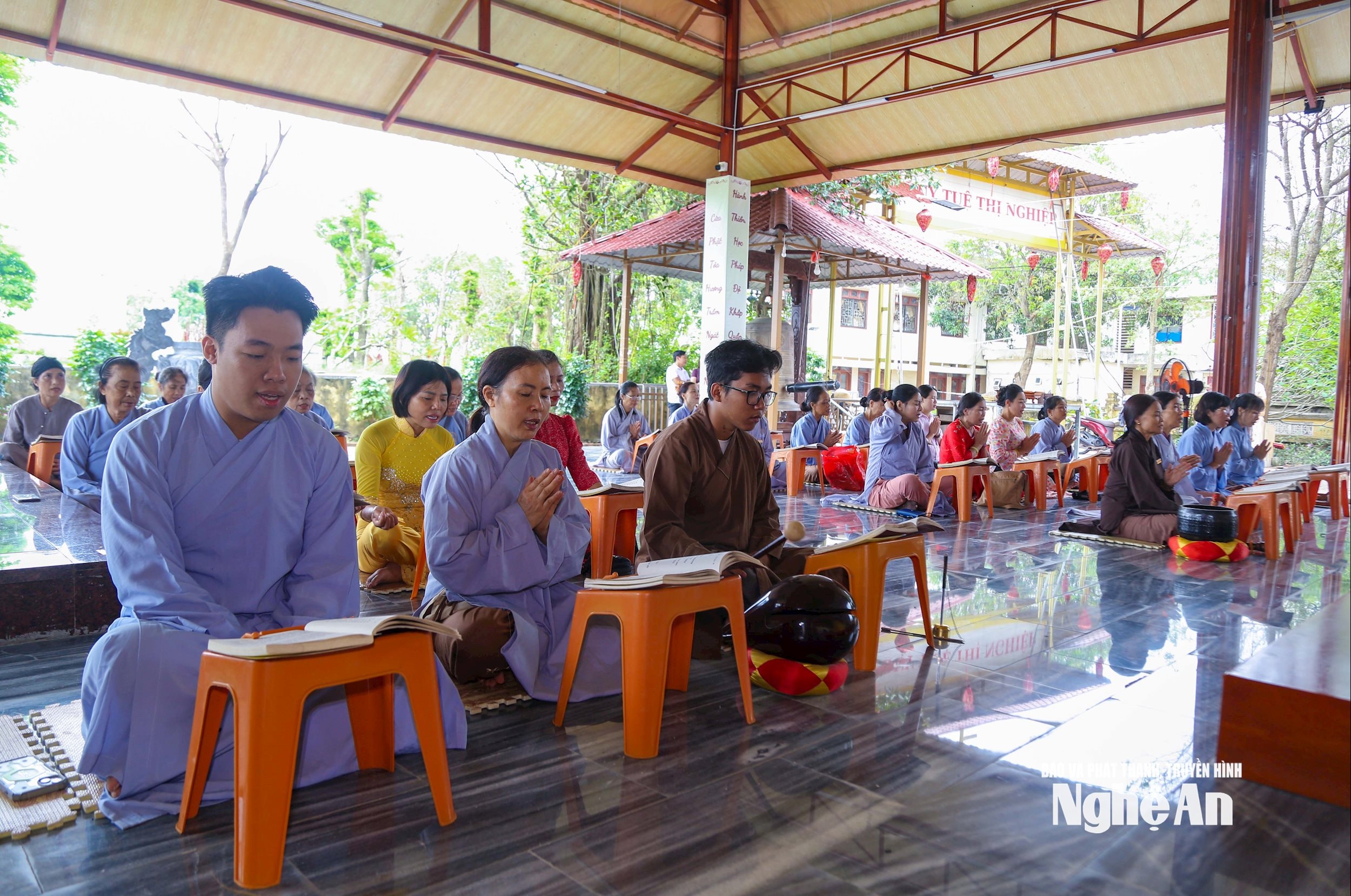
Chùa là nơi người dân thường lui tới lễ Phật, cầu bình an, tìm sự tĩnh tại giữa nhịp sống đô thị biển.
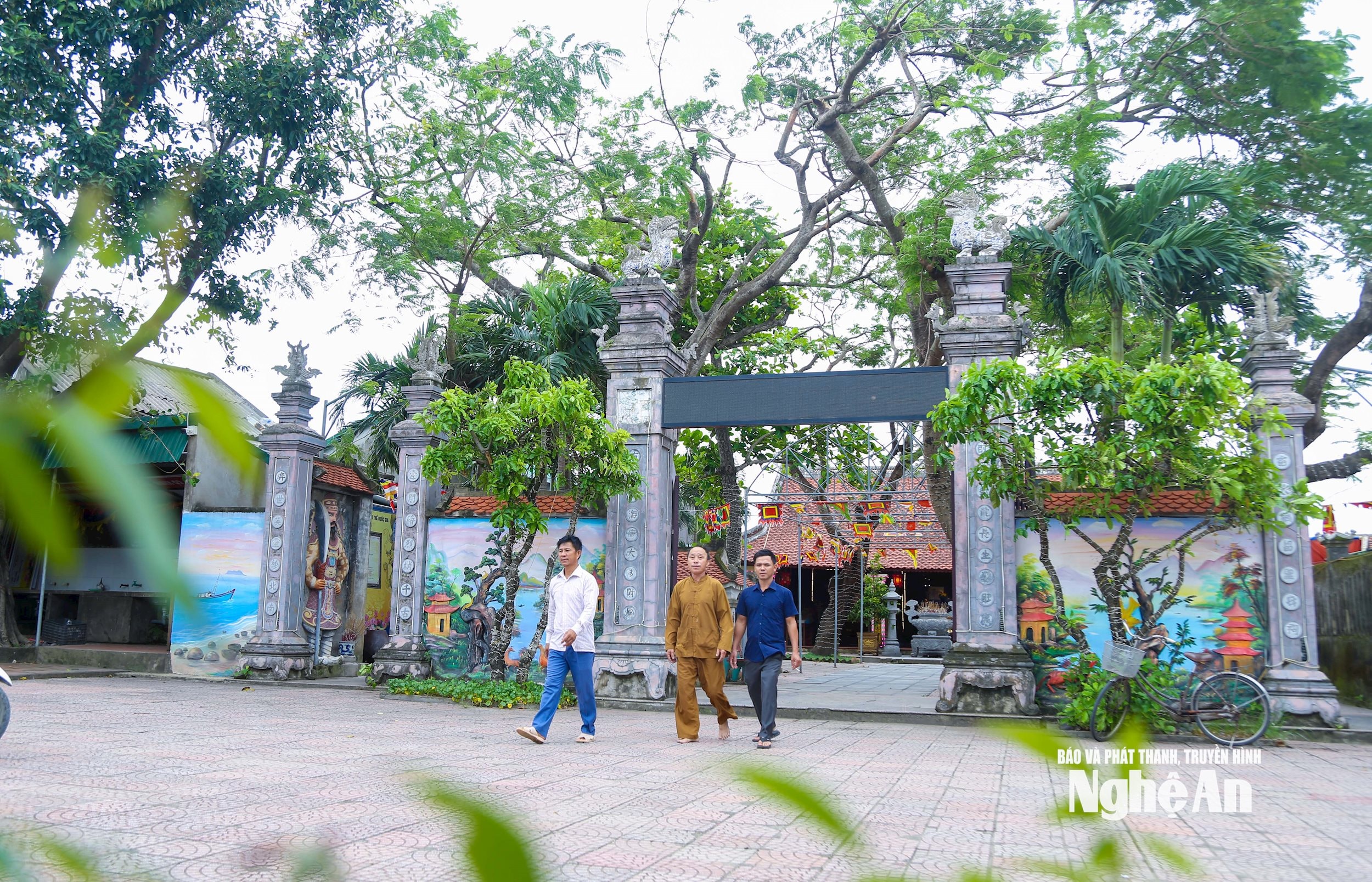
Also in Nghi Thu, Tro Long Pagoda has a history dating back to before 1547, with the traces of the pagoda's well clearly showing its age. Photo: Dinh Tuyen
Cũng trên địa bàn khối Nghi Thu, cách đền Bàu Lối không xa là chùa Trợ Long, ngôi chùa có lịch sử hình thành từ trước năm 1547, dấu tích giếng chùa còn lưu niên đại đến nay.
The temple is a place where people often come to worship Buddha, pray for peace, and find tranquility amidst the bustling life of the developing coastal city. Photo: Dinh Tuyen
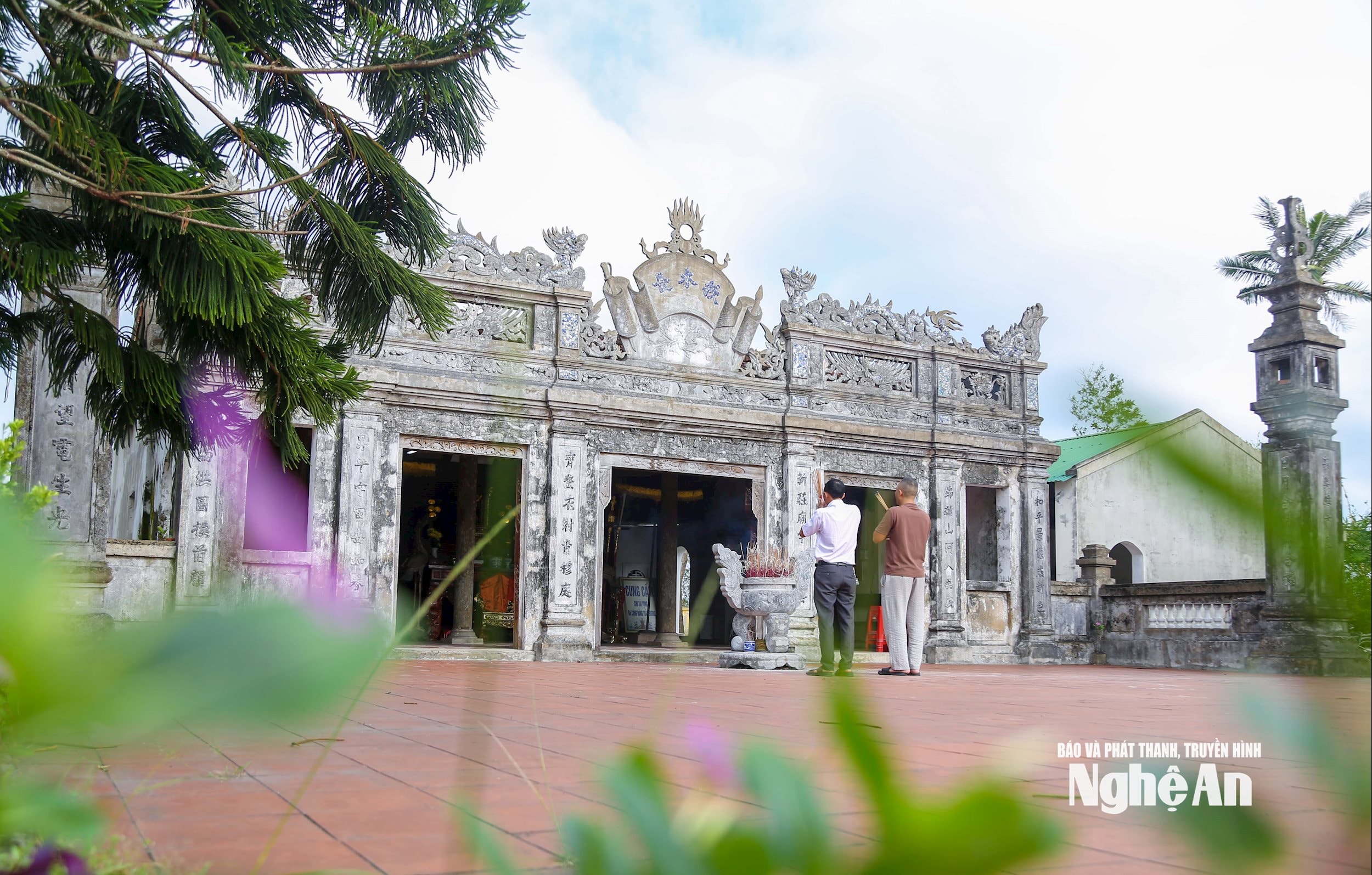
Tiếp tục men theo tuyến ven biển về khối Nghi Thủy, du khách đến đền Mai Bảng – ngôi đền gắn liền với đời sống tín ngưỡng của ngư dân. Đền thờ tướng Lê Khôi, Chế Thắng phu nhân Nguyễn Thị Bích Châu, Thủy Tinh Phu Nhân và các vị khai cơ lập làng.
Following the coastal axis to Nghi Thuy hamlet, Mai Bang Temple is a typical destination of maritime beliefs. The temple is dedicated to General Le Khoi, Che Thang's wife Nguyen Thi Bich Chau, Thuy Tinh Phu Nhan, and six founding figures of the village. Photo: Dinh Tuyen
Trước mỗi chuyến ra khơi, ngư dân thường đến đây kính thỉnh các vị thần phù hộ cho hành trình bình an, tôm cá đầy khoang. Hằng năm, đền tổ chức lễ hội lớn vào tháng 2 và tháng 5 âm lịch, mang đậm sắc thái văn hóa biển.
For fishermen, this is a sacred place before each fishing trip, where they pray for calm seas and a bountiful catch. Every year, the temple holds a major festival in the 2nd and 5th lunar months, reflecting the rich cultural identity of the fishing community. Photo: Dinh Tuyen
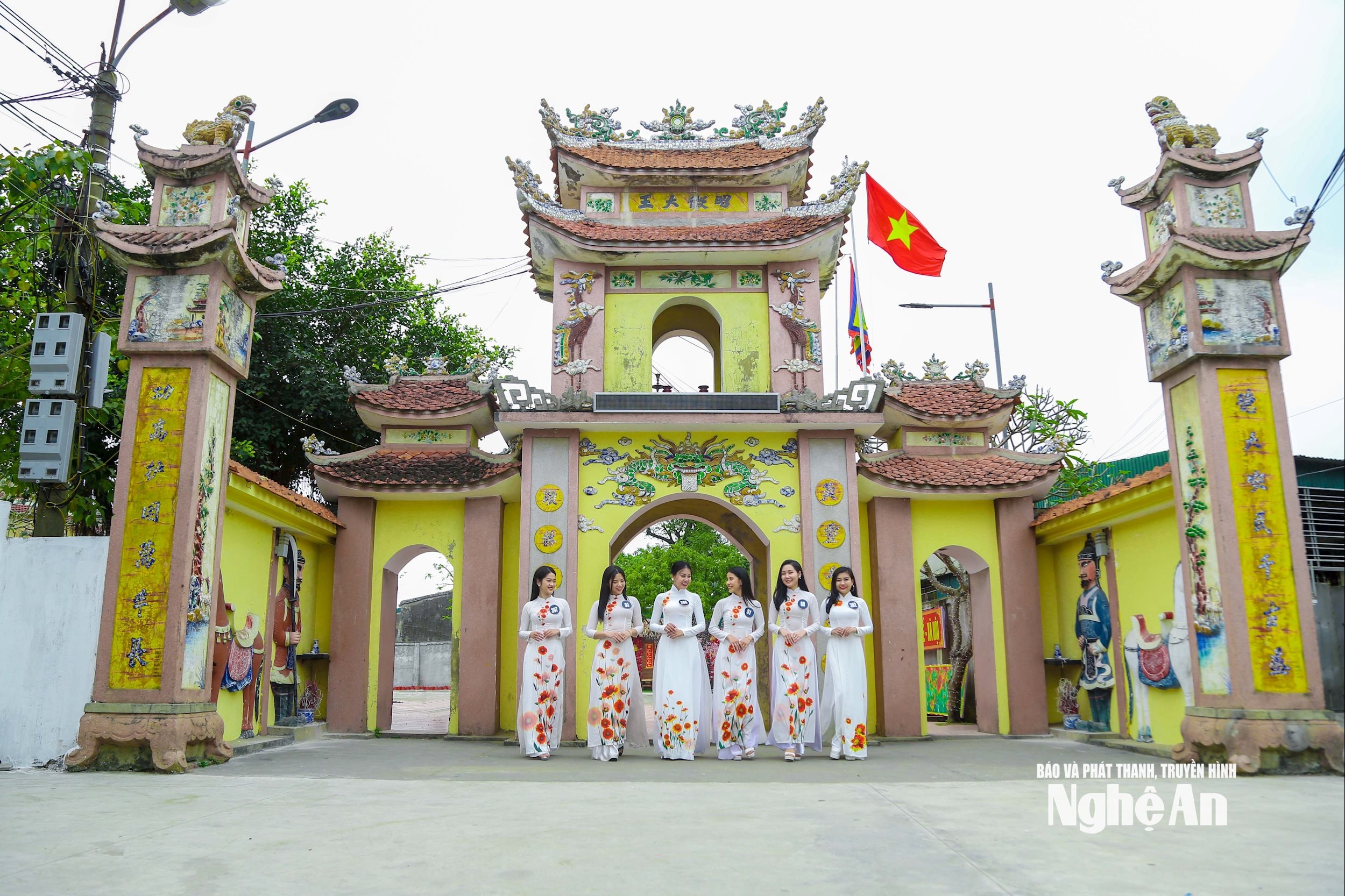
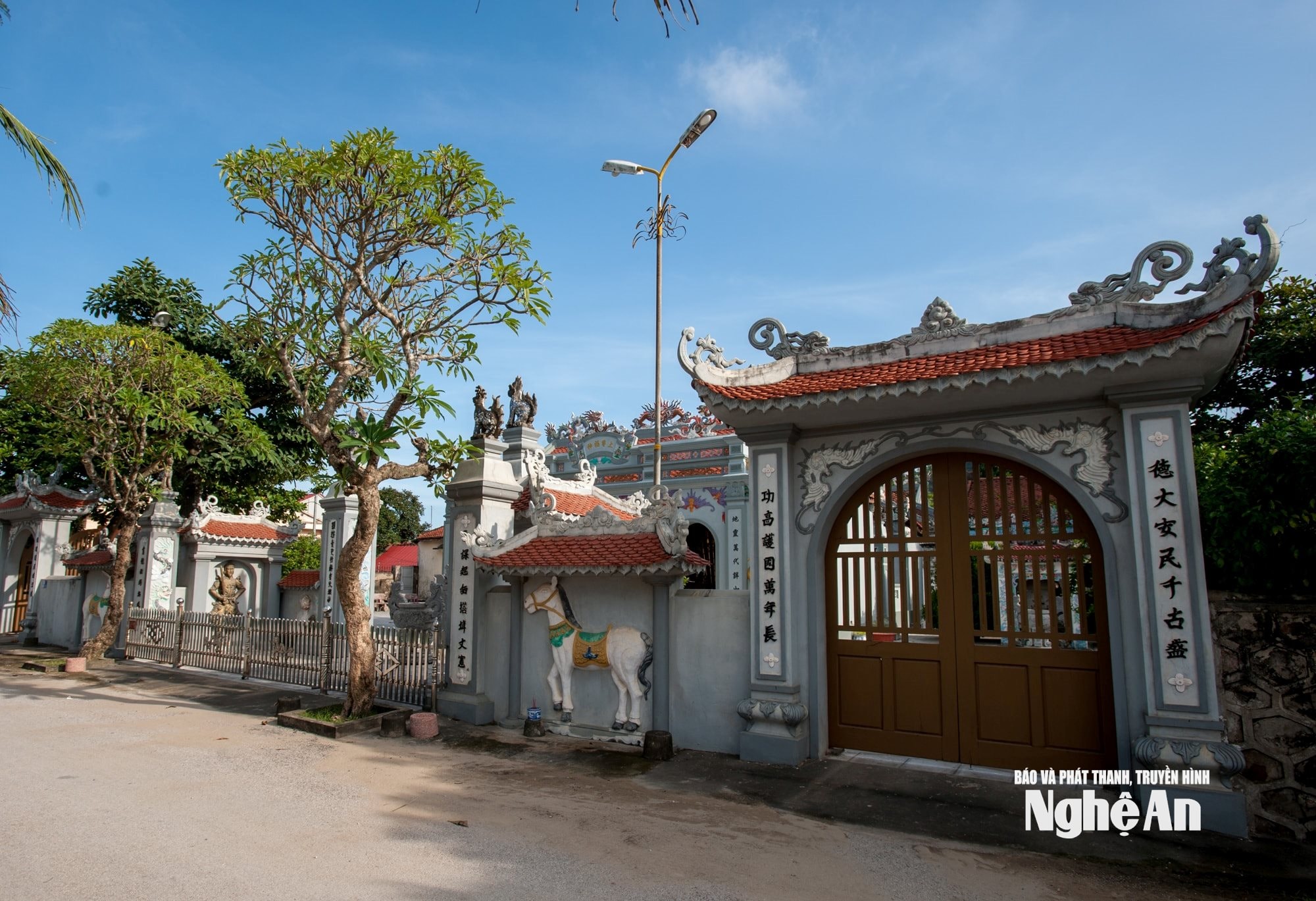
Rời Nghi Thu, theo tuyến ven biển về phường Nghi Thủy, du khách đến đền Vạn Lộc – ngôi đền thờ Phó mã Thái úy Quận công Nguyễn Sư Hồi, vị danh tướng thời Lê có công chiêu dân lập ấp, dựng nên làng Vạn Lộc với ý nghĩa “muôn lộc đổ về”. Đền được xây dựng từ cuối thế kỷ XVI, là điểm tựa tâm linh quan trọng của cư dân vùng biển, gắn với truyền thống hiếu học và tinh thần khai phá vùng đất ven biển Cửa Lò.
Also in Nghi Tan district, Van Loc Temple was erected to worship Deputy Commander-in-Chief Nguyen Su Hoi, a famous general during the Le Dynasty who contributed to attracting people to settle and establish Van Loc village with the hope of "abundant blessings." The temple is associated with the pioneering traditions, love of learning, and the maritime spirit of the local people. Photo: Dinh Tuyen
cửa lò (11)
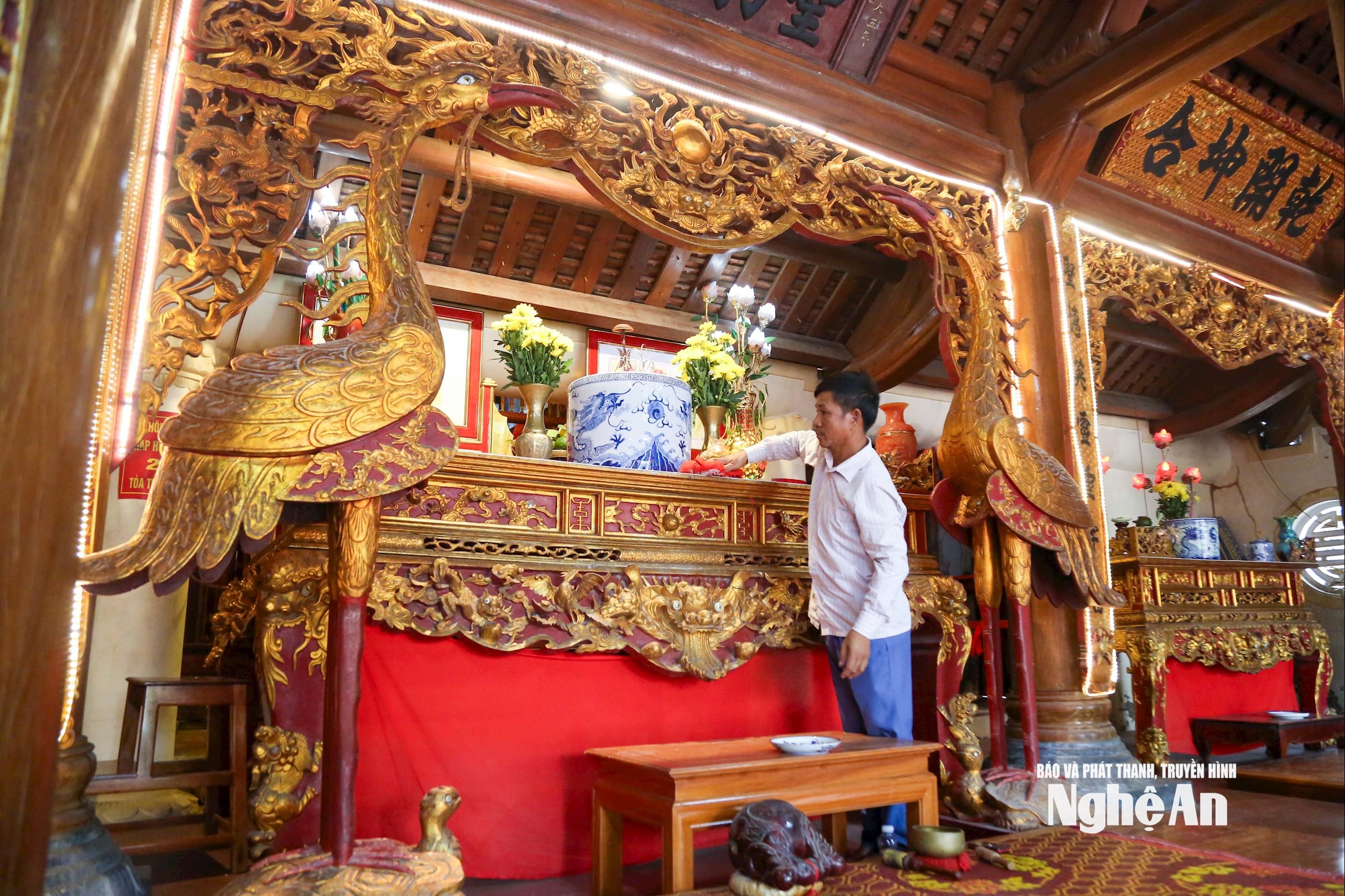
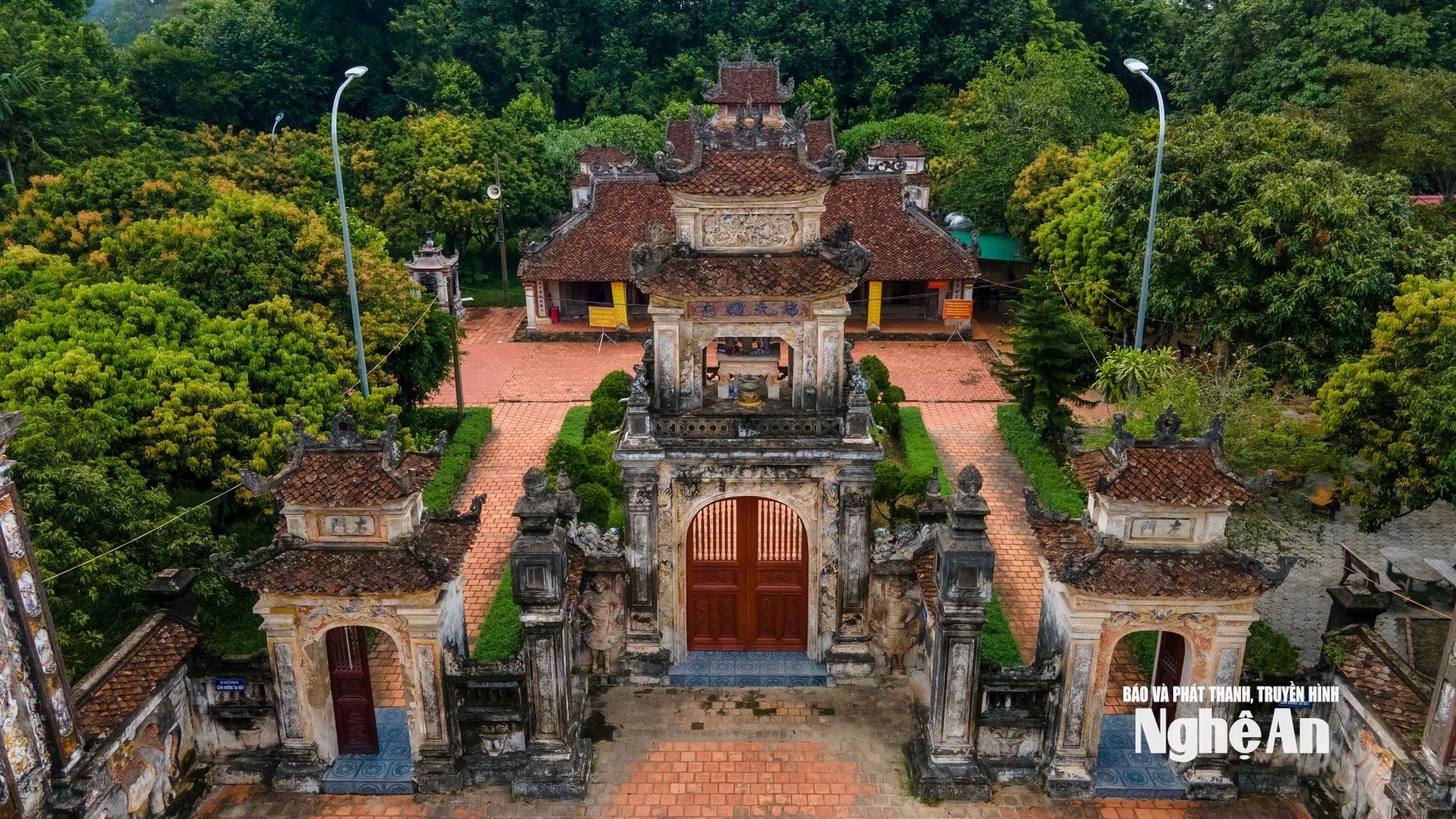
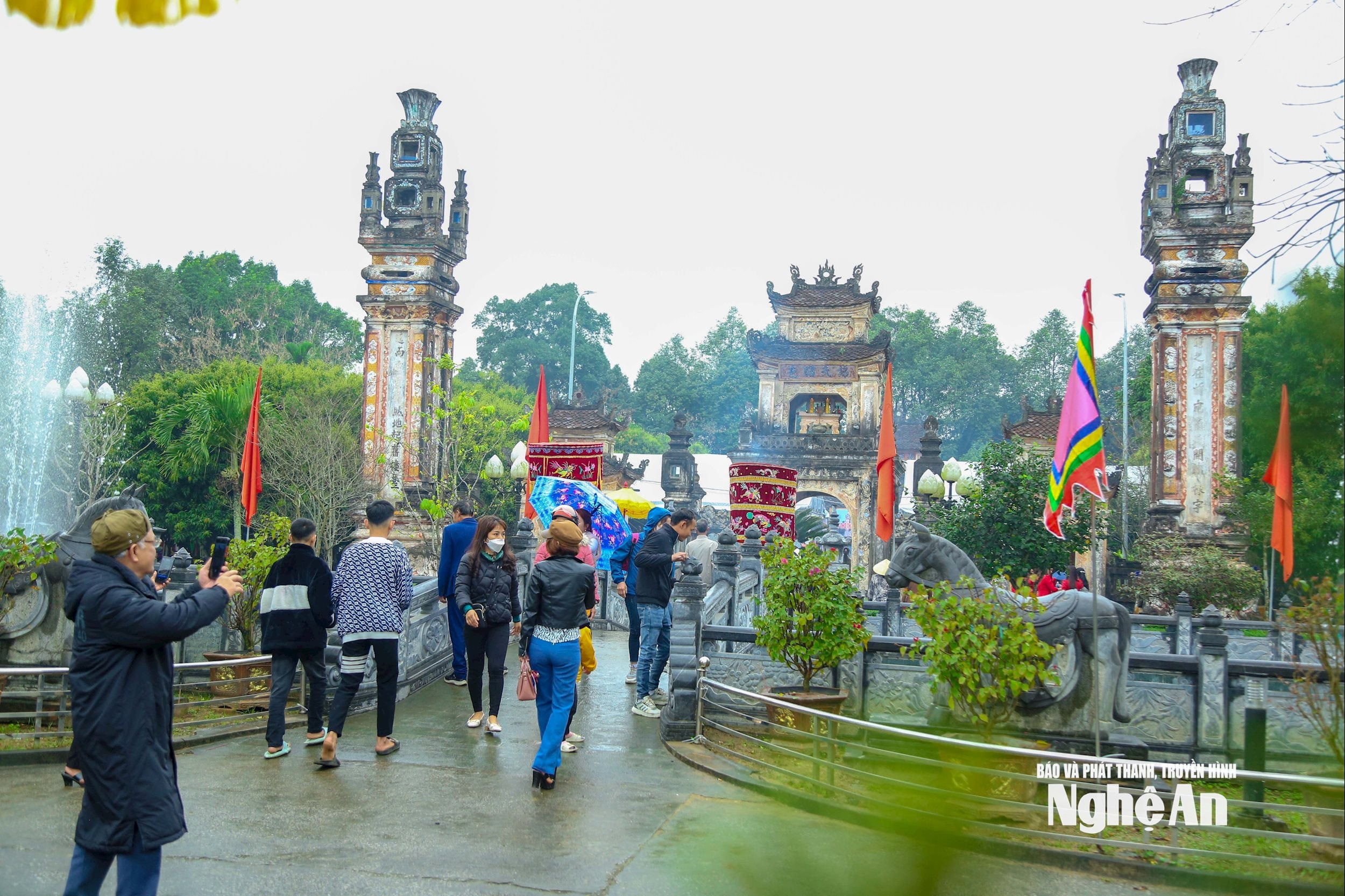
Not far from there is Yen Luong Temple, built in the year of Nham Tuat (1682), the 3rd year of the Chinh Hoa era under King Le Hy Tong. Having existed for nearly 350 years, the temple is a spiritual architectural work with a rich history and was recognized as a provincial-level historical relic in 2012. Photo: Dinh Tuyen
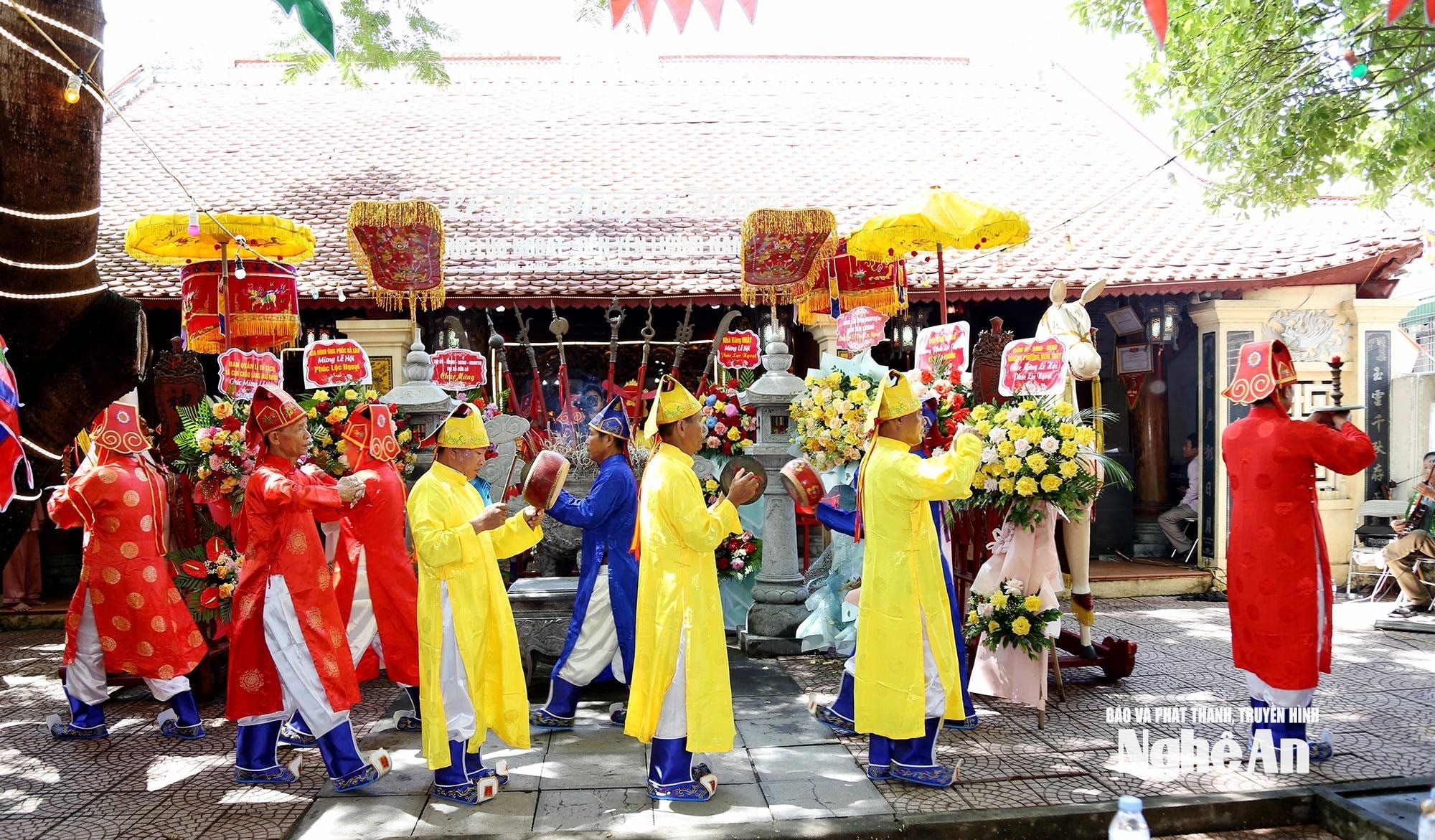
Ngôi đền là di tích lịch sử cấp tỉnh, nổi bật với lễ hội Phúc Lục Ngoạt – lễ hội lớn của cư dân vùng biển, được phục dựng từ năm 2007 và tổ chức định kỳ 3 năm một lần.
This place is notable for the Phuc Luc Ngoat Festival, a major festival of the coastal residents, which was revived in 2007 and is held every three years. Photo: Dinh Tuyen
bna_1112.jpg
Located about 2km from Cua Lo ward, Nguyen Xi Temple sits at the confluence of the Cam River and Lo stream in Dong Loc commune. It is a place of worship for Grand Tutor Cuong Quoc Cong Nguyen Xi, a founding meritorious official of the early Le Dynasty. Photo: Dinh Tuyen
nguyen xi
Grand Tutor Cương Quốc Công Nguyễn Xí was not only a founding figure of the Lê dynasty but also played a significant role in establishing, protecting, and shaping the Cửa Lò region as it is today. From a base along the river and sea, he organized land reclamation, stabilized the population, and laid the foundation for the long-term development of a historically significant area, closely linked to both the sea and agriculture. (Photo: Đình Tuyên)
bna_1(1).jpg
Along that route, Cua Lo emerges not only as a resort destination but also as a sacred land, where history, beliefs, and the life of the coastal inhabitants intertwine, creating enduring depth for a coastal tourist city in Nghe An province. Photo: Dinh Tuyen
0 0 0

Featured in Nghe An Newspaper

Latest

x
Cua Lo is not only known for its beaches, but also for its sacred land.
Google News
POWERED BYFREECMS- A PRODUCT OFNEKO