
It's not just a monitoring loophole.
The incident of 300 tons of diseased pork slipping through quarantine checkpoints and entering slaughterhouses to be sold on the market is not just a loophole in inspection and supervision, but a sign of moral decay in public service. This is the real core issue, the most alarming one!
.png)
Content:Nhat Lan -Design:Huu Quan• April 6, 2026
Following the revelation that 300 tons of diseased pork had slipped through quarantine checkpoints, entered slaughterhouses, been sold on the market, and even supplied to schools, the entire society was shaken. Over the past few days, newspapers and social media platforms like Facebook have been flooded with articles describing the anxiety and worry of parents; demands for stricter management of collective and industrial kitchens; and calls for expanded investigations to trace all the destinations of the diseased pork, identify all involved organizations and individuals, publicly disclose information, and strictly punish offenders according to the law.
It's truly a horrifying event. And if this information hadn't been proactively released by the investigating agency for the press to publish, it would be hard to believe it's true.
Numerous news articles have detailed how individuals formed a network to collect diseased pigs from various localities, slaughter them, and then sell them on the market and supply them to school cafeterias. To ensure this "closed-loop process" went undetected, the network involved individuals posing as quarantine officials. Specifically, the Hanoi City Police have prosecuted three individuals, all officials from the Center for Diagnosis, Testing, and Slaughter Control (Hanoi Department of Animal Husbandry, Fisheries and Veterinary Medicine), on the same charge: Abusing their positions and authority to misappropriate property. Initial investigations by the Hanoi City Police determined that these three individuals abused their positions and authority to illegally collect money and misappropriate property from slaughterhouse owners and drivers. Furthermore, they falsified quarantine documents and bypassed mandatory control procedures, allowing diseased and dead pigs to enter slaughterhouses.
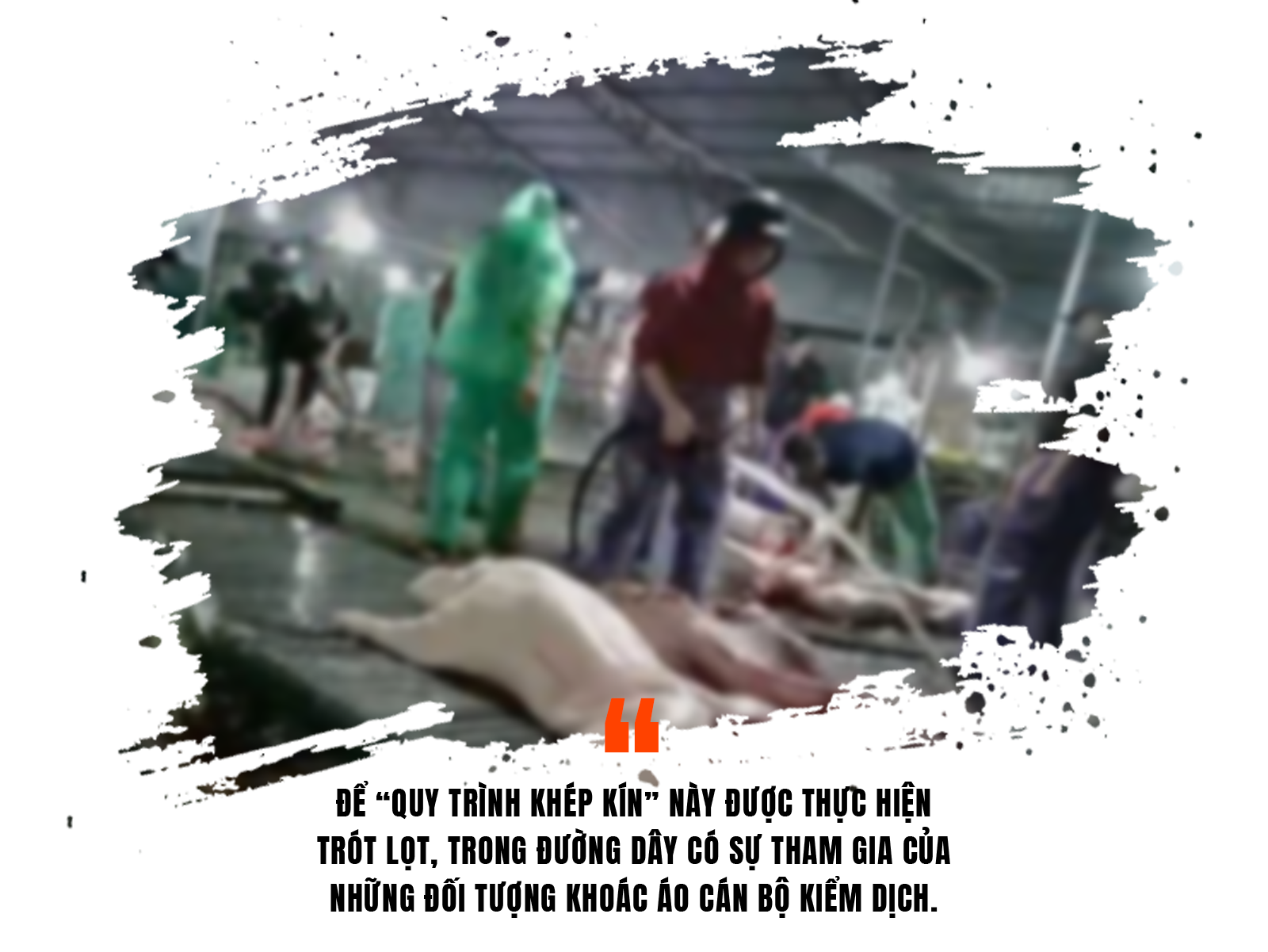
In an interview with Thanhnien.vn (article "300 tons of diseased pork entering schools: What does the Ministry of Agriculture and Environment say?" dated April 1, 2026), Mr. Phan Quang Minh, Deputy Director of the Department of Animal Husbandry and Veterinary Medicine, acknowledged that the incident, discovered at a centralized slaughterhouse, is serious in nature, not only increasing the risk of disease spread but also affecting the discipline and order in the performance of duties by quarantine officers. According to Mr. Minh, current regulations do not mandate quarantine within the province. However, with 3-4 provinces merging into one, the vast area and limited veterinary staff make controlling diseases within the province very difficult, and this is a shortcoming currently being reviewed and adjusted. The representative of the Department of Animal Husbandry and Veterinary Medicine stated that although there is a control process from slaughter to consumption, there are still loopholes. According to regulations, veterinary officers must conduct quarantine before, during, and after slaughter. However, in some places, this process is not strictly followed, allowing unsafe food to enter the market.
.png)
According to Deputy Minister of Agriculture and Environment Phung Duc Tien, disease prevention and control and slaughterhouse management are facing many challenges, given the complex situation of many dangerous animal diseases. Previously, localities implemented drastic measures, even "blocking roads and markets," to prevent outbreaks. However, with changes in administrative boundaries and the larger scale of provinces after mergers, controlling outbreaks within provinces has become much more difficult. Meanwhile, the limited veterinary force lacks sufficient personnel to control the scattered, small-scale slaughterhouse system, making comprehensive supervision almost impossible. He emphasized: "It is necessary to clarify who is responsible, the central government or the local government, in order to find appropriate solutions."
Based on the above statements, I understand that the leaders of the Ministry of Agriculture and Environment and the Department of Animal Husbandry and Veterinary Medicine share the view that the work of disease prevention and control and slaughter control is currently facing objective difficulties, leading to gaps in the inspection and supervision of disease prevention and control and slaughter control.
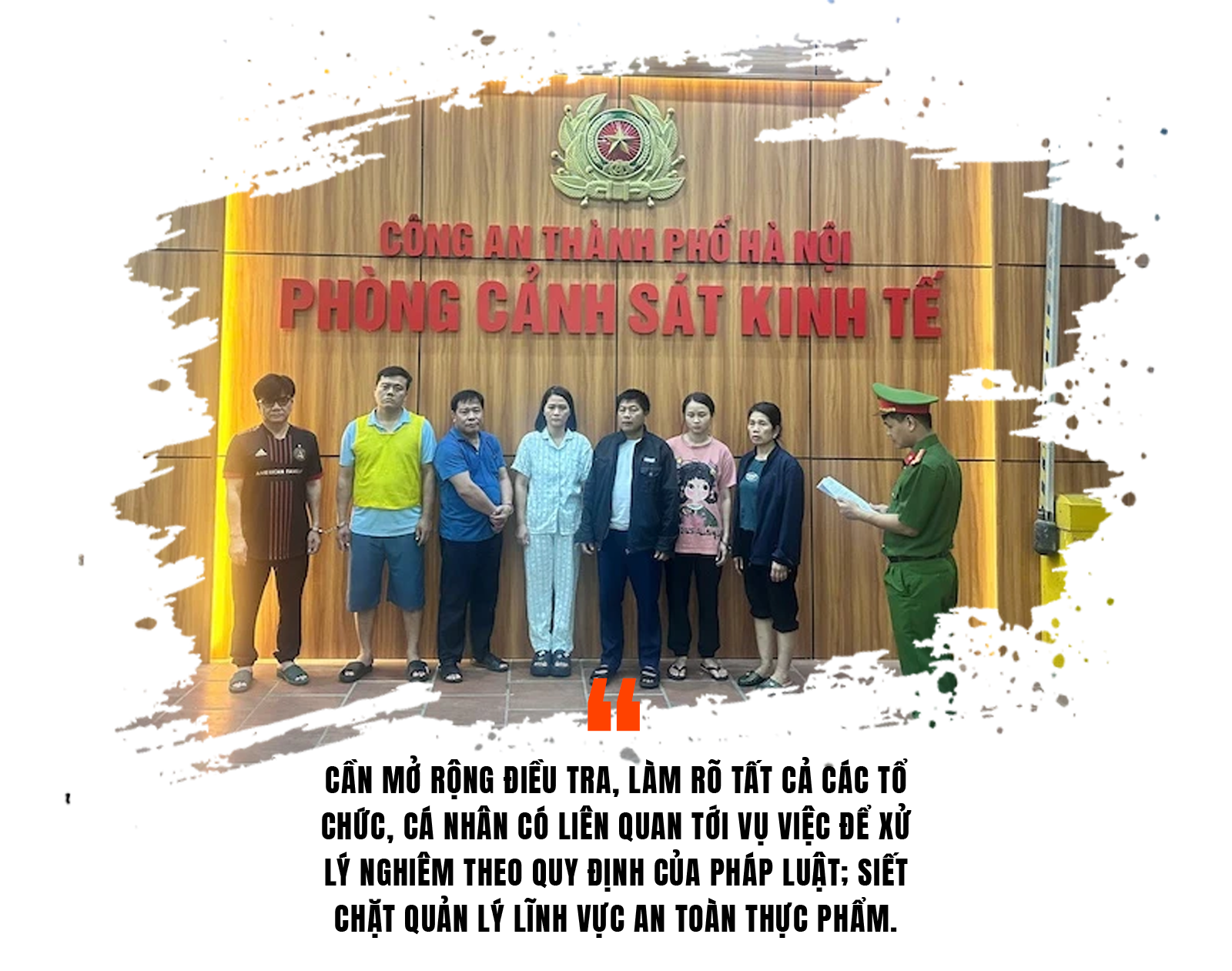
As a parent with children of school age, I am outraged by this incident and share the same anxieties as most parents. I believe it is necessary to expand the investigation, clarify all organizations and individuals involved, and strictly punish them according to the law; and to tighten management in the field of food safety. While the opinions of the leaders of the Ministry of Agriculture and Environment and the Department of Animal Husbandry and Veterinary Medicine, as reported by the press, are correct, I think they are insufficient. The investigation results show that individuals from the Center for Diagnosis, Testing, and Slaughter Control (Hanoi Department of Animal Husbandry, Fisheries and Veterinary Medicine) disregarded consumer health and safety, colluded with a network selling diseased pigs, and committed acts of falsifying quarantine documents and records for profit. The question is, why did they dare to commit these acts?
Allow me to express my personal opinion: this is not just a loophole in inspection and supervision, but a decline in public service ethics. This is the real core issue, the most alarming one!


