
Avoid double taxation on land.
This was the directive given by Comrade Tran Hong Ha, Member of the Central Committee of the Party and Deputy Prime Minister, at the online meeting to gather opinions on the draft revised Land Law, held on the morning of August 13th.
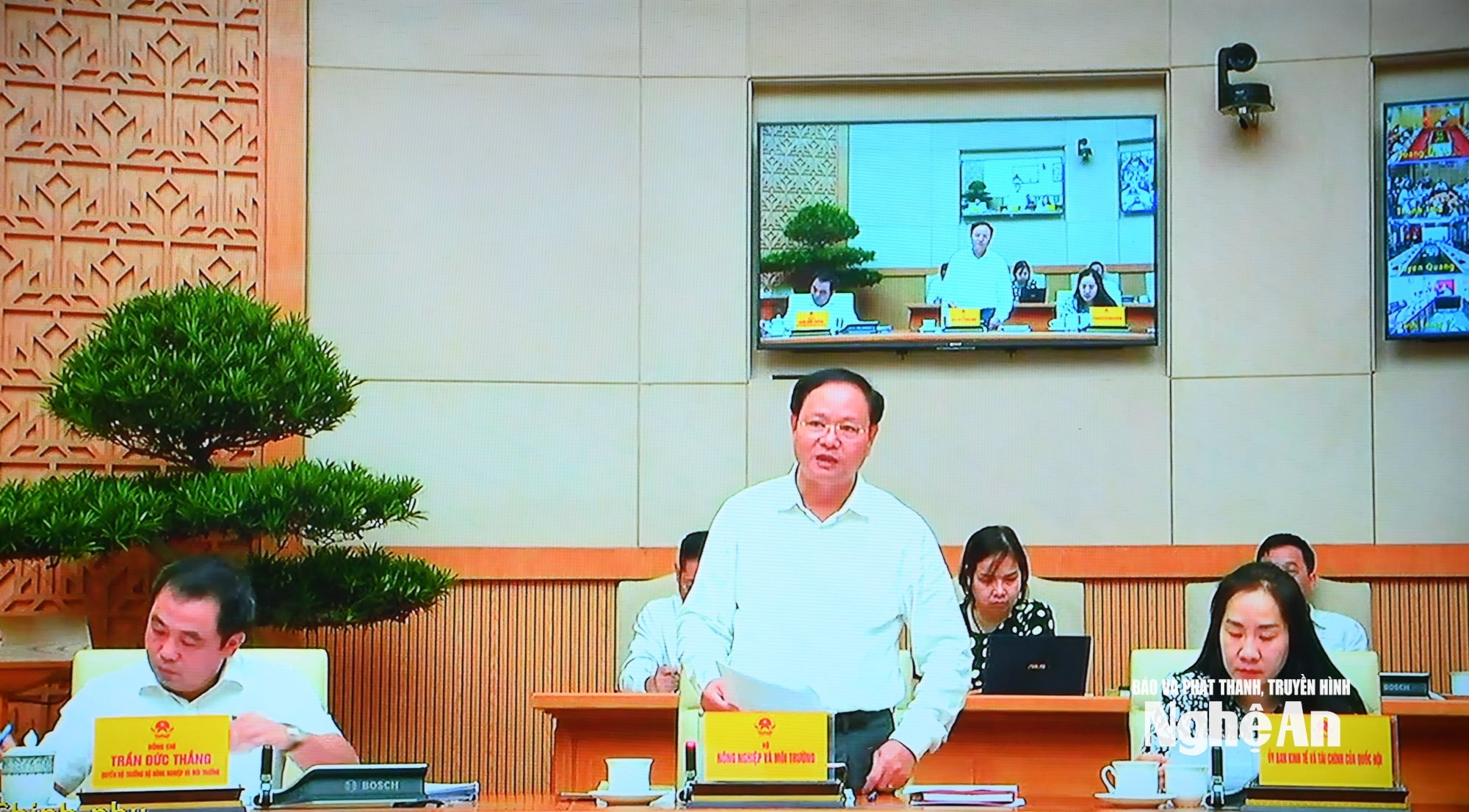
The conference was attended by Comrade Tran Duc Thang - Member of the Central Committee of the Party, Acting Minister of Agriculture and Environment.
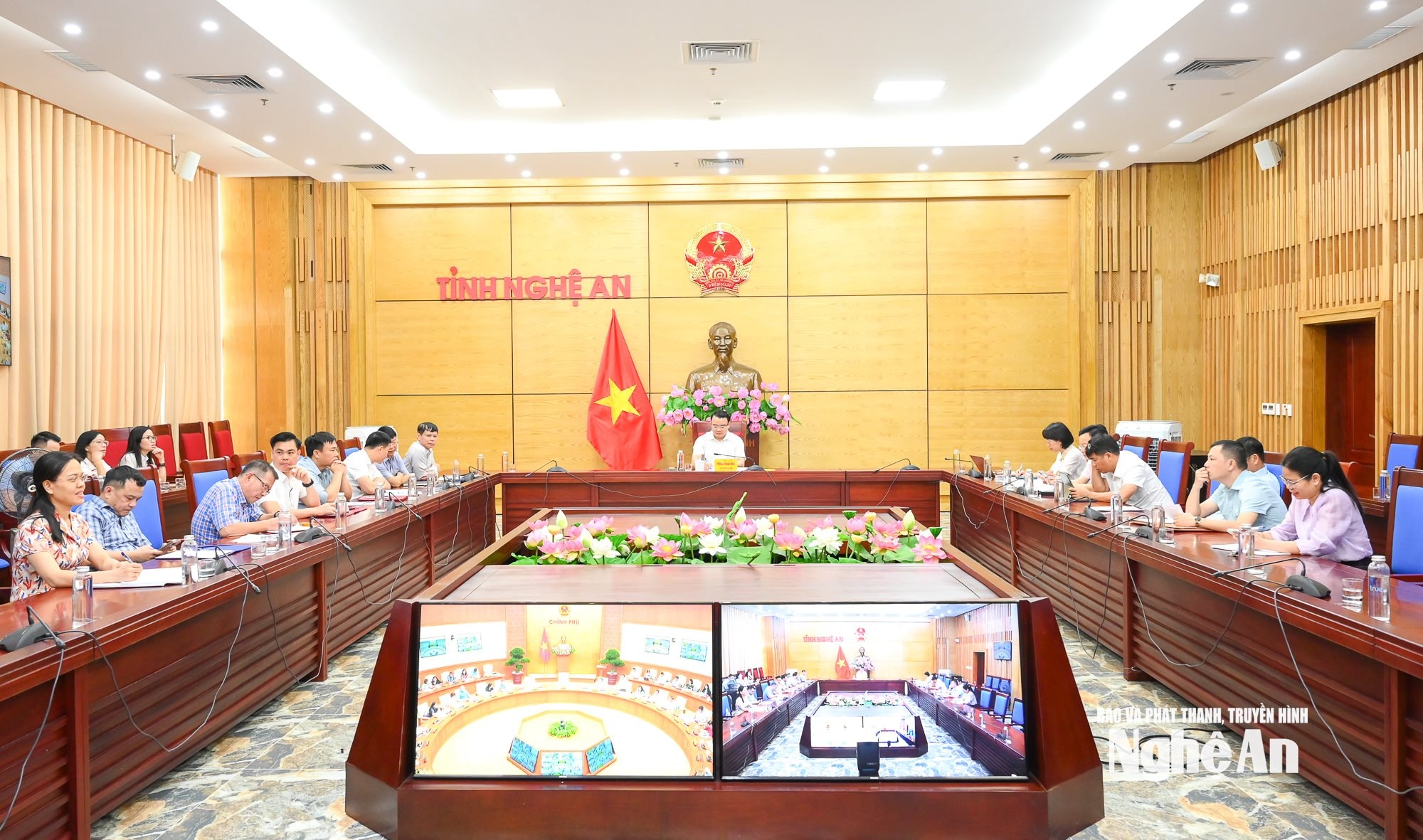
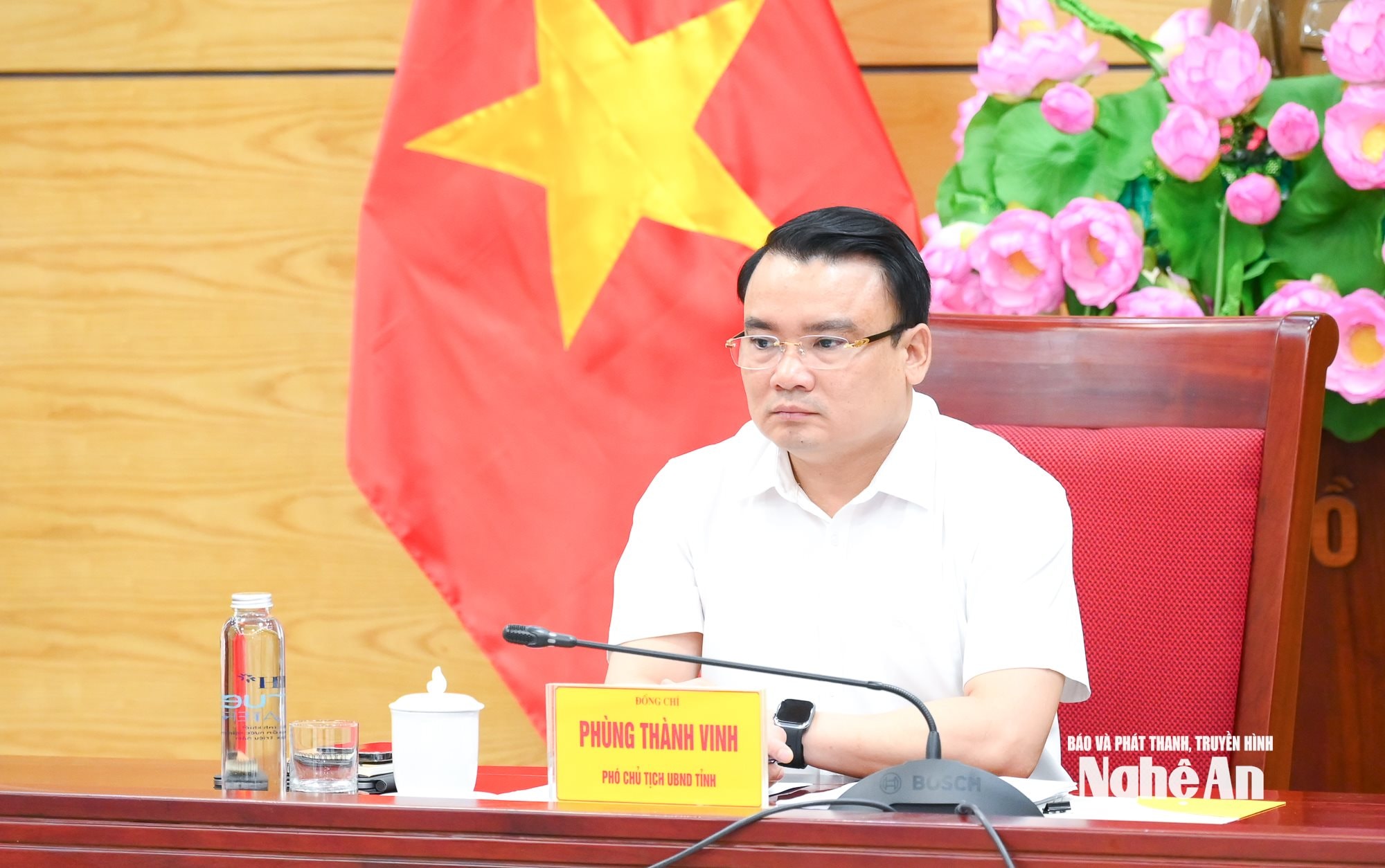
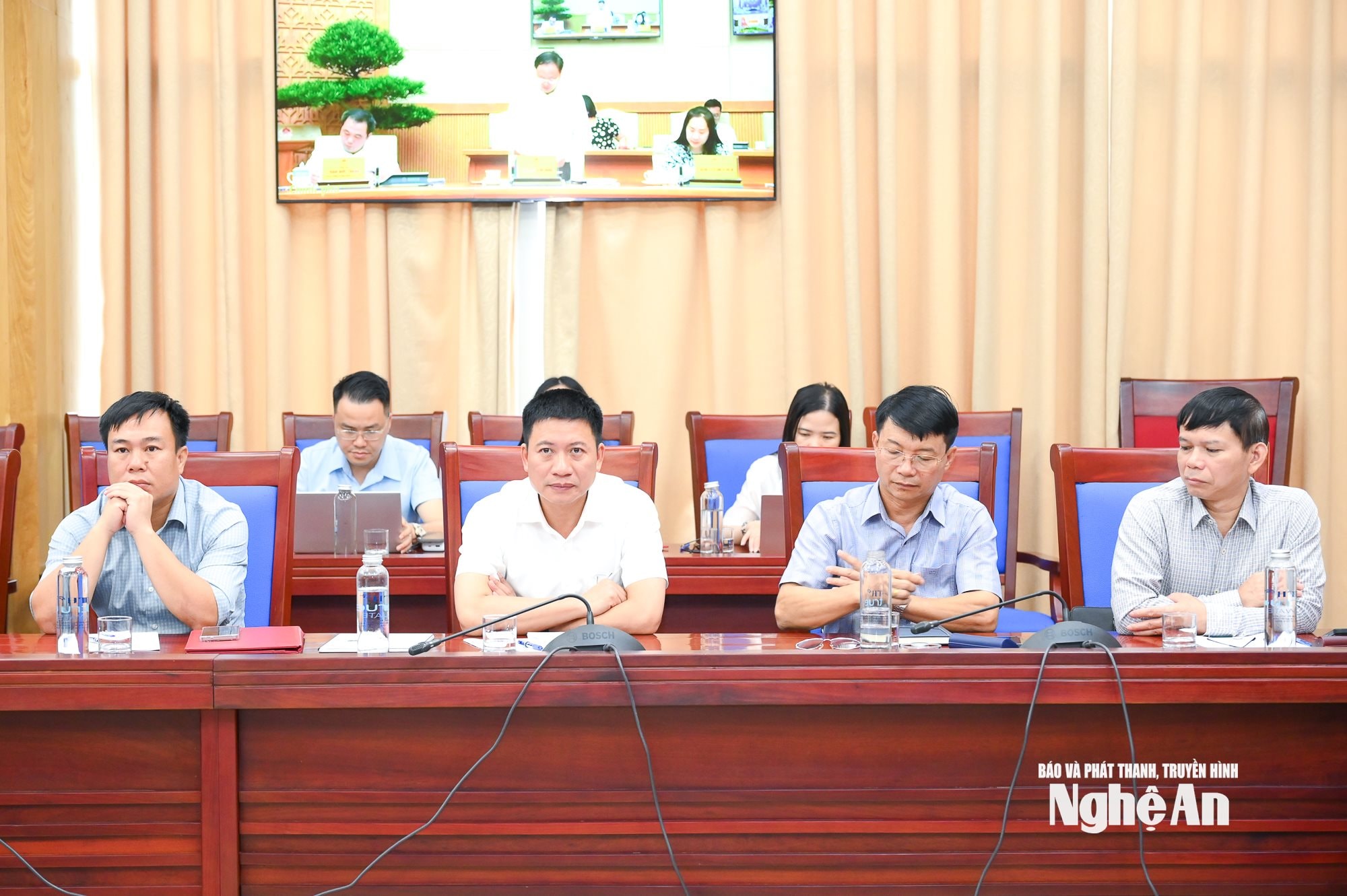
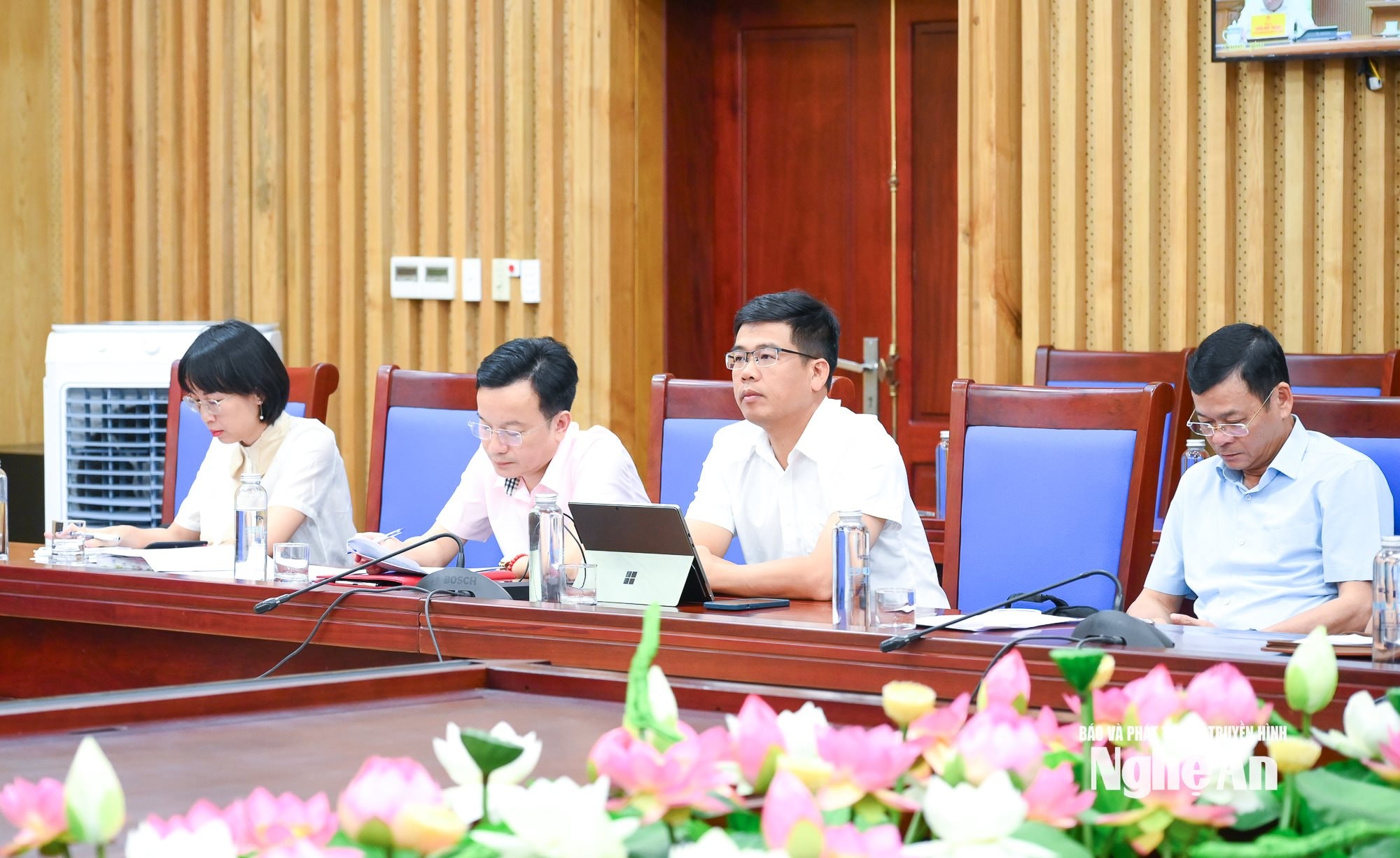
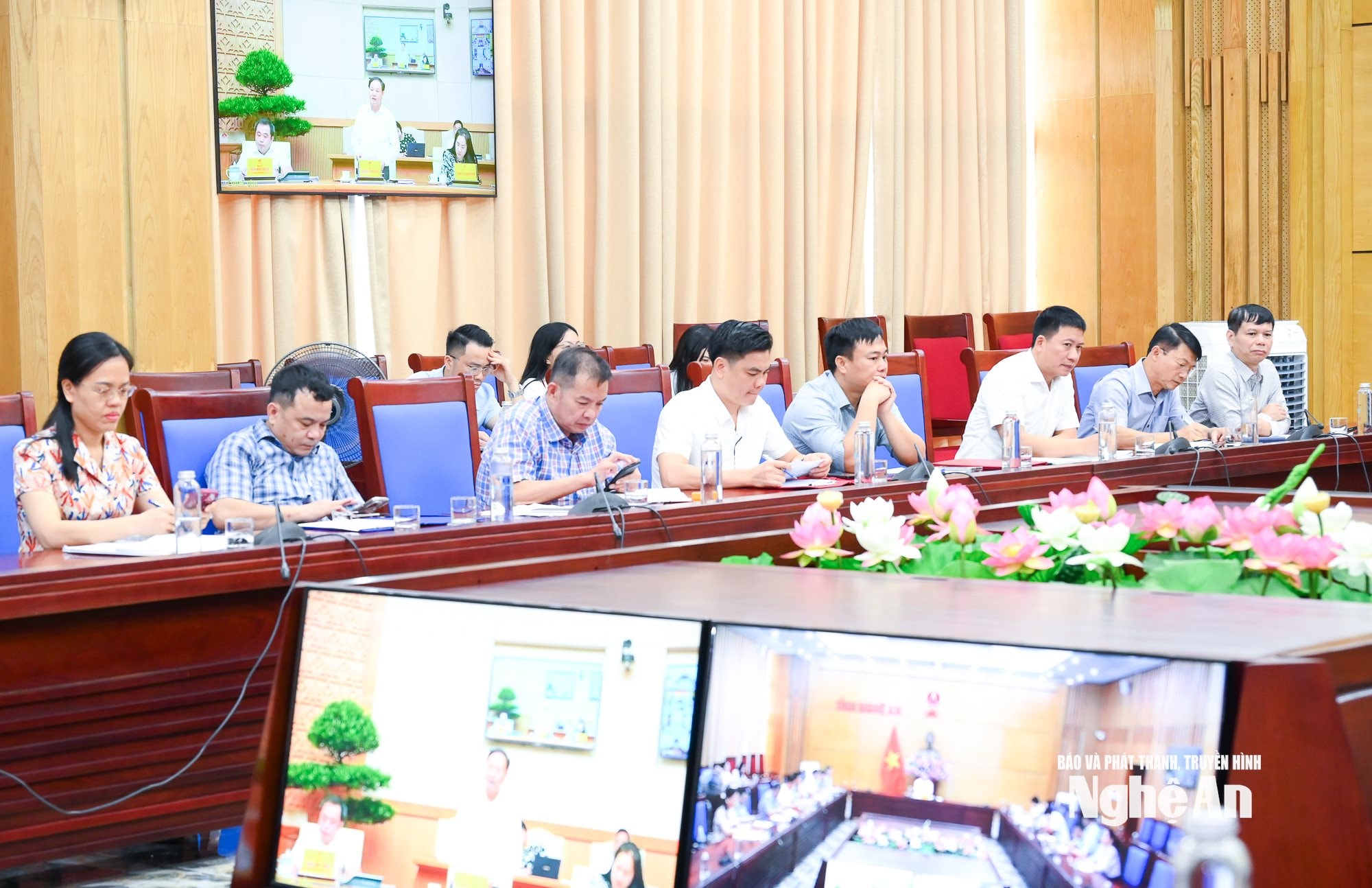
Comrade Phung Thanh Vinh - Member of the Provincial Party Committee, Vice Chairman of the Provincial People's Committee - presided over the meeting at the Nghe An location. Also attending were leaders from the Departments of Agriculture and Environment, Construction, Finance, and Justice; the Management Board of the Southeast Economic Zone, the Inspectorate, the Tax Department of Nghe An province, and the Land Development Fund of Nghe An province.
The Land Law of 2024 was passed by the National Assembly on January 18, 2024, and came into effect on August 1, 2024.
After nearly a year of implementation, the Law and its guiding documents have gradually become integrated into daily life, demonstrating effectiveness and making positive contributions to socio-economic development and national defense and security. Many administrative procedures have been reformed and modernized; the content of state management has been updated to meet development requirements, contributing to freeing up resources for the country.
However, in the context of the country entering a new stage of development with increasingly high demands, many resolutions of the Politburo and the Central Committee of the Party have set major orientations on socio-economic development, national defense, security, international integration, and institutional building related to land management. Therefore, some provisions in the 2024 Land Law reveal limitations and do not meet practical requirements.
In particular, during the implementation of the two-tiered local government model, some powers of the district level were transferred to the commune and provincial levels.
At the same time, the need to strengthen decentralization, delegation of power, and administrative reform in the land sector continues to pose the task of amending and supplementing the current Land Law.
The amendment and supplementation of several articles of the Land Law is necessary to further institutionalize the Party's viewpoints and orientations, while also resolving difficulties and obstacles in the process of implementing the law, meeting the requirements of the country's socio-economic development in the current period.
According to the draft revised Land Law, land use planning and plans at all three levels (central, provincial, and commune) will be integrated into the overall planning system, linked to a 5-year cycle.
Regarding land allocation, land leasing, and land use conversion, the draft amendment restores the principle of the 2013 Land Law allowing land users to choose between a one-time payment or annual payments for land lease; and also granting them the right to switch between these two forms.
Regarding land finance and land prices, the draft continues to affirm the principle that land prices must be close to market prices, ensuring fairness and transparency.
The State will determine land prices and financial obligations for each type of land, applying multiple valuation methods, while also empowering localities to proactively adjust land price coefficients to suit practical realities.
The draft also clarifies the rights of people whose land is confiscated, ensuring fairness in compensation, support, and resettlement...
At the conference, delegates focused on contributing opinions to the draft law, and also proposed amendments and additions to some contents that are causing difficulties in its implementation.
In his concluding remarks, Deputy Prime Minister Tran Hong Ha acknowledged and highly appreciated the feedback from the localities and requested the drafting agency to review and incorporate it to improve the quality of the draft Law.
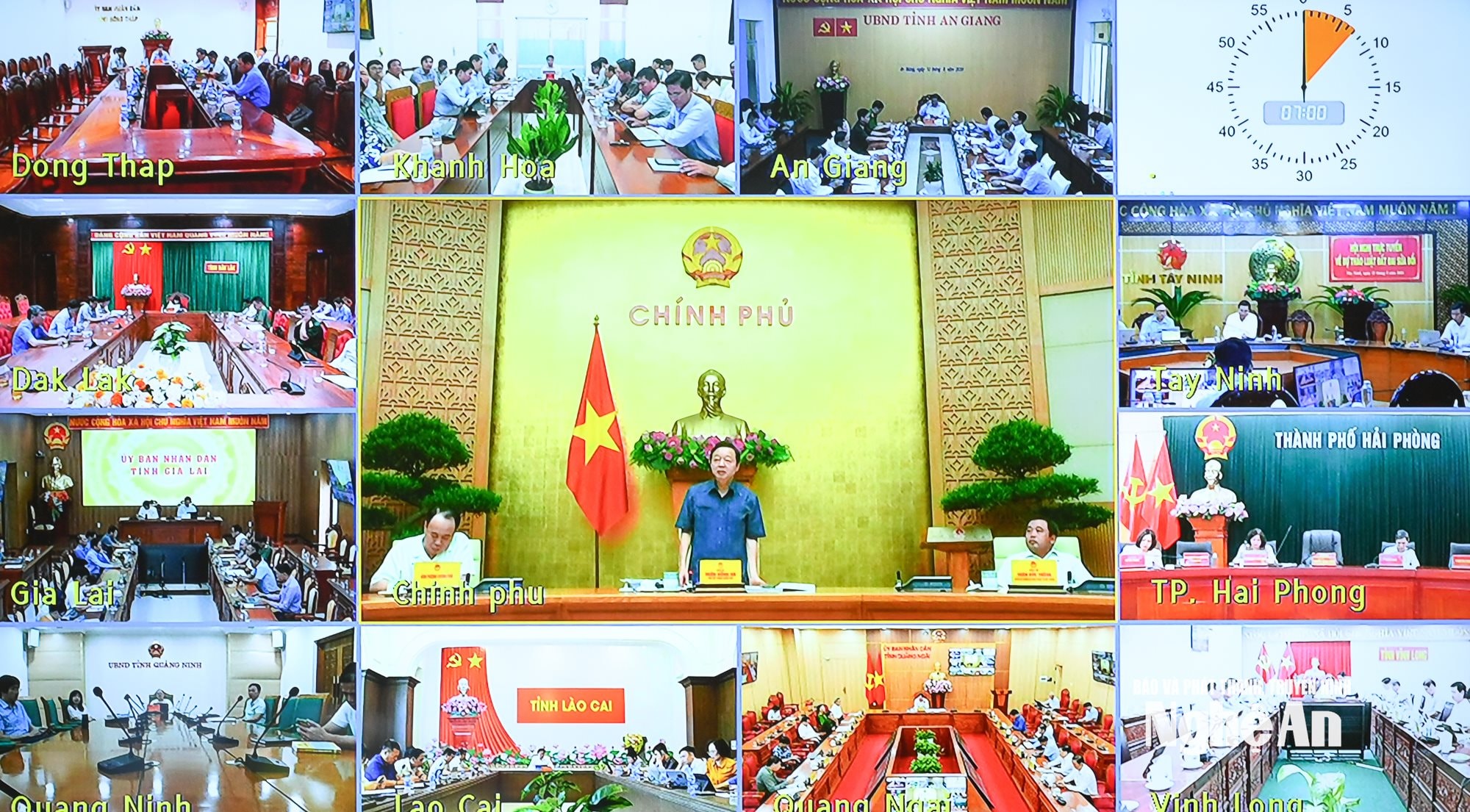
Regarding the draft revised Land Law, the Deputy Prime Minister requested that the drafting agency and localities pay attention to clarifying the land ownership relationship according to the three levels of government (commune, provincial, and national), minimizing obstacles during implementation.
Furthermore, planning needs to strike a balance between conservation and development; plans must be proactive, ensuring the relationship between planned spaces; and there should be no double taxation on land.
The Deputy Prime Minister also requested that the drafting agency and local authorities clearly define the criteria for delineating areas subject to land use right auctions and tenders, thereby creating a basis for determining transparent and reasonable land prices.
At the same time, the State regulates land prices, which can change according to land data, but the adjustment coefficient needs to be stable to avoid disruption.


