
The US Air Force practices combat in the face of imminent danger, using GPS with the A-10.
Mosaic Tiger 26-1 at Moody Air Force Base underwent a mission command test: A-10C pilots adhered to the 72-hour plan, maintaining the mission even when communications and data were interrupted.
The U.S. Air Force trains on combat scenarios where the electromagnetic environment is interfered with, and data transmissions and satellite communications may be slow or interrupted. At Moody Air Force Base, the 74th Mission Generation Force Element participated in Mosaic Tiger 26-1 to maintain the combat operational capability of the A-10 even when connectivity with the Air Force Operations Center (AOC) deteriorated.
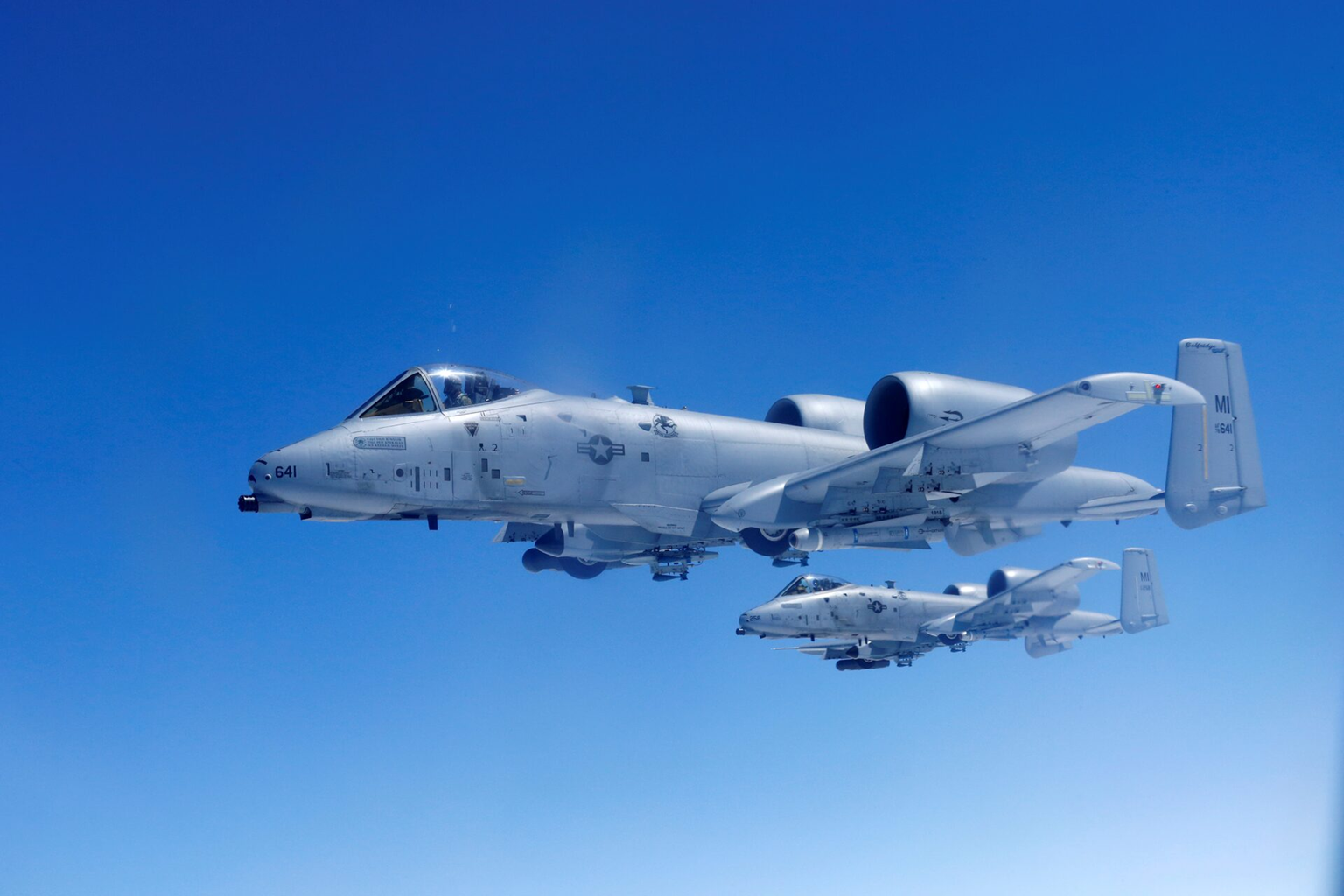
Training overview: from slow network to loss of connection
The training simulated scenarios where pilots, technicians, and planning personnel had to continue their mission despite slow data transmission, delayed orders from superiors, or even temporary loss of communication. The focus was on a "mission-based command" mechanism, empowering frontline units to make decisions based on the commander's intentions rather than waiting for detailed instructions.
Each unit receives a 72-hour operational plan, specifying objectives, areas of operation, and timing for aerial refueling. The 72-hour cycle helps maintain a stable combat pace when supplementary information arrives late, particularly suitable for distributed combat strategies where communication is easily affected by weather, distance, or interference.
The role of the A-10C in a jammed environment.
The primary support aircraft is the A-10C Thunderbolt II, specializing in close air support. The aircraft carries a 30mm GAU-8/A cannon with over 1,000 rounds, suitable for precision ground attacks. The A-10C can fly at low altitudes for extended periods, using optical-infrared sensors to track moving targets and provide fire support for ground forces.

The A-10C carries a maximum of approximately 7 tons of weapons, including laser-guided bombs, GPS-guided JDAM bombs, and various other precision-guided munitions. Its powerful firepower and maneuverability allow pilots to continue completing missions even without continuous updates.
Key specifications of the A-10C related to its mission.
| Category | Information |
|---|---|
| Fireworks | The GAU-8/A 30mm has a firing rate of 3,900 rounds per minute and carries over 1,000 rounds. |
| Weapon load | Approximately 7 tons; laser-guided bombs, JDAMs, AGM-65 Maverick, rockets |
| Maximum speed | Approximately 700 km/h |
| range | 4,150 km |
| Engine | General Electric TF34-GE-100 (dual) |
| Protect | Titanium armor protects the pilot and control systems. |
Tactical procedures when communication is lost.
When communication is interrupted, each mission follows standard procedures: calculating fuel, dividing airspace, assessing the level of danger, and determining the order of attack. Pilots must understand the acceptable risk threshold under terrain-hugging flight conditions, maneuver to avoid attacks, and coordinate routes with other units that may also lack information.
In terms of coordination, pilots train to use visual cues, pre-determined rendezvous points, or fixed time markers instead of real-time communication. The 72-hour command is fundamental to maintaining the mission; as the cycle nears its end, pilots operate based on the overall mission objective rather than waiting for detailed instructions.
Technical and logistical support in dispersed warfare.
The ability to maintain operations under limited communication relies heavily on coordination between pilots and maintenance crews. A-10 technical support personnel are always available at dispersed deployment sites, even under logistical constraints. A modular maintenance process allows for rapid component replacement, maintaining takeoff rates even when spare parts are delayed due to communication disruptions.
This allows pilots to be confident in the status of their weapons, sensors, and communications equipment, while the higher-level command system may be experiencing interference during training.
Operational significance
The U.S. Air Force views Mosaic Tiger as essential preparation in the face of adversaries heavily investing in electronic warfare, jamming satellite signals, and disrupting command systems. Decentralized, flexible, and autonomous training—rather than relying entirely on communication networks—is seen as key to maintaining battlefield superiority.
The ability to continue operations even when command lines are cut sends a message that U.S. forces can remain effective in high-intensity conflict, where the electromagnetic environment is frequently subject to interference.
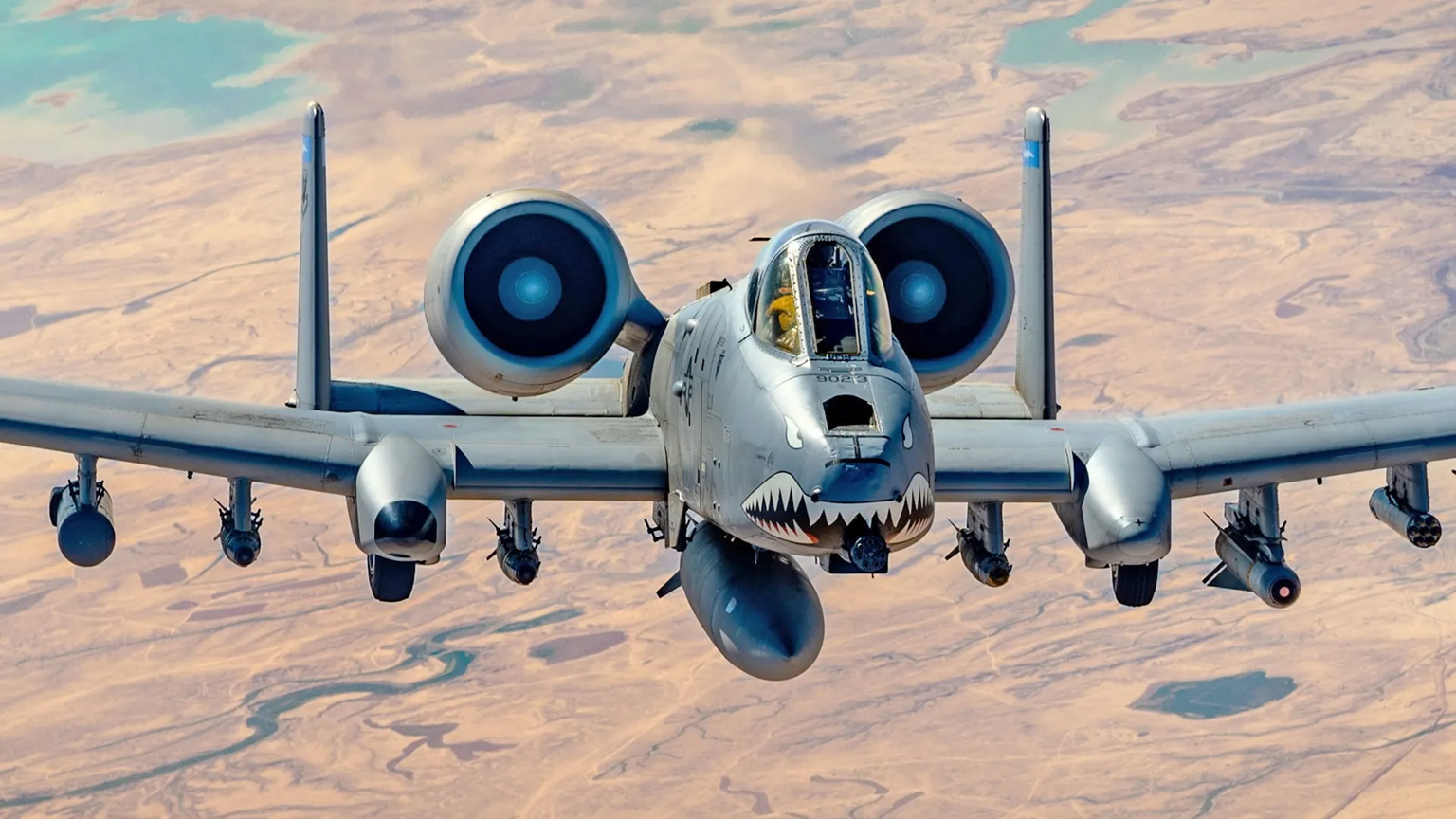
Notes on the A-10 platform
The A-10 Thunderbolt II (Warthog), developed by the Fairchild Republic in the 1970s, was specifically designed for close air support (CAS), destroying tanks, armored vehicles, and ground targets. Despite facing the threat of being replaced, the A-10 remains highly regarded for its combat effectiveness in campaigns such as Iraq and Afghanistan.


