
Free trade zone: A vision for Nghe An
(Baonghean.vn) - The form of free trade zones associated with free trade agreements is important, but creating popular goods with Vietnamese brands to be included in free trade plays an even more crucial role.
This year, numerous seminars and discussions have taken place in various locations, and public opinion has been heated in the media regarding a new form of concentrated commercial zone. This type of concentrated commercial zone is called a "Free Trade Zone." Localities with large international airports or deep-water ports, such as Hai Phong, Da Nang, Khanh Hoa, and Ho Chi Minh City, are paying even stronger attention to free trade zones as a way of "anticipating" development.
Regarding the depth of free trade, I still believe that goods produced in Vietnam, bearing Vietnamese brands, and made by Vietnamese people, should be admired, loved, and sought after in the international market. Free trade zones are just one link in the trade cycle between Vietnam and other countries, contributing to a faster and more efficient cycle, but the more important factor remains which goods are circulating within that cycle.
I recall a humorous incident I witnessed just before the year 2000. At that time, the National Information Technology Program was considered a priority, and the role of "technical director" was assigned to Professor Phan Dinh Dieu. Before 2000, proposals were needed for key projects to be implemented after the year. Ministries, sectors, and expert groups proposed many "large-scale" projects, including a very large project called "High-Speed Information Highway," while the rest were projects focusing only on computer hardware and software. Overall, Professor Dieu suggested that we were aiming for a modern "information highway," but what would run on that highway was still unclear. This way of thinking shows that we were engrossed in the information pathways, but not in how the information would be produced. Thus, the largest project, "Building a National Database," was born.
Of course, the free trade zone model associated with free trade agreements is important, but creating popular Vietnamese branded goods to be included in free trade plays an even more crucial role.
The history of human development shows that trade is an economic activity that brings great benefits to every individual and every nation. Commercial services have created wealthy nations; as the ancients often said, "without trade, there is no wealth." The "Silk Road" from China to West Asia, formed at the beginning of the Common Era, remains a symbol of international trade to this day. Even more brutally, most wars were fought to expand markets through violence.
After World War II, national liberation movements around the world ended old-style colonialism. Japan, a nation that demanded a redistribution of the world, failed, but they conceived of a "new form of colonialism" with the slogan "Wherever Japanese goods go, so does the Japanese border." Japan became the world's third-largest economic power just 20 years after its defeat.
To date, market expansion through free trade agreements between two countries, between countries within a group of countries, between a country and a group of countries, or between two groups of countries has become widespread. The term "free trade" is understood to mean tax exemption or reduction, progressing to complete tax exemption and eventually to the elimination of restrictions on the quantity of goods imported and exported, still known as quotas.
In addition to agreements on trade institutions, countries also want commitments on political and social institutions that impact trade, as well as commitments to ensuring social and environmental sustainability. These additional commitments are known as new-style free trade agreements.
We are all well aware that Vietnam joined the World Trade Organization (WTO) in January 2007, marking its comprehensive integration into the global economy. To date, Vietnam has signed 12 bilateral and multilateral free trade agreements, including two of the world's leading new-generation free trade agreements: the EVFTA with 27 members of the European Union and the Comprehensive and Progressive Trans-Pacific Partnership (CPTPP) with 11 countries in the Asia-Pacific region. Vietnam now has access to a vast market with maximum preferential tariffs and quotas. The remaining challenge is how Vietnam can ensure its economic competitiveness is on par with its partners.
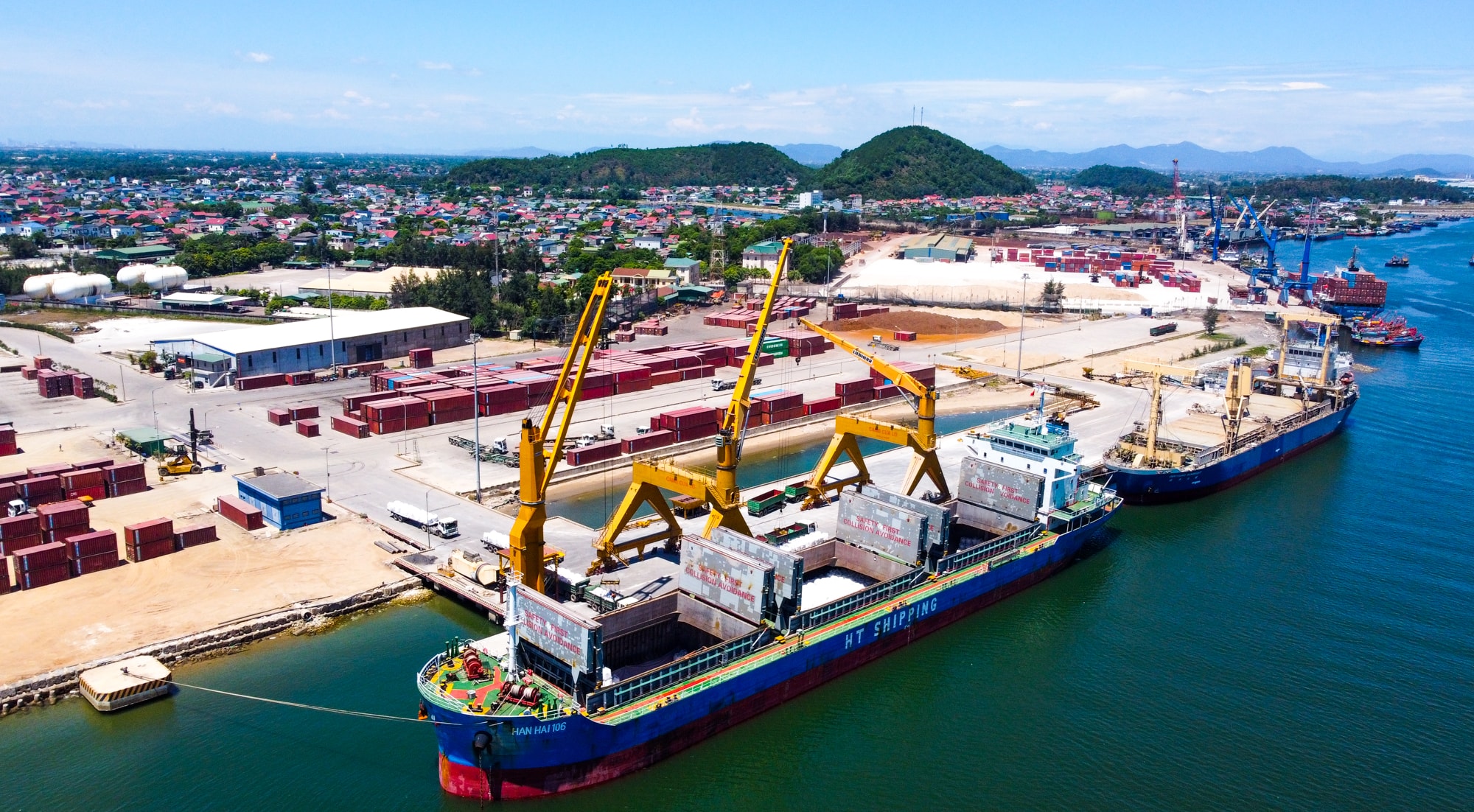
Following free trade agreements (FTAs), participating countries must find ways to organize their implementation within an international trade environment encompassing numerous different agreements and commitments. The model of free trade zones (FTZs) is suitable for facilitating free trade with other participating countries. Many countries have numerous free trade zones, such as Batam and Bintang in Indonesia; Clark and Subic in the Philippines; and Port Klang and Tanjung Pelepas in Malaysia. Even small countries like Singapore have nine, while larger countries like China boast 21, with the Hainan province-wide free trade zone being the largest in the world.
Based on the experiences of countries around the world, some requirements for a free trade zone can be summarized as follows:
1. A sound legal framework is needed to create a legal environment for the development of international trade with larger markets and more favorable conditions, and also to control fraudulent trade practices. Furthermore, the legal framework must be compatible with international practices regarding the resolution of trade disputes, conflicts of interest, etc.
2. A free trade zone is a link in a symbiotic ecosystem between the national agricultural, industrial, and service economies, connected to international trade through a convenient and inexpensive logistics service system. This symbiosis is based on a circular economy model (minimizing environmental emissions), green development, and smart development.
3. Administrative procedures related to customs, tariffs, and foreign trade must be simplified and expedited to create the most favorable conditions for businesses, but must also strictly control potential trade fraud.
4. Free trade zones are planned separately for foreign trade purposes, located near international maritime, air, road, and rail transport routes, but must also have convenient connections with domestic agricultural, industrial, and service areas to ensure the fastest and lowest cost transportation of goods.
5. Free trade zones are considered economic gateways to the international community, capable of boosting the overall national economy.
Currently, many localities with deep-water seaports, international airports, and East-West economic corridors are looking to accelerate the development of free trade zones. A major obstacle is the lack of a legal framework. Many places are told to apply for pilot projects first, and the legal framework will be considered later. While Vietnam has numerous laws, all development lacks a guiding legal framework.
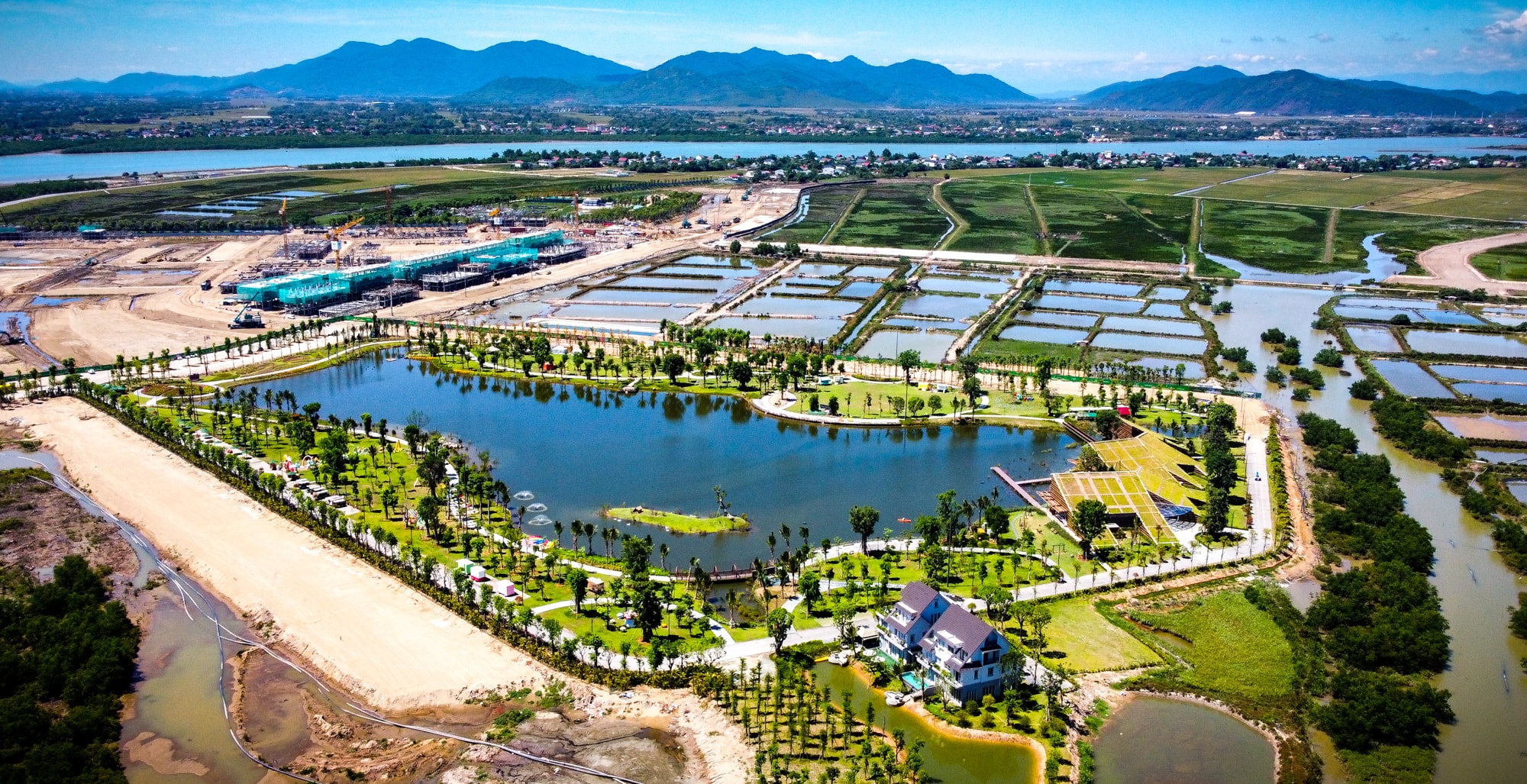
Thinking about Nghe An's development, it has been an industrial region since the French colonial era, with the largest area in the country, an 82 km long coastline with many beautiful beaches, a coastal plain with great agricultural potential, a mountainous western region with many valuable natural resources, and 9 districts in the region recognized by UNESCO as a world biosphere reserve.
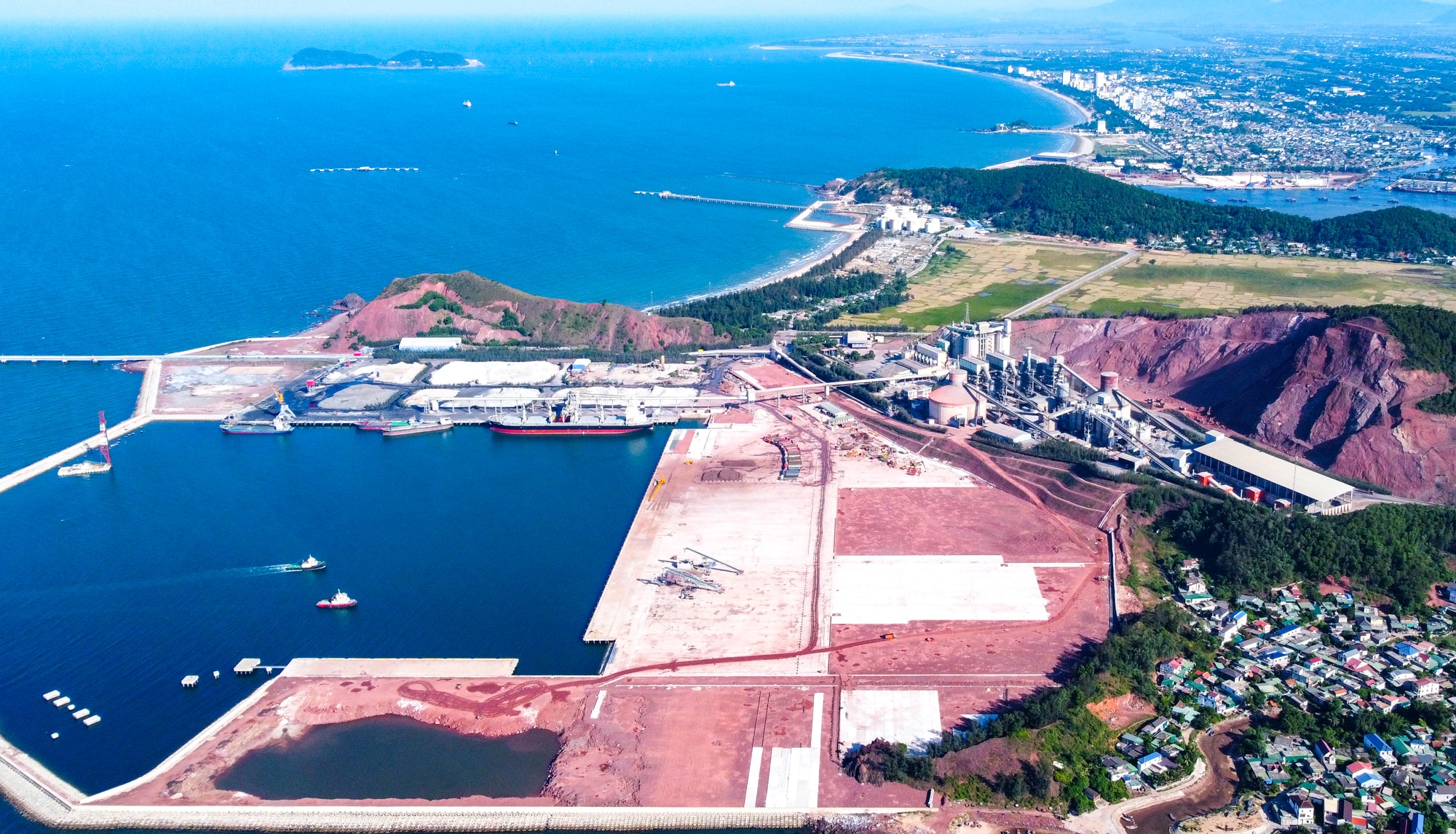
Besides the Vinh - Ben Thuy area's long-standing industrial tradition, it is now connected to Cua Lo town, which plays a key role in the service and logistics economy, forming a complex economic zone in the Southeast. Cua Lo is planned and developed into a deep-water port, and Vinh Airport is currently operating as part of the domestic flight network. As the economy develops, Vinh Airport could be built and upgraded into an international airport for the North Central region. Thus, maritime and air transport in this area can gradually develop to meet the needs of a free trade zone.
Regarding the potential for developing international road and rail networks, the national plan also mentions the East-West economic corridor from Cua Lo to the Thanh Thuy border gate (Thanh Chuong) bordering Laos, connecting to the 1,450km long East-West Economic Corridor (EWEC) from Da Nang through Lao Bao, Laos, Thailand to Myanmar, and potentially further to India and beyond. This means Cua Lo has the opportunity to connect to an international road network in the future. In the even more distant future, this international road network could develop into an international rail network.
The above analysis shows that it is possible to build a free trade zone in Cua Lo connected to the deep-water port there, which would also serve as a local East-West economic corridor hub to connect to the international East-West Economic Corridor (EWEC). Cua Lo is conveniently connected to Vinh Airport (which will become an international airport in the future). Thus, in terms of logistics and transportation services, it is feasible to establish a successful operation.
The final issue is how to develop the agricultural-industrial-service ecosystem in Nghe An in general and the Vinh-Cua Lo economic zone in particular to produce goods for export based on free trade agreements. In modern development theory, high-quality human resources are the most important factor. From there, we can proactively adopt high technology.
Nghe An is still considered a "land of learning," where human knowledge will lead the economy to progress.


