Le Thai Son's whispered song
Despite his tall, dashing appearance, poet Le Thai Son's personality is that of a warm, sincere old farmer. He lives a simple, rustic life to the point that he doesn't even know how to ride a motorbike. Because he usually walks, he carefully observes the lives of the impoverished and brings them into his poetry with complete honesty, giving rise to "silent songs"...
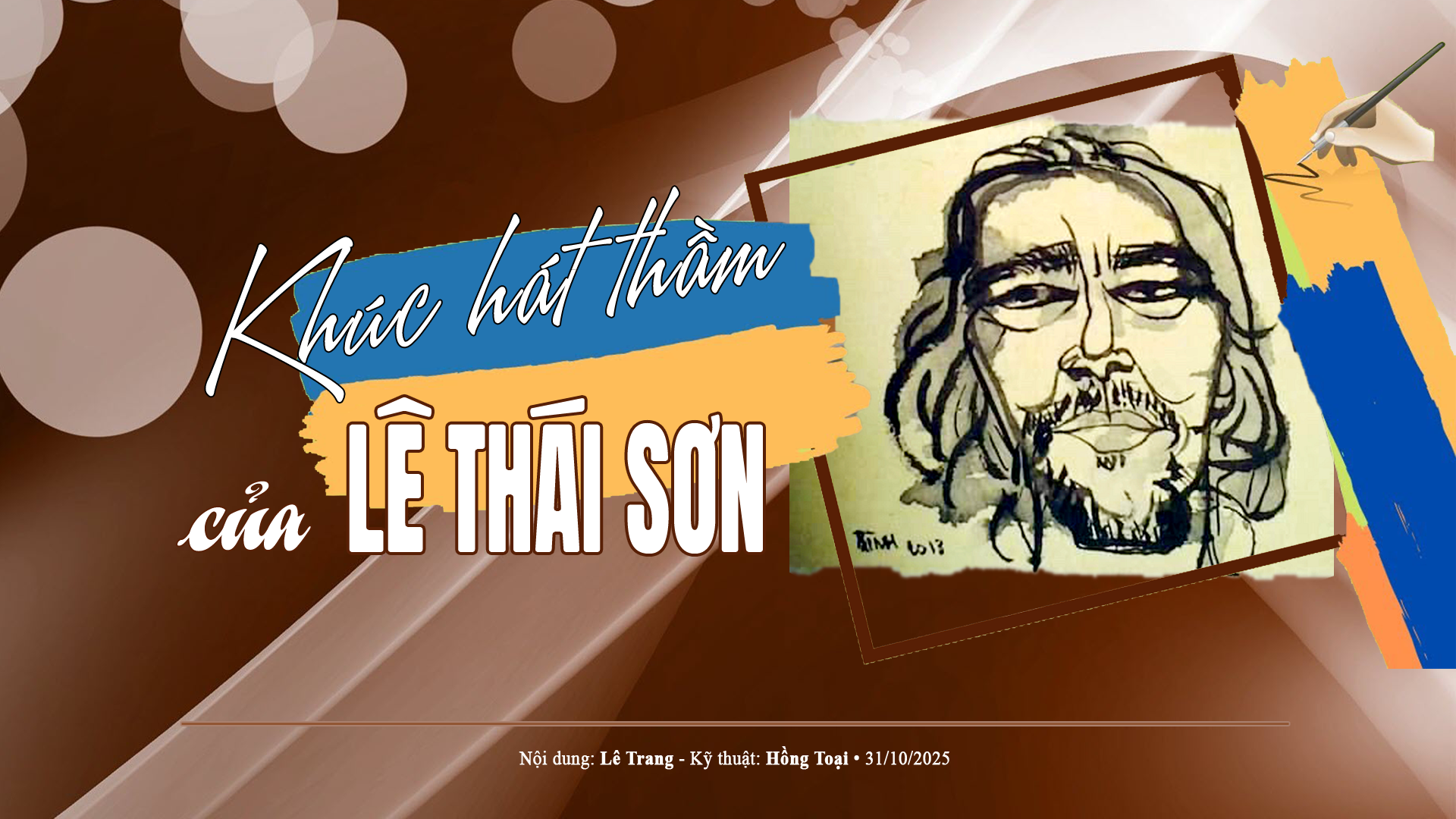
Despite his tall, dashing appearance, poet Le Thai Son's personality is that of a warm, sincere old farmer. He lives a simple, rustic life to the point that he doesn't even know how to ride a motorbike. Because he usually walks, he carefully observes the lives of the impoverished and brings them into his poetry with complete honesty, giving rise to "silent songs"...


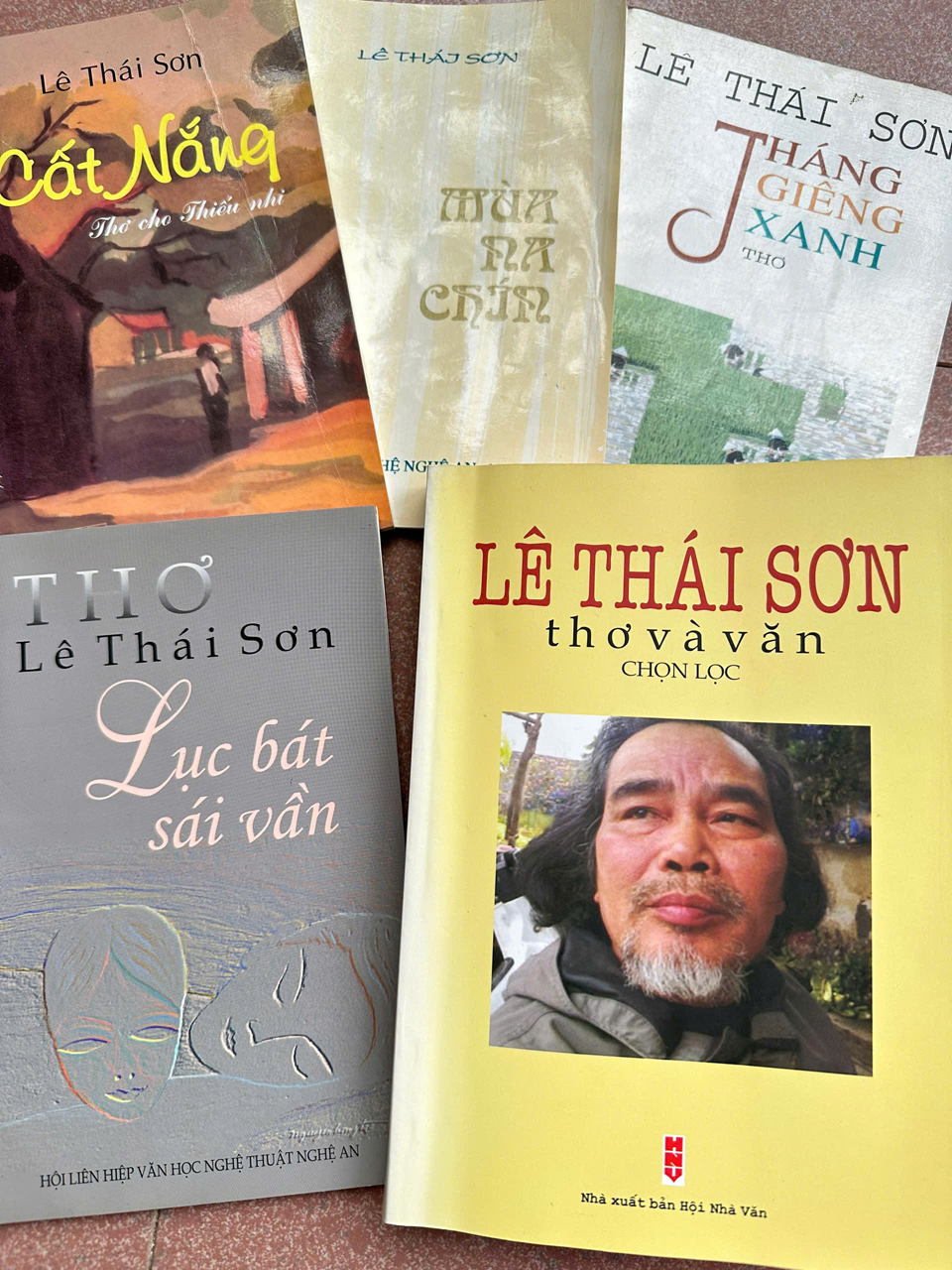
Poet Lê Thái Sơn was born and raised in a village renowned for its elegance, refinement, and literary talent: Đông Phái village, Diễn Hoa commune, Diễn Châu district, Nghệ An province (formerly). During his school years, he excelled in natural sciences, especially physics. However, having grown up in a rural area where everyone could spontaneously compose poetry, literature naturally found its way to him. Later, due to health issues preventing him from joining the army like his peers, he unhesitatingly enrolled in the Literature Faculty at Hanoi University. From then on, poetry resonated with him until the end of his life.

That rural village is imprinted in his poetry as a simple yet enduring witness: Chùa Market, Cầu Well, Bùng River, Hai Vai Cliff… – familiar names that have become coordinates of memory, affection, and reflections on the human condition. In his book "Approaching Contemporary Poetry," critic Hà Quảng bestowed kind words upon the poet Lê Thái Sơn:“Son’s poetry doesn’t belong to the category of overly detailed language, chaotic imagery, or abstract philosophy within the current mainstream. His poetry is as genuine as if squeezed from the heart, from the depths of his soul…”Perhaps that's why readers easily recognize a trustworthy voice in Le Thai Son's poetry: not noisy, not pretentious, not overly elaborate in poetic technique, but quiet and sincere, like the way a countryman confides about his life.My family drinks water from the Cau well / We carry it in earthen baskets and scoop it with buckets made of palm leaves.(Cau Well)
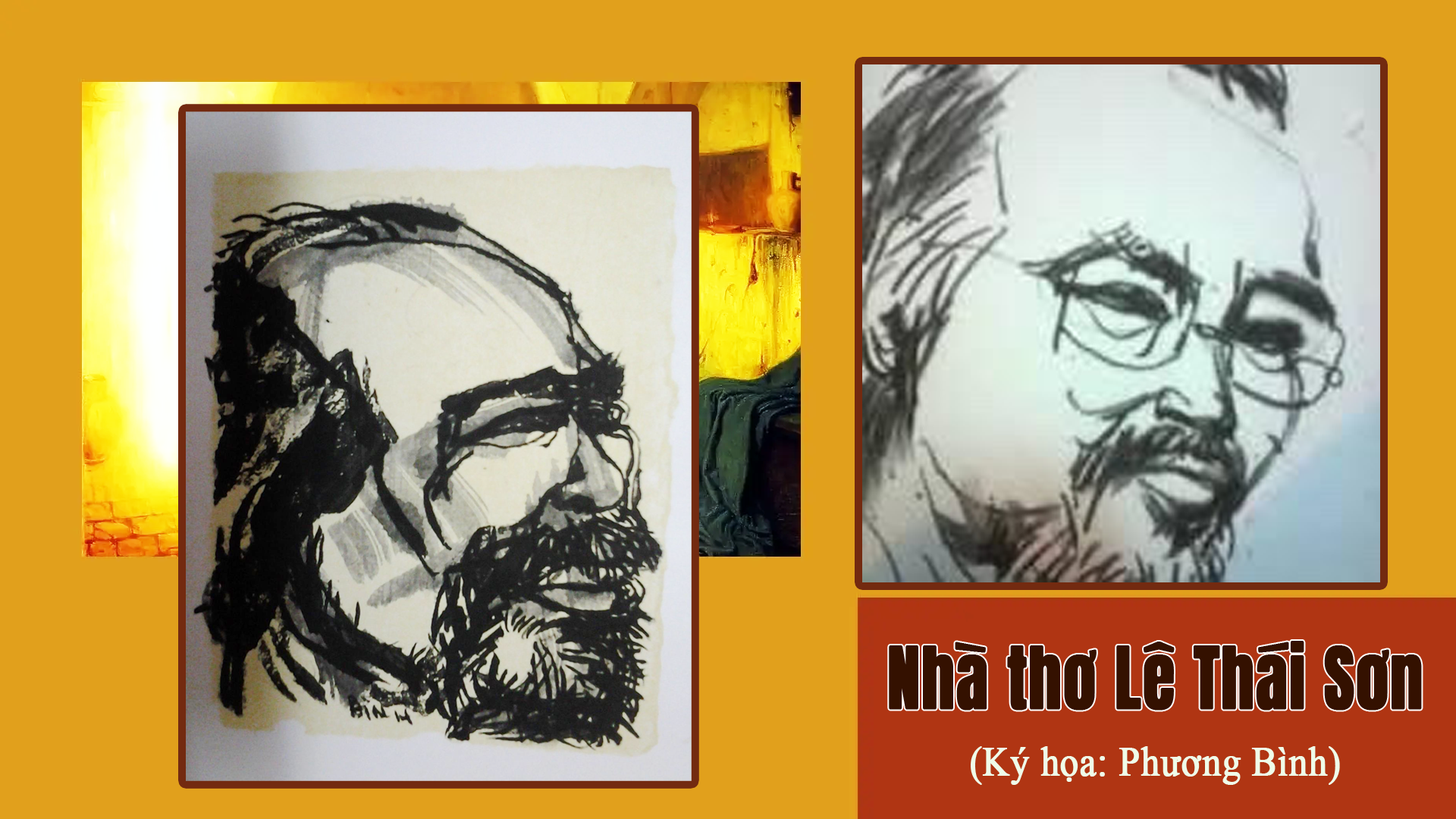
Reading Lê Thái Sơn's poetry, readers will find it quite interesting because of its strong folk elements. His life experience and immersion in the folk culture of Nghệ An province have made his poetry truly the poetry of a Nghệ An native. Poet Nguyễn Trọng Tạo – a fellow townsman, classmate, and close friend of Lê Thái Sơn – affirmed this in his preface to the poetry collection "Green January":"I see a rich and vibrant sense of rural life within you. Almost every emotional thread you possess is tied to your village, and just a slight touch of one of those threads is enough to make the poetic instrument within you resonate with melodies full of compassion."Those melodies, though easily stirred, contain the author's unspoken songs:Black coat. And black hat and scarf / Adding black to the tears in my eyes, locking a door for a lifetime.(Multifaceted).
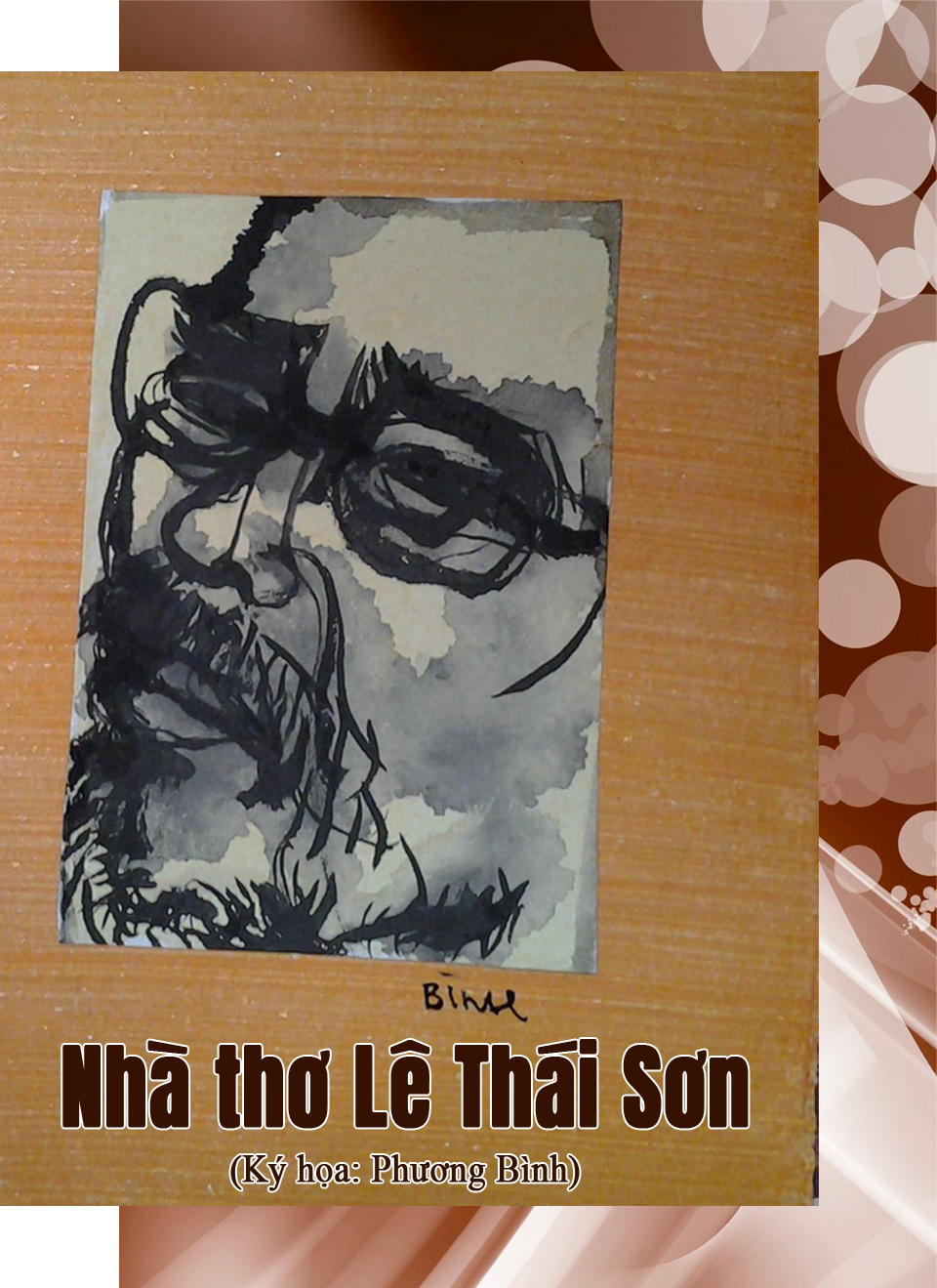

In stark contrast to his usual carefree demeanor, Lê Thái Sơn's poetry reflects his empathy for the poor and downtrodden. It portrays a beggar child, a rickshaw driver, a gravedigger, a bricklayer, a laborer, and even a prisoner… His fellow writers readily call him "the poet of the poor." This is a unique, unspoken song of Lê Thái Sơn in a world where money relentlessly manipulates the world. His poem, "A Humorous Poem for a Rickshaw Driver," is warm like a pat on the shoulder, a cheerful smile that dispels weariness:"I know the roads like the back of my hand / I can navigate every alley and lane with my eyes closed / I can sleep with my ears perked up / Listening to the whistles of the trains arriving at the station."
In the realm of children's poetry, Le Thai Son chooses a unique path, writing for children with special circumstances or those placed outside the safe path of life. "Homeland" is a poem brimming with the heartfelt emotions of an illegitimate grandchild who has never been to their paternal home:I only know my paternal hometown through my father's words.And the two lines of poetry in the poem"In the seasons of white frangipani flowers, even the sound of the wooden bell seems fragrant."His work soared to the skies on Vietnam Poetry Day in 2003, and twenty years later, it continues to be displayed on the Poetry Street in Thang Long Imperial Citadel. Perhaps it is because there, one can sense a certain fragrance: the fragrance of kindness, the fragrance of the temple bells of yesteryear, the fragrance of tolerance that his poetry has distilled throughout its journey.
During his lifetime, poet Lê Thái Sơn lived a gentle and kind life, wholeheartedly devoted to his friends. From 1997 to 2005, when he was chairman of the Nghe An Association of Literature and Arts, his office was always open, welcoming the joys of friendship and poetry. He didn't discriminate against anyone who came to him – old or young, rich or poor, from the lowlands or the mountains, city dwellers or country folk, leaders or employees – as long as they shared a passion for poetry. Many young writers later gained recognition from these "literary discussions." And there, this seemingly rugged man would reappear as a refined, rustic "old farmer of words."

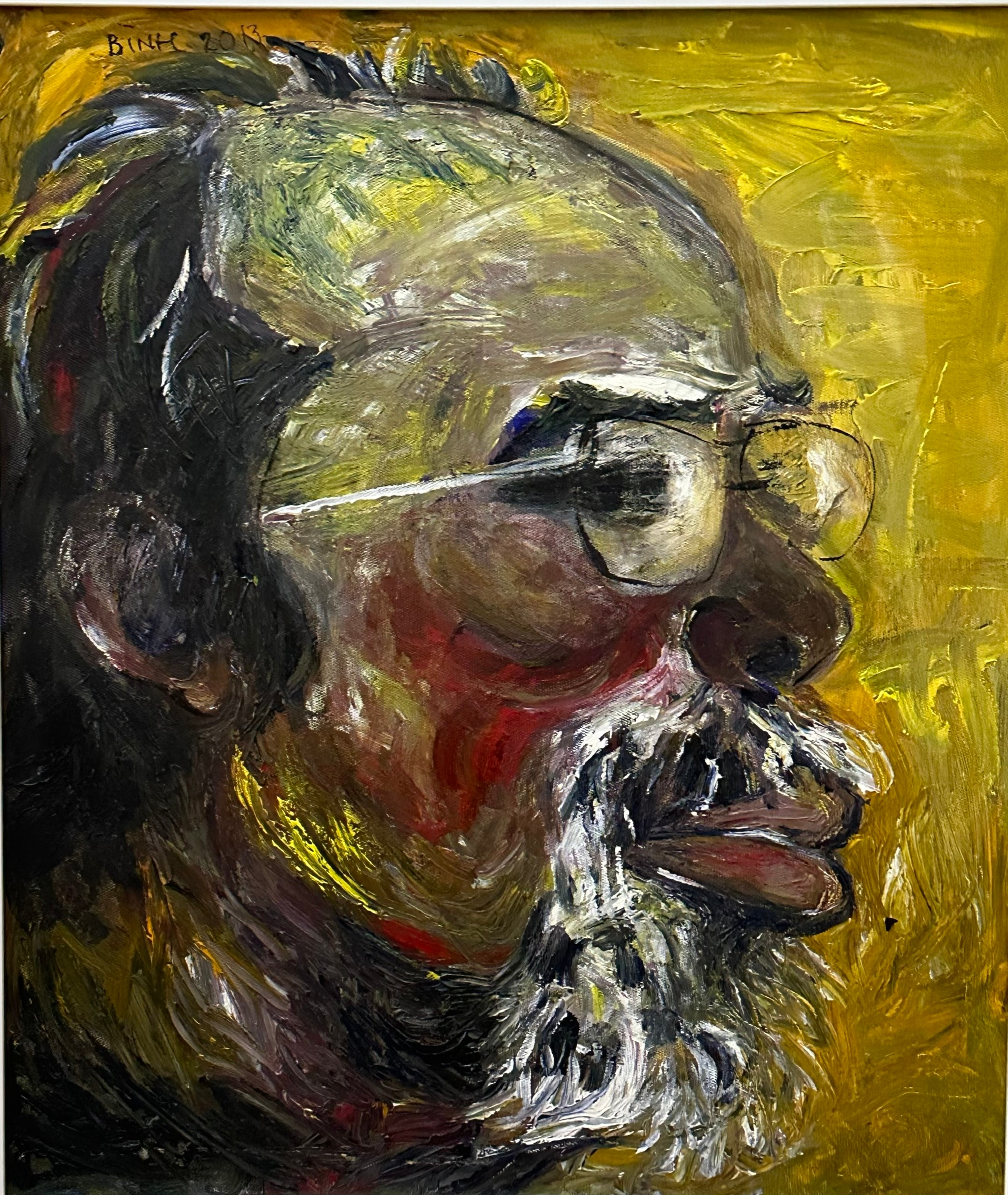
Poet Le Thai Son posed the question, "The Fifty-Year-Old Question Mark," to a poet: For whom do you write poetry? Who will read it? What will become of the poet when their eyesight is failing and their steps are slow?When my eyesight is no longer sharp / My back is like a question mark under the sky / I still don't really know who I am / Faint sunlight, hazy swirling clouds"Even when questioning himself, he realized that the zeros that crossed his life were simply meant to express more than just love, to thank life for allowing him to dwell in poetry without demanding anything in return:"I am like a piece of leftover flesh / Unjustly loved and pampered / Unjustly educated / Zero is hanging over my neck."(Chorus number zero).
Regarding love poetry, poet Nguyen Trong Tao once spoke about the freshness of Le Thai Son's work:The two sides of Lê Thái Sơn—old and young—have merged into his poetry and prose, keeping it fresh like an unending love. Many people write love poems, but Sơn's love poems often unleash the secrets of the soul.
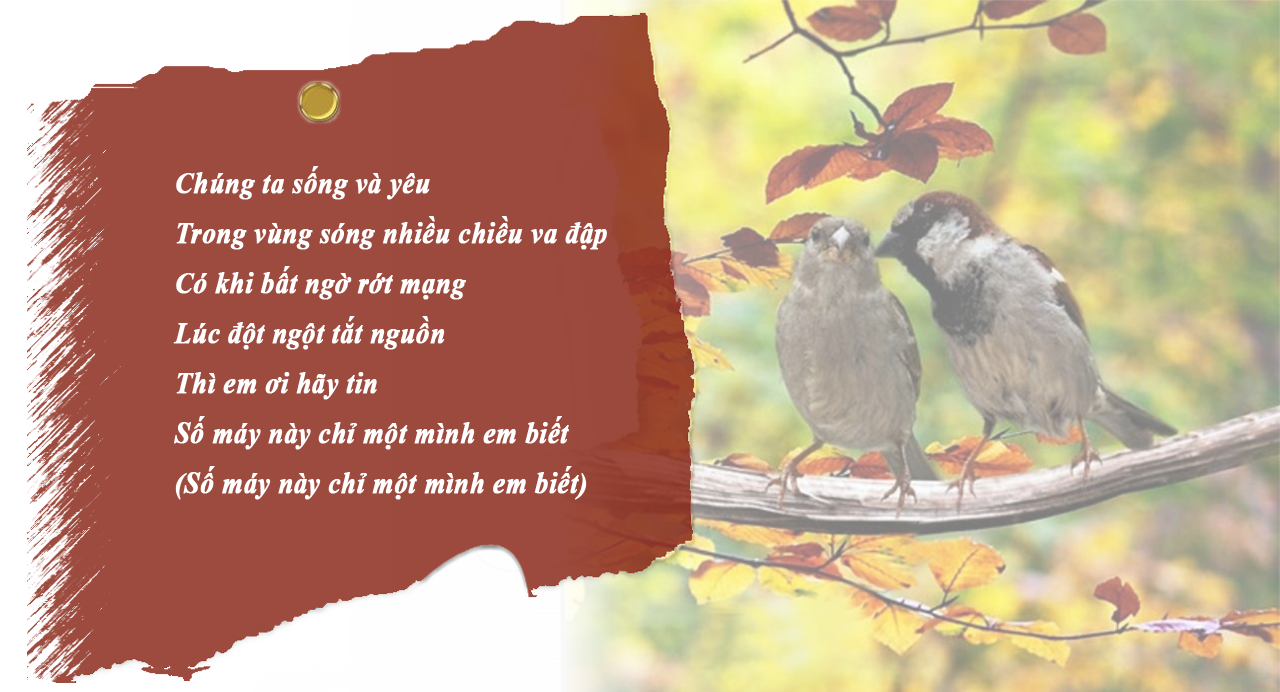
A poet with such a folk-like sensibility as Le Thai Son would undoubtedly be fond of traditional poetic forms such as the six-eight verse and the seven-six-eight verse, and he is considered successful with these forms, having won several thematic awards. One might think that throughout his poetic journey, he would easily become outdated, but surprisingly, as he gets older, he amazes his friends with his innovation in free verse, which is absolutely not pretentious or overly elaborate. He remains the same Le Thai Son, full of heartfelt emotion and sensitivity in his poetry.Your poems / Are like flashes of light / From the light of that flash, emerge / Soft grass / Radiant flowers / Plump fruit(Flash)
As he aged, poet Le Thai Son wrote with a youthful spirit, both in terms of aesthetic subject matter and poetic style. Furthermore, when seriously ill, his writing was full of optimism, love of life, and gratitude. He cherished every moment, listened to every emotion, and treasured every word… With only three days left on earth, supported by medical equipment, he still said to his youngest daughter: “My dear, I’ve just written a few lines of poetry, please write them down for me,” and with tears streaming down his face, he slowly read them aloud:"Gathering a lifetime's worth of poems / The book becomes a tomb / My children, each page / Encloses your father's soul."
As someone deeply devoted to the culture of Nghe An province and someone who loves poetry more than himself, even as he closes his life and his silent songs, there are still those who read and write about Le Thai Son's poetry; that is the final destination of his creative journey.Thank you, poems, for giving me another chance to appear, to flash by, and then fade away…