
The gas crisis has led to a new era of confrontation between major powers.
(Baonghean.vn) - Natural gas has now become the world's most popular commodity and a major contributor to global inflation. According to the authors of a Bloomberg article, a new era of intense confrontation between superpowers is approaching, as the current scarcity of green fuels will now determine geopolitical positions.
As the authors note, the gas crisis has escalated the Ukraine conflict to a new level, following the disruption of a significant portion of supplies. Russia cut off pipeline gas supplies to Europe, and Europe also announced its intention to end purchases from Moscow, though not immediately. The battle to fill the gap is becoming a global brawl as nations scramble for scarce liquefied natural gas shipments before winter arrives in the Northern Hemisphere.
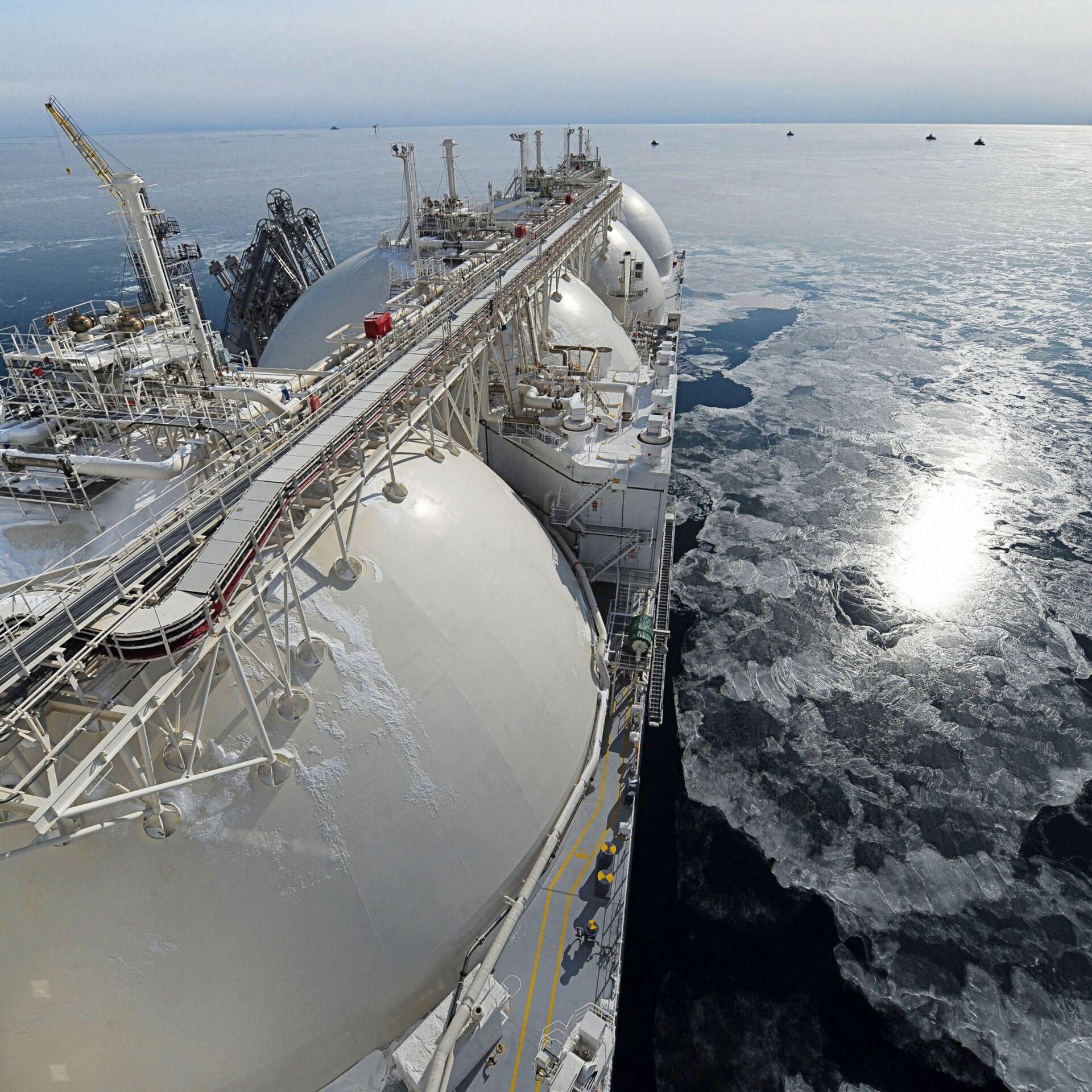 |
| A shipment of liquefied natural gas. Photo: AP |
Germany has warned that gas shortages risk leading to a recession similar to the 2008 financial crisis. The European economic hub is facing an unprecedented prospect where both businesses and consumers could face power outages.
"Nord Stream"—Russia's main gas pipeline to Germany—will be temporarily shut down for 10 days starting July 11 for maintenance, but concerns are growing that Moscow will not restart the pipeline.
G7 leaders are seeking ways to curb Russia's gas revenues and focus on supporting new investments in liquefied natural gas (LNG). However, poorer countries that previously built their energy systems on cheap gas supplies can no longer afford to do so.
“This situation is similar to the 1970s, only now it’s natural gas. The world is now looking at gas the same way it looked at oil back then; its crucial role in the modern economy has become clear, as has the need for a reliable and diversified supply,” said Kevin Book, CEO of Washington-based market research firm ClearView Energy Partners LLC.
According to the authors of the article, the ones bearing the brunt of the consequences are several emerging economies that are increasingly competing with wealthy countries like Germany for LNG supplies on the global market.
In Pakistan, a country that has built its energy system on cheap LNG supplies, periodic power outages plunge entire regions into darkness during the hot summer months. Shopping malls and factories in major cities are forced to close, and government officials have to reduce their working hours.
Thailand has restricted LNG imports due to soaring prices, leading to nationwide fuel shortages. Myanmar, a country still grappling with political instability, halted all LNG purchases late last year, when prices first began to rise. India and China have also cut back on imports of the commodity.
“While natural gas markets were previously largely fragmented by region, we now have a global spot market, connecting the world’s supply of this fuel that has become critically important to many economies. This trend has been particularly evident in recent months,” the article quotes James Whistler, CEO of Singapore-based brokerage firm Vanir Global Markets, as saying.


