
Military exoskeletons: From super-soldier ambitions to logistical realities.
Instead of turning soldiers into fictional superheroes, exoskeleton technology is proving its practical value in logistics, mine clearance, and artillery reloading at conflict hotspots.
Military exoskeleton technology is undergoing a significant shift. The ambition to transform every soldier into a "super soldier" with extraordinary strength is gradually giving way to more practical applications. Instead of appearing in direct combat, this device is becoming a valuable aid in logistics and technical support.
Battlefield practice: Prioritizing support missions.
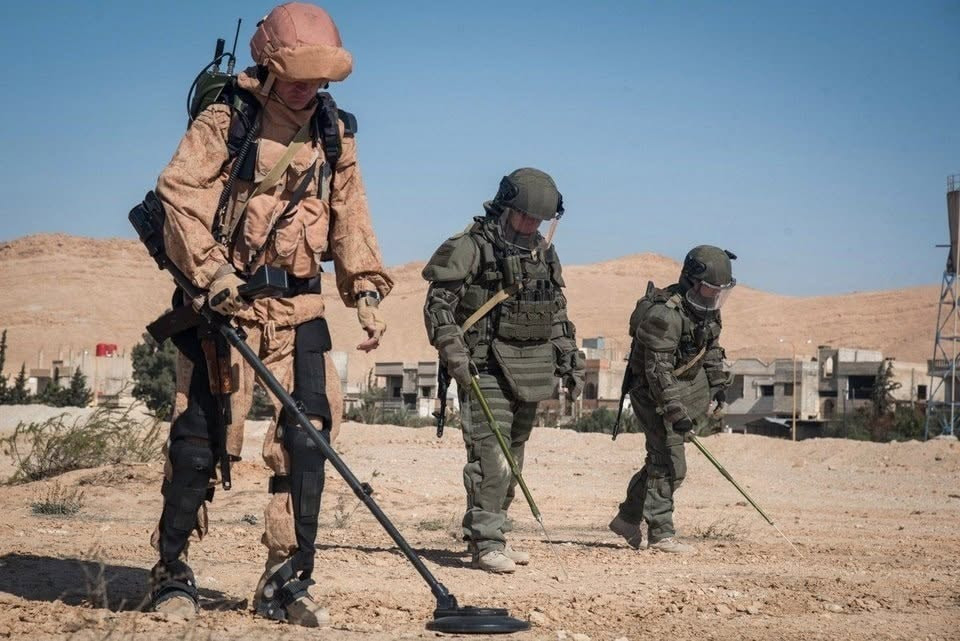
2017 marked a significant milestone when exoskeleton technology first appeared in combat. Russian engineering troops used this equipment in a mine-clearing operation in Palmyra, Syria. The nature of mine-clearing tasks requires soldiers to carry heavy protective equipment and detectors for extended periods, but does not require high-intensity movement or strenuous activity.
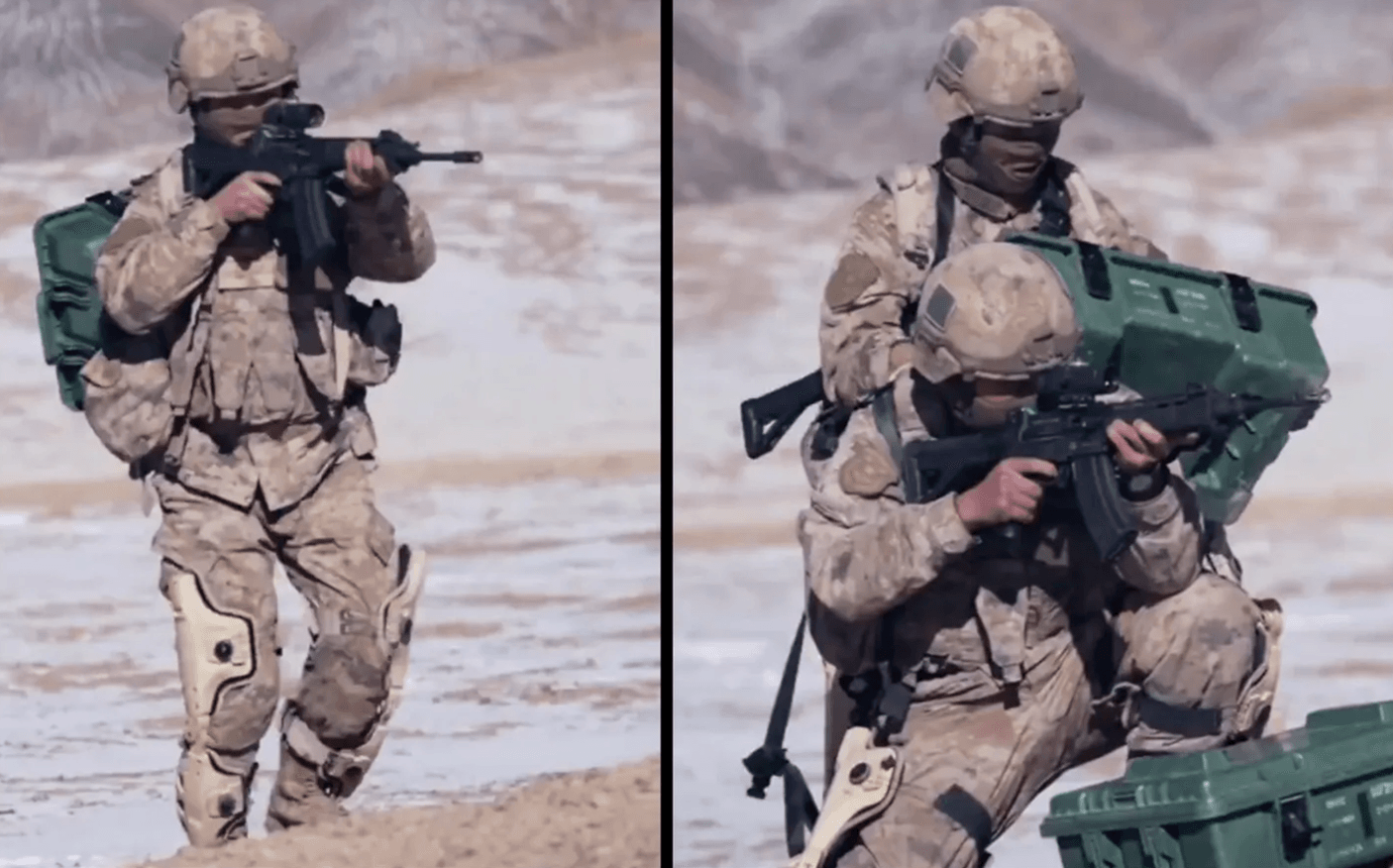
This model is also being applied by the Chinese military in rugged border areas such as Tibet and Xinjiang. There, the exoskeleton helps soldiers perform "last-mile" logistical tasks – transporting supplies and equipment in areas inaccessible to motorized vehicles. Reducing the load on the body helps maintain the soldiers' stamina in the oxygen-deficient environment of high-altitude mountainous regions.
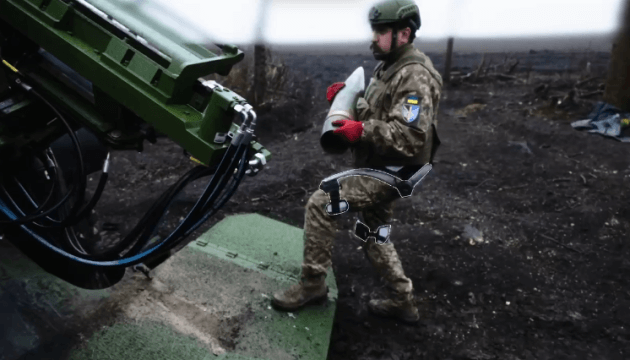
In the Ukrainian battlefield, the powered exoskeleton has proven capable of reducing fatigue levels for artillery soldiers by approximately 30%. Constantly carrying heavy artillery shells weighing tens of kilograms causes injury and reduces firing rate. The powered exoskeleton helps maintain stamina, thereby indirectly improving the combat efficiency of artillery units.
The energy paradox and technical barriers
Despite their great potential, programs developing exoskeletons for direct combat are facing unresolved technological bottlenecks. Research at the U.S. Army's Natick Center reveals a paradox: exoskeletons lighten the load on the back but increase leg fatigue. This is because the body expends energy accelerating and decelerating due to the weight of the exoskeleton itself with each step.
The most challenging issue remains energy. "Active" powered exoskeletons (those using motors) require large battery packs. However, current battery technology lacks the energy density to sustain high-intensity operation for extended periods while maintaining a lightweight design. Furthermore, mass production of these devices requires large quantities of precious metals and rare earth elements – resources prioritized for other strategic weapon systems such as missiles and radar.
The collapse of the "super soldier" projects.
Many ambitious projects have been halted or indefinitely delayed due to the vast gap between expectations and reality. The US Special Operations Command (SOCOM) TALOS project, which aimed to integrate bulletproof armor and communications systems into the exoskeleton, was canceled in 2019 after six years of costly development.
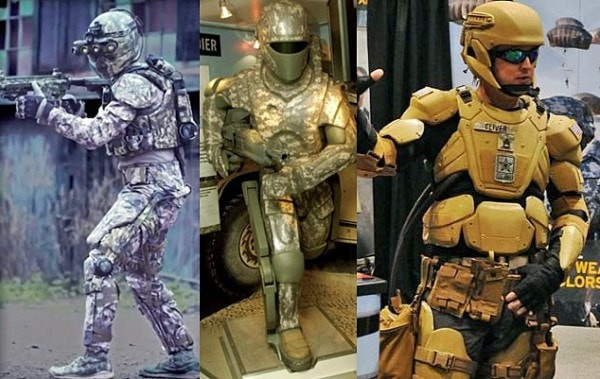
Similarly, Russia's Ratnik-3 project, which aimed to create a future suit of armor incorporating an exoskeleton, has yet to be deployed in practice despite being promised since 2018. These failures demonstrate that wearable technology for direct combat still requires decades to perfect.
New directions from civil and medical technology.
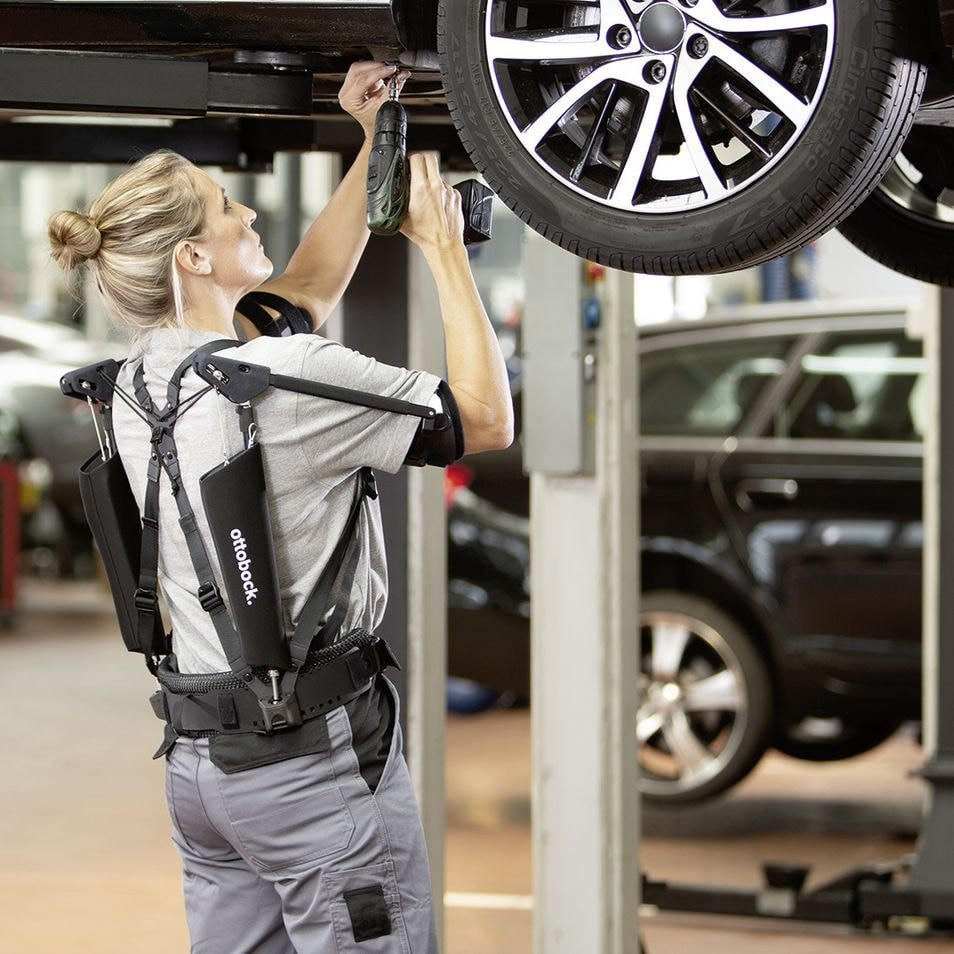
While the military is still grappling with the challenge of combat readiness, exoskeletons have already achieved success in the civilian sector. In automotive factories, workers use exoskeletons to assist in lifting heavy tools or maintaining working positions at heights, helping to minimize workplace accidents and spinal injuries.
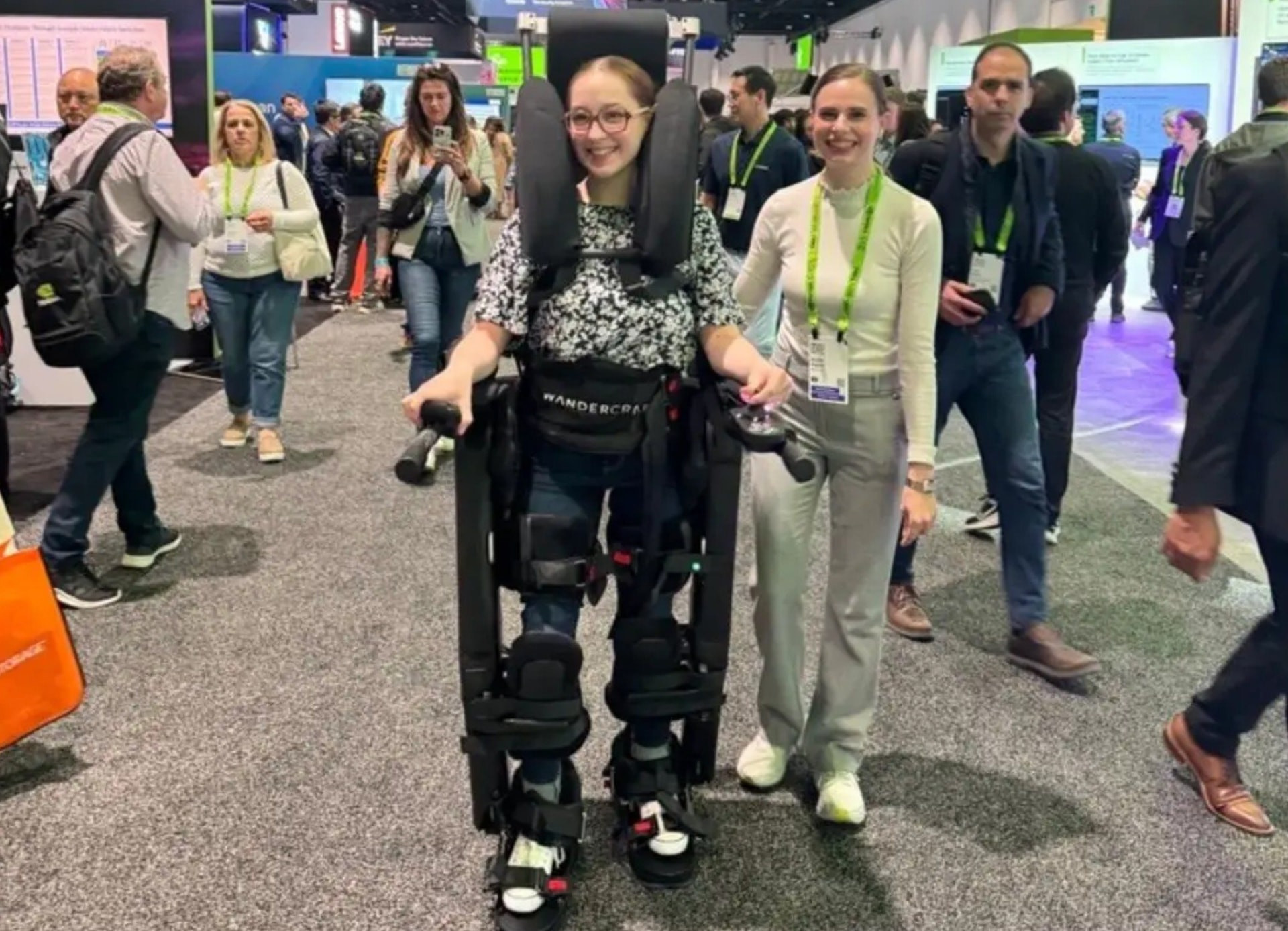
In medicine, this technology is offering hope for patients with paralysis or impaired mobility. The application of AI and advanced sensor systems allows the exoskeleton to perfectly synchronize with the wearer's intentions. This is also the direction the military is aiming for to support rehabilitation for wounded soldiers.

Overall, exoskeletons won't be turning soldiers into superheroes anytime soon. However, by focusing on logistical, technical, and rehabilitation tasks, this technology is actually enhancing the overall strength of the military in a more sustainable and practical way.


