
Encouraging the development of coconut trees along the coast.
Coconut trees have been cultivated in Vietnam for thousands of years. According to the International Coconut Community (ICC), Vietnam ranks fifth in the world in terms of coconut acreage and has the highest yield and quality in the world.
.png)
Duc Hau• January 31, 2026
Coconut trees have been cultivated in Vietnam for thousands of years. According to the International Coconut Community (ICC), Vietnam ranks 5th in the world in terms of coconut acreage and has the highest yield and quality in the world.
***
Currently, Vietnam has over 200,000 hectares of coconut plantations, with the Mekong Delta accounting for 80% of the area. Provinces with large coconut acreage include Ben Tre, Tra Vinh, Tien Giang, and Vinh Long (according to their pre-merger place names). Ben Tre is the coconut capital, currently accounting for 42% of the country's total coconut acreage. The main coconut varieties grown today are Siamese coconut and waxy coconut.
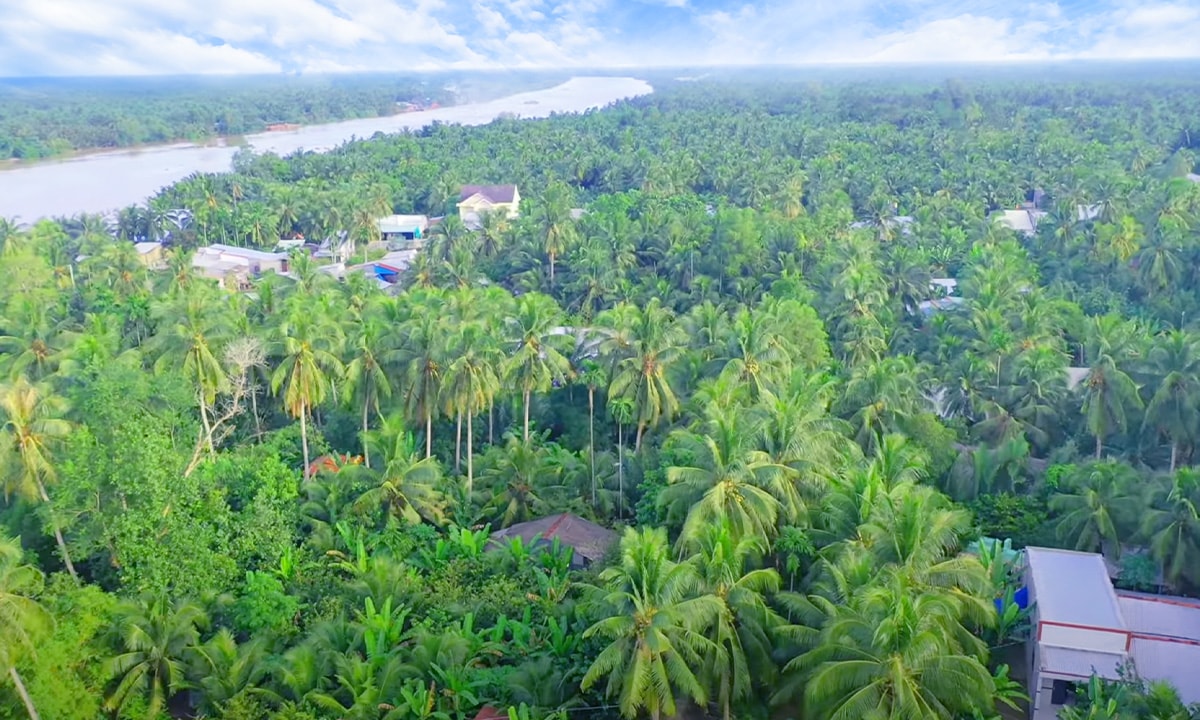
Coconut trees are a highly valuable economic crop, providing a large and diverse source of income. Over 100 types of products are used and processed from coconuts, primarily coconut flesh, coconut water, coconut oil, coconut shell charcoal, coconut fiber, etc. Coconut water is a popular beverage and a key ingredient in the food industry. Coconut flesh is processed into coconut oil, coconut flour, coconut milk, etc. Coconut fiber is used for ropes, fiber mats, and soundproofing materials. The trunk is used for construction timber and handicrafts. Coconut leaves are used for roofing, brooms, and traditional products.
In recent years, Vietnam's coconut export value has increased rapidly, reaching hundreds of millions of USD annually. The main export products include fresh coconuts, canned coconut water, dried shredded coconut, coconut oil, activated charcoal from coconut shells, etc. Coconut products are exported to markets such as China, North America, South Korea, Japan, and Europe. With its economic potential, ecological value, and sustainable development orientation, the Vietnamese coconut industry promises to continue asserting its position in the global market.
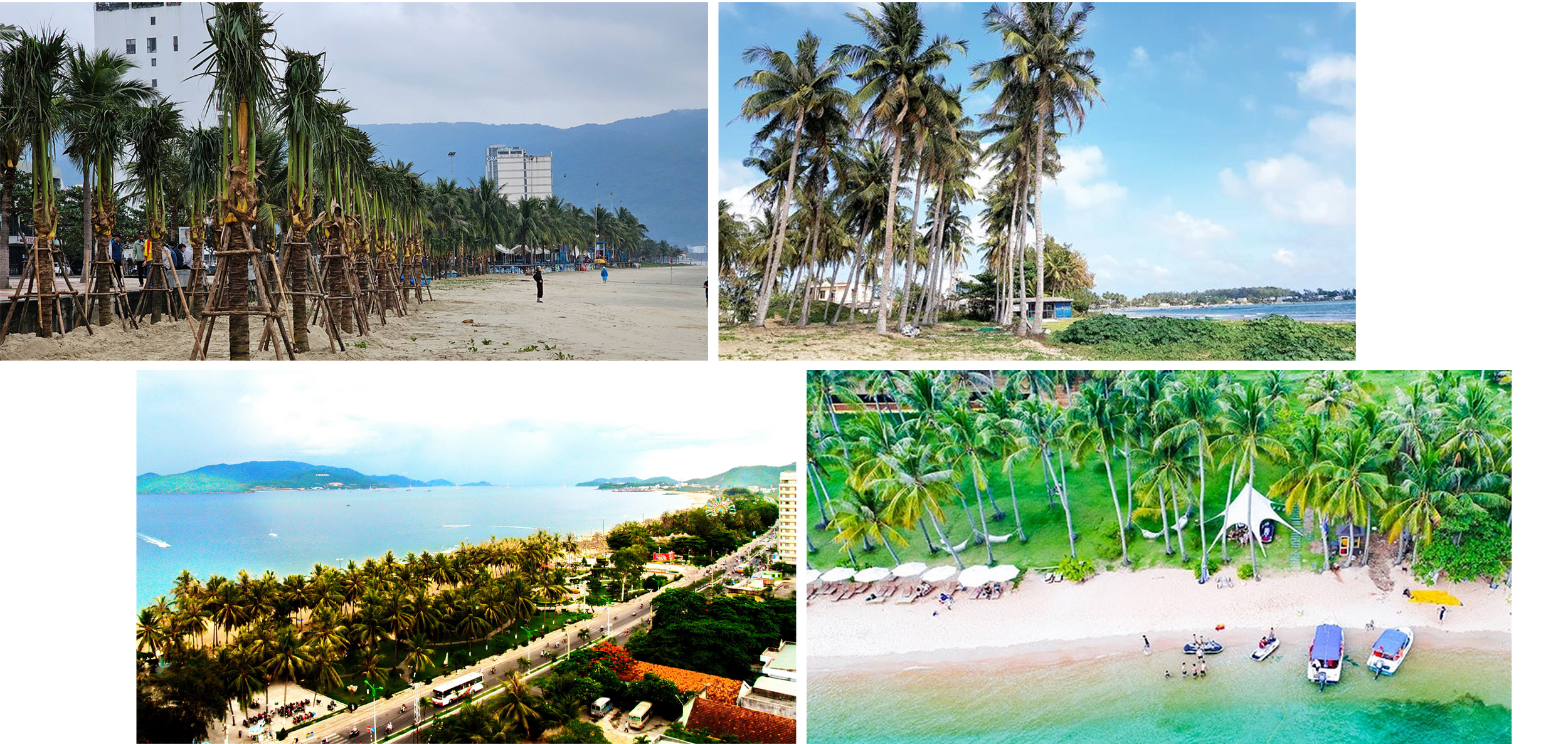
Coconut trees are not only an important agricultural resource but also a symbol of sustainability and innovation. Beautiful beaches in Phu Quoc, Nha Trang, Tam Ky, Ninh Thuan, etc., are picturesque places shaded by coconut trees. Surveys conducted after typhoons directly hitting Nghe An and Ha Tinh provinces, such as Typhoon No. 5 (August 25, 2025) and Typhoon No. 10 (September 28, 2025), showed that most crops like eucalyptus, mahogany, rubber, oranges, and bananas were broken or uprooted, with only coconut trees (including those planted along the coast) remaining standing. In previous years, coconut trees were widely planted by farmers along the coast in areas like Dien Phong, Dien My, Dien Hai, etc. (old names). Even today, some of these old coconut trees still bear abundant fruit.
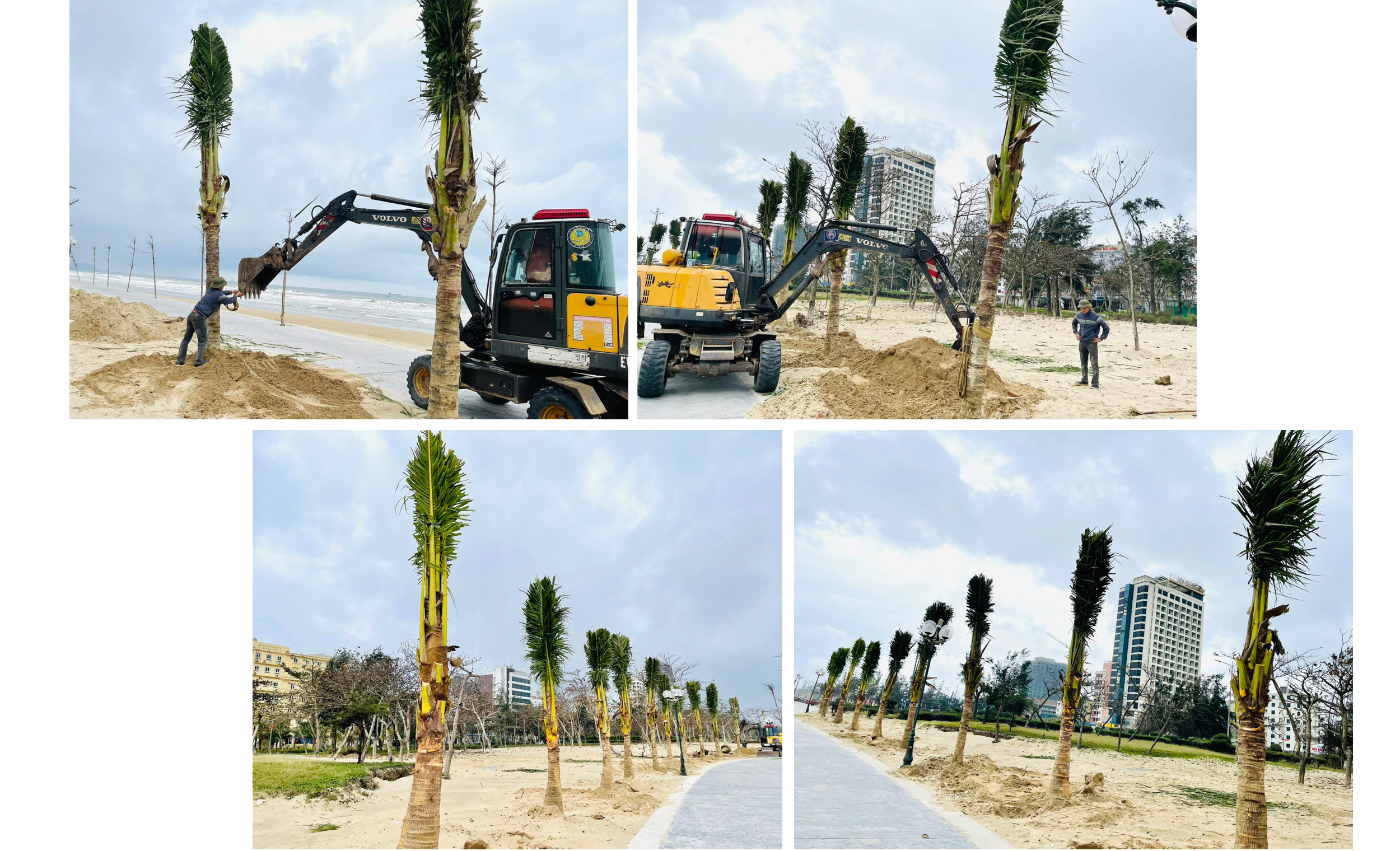
Nghe An province, with its 82km coastline from Hoang Mai to Cua Hoi, boasts several beautiful beaches such as Quynh Nghia, Quynh Bang, Dien Thanh, Nghi Tien, and Cua Lo. If these beaches were planned for coconut cultivation, they would undoubtedly attract more tourists. Therefore, it is suggested that coastal localities should focus on promoting and encouraging businesses, farmers, and fishermen to plant coconut trees. Cua Lo ward is the first locality to have a plan to organize a coconut planting festival in 2026 to contribute to the beautification of the coastal town in the coming years. When coconut trees cover the entire coastline, it will not only provide a sustainable economic source but also create a green, clean, and beautiful landscape and an effective windbreak against storms.
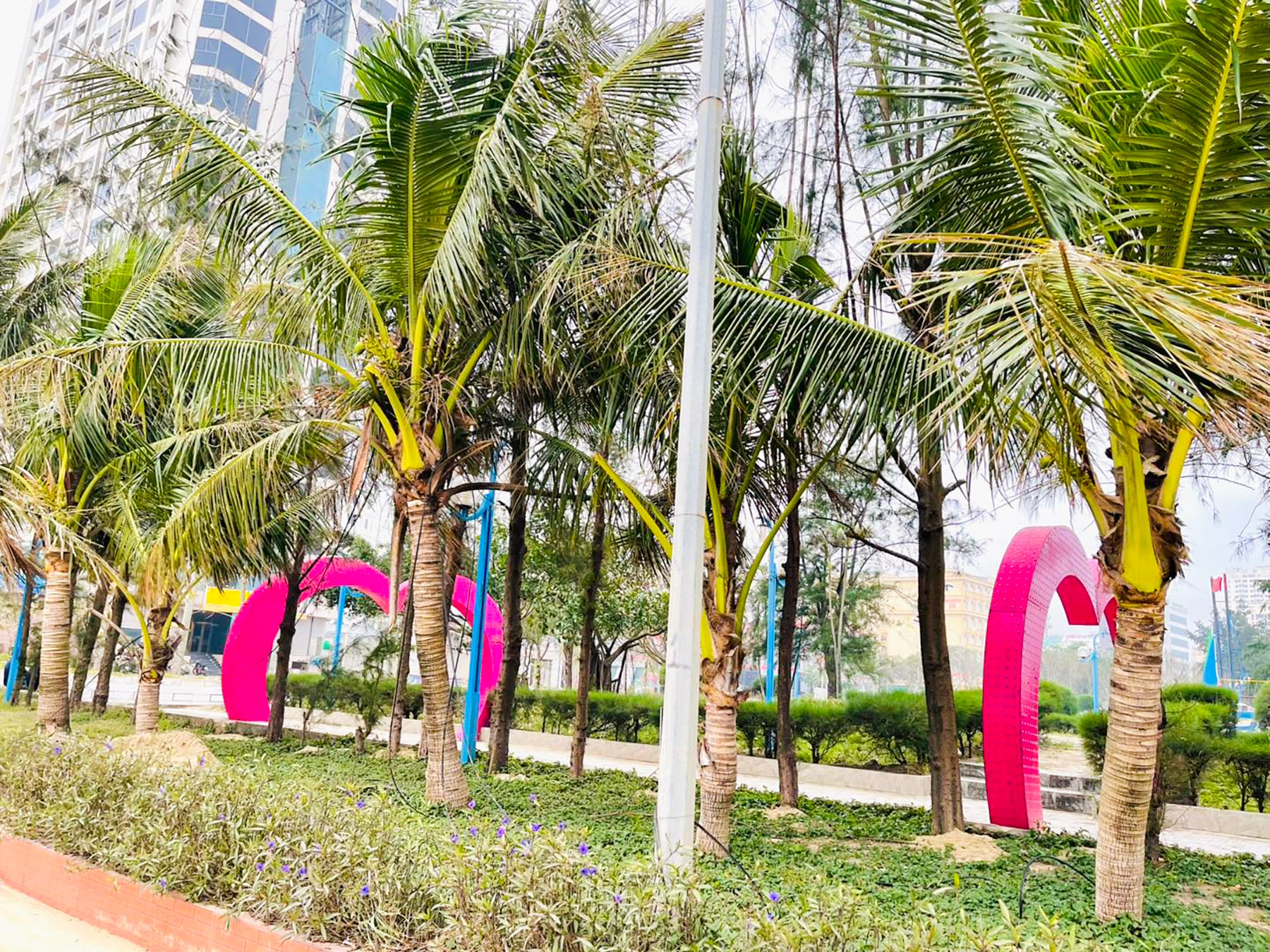
With confidence in the potential and multifaceted benefits of coconut trees, coastal localities will certainly see a stronger expansion of coconut cultivation areas in the new spring, in this new era.


