

Proposing 5 solutions to improve and enhance the effectiveness of local government operations at two levels.
Contributing opinions to the documents of the 14th National Congress of the Party, the Party Committee of Dong Loc commune, Nghe An province, proposed 5 solutions to help improve and enhance the effectiveness of the two-level local government in the coming time.
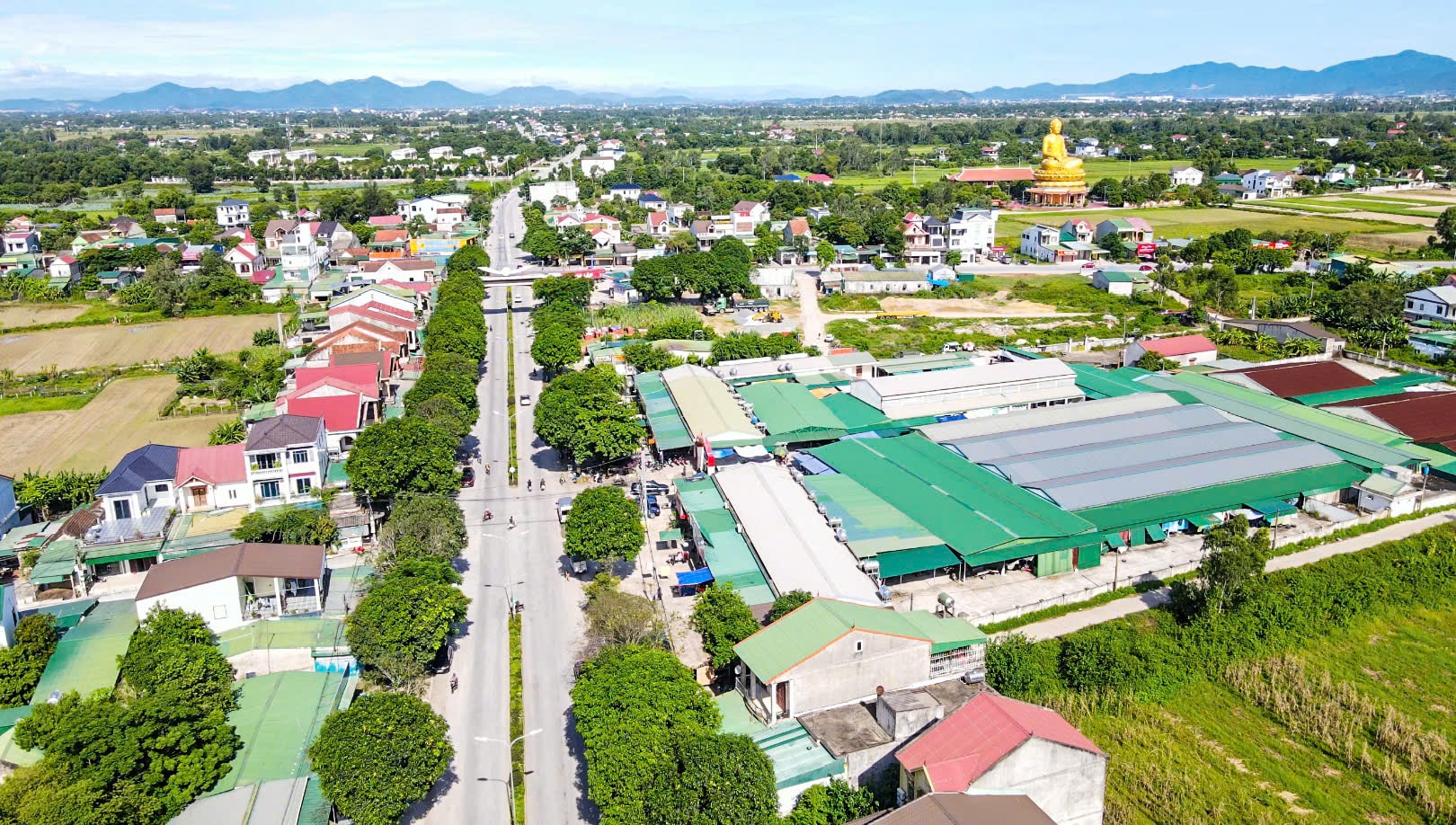
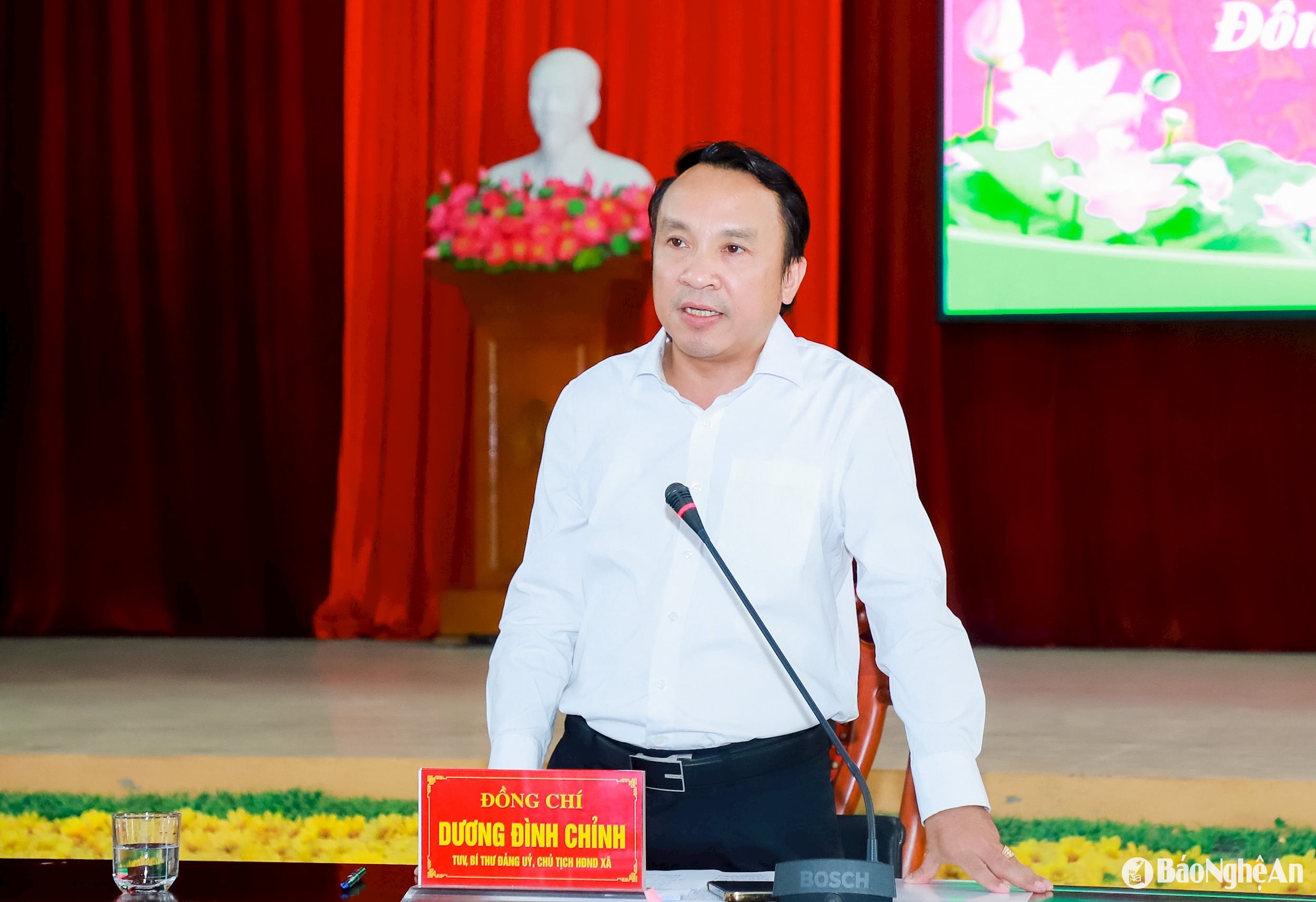
Nghe An Newspaper and Radio & Television respectfully publish excerpts of important contents from the presentation of the Dong Loc Commune Party Committee, Nghe An Province, to the 14th National Congress of the Party.
The discussion topic is:"Continuing to review institutions and organizational structures, and improving the effectiveness of the two-tiered local government model - from summarizing practical experiences from the 13th Party Congress term to the requirements for reforming local governance in the new development phase."
The policy is sound, in line with the laws of development, and appropriate to reality.
The 13th National Congress marked a significant development in the Party's thinking on the organization of state power, shifting strongly from administrative management thinking to development management thinking; from purely operational control to serving the people and promoting development.
Implementing a two-tiered local government model is a major and very new policy with profound impacts on the organizational structure, the workforce, and the lives of the people. However, under the decisive and systematic leadership and guidance of the Central Government and the synchronized involvement of the entire political system, the implementation process has been carried out cautiously and scientifically, ensuring political and social stability and gradually demonstrating effectiveness.
The reorganization of administrative units, coupled with the implementation of a new model, has streamlined the apparatus, enhanced the effectiveness of state management, and enabled local governments to truly become the action-oriented level, directly addressing the people's issues. This is one of the significant achievements of the 13th National Congress, creating a solid practical foundation for the 14th National Congress to further improve and elevate local governance in the new development phase.
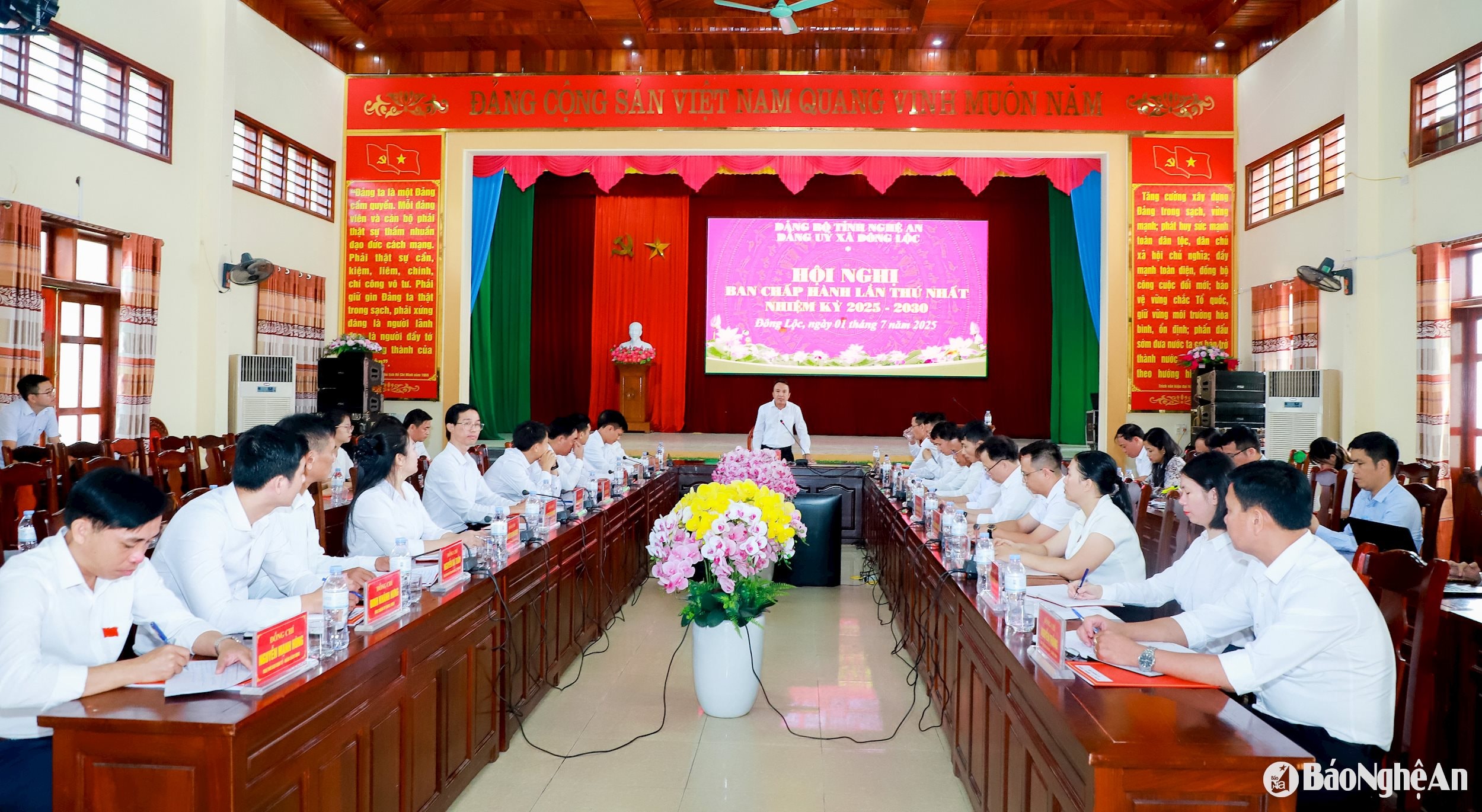
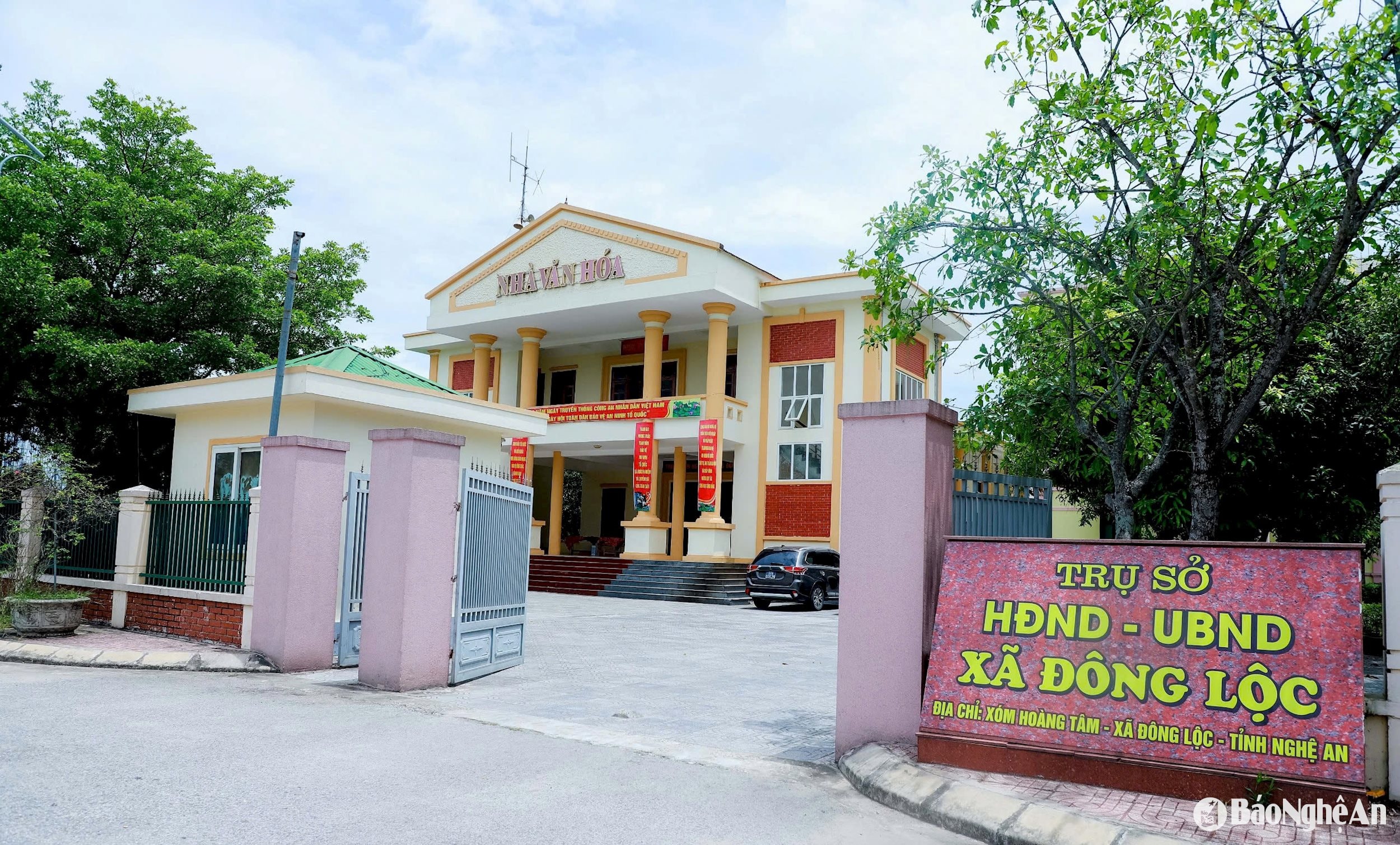
From the very beginning of implementing the new model, local Party committees and authorities identified it as both a particularly important political task and an opportunity to affirm the correctness of the policy. The practical implementation of the two-tiered local government model in communes and wards in Nghe An province shows that:
FirstThe Party's leadership role is clearly affirmed through the improvement of its organization, the promulgation of working regulations, the clear assignment of responsibilities, the creation of unity throughout the political system, and consensus among the people; the apparatus operates smoothly, without any leadership vacuum.
Monday,The effectiveness and efficiency of the commune government's administration have been significantly improved; the commune People's Committee is proactive, flexible, emphasizes the responsibility of the head of the committee, and promptly handles pressing issues, gradually shifting from"administrative enforcement"luxurious"Proactively design and implement local governance solutions."
Tuesday,Administrative reform and digital transformation create substantive changes, with the right mechanisms."one-stop shop","One-stop shop"The process has become more organized, the time taken to handle procedures has been shortened, transparency has been enhanced, and the level of public satisfaction has increased.
Wednesday,Grassroots democracy is promoted, and the supervisory and critical roles of the Fatherland Front and mass organizations are strengthened. The people are in agreement and actively participate in implementing policies, contributing to consolidating social trust and ensuring the sustainability of the model.
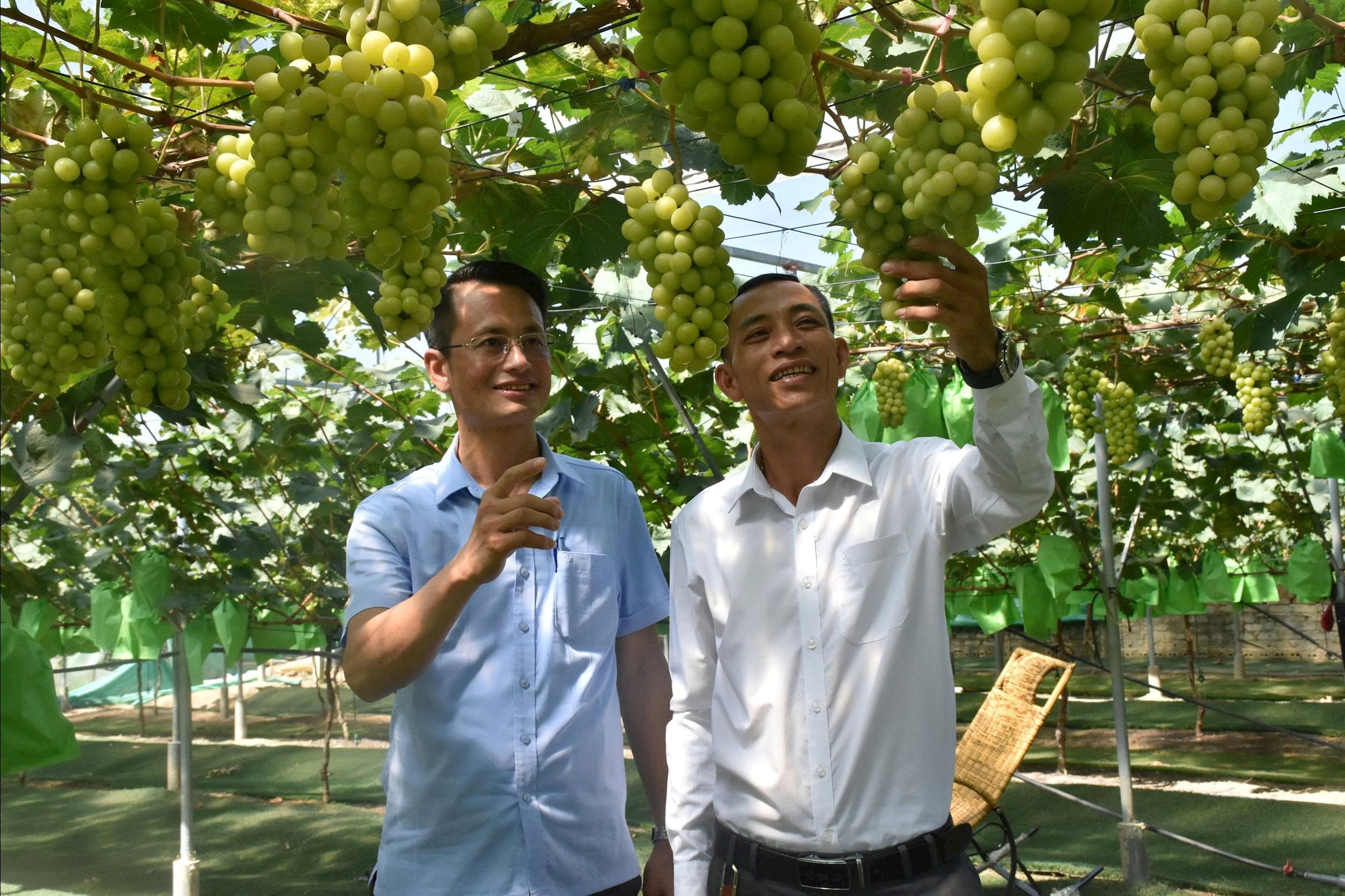
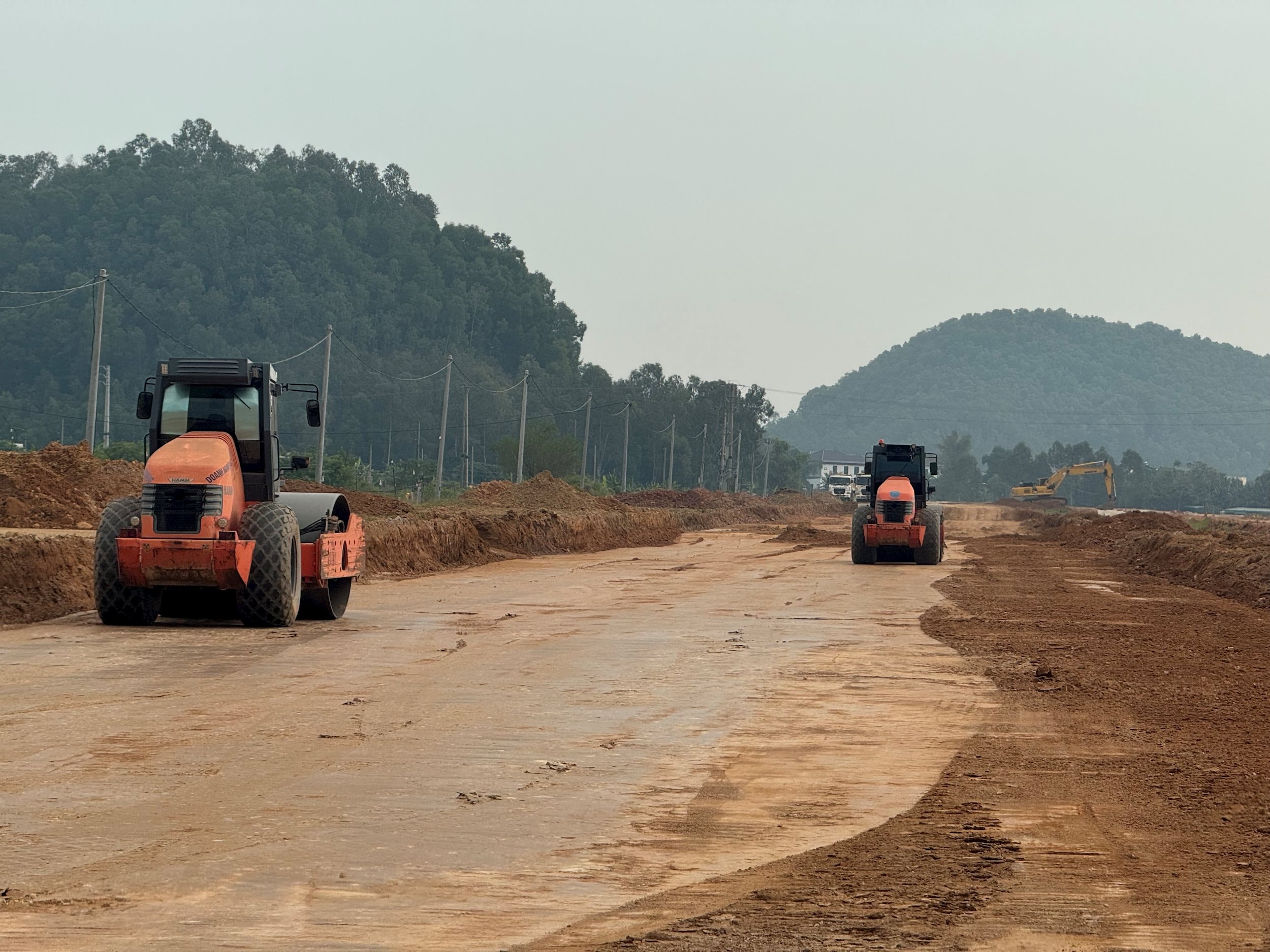
Thursday,The new model facilitates better exploitation of local potential and advantages, helps in formulating long-term development strategies, concentrating resources, investing in synchronized infrastructure, promoting production linkages, improving people's lives, and maintaining national defense and security.
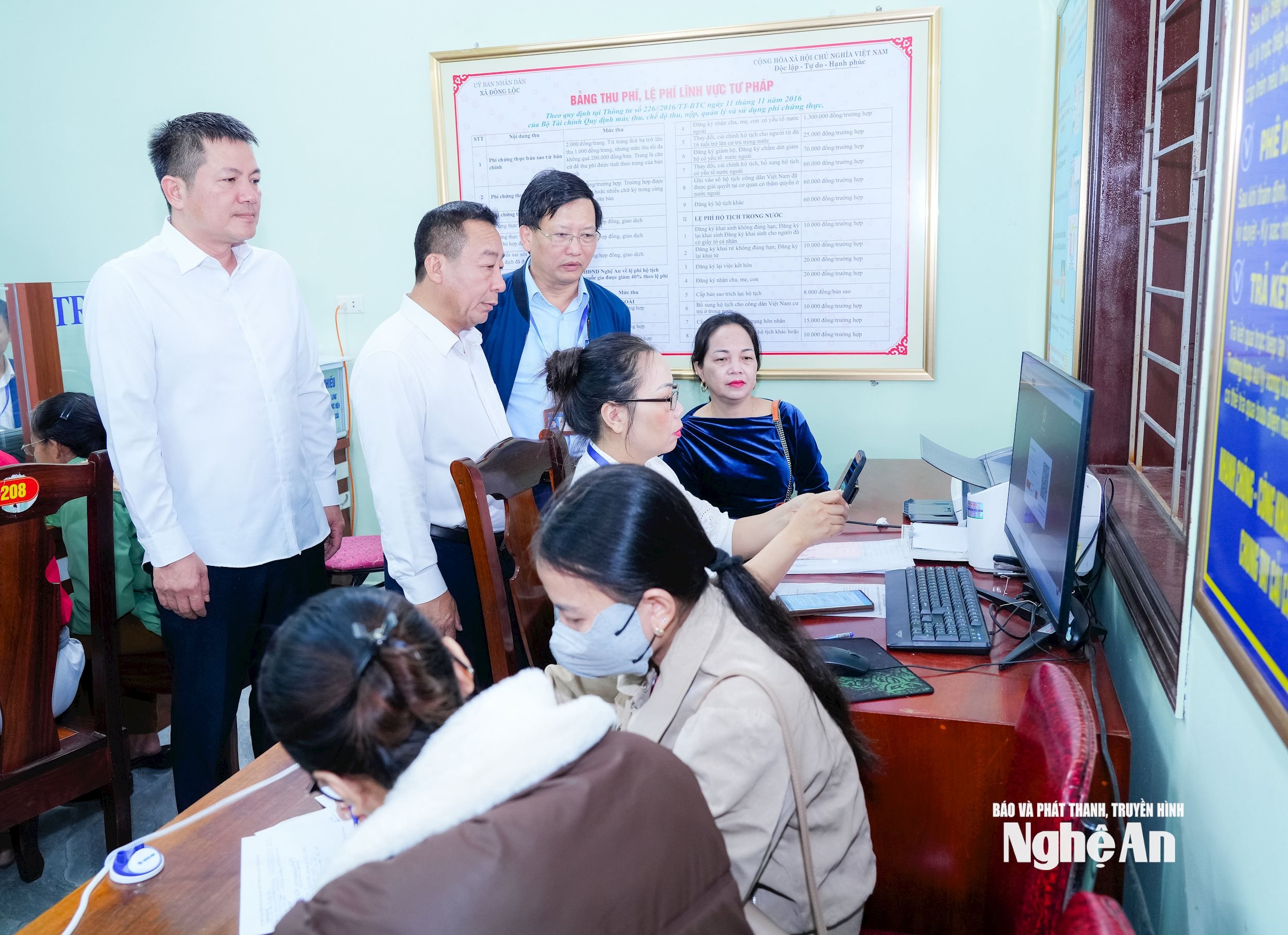
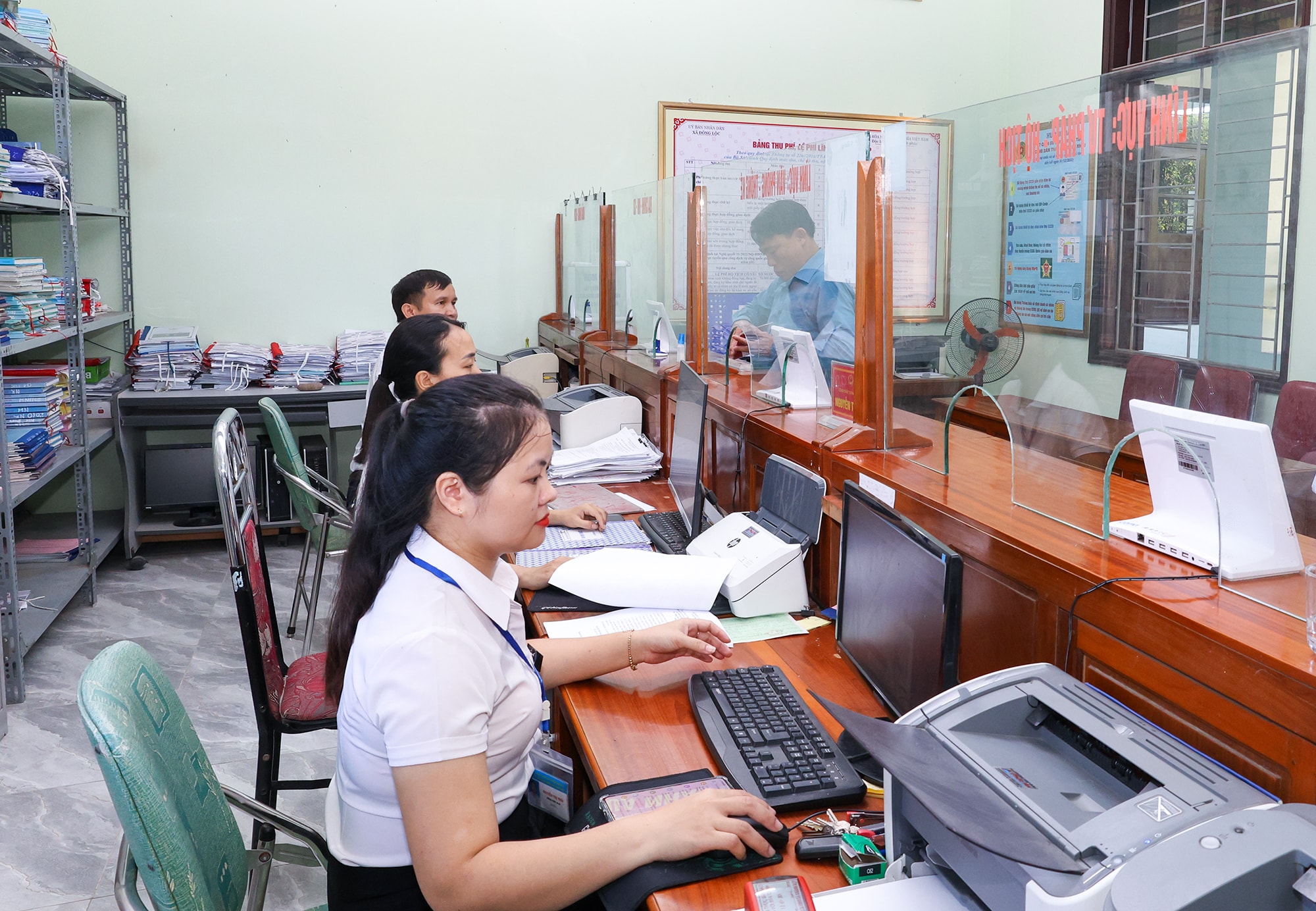
These results confirm that the two-tiered local government model is a correct policy, in line with the laws of development and practical realities, and has initially brought about many clear positive changes.
Difficulties and obstacles encountered in practice.
Alongside the achievements, it is also necessary to frankly acknowledge that the implementation of a new model, with its profound impact on organizational structures and social life, inevitably faces practical difficulties and obstacles that need to be addressed:
The first,Institutional and decentralization shortcomings exist. Some regulations on decentralization and delegation of power in the initial stages were not truly synchronized, with some content still being implemented and further refined. The delineation of authority between different levels and sectors in some areas is not yet clearly defined. Some tasks assigned to the grassroots level are not fully linked to the necessary conditions for implementation, especially regarding resources and financial mechanisms, leading to low implementation efficiency.
Monday,Organizational pressure and workload at the grassroots level: The reorganization of administrative units changes geographical boundaries, expands the population size and scope of management, while the new apparatus needs time to consolidate, and operating regulations are not yet fully synchronized. The workload increases rapidly, and the intensity of processing is high, creating significant pressure on the grassroots government apparatus in the initial phase of operating the model.
Tuesday,Challenges regarding staff and working methods: Grassroots staff must adapt quickly to multi-disciplinary management requirements, new operating methods, and digital transformation demands, while some are still struggling with skills, experience, and work organization. High work pressure and demanding requirements for responsibility and efficiency directly impact the morale, motivation, and resilience of the team.
.jpg)
.jpg)
Wednesday,Limitations in ensuring implementation, especially infrastructure and digital data: Operating the model in the context of strong digital transformation requires a synchronized and interconnected system of technology infrastructure, shared data, and digital platforms. However, in the initial stages, the information technology infrastructure is still uneven; data is not standardized. Some software is not yet fully developed, preventing the full potential of digital transformation applications in management and operation from being realized.
Thursday,Pressure from the people: Due to changes in administrative boundaries, approaches to public services, and procedures, it is inevitable that in the initial period, there will be feelings of comparison, concern, and high expectations from the people, creating considerable pressure on local Party committees and authorities during the implementation process.
The aforementioned difficulties and obstacles show that the requirements for the coming period are not only to ensure the stable operation of the two-tiered local government model, but more importantly, to continue reviewing and improving the institutional framework. This includes streamlining the organizational structure; increasing resources; standardizing personnel; and innovating governance methods, in order to ensure the model operates effectively and sustainably, meeting the development requirements of the new era.
Proposing 5 key solutions
Based on a summary of the practical experience of the 13th Party Congress term and the requirements for national development in the new period, the Dong Loc Commune Party Committee proposes several recommendations and solutions, with the hope of contributing to the improvement and enhancement of the effectiveness of the two-level local government in the coming time, as follows:
Secondly,Enhancing the implementation capacity of local governments to meet the governance requirements of the new era. Building a team of officials and civil servants at all levels, especially at the commune level, with sufficient qualities, capabilities, prestige, innovative thinking, and modern management skills to meet the requirements of increased authority and workload in the two-tiered local government model.
Strongly innovate training and professional development programs towards practical, multi-disciplinary approaches, focusing on real-world problem-solving skills, digital skills, and public service culture. Simultaneously, prioritize the rational planning, placement, and utilization of personnel, strengthen discipline and order while simultaneously implementing incentive mechanisms to encourage and motivate staff, creating conditions for them to work with peace of mind and make long-term contributions.
Third,xDefining administrative reform and digital transformation as follows:"lever"To build a modern, proactive, and people-serving government. Promote administrative reform linked to digital transformation, placing citizens and businesses at the center. Strengthen online public services, digitize documents, interconnect data, and improve processes towards speed, transparency, and convenience. Use the level of satisfaction of citizens and businesses as a measure to evaluate the quality of government operations, clearly affirming the role of a proactive, partnering, and people-serving government.
Fourth,Continue to promote grassroots democracy while strengthening social consensus. Strictly implement the guiding principles."The people know, the people discuss, the people act, the people inspect, the people supervise, and the people benefit."; improve the quality of citizen reception, direct contact and dialogue with the people, and promptly resolve requests and grievances at the grassroots level. Promote the supervisory and social critique role of the Fatherland Front and other mass organizations, considering the people's opinions as an important information channel for perfecting mechanisms and policies; thereby, consolidating trust and strengthening social consensus.
Fifthly, Strengthening the central government's role in perfecting the mechanism for ensuring the implementation of the two-tiered local government model is crucial. The central government needs to focus on comprehensively improving the institutional framework, decentralization mechanisms, and resource allocation, creating a unified and stable legal framework for the operation of the two-tiered local government model. Enhancing the initiative and creativity of the grassroots level while ensuring effective power control is also essential. Simultaneously, developing and refining a system of criteria and indicators for evaluating the effectiveness of the model's operation based on socio-economic development results, governance quality, and genuine public satisfaction is necessary to adjust policies and further improve the model in the next phase.
Practical implementation at the grassroots level, including Dong Loc commune, Nghe An province, has confirmed that the two-tiered local government model is a correct policy, consistent with the laws of development and the requirements of building a modern socialist rule of law state in Vietnam.
However, for this model to be truly effective and sustainable, it requires continued and comprehensive review and improvement of institutions, organizational structures, and operating methods. This is not merely a mechanical streamlining of the organizational structure, but a strategic, long-term innovation process aimed at continuously enhancing the Party's leadership and governance capacity; the effectiveness and efficiency of the State's management and administration; and the quality of service to the people, while also contributing to improving national governance capacity to meet the development requirements of the new era.
With strong political determination, innovative thinking, and social consensus, the continued improvement of the two-tiered local government model will create an important foundation for building a government that is closer to the people and serves them better, contributing to the successful implementation of the Resolution of the 14th National Congress of the Party, and leading our country to rapid and sustainable development in the new era.


