
Strengthening and addressing challenges for grassroots healthcare workers.
Along with the reorganization and merger of villages and hamlets, Nghe An province has also restructured its village and hamlet health workers to suit the new geographical areas. Given the province's large size, numerous mountainous communes, and scattered population, the rational deployment of this workforce is considered a crucial solution to avoid disrupting the primary healthcare network for the people.
Leanprimary healthcare team
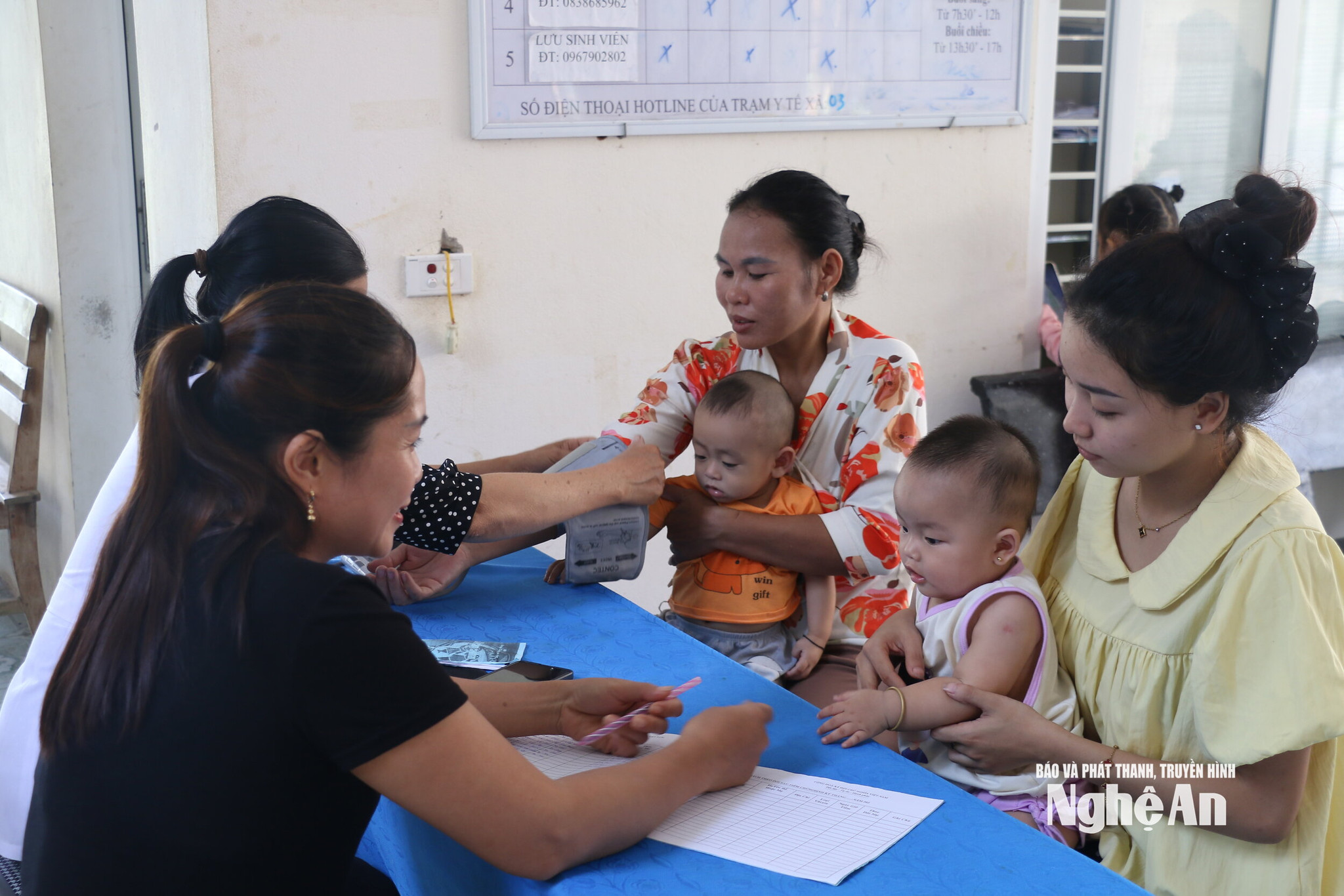
On the 24th of every month, during vaccination season, Ms. Ngan Thi Kiem, a health worker in Muong Boi village, Mau Thach commune, is present at the commune's health station. Besides recording and monitoring the number of children in the area receiving vaccinations, she also takes the time to advise and educate mothers with young children about healthcare, family planning, and the prevention of common childhood illnesses.
Ms. Kiem is one of the healthcare workers retained by the local authorities after the reorganization. Speaking about her work after the merger, Ms. Kiem said that initially she had some concerns about one employee having to be responsible for a larger area. However, through the review process, with many years of experience, she found that...village health workWith her basic medical training certificate, she was trusted by the local community to continue her work. "This job requires me to constantly monitor the area, especially cases involving young children, pregnant women, or people who need information and guidance. Therefore, I proactively arrange my time; if there's work in the village, I go there in person, and for matters requiring coordination with the health station, I discuss them immediately so that the work isn't delayed," Ms. Kiem shared.
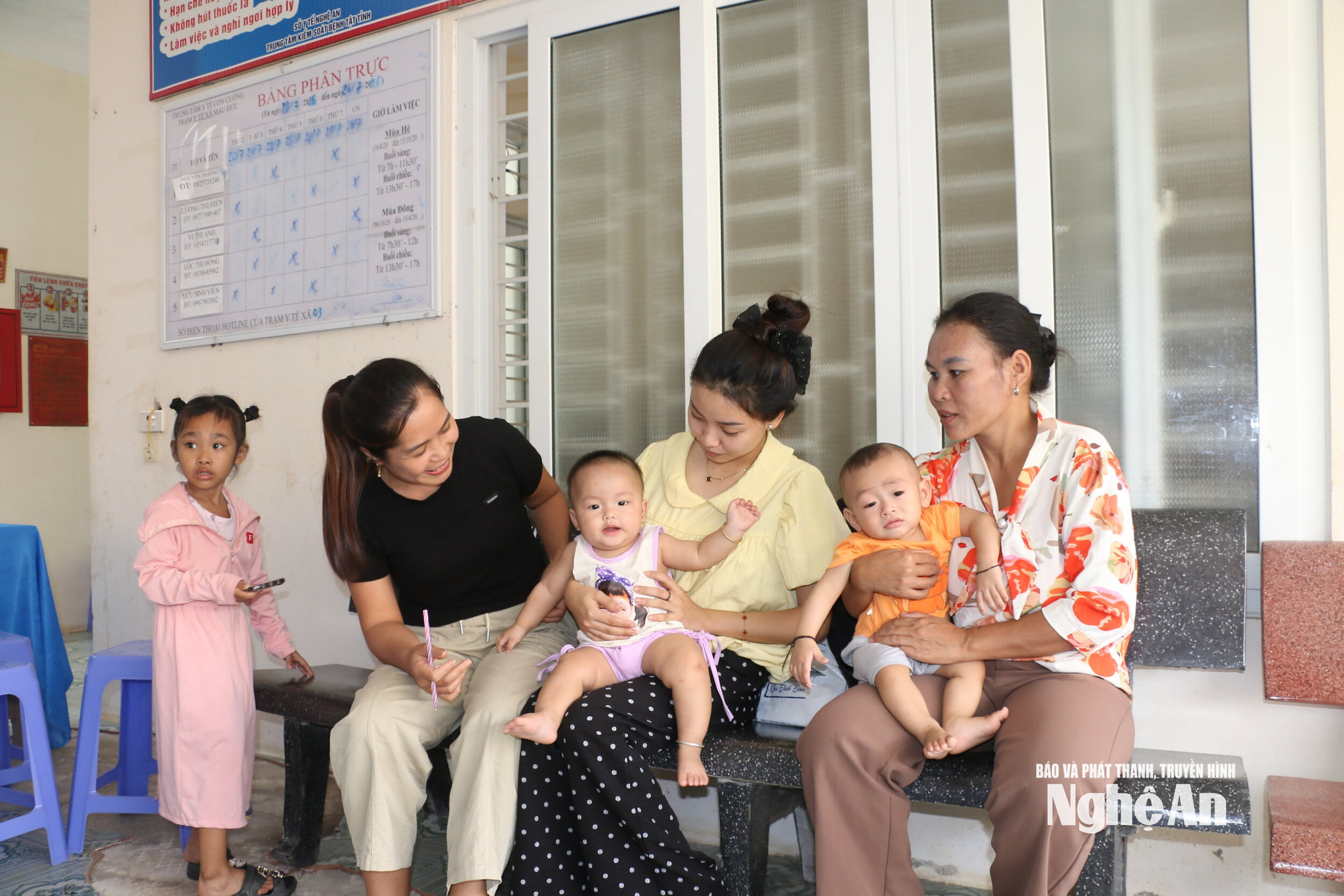
During the recent reorganization and merger, Mau Thach commune was reduced from 24 villages to 9. Along with reorganizing the residential areas, the commune government also quickly reviewed and strengthened the team of village health workers to suit the new situation.
According to Mr. Tran Cong Hien, Head of the Culture and Social Affairs Department of Mau Thach commune, village health workers play a crucial role in providing primary healthcare to the people, especially in mountainous areas where transportation is difficult and awareness of healthcare among some people is limited.
Therefore, when reorganizing the workforce, in addition to basing decisions on the professional standards and requirements of the sector, localities should also consider the practical experience and capabilities of each individual and listen to the thoughts and aspirations of the healthcare staff working at the facility to ensure appropriate placement.
Those selected must meet professional requirements, possess local knowledge, be approachable, and have the ability to communicate and mobilize the people.
Mr. Tran Cong Hien - Head of the Culture and Social Affairs Department of Mau Thach Commune.
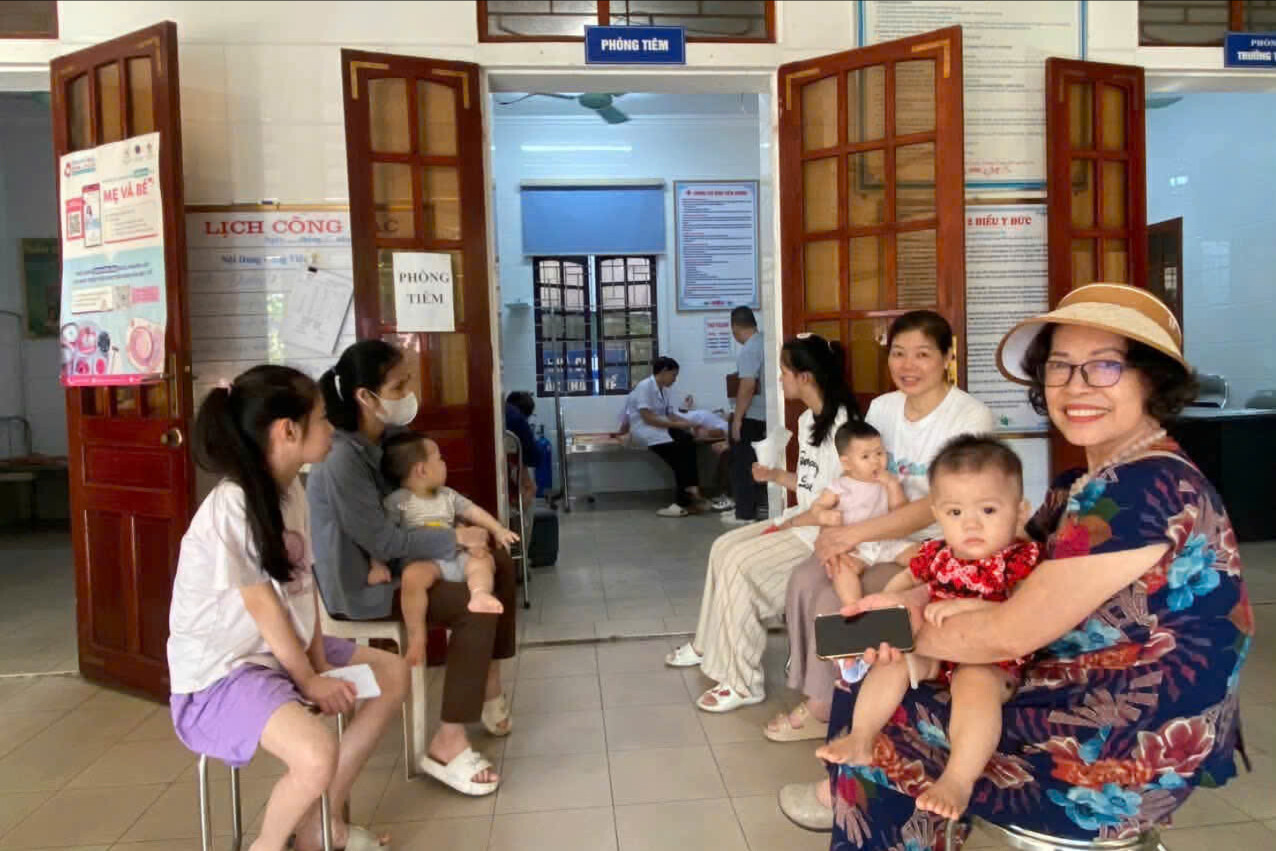
In Van Tu commune, the number of hamlets and villages has been reduced from 45 to 24 after reorganization. Along with the reorganization of residential areas, the commune also reviewed and strengthened the team of village and hamlet health workers. To date, the personnel placement has been basically completed, ensuring compliance with current regulations.
Regarding this issue, Mr. Nguyen Nhu Hoan, Vice Chairman of the People's Committee of Van Tu commune, said that among the former village health workers, 15 were over 60 years old and had voluntarily requested retirement due to insufficient health to perform their duties. The remaining cases were considered and selected by the local authorities based on their professional qualifications, practical experience, and personal wishes.
According to Mr. Hoan, after the reorganization, the villages are larger, with most having over 350 households, so the workload of grassroots healthcare workers has also increased. However, this is a specialized job that is difficult to attract young people to commit to long-term because many people of working age have to work far away or are busy with family matters. Therefore, the current team still includes some people over 50 years old.
Increase benefits and allowances to encourage long-term employment.
At 64 years old, Ms. Pham Thi Huong, from Block 3, Le Mao Ward, Thanh Vinh Commune, still registered to attend a basic medical training course to standardize her professional qualifications according to the new requirements for grassroots medical staff. All her tuition fees were covered by the ward. With over 14 years of experience as a population collaborator and health worker in the ward, the knowledge and skills she accumulated during her work helped her to study without much difficulty.
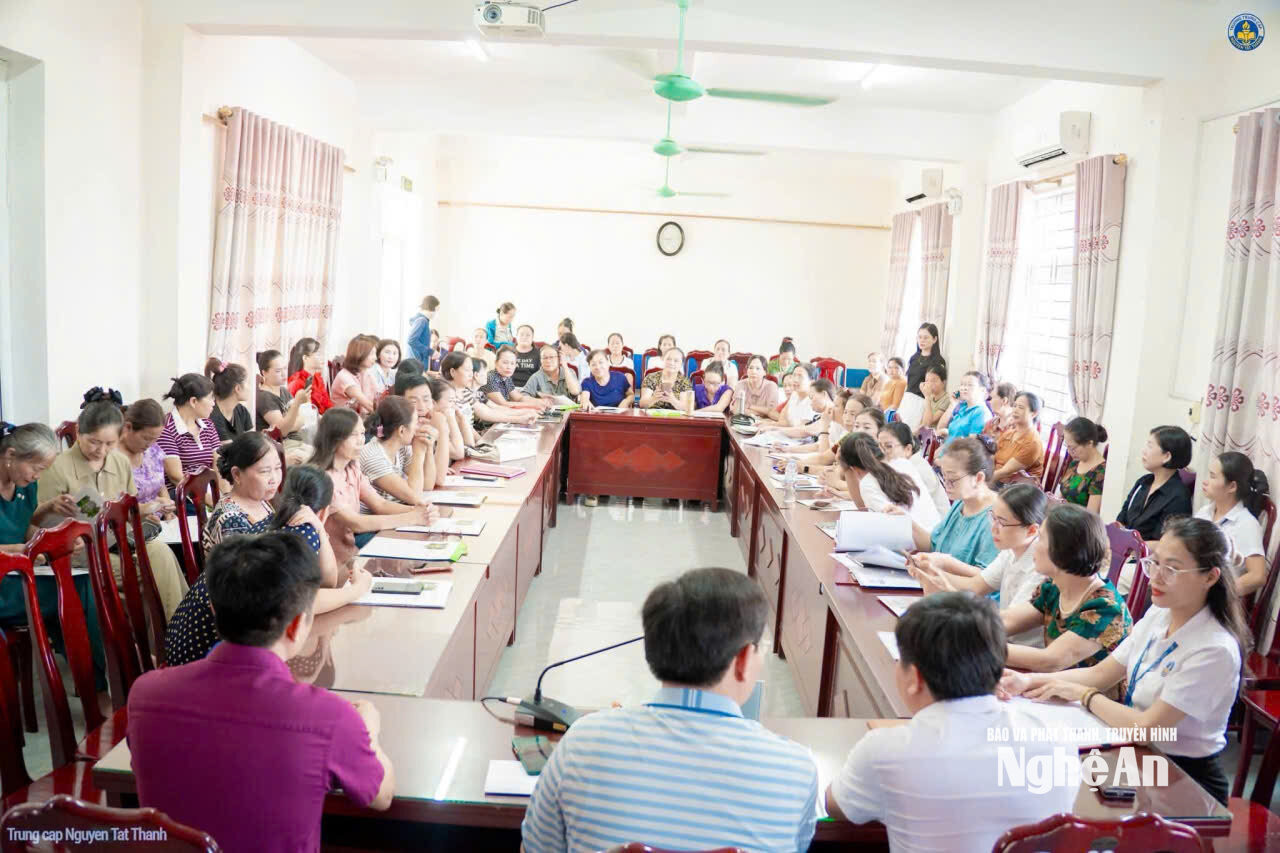
At Quang Trung Health Station (formerly Quang Trung, Le Mao, and Doi Cung Health Stations after the merger), there are currently 10 individuals like Ms. Huong attending a 6-month basic medical training course to meet the required qualifications. These are all individuals with many years of experience and dedication to healthcare and population work at the local level. Due to insufficient human resources, only 2 out of 12 units under the responsibility of Quang Trung Health Station have assigned healthcare workers who also serve as population collaborators.
According to Ms. Nguyen Thi Luu, Head of Quang Trung Health Station, the shortage of grassroots medical staff is not only a problem after the merger but has been ongoing for many years: Given the characteristics of an urban area, finding young people who meet the qualification requirements and are willing to take on this job is not easy. Therefore, during the restructuring process, the station has to encourage experienced individuals to continue working, while also encouraging and creating conditions for them to improve their lacking qualifications, Ms. Luu added.
In reality, although grassroots healthcare workers and population collaborators play a crucial role in primary healthcare and understanding the population situation in the community, their current allowance is quite low, only slightly over 1 million VND per person per month. Meanwhile, their work requires constant monitoring of the local area, tracking target groups, updating population changes, disseminating information, mobilizing the public, and coordinating with health stations during professional activities. This level of support is not truly attractive to young people, making the recruitment and replacement of grassroots healthcare workers in many areas after restructuring a difficult problem to solve, especially in urban areas.
According to the Department of Health's summary, after the merger of hamlets and villages, all 20 health centers in the province have completed the staffing arrangement with 1,850 health workers and population collaborators in 2,013 hamlets and villages. Many communes have basically completed the arrangement, with a nearly 100% compliance rate, such as Nam Dan, Hung Nguyen, Do Luong, Dien Chau, Quynh Luu, Yen Thanh, Ky Son, Tuong Duong, Que Phong, Quy Chau...
In the urban areas of Vinh City, 106 out of 189 wards and hamlets currently have sufficient healthcare workers and population collaborators. Local authorities are also creating opportunities and encouraging those working in this field to pursue further education to improve their expertise and meet the requirements.
Regarding village health workers and population collaborators, in July 2026, the Government issued Decree No. 192/2026/ND-CP stipulating a number of specific allowances in the health sector, including a monthly support policy for village and neighborhood health workers and village midwives; and simultaneously issued Decree No. 168/2026/ND-CP stipulating policies and regimes for population collaborators.
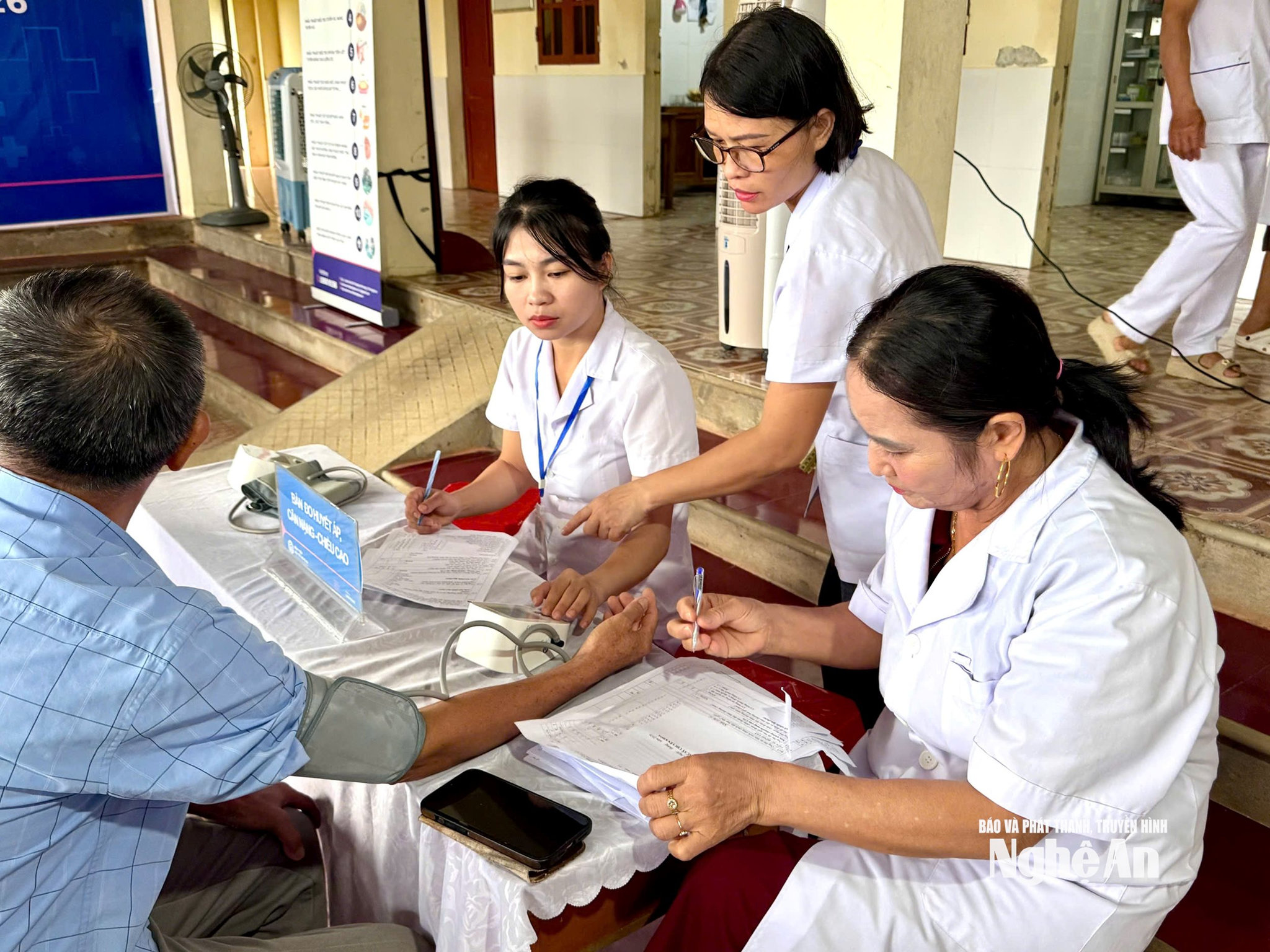
According to these decrees, village and neighborhood health workers and village midwives receive a monthly allowance equivalent to 0.5 or 0.7 times the basic salary, depending on the local conditions; population collaborators receive an allowance of 0.4 - 0.5 times the basic salary. This is a new policy that contributes to improving the remuneration and creating more motivation for grassroots health and population workers to continue their work.
In Nghe An province, following the decrees taking effect in July 2026, the health sector is tasked with reviewing and reassessing the workforce of healthcare workers and population collaborators at the grassroots level. Based on this, the province plans to develop a resolution to be submitted to the Provincial People's Council and relevant departments and agencies for consideration and early implementation of the policy locally. For those currently working directly at the grassroots level, the new policy is expected to improve their remuneration, create additional motivation for them to remain committed, and continue to play a vital role in healthcare and population work within the community.


