
Driving tips when carrying children
Driving with children requires adherence to many rules to ensure both traffic safety and the children's safety.
Here are some tips for transporting children in a car:
- For young children who cannot yet control their own behavior, the driver must arrange for them to sit in a child safety seat with a safety hook. If the vehicle does not have a safety hook, an adult must hold or restrain the child to control their actions.
According to safety experts, the safest position is the back seat. Therefore, children should never sit in the front passenger seat; they should always be placed in the back seat of the car. In particular, drivers are not allowed to hold children in their laps while driving.
Because if an unexpected situation occurs, the driver will not be able to react in time, leading to an accident. If an accident happens, children will be the first and most severely injured.
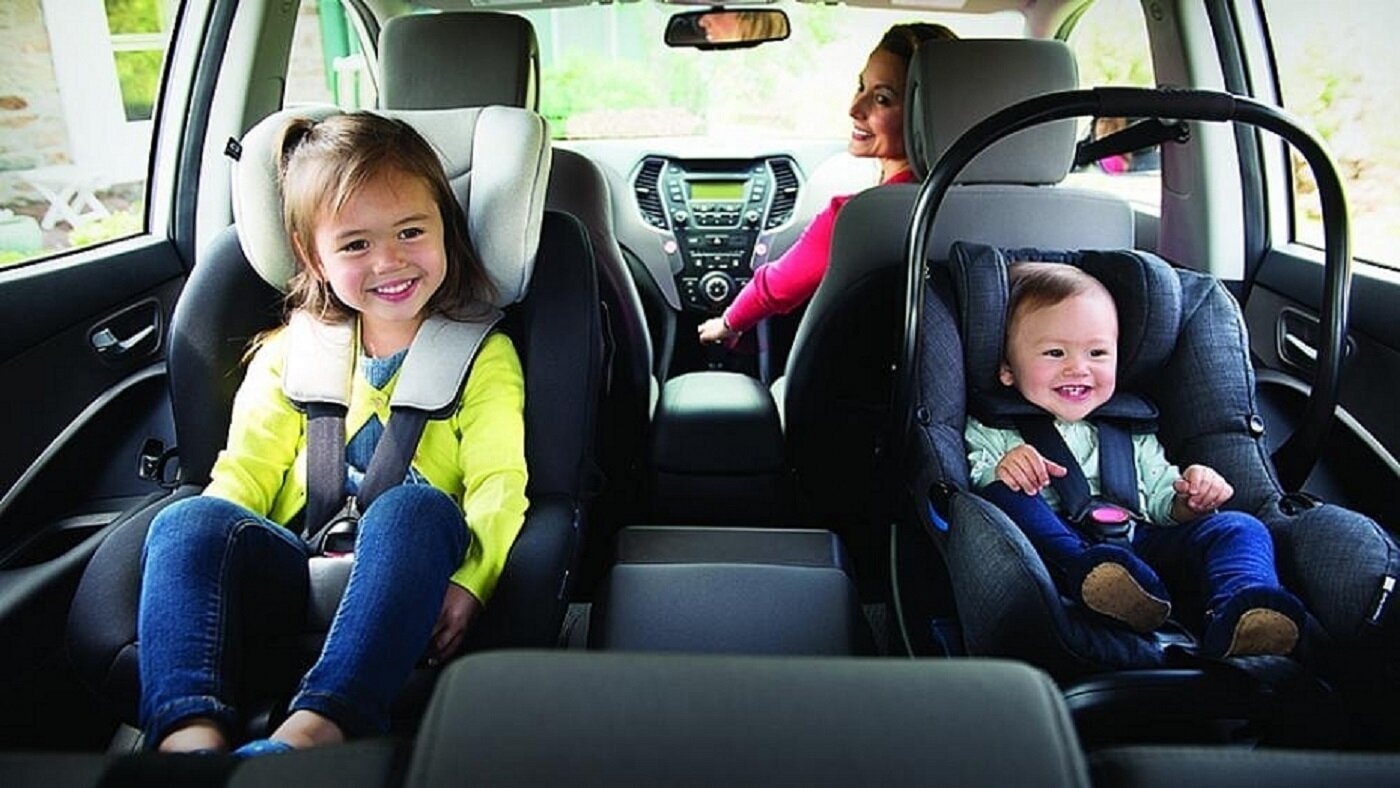
- For older children who can sit in a car seat, they need to be fastened with a seatbelt, and they should be taught to sit still in the car and not move around on their own.
At the child's seating position, the door must be locked so that the child cannot open it while sitting in the car. Ideally, the driver should lock both the car doors and the power windows.
To prevent the risk of leaving children unattended in the car, drivers should get into the habit of checking the entire interior of the vehicle before locking the doors.
Always lock your car doors, and especially don't let children play with the car keys. Because of their inquisitive nature, children may unlock the doors, get into the car to play alone, and easily suffer from heatstroke. For cars that frequently carry young children, equip them with a feature that warns of the risk of children being left unattended in the car.
- Absolutely do not allow children to stick their hands or heads out of the window, and do not let them press any function buttons or controls in the car. Drivers must constantly observe and talk to children to prevent them from misbehaving in the car.
- For older children who understand what their parents say, usually from age 5 and up, it's necessary to teach them about the dangers of being in a car, such as opening the door and causing accidents to others, or the risk of falling forward when the car brakes suddenly if they are not seated and not wearing a seatbelt. This will encourage them to proactively fasten their seatbelts and remain seated in the car. To ensure children follow these instructions, adults must guide them and demonstrate the actions themselves first.
Before driving, drivers must always observe the front and rear seats and the entire vehicle before getting out to avoid leaving children behind due to falling asleep at the wheel. For children of this age, it's also necessary to teach them basic skills to get out of the car or alert others if they are locked inside, such as opening the door latch from the inside, honking the horn, or using hazard lights.
Always lock your car when parking in your yard, where children often play.
- When carrying children in a car, you should drive at a moderate speed, avoiding sudden acceleration or braking. Instead, accelerate and decelerate gradually to prevent the child from being jolted forward or backward, or from feeling nauseous, which could create a fear of riding in a car.
- Keep dangerous items such as knives, lighters, and other hazardous objects out of reach of children.
- When transporting young children in a car, drivers should plan a route with appropriate rest stops to allow the children to change their mood. Bringing along a few handmade toys (avoiding electronic toys) can help keep the children entertained during the journey.


