
The experience of people in Nghe An province in responding to rising floodwaters.
In recent years, natural disasters and floods in Nghe An have tended to be unpredictable, with many large floods occurring unexpectedly, affecting thousands of households. However, instead of reacting passively, people in the downstream areas of the Lam and Con rivers have gradually developed an awareness and habit of "living with floods" in a more proactive, systematic, and effective way.
Proactively improve living conditions and protect property.
The family of Mr. Tran Hai Duong in Phu Lap hamlet, Bich Hao commune, is a prime example. Living in the downstream area of the Lam River, which is frequently flooded, Mr. Duong invested in building an upper floor about 3 meters above the ground. The floor is made of good quality, sturdy wood and is spacious enough for the whole family to temporarily live in during rainy and flood days.
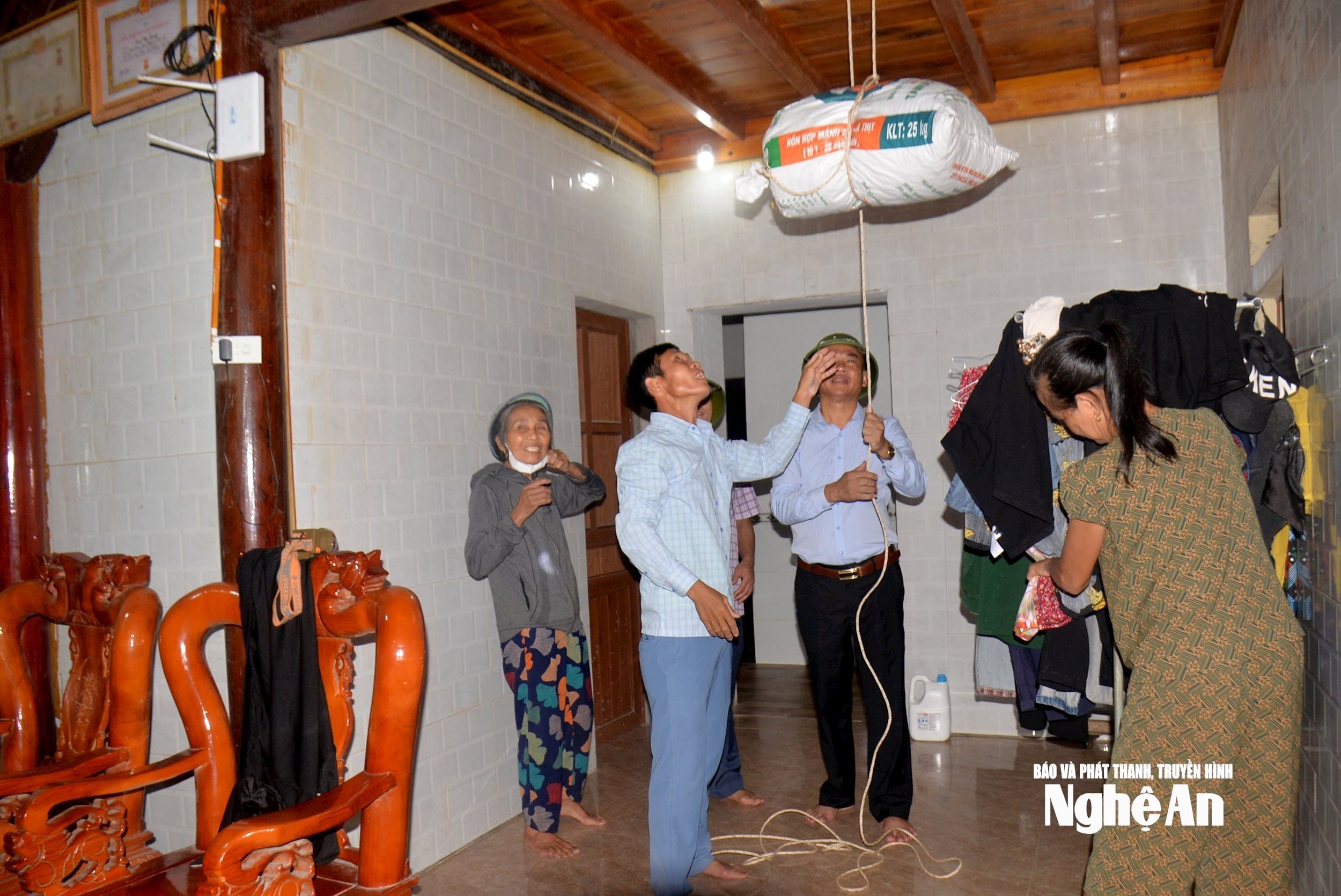
When the water started rising, all family members and essential belongings were moved upstairs to ensure the safety of their lives and property. The family's cattle also had their own barn on higher ground, along with a pre-stocked supply of straw.
According to Mr. Nguyen Khanh Thanh, Chairman of the People's Committee of Bich Hao commune, due to the low-lying terrain, the locality suffers from severe flooding every year. Thanks to lessons learned from many flood seasons, more than 80% of households in the commune have proactively built mezzanines or upper floors in their houses.
In addition, the commune has received government support to build sturdy flood-resistant houses to serve the people in emergency situations. Many hamlets have also mobilized social resources to purchase motorboats to facilitate transportation of food and necessities during flood days, helping people feel more secure when the flood season arrives.
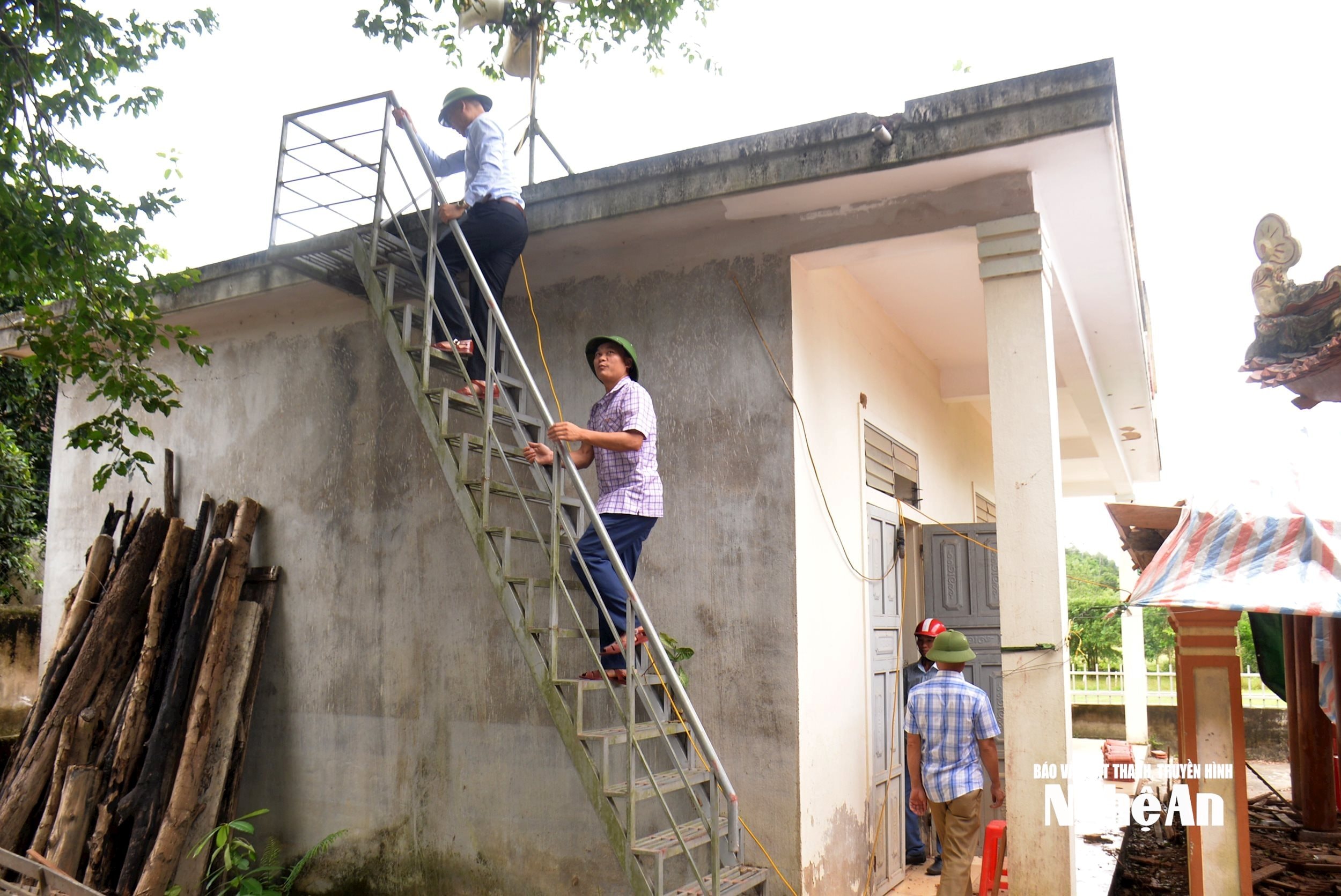
"Now people are much more conscious, from arranging belongings to ensuring electrical safety and keeping livestock in enclosures, everything is done very systematically," shared Mr. Nguyen Khanh Thanh.
Not only in Bich Hao, but also in other communes along the Con River in the former Tan Ky district, such as Tan Ky, Tan An, Nghia Hanh, etc., people are familiar with the sight of floodwaters inundating the area every rainy season. Thousands of households along both banks of the Con River regularly suffer from deep flooding, so most families build shelves or mezzanines to store belongings, protect property, rice, and corn when the water rises. Many households even invest in building mezzanines close to the roof to prepare for unexpected large floods.
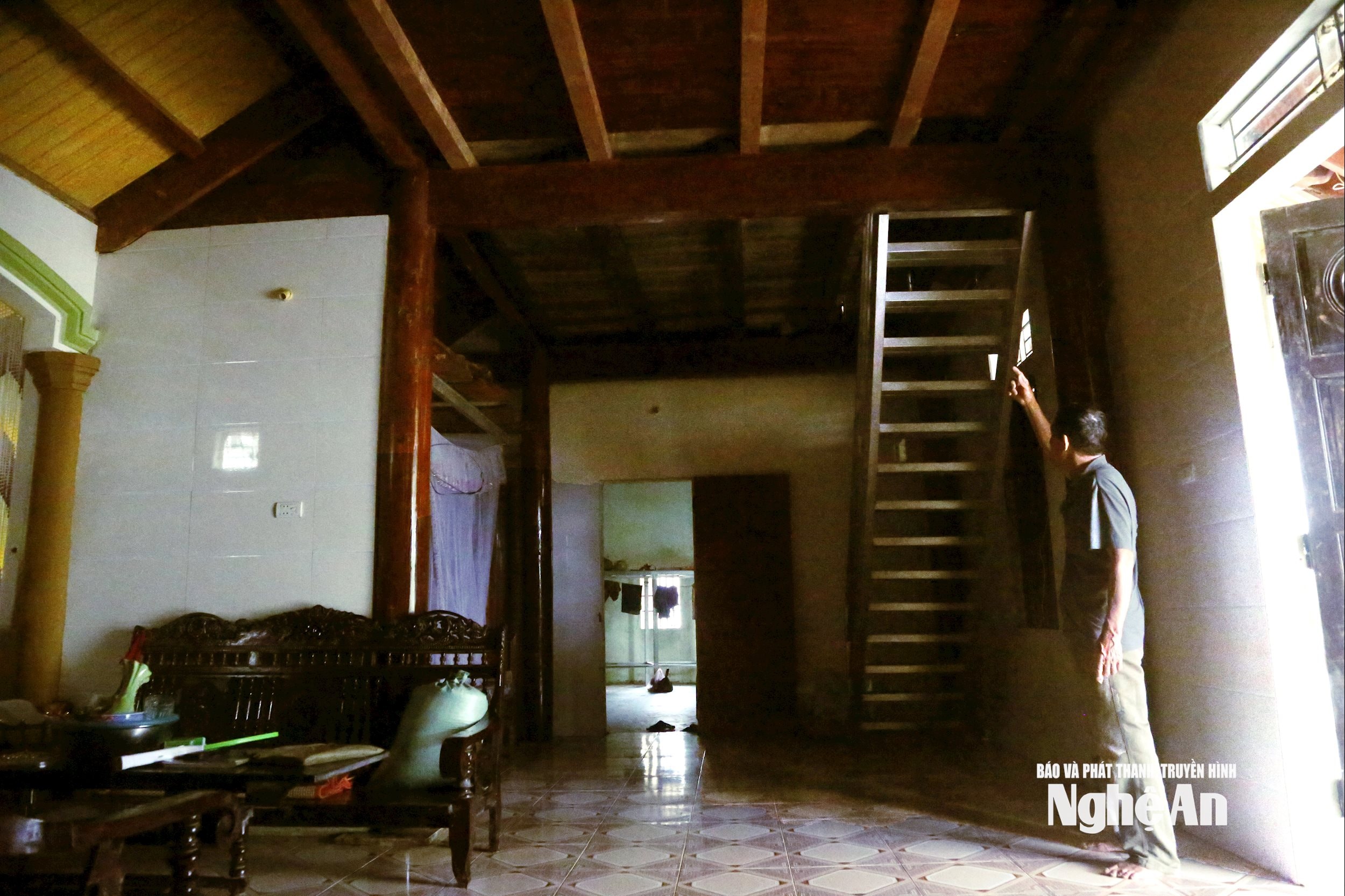
Mr. Nguyen Ngoc My's family in Dien Nam hamlet, Tan Ky commune, is one of the pioneering households. Eight years ago, he spent 70 million VND to build a 4-meter-high, approximately 40-square-meter mezzanine made of water-resistant wood, with a convenient staircase. During the recent historic flood, when the Con River water rose to a depth of 3.8 meters, his entire family took refuge on the mezzanine for many days, having sufficient food and drinking water. "If we didn't have the mezzanine, the whole family would certainly have had to seek shelter elsewhere," Mr. My shared.
Tan Ky commune is one of the areas frequently flooded when the Con River rises. Right from the beginning of the rainy season, the authorities have held meetings with residents to review areas at risk of landslides and deep flooding in order to develop response plans.
Mr. Hoang Dinh Son, Chairman of the Tan Ky Commune People's Committee, said: "We instructed village heads and neighborhood groups to encourage people to move their belongings and livestock to higher ground, and also deployed personnel to be on duty 24/7 at vulnerable points. Thanks to this, when the floodwaters rose rapidly, most people did not suffer significant losses."
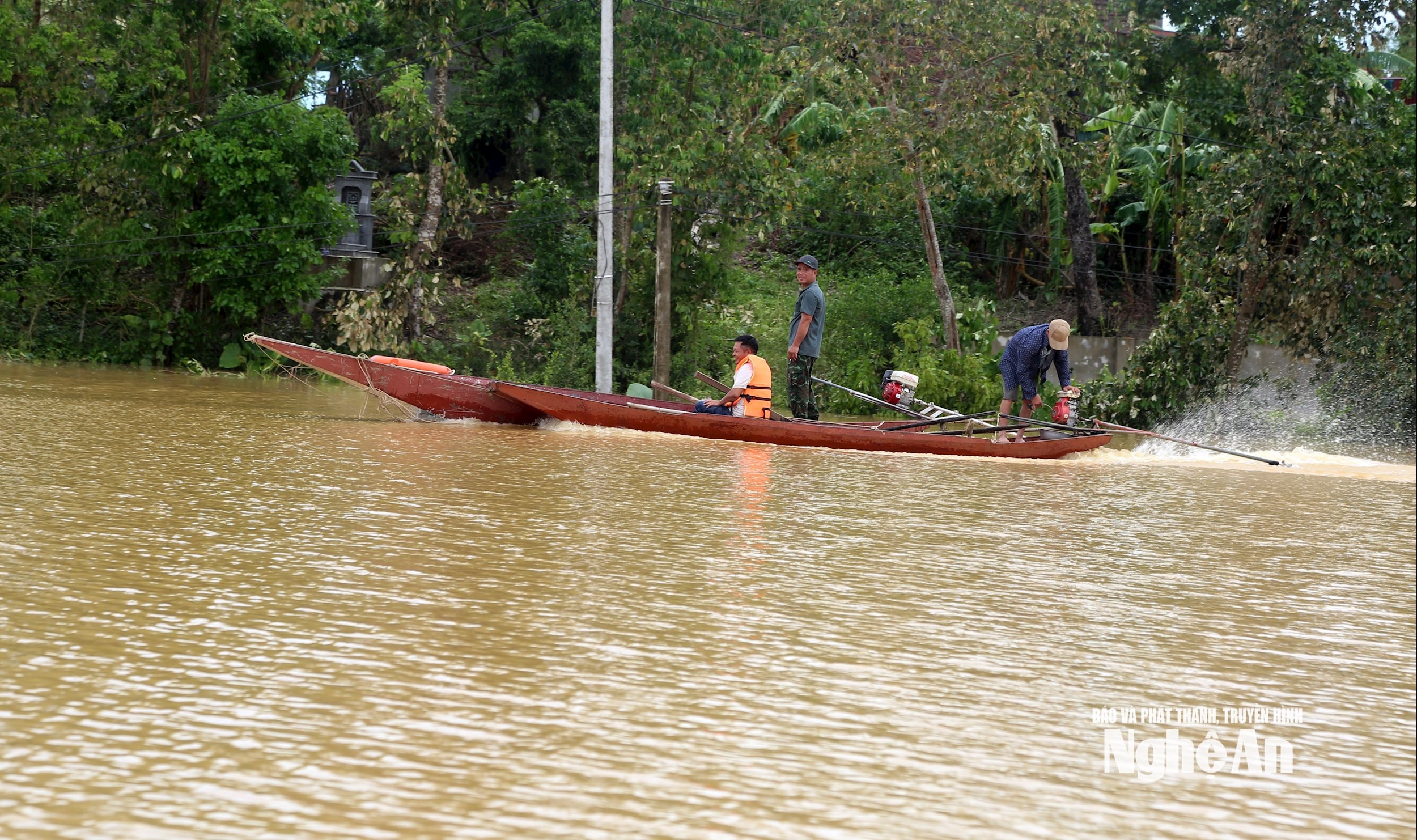
People's awareness of self-prevention is also increasing. They proactively monitor weather forecasts and prepare sandbags, dry firewood, rice, clean water, flashlights, etc., enough for 3-4 days. Some households even build temporary shelters on high ground or raised platforms to protect their livestock.
In Lam Thanh commune (formerly Hung Nguyen district), where the Lam River rises rapidly after heavy rains, many families always keep aluminum boats ready for transportation when needed. "For the past few years, floods have been unpredictable; sometimes the water floods into our houses in just a few hours. My family always raises our cupboards and beds, and stocks up on dry food and drinking water for 3-5 days in case we are isolated," one resident shared.
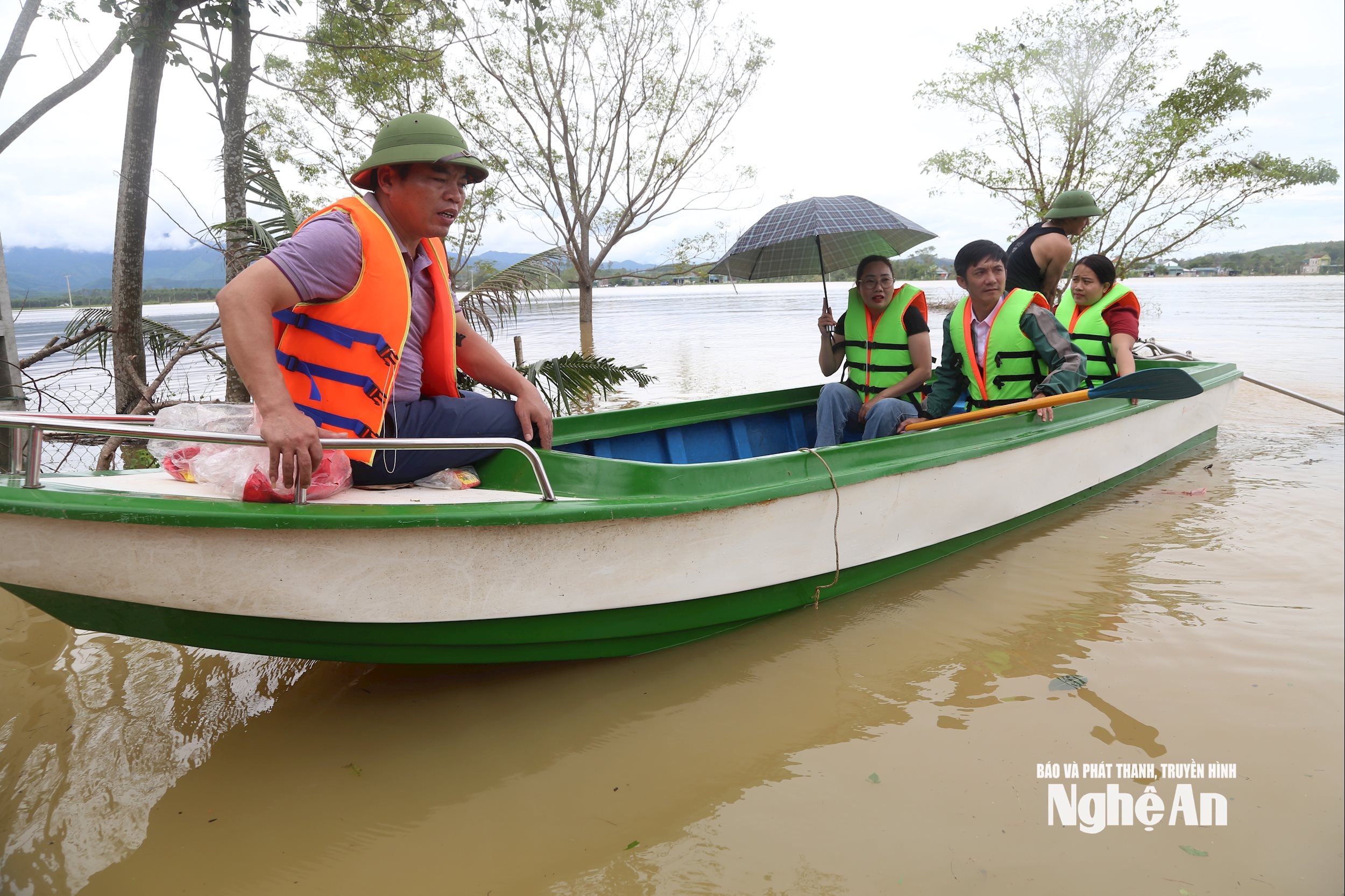
Meanwhile, in the communes of the former Thanh Chuong district, people have formed "safe neighborhood groups," regularly warning each other via telephone or loudspeaker whenever upstream water levels rise. They have also acquired rainwater storage containers, elevated stoves, and reserve food storage facilities.
Community strength during the flood season
A highlight of disaster prevention efforts in Nghe An is the spirit of solidarity and mutual support among the people. In communes such as Tan Ky, Tan An, Nghia Hanh, and Bich Hao, youth union members were assigned to groups to help evacuate the elderly, children, and those living alone to safe areas. When the floodwaters receded, they assisted in clearing mud and debris, unclogging drains, and cleaning schools and health stations, contributing to the early restoration of normal life.
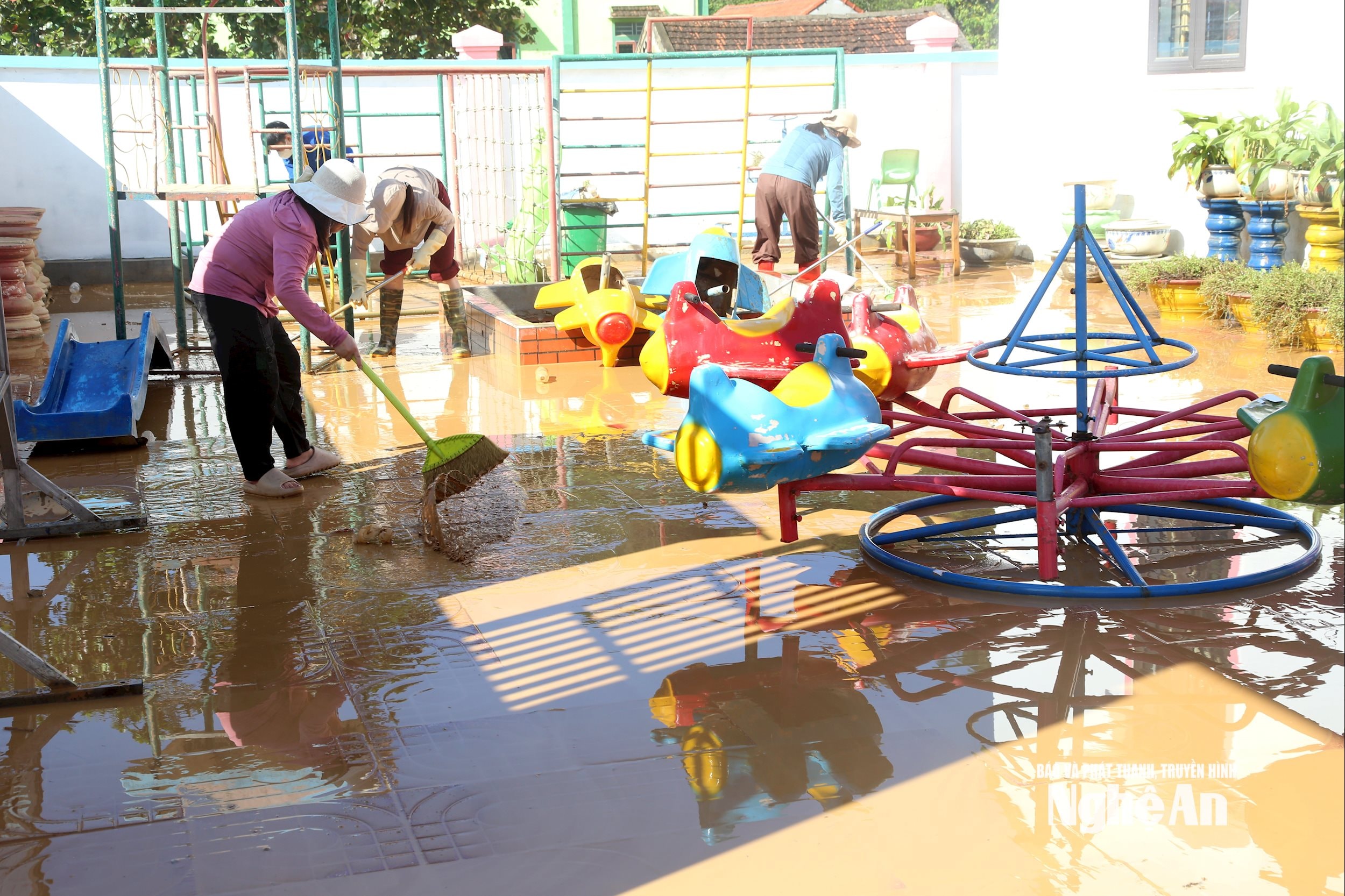
Many localities have also effectively utilized the role of grassroots communication systems. In Bich Hao commune, flood information is continuously updated through loudspeakers and community Zalo groups, helping to quickly warn each household. Announcements about water levels and safe evacuation instructions are broadcast even at night, thereby significantly reducing risks whenever floods occur.
Thanks to the decisive leadership of the authorities and the close coordination between the police, military, and militia forces, flood prevention efforts in Nghe An this year have seen many positive changes. Many communes have created flood maps, identified risk areas, and proactively relocated residents when necessary. Emergency response teams have been trained in rescue and evacuation skills, as well as property rescue in conditions of heavy rain and strong currents.
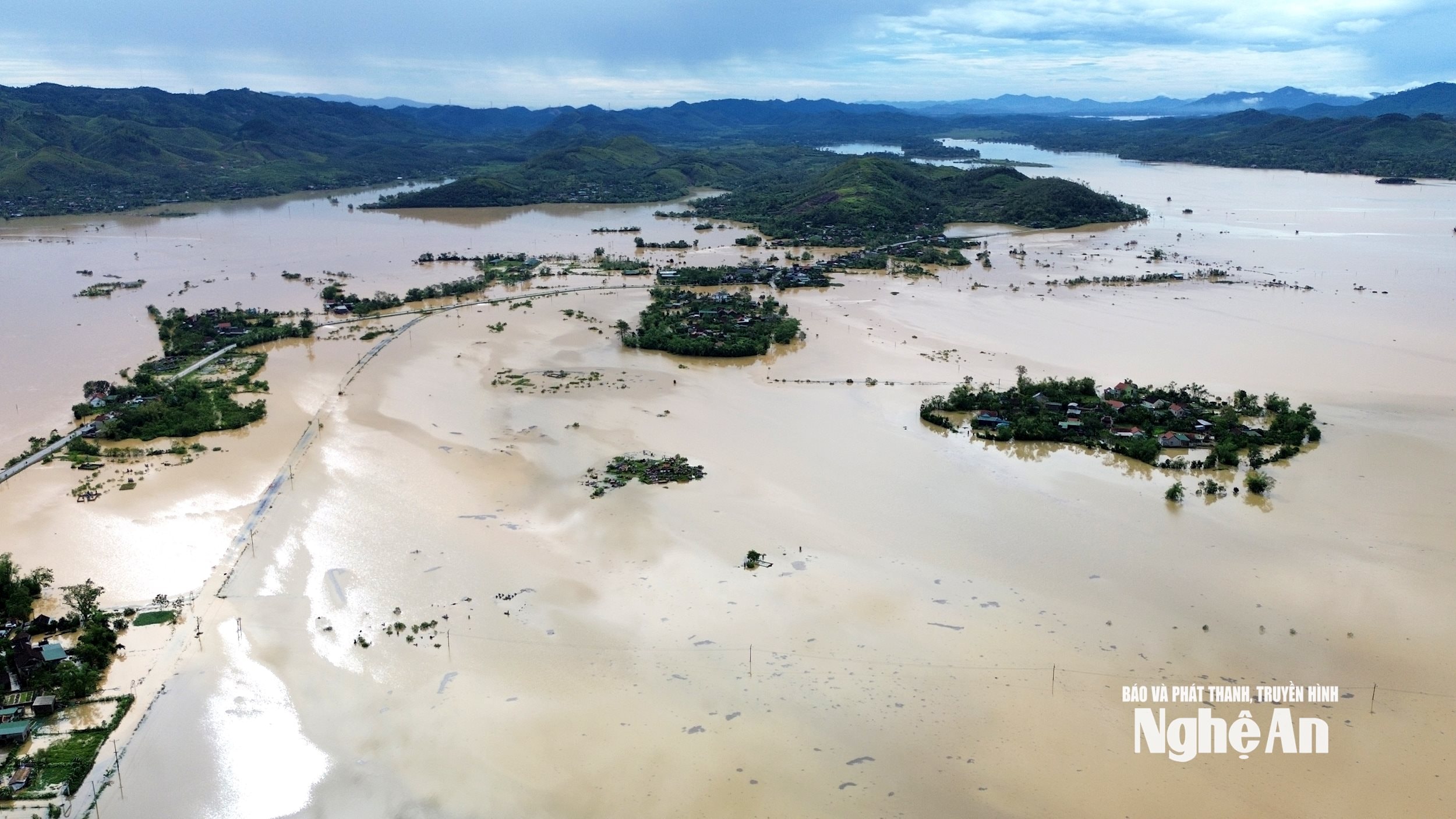
In the context of increasingly complex climate change, floods can occur unexpectedly and unpredictably. Proactive response, community solidarity, and the responsibility of each household are the solid foundations that help Nghe An minimize damage, protect lives and property, and maintain stable production.
Drawing from their experiences of "living with floods," the people of Nghe An province are gradually transforming difficulties into valuable lessons, contributing to building safe communities that are sustainably adaptable to natural disasters.


