
Household economy: Stable thanks to knowing how to prevent rather than cure.
From the experiences in Nam Dan commune to Hung Nguyen Nam commune (Nghe An province), it is evident that when the government works alongside the people and they persistently implement the principle of "prevention is better than cure," many production models not only protect achievements but also bring high economic efficiency, leading to sustainable development.
Proactive disease prevention is essential to protect your livestock.
One morning in mid-August, at the Long Binh hamlet cultural center in Nam Dan commune, a training course on disease prevention and control in livestock farming attracted a large number of participants. After the session, Mr. Nguyen Tran Hai, the hamlet head, happily led us to visit his family's livestock farming model.
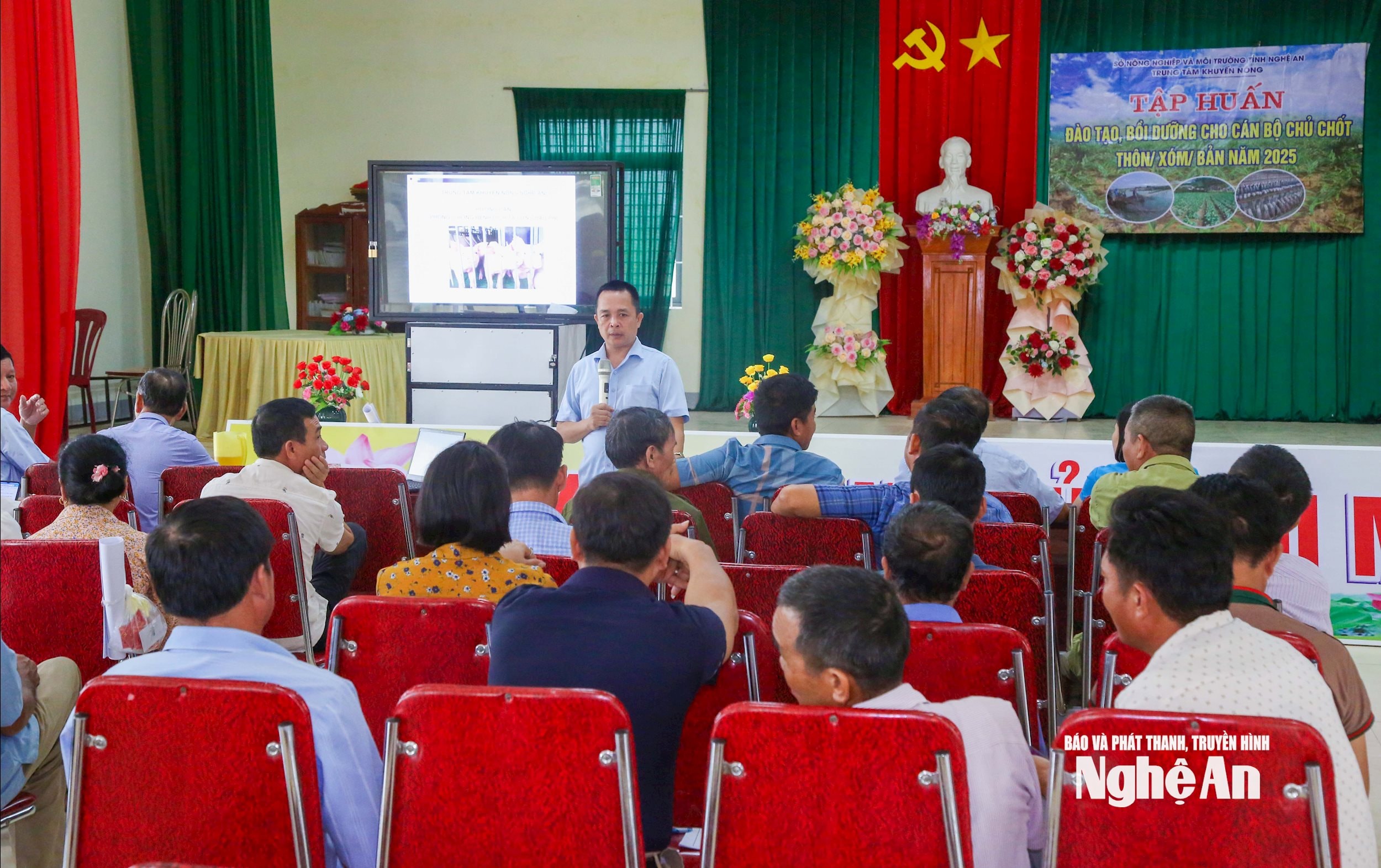
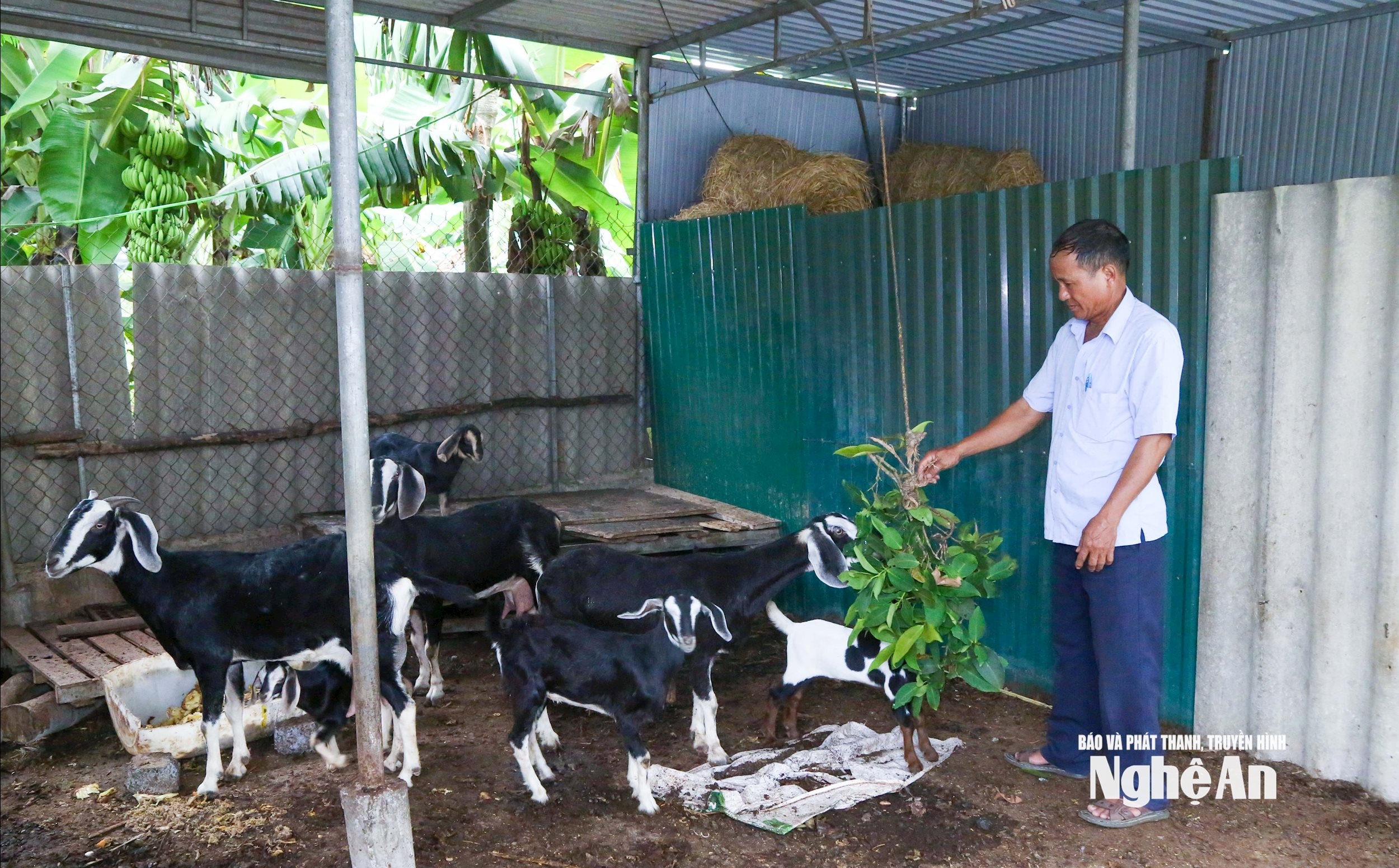
In his small, clean farm, Mr. Hai said that his family is currently raising 10 pigs and 8 goats. Recalling the recent African swine fever outbreak, Mr. Hai shared: "My family lost one pig, but thanks to the timely support of the commune government and proactive disinfection and cleaning of the barns, the remaining 9 pigs are still healthy and have not been infected."
According to him, the secret lies in the principle of "prevention is better than cure": using lime powder, disinfectants, regular vaccinations, and limiting contact with strangers. In addition, he installed ventilation fans and sprayed insecticide daily to create a safe environment for his pets.
Mr. Hai emphasized that transitional weather or prolonged hot spells make it easier for diseases to break out, so he always closely monitors the health of his pigs and maintains strict hygiene in the pigpens. "Being careful in every small detail is essential to preserving the fruits of our labor," he said.
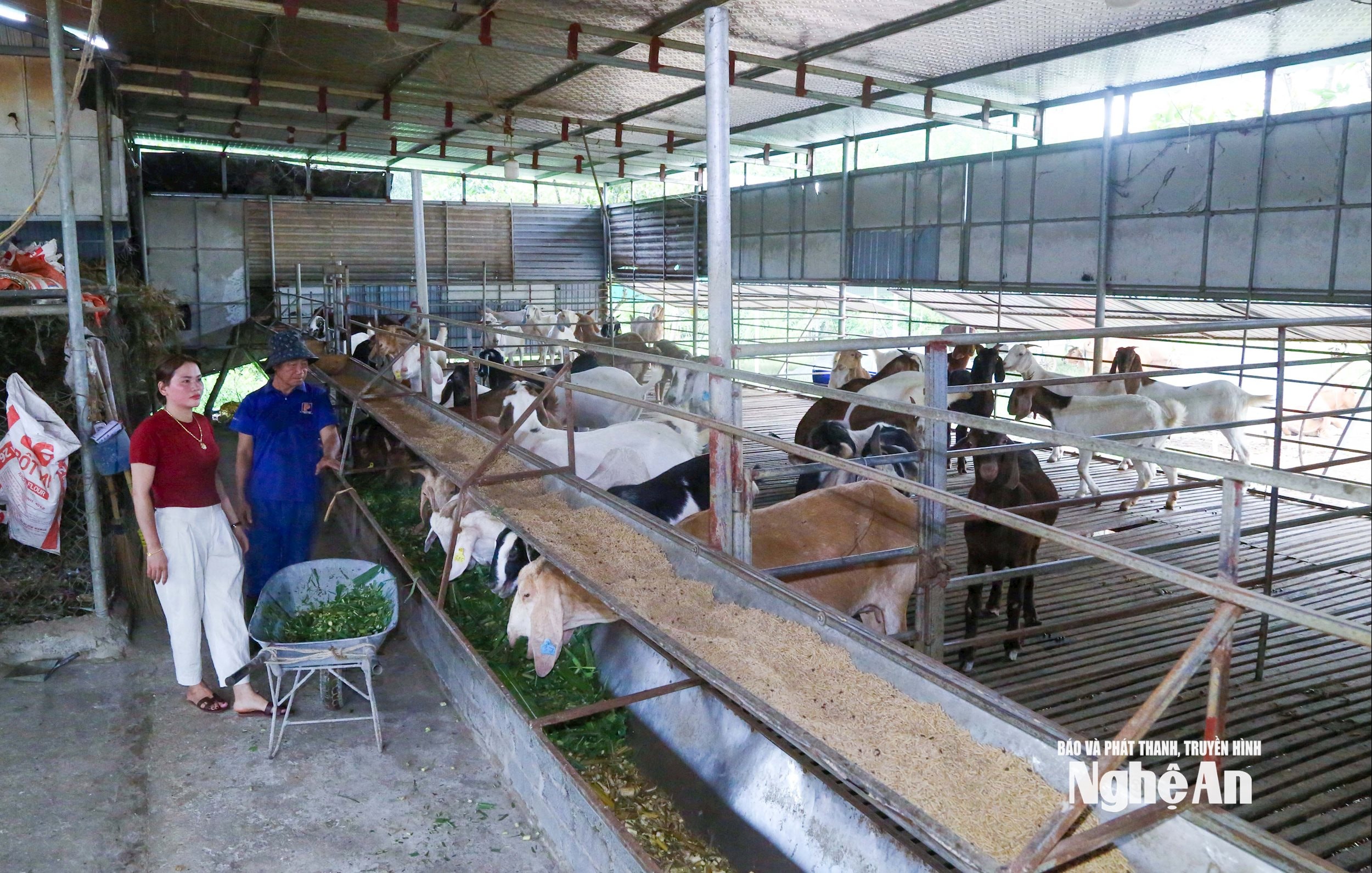
It's not just Mr. Hai; Ms. Tran Thi Hien's family in the same neighborhood has also persistently pursued this farm model for over 7 years. With a large area, she raises 500 goats, 10 horses, 2 sows, 50 chickens, and 30 ducks. Daily work begins with spraying disinfectant, spreading lime, cleaning the pens, and restricting access for strangers. To ensure hygiene, Ms. Hien uses probiotics to keep the pens dry, reduce odors, and prevent affecting neighbors.
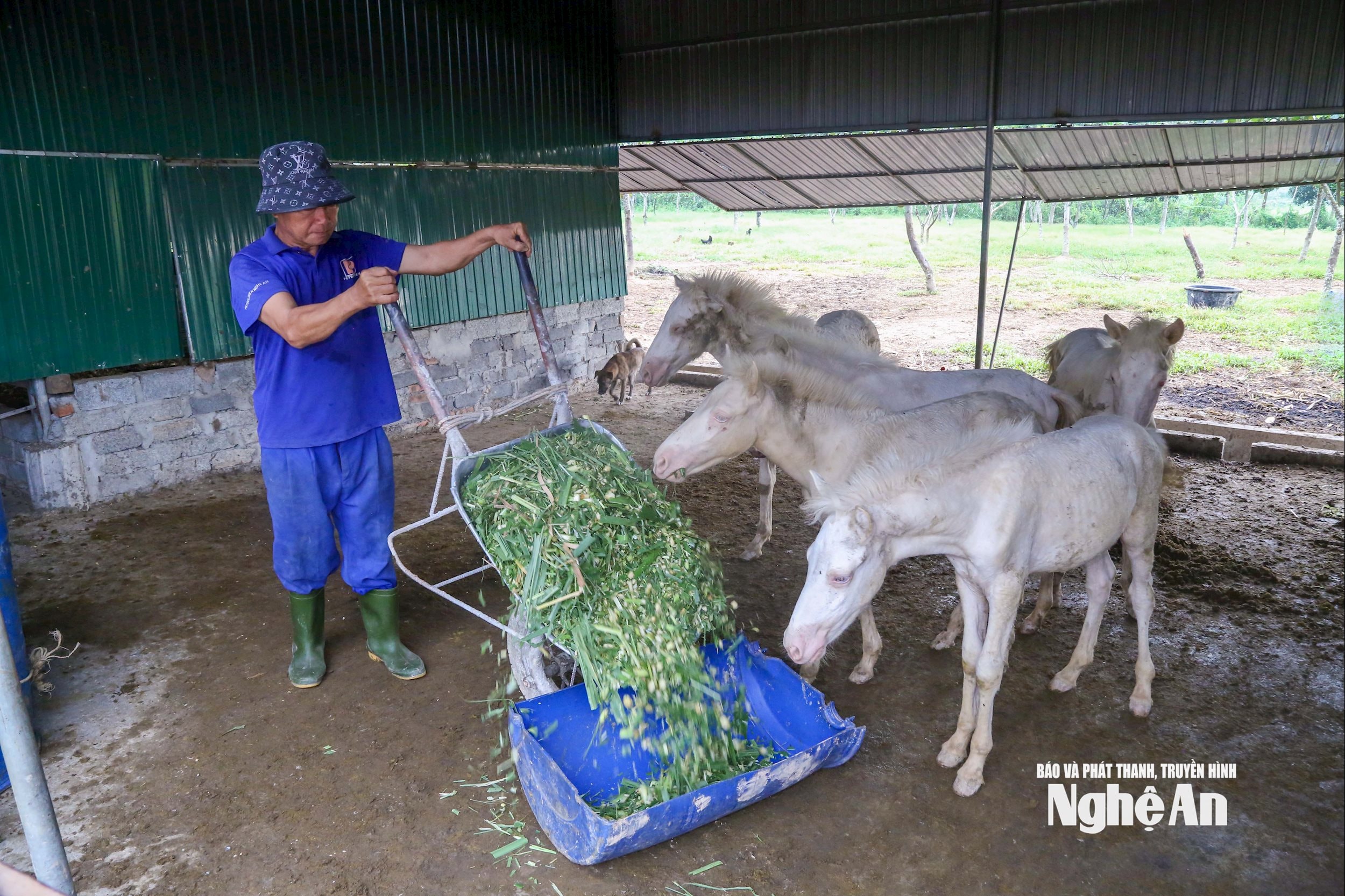
Previously, she focused on raising nearly 50 wild boars, but the outbreak in July 2024 killed 12, causing significant losses. After that, she shifted to raising horses. Thanks to the advantage of having a large plot of land and a spacious, airy environment, the new model is more effective and stable.
The recent African swine fever outbreak in Nam Dan commune affected all 23/23 hamlets, impacting 279 livestock farming households. A total of 1,907 pigs in the commune were infected and had to be culled, weighing over 121 tons. Despite the significant losses, timely intervention prevented the disease from spreading widely.
Mr. Hoang Nghia Hung, Chairman of the People's Committee of Nam Dan commune, said: Immediately after the two-level government apparatus was restructured and put into operation, the commune identified the prevention and control of animal diseases, especially African swine fever, as a top priority.
According to Mr. Hung, the locality has implemented many comprehensive solutions such as: properly disposing of infected livestock; regularly cleaning and disinfecting barns; issuing guidelines for handling outbreaks; and strengthening supervision and promoting awareness so that people understand and actively cooperate. As a result, Nam Dan commune has significantly reduced losses, protected livestock well, and contributed to stabilizing production and the lives of farmers.
Protect crops, increase productivity.
While Nam Dan district is known for its livestock farming, Hung Nguyen Nam commune thrives on crop cultivation. This newly established commune, formed by the merger of Hung Linh, Long Xa, Xuan Lam, and Thong Tan communes, has a total agricultural land area of nearly 1,900 hectares, including 1,200 hectares of rice, 500 hectares of vegetables and short-term crops, and 130 hectares of aquaculture.
In recent years, the weather has been erratic and pests and diseases have increased, but the government and people have proactively implemented many preventive measures and applied techniques to protect crops.
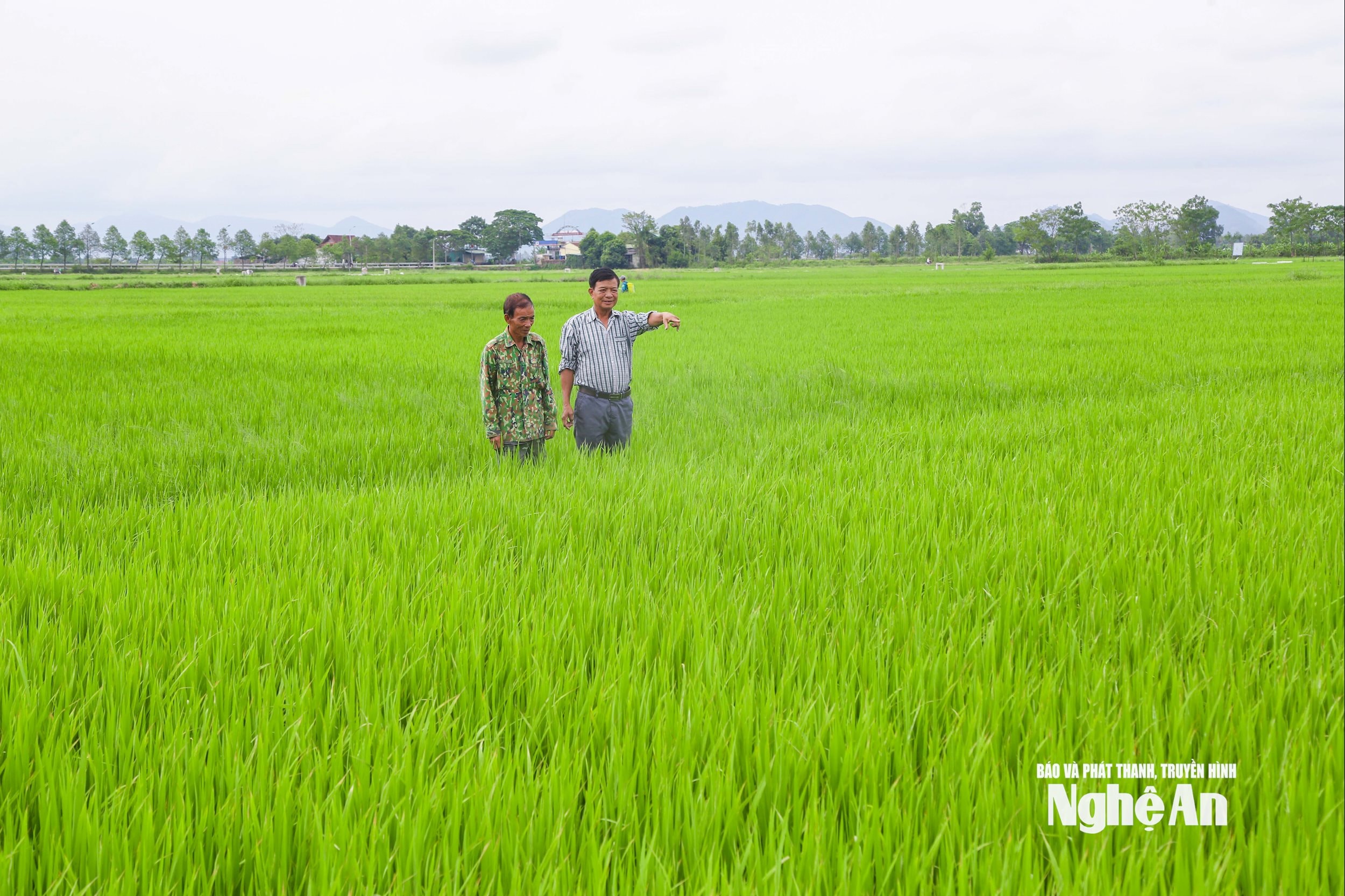
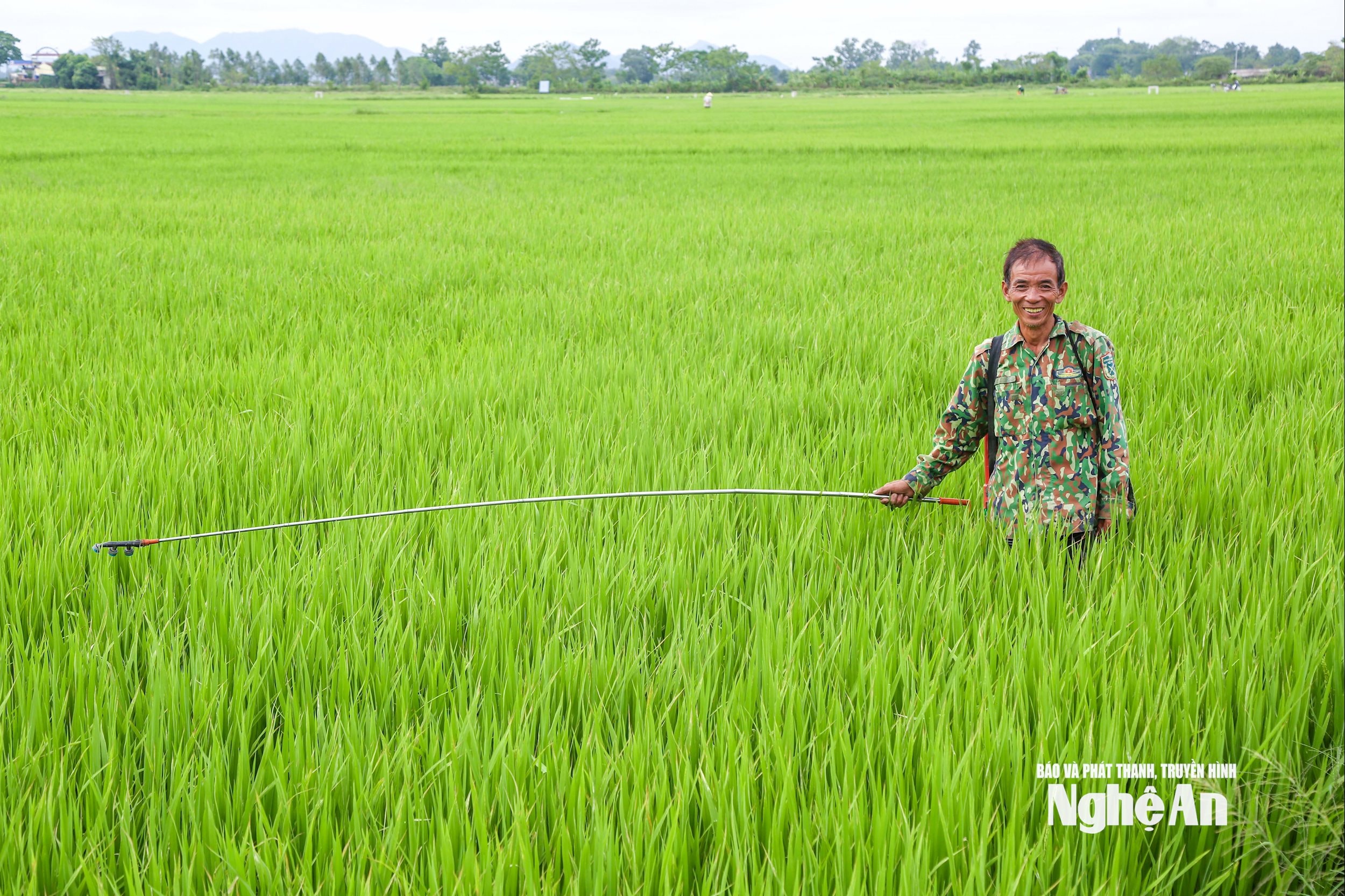
The Đồng Tâm hamlet's fields comprise over 31 hectares of rice paddies and 43 hectares of land planted with corn, sesame, and peanuts. Mr. Võ Xuân Hồng, the hamlet head, said: “Unfavorable weather conditions have led to a surge in leaf-rolling caterpillars and brown spot disease. Thanks to participating in the training, I was able to promptly inform and guide the villagers on spraying pesticides at the right time to minimize losses.”
Mr. Hong emphasized the "four correct principles" in using pesticides: correct method, correct pesticide, correct dosage, and correct timing. Farmers should spray early in the morning or late in the afternoon, absolutely avoiding spraying in the midday sun; repeat spraying every 5-7 days to thoroughly eliminate pests. When the rice plants are heading, limit nitrogen fertilization, avoid overusing growth stimulants, and instead apply potassium appropriately, about 4-5 kg per sao (approximately 1000 square meters) combined with 1.5 kg of nitrogen.
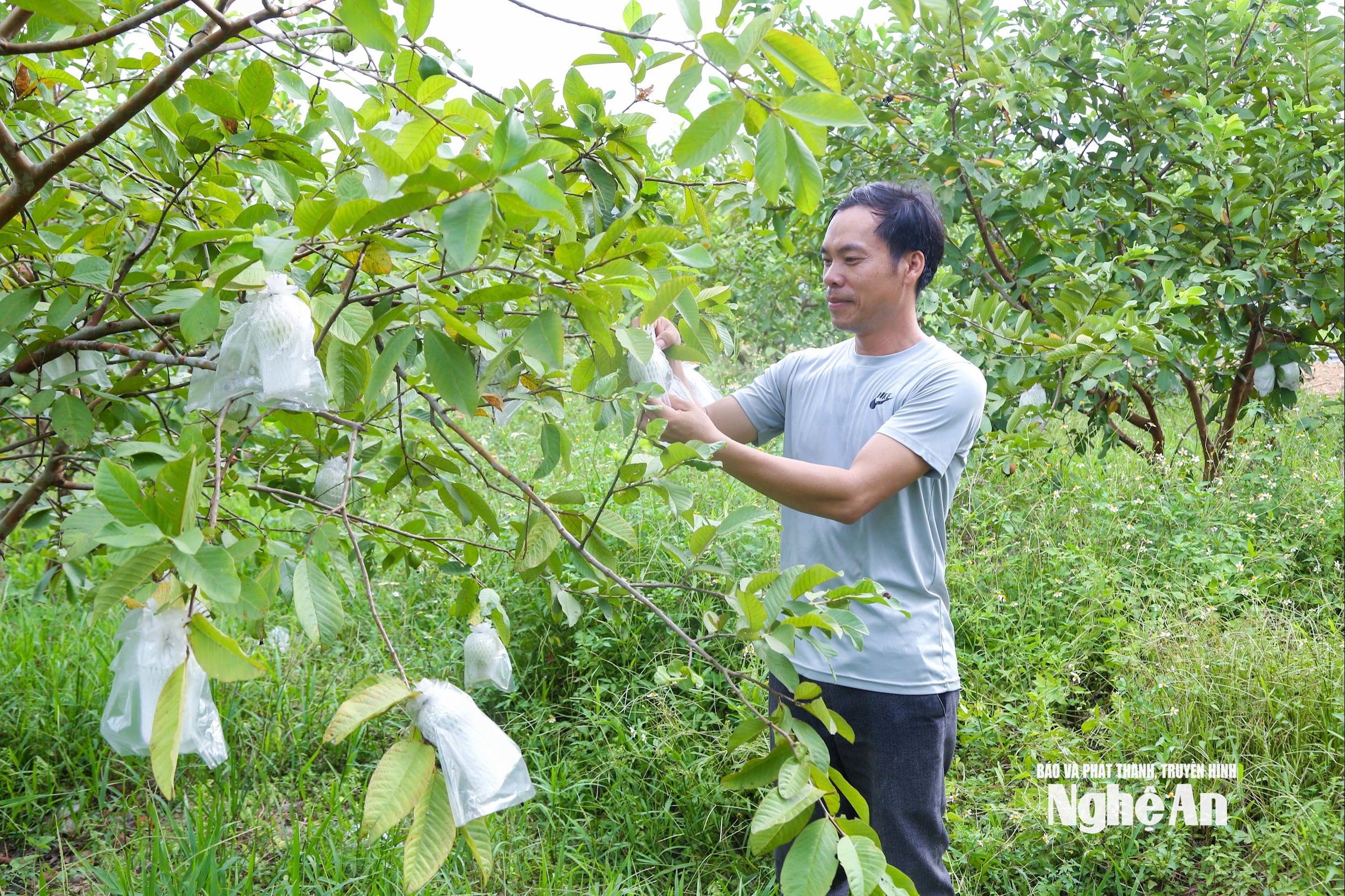
Besides rice paddies, many households also develop integrated agriculture. Mr. Nguyen Van Hieu owns nearly 5 hectares of land divided into several areas: 1 hectare of fruit trees, 1 hectare of vegetables, 1 hectare of corn combined with livestock farming, 1 hectare of perennial crops… Thanks to the fertile alluvial soil, many plants grow well, require little care, and reduce costs.
“Each season has its own crops. In summer, we plant gourds and pumpkins; in winter, we grow vegetables. Guava and jackfruit trees hardly need watering. When the fruit ripens, I wrap them to protect them from insects; leafy vegetables are covered with protective domes. This method is both safe and cost-effective,” Mr. Hieu shared.
However, he also frankly pointed out the limitations of greenhouses: high temperatures, difficulty in drying the soil, and easy accumulation of pathogens. Therefore, his family prioritizes natural methods with fewer chemicals, which both protect the crops and maintain the quality of agricultural products.
According to the leaders of Hung Nguyen Nam commune, regular training and agricultural extension services help farmers change their mindset, apply scientific and technical advancements, thereby increasing productivity, reducing costs, and meeting increasingly stringent food safety requirements.
From Nam Dan to Hung Nguyen Nam, the key lesson is: proactive disease prevention, application of appropriate techniques, and close coordination between the people and the government. This is the foundation that helps Nghe An's agriculture ensure productivity while moving towards sustainable development in the context of climate change and a challenging market.


