
China's economy grew by 4.3% in the second quarter, falling short of expectations.
Despite a boom in exports of chips and technology equipment fueled by the global AI wave, the growth momentum of the world's second-largest economy remains hampered by a prolonged real estate crisis and weak domestic purchasing power.
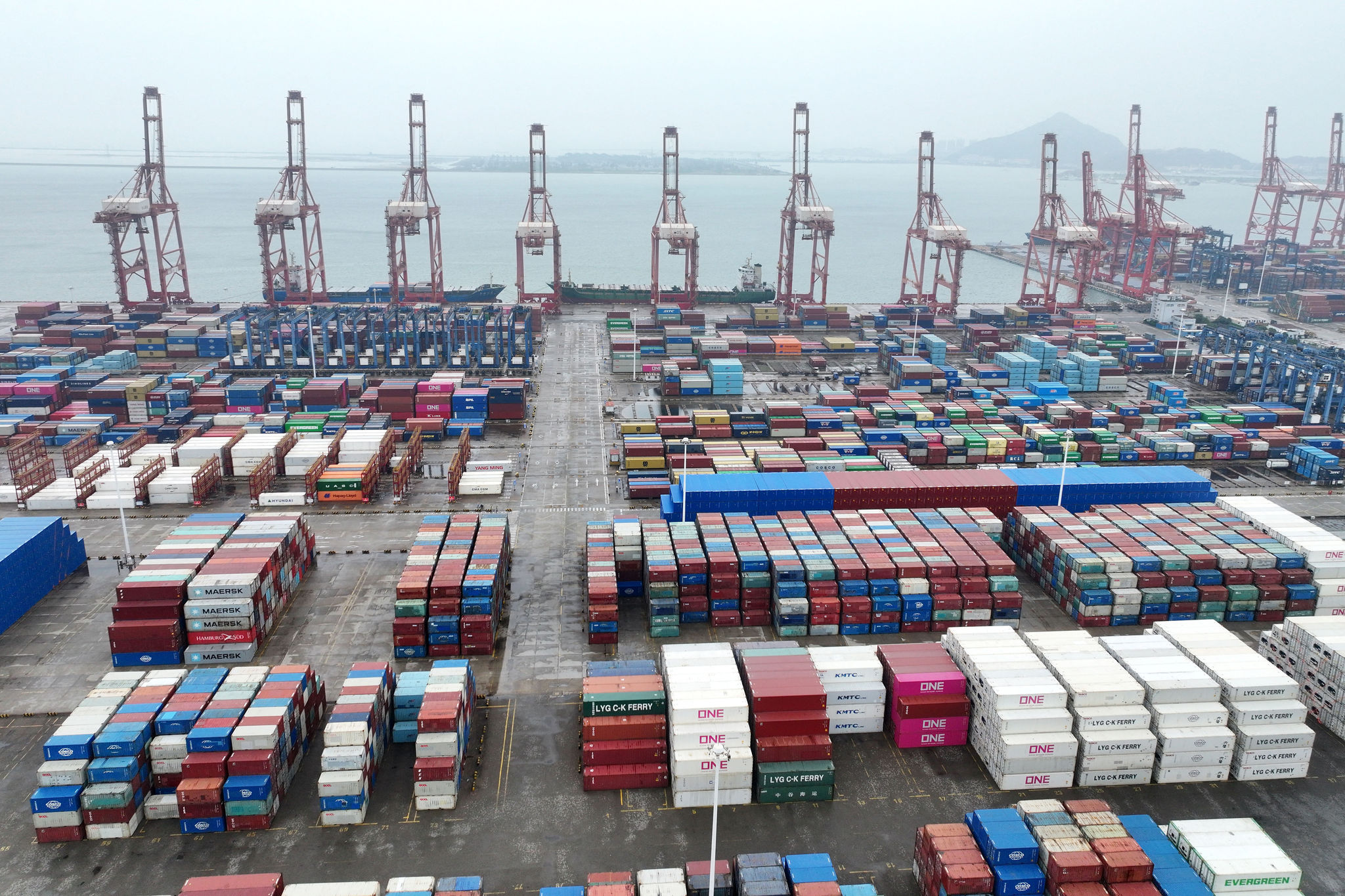
According to data released by China's National Bureau of Statistics (NBS) on July 15, the country's GDP in the second quarter of 2026 grew by only 4.3% compared to the same period last year. This figure is lower than the 4.5% forecast by economists in an AFP survey. At the same time, this result also falls short of Beijing's annual growth target of 4.5% to 5.0% – a target already at a record low for decades.
Amid a continuing weakening real estate market and a slow recovery in domestic consumption, exports remain the primary driver of growth for the world's second-largest economy. However, trade is facing further pressure from disruptions in the Strait of Hormuz following the conflict between the US, Israel, and Iran. This strategic shipping lane carries approximately 20% of the world's oil and natural gas.
Economic indicators for June also showed some positive signs. Retail sales increased 1% year-on-year, contrary to Bloomberg's forecast of a 0.1% decline. Industrial production increased 5.3%, exceeding the forecast of 4.6%.
However, fixed asset investment in urban areas, including real estate and infrastructure projects, decreased by 5.7% in the first half of the year compared to the same period last year.
Previously, data released on July 14th showed that China's exports surged in June, exceeding forecasts with a 27% increase year-on-year. The main driving force was the booming demand for semiconductor chips and computing equipment to fuel the global AI boom. Semiconductor exports in June more than doubled compared to the same period last year, while data processing equipment exports increased by 53.1%.
However, Julian Evans-Pritchard, an economist at Capital Economics, argues that this increase mainly reflects rising chip prices due to a prolonged shortage of memory chips, while actual semiconductor export volumes have decreased compared to the same period last year.
China's economic recovery is facing numerous external obstacles. Conflict in the Middle East continues to threaten global supply chains by disrupting the Strait of Hormuz – a vital shipping lane handling one-fifth of the world's oil and gas. Furthermore, China's trade environment remains challenging. Beijing continues to be embroiled in trade disputes with the European Union (EU), despite recording a trade surplus of $32.9 billion in June.
Relations between China and the US have somewhat cooled following US President Donald Trump's visit to Beijing in May. However, disagreements over trade imbalances and competition in the semiconductor sector remain unresolved.


