
Circular economy in livestock farming: A sustainable approach to help farmers increase profits.
Amidst fluctuating agricultural input costs and increasingly stringent environmental protection requirements, the circular economy model in livestock farming is emerging as an effective solution. By utilizing by-products, proactively managing breeding stock, and applying probiotics, many livestock farmers have transformed waste into resources, reducing costs while increasing economic value.
Transform waste intooriginalcost optimization
One of the greatest successes of the circular economy model at farms and livestock breeding facilities in Nghe An is the thorough treatment of livestock waste for reuse in the production process. Instead of allowing animal manure to pollute the environment and cause foul odors affecting the community, farm owners have applied biological enzyme and lime treatment techniques using a layered application method.
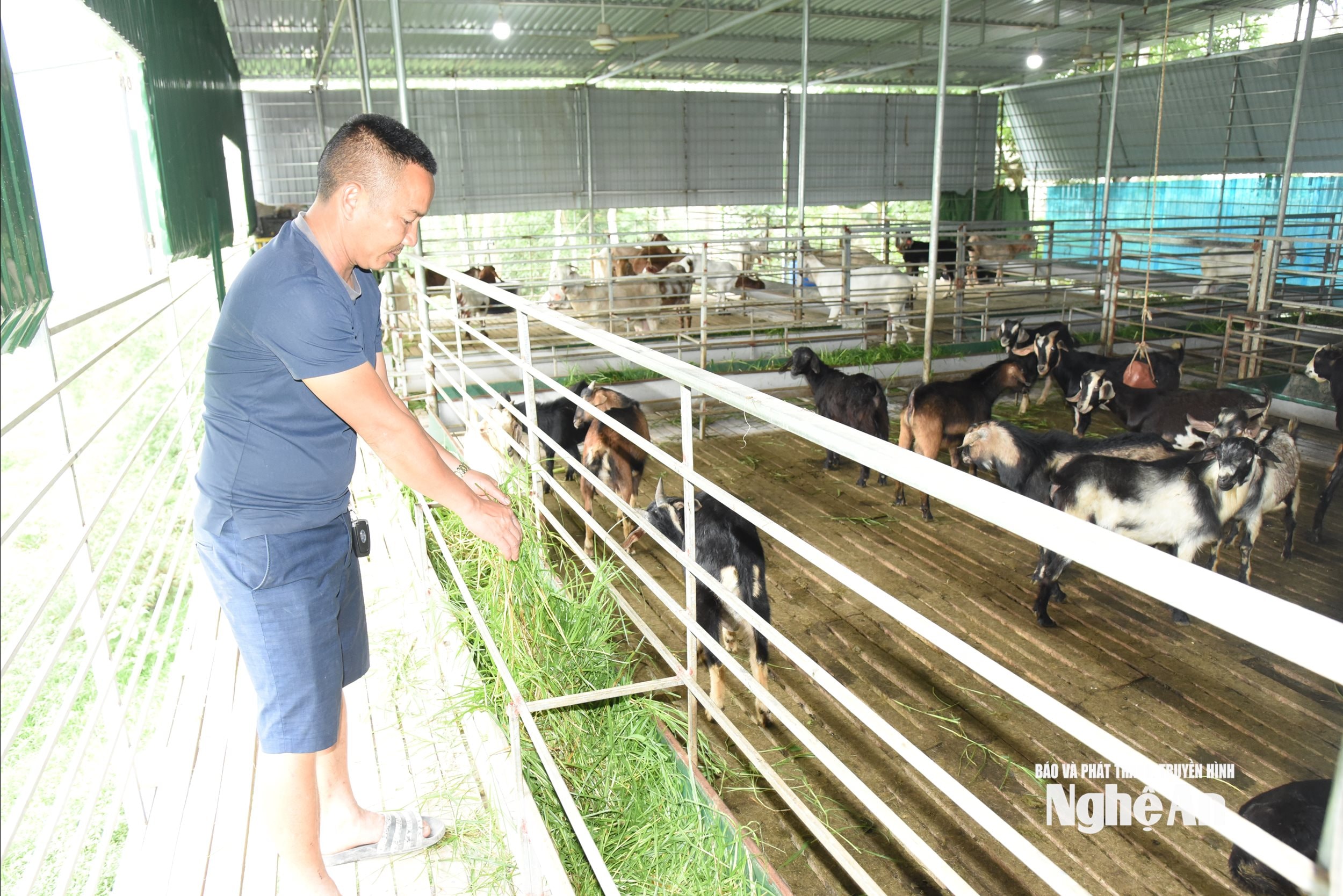
The economic benefits of this are very clear: with just one packet of microbial inoculum costing about 35,000 VND, farmers can process up to 1 ton of manure. For a large-scale farm, the total annual cost of microbial inoculum is only about 1 million VND, but it yields significant value. These are the insights shared by Le Dac Thanh, owner of a goat farm in Hamlet 5, Dang Son, Do Luong Commune.
At one point, Mr. Le Dac Thanh's goat farm, which once housed up to 700 goats, is located near the main road of Hamlet 5 and close to other households. However, when we entered the farm, the air was quite fresh, and the smell of waste was particularly mild. Standing more than 50 meters away, the farm's odor was almost imperceptible. Mr. Thanh explained that this was thanks to his application of a recirculating aquaculture system and the use of biological products to create bedding and deodorize the barns.
Thanks to the use of biological products, the waste from over 500 goats and 35 3B cows that he raises, amounting to hundreds of kilograms daily, is no longer considered waste but is transformed into high-quality organic fertilizer after processing. This fertilizer is then used by Mr. Le Dac Thanh to fertilize the more than 1 hectare of pasture he rents. This grass, in turn, nourishes his livestock.
.jpg)
As a result, the grass grows better and greener, creating a closed-loop cycle. This is the key to reducing input costs and protecting the ecosystem around the farm, ensuring the health of both livestock and humans. This secret brings Mr. Le Dac Thanh an income of over 300 million VND/year from selling goat meat, breeding goats, and beef and breeding cattle.
“Circular farming not only minimizes investment costs but also helps improve livestock quality, reduce disease outbreaks, and ensure a reliable supply of raw materials. At times, my goat herd has reached 700 animals, but I mostly take care of them myself, with the help of machinery. I only hire one or two seasonal workers during busy periods.”
Mr. Le Dac Thanh, Hamlet 5, Dang Son, Do Luong Commune
According to Ms. Le Thi Hai Van, Vice Chairwoman of the Fatherland Front Committee and Chairwoman of the Farmers' Association of Do Luong commune, the commune has a total of 1,799 buffaloes and cows; 3,250 pigs; 112,000 poultry; and 1,498.98 hectares of aquaculture area… Livestock farming remains a major sector in the commune. Therefore, the quality and efficiency of the livestock industry are always a priority for the Party Committee and the local government.
Therefore, key movements continue to be strongly implemented by the commune, including the movement "Farmers competing in excellent production and business, uniting to help each other get rich and sustainably reduce poverty"; mobilizing members to participate in building new rural areas and civilized urban areas; supporting the development of new agricultural production models and value chain linkage models. In addition, the commune is building cooperatives and associations that apply high technology and digital transformation in agriculture; providing advice and support to farmers on services, capital, and techniques in the direction of green economy and circular economy.
Diversify livestock and breeding stock.
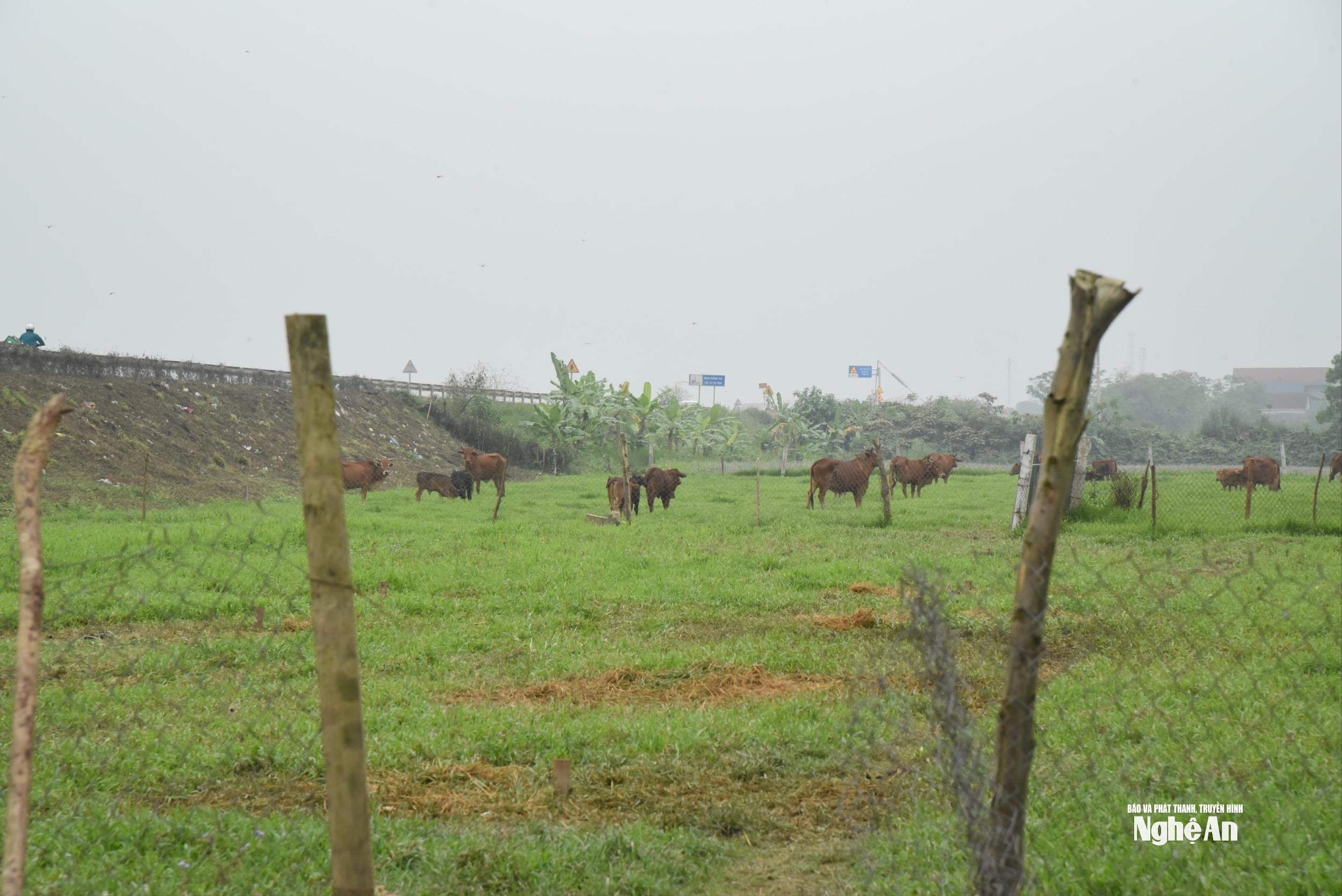
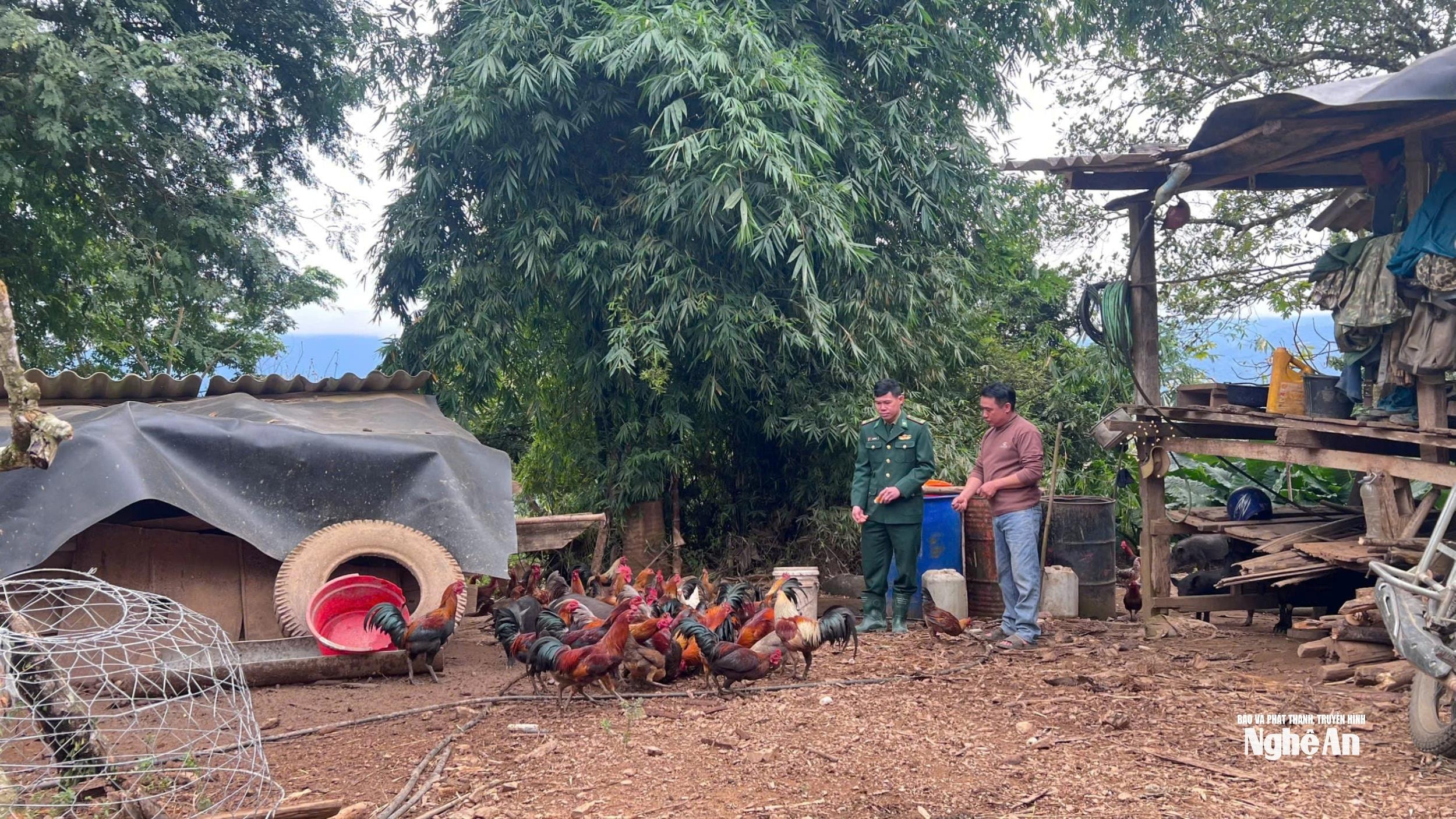
Besides waste management, the success of the closed-loop, circular livestock farming model in localities also stems from the strategy of diversifying livestock and focusing on the breeding segment. For example, the approach of Mr. Lau Cong Tua in Truong Son village, Nam Can commune. For over four years, Mr. Tua's farm has generated an income of over 100 million VND per year from maintaining a herd of 28 cows, 15 goats, 18 pigs, and approximately 100-200 chickens.
Mr. Tua shared that, thanks to self-sufficiency in breeding stock and the cultivation of his own corn for feed, his farm's income is very stable, around 100 million VND per year and can reach 150 million VND during peak seasons like Tet (Lunar New Year). In the livestock farming process, he not only uses animal manure to fertilize plants and elephant grass fields but also manages his own breeding stock to minimize investment costs. And from his self-breeding of his livestock, people in and outside the village have seen the effectiveness and often come to him to "ask for breeding stock" of chickens, cows, goats, and pigs.
Or take the example of Mr. Le Dac Thanh's household in Do Luong commune. With 14 years of experience, maintaining a goat herd of up to 700 animals, Mr. Thanh began expanding to raising 3B cattle with about 37 animals at the end of 2025. Mr. Thanh also crossbred 3B (BBB) cattle with local cattle to create F1 and F2 lines that are larger in size and have higher economic value. For the goat herd, the farm maintains a diverse range from grass-fed goats to Boer (Border) goats and various hybrid breeds to meet market demand.
Mr. Thanh also carefully calculated his business strategy, focusing on supplying breeding stock to large markets such as the North, where customers often bring trucks directly to the farm to purchase large quantities, up to 60 animals per trip. Instead of pricing per animal as in the traditional method, the farm uses electronic scales to calculate prices by weight, ensuring transparency and professionalism in transactions.
Ms. Le Thi Thuy Van, Chairwoman of the Farmers' Association of Do Luong commune, said that in the coming time, the association will evaluate and include Mr. Le Dac Thanh's livestock farming model into the key projects of the association at all levels, with financial support and expansion of the model towards a green economy and circular economy.
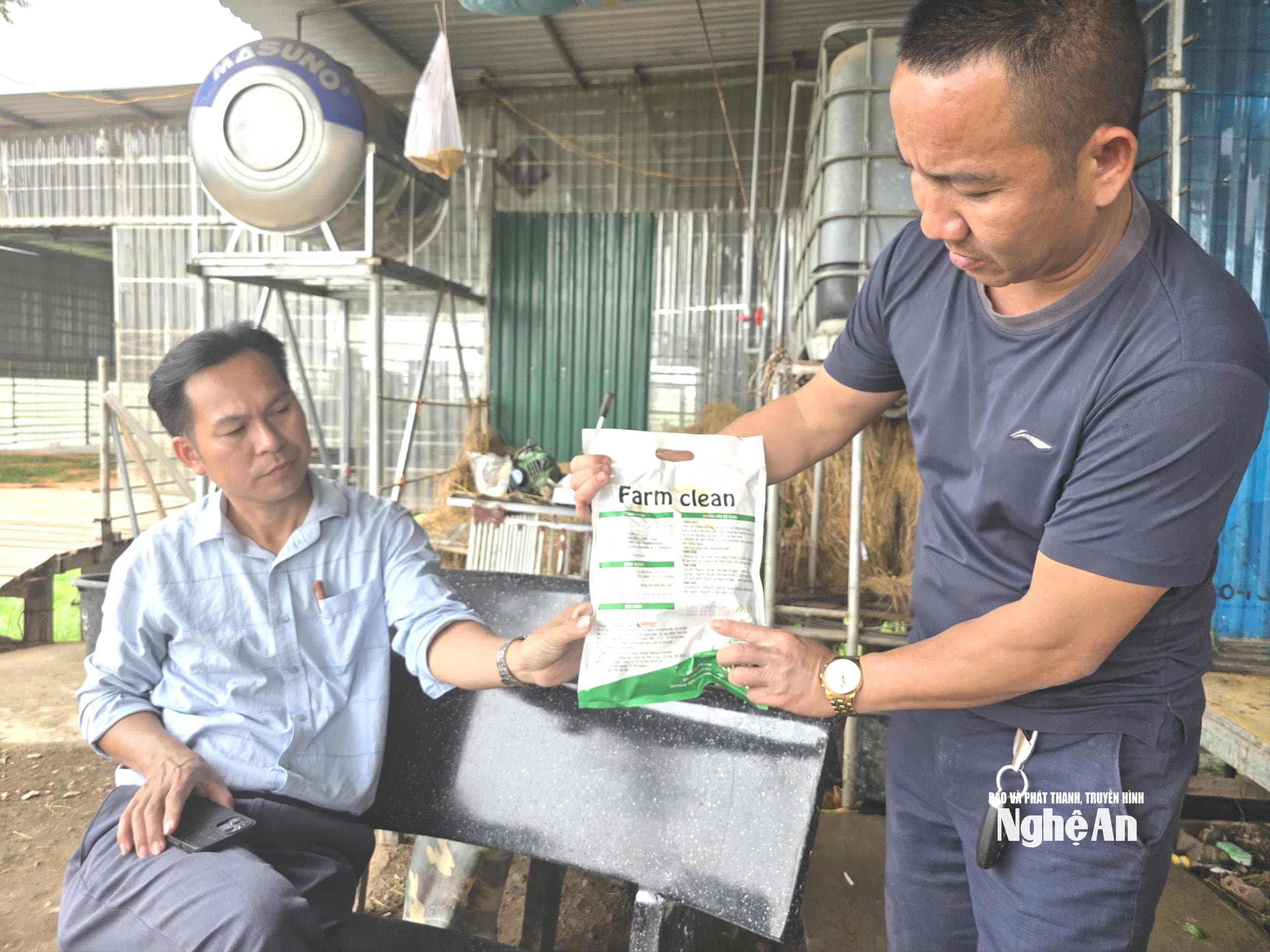
The strong development of circular farming models would not have been possible without the supportive role of the Nghe An Provincial Farmers' Association.
The documents presented to the 14th National Congress of the Party identify the green economy and digital economy as one of the eight core contents, reflecting a new development mindset that takes sustainability as its foundation and science and technology and digital transformation as its driving force. For agriculture, farmers, and rural areas, this is the right and appropriate direction, opening up space for long-term development in the context of climate change, integration, and the need to increase the added value of agricultural products.
Mr. Nguyen Viet Hung - Chairman of the Provincial Farmers' Association


