
Part 1: Trust and Empowerment
Each election is a crucial opportunity for the people to directly exercise their right to self-governance, through their ballots choosing worthy representatives to the National Assembly and People's Councils at all levels. A ballot is only truly valuable when cast with understanding and a sense of responsibility. From the remote villages of Nghe An province to central government agencies, the atmosphere of preparation for this "national festival" is spreading, arousing a sense of self-governance and faith in the future development of the country.

Reporters Team• March 12, 2026
Each election is a crucial opportunity for the people to directly exercise their right to self-governance, through their ballots choosing worthy representatives to the National Assembly and People's Councils at all levels. A ballot is only truly valuable when cast with understanding and a sense of responsibility. From the remote villages of Nghe An province to central government agencies, the atmosphere of preparation for this "national festival" is spreading, arousing a sense of self-governance and faith in the future development of the country.

In each election, tens of millions of Vietnamese voters exercise their most fundamental political right: directly casting their ballots to choose their representatives. This seemingly familiar act holds a profound constitutional significance: the people entrust state power to those they trust. If the vote is cast merely out of habit, democracy risks being reduced to a mere formality. But when each choice is considered with awareness and responsibility, that is when power truly belongs to the people, in accordance with the nature of Vietnam's socialist rule of law.
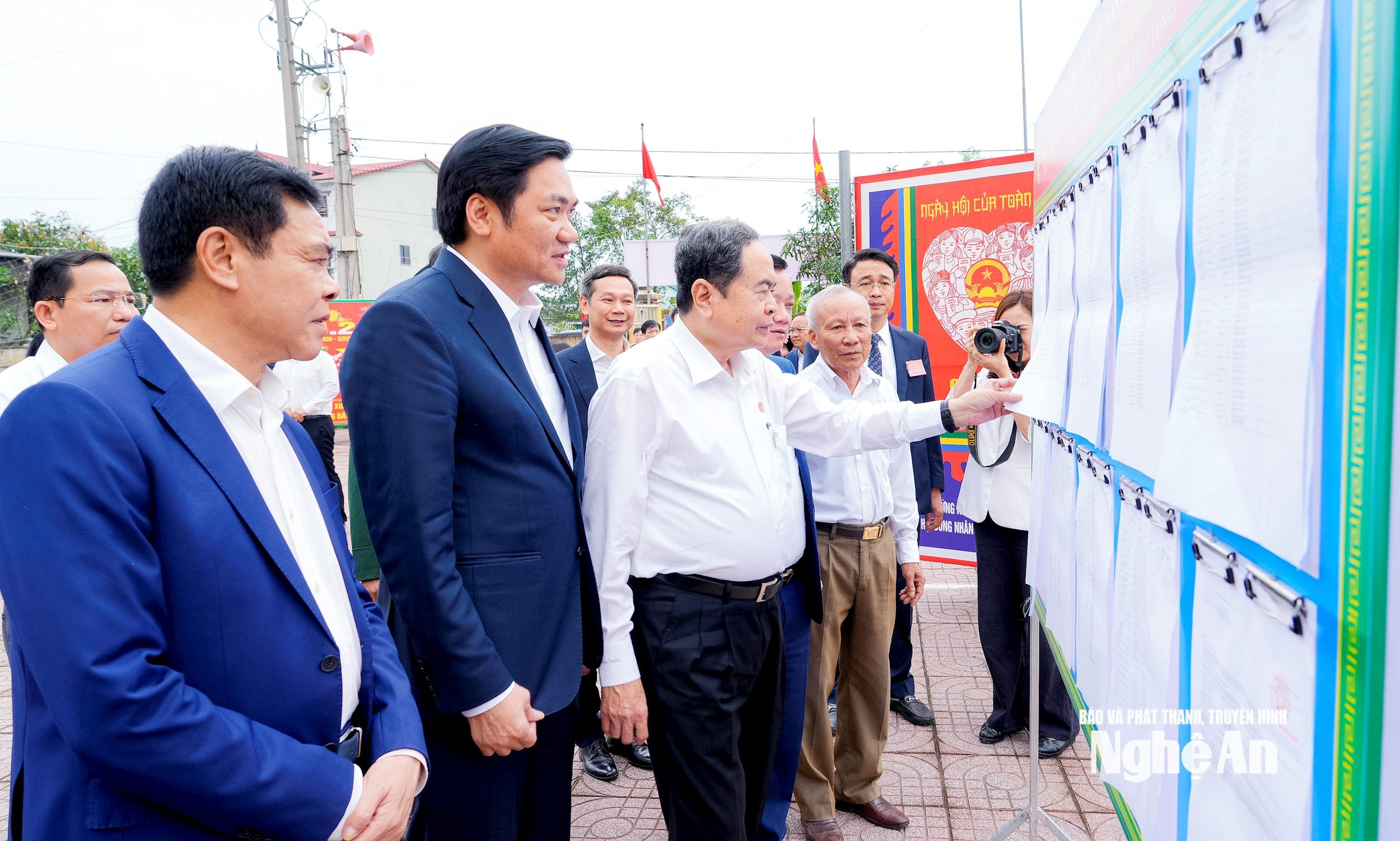
In early March, in Huoi Tu commune, Mr. Ly Ba Cho, a Mong ethnic minority and head of Trung Tam village, temporarily set aside his farming work to carefully study the election regulations, the list, and the biographies of candidates posted at the early voting area. Mr. Cho shared that voting is one of the most basic and important rights of citizens. As the head of a village with over 400 voters, he had to understand the regulations beforehand to explain to the villagers that voting is not only a right but also a duty. Electing outstanding representatives means that the voices of the people will be fully reflected and carry more weight in the process of building, monitoring, and implementing policies, especially policies for ethnic minority and mountainous areas.
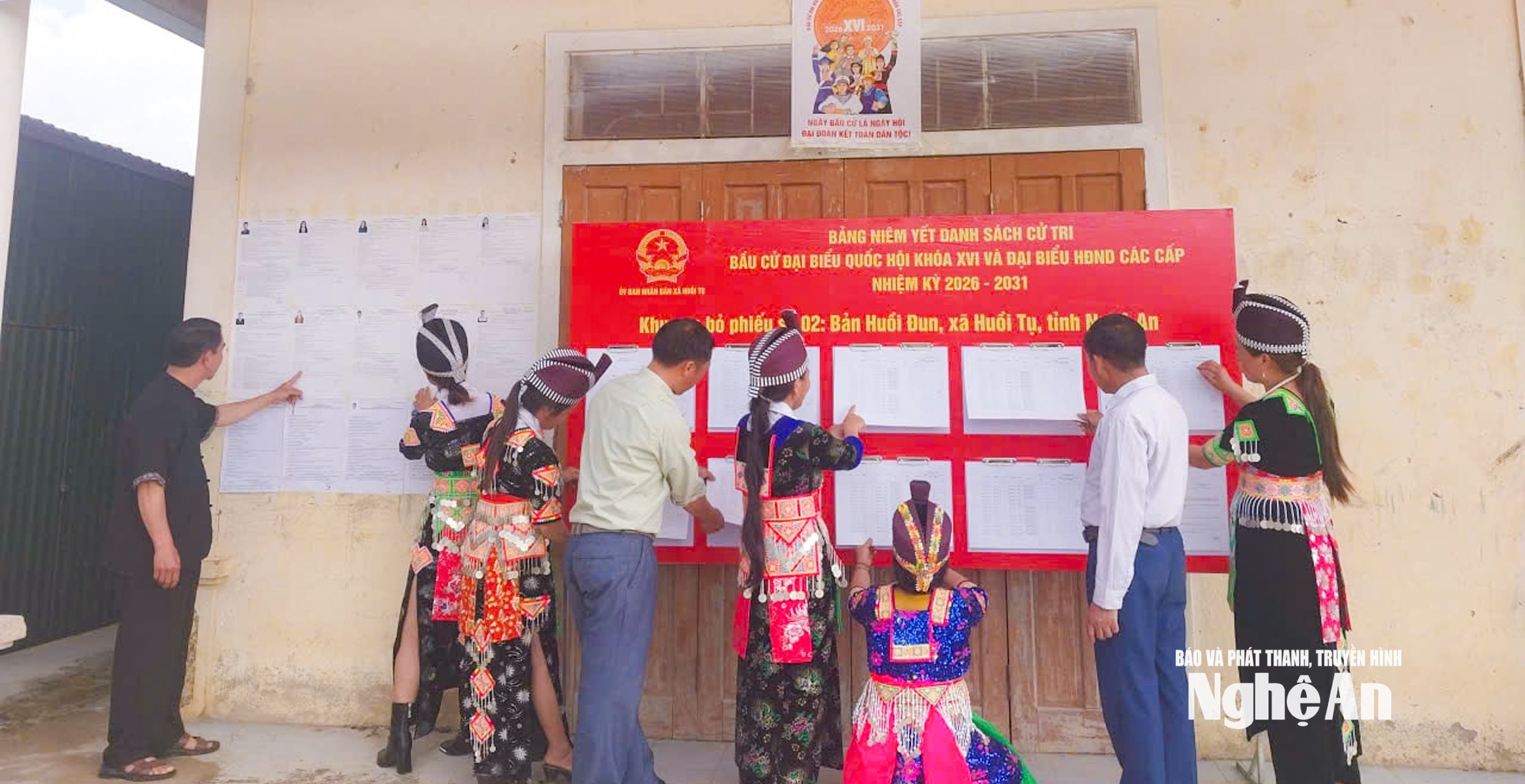
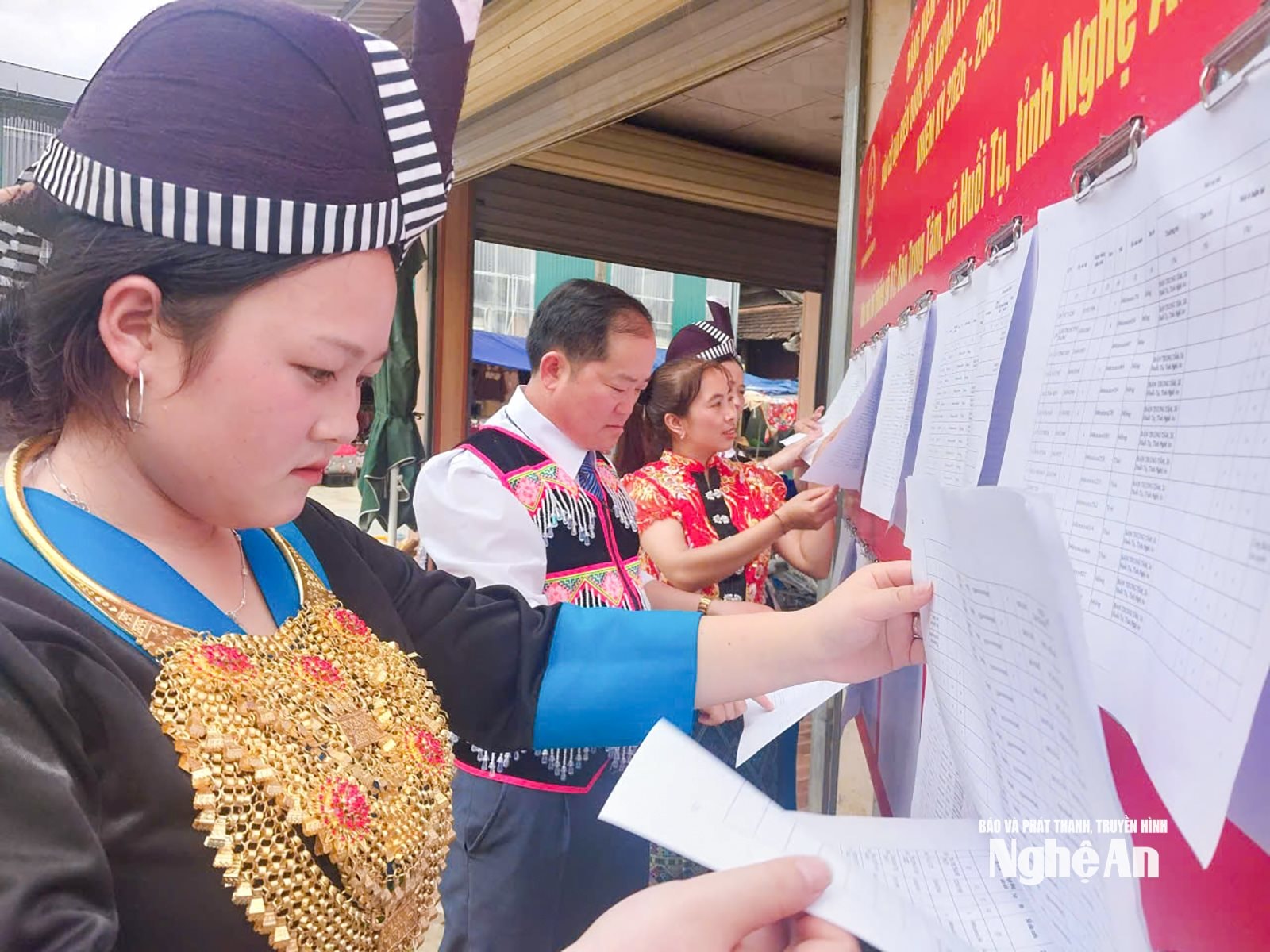
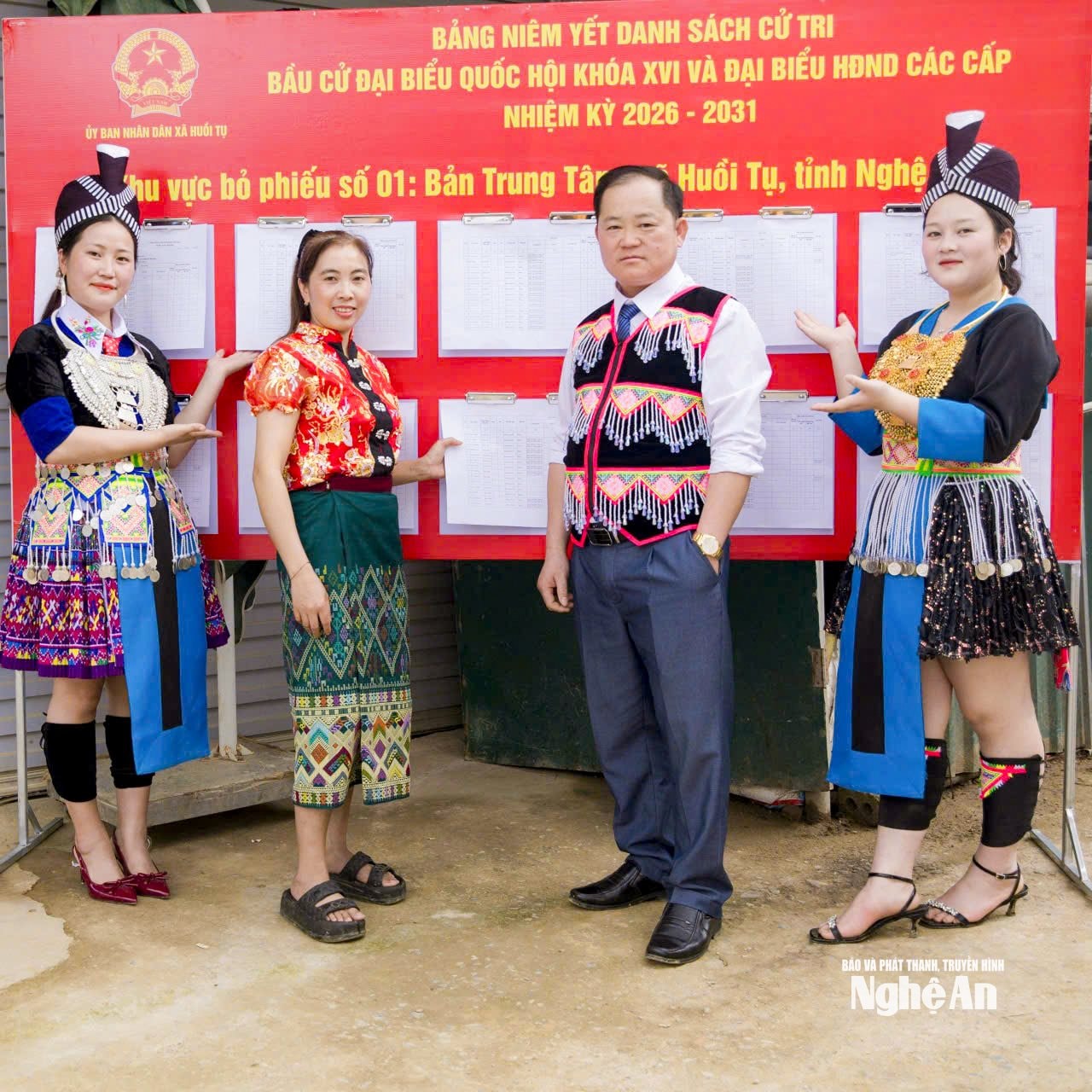
Huoi Tu is one of 12 communes in Nghe An province allowed by the National Election Council to hold early voting. According to the plan, 13 areas within the commune will conduct voting two days before the rest of the country. Given the large area, scattered population, difficult transportation, and unpredictable weather, early voting not only ensures the overall progress but also demonstrates practical concern for ensuring the civic rights of voters in this particularly disadvantaged area.
In the border commune of Na Ngoi, preparations are also being carried out comprehensively. Comrade Lau Ba Cho, Secretary of the Party Committee of Na Ngoi commune, said that the entire commune has 1,554 voters in 9 polling areas. Some villages lack electricity and have difficult transportation, so officials are assigned to stay close to the people and villages to disseminate information and mobilize support. The propaganda efforts are determined to be proactive: from the local broadcasting system, Party branch meetings, village meetings, to direct communication with individual households, combined with social media such as Facebook and Zalo. The content is conveyed concisely, easily understood, and relevant to daily life, helping people clearly understand the significance of the election and their responsibility towards this "great festival for the entire nation."
.jpg)
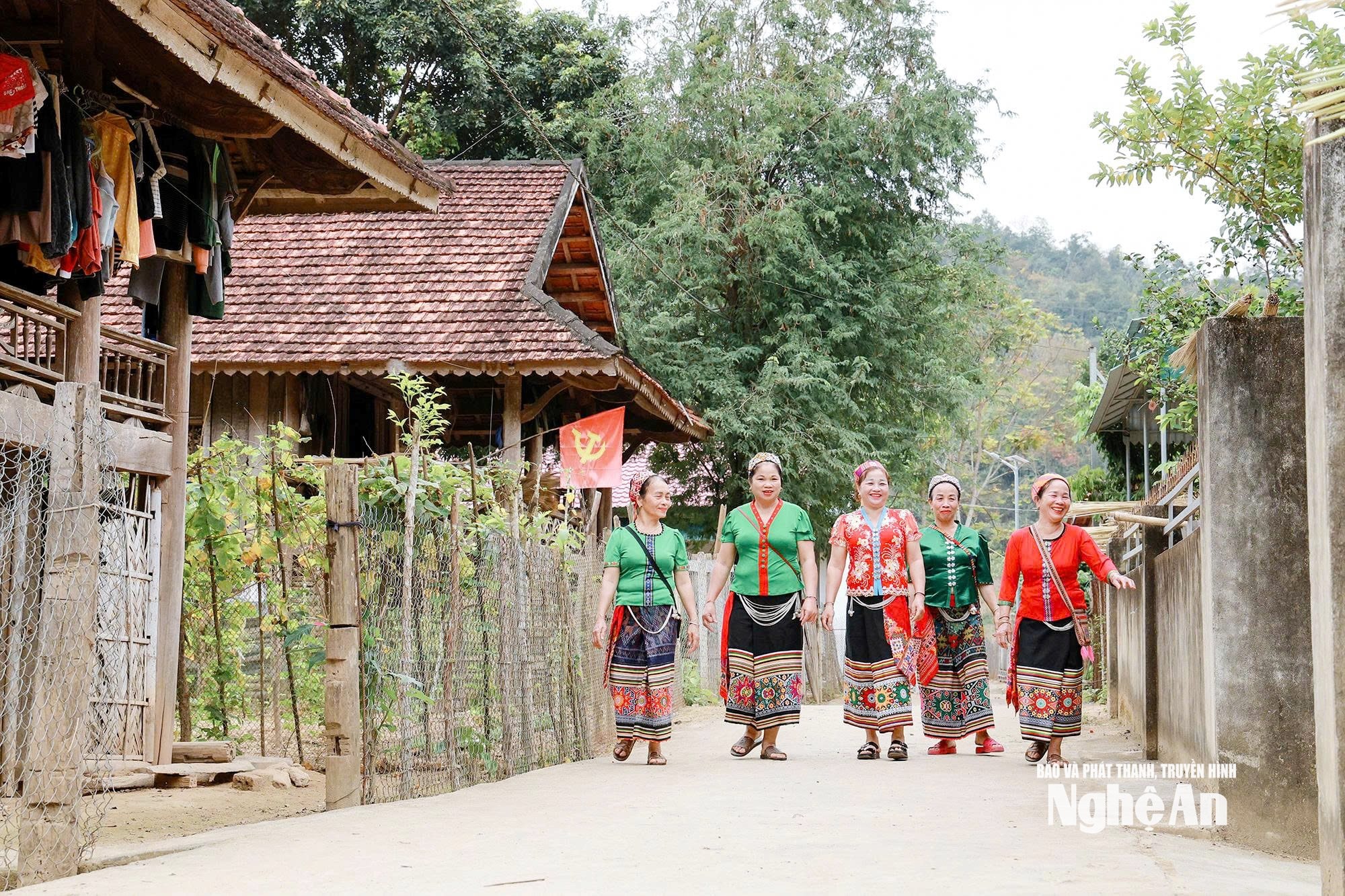
Kheo Xăm Hương, born in 1990 and of the Khơ Mú ethnic group, head of Huồi Thum village (Na Ngoi commune), frankly shared: "If voters only vote according to procedure and list without thoroughly researching, they will have lost their right to choose. Voting must be a thoughtful and responsible political act."
These heartfelt statements show that democracy is not a slogan, but begins with each citizen's awareness of the value of their vote.

The right to vote is one of the most fundamental political rights, directly reflecting the people's right to self-governance over the State and society. Vietnamese constitutional history shows a continuous process of perfecting and expanding this right. Immediately after the first general election, the 1946 Constitution recognized the universal suffrage of citizens aged 18 and above, regardless of gender. Subsequent constitutions—the 1959, 1980, 1992, and 2013 Constitutions—continued to affirm the principle of equality, expanding and ensuring increasingly fuller political rights for citizens. Through each stage, the right to vote has been strengthened as a pillar of socialist democracy, where all state power belongs to the people.
President Ho Chi Minh once affirmed: "All power belongs to the people... The government, from the commune to the central level, is elected by the people." During the general election on January 6, 1946, he emphasized that voting was both a precious right and a sacred duty; it was necessary to choose representatives who wholeheartedly served the Fatherland and the people. This ideology laid the foundation for a mechanism of power control: Through elections, the people not only grant power but also supervise it; choosing worthy individuals to ensure the State apparatus operates effectively and efficiently.
Responding to distorted narratives that elections are merely a "formal procedure," Dr. Nguyen Van Dang from the Institute of Leadership and Public Administration (Ho Chi Minh National Academy of Politics) affirmed: In modern society, in any country, elections are always a particularly important political institution. Through the act of voting, each voter does not simply choose representatives according to their own will, but rather authorizes citizens to appoint individuals with sufficient qualities, capabilities, and prestige to hold positions in state power organs. The choice of who to vote for in each election can directly impact the policy system and development of the locality and the country, not only within a single term but also in the long term. Therefore, when participating in elections, each voter needs to be clearly aware of their rights, responsibilities, and political duties towards the destiny of the nation and people. The voting process must be fair and objective, selecting representatives who truly represent the will and aspirations of the people, and who possess the capacity to successfully implement the Party's guidelines and the State's policies and laws.
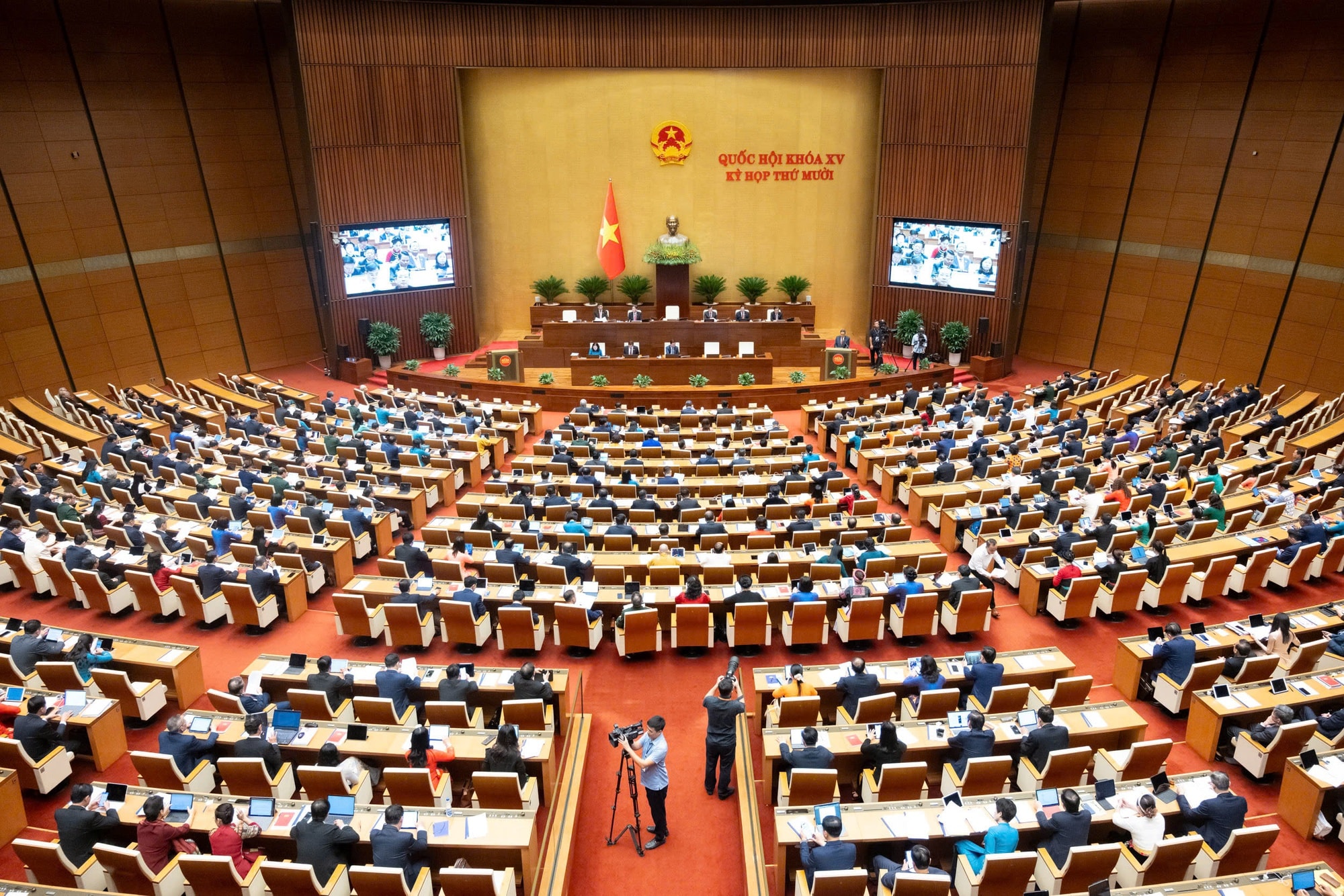
The election of deputies to the 16th National Assembly and representatives to People's Councils at all levels for the 2026-2031 term is taking place at a special time: immediately following the 14th National Congress of the Party, marking 80 years since the first general election in 1946. Therefore, the significance of choosing the right representatives is not limited to a single term, but is linked to the long-term development of the country.
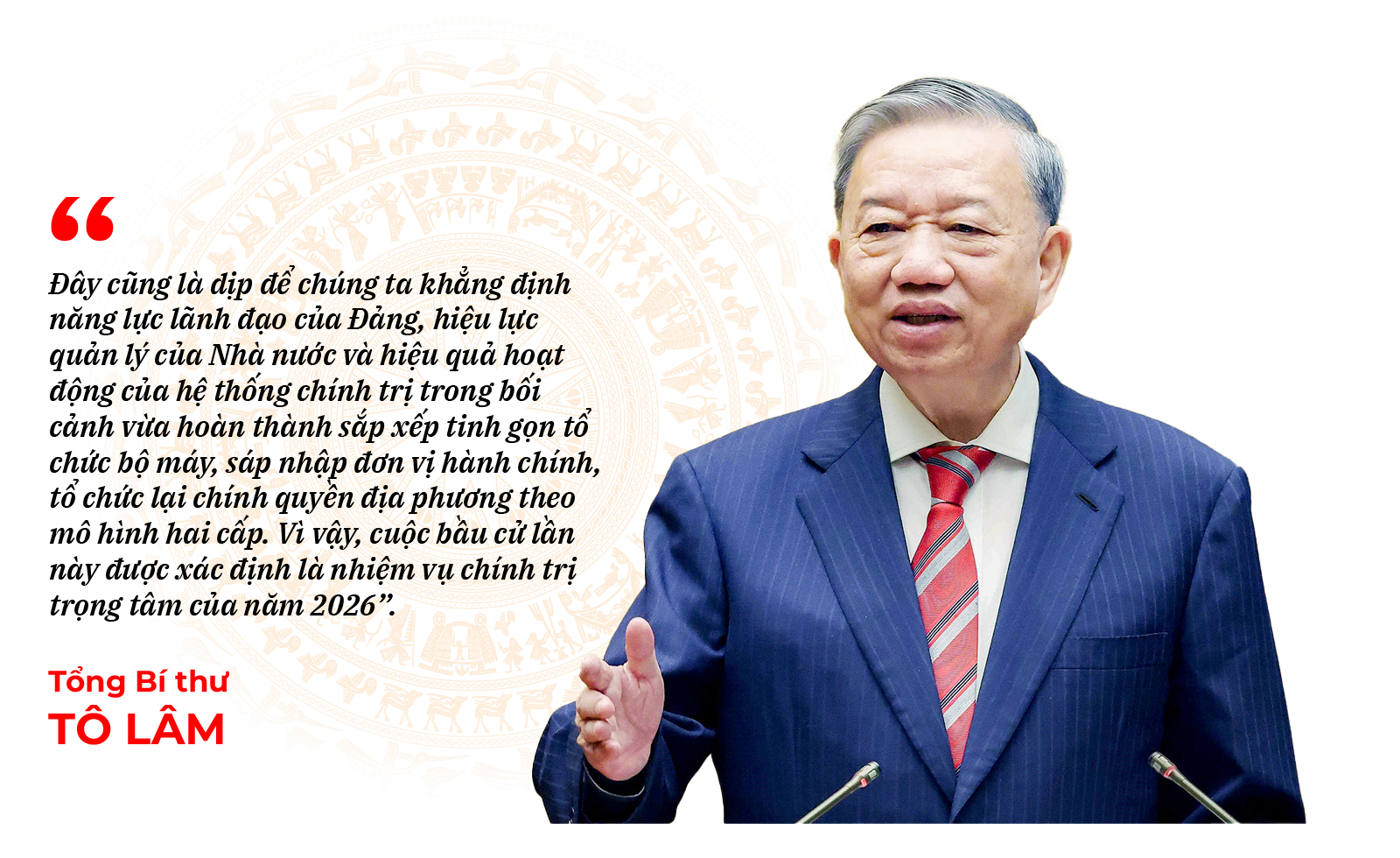
At the national conference on election implementation, General Secretary To Lam emphasized: Each voter's ballot is a symbol of trust, of the strength of national unity, and of the spirit of responsibility to be masters of the country; it is necessary to publicize this so that everyone clearly understands their honor and responsibility, and not just "vote to get it over with."
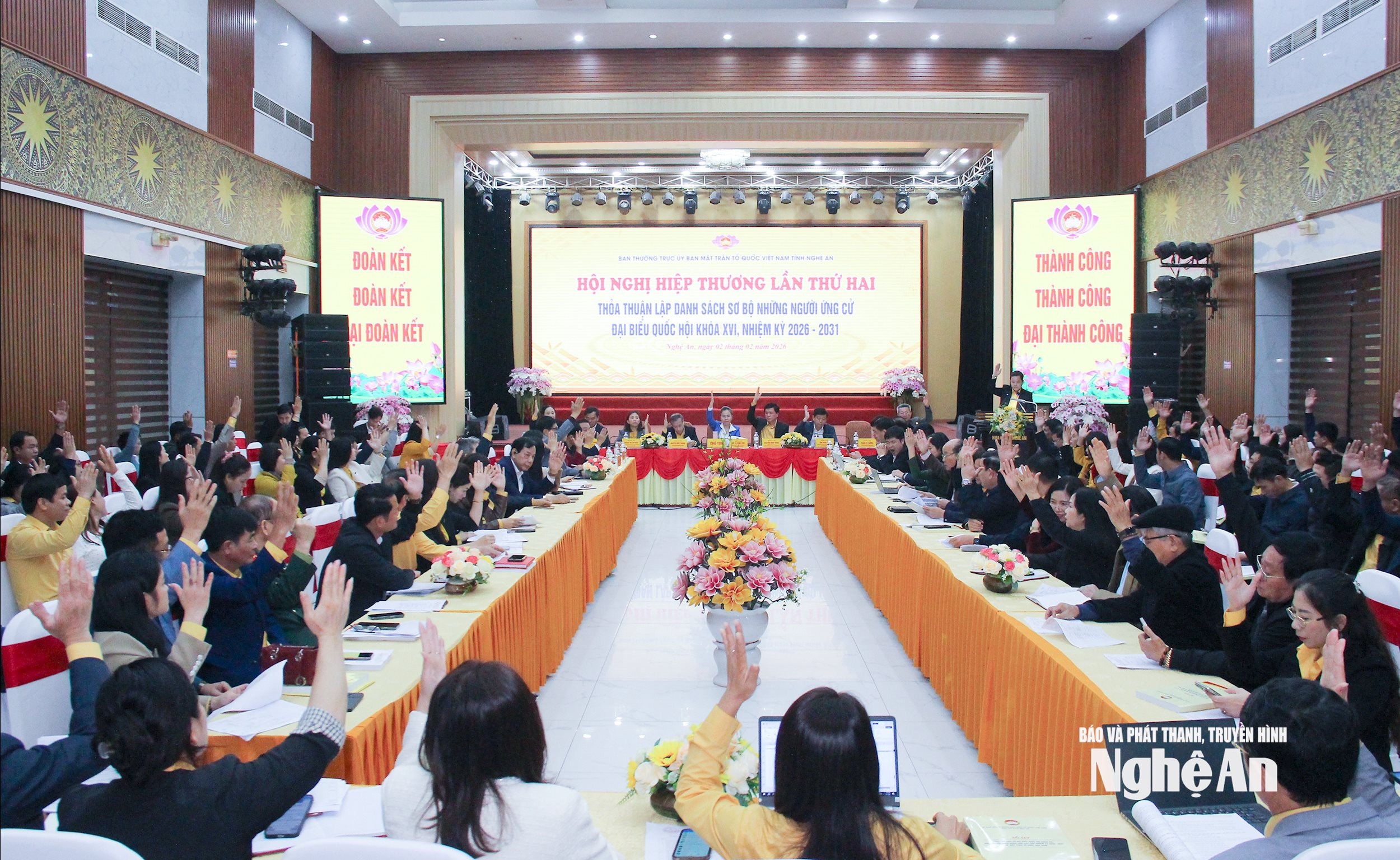
In line with that spirit, Nghe An province established 6 election committees for National Assembly representatives, 20 election committees for provincial People's Councils, 1,039 election committees at the commune level, and 3,123 polling stations; formed 13 inter-agency inspection teams; and proactively proposed and received approval to organize early voting in 55 areas in 12 mountainous and border communes, ensuring that no voter is left behind.
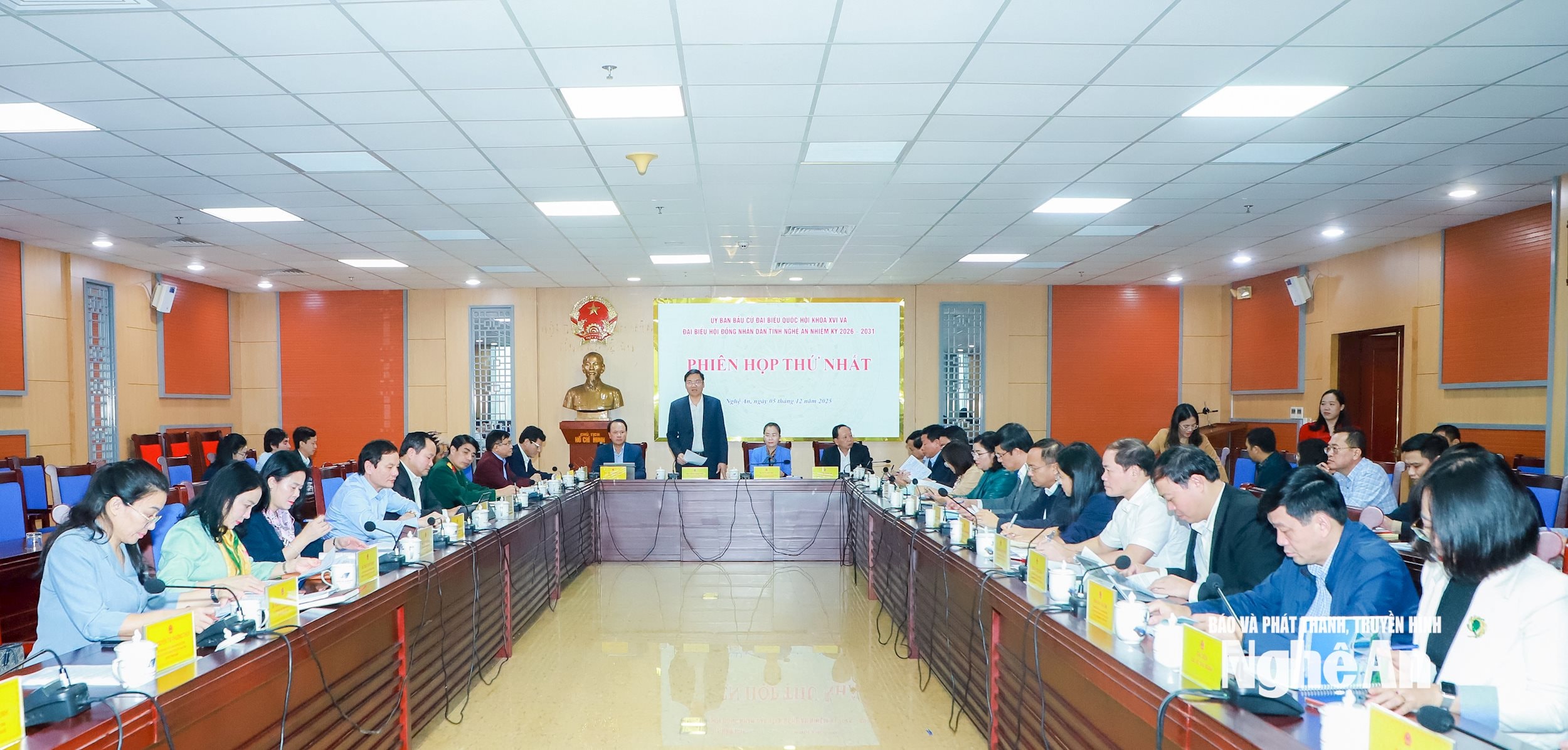
Comrade Hoang Nghia Hieu - Standing Deputy Secretary of the Provincial Party Committee, Chairman of the Provincial People's Council, and Chairman of the Provincial Election Committee - emphasized: Each ballot is not only a right but also a sacred political responsibility; elections are an opportunity for the people to directly choose worthy representatives to participate in the State apparatus. He hoped that voters in Nghe An would uphold the tradition of patriotism, carefully research candidates, wisely choose outstanding individuals in terms of character, ability, and prestige, and participate in election day with a spirit of democracy, discipline, and unity.
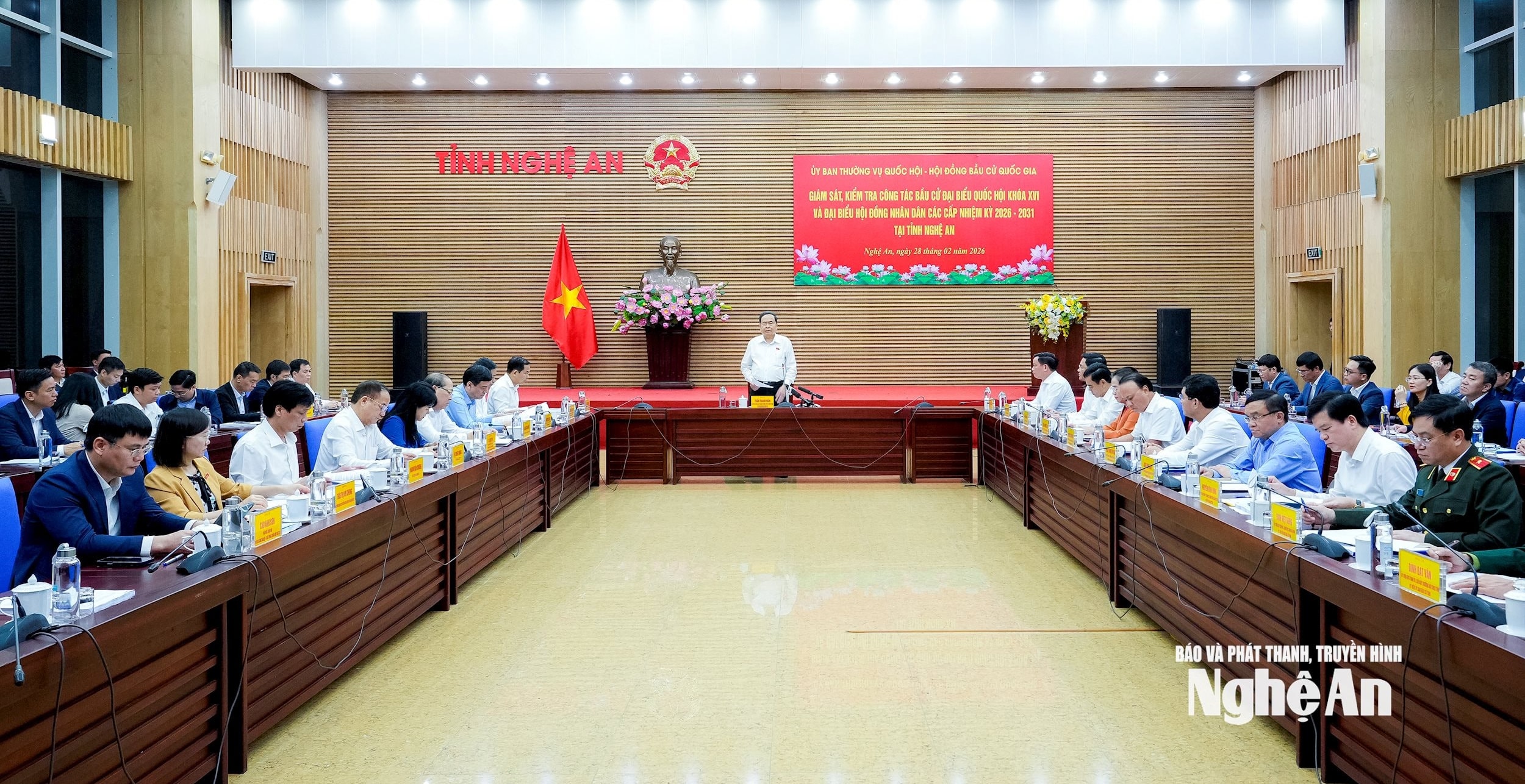
During his inspection of election preparations in Nghe An on February 28th, Comrade Tran Thanh Man - Member of the Political Bureau, Chairman of the National Assembly, and Chairman of the National Election Council - requested increased propaganda efforts and the creation of the most favorable conditions for voters to exercise their right to vote; and a thorough review of specific voter groups such as voters working far from home, transient voters, and the elderly... to ensure that elections are conducted correctly, completely, democratically, safely, and in accordance with the law.
.jpg)
.jpg)
.jpg)
When every voter fully understands the significance of their ballot, when each locality prepares meticulously, and when the entire political system engages with the highest sense of responsibility, the "national festival" will truly become a symbol of faith and aspirations for development. And it is from these ballots that the covenant between the people and the State is established – a covenant of responsibility, trust, and the future.
The National Election Council has announced the list of 864 candidates for the 16th National Assembly in 182 constituencies nationwide to elect 500 members to the 16th National Assembly.
(To be continued)


