
Part 2: Choosing the right person to entrust your complete faith in.
If the ballot is the people's covenant with the future, then the action program is the candidate's public commitment to the voters. Through democratic and frank interactions, voters not only listen but also consider, compare, and "measure" the competence and responsibility of each candidate. Because after election day, they will be the ones representing the people to decide on important issues of the locality and the country.

Reporters Team• March 12, 2026
If the ballot is the people's covenant with the future, then the action program is the candidate's public commitment to the voters. Through democratic and frank interactions, voters not only listen but also consider, compare, and "measure" the competence and responsibility of each candidate. Because after election day, they will be the ones representing the people to decide on important issues of the locality and the country.

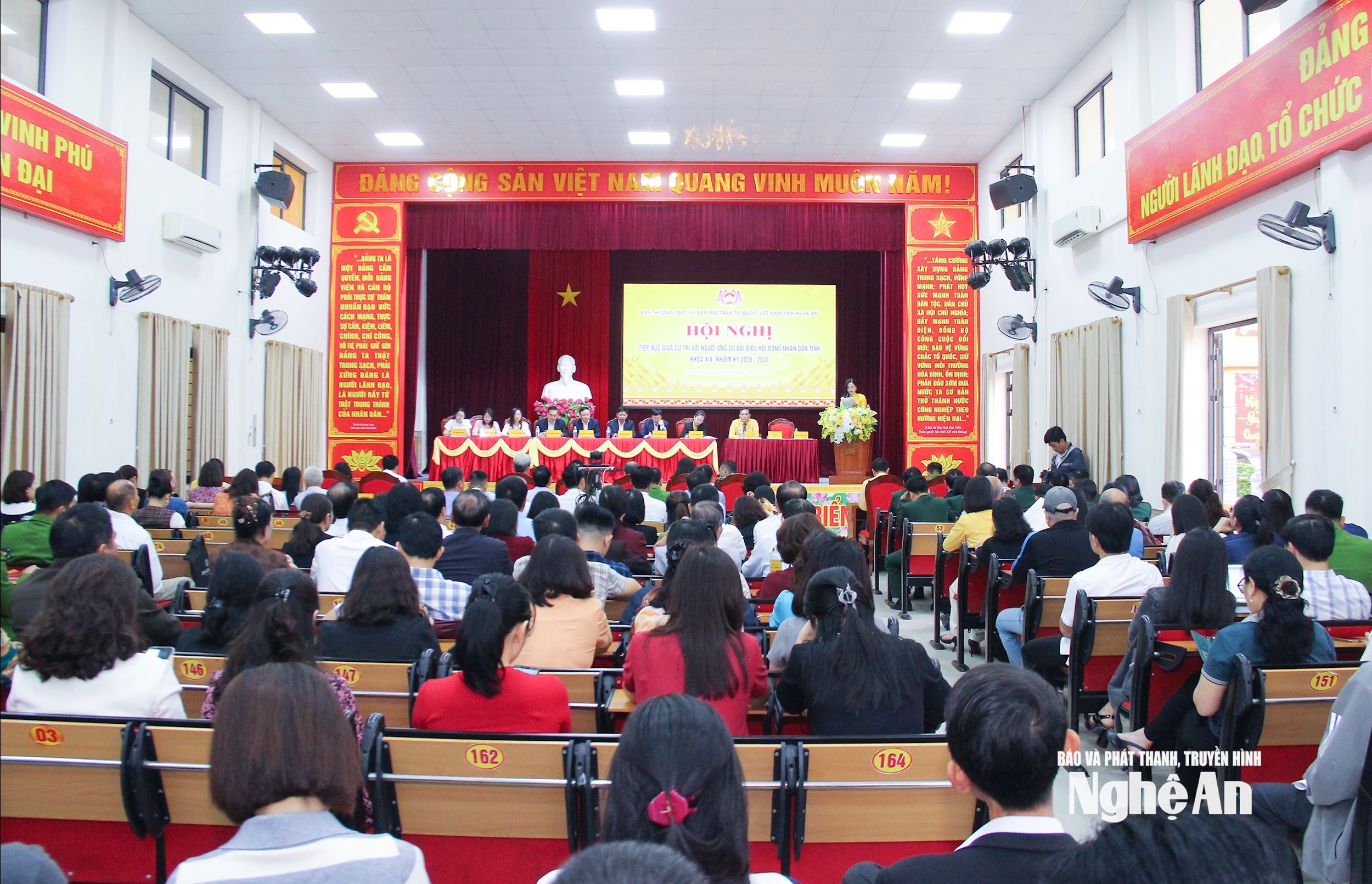
The election campaign days in Nghe An showed a more democratic, frank, and responsible atmosphere. At voter outreach meetings, people not only listened to the action plan but also proactively asked questions and requested clarification on specific issues relevant to their lives.
What voters are waiting for is not a long resume or an impressive work history, but a clear commitment: What will you do if elected? Within what scope of authority? What solutions will you offer? When will there be change? These questions demonstrate the maturity in political awareness and the sense of ownership of the people.
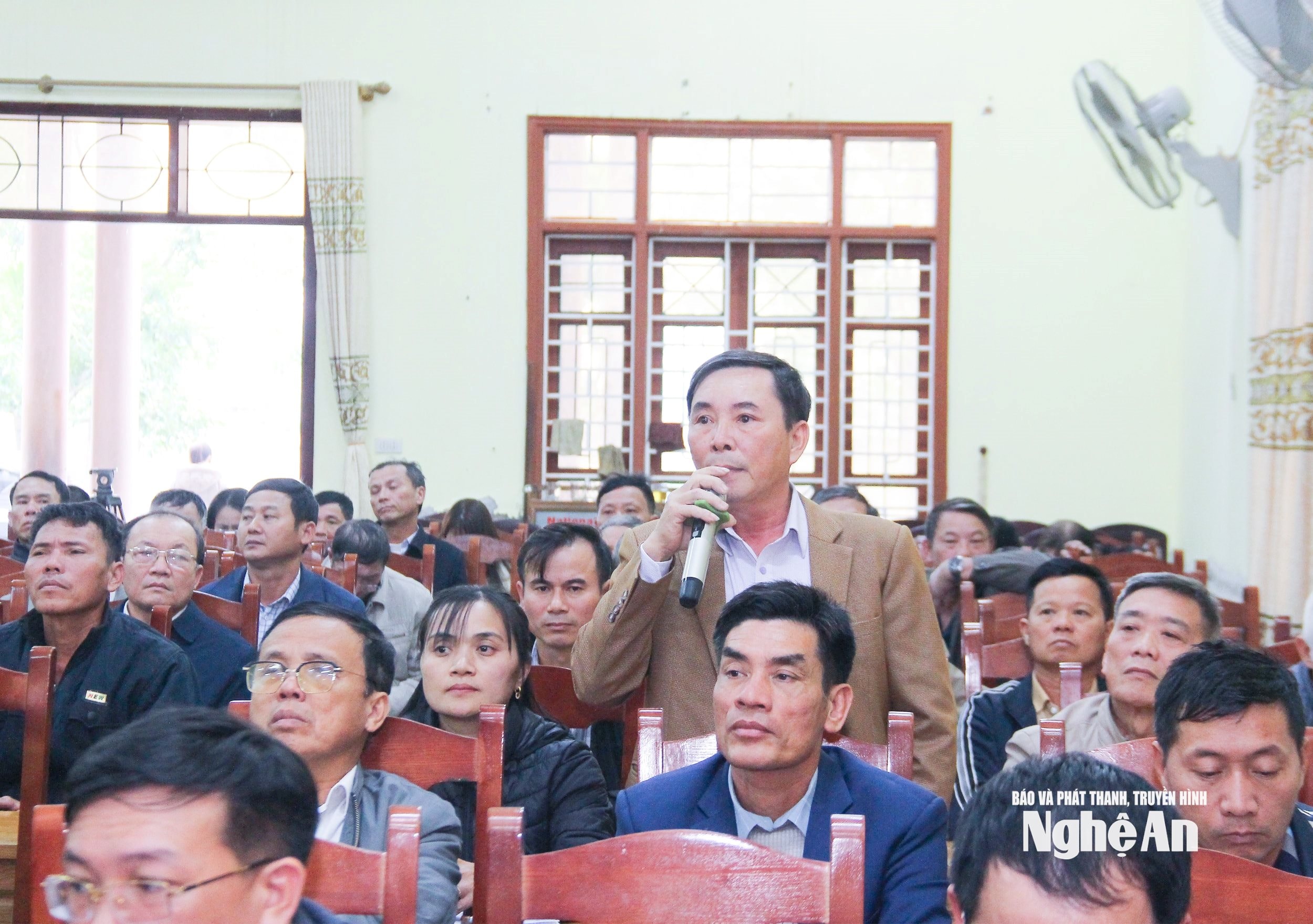
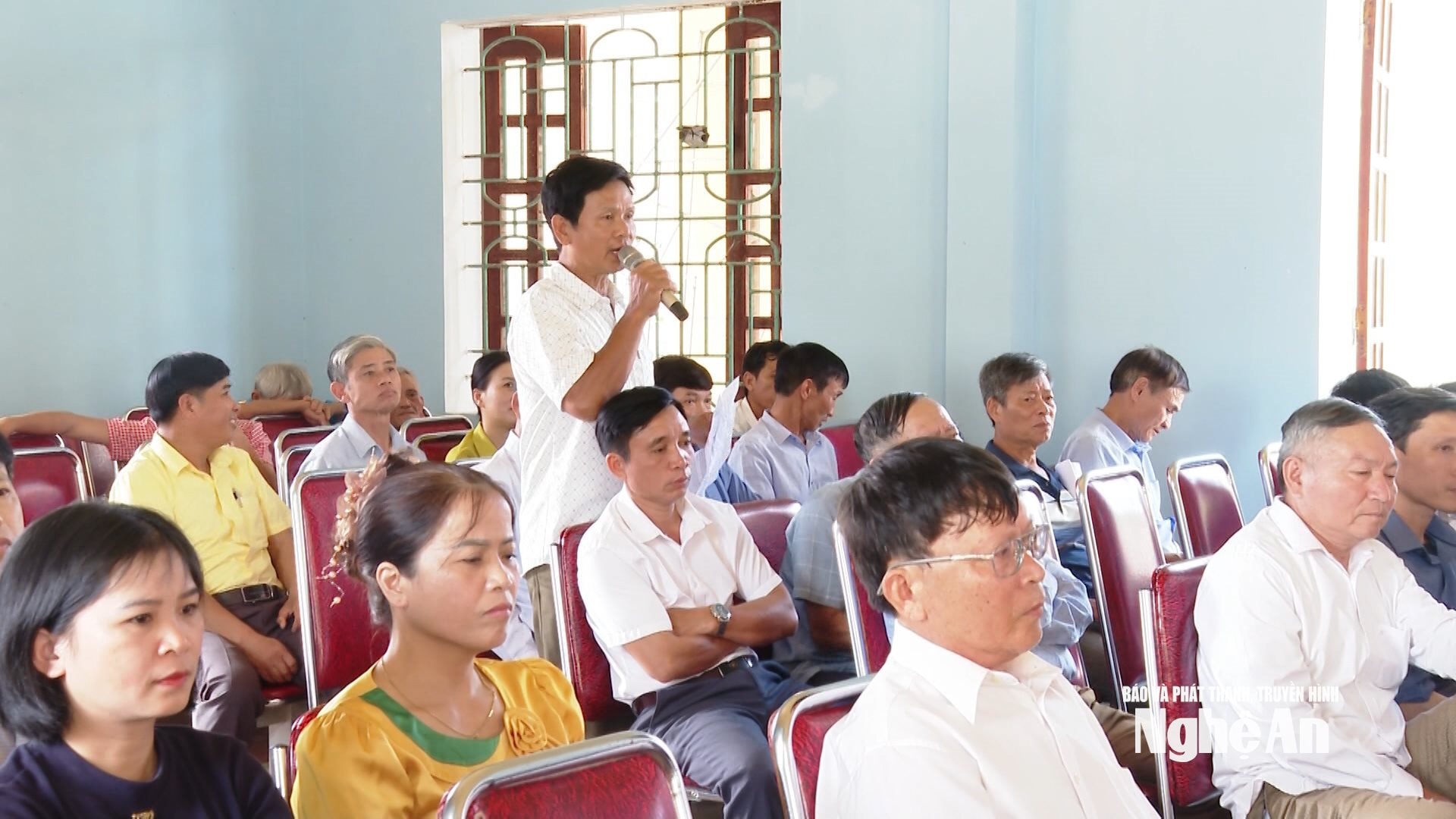
Voter Phan Van Truong, from Tan Hung hamlet, Hung Nguyen commune, shared that his biggest concern is the feasibility of the action plan. According to him, representatives do not directly manage the administrative apparatus, so they cannot promise things beyond their authority. "Voters don't need flowery words. What's needed is concreteness and responsibility," he stated frankly.

.jpg)
This observation highlights a core requirement: Action programs must stem from a correct understanding of the role of representatives. National Assembly and People's Council representatives have the right to decide on policies and supervise the implementation of laws, but they do not replace administrative bodies. Therefore, political commitments must be linked to legal authority and the ability to exert real influence, avoiding the situation of "making promises on behalf of" other agencies.
In Nghe An province, the election campaign was meticulously and seriously prepared. On February 27, 2026, the Standing Committee of the Vietnam Fatherland Front Committee of the province issued Plan No. 36 on organizing voter outreach meetings for candidates running for the 16th National Assembly and the 19th Provincial People's Council, term 2026-2031. Accordingly, each constituency for the National Assembly will organize at least 12 meetings; each constituency for the Provincial People's Council will organize at least 7 meetings. The methods implemented are flexible: in-person; in-person combined with online; through mass media; and a combination of multiple levels for candidates running simultaneously at multiple levels, maximizing convenience for voters to participate.
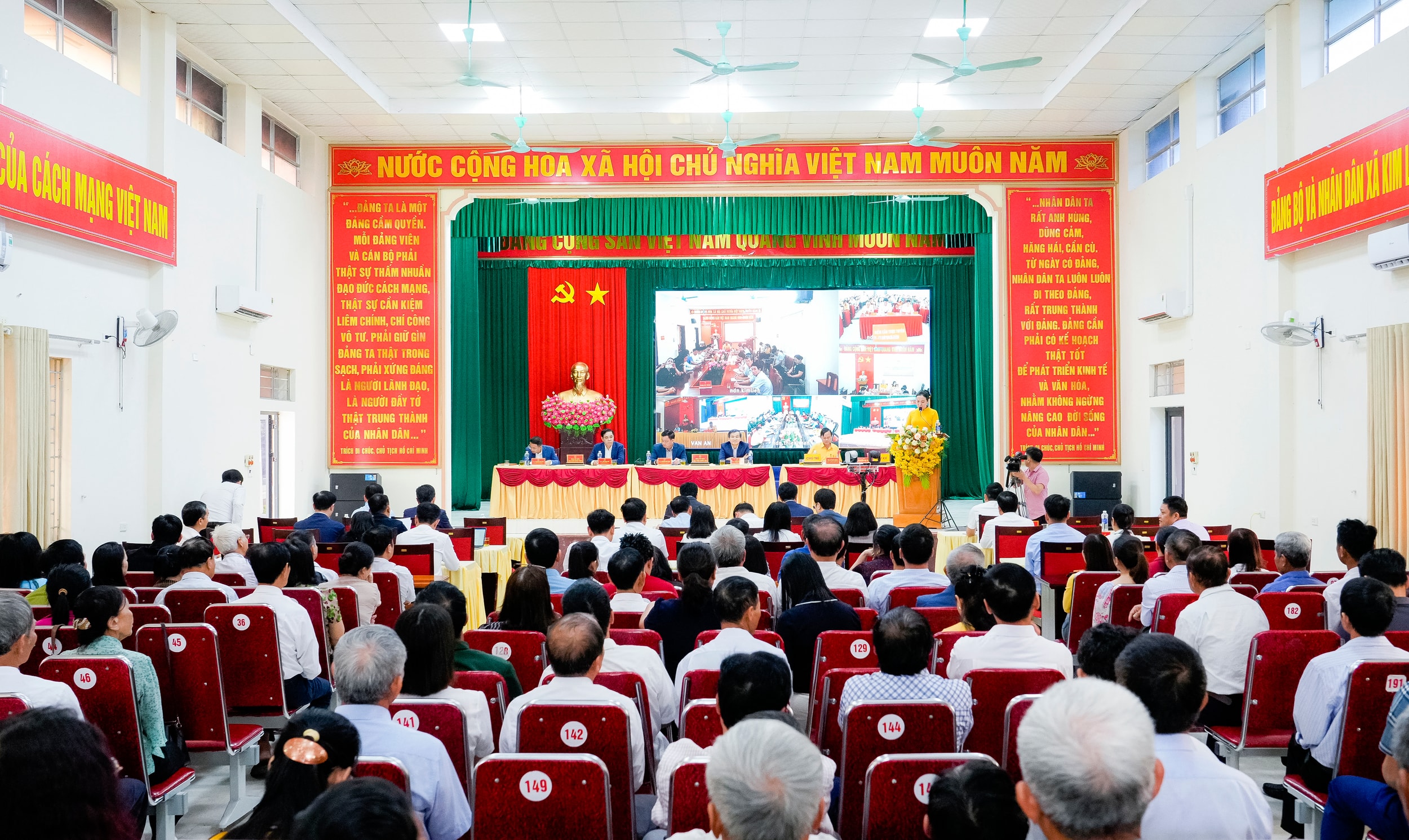
At these conferences, candidates present their action programs if they are elected. Voters frankly express their opinions and concerns; candidates engage in democratic and open dialogue, demonstrating a sense of responsibility to the people. This atmosphere of dialogue is the first test of each candidate's character and preparation.
Ms. Le Thi Hoai Chung, a member of the Provincial Party Committee and Director of the Department of Health, stated that when developing the action plan, she chose an approach that closely adheres to professional expertise and the local area of her candidacy. According to her, if elected, she will focus on strengthening grassroots healthcare, especially in disadvantaged areas; promoting proactive disease prevention; and paying more attention to women, children, the elderly, and vulnerable groups. She also emphasized the need to maintain regular contact with constituents and follow up on the resolution of their requests.
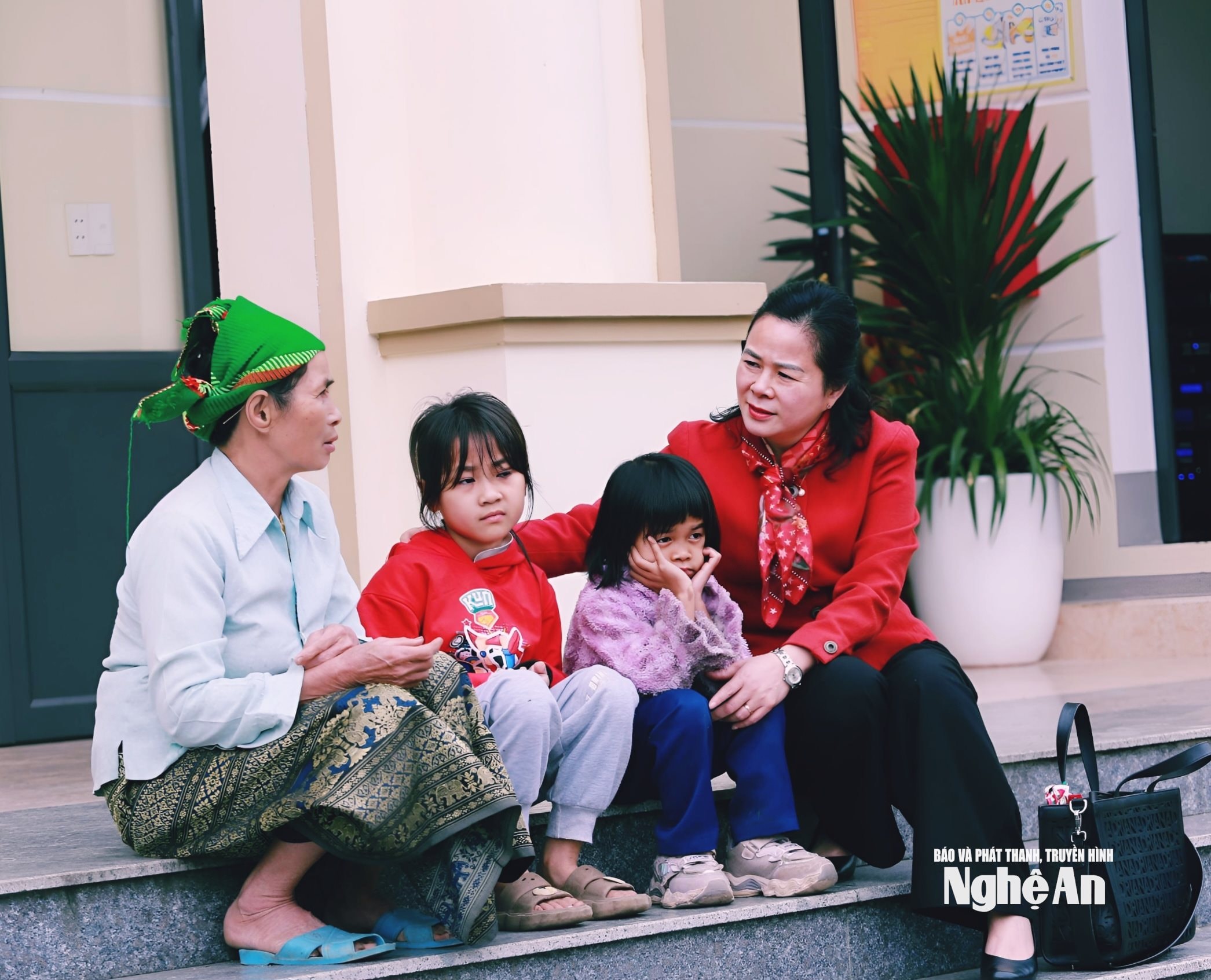
In the Tri Le highlands, Mr. Xong Ba Thai, head of Huoi Moi village, shared that this year's voter outreach meetings provided an opportunity for villagers to boldly express their thoughts and feelings. "The candidates listened, took notes, and exchanged ideas very specifically, making us feel closer and more trusting. We hope that the promises made today will become practical actions in the next term," he said.
Such interactions demonstrate that an action plan is not just a presentation document, but a public commitment to the voters. However, a commitment is only valuable when it is backed by the ability to implement it and to pursue it to the end.
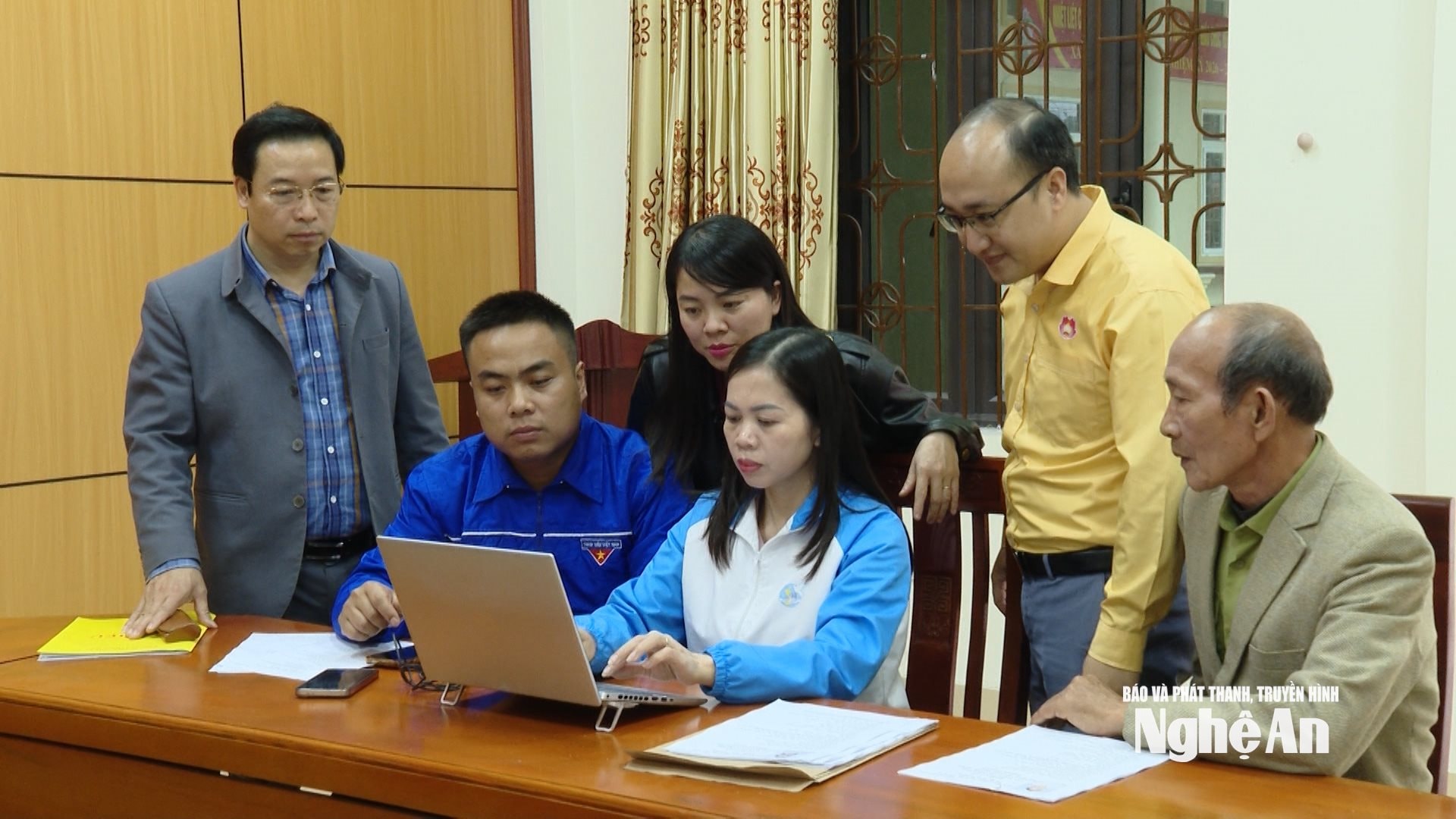
According to the Law on the Organization of the National Assembly and the Law on the Organization of Local Government, one of the important standards for representatives is "close contact with the people, listening to their opinions and enjoying their trust." Therefore, dedication in election campaigning is not just a formality, but the starting point of a representative-authorization relationship between voters and representatives.

The selection of delegates is not simply about fulfilling the quantitative structure, but about determining the quality of state power organs in the new term. In line with General Secretary To Lam's directive on focusing on effective leadership in personnel work – a crucial aspect of elections – the Standing Committee of the Nghe An Provincial Party Committee clearly defined the requirements: Personnel work must be open, transparent, and democratic; linked to cadre planning, the results of Party congresses at all levels, and the requirement to streamline the apparatus.
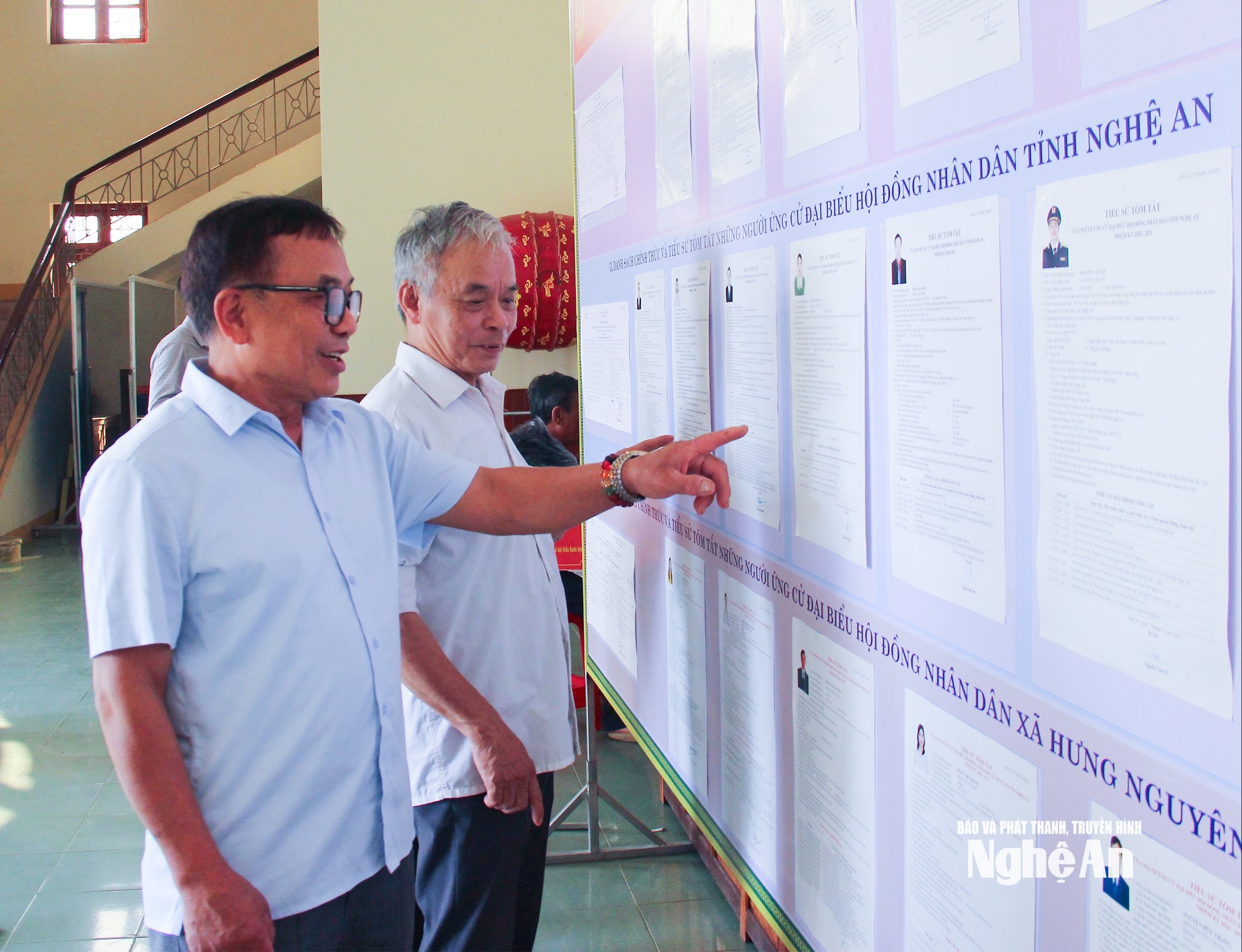
The principle of "prioritizing quality over compromising standards for structural reasons" is paramount. Comrade Nguyen Van Duc, Vice Chairman of the Tan Mai Ward People's Council, stated that in the context of reorganizing the administrative apparatus and implementing a two-tiered local government system with a larger geographical area and a larger population, the requirements for representatives are even higher. Structural requirements are necessary, but standards cannot be lowered for the sake of structure. Only by selecting individuals with sufficient qualities, capabilities, and prestige can the People's Council truly fulfill its role in local governance.
Following the third consultative conference, the official list of candidates in Nghe An ensures both requirements are met: adherence to structural guidelines and improved quality of delegates. Of the 28 candidates for the 16th National Assembly, 50% are women, 14.3% are young people, 17.9% are ethnic minorities, and 10.7% are non-Party members. Regarding qualifications, 100% hold a university degree or higher, with 71.4% holding postgraduate degrees. For the Provincial People's Council, out of a total of 140 candidates, 98.6% hold a university degree or higher, and 53.6% hold postgraduate degrees.
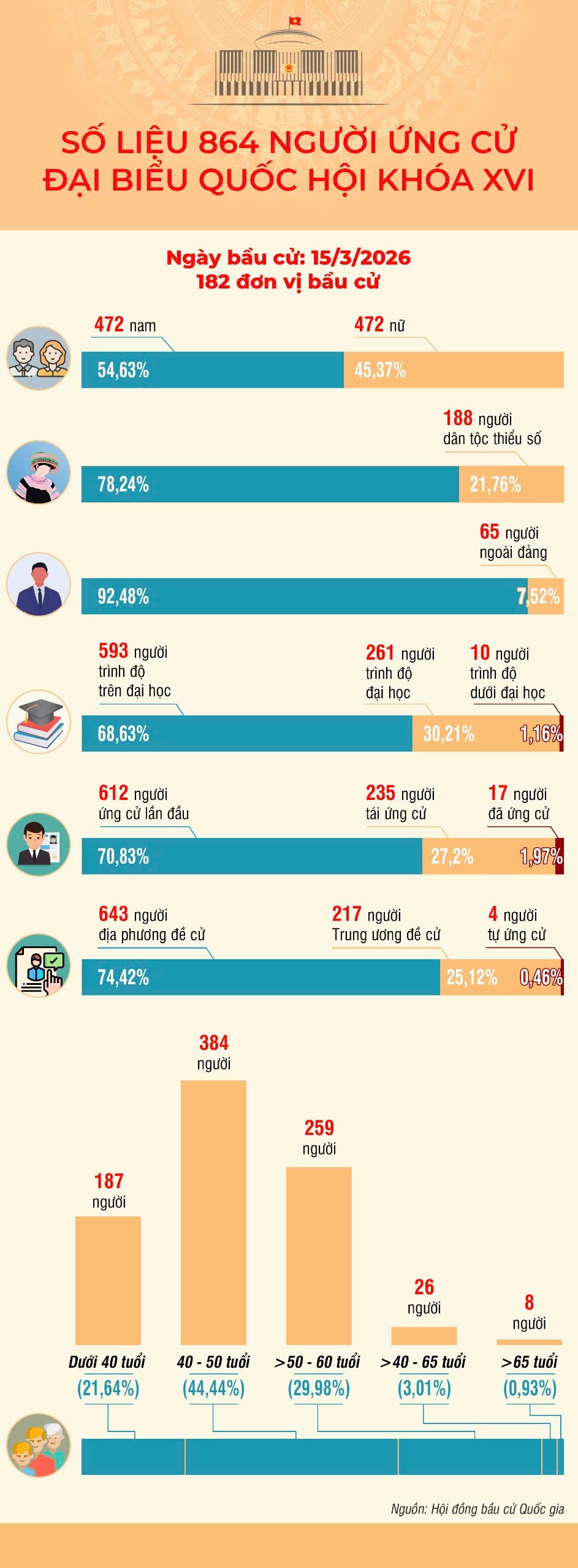
These figures reflect a shift in thinking from "sufficient structure" to "sufficient qualifications and exemplary performance." Comrade Hoang Nghia Hieu, Permanent Deputy Secretary of the Provincial Party Committee, Chairman of the Provincial People's Council, and Chairman of the Provincial Election Committee, affirmed that the goal is not only to elect the required number of delegates, but more importantly, to improve the quality of delegates and increase the proportion of full-time delegates to enhance the professionalism and effectiveness of elected bodies.
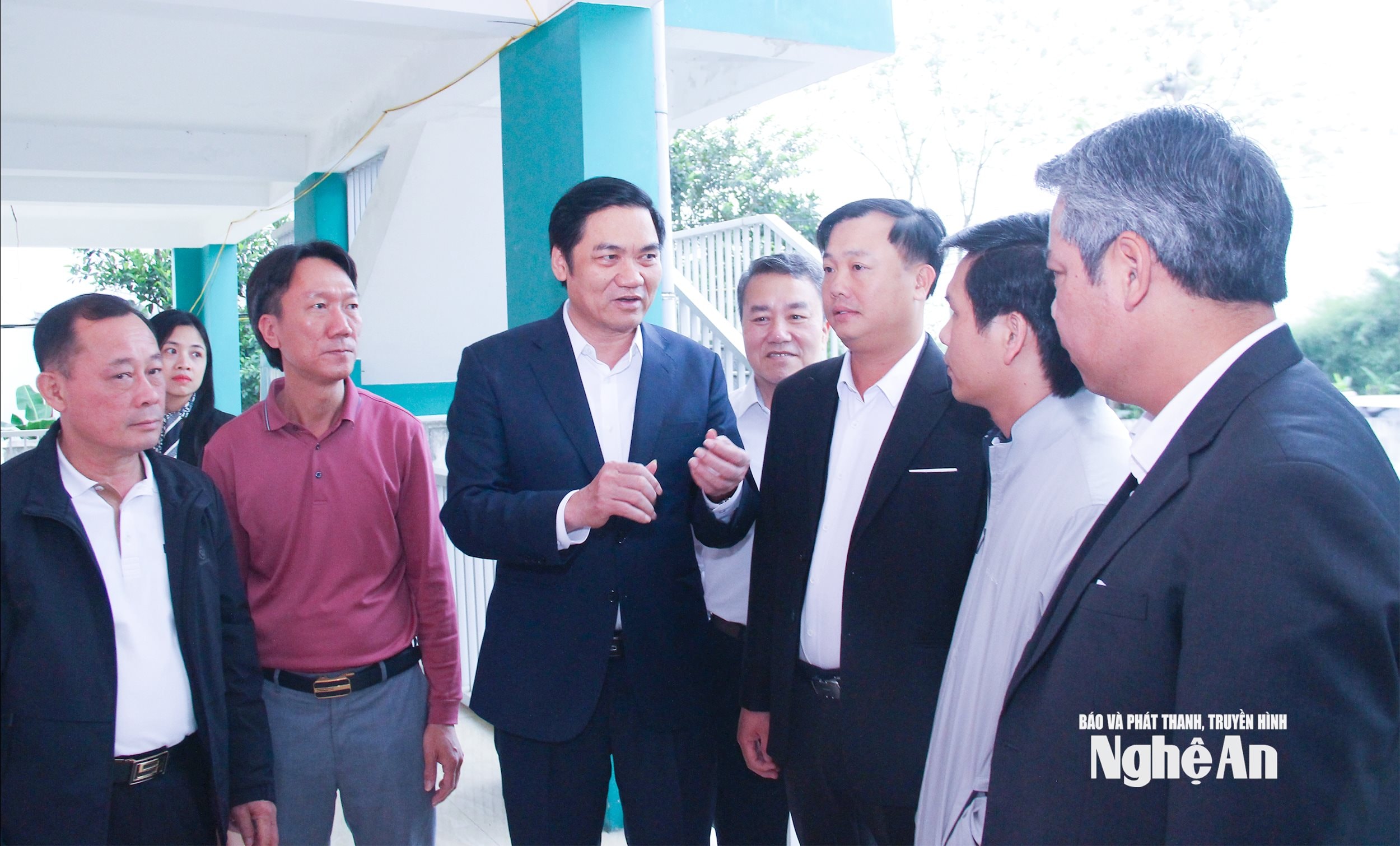
After the election, delegates enter the parliament with three basic functions: deciding on important national and local issues; supervising the implementation of laws; and representing the will and aspirations of the people. In the context of economic restructuring, digital transformation, administrative reform, sustainable development, and strong decentralization to localities, the agenda is becoming increasingly complex, requiring delegates to possess not only specialized knowledge but also analytical, critical thinking skills and political acumen.
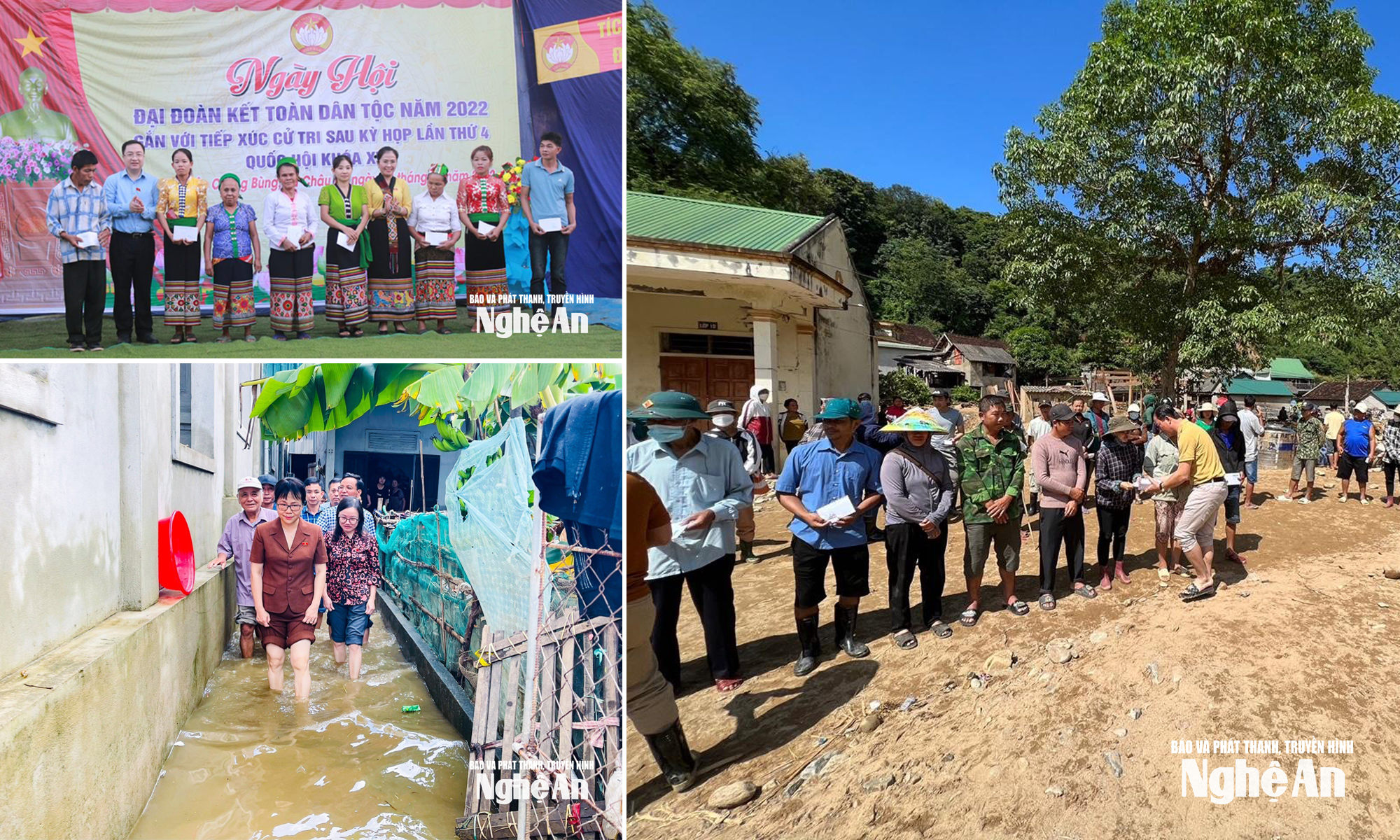
Comrade Nguyen Nhu Khoi - Vice Chairman of the Provincial People's Council - stated that the role of representatives should not stop at conveying opinions, but must also monitor the resolution process and provide clear feedback. Representatives must pursue the voters' recommendations to the end, not just stop at making statements in the assembly hall.
.jpg)
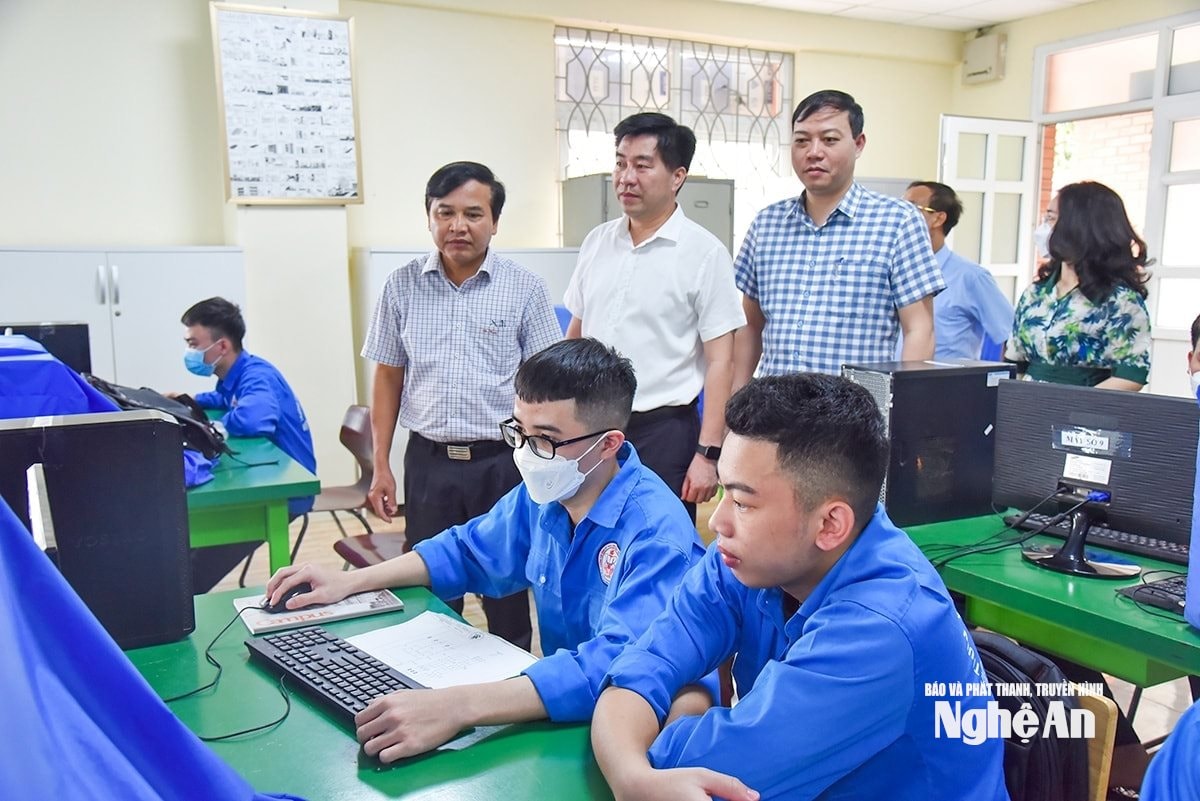
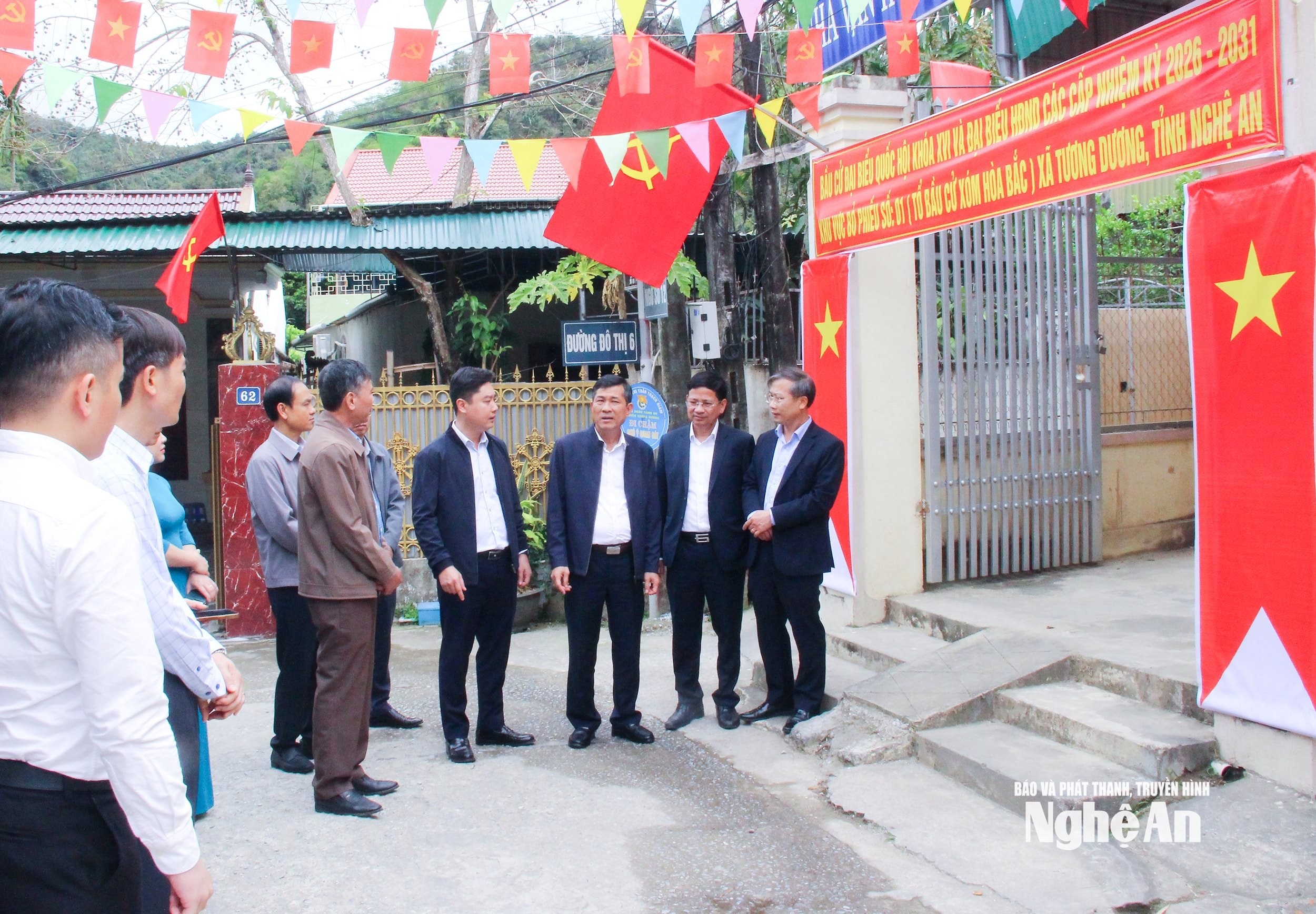
Comrade Trinh Van Nha, Secretary of the Party Committee and Chairman of the People's Council of Dai Dong commune, emphasized the need for continuous learning and updating of knowledge. Policies are becoming increasingly complex, and without self-improvement, it will be difficult to meet the requirements. Meanwhile, Comrade Tran Khanh Son, Secretary of the Party Committee and Chairman of the People's Council of Dong Hieu commune, stated that delegates must maintain close contact with the grassroots; without practical experience, it is difficult to make correct decisions.
From a research perspective, Dr. Nguyen Sy Dung stated: In the period 2026-2031, the development requirements will be at a higher level. Representatives must not only reflect the will of the voters but also be able to transform that will into feasible solutions; while simultaneously meeting the increasingly high demands for accountability.
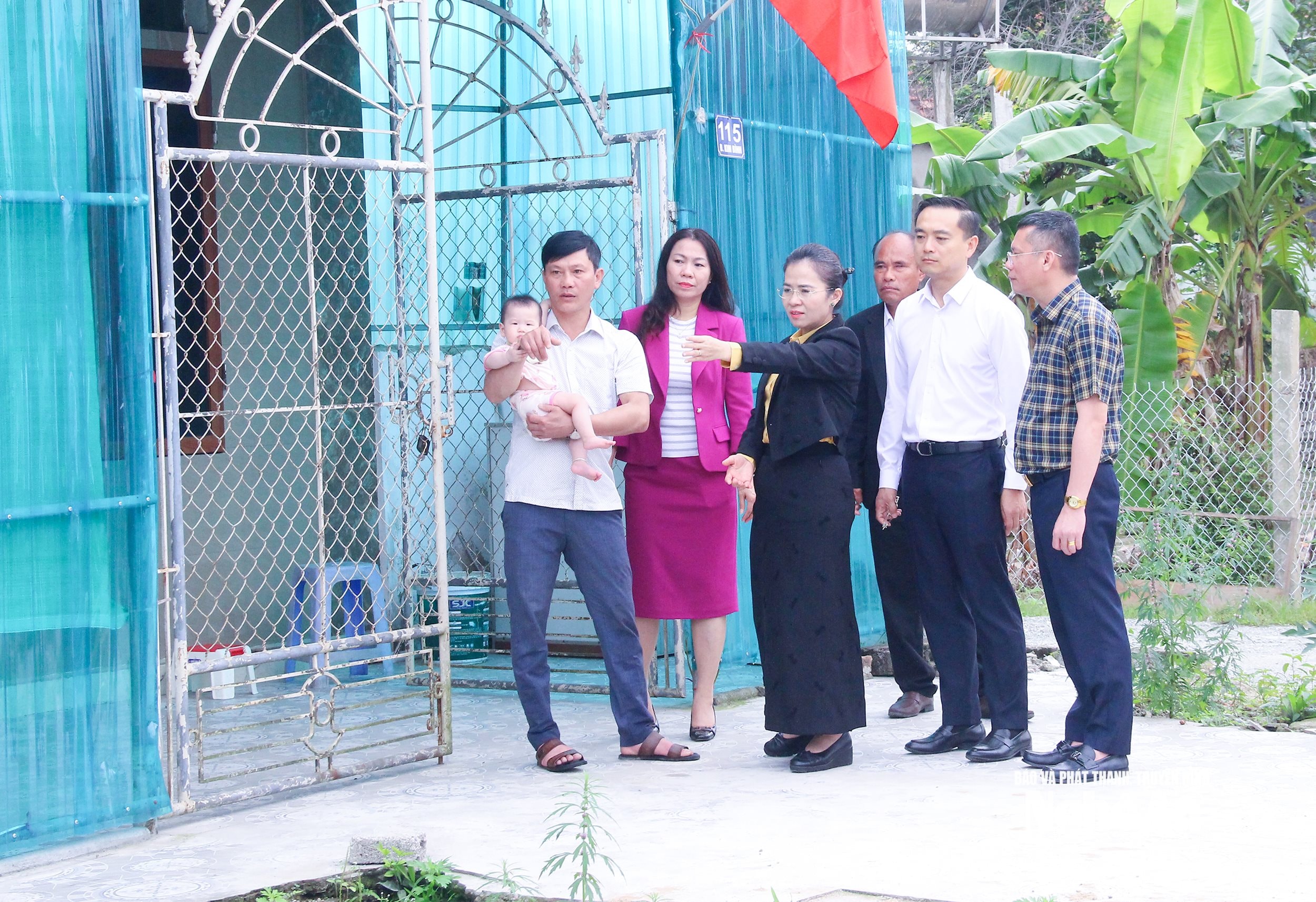
It is clear that the quality of representatives not only determines the effectiveness of elected bodies but also directly impacts the effectiveness of governance, public trust, and the quality of policies. Therefore, elections are not just a celebration, but a time for careful screening and selection.
Choosing the right people is not just a slogan, but a political decision with long-term significance. Each vote today not only empowers an individual, but shapes the quality of an entire term. And that quality will be tested by sound policies, concrete changes in people's lives, where commitments are translated into action, and trust is strengthened by tangible results.
(To be continued)


