
Part 3: Models for Adapting to Drought
As prolonged heatwaves and dwindling water resources become more scarce, the accumulated experience of generations begins to show its limits, and farmers understand they cannot continue to cope with outdated methods. In areas once considered the most disadvantaged, a quiet transformation is underway: from irrigation techniques and crop selection to creating value from agricultural products. This is not just an effort to overcome a drought, but a journey of learning to survive in a climate that has changed.
Reporters' Team |Design:Huu QuanJune 27, 2026
As prolonged heatwaves and dwindling water resources become more scarce, the accumulated experience of generations begins to show its limits, and farmers understand they cannot continue to cope with outdated methods. In areas once considered the most disadvantaged, a quiet transformation is underway: from irrigation techniques and crop selection to creating value from agricultural products. This is not just an effort to overcome a drought, but a journey of learning to survive in a climate that has changed.

Born and raised in the coastal area of Quỳnh Anh, Mr. Nguyễn Văn Vĩnh still vividly remembers the severe droughts of summer, when wells dried up completely, and the whole family had to take turns tending to each bucket of water to save their crops. At that time, drought relief relied mainly on human effort: digging more wells, installing more hoses, and taking advantage of every spare moment during the day to water the plants. But in recent years, with longer periods of hot weather and dwindling groundwater resources, this familiar method has gradually revealed its insurmountable limitations.
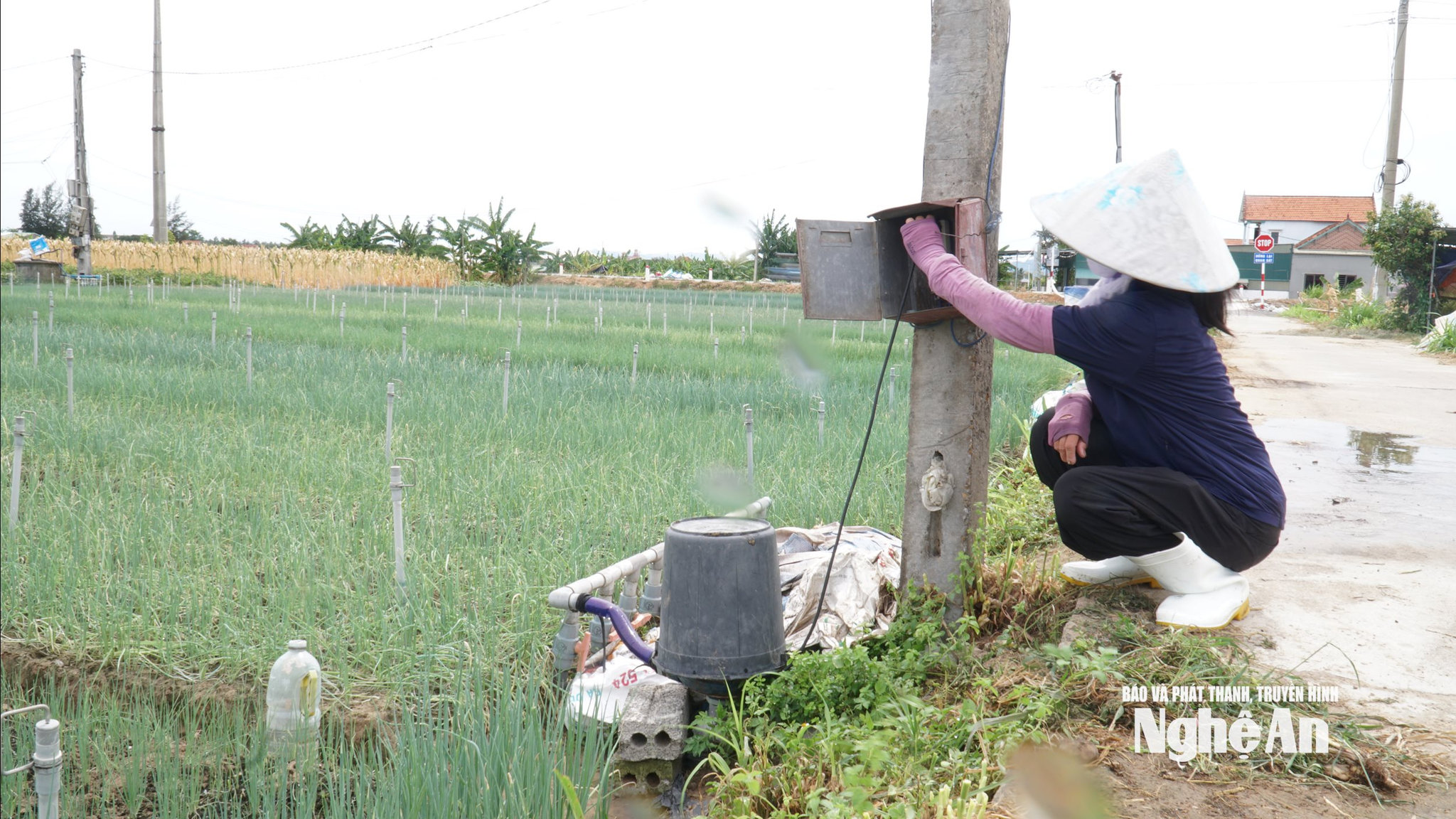
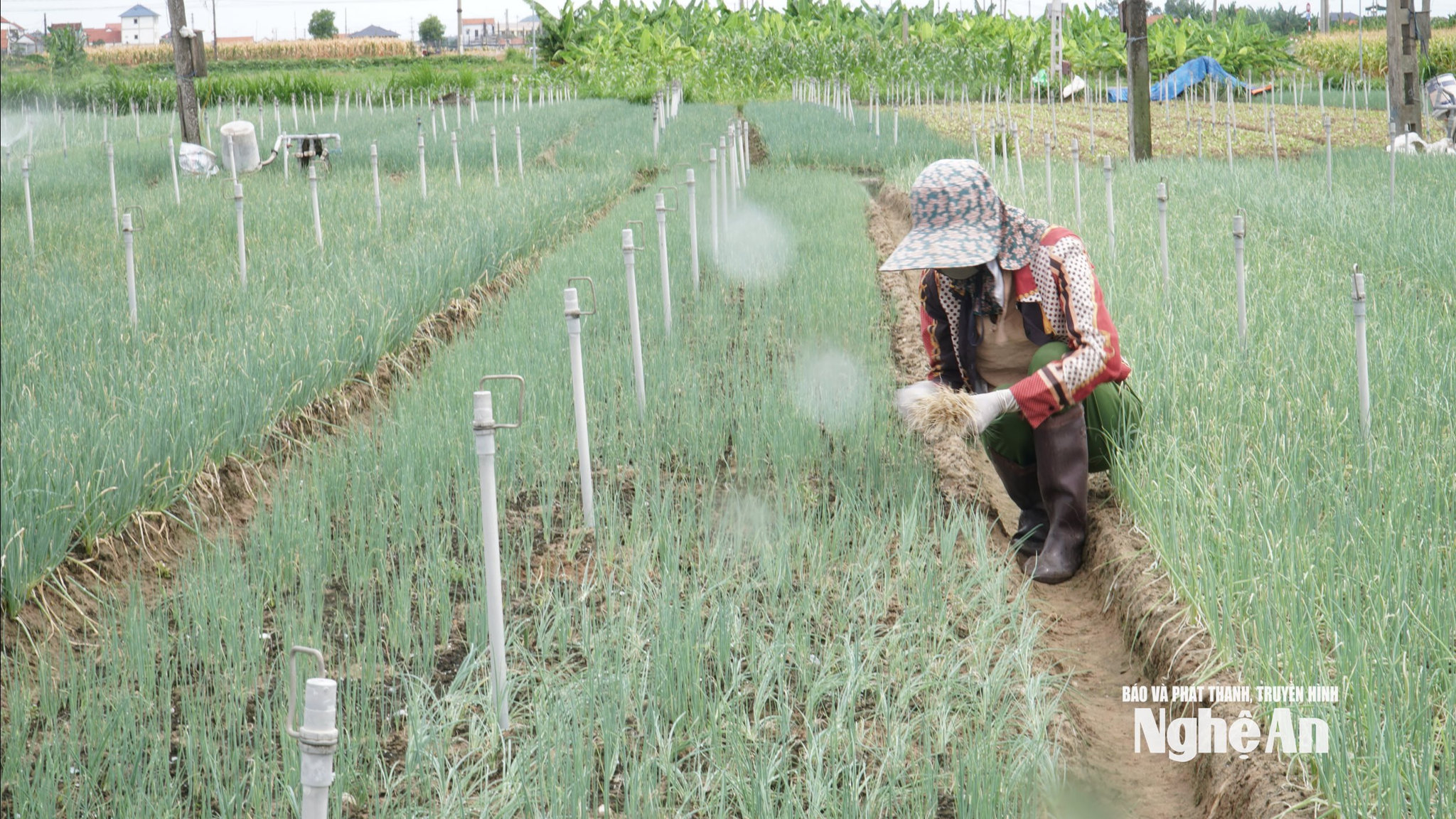
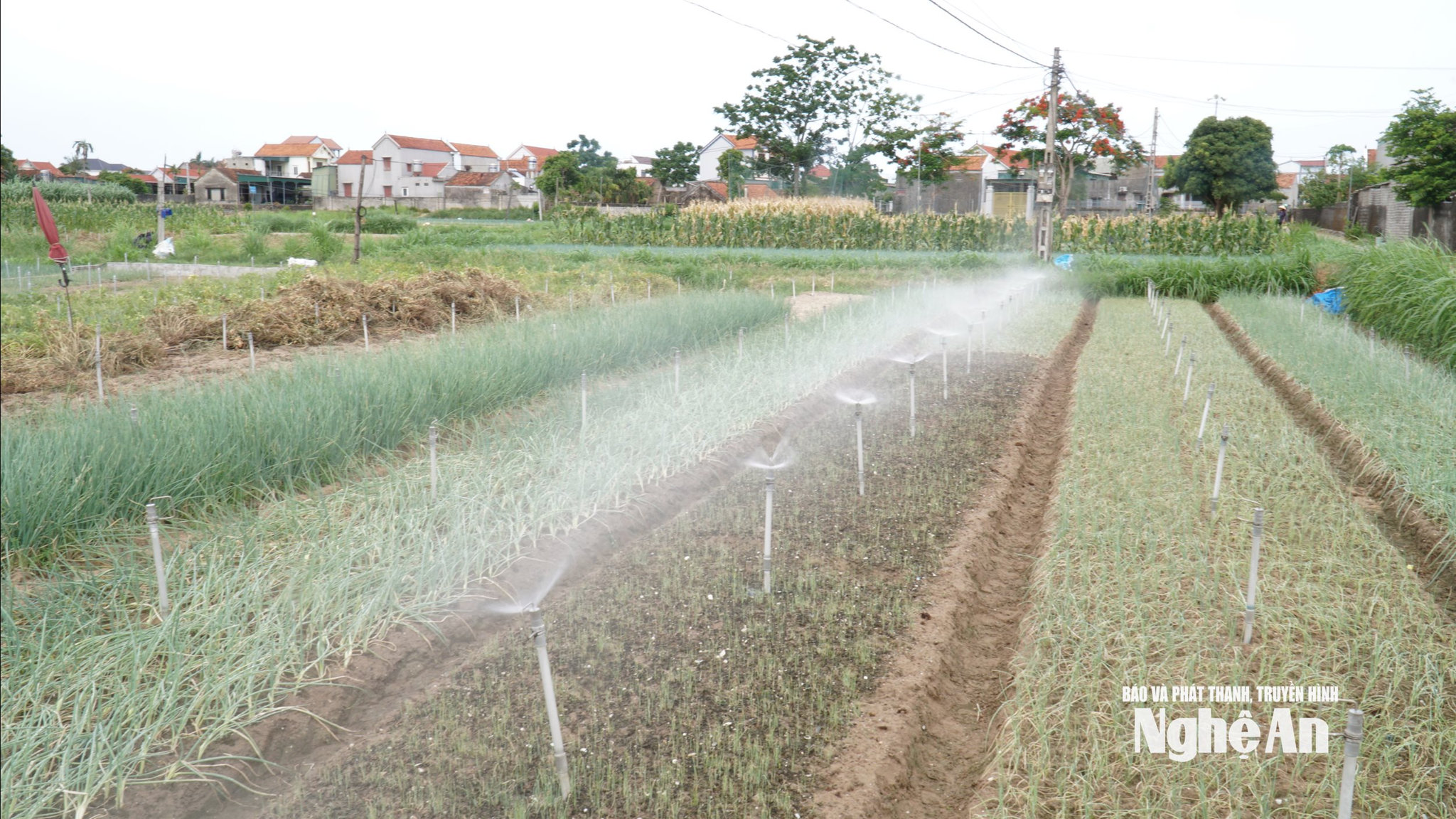
Continuing his ancestors' tradition of cultivating vegetables on a one-hectare plot with the motto "eat what's in season," Vinh understood that maintaining the old methods would make long-term sustainability difficult. The land at the foot of the mountain was already water-scarce, and the situation worsened during the summer months. Therefore, instead of waiting for drought to strike before taking action, his family proactively planned for water storage. An additional water reservoir was dug, and nine wells were strategically placed to utilize groundwater. With an investment of approximately 9-12 million VND per sao (a unit of land measurement) for a semi-automatic sprinkler system, a single switch can irrigate an entire hectare of vegetables in just a few hours.
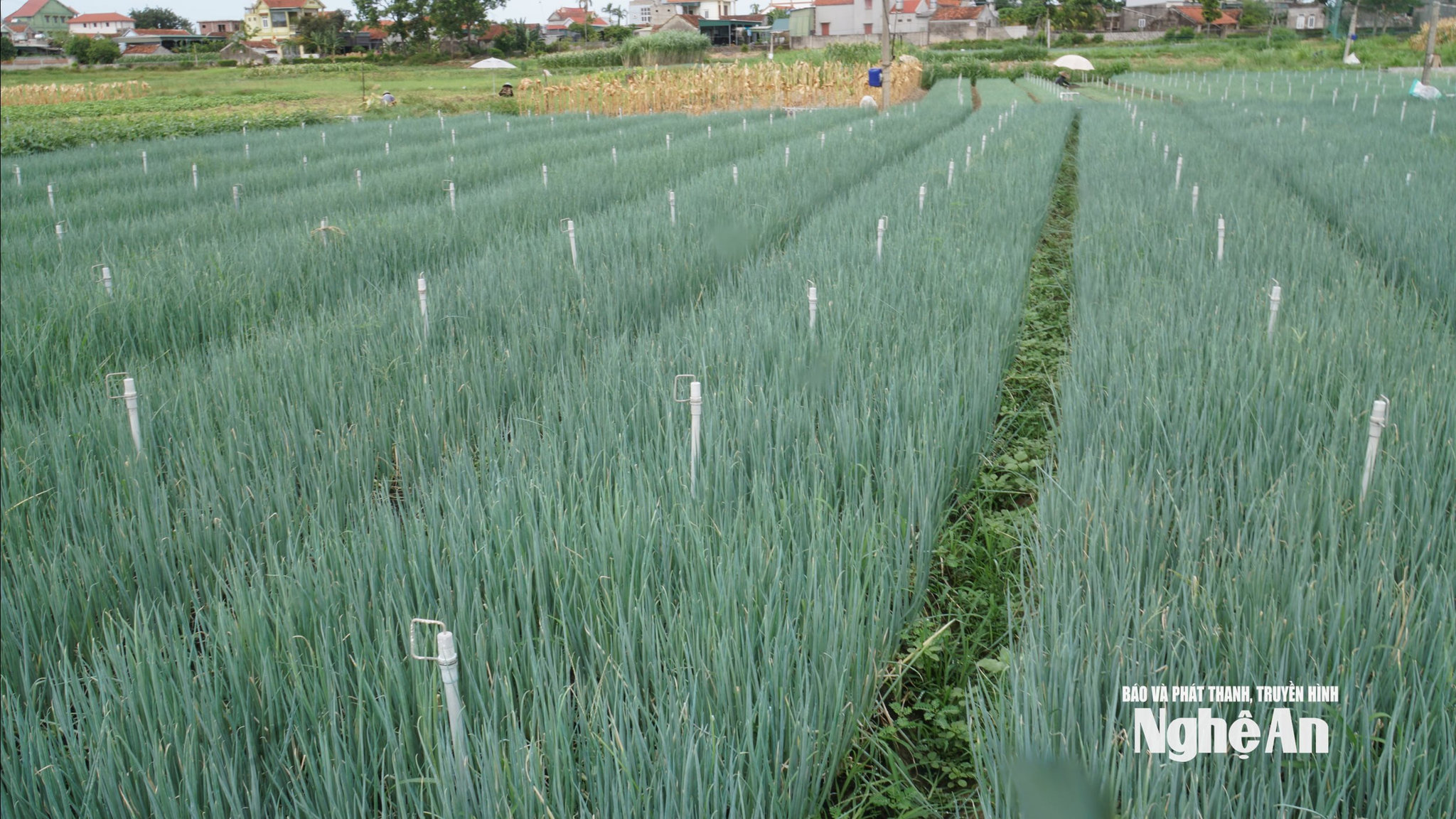
Thanks to this, even during the hottest months of May and June, his family only needs to let the land rest for about a month before starting a new production cycle. "When water was unreliable, I only dared to plant climbing gourds because they are easier to care for and require less irrigation. Since having a water storage pond and investing in a semi-automatic sprinkler system, I've been utilizing the land under the trellises to intercrop with vegetables and grow corn for leaves to feed deer. A gourd crop lasts about 45 to 60 days, yielding 1.2 to 1.5 tons per sao (approximately 1000 square meters). With the same area, the income is completely different from before," Mr. Vinh shared.
This change didn't just happen at the household level. At the Quynh Bang Agricultural Cooperative, the Board of Directors proactively sought out production models in the Central Highlands to learn about drought mitigation. After those trips, they decided to invest in a centralized water storage system covering 1,000 square meters right in the middle of the production area. Three high-capacity pumps continuously draw water into the reservoir. When the water level reaches the standard threshold, natural pressure pushes the water through a main pipeline 40 to 60 meters long to each production area. This operating mechanism solves many problems simultaneously: a stable water supply, consistent machinery operation, reduced breakdowns, and significant energy savings.
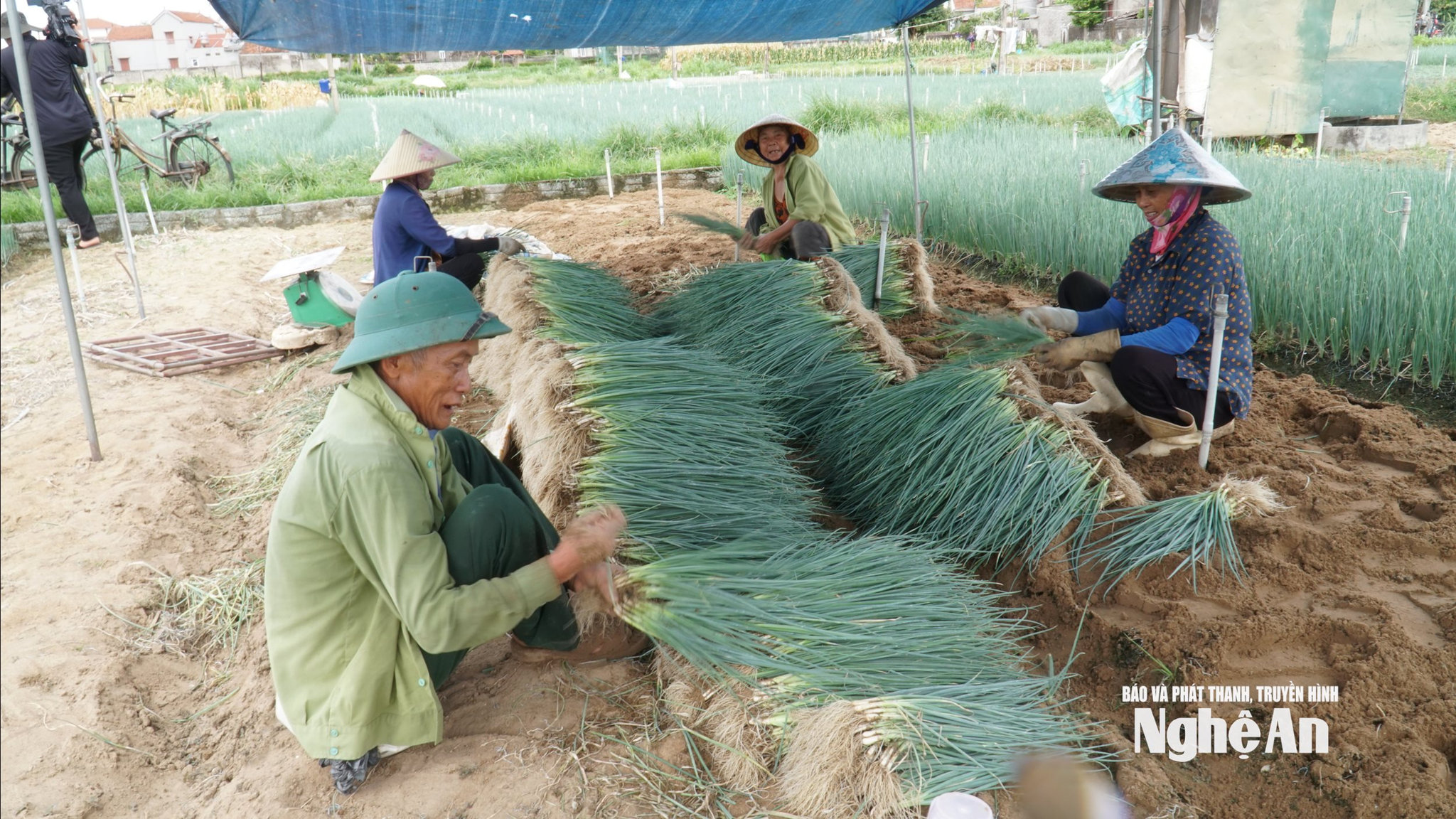
From combating drought to preserve crops, people have gradually shifted to the problem of efficient water use to increase production value. On areas previously requiring sparse planting of climbing plants like fragrant gourds and Lao gourds to reduce irrigation pressure, the gourd trellises remain green, but the space below is utilized to grow scallions and other short-term leafy vegetables, providing people with additional income per unit area. On average, one sao (approximately 1000 square meters) of scallions yields 1.6 to 1.8 tons after 45-50 days, generating revenue of 13 to 15 million VND. Meanwhile, the upper layer of gourd trellises, with a cycle of about 55 days, also brings in revenue of approximately 400 million VND per hectare.
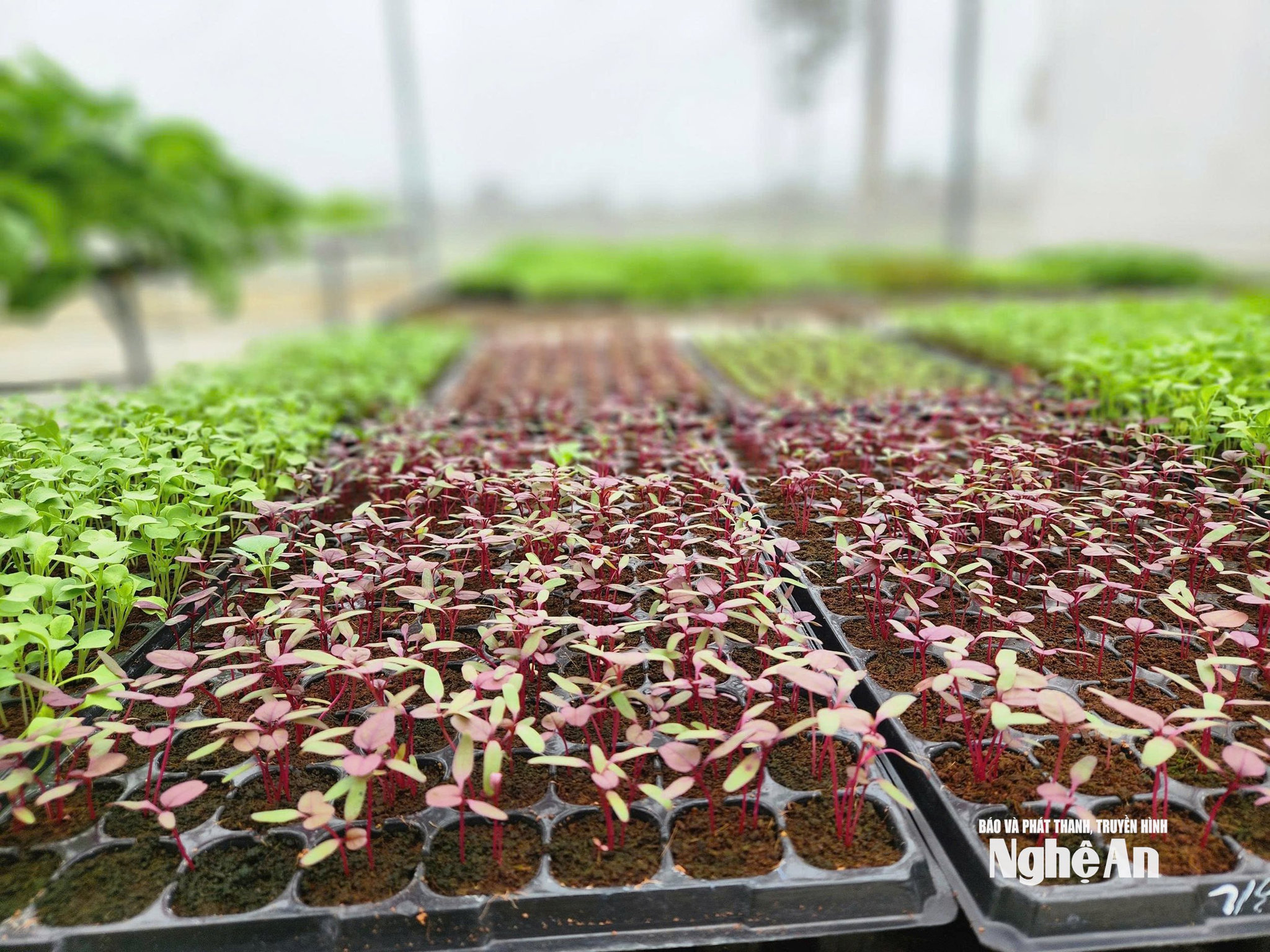
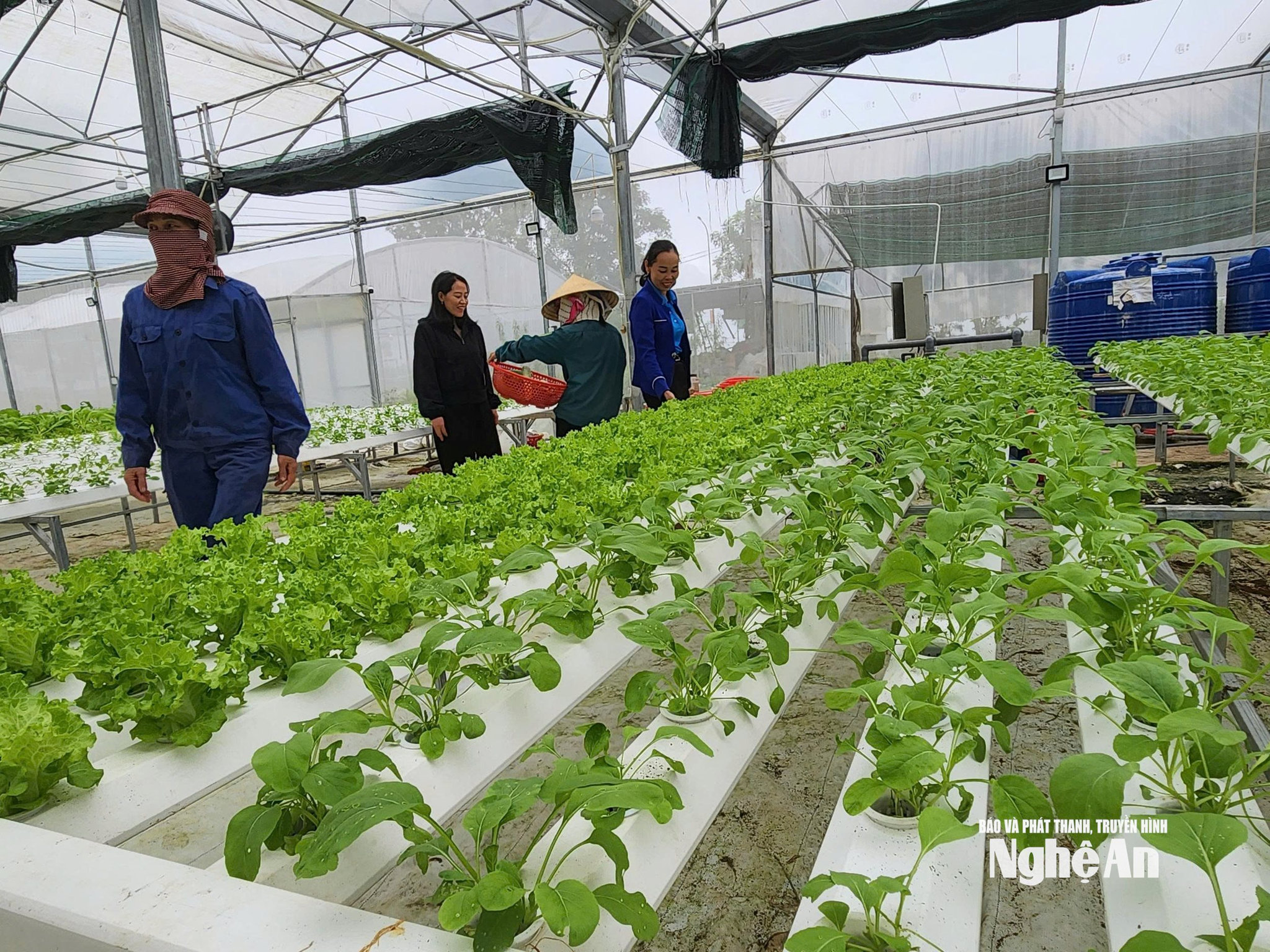
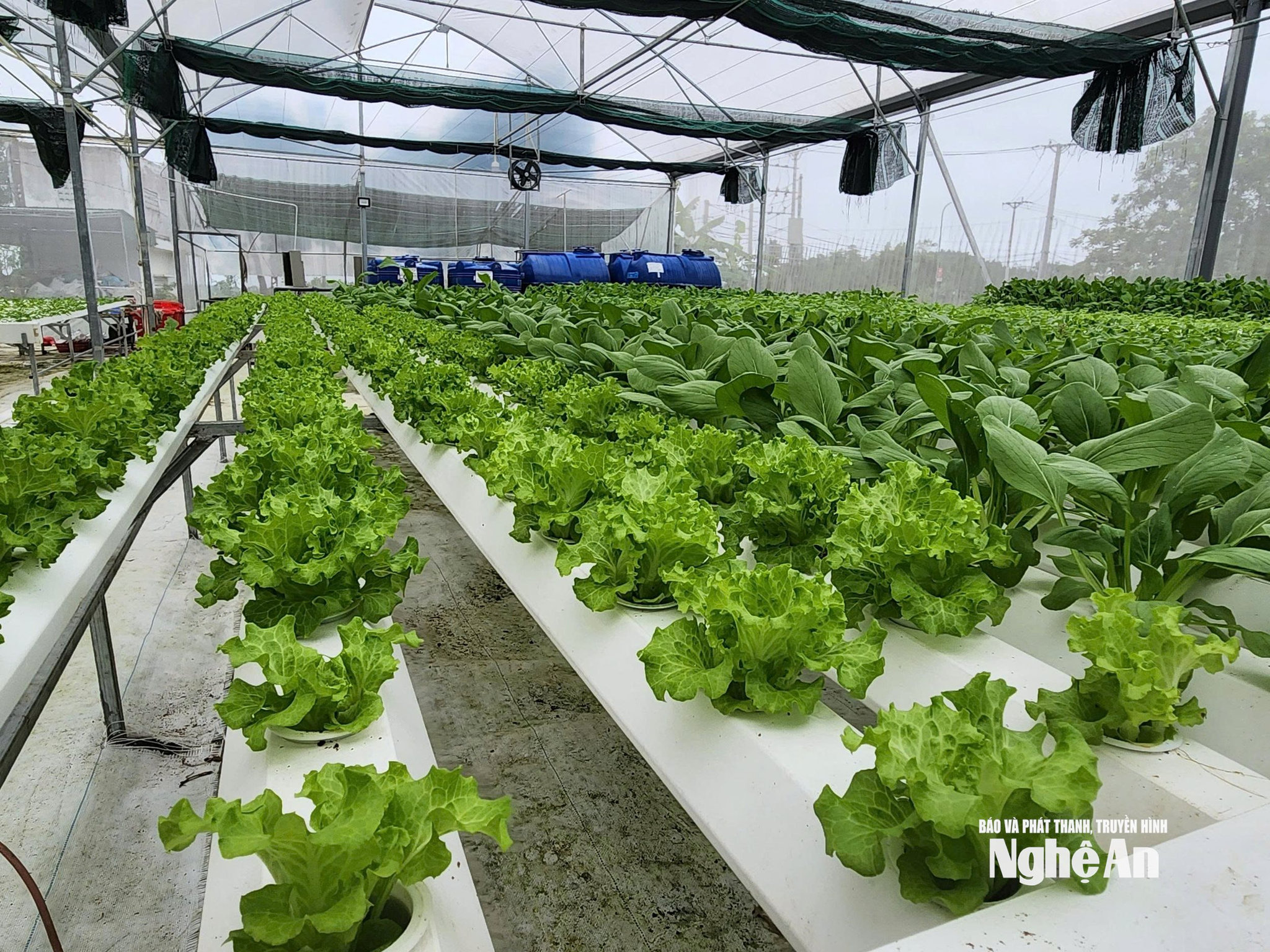
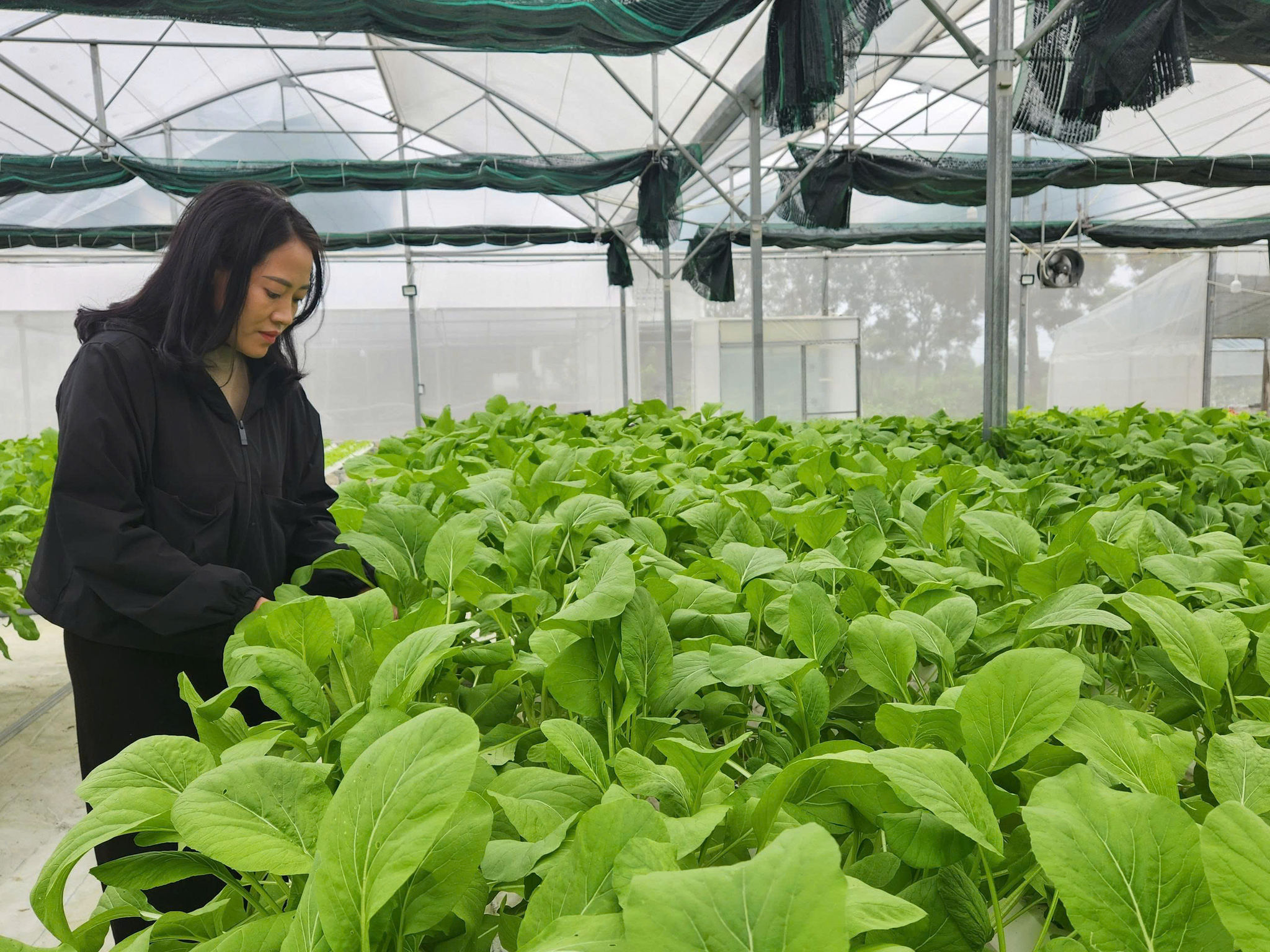
Leaving the coastal plains, the story of adapting to drought continues in a different way in the semi-mountainous region of Tan Son. Established in 2021 on an area of 6.5 hectares, the Duy Tan Clean Vegetable and Fruit Cooperative has dedicated more than one hectare to building a modern hydroponic vegetable cultivation system in greenhouses. In this enclosed space, water is no longer irrigated haphazardly or runoff from the ground, but is continuously circulated through an automated control system.
Ms. Duong Thi Lien, Director of the Cooperative, said that what makes this model different is not only its strict production process, but also its ability to save water resources. Using a closed-loop recirculating hydroponic system, the farm reduces irrigation water by about 40% compared to traditional farming methods, while still maintaining a production of hundreds of tons of vegetables annually to supply schools, organic food chains, restaurants, and large supermarkets.

While in Quynh Anh or Tan Son, adaptation began with more efficient water use to preserve familiar crops, in many upland, downstream areas, people were forced to make a more drastic choice: changing the crop structure to suit the new conditions. The raw material area of Thao Duoc Import-Export Co., Ltd. in Bach Ngoc commune is an example. Few would have thought that the land now covered with perilla, basil, and lemongrass was once abandoned due to lack of water. In 2021, when she took over the 1.5 hectares of land, Ms. Nguyen Thi Hang, the company's director, faced much skepticism. "If we planted the old way, it would be difficult. But every type of land has its own suitability. The problem is whether we can find the right crops," she said.
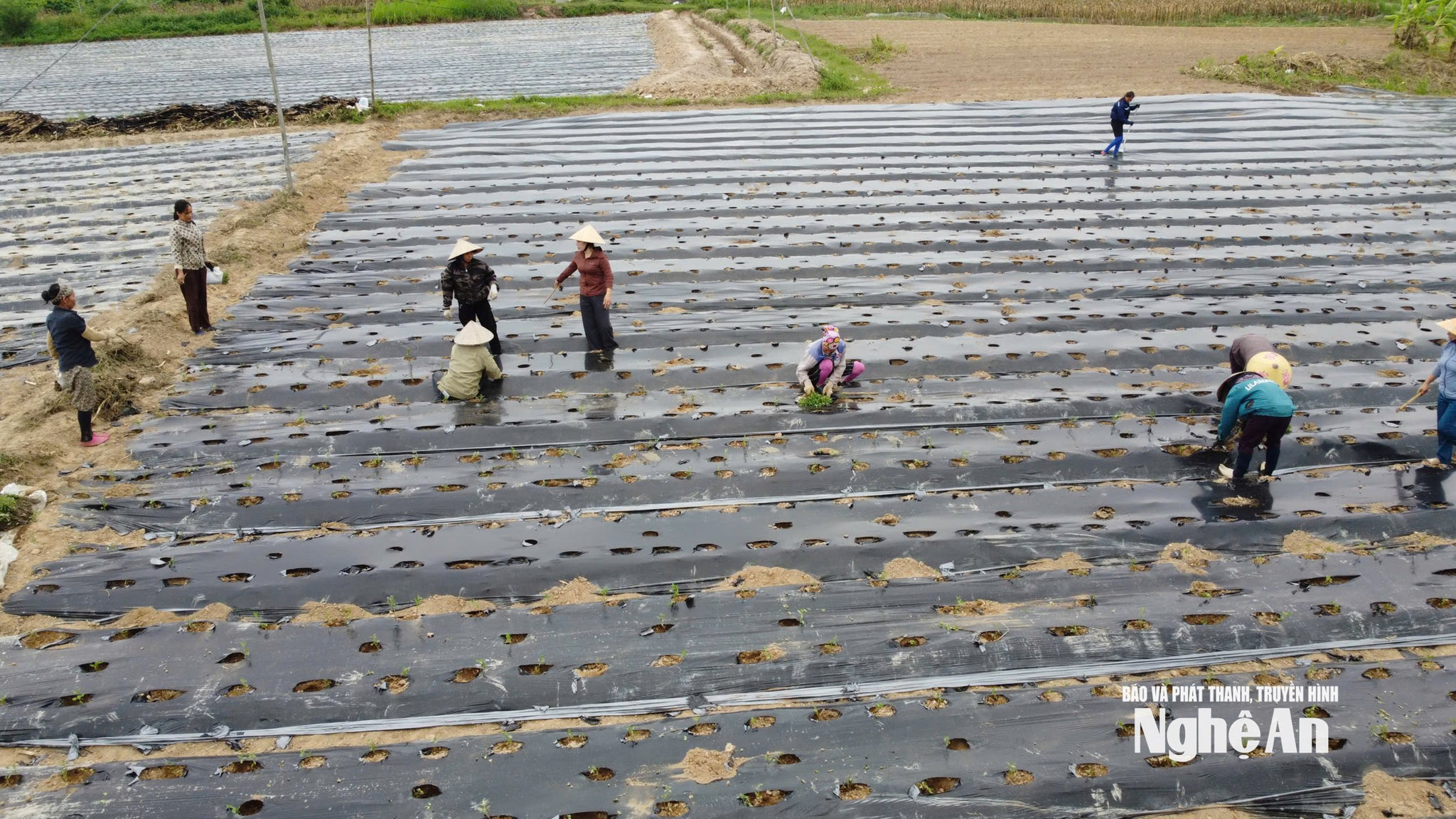
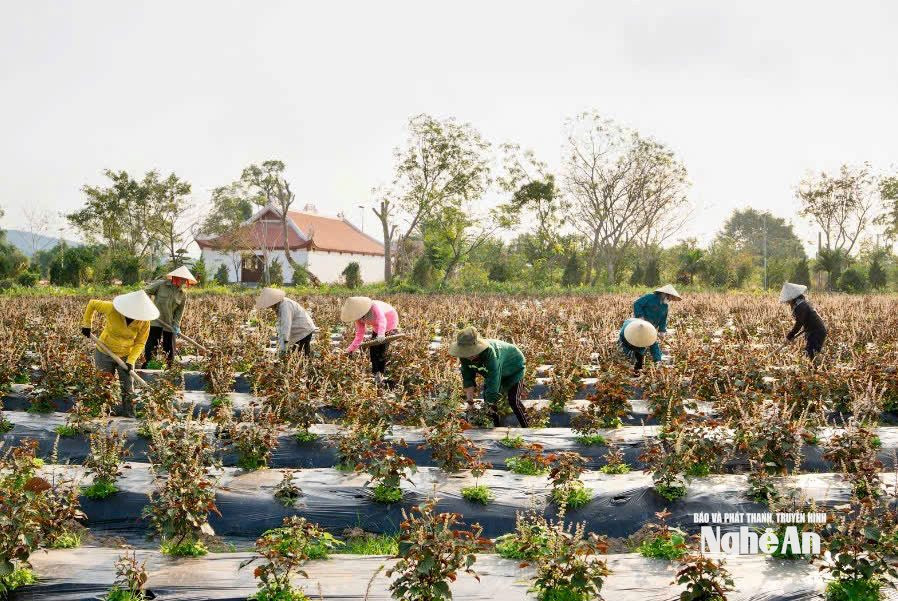
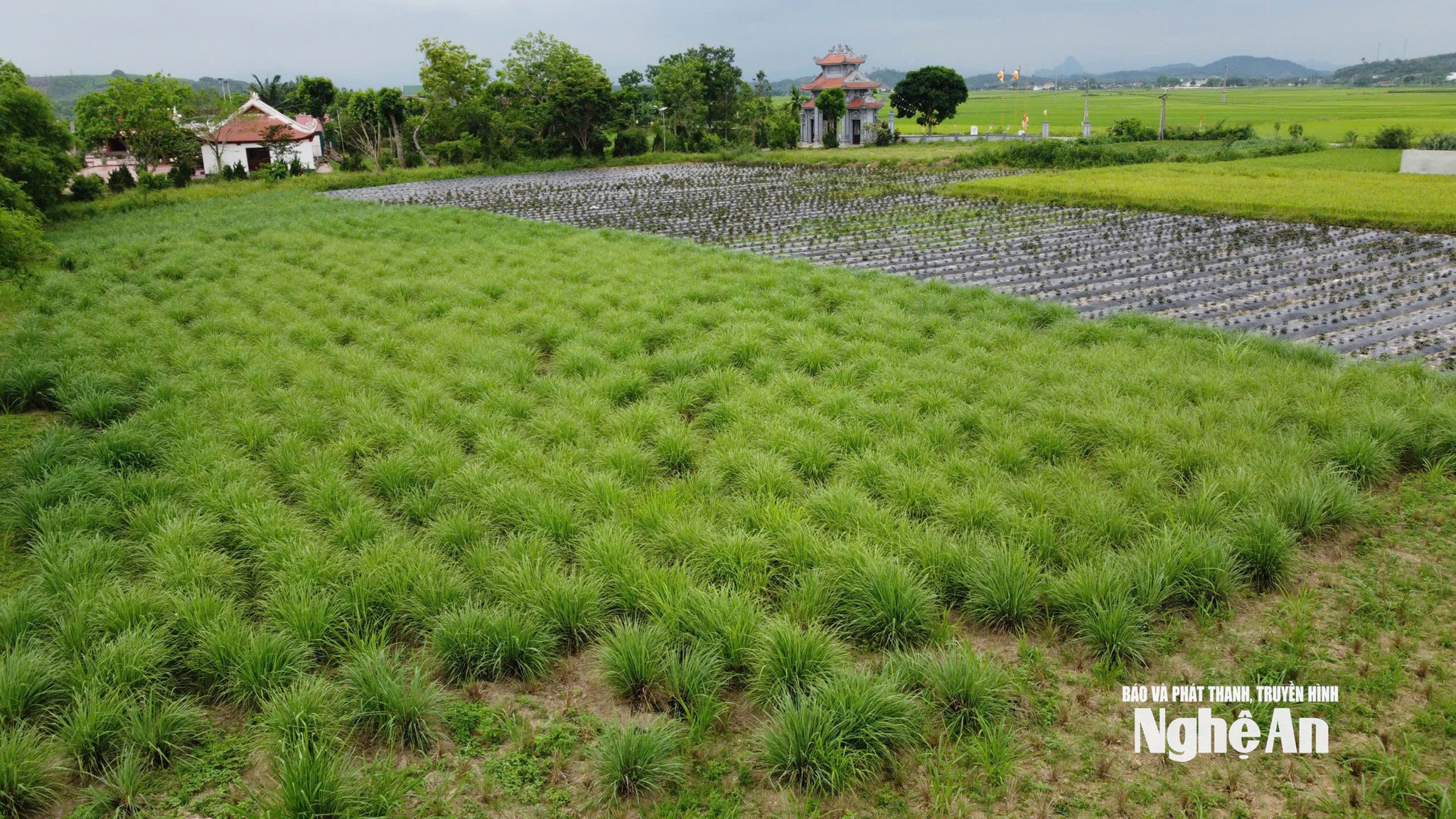
Understanding that water is a prerequisite, the company invested in channeling water from the internal irrigation canal system to ditches surrounding the raw material area, and installed small pumps to supply water at the right time. As the irrigation problem was gradually solved, drought-resistant plants such as perilla, basil, mugwort, turmeric, and lemongrass began to take root in the arid land. From an initial 1.5 hectares, the linked area has now expanded to approximately 6 hectares. From this source of medicinal herbs, the company has developed 26 product lines, including 10 products that have received provincial-level OCOP certification. This proves that, on land once considered disadvantaged, adaptation not only helps maintain production but also opens up new avenues with higher economic value.
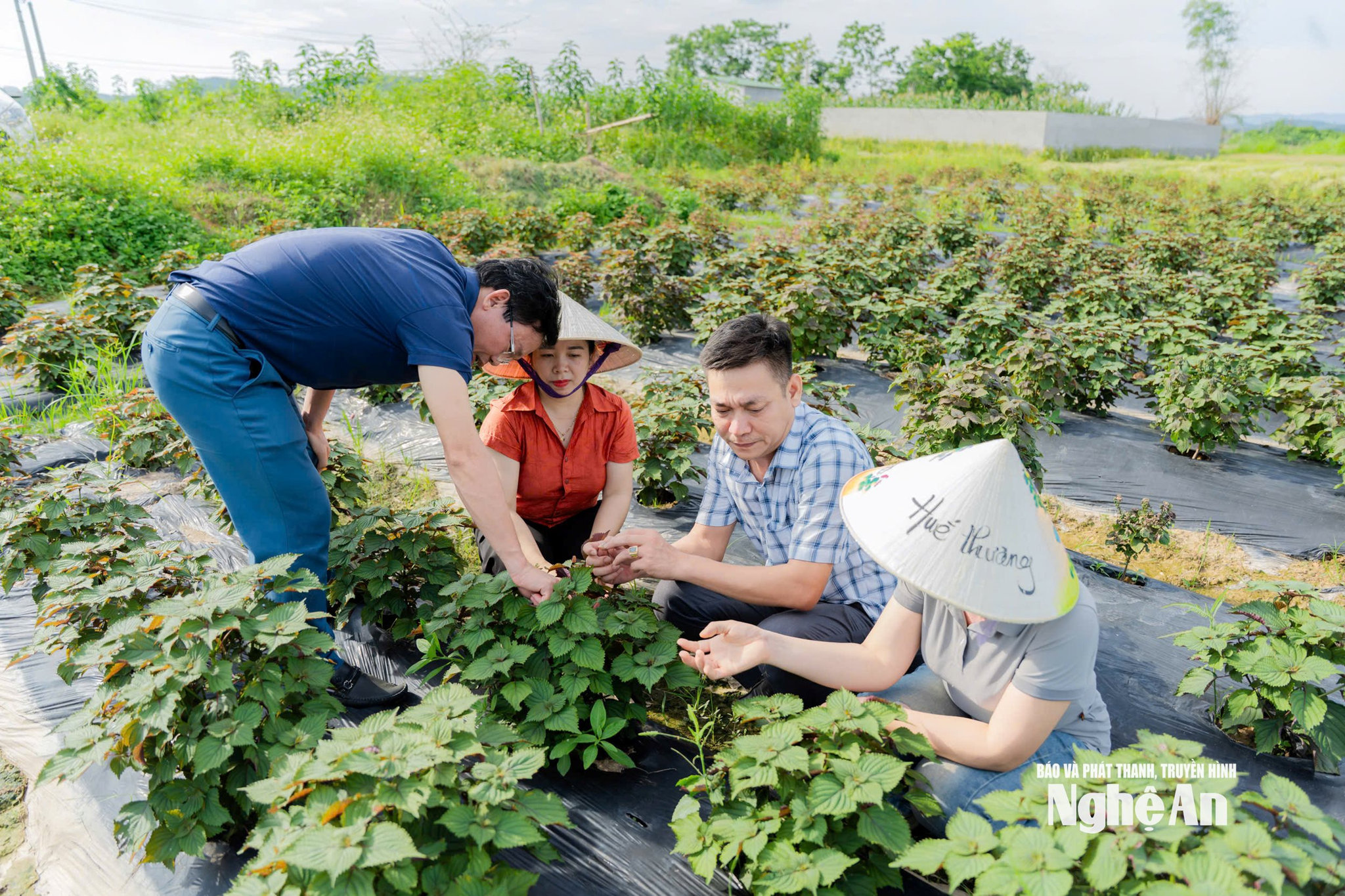
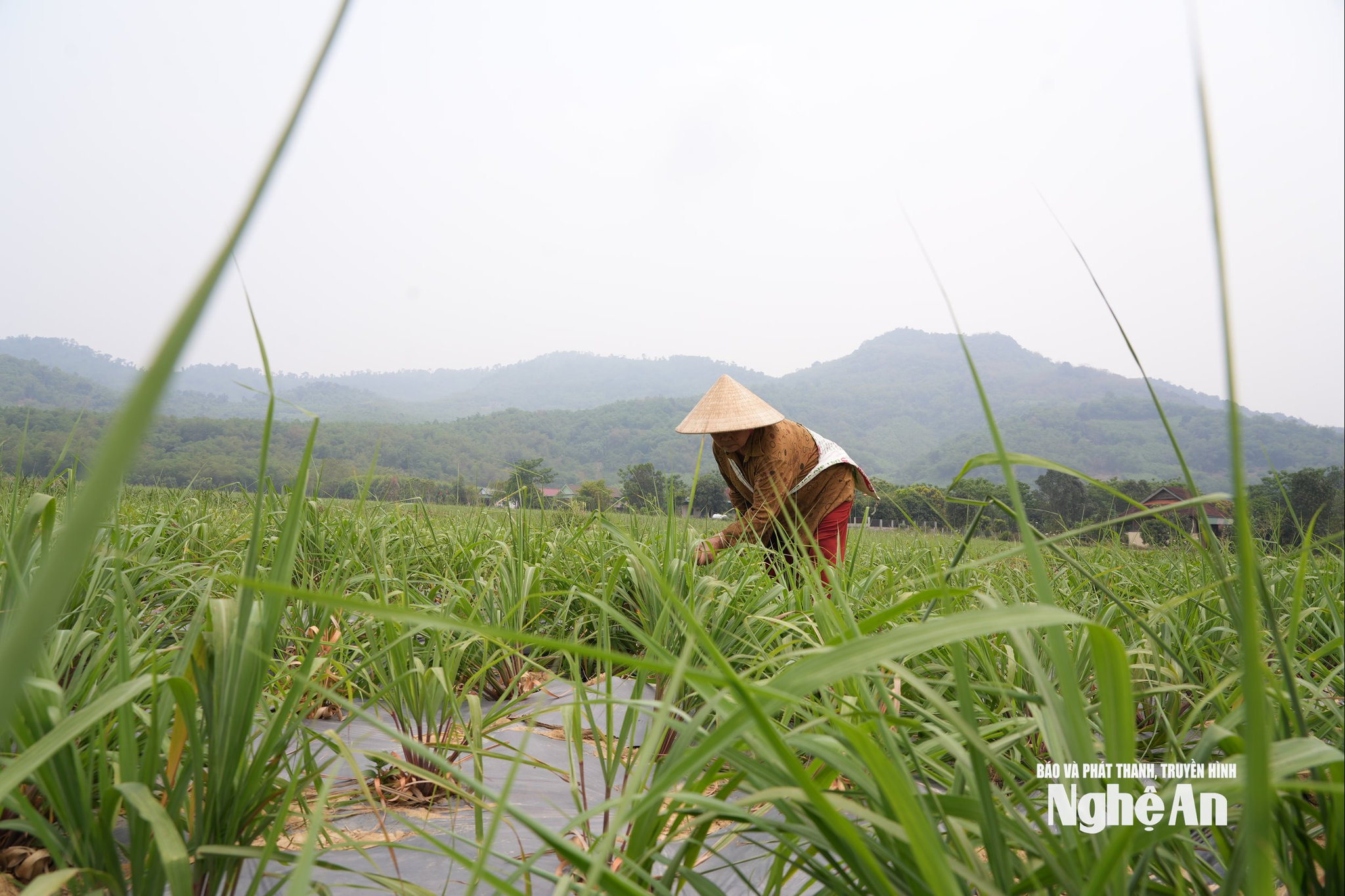
In Chau Khe border commune, people are shifting from cultivating corn, cassava, and sugarcane that frequently failed due to water shortages to growing Java lemongrass, basil, and five-veined melaleuca. These medicinal plants are not only drought-resistant and less susceptible to pests and diseases, but they also open up new production avenues linked to guaranteed purchase agreements and essential oil processing, gradually forming concentrated raw material areas and creating more stable livelihoods for people in the border region. Alongside this, many value chain production models have been implemented, helping farmers secure their output and reducing their dependence on weather and the free market.
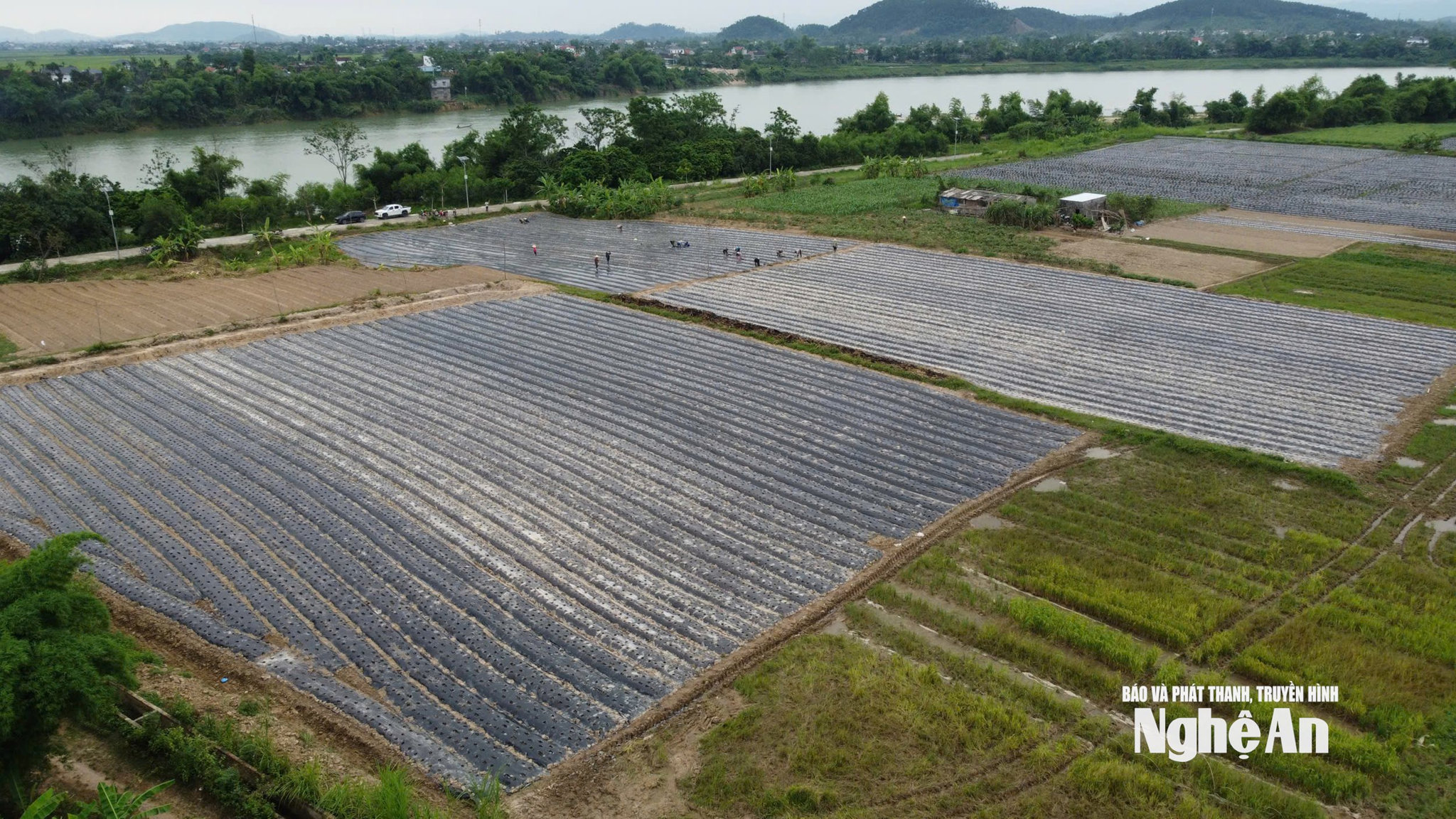
After many seasons of struggling against drought, more and more localities are beginning to re-evaluate their high-lying, downstream, or consistently unproductive rice paddies to reconsider their farming methods. Some areas are being converted to growing biomass corn for livestock feed; others are introducing mung beans and sesame; and many regions are boldly developing fruit trees, medicinal plants, or fodder crops for large livestock.
During the period 2020-2025, the entire province converted nearly 2,200 hectares of low-yield rice land to other crops, bringing in incomes ranging from 40 to 200 million VND per hectare, significantly higher than traditional rice cultivation. In 2026, Nghe An aims to convert an additional 225 hectares.

Not every place adapting to drought begins with crop diversification. In many fields in Nghe An province, people still choose to stick with rice cultivation, the only difference being that they have to change their farming methods. After years of witnessing pumps working overtime during peak hot weather, the Lam River's water level constantly dropping, and pumping stations struggling to bring water to the end of the canal, more and more people are realizing that if they maintain their old farming habits, even rice will become a burden on the already fragile water resources.
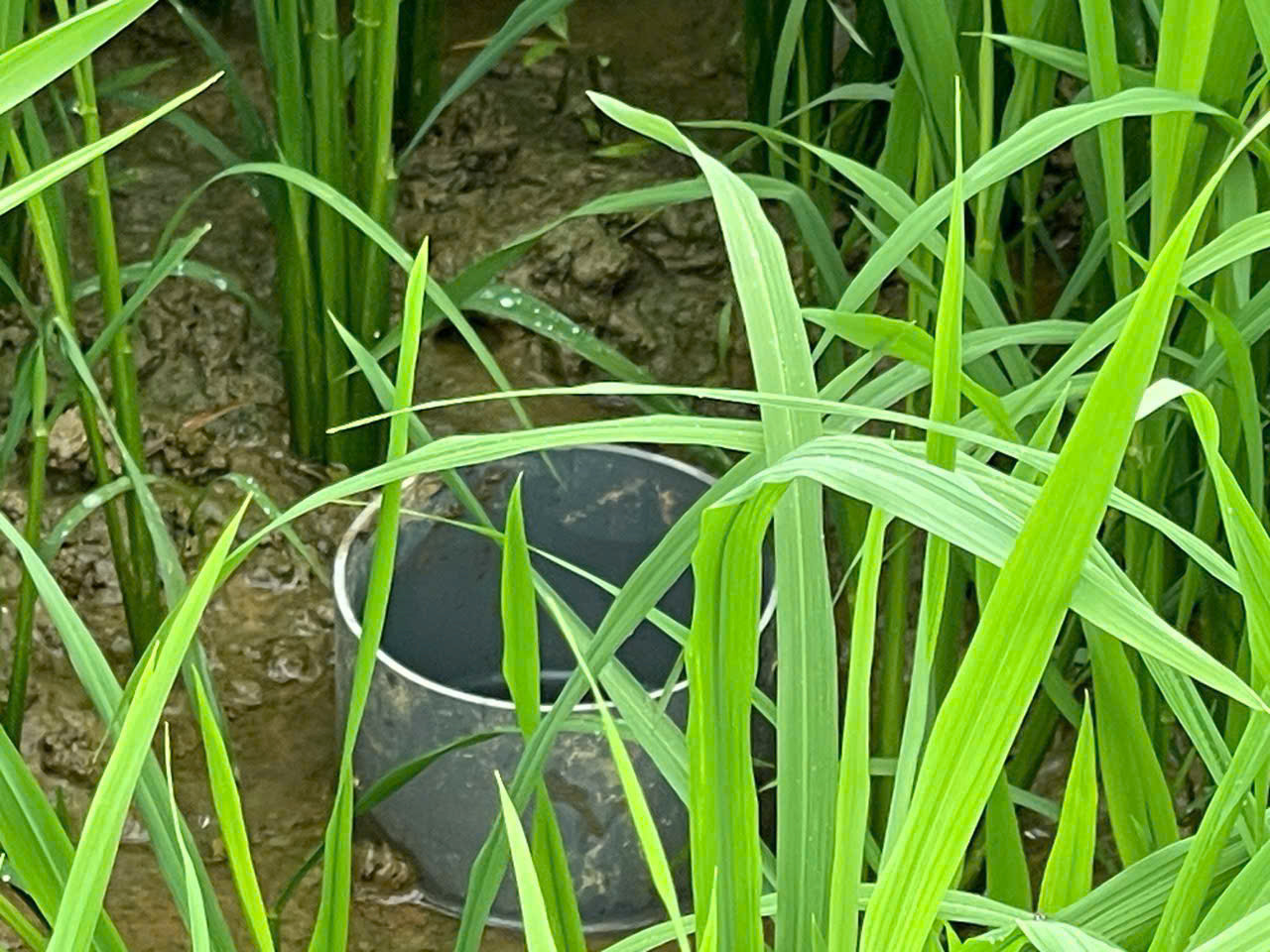
In the fields of Minh Chau commune, considered one of the leading localities in Nghe An province in carbon rice production, the biggest concern for many farmers in the early days of implementing the model lay in something seemingly simple: not keeping the fields continuously flooded as they had done for years. Small plastic pipes were inserted into the ground to monitor the water level. Farmers no longer looked at the color of the water on the surface to decide whether to irrigate, but relied on the readings in the pipes. Water was only supplied again when the water level dropped to the regulated threshold. The time between irrigations was extended according to the principle of alternating flooding and drying. Farmers significantly reduced irrigation costs and the labor involved in water management, while the rice plants still grew well, were stronger, had fewer pests and diseases, and yielded higher productivity.
Mr. Le The Hieu, Vice Chairman of the Minh Chau Commune People's Committee, said: "Initially, the people were quite hesitant because this irrigation method is completely different from their previous farming practices. However, after applying it, the results exceeded expectations: water usage decreased by 30-50%, the number of irrigations decreased from 7 to 5, but productivity still increased by 10-15%, averaging 56.3-67.4 quintals/hectare. The results on the fields have prompted people to proactively register to participate."
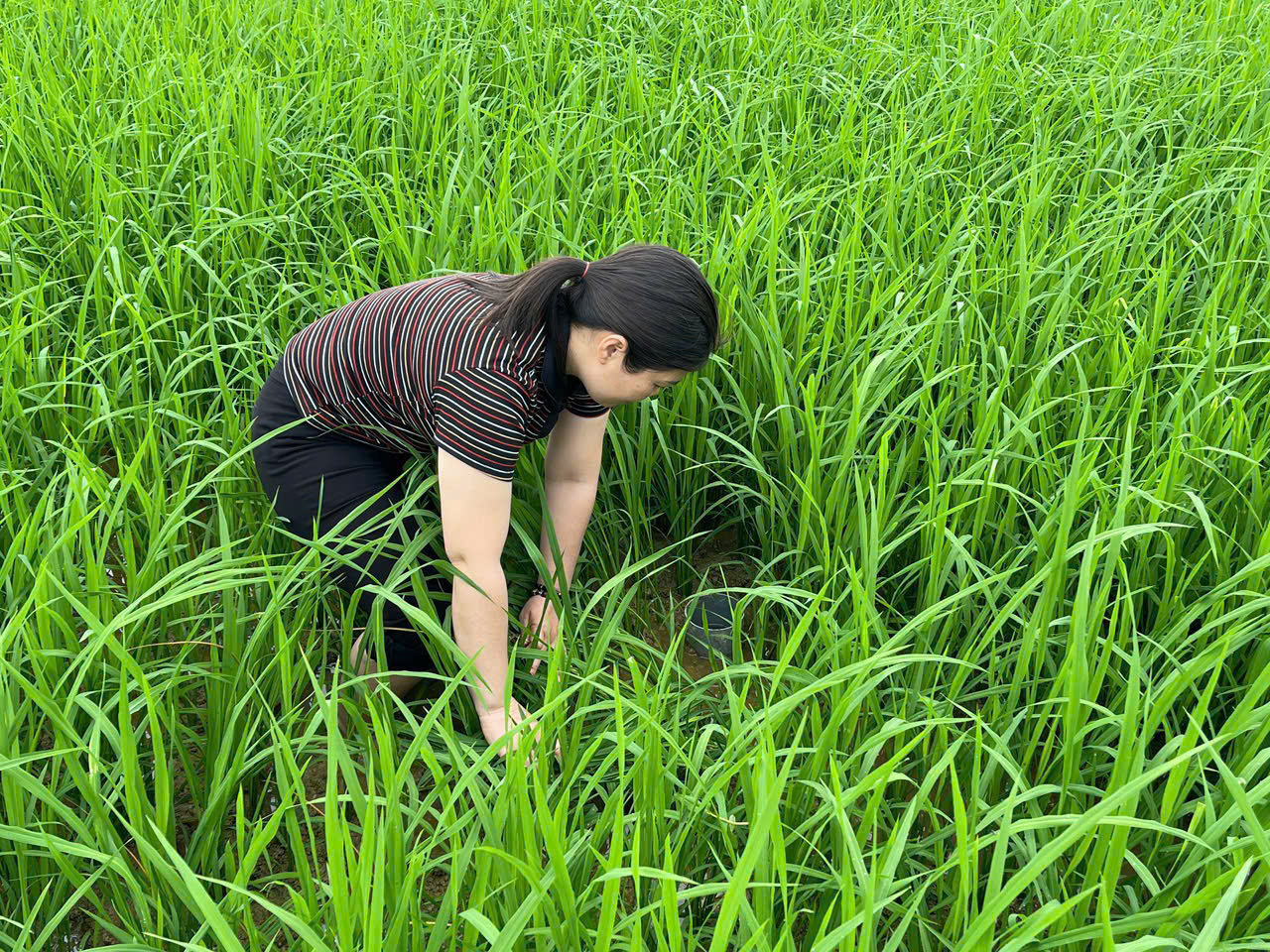
Launched in the spring of 2024, the model of reducing emissions from rice production to generate carbon credits in Nghe An is considered a new step in the trend of green agriculture. But before discussing carbon credits or the international market, what farmers feel most strongly comes from very specific changes in the fields: fewer late nights and early mornings spent turning on the water supply, fewer anxious days waiting for the pumping station to operate, and less worry about fields at the end of the irrigation system not receiving their turn to irrigate during peak droughts.
From a water management perspective, these changes have even greater significance. Mr. Pham The Phi, Head of the Technical Department of Nam Irrigation Company Limited, which is responsible for irrigating approximately 17,000 hectares of rice, including nearly 8,000 hectares of carbon-based rice in the communes of Kim Lien, Dai Hue, Hung Nguyen, Trung Loc, etc., said that the synchronized implementation of the dry-field irrigation technique has significantly reduced the operational pressure on the unit during the dry season.
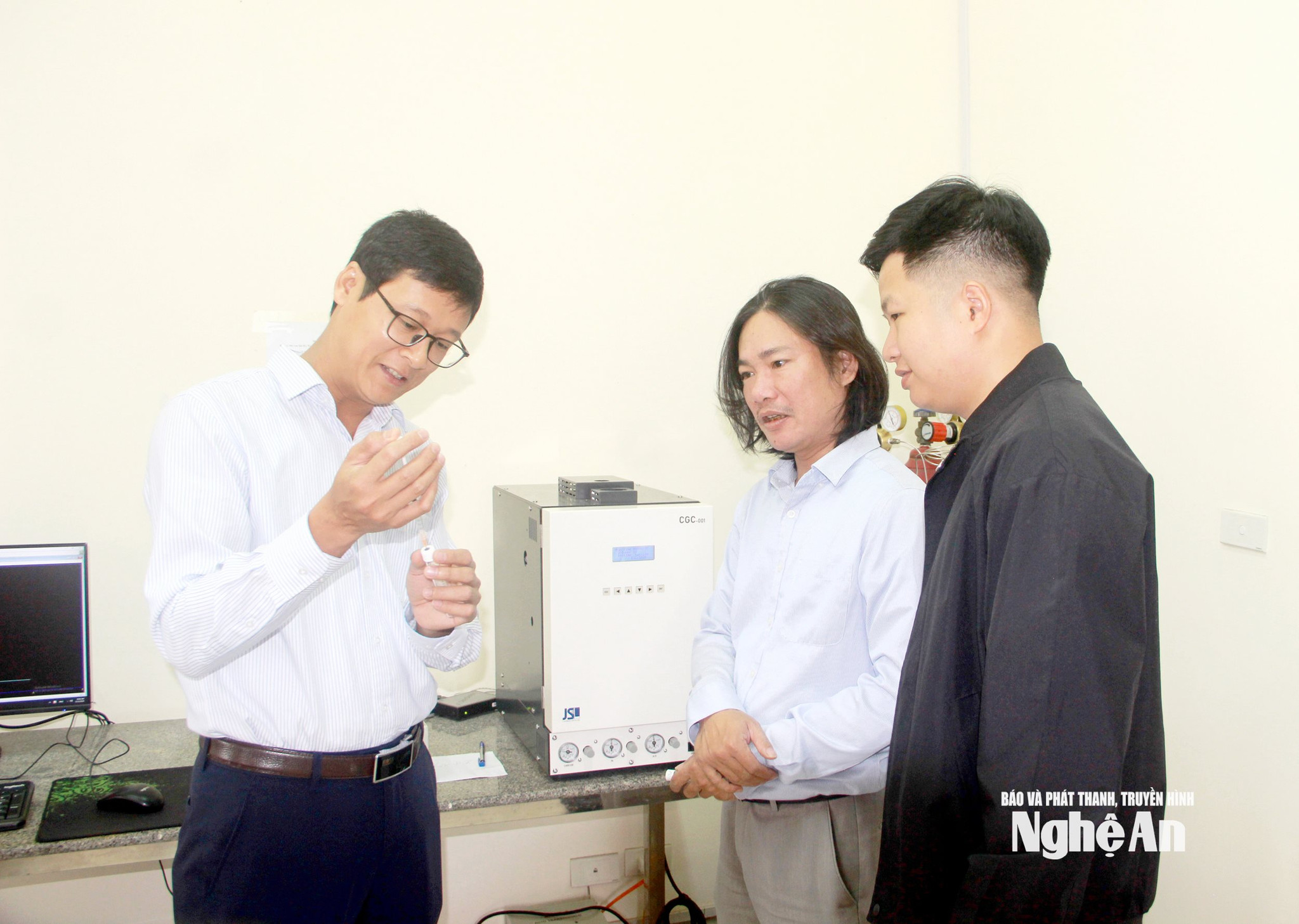
Previously, during periods of intense heat, pumping stations had to run almost continuously to meet the concentrated irrigation needs of farmers. By applying the alternating wet-dry irrigation technique, the water supply demand is spread out, no longer as intense as before. Thanks to reducing the number of irrigation cycles by about three per season, the unit saves nearly 3 billion VND in electricity costs annually, while also retaining a significant amount of water for downstream areas.”
Mr. Pham The Phi - Head of Technical Department, Nam Irrigation Company Limited
From an initial scale of over 5,700 hectares in 2024, by this year's summer-autumn crop, the area of carbon-based rice production in Nghe An has increased to approximately 30,000 hectares across more than 51 communes in the province. This expansion partly shows that changes in the fields are no longer limited to small-scale demonstration models, but are gradually becoming the choice of many localities. Calculations show that this farming method can help reduce greenhouse gas emissions by 50% to over 66%. But for farmers in Nghe An, the most noticeable value is perhaps that they are learning to produce rice using less water, at lower costs, and with greater control over increasingly unpredictable weather patterns.
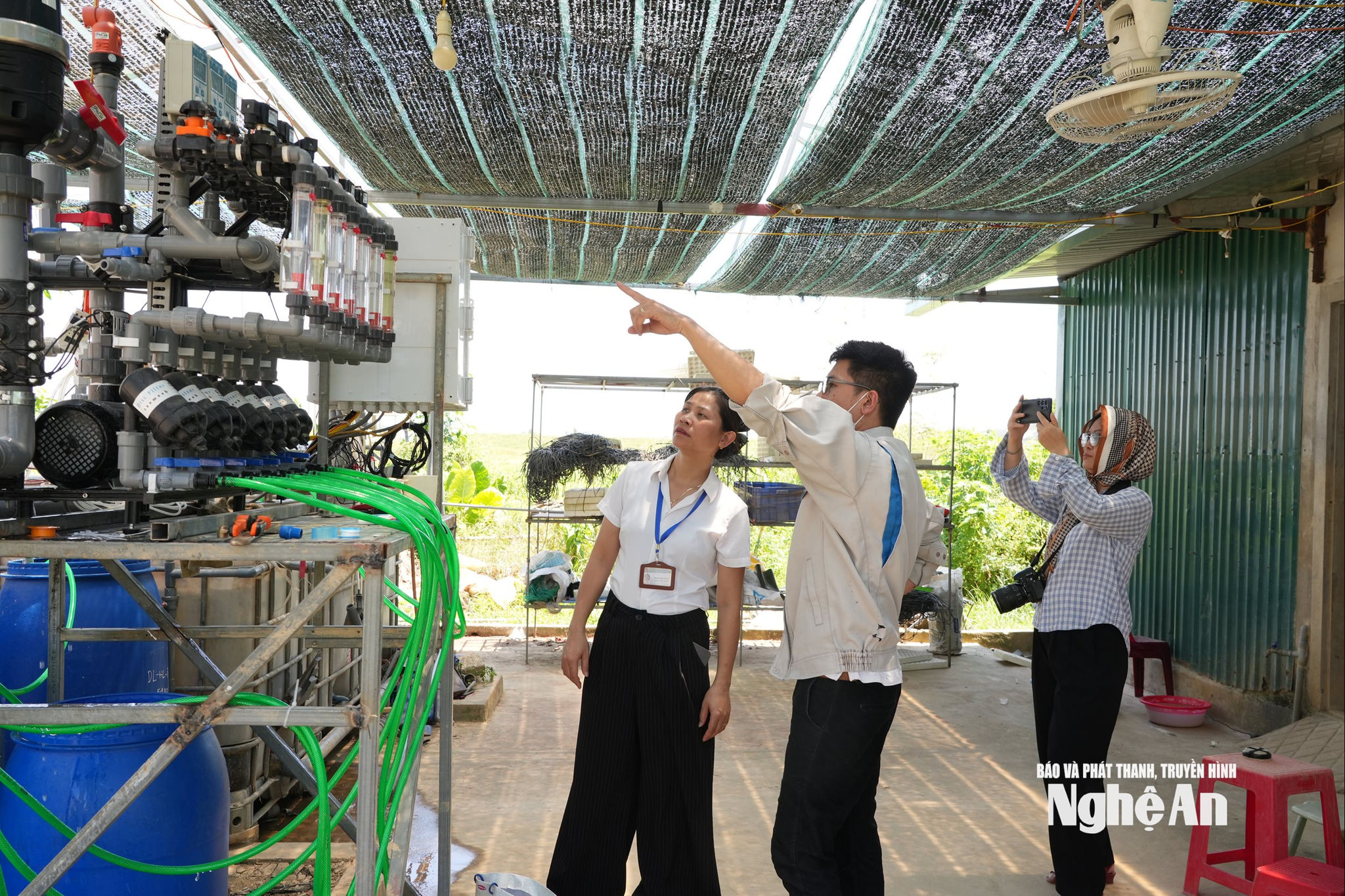
Looking back at the journey of adapting to drought in the arid lands of Nghe An, it's clear that each area is seeking a different solution. The common thread among these choices lies in the fact that farmers are no longer producing based solely on habit and experience. As every cubic meter of water becomes more precious, managing water resources scientifically, selecting crops based on advantages, and enhancing the value of agricultural products through processing are not just solutions to cope with an immediate drought, but have become requirements for a long-term agricultural sector aiming for sustainability in the context of a rapidly changing climate.
(To be continued)


