
Final part: Rekindling the dream of returning home by finding a job near your house.
Thanks to numerous efforts, Nghe An province has attracted many businesses to invest in the area over the years, thereby creating jobs for tens of thousands of workers in the province. However, for many years, businesses in the province have still faced labor shortages; each year, industrial zones in the province need up to 40,000 workers but cannot recruit enough.

Authors: Thanh Nga – My Ha – Diep Thanh
Publication date: June 23, 2025 - Technical support: Diep Thanh

Thanks to numerous efforts, Nghe An province has attracted many businesses to invest in the area over the years, thereby creating jobs for tens of thousands of workers in the province. However, for many years, businesses in the province have still faced labor shortages; each year, industrial zones in the province need up to 40,000 workers but cannot recruit enough.

Nghe An currently has approximately 1.6 million people of working age, accounting for 43.24% of the province's total population. Despite this, industrial zones in the province frequently face labor shortages. In 2023, nearly 1,000 businesses in Nghe An registered recruitment needs for around 150,000 positions. In 2024 alone, in the first six months, 45,049 workers were recruited by businesses, but the actual number met is far below expectations.

According to statistics, by the end of 2024, the province had approximately 700,000 workers employed outside the province and nearly 80,000 working abroad. This enormous number means that industrial zones in the province frequently face labor shortages. For example, at Luxshare - ICT Nghe An Co., Ltd., despite implementing many proactive recruitment measures, they still only receive 60-90 applications per day, insufficient to meet the monthly demand of 1,500 workers. In the second half of 2024, Nghe An province still needs to recruit nearly 30,000 new workers to ensure uninterrupted production and business operations.
In 2025, the labor shortage could reach its highest level ever, with a recruitment need exceeding 40,000 workers. In particular, foreign direct investment (FDI) enterprises will have a very large recruitment demand, estimated at around 98,701 workers from 2025 to 2029. This is a difficult problem to solve without timely solutions from local authorities and businesses.
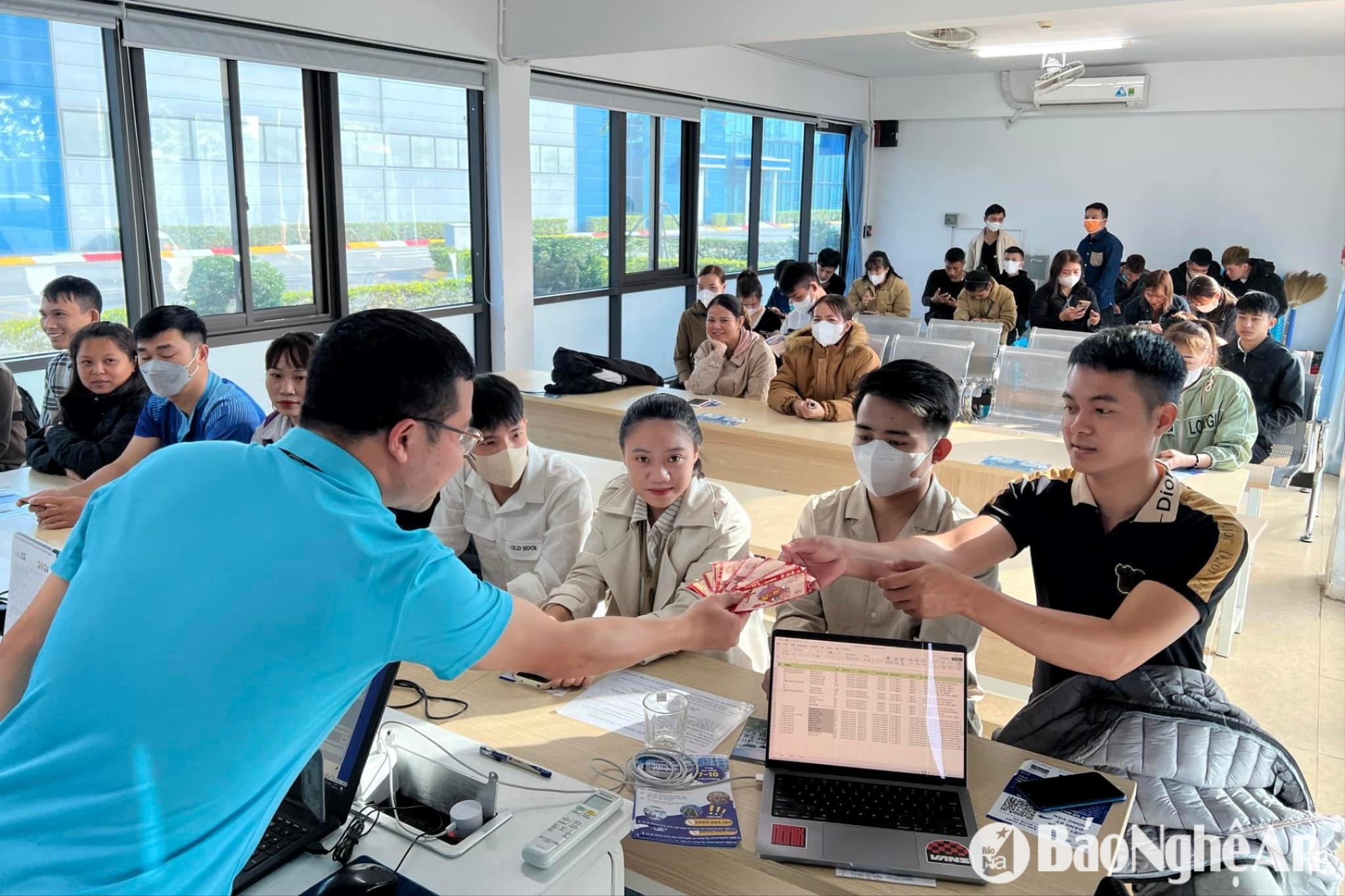
From February to April 2025, the Southeast Economic Zone organized two job fairs, offering over 40,000 job positions to workers in Nghe An province. The first job fair of 2025, held at the VSIP Nghe An Industrial Park, opened up numerous job opportunities for workers seeking employment in various sectors in Nghe An, and also helped businesses recruit a large workforce to meet their production and business needs. Twenty-four businesses participated in the job fair, offering over 42,000 positions, including 36,000 unskilled workers and over 4,000 trained workers. According to statistics from the Southeast Economic Zone, after this job fair, 12,000 job positions were connected, and many workers from the southern and northern provinces returned to their hometowns to apply for jobs at various factories in the VSIP Industrial Park. However, that number did not meet expectations, and the labor shortage continues in businesses within the VSIP Industrial Park.
The job fair at WHA Industrial Park also attracted 12,000 job openings with 15 businesses in the park participating. Many workers who had previously participated in overseas employment programs and worked in industrial parks in the South and North also came to learn about job opportunities and positions with stable incomes.

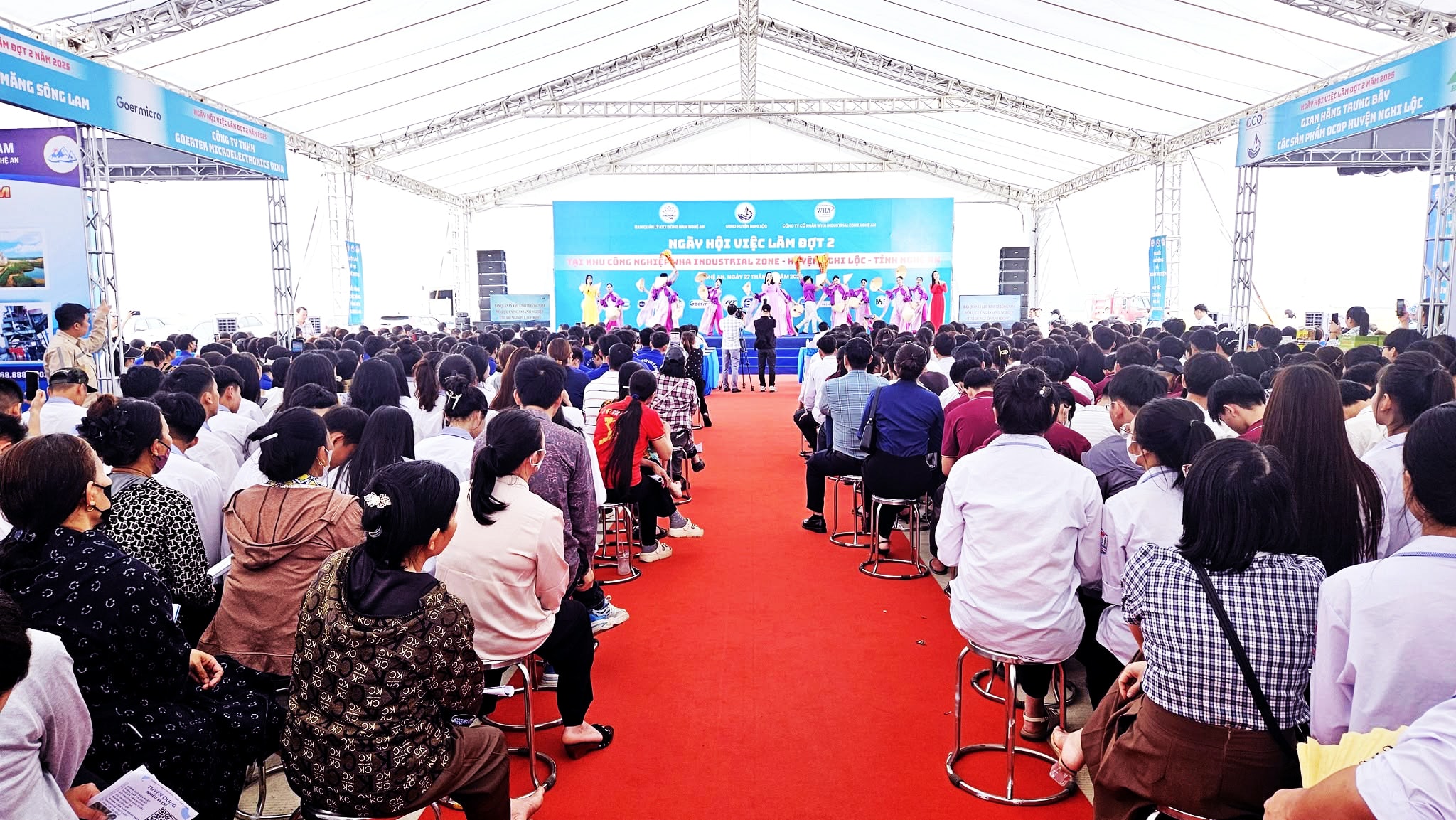

According to Ms. Nguyen Thi Bich Lien, leader of WHA Group and WHA Industrial Zone Joint Stock Company: In the next three years, recruitment demand at WHA Industrial Zone will grow strongly in many manufacturing sectors. 12,000 workers will be needed in 2025; 15,000 in 2026; and an additional 15,000 in 2027. Specifically in 2025, with many large factories coming into operation, these factories will need 2,000 office workers and skilled technicians, and especially nearly 10,000 unskilled workers. Job opportunities are wide open for those who are willing to learn, disciplined, and ambitious.
Ms. Lien also stated that WHA is committed to continuing to work alongside schools, training centers, and local authorities to ensure that workers not only have jobs but also skills and a future at the WHA Industrial Park. However, after two months of recruitment, businesses are still reporting that they have not been able to recruit even half of the required number of workers according to their orders.

Faced with a labor shortage, especially of highly skilled workers, the Standing Committee of the Nghe An Provincial Party Committee issued Directive No. 33-CT/TU and Project No. 40-DA/TU to strengthen the Party's leadership in connecting labor supply and demand, creating jobs, and attracting labor for domestic and FDI enterprises in Nghe An province during the 2025-2030 period. In implementing this directive, local authorities and the Southeast Economic Zone have launched numerous job placement programs and projects to provide the best opportunities for both workers and businesses.
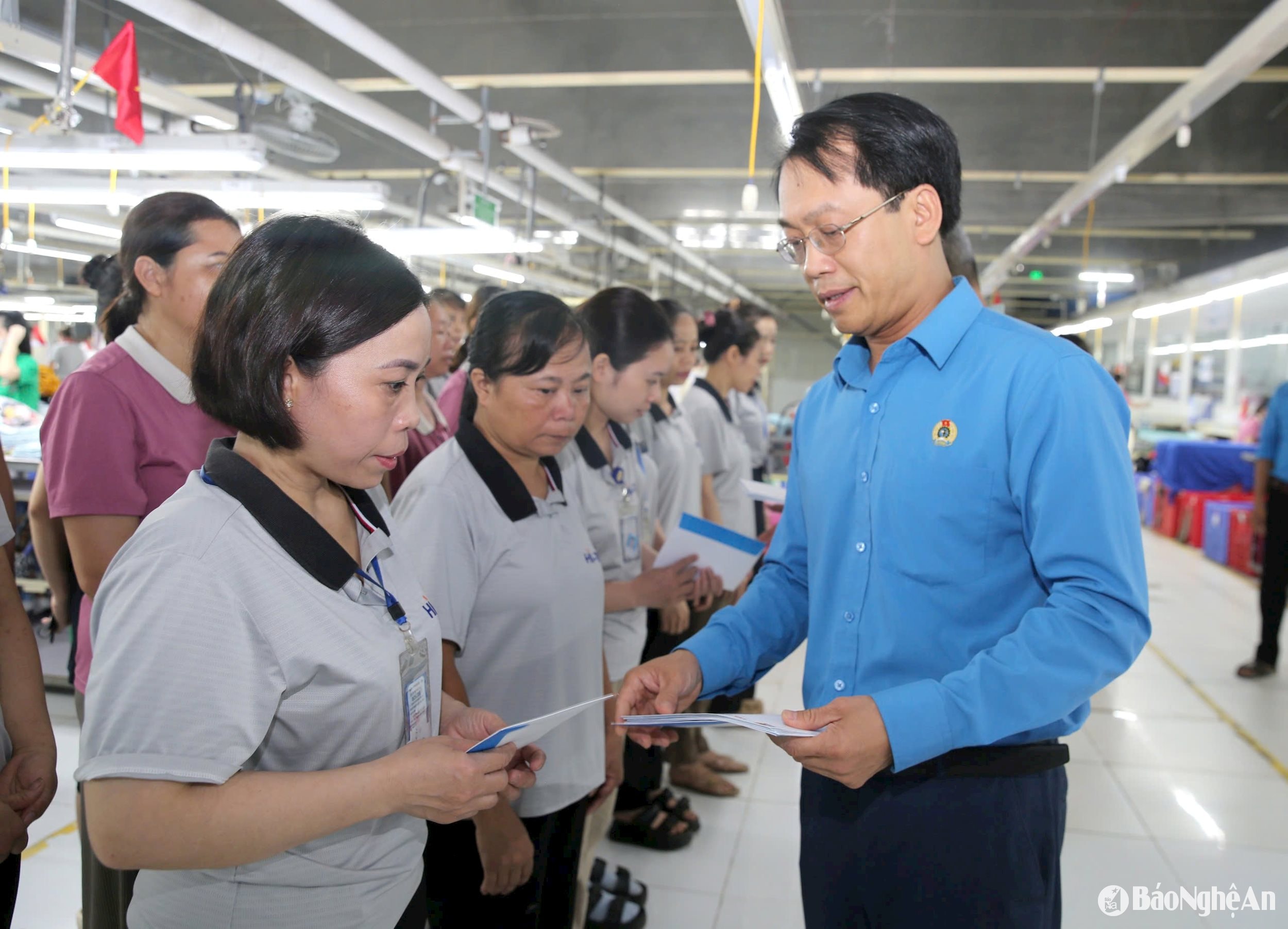
According to representatives from the Southeast Economic Zone, to retain employees, businesses need to regularly update salary, bonus, and benefits levels in neighboring localities, thereby adjusting their wage policies to be more competitive. In addition, businesses are encouraged to collaborate with vocational training institutions to build a training chain based on orders, linking training with employment. Supporting vocational training costs, organizing internships, and improving skills will help increase the quality of human resources and reduce the labor supply-demand imbalance. Furthermore, for unskilled workers, priority should be given to those aged 20-25, providing them with opportunities for on-site vocational training and collaborative training to improve their skills and increase their income.
To recognize labor as a valuable asset, many businesses have implemented relatively satisfactory compensation packages. A prime example is Gaojia Optics Technology Vietnam Co., Ltd., located in the WHA Industrial Park and 100% Chinese-invested, specializing in the production of optical lenses. The company offers attractive salaries ranging from 7 to 20 million VND depending on the job position. Furthermore, employees from distant locations are provided with dormitory accommodation, maternity leave, and other benefits for women of childbearing age. The company also prioritizes the well-being of its workers to ensure their dedication and commitment. However, for unskilled laborers, salaries exceeding 10 million VND are difficult to achieve due to limited orders, making overtime work challenging.

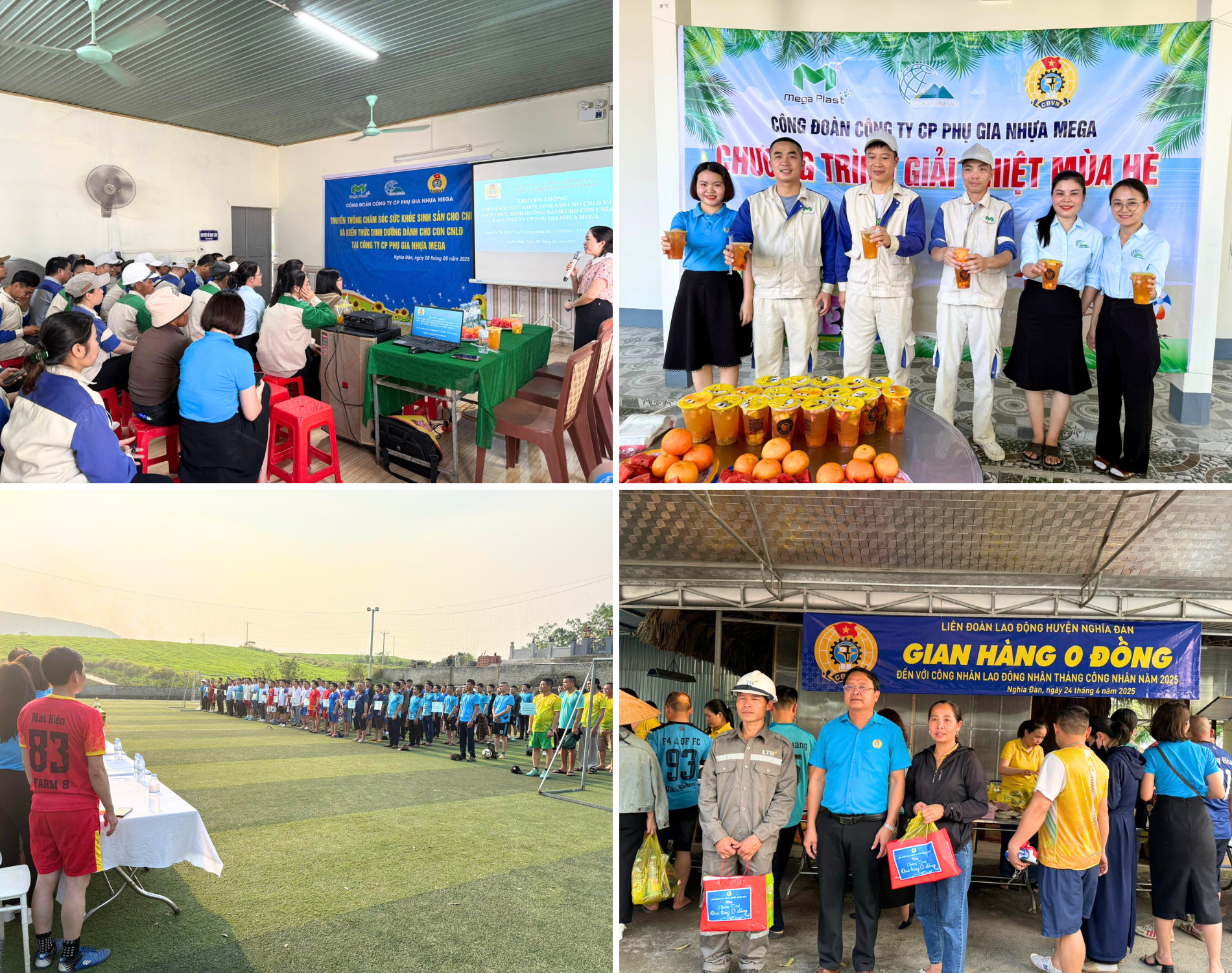
Similarly, Viet Glory Co., Ltd. has implemented many employee benefits and programs. During Workers' Month in 2025, the company collaborated with the Dien Chau District Labor Union to organize union meals, support the construction of a volleyball court, and provide union-sponsored housing for workers. In addition, local authorities and labor unions at all levels have strived to connect businesses and workers to bring the best benefits to employees. A worker from Viet Glory Co., Ltd. stated: "Without the company's labor union and the concern of the company's management, we wouldn't receive these wonderful benefits and policies. These include the charitable housing, free medical check-ups and treatment, the caring attention, and practical gifts from the company when workers are sick or in trouble…"
At the second job fair held at the WHA Industrial Park, Vice Chairman of the Provincial People's Committee Bui Dinh Long stated that: To effectively connect labor supply and demand, it is necessary to improve the tripartite coordination mechanism in career guidance, student placement, and linking training with the actual needs of the labor market; especially in key fields such as: electricity, electronics, mechanics, information technology, automation engineering, foreign languages, and soft skills. Furthermore, businesses need to develop adequate compensation policies, focusing on a civilized and safe working environment; recognizing employees as valuable assets to provide appropriate compensation.
According to Mr. Bui Dinh Long, in order to meet the employment needs of the people and connect labor supply and demand, local authorities at all levels need to comprehensively improve mechanisms and policies on training and attracting human resources for the agricultural and rural sectors..
Implement synchronized policies to attract and develop human resources in the agricultural sector, such as: improving the working environment, income, and living conditions; providing incentives to attract students to study agricultural and rural development fields, with a particular focus on local people; supporting the development of social security and insurance networks; and enhancing access to social insurance, health insurance, and unemployment insurance services for rural workers to ensure people's livelihoods and maintain production.
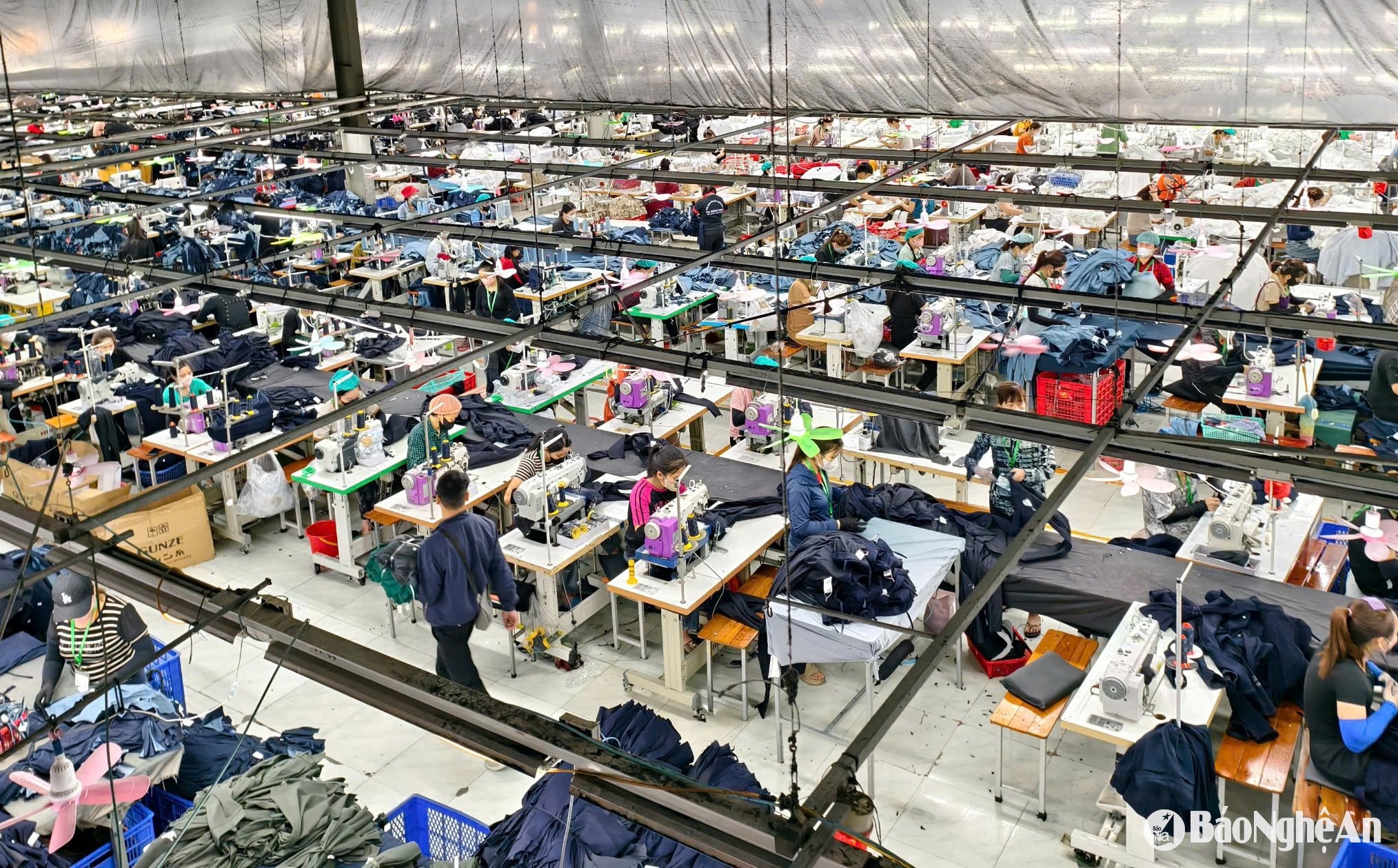
Planning and developing a job placement system that aligns with the labor market of each region and locality; investing in the development of industrial and service zones and clusters in rural areas, implementing investment attraction policies to encourage industrial and service enterprises to invest in rural areas, especially in labor-intensive industries, to gradually reduce labor migration from rural areas to cities. Strongly developing the service economy in rural areas in terms of types and scale... to enhance the value of agricultural products, create jobs, and attract labor not involved in agricultural production. Prioritizing the development of industries with competitive advantages and job creation potential, such as textiles, garment manufacturing, leather and footwear, embroidery, toys, and seafood processing for export...
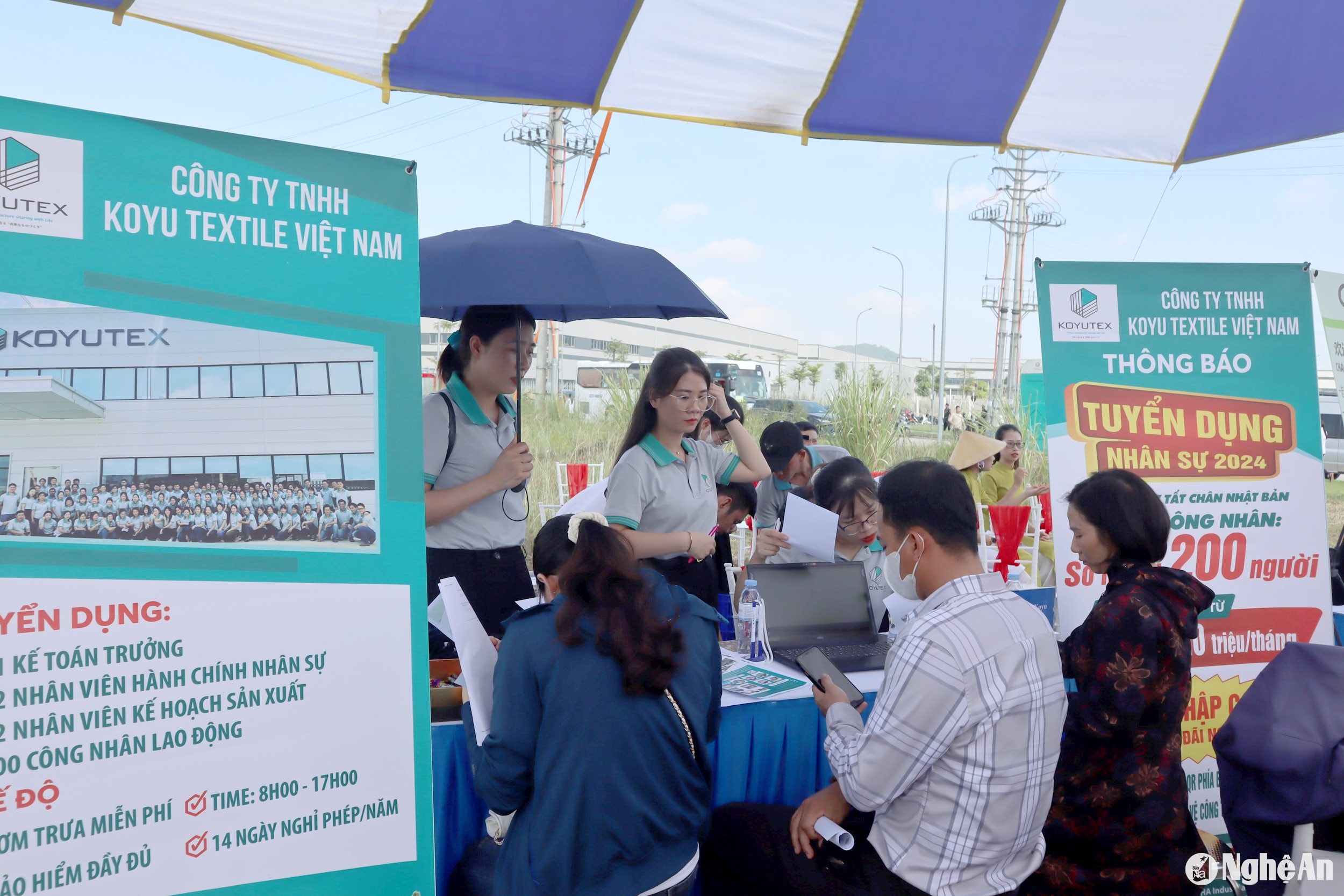
Employment is one of the basic human needs to ensure a decent life and comprehensive development. Policies to care for and create jobs for workers are an urgent issue for society as a whole, and especially for rural areas. When training and creating local jobs for rural workers are prioritized, it will reduce the number of farmers leaving their hometowns and prevent the current "migration waves."
Mr. Kha Van Tam, Chairman of the Nghe An Provincial Labor Union, stated: In recent times, the Nghe An Labor Union at all levels has proactively collaborated with businesses in labor recruitment. Specifically, they have coordinated with relevant agencies and localities to regularly post recruitment information; participated in organizing job fairs, directly connecting supply and demand at the grassroots level; provided advice and support to workers in finding jobs and vocational training, helping them access employment opportunities in their hometowns; and built a harmonious working environment that balances interests. Simultaneously, the union also participates in monitoring and proposing policies to support living conditions and working conditions, creating trust so that workers can feel secure and committed. With the motto "accompanying businesses and workers," the Labor Union is strongly committed to jointly solving the recruitment problem, contributing to retaining and attracting labor in Nghe An.


