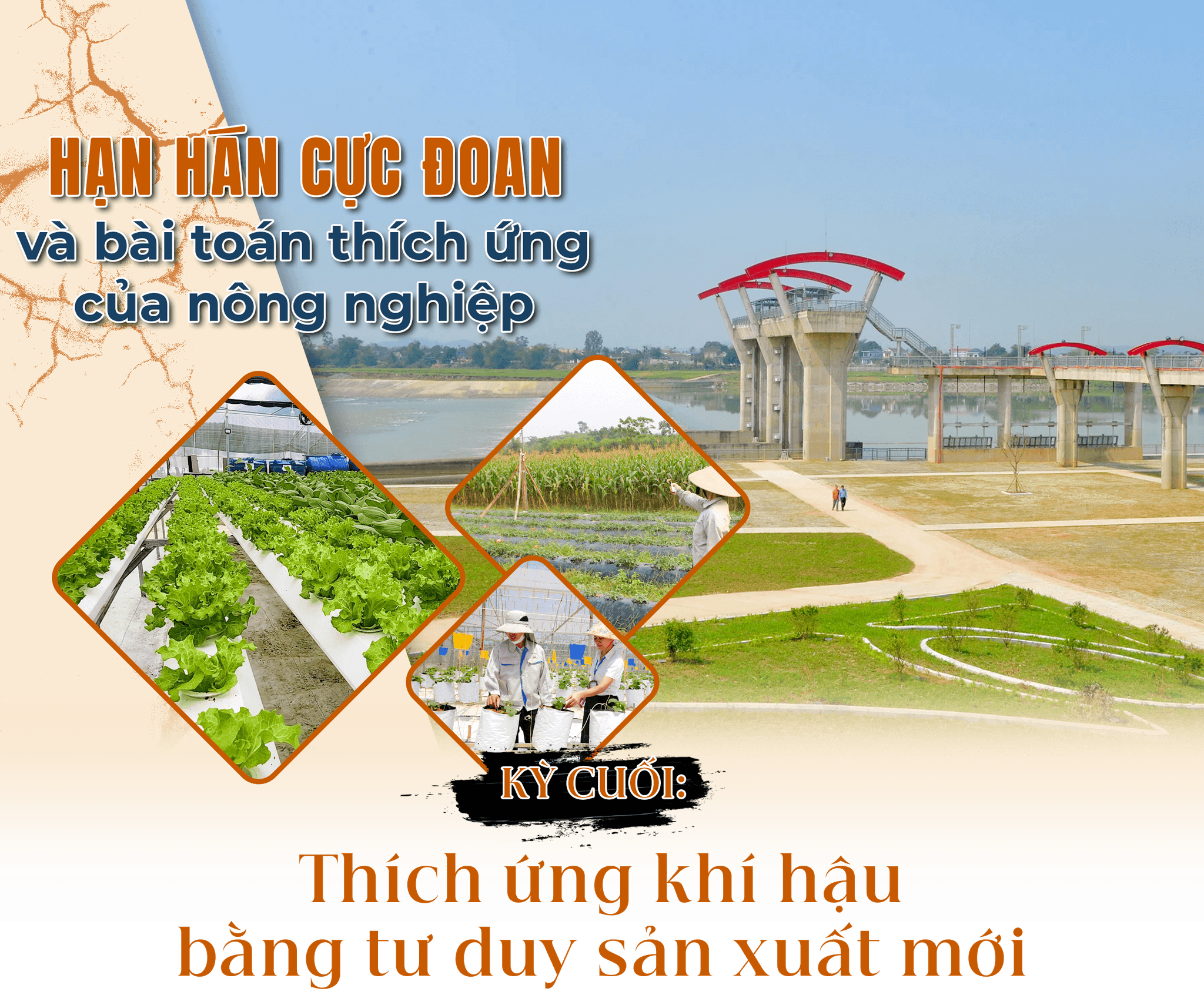
Final part: Shifting mindsets to respond to climate change
In the context of increasingly extreme weather, with heatwaves and droughts occurring more frequently, Nghe An province cannot continue to respond with a "seasonal drought response" mindset. Instead, it needs to shift to a long-term adaptation strategy, viewing drought as a new condition for development, requiring a synchronized transformation from forecasting and climate risk management, to reorganizing agricultural production and modernizing the management, allocation, and efficient use of water resources.
Reporters' Team |Design:Huu QuanJune 27, 2026
In the context of increasingly extreme weather, with heatwaves and droughts occurring more frequently, Nghe An province cannot continue to respond with a "seasonal drought response" mindset. Instead, it needs to shift to a long-term adaptation strategy, viewing drought as a new condition for development, requiring a synchronized transformation from forecasting and climate risk management, to reorganizing agricultural production and modernizing the management, allocation, and efficient use of water resources.
* * * * *
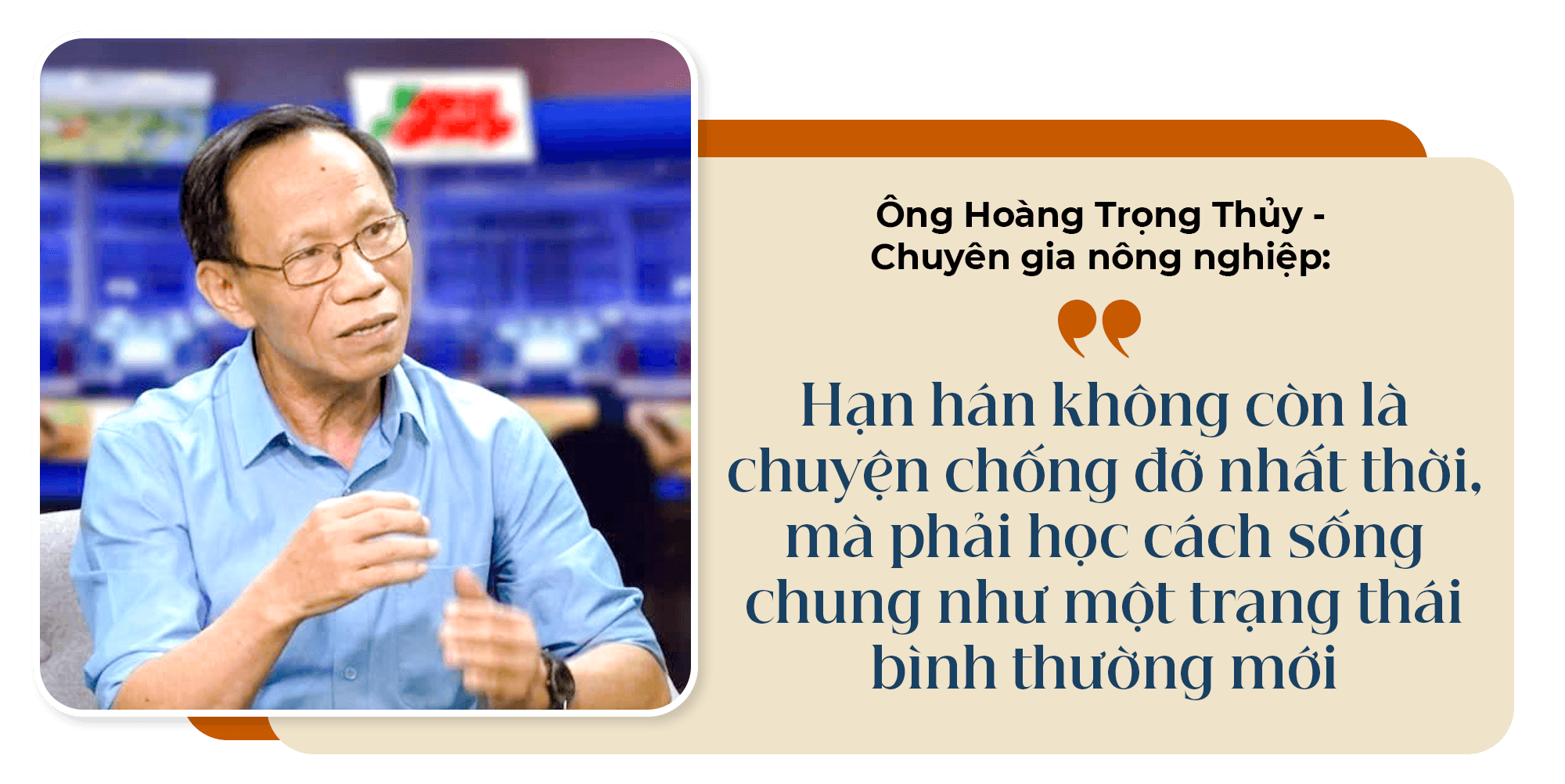
In my opinion, droughts are no longer an unusual phenomenon, but are gradually becoming a permanent factor in the agricultural production environment. Therefore, the development mindset must also change accordingly.
Previously, we often talked a lot about "drought control," meaning that we only focused on responding to and addressing the immediate situation with emergency solutions when droughts occurred. However, in the context of increasingly extreme and unpredictable climate change, that approach is no longer suitable. What is needed is a strong shift towards a mindset of "living with drought," viewing drought as a new normal to proactively adapt.
Many people believe Vietnam is a water-scarce country, but this is not entirely true. Each year, we receive approximately 600 billion cubic meters of rainwater, with an average rainfall of about 1,800 mm. The problem lies in the fact that 70-80% of this rainfall is concentrated in the rainy season, while the dry season is prolonged and causes severe water shortages. The paradox of Vietnamese agriculture is not simply a lack of water, but rather an uneven distribution of water resources, coupled with inadequate and inconsistent water management practices.
In my opinion, the mindset of "living with drought" must be built on three pillars. First, water conservation, ensuring sufficient water supply for production and daily life. Second, regulating water at the right time, in the right place, and according to the needs of each production region and each type of crop and livestock. Third, using water intelligently, economically, and efficiently, considering water as a finite resource that deserves to be cherished.
For Nghe An – the province with the largest arid area in the North Central region – the need for adaptation becomes even more urgent. In my opinion, the province needs to promote the planting and protection of forests in the headwaters of the Lam River to increase the water retention capacity in the soil, replenish groundwater resources, and gradually regulate water flow downstream. At the same time, it is necessary to shift from managing each area separately to integrated management across the entire Lam River basin.
Furthermore, crop restructuring must be based on water resource data and the ecological conditions of each region. Areas with reliable water sources should develop suitable crops; areas with frequent water shortages should boldly switch to more drought-resistant crops. The application of water-saving irrigation methods also needs to be strongly promoted. In modern and digital agriculture, irrigation must be based on the growth needs of crops and cannot continue to be wasteful as before.
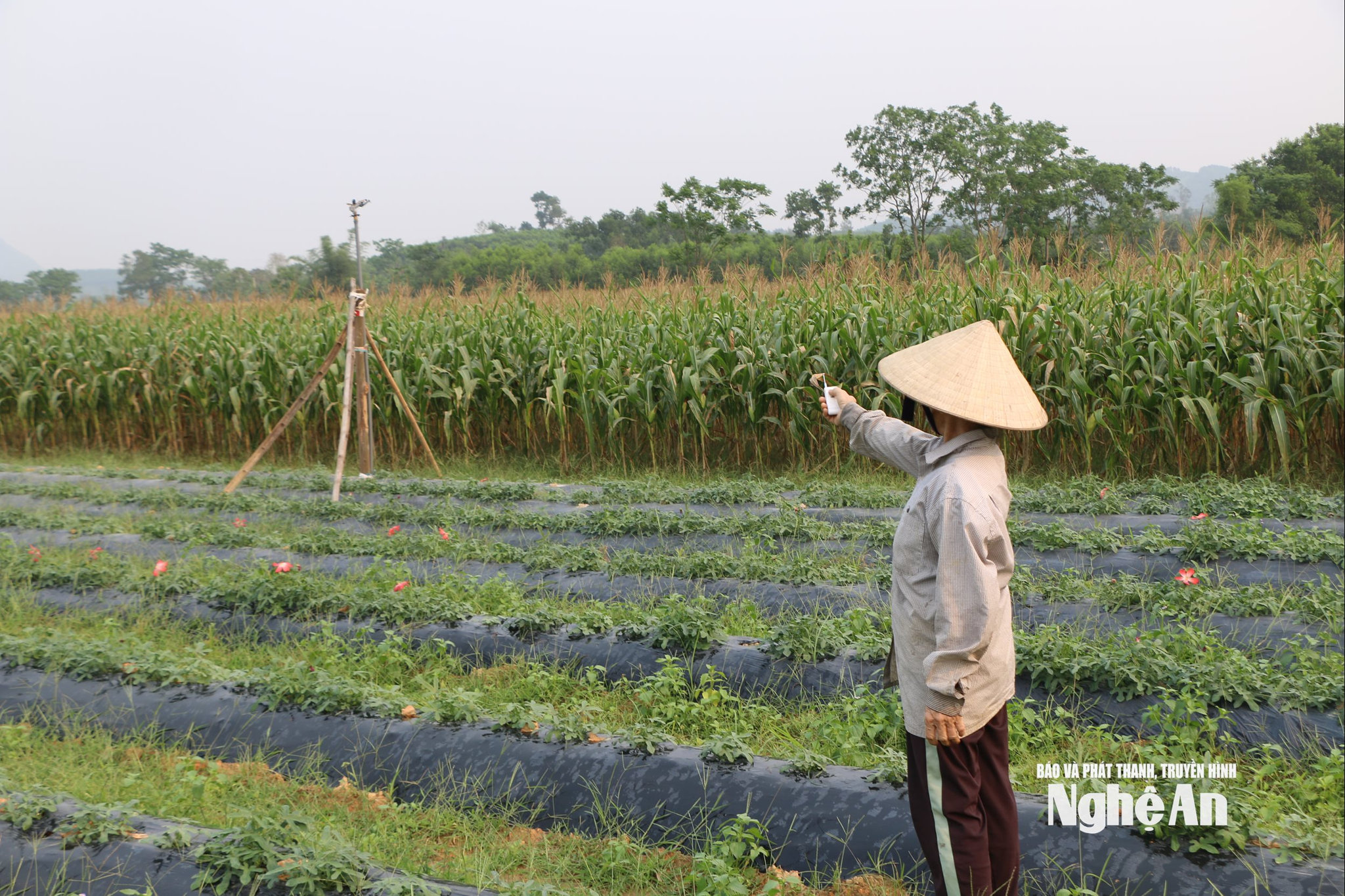
I believe Nghe An should not aim for a "quick victory" approach to drought, but rather persistently build an agricultural sector capable of adapting to prolonged drought conditions.
After 45 years involved in agriculture, I've noticed that many major transformations in the sector have begun amidst difficulties, not favorable circumstances. Climate change is also sending a very clear message to Nghe An: it's not about producing more at all costs, but about creating higher value per hectare of land, per cubic meter of water, and per unit of labor.
From a positive perspective, drought can become a driving force for restructuring agriculture towards higher value; shifting from single-sector production to a circular agricultural ecosystem; promoting institutional innovation, reorganizing planning, and restructuring production.
What I want to emphasize is: Drought doesn't create a new agricultural system. It's how people respond to drought that determines the future of agriculture. If we can transform pressure into a driving force for innovation, we can absolutely build a more efficient and sustainable agricultural system in the context of an increasingly harsh climate.
* * * * *
.png)
From my practical experience in management and administration, I have observed that droughts and extreme weather events are not just temporary difficulties, but are becoming a structural pressure on agriculture. This pressure forces us to change our development approach towards a more fundamental and long-term direction.
The province's current perspective is to move away from viewing agriculture solely as food production and instead embrace an agricultural economic mindset that prioritizes added value, efficient resource utilization, and market adaptability. This requires a comprehensive transformation from planning and production organization to linkage mechanisms.
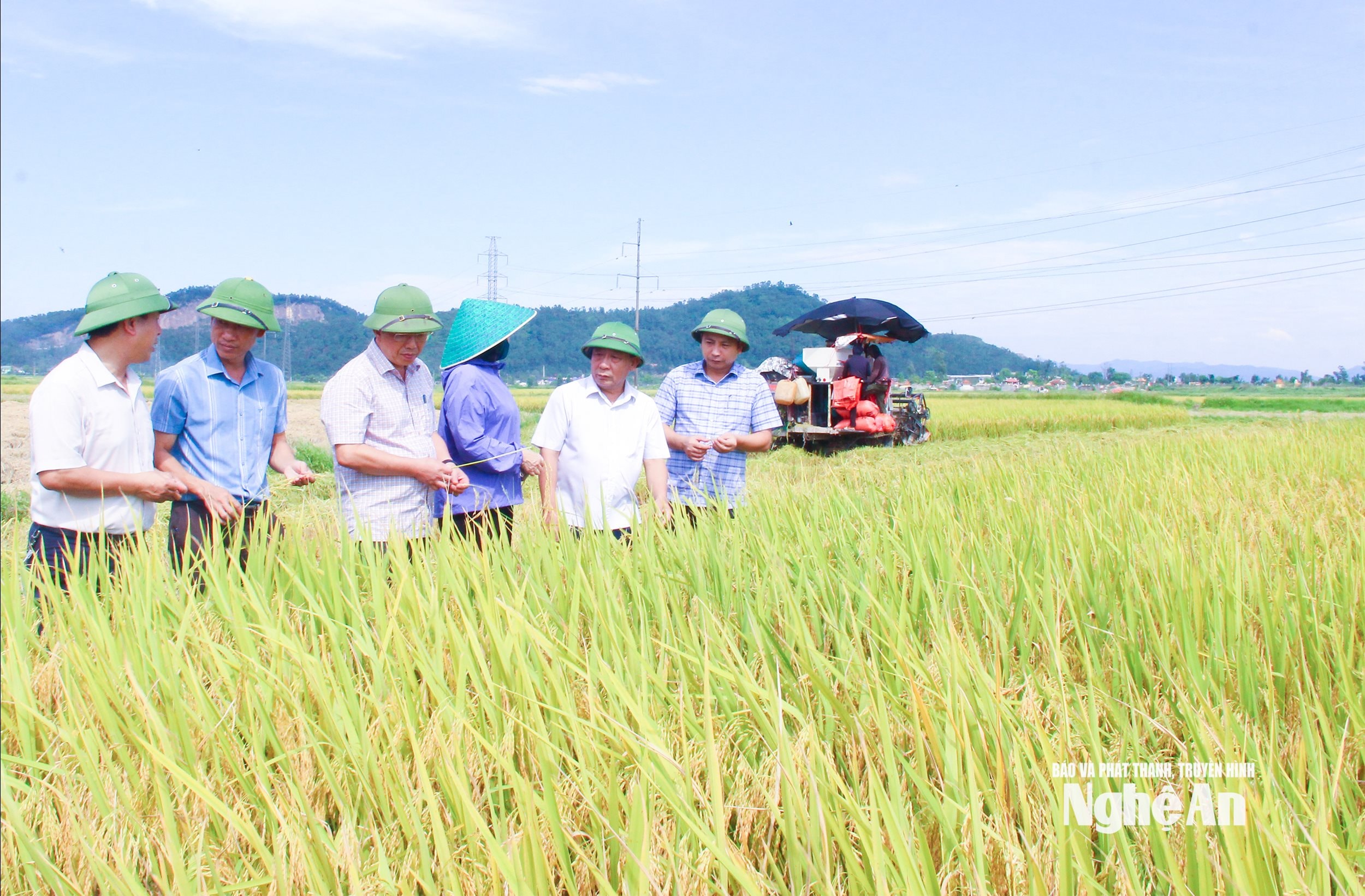
First, we are conducting a comprehensive review and rezoning of agricultural production areas based on water resources, soil conditions, and climate risk levels. Areas with reliable water management will be oriented towards intensive farming, high-tech applications, and improved product quality. Conversely, areas that frequently experience water shortages and are no longer suitable for rice cultivation must be decisively converted to drought-resistant crops or other more efficient production models.
In fact, converting nearly 2,200 hectares of low-yield rice land to other crops such as corn, sugarcane, cassava, vegetables, lotus, etc., has yielded significant economic benefits, many times higher than before. This is an important basis for us to continue expanding the converted area in the future.
Simultaneously, the province is promoting land consolidation and accumulation to form large-scale production areas, creating favorable conditions for mechanization and attracting business investment. We clearly recognize that relying solely on small-scale farmers makes it very difficult to adapt to major changes in climate and market conditions.
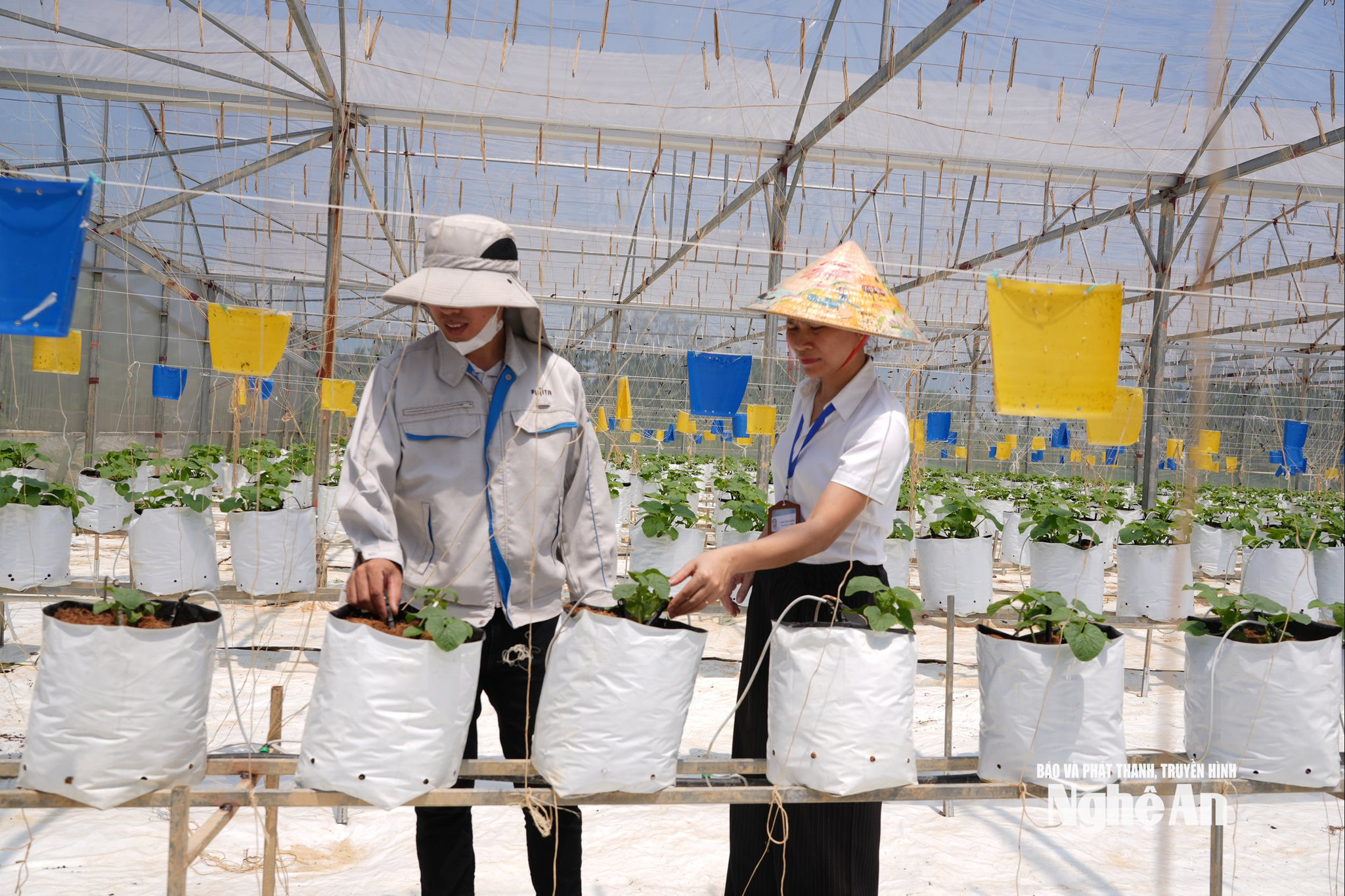
Another important direction is to develop low-emission agricultural models, especially carbon-based rice production. This is not only a solution for saving water but also opens up opportunities to participate in the carbon credit market, increasing the added value of agricultural products.
I believe that, in order to achieve sustainable development under current conditions, it's not enough to simply adjust production techniques; we must change our development mindset, from how we use land and water to how we organize agricultural value chains.
* * * * *
I believe the most worrying aspect of the current climate picture is not just the trend of global warming, but the marked increase in uncertainty in weather phenomena. While in the past we could rely on relatively stable patterns to predict rainy seasons, dry seasons, or the timing of heatwaves, those patterns are now being drastically disrupted.
Based on observations over the past several years in the North Central region in general and Nghe An province in particular, I have noticed that heatwaves not only appear earlier but also last longer and reach greater intensity. At many times, temperatures far exceed the multi-year average and break previously recorded records. Simultaneously, there has been an increase in extreme weather phenomena such as localized heavy rainfall, thunderstorms, landslides, and even hailstorms, occurring with greater frequency.
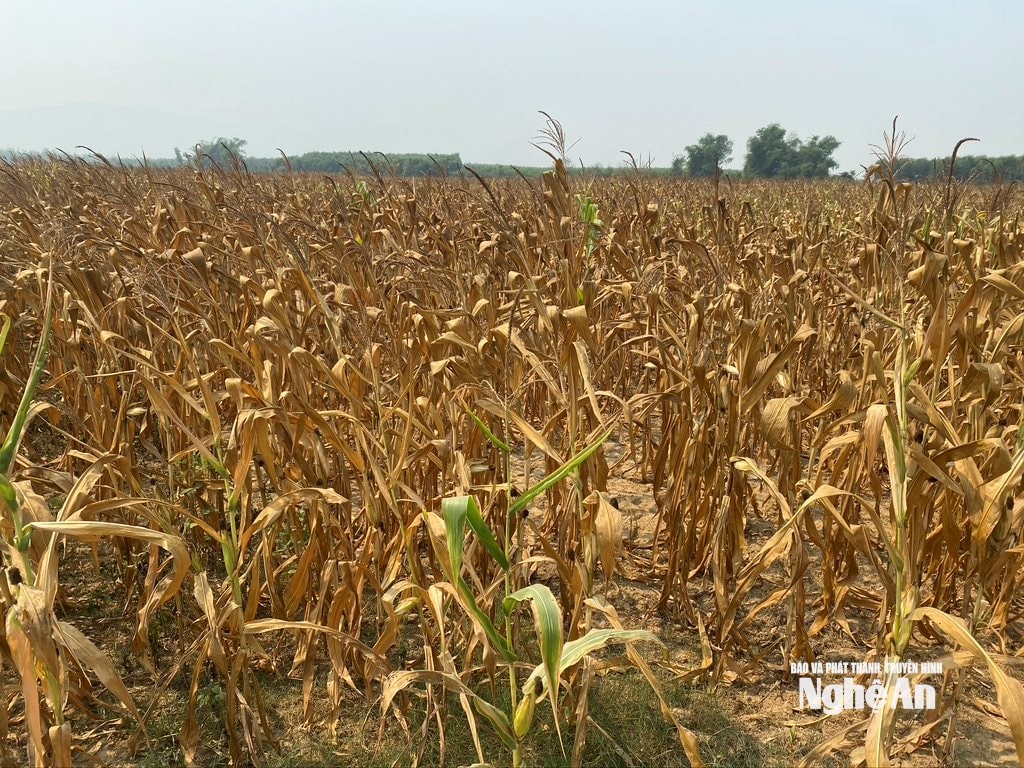
Importantly, these phenomena no longer follow the clear spatiotemporal patterns they once did. There are extremely heavy rainfalls occurring in short periods and over narrow areas, yet with immense destructive power. This makes forecasting and early warning more difficult, as the nonlinear nature of the climate becomes increasingly apparent.
In my opinion, the cause of this change stems from a combination of factors. First and foremost is global climate change with a clear trend of atmospheric warming. In addition, there is the influence of the ENSO phenomenon, especially when it transitions to a strong El Niño phase, increasing the frequency of droughts and prolonged heatwaves. Furthermore, the complex topography of Central Vietnam, combined with rapid urbanization, also contributes to localized changes in meteorological conditions.

In this context, I believe that approaches based on folk experience or outdated climate patterns are no longer sufficient to ensure the safety of production and daily life. What is needed now is a strong shift towards thinking based on scientific data and early warning systems. People need to regularly monitor official weather forecasts, considering meteorological information as an essential part of their production plans, rather than just for reference.
On the meteorological side, we are also striving to improve the detail and reliability of forecast bulletins, and enhance real-time warnings to support local authorities in responding more promptly to unusual natural disasters.
* * * * *
From a water management perspective, I believe the biggest challenge today is no longer the lack of infrastructure, but rather how we operate and utilize water resources. The old, passive approach – supplying water when available, and combating drought when needed – is no longer suitable in the context of increasingly extreme and unpredictable climate change.
My view is that we must shift entirely to proactive water resource management, based on data and technology. This means that the entire process, from monitoring and forecasting to regulation and distribution, must be integrated into a unified system, instead of being fragmented as before.
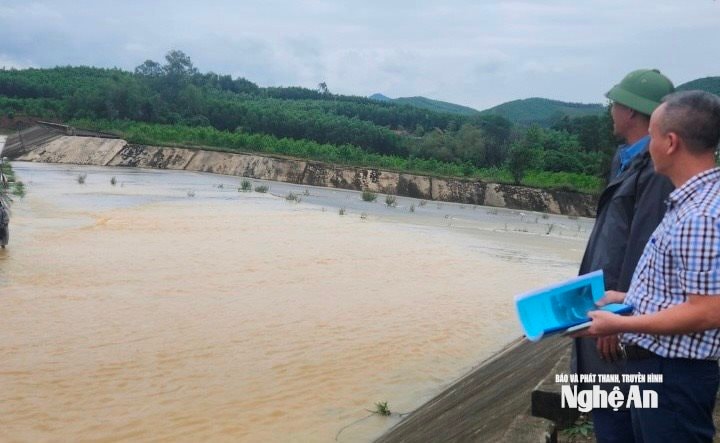
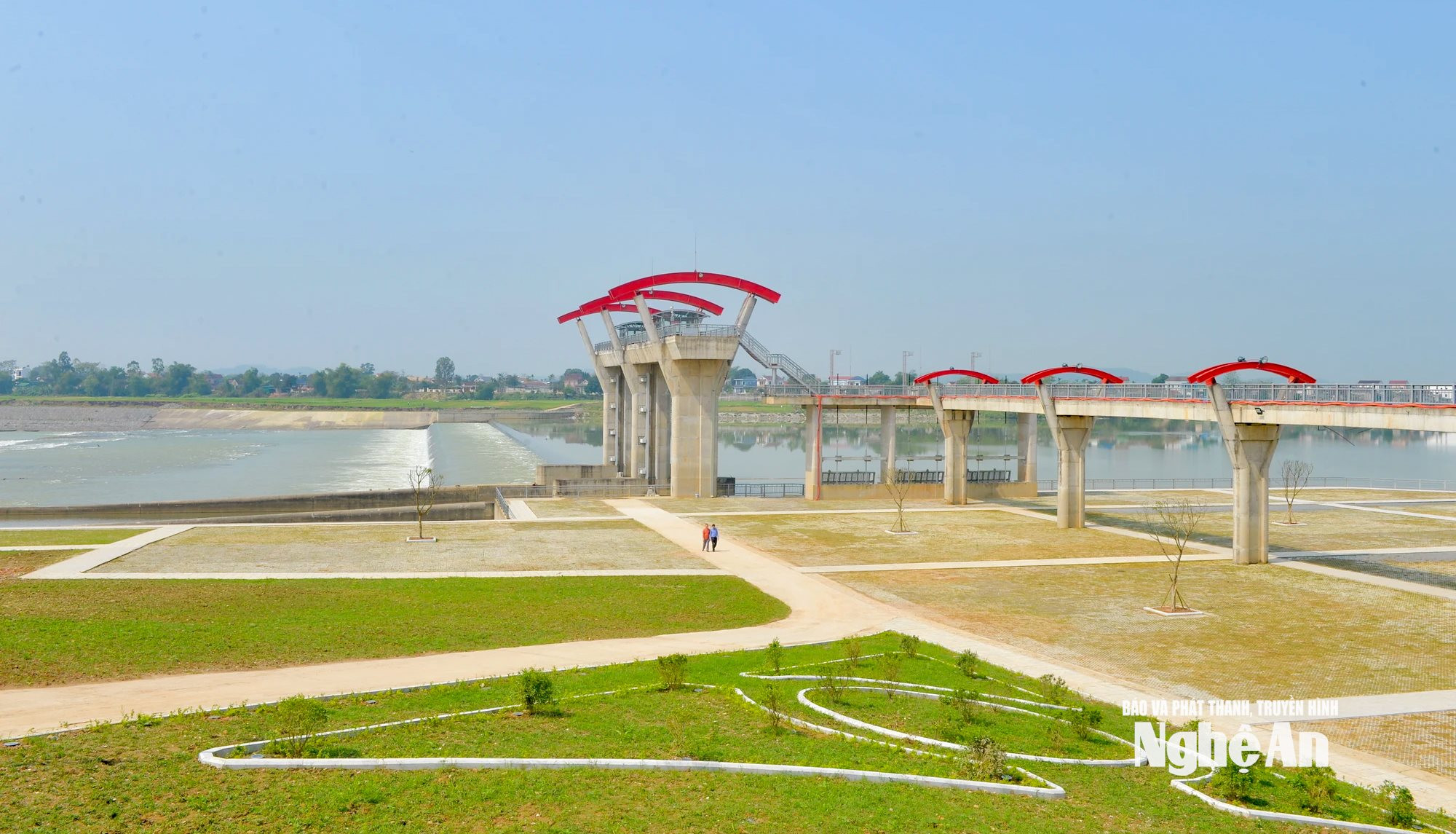
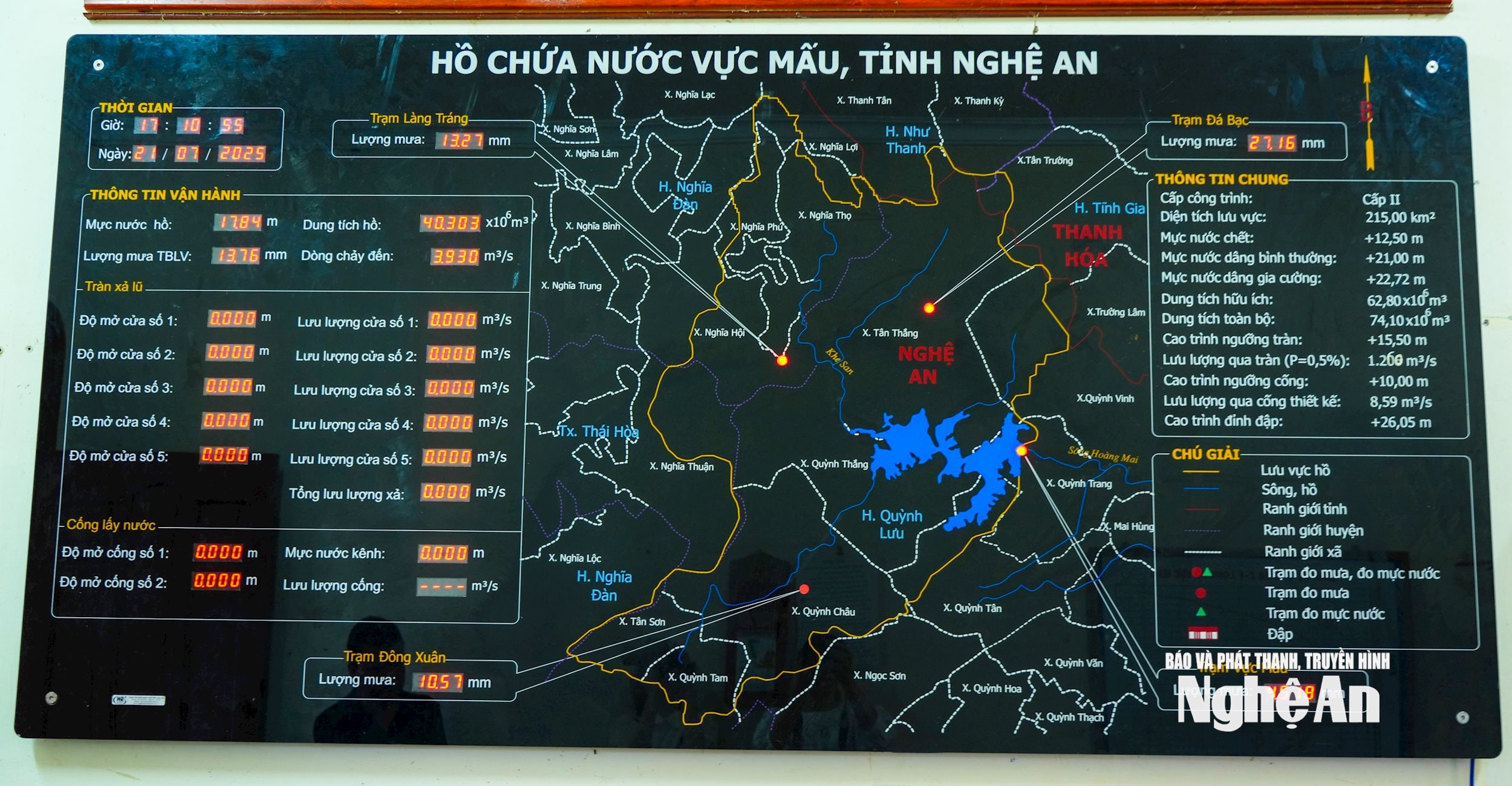
Currently, the irrigation sector is gradually applying automatic sensor systems, surveillance cameras, and satellite data to continuously monitor water levels in large reservoirs such as Ban Ve, Vuc Mau, and Song Sao… Real-time data updates help management agencies make more accurate decisions on water regulation, tailored to the actual needs of each production area.
Another important point is the coordinated operation of reservoirs in the Ca River basin. This is a strategic solution that helps regulate water resources flexibly between upstream and downstream areas, especially during prolonged droughts. In practice, this mechanism has ensured timely water supply for many key production areas, significantly limiting losses.
In addition, we are focusing on modernizing the canal system, switching from earthen canals to reinforced canals to reduce water loss. At the same time, we are strongly encouraging the adoption of water-saving irrigation methods such as drip irrigation and sprinkler irrigation, replacing traditional flood irrigation which causes significant waste.
I believe that in the future, water cannot continue to be considered a resource that can be "freely exploited," but must be seen as a finite economic resource that needs to be allocated, calculated, and used efficiently. At that point, water management will not only be a technical task, but will become a crucial pillar of sustainable agricultural development in increasingly harsh climate conditions.