
Final installment: Continuing the aspirations of the O Du people.
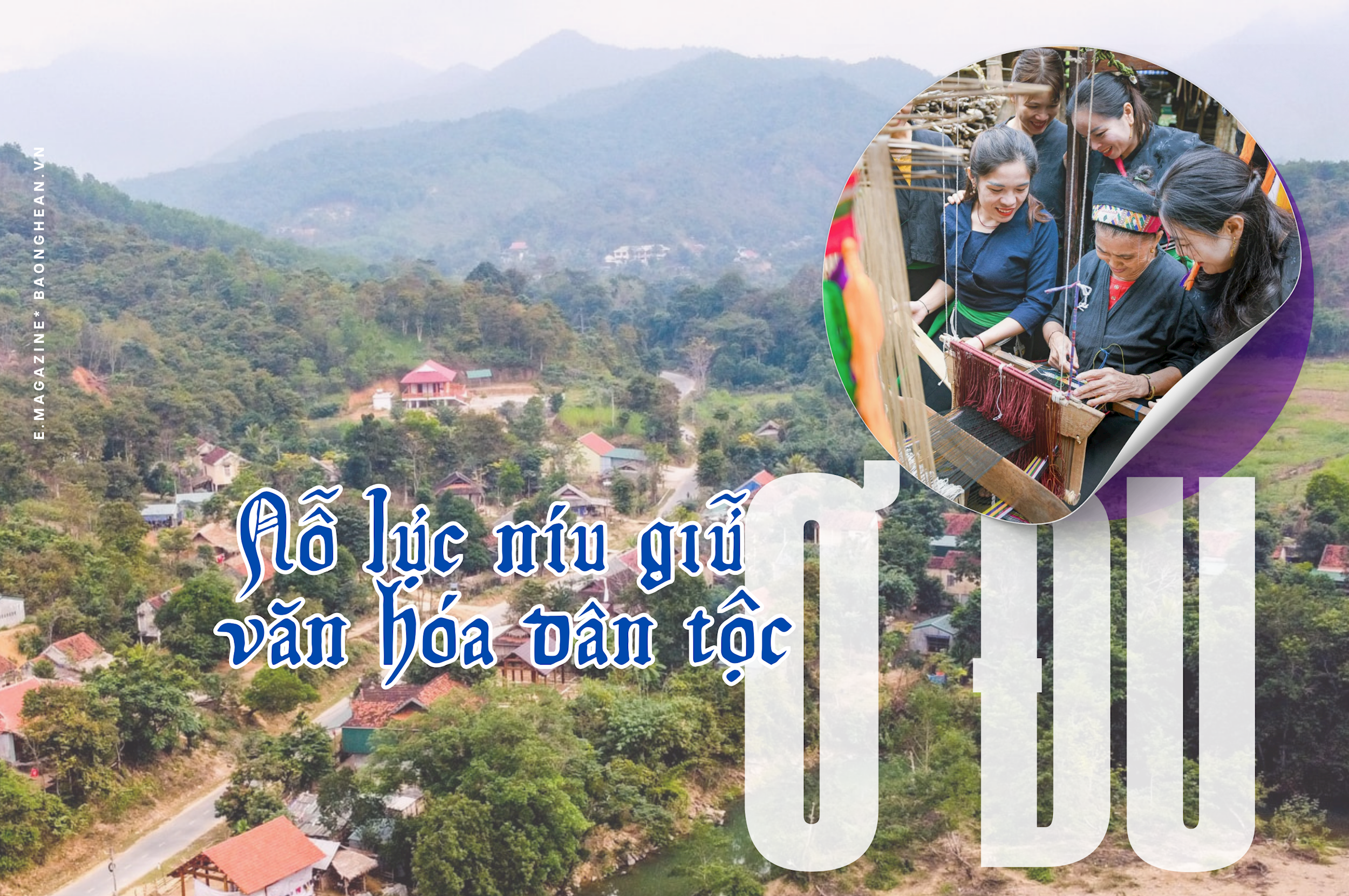
When they were first relocated to live in a separate village, the O Du people faced the most difficult economic conditions among ethnic minority communities in western Nghe An province, while their unique cultural characteristics had almost completely disappeared.

Content:Tien Hung - My Ha;Technique: Nam Phong • September 1, 2025
When they were first relocated to a separate village, the O Du people faced the most difficult economic conditions among ethnic minority communities in western Nghe An province, while their unique cultural traditions were almost lost. In this context, the Party and State implemented many special policies specifically for them. With significant investment, after nearly 20 years, the lives of the O Du people have gradually changed.

After many ups and downs in history, when 73 households were relocated to a separate village in Van Mon 20 years ago, the cultural identity of the O Du people had almost disappeared. Against this backdrop, many development projects related to the O Du people have been developed and implemented.
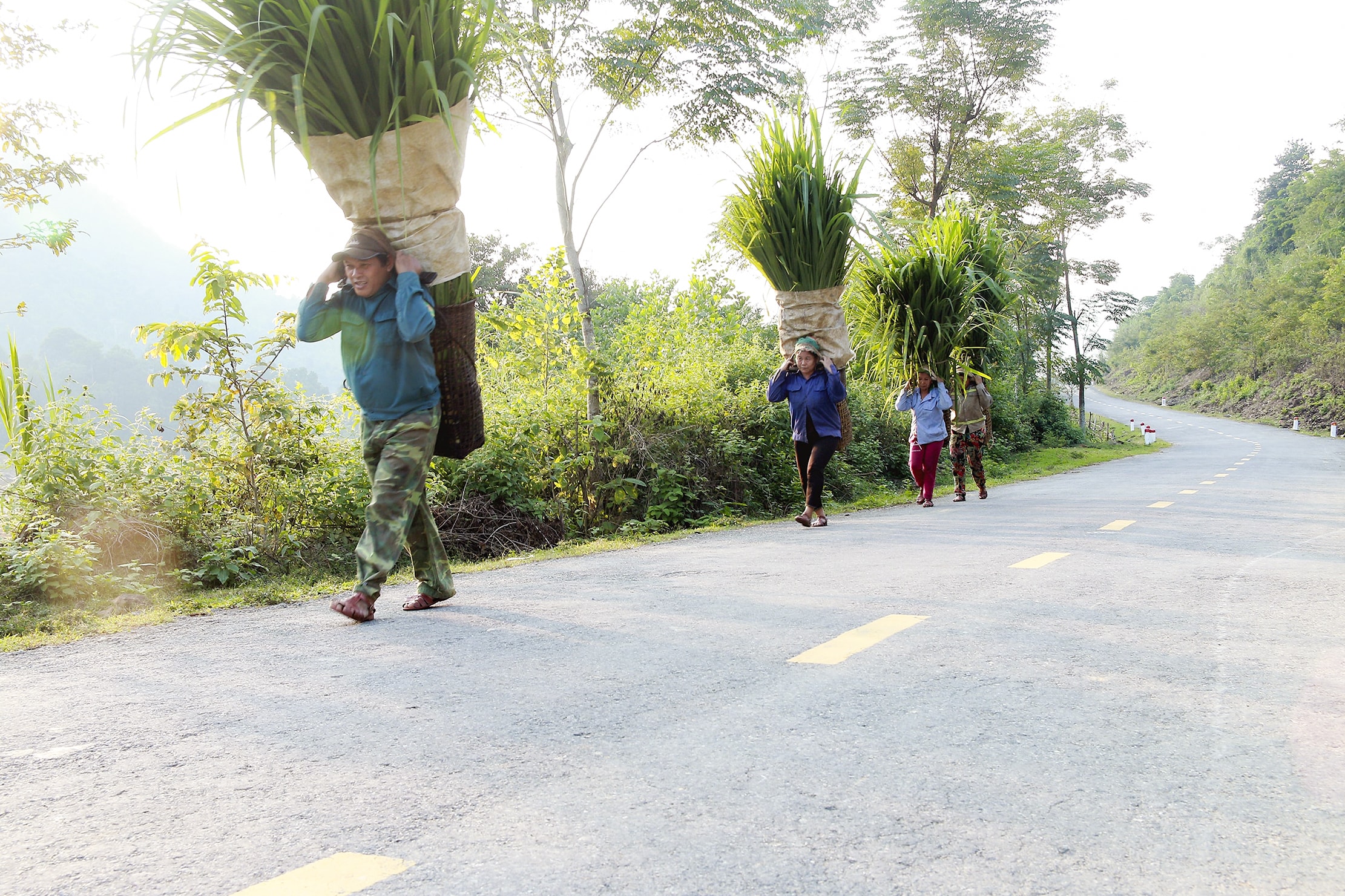
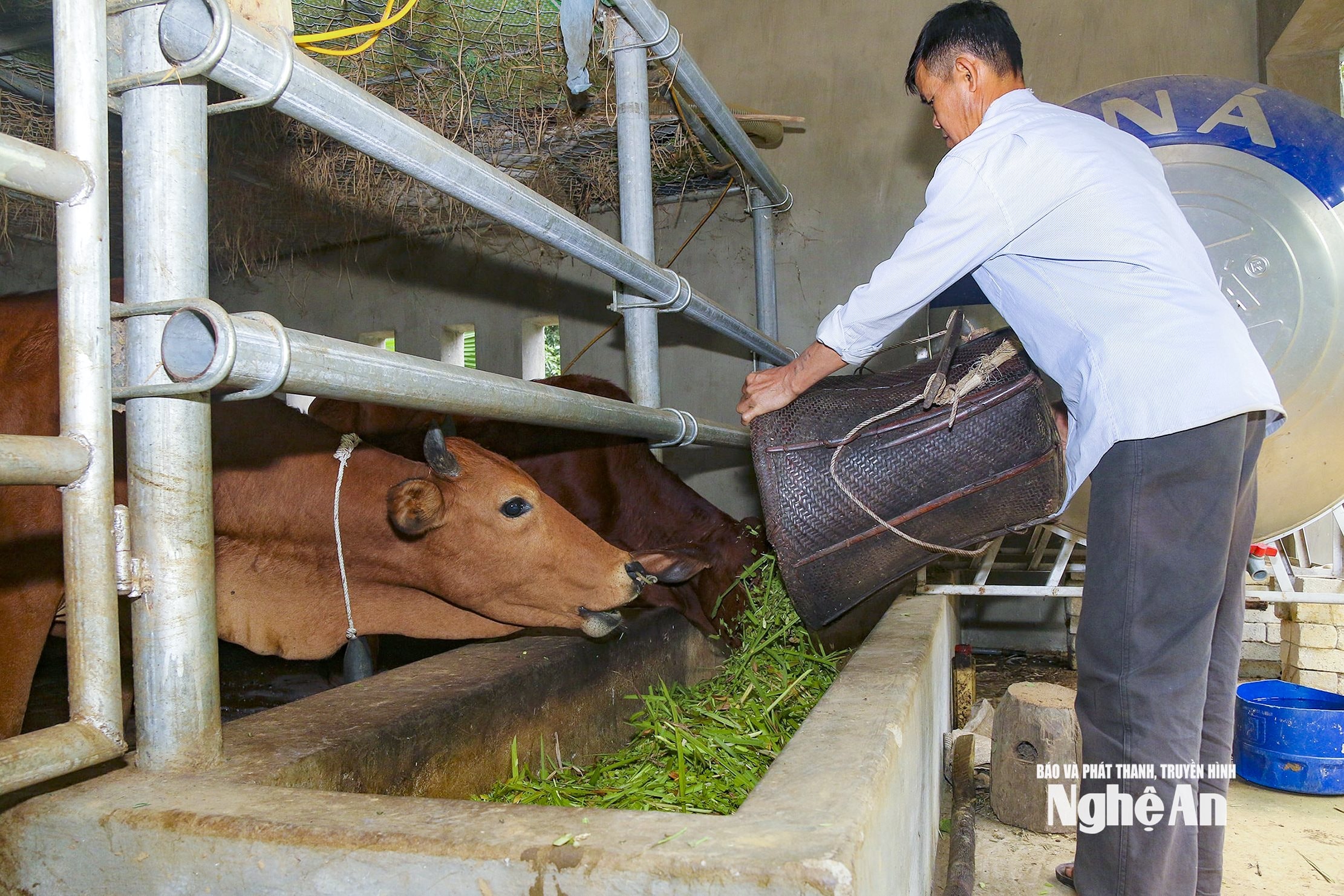
Accordingly, over the past nearly two decades, policies related to the preservation of the O Du ethnic culture have been continuously implemented. These include the Project to Support the Socio-Economic Development of the O Du Ethnic Group in Nghe An Province in the periods 2006-2010, 2011-2015, and 2016-2025; and the Project to Preserve and Promote the Value of Performing Arts of Ethnic Minorities in Nghe An Province in the period 2018-2025, which also includes a section specifically for the O Du ethnic group. Then, following the "Project for the Preservation and Promotion of Traditional Costumes of Ethnic Minorities in Vietnam in the Current Period" by the Ministry of Culture, Sports and Tourism, Nghe An province also launched a separate program, including a section dedicated to the O Du ethnic group… The Nghe An Department of Culture, Sports and Tourism has implemented many policies related to the preservation of the cultural heritage of the O Du ethnic group, such as building community cultural centers and restoring the New Year's Thunder Festival of the O Du people… The Ethnic Affairs Committee of Nghe An province has also implemented policies such as restoring the language and the traditional brocade weaving craft for the O Du people…
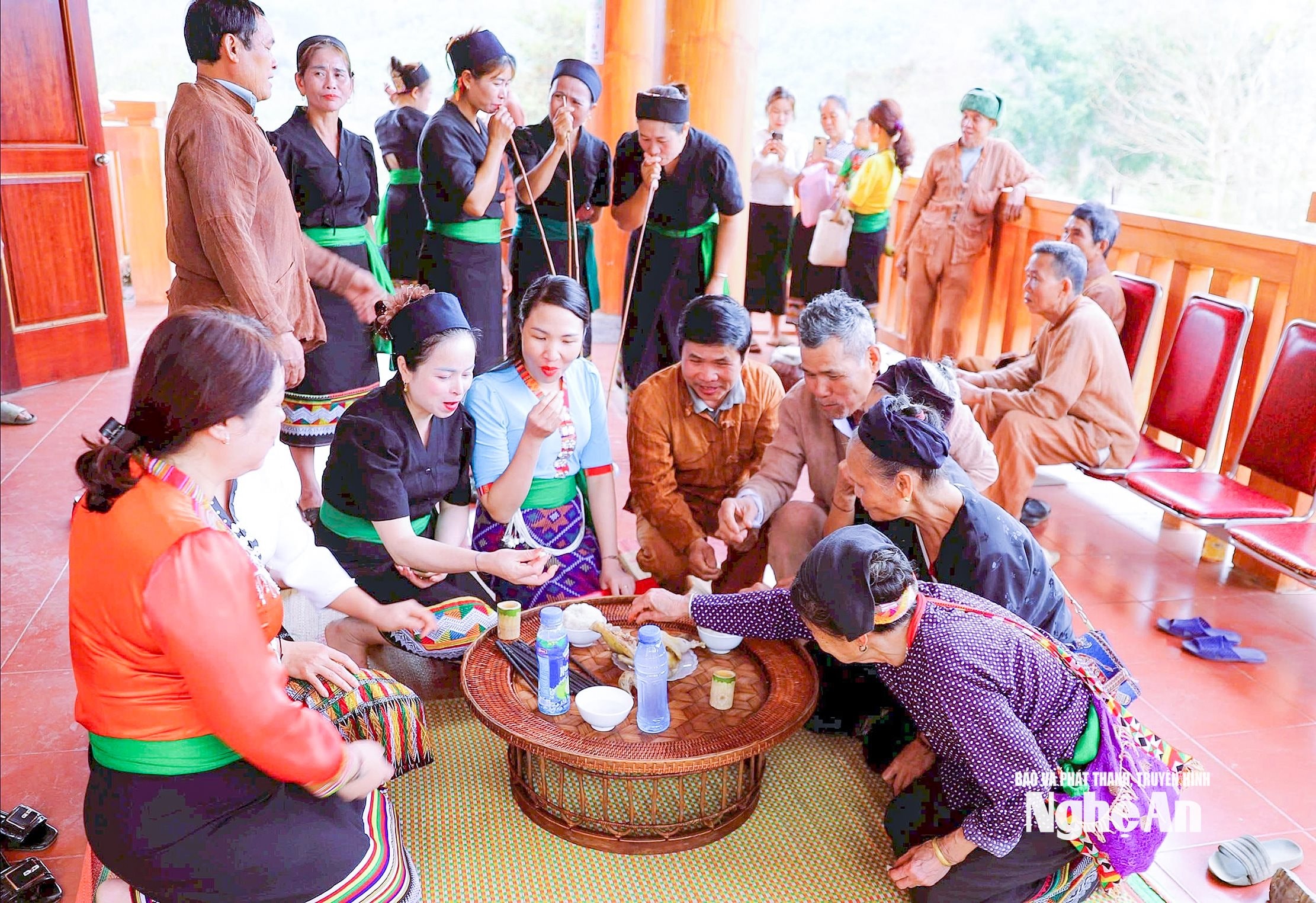
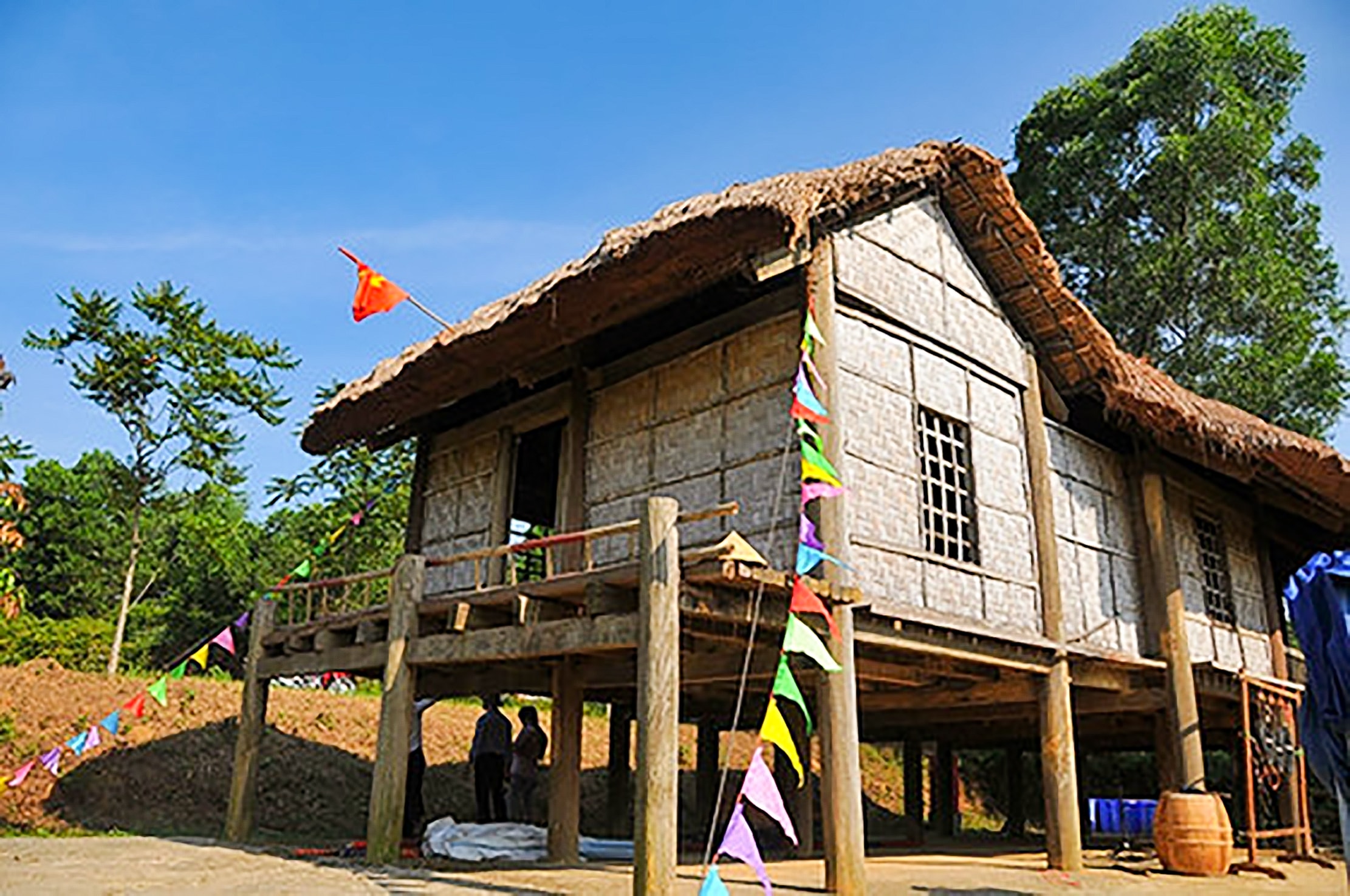
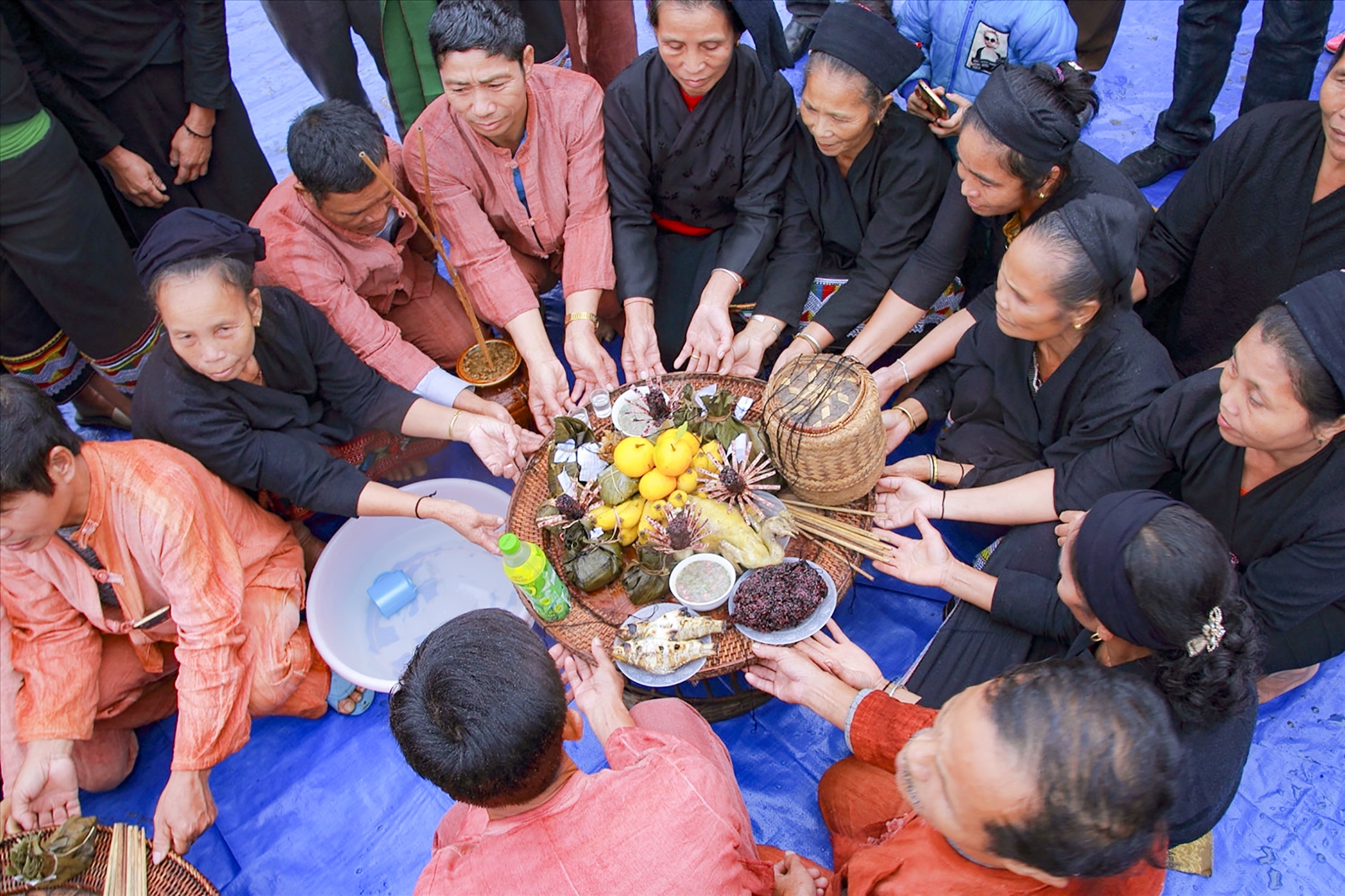
Policies for ethnic minorities in general, and policies specifically for the O Du ethnic group, represent significant efforts by the Party and the State for these minority groups. These related policies have been developed continuously over different periods and their content spans all aspects of life.
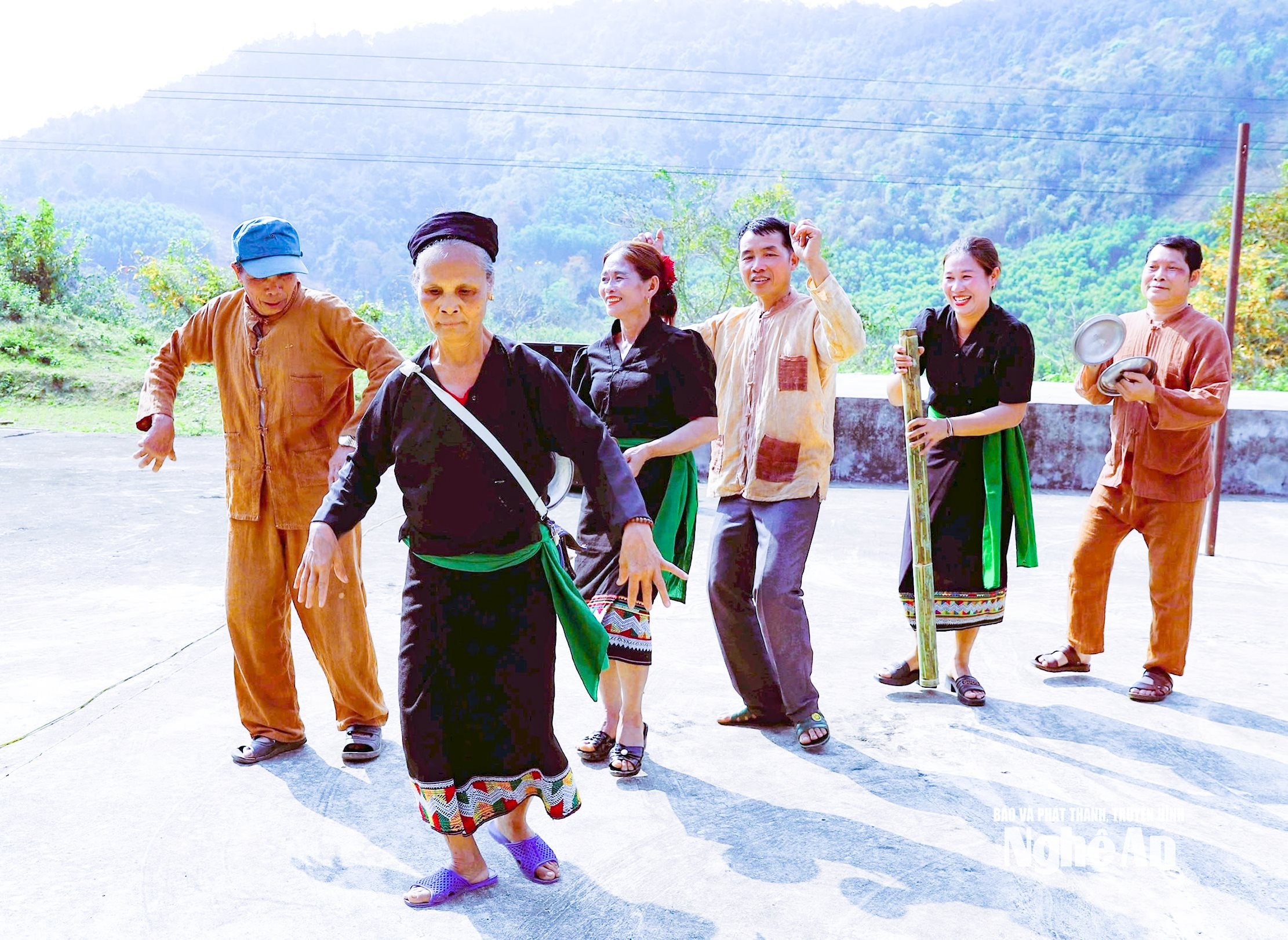
Dr. Bui Minh Hao, who has spent many years researching the O Du ethnic group, believes that cultural heritage preservation policies in recent years have contributed to giving the people more opportunities to preserve and promote the cultural values of their ethnic group. Large and modern community cultural centers have been built. Traditional dances have been restored. Some community cultural activities have also been revived. Traditional costumes are gradually being resurrected along with the brocade weaving craft. Traditional O Du ethnic performing arts are being practiced more frequently in mass art competitions…
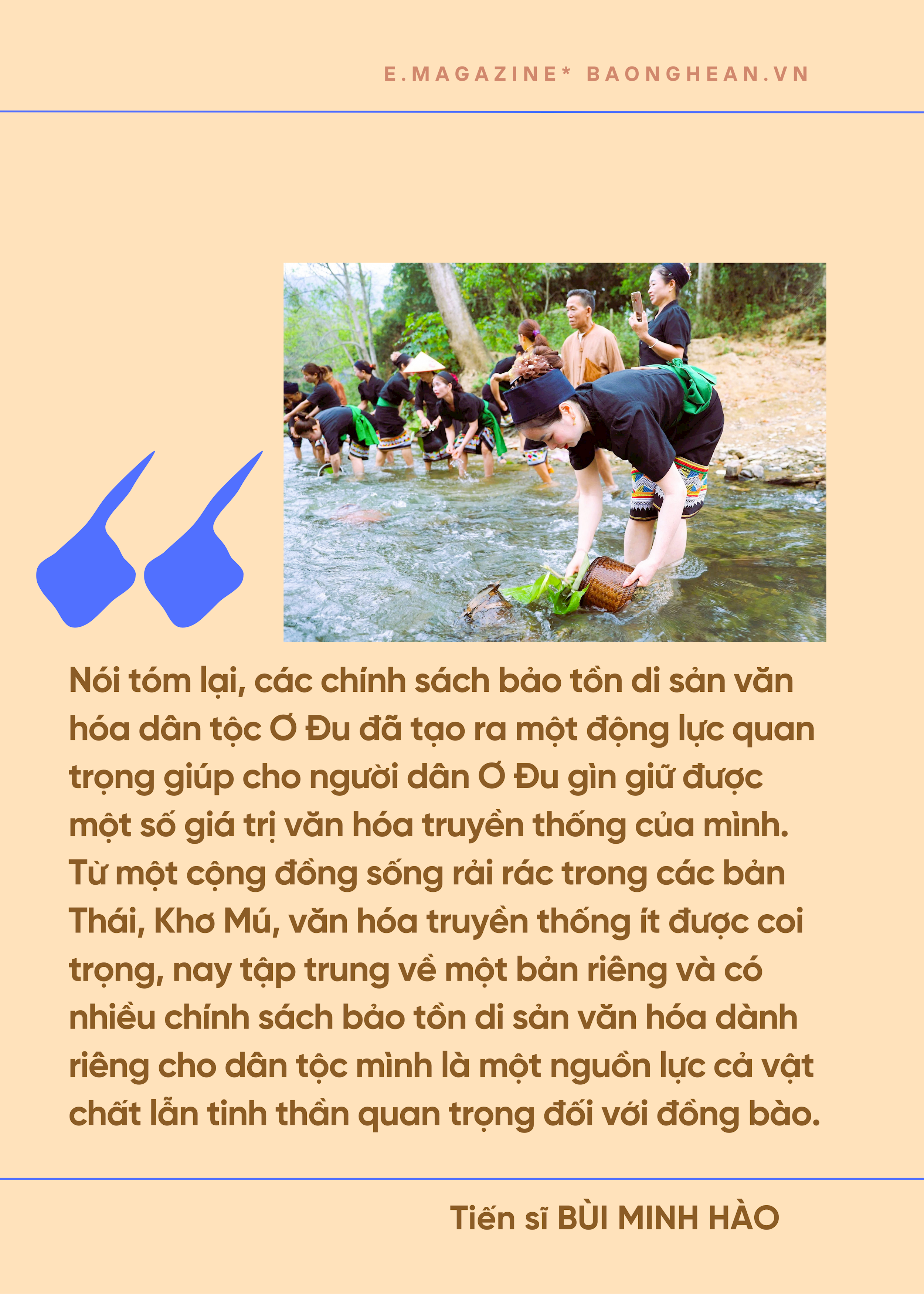
“In short, the policies for preserving the cultural heritage of the O Du ethnic group have created a significant impetus for the O Du people to preserve some of their traditional cultural values. From a community scattered across Thai and Khmu villages, where traditional culture was not highly valued, they are now concentrated in a single village and have many cultural heritage preservation policies specifically for their ethnic group, which is an important resource, both material and spiritual, for the people,” said Dr. Hao.

Having spent many years working with the O Du people, Dr. Bui Minh Hao frankly stated that while the State's policies for this ethnic minority group have yielded many positive results, they have also left some lessons learned during implementation. “The top-down cultural preservation policies, despite large budgets, have not achieved the desired effectiveness. From policies on infrastructure development to the preservation of traditional crafts and customs, these limitations are evident. The reason is that when implementing these policies and projects, the people do not have much power to participate and make decisions. Although consultations with the people are organized, they are essentially just a formality, and often the people's opinions are not adequately considered…,” Dr. Hao said.
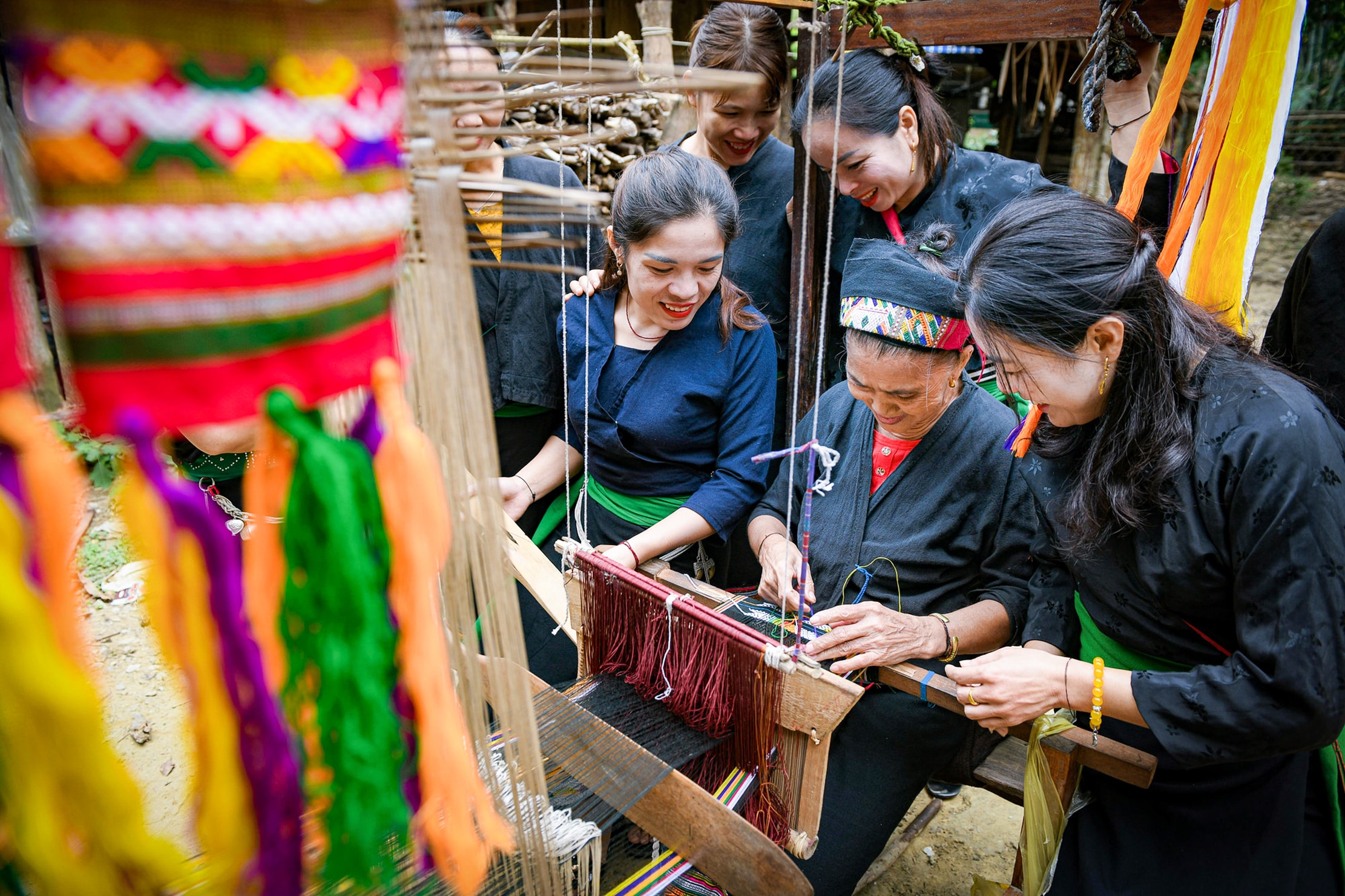
Meanwhile, according to Mr. Hao's research, bottom-up efforts in preserving cultural heritage, proactively undertaken by the O Du people themselves, have proven more effective and significantly contributed to safeguarding traditional cultural values. For example, the restoration of traditional clothing for O Du women and men has not only helped the O Du people preserve their traditional attire but also revived the weaving craft in the village in a more appropriate way. "It can be seen that the participation of the community as the main stakeholders will determine the effectiveness of preserving the cultural heritage of the O Du people," Mr. Hao said.
According to Dr. Bui Minh Hao, to develop the traditional culture of the O Du people, in addition to finding and preserving the remaining traditional cultural values, it is also necessary to create new cultural elements, centered around the O Du community, to suit their conditions and context. A harmonious combination of the remaining traditional cultural values of the O Du people with new cultural values will create momentum for development.
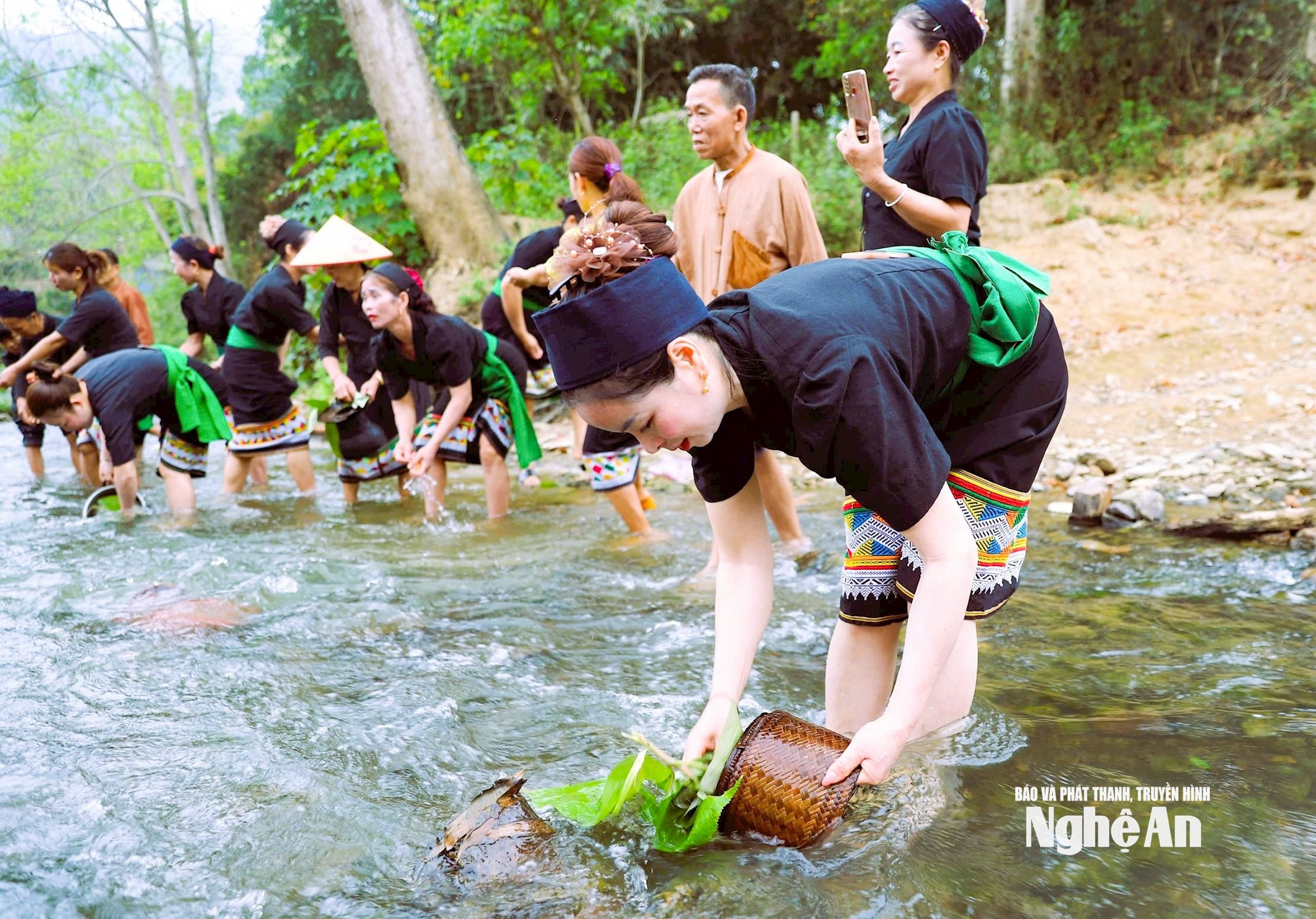
Sharing this view, Mr. Vi Tan Hoi, former Vice Chairman of the People's Committee of Tuong Duong district (formerly), believes that to better preserve the O Du ethnic culture, the preservation process must be linked to the community itself. It shouldn't just be the State or researchers; the O Du people themselves must be at the center of all activities. It's necessary to train "cultural core" within the villages so they can pass on their language, traditional crafts, and festivals.
Mr. Hoi assessed that Van Mon village, home to a large population of O Du ethnic people, has seen positive changes in economic life, culture, and educational level. However, preserving O Du culture still faces many challenges, especially the risk of assimilation by other cultures.
"It must be acknowledged that the programs still lack sustainability. For example, the O Du language classes are often organized in intermittent sessions, leading to a lack of long-term learning. The development of traditional crafts lacks a market. Traditional textile products are beautiful but are mainly consumed within the community, with little connection to the tourism market or e-commerce. The programs that have been implemented have also failed to leverage cultural identity for community tourism development. Van Mon village has the potential to attract tourists but lacks an effective exploitation model...", said Mr. Vi Tan Hoi.
Given these limitations, Mr. Hoi believes that for sustainability, conservation must be combined with economic development. Handicrafts must be linked to the market: connecting with businesses, tourism, and e-commerce so that products both possess cultural value and generate income. He suggests exploiting the potential of community tourism in Van Mon village: homestays, tours experiencing weaving, O Du cuisine, and folk storytelling. He also believes in reducing dependence on subsidies and increasing the self-reliance of the community.
"The Nga My commune authorities, as well as the culture and tourism sector, need to carefully study and organize the annual Cham festival, linking it with community tourism and the Nga My market," suggested Mr. Vi Tan Hoi.
Meanwhile, according to Mr. Hoi, the O Du language also needs to "live" rather than just "preserve." Therefore, it is necessary to integrate the O Du language into daily activities, create bilingual signposts at tourist spots and historical sites, develop village radio broadcasts in the O Du language; and encourage young people to compose songs and short stories in their mother tongue...
-----------------------------------------------------------------------------
>>Homepage


