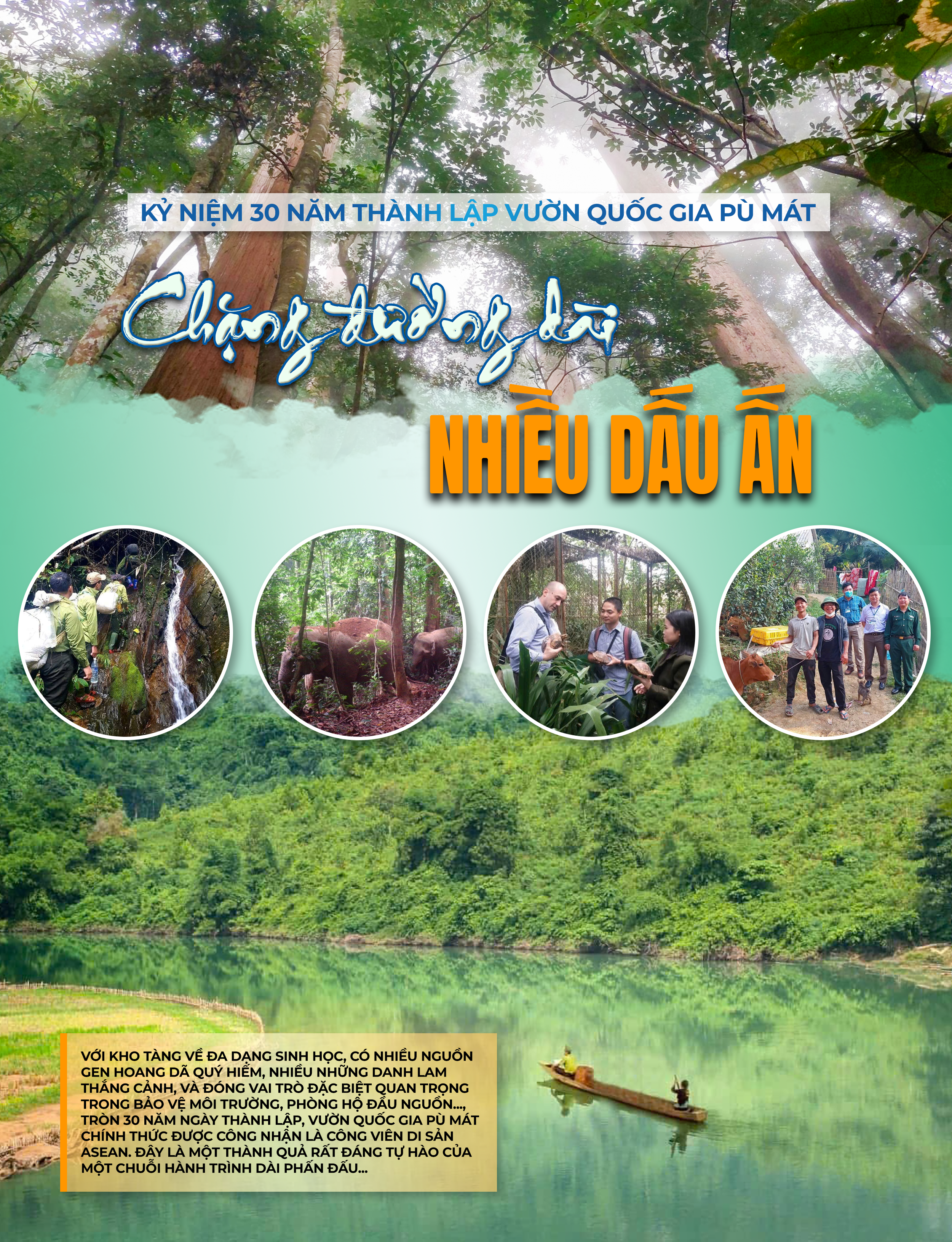
With its rich biodiversity, numerous rare wild genetic resources, many scenic spots, and its particularly important role in environmental protection and watershed conservation, Pu Mat National Park has been officially recognized as an ASEAN Heritage Park on its 30th anniversary. This is a very proud achievement resulting from a long journey of striving...
Le Anh Tuan- Director of Pu Mat National Park • December 6, 2025
In 1992, with the attention of the Government, ministries, departments, Nghe An province, and domestic and foreign scientists, a survey was conducted to establish the project "Elephant Conservation in the Cao Veu, Phuc Son - Anh Son and Thanh Thuy - Thanh Chuong areas, Nghe An". During the project's development, it was recognized that the project's scope needed to be expanded to the former Con Cuong district, now the two communes of Mon Son and Chau Khe, because this area has a large area of natural forest, providing a favorable habitat for elephants.
Through satellite imagery, Vietnamese forest surveyors discovered a vast expanse of pristine green forest stretching across three districts: Anh Son, Con Cuong, and Tuong Duong (formerly), now comprising the communes of Anh Son, Mon Son, Chau Khe, and Tam Quang. From this, Nghe An province authorized surveys and the preparation of an economic and technical feasibility report for the establishment of a nature reserve. After much dedication from scientists, the feasibility study was approved on August 24, 1995; and four months later, on December 28, 1995, the People's Committee of Nghe An province issued Decision No. 3355/QD.UB establishing the Pu Mat Nature Reserve. The reserve was named after its highest peak, Pu Mat Mountain, which stands at 1,841 meters. In October 1996, the ceremony announcing the establishment was held, and the Pu Mat Nature Reserve officially commenced operations.
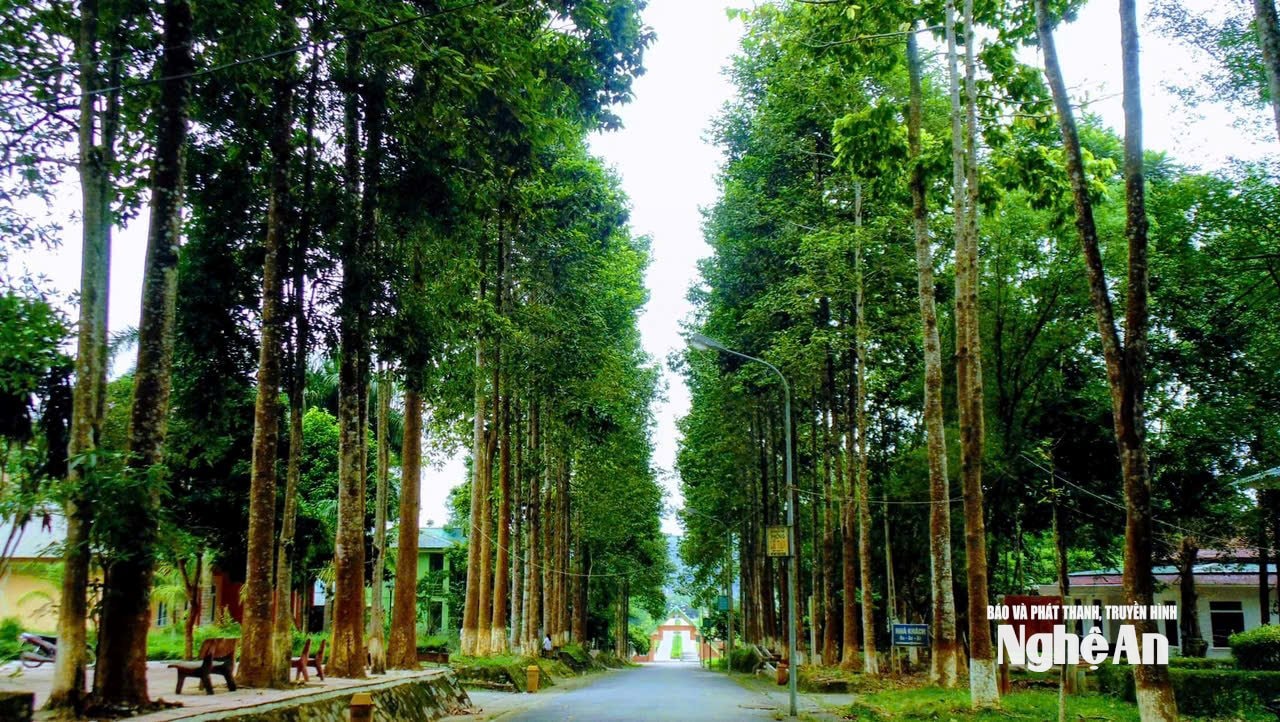
The road leading to the Pù Mát National Park Office Area. Photo: Pù Mát National Park.
With an initial staff of only 6 people, the conservation area's office was located at the headquarters of the Con Cuong District Forest Management Unit, and there were only 2 forest management and protection stations. The stations lacked basic facilities and had to borrow houses from local residents for work and living. The biggest difficulty at that time was the extremely limited workforce compared to the vast area of forest to be protected; the mountainous terrain was very complex, and the local people were already accustomed to depending on the forest for their livelihood, logging, hunting animals, and burning forests for farming. Some areas, such as Mon Son, Chau Khe, and Tam Quang, had become major hubs for timber trading.
In 1997, a new office complex was built in Tien Thanh village, Chi Khe commune (formerly), which is the current location. It consisted of only one row of eight single-story buildings used for living, working, meetings, and receiving guests. Around the same time, the Pu Mat Forest Ranger Station was established, and three additional forest management and protection stations were built. The unit's organizational structure was strengthened, comprising a two-person management board, two departments, one forest ranger unit, and five forest management and protection stations with 26 personnel. Despite the difficulties, the unit's staff made every effort, and with the support and assistance of the local Party committee and government, significantly reduced violations of forestry laws, gradually establishing order and discipline in forest management and protection.
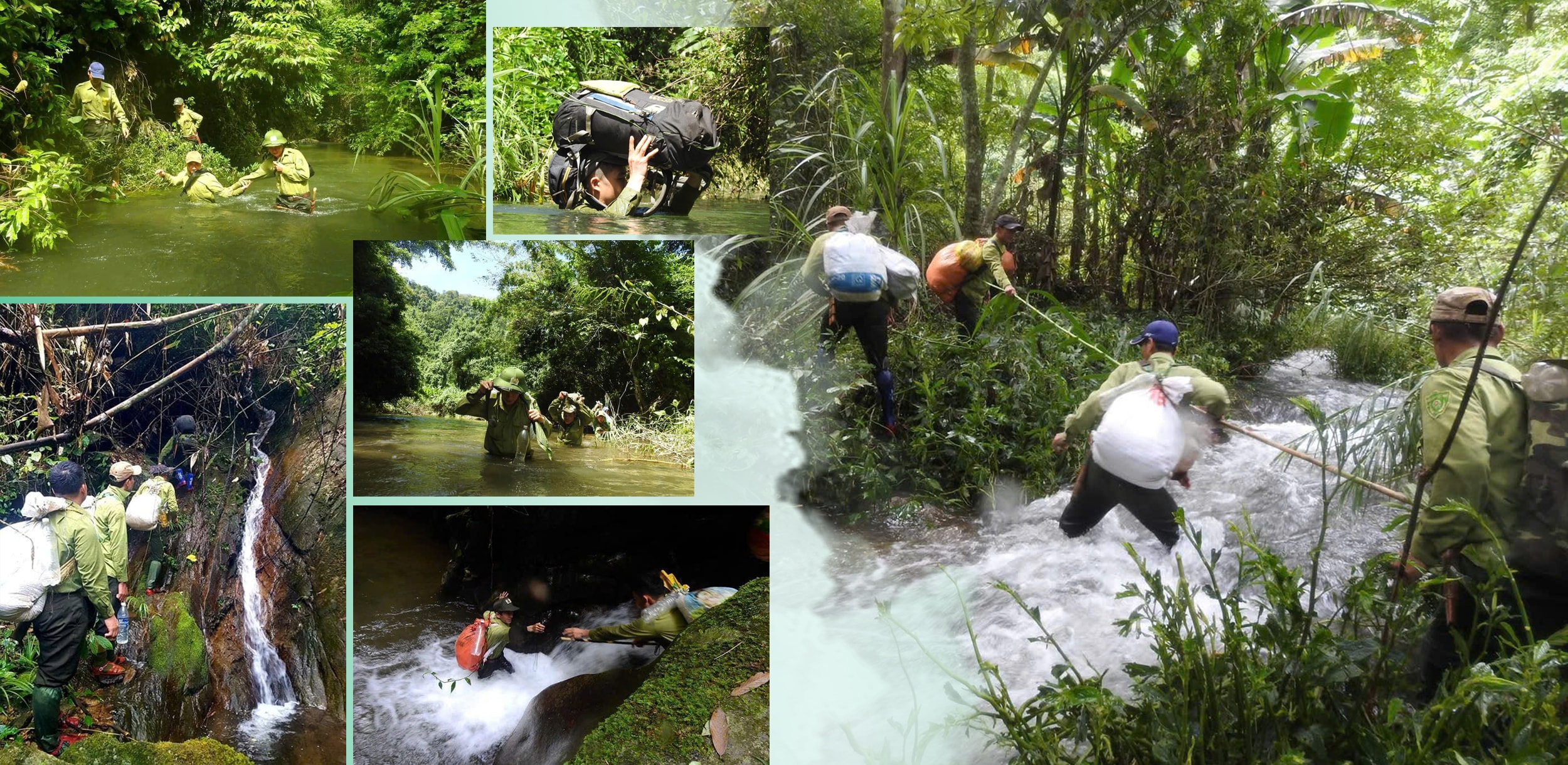
Officers and staff of Pu Mat National Park cross streams to patrol the forest. Photo: Pu Mat National Park.
Also in 1997, the Nghe An Province Social Forestry and Nature Conservation Project (SFNC Project), funded by the European Community, was launched and implemented. The project supported the construction of several office buildings, housing, dining halls, and forest protection stations. It enhanced the capacity of conservation area staff and improved institutional frameworks. The implementation of the highland agricultural development component helped people in the buffer zone gradually stabilize their livelihoods and reduce their dependence on the forest. In addition, the project conducted biodiversity surveys to assess the importance and value of the conservation area. Initial lists of plant, mammal, bird, amphibian, and reptile species were compiled. Through the animal survey program using camera traps, the rich fauna of the area was revealed. In particular, images of the Indochinese tiger, saola, Trường Sơn muntjac, elephant, etc., were recorded, which had a significant impact on conservation efforts in the region and internationally.
Image from left to right, top to bottom:Elephants, red-faced monkeys, eggplants Brown-footed pheasants, partridges, and Trường Sơn muntjacs in Pù Mát National Park were captured on camera traps. Photo: Pù Mát National Park.
Given its immense biodiversity, tourism potential, and environmental landscape, on November 8, 2001, the Prime Minister issued Decision No. 174/2001/QD-TTg, upgrading the Pu Mat Nature Reserve to Pu Mat National Park. Its functions include protecting and developing special-use forests; conserving and promoting biodiversity and genetic resources; preserving nature, cultural and historical values, and landscapes within the park; conducting scientific research, international cooperation, rescue and development of wildlife; educating and raising environmental awareness and providing forest environmental services; and developing ecotourism.
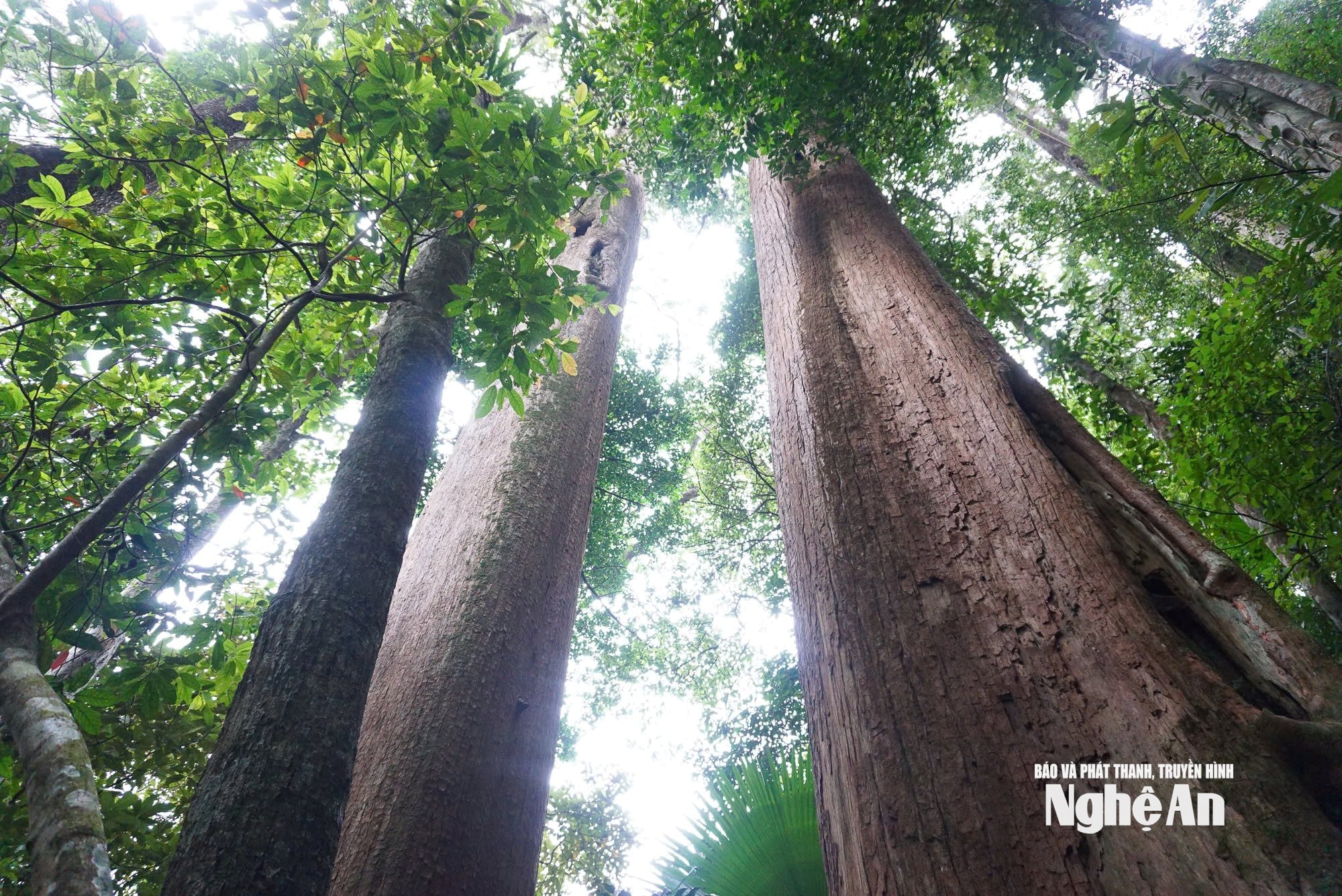
A forest of valuable fir trees in Pu Mat National Park. Photo: Thanh Cuong
Since its establishment, Pu Mat National Park has identified forest management and protection as its most important political task. With the motto "Protecting the forest at its source," the park's forest protection forces conduct thousands of patrols annually, penetrating deep into the forest to destroy illegal encampments, dismantle animal traps, and prevent and address illegal logging activities. A breakthrough in patrol work is the application of information technology and smart devices to support the patrols of forest rangers.
In 2018, the park fully implemented the Smart software for reporting and monitoring forest patrol and protection activities, resulting in increasingly effective forest patrols. In addition, the installation of Poachercam cameras at forest entrances has improved the control of people entering and leaving the forest. The park has also collaborated with village management boards to organize meetings to disseminate forest protection laws and issue community forest protection regulations. This has strengthened community participation in forest protection efforts.
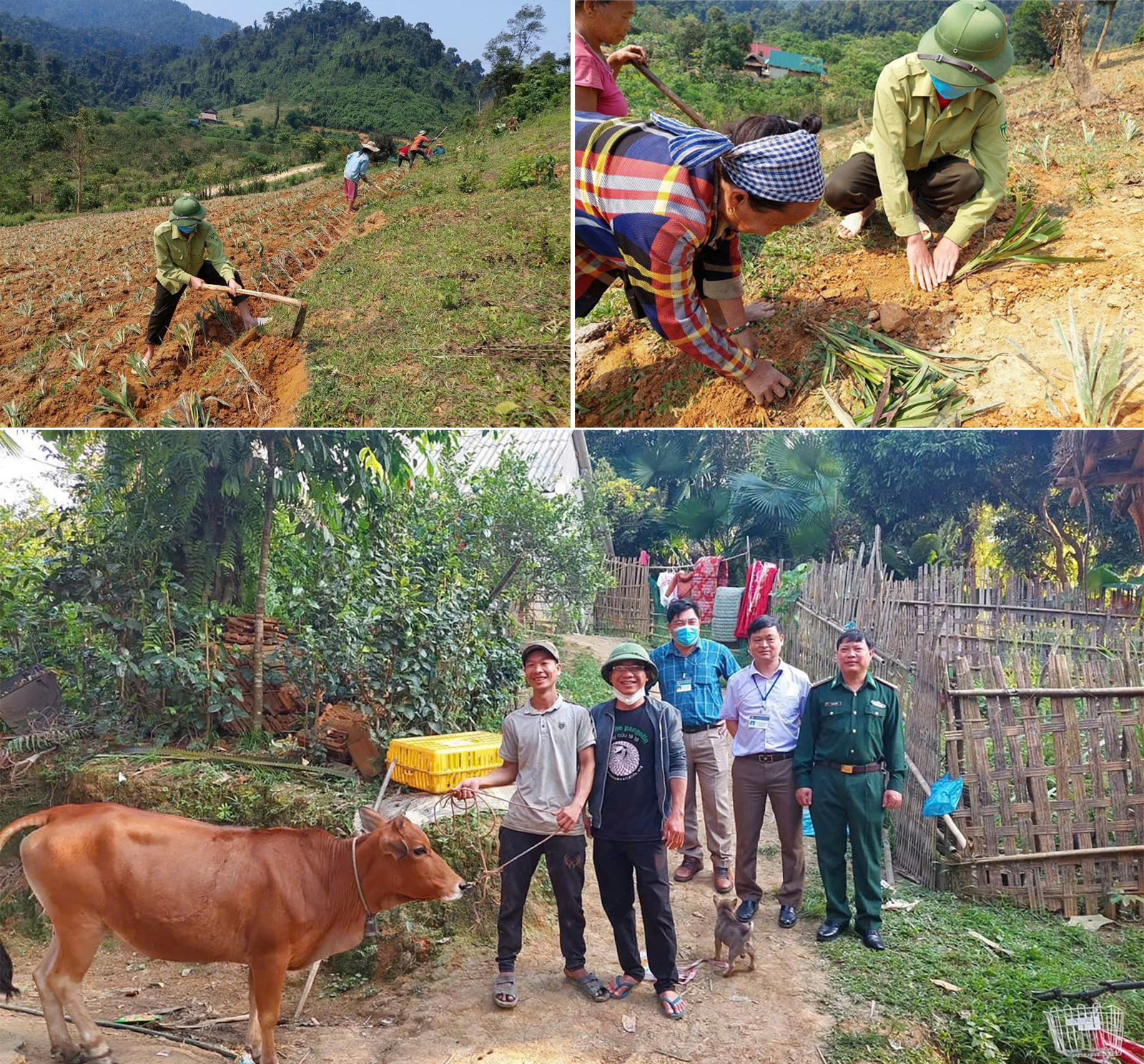
Officials from Pù Mát National Park assist in planting trees and donating cattle to create livelihoods for people in the buffer zone. Photo: Pù Mát National Park.
Each year, more than 1,800 households participate in forest protection contracts. This has contributed significantly to job creation and income generation for the people, while limiting their impact on the forest. People who were once adversaries have become cooperative partners, and many households have received commendations and awards annually. Some have even transitioned from professional hunters to forest protection officers of the national park. Over the past 30 years, despite numerous difficulties, the park's officials and staff have excellently fulfilled their assigned political nhiệm vụ: protecting forest ecosystems. To date, there is no longer any logging within the national park. Wildlife protection has been strengthened. Monitoring and evaluation results from 2018 to 2024 show that the population of some species in Pu Mat National Park has increased.
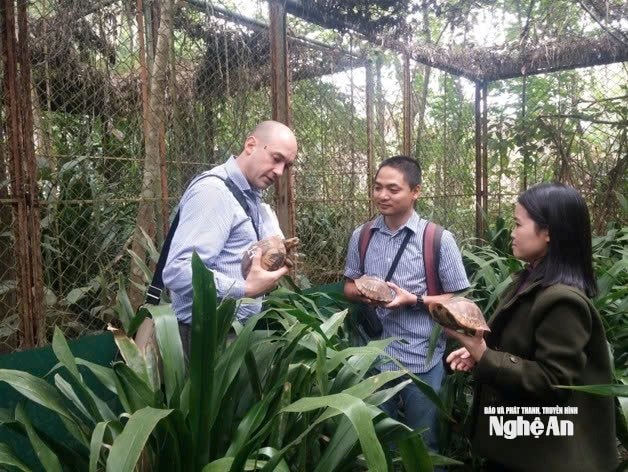
Scientists study the yellow-headed box turtle at Pu Mat National Park. Photo: Pu Mat National Park.
Scientific research and international cooperation are extremely important tasks of Pu Mat National Park. Over the years, thanks to the efforts of the park's scientific staff and the cooperation and coordination of organizations and individuals both domestically and internationally, many programs and projects at the ministerial, provincial, and local levels have been implemented. The results have shown that Pu Mat National Park is one of the special-use forests with very high biodiversity in Vietnam. It contains many rare and valuable plant and animal species with national and international conservation value. Particularly important is the fact that the populations of several mammal species that are truly endangered in Vietnam and worldwide still have the potential for conservation and development in Pu Mat National Park, including elephants, Trường Sơn muntjacs, striped rabbits, civets, sun bears, and Malayan sun bears.
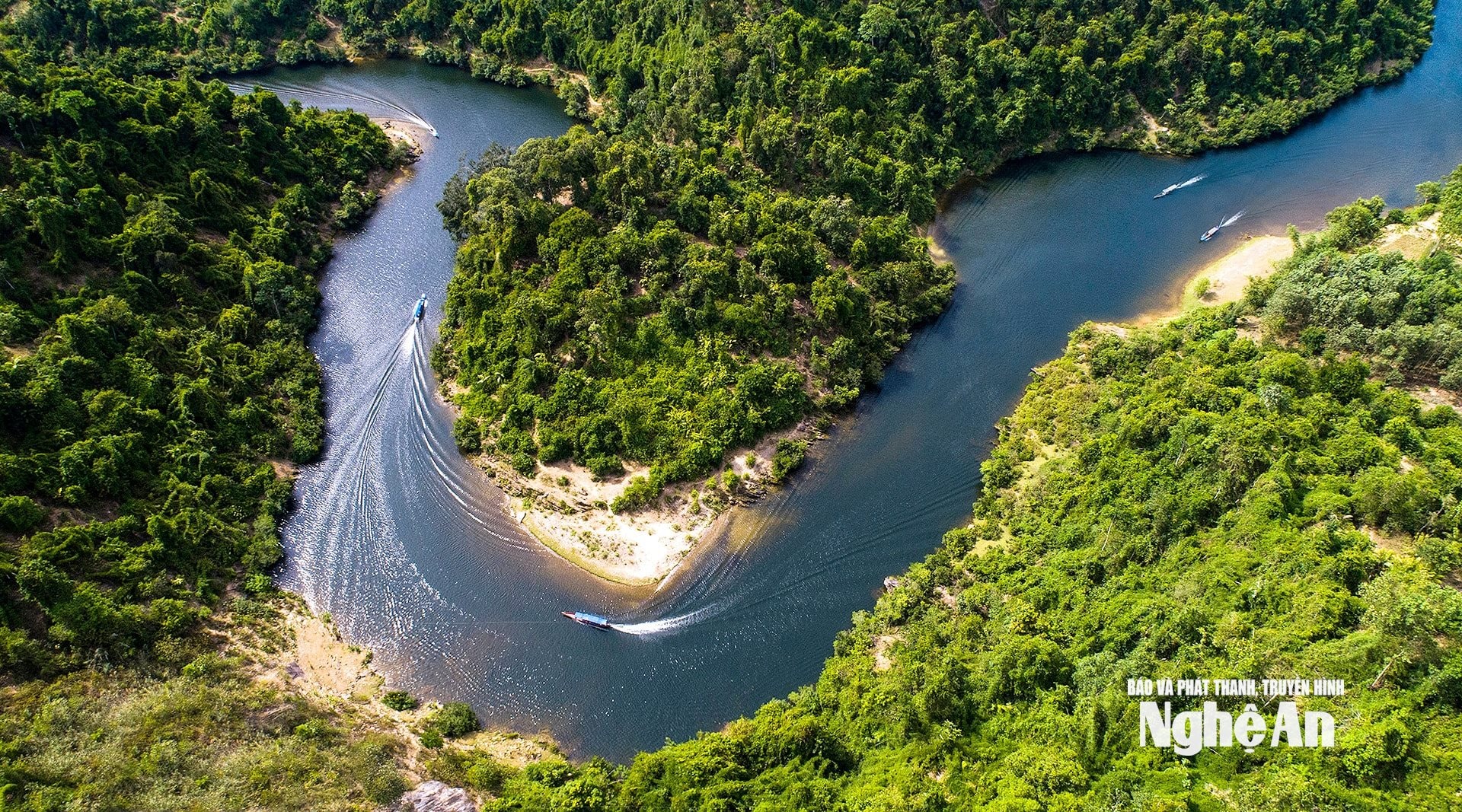
The Giang River meanders deep through the heart of Pu Mat National Park. Photo: Pu Mat National Park
"
Pu Mat National Park has been mentioned in eight articles published in international scientific journals and dozens of articles published in domestic journals by the park's scientific staff. The results of field research and scientific investigations serve as the basis for the park's annual activity plans and management plans for various phases.
----
Regarding international cooperation, Pu Mat National Park has always received cooperation and support from many domestic and international organizations and individuals, such as cooperation with the Xi-Xoang-Ba-Na Tropical Botanical Garden in human resource training and experience exchange; support from UNESCO in conservation activities from 2008 to 2011; and support from WWF for elephant conservation activities. Particularly, from 2016 to the present, the park has established and maintained highly effective cooperation with the Wildlife Conservation Center in Vietnam and the Fauna and Flora International in forest protection, wildlife rescue, scientific research, environmental education, and livelihood development for people in the buffer zone. Due to its high biodiversity value, the park also consistently receives attention from scientists and international organizations. Since 2017, 64 delegations from 26 countries have come to collaborate on biodiversity research.
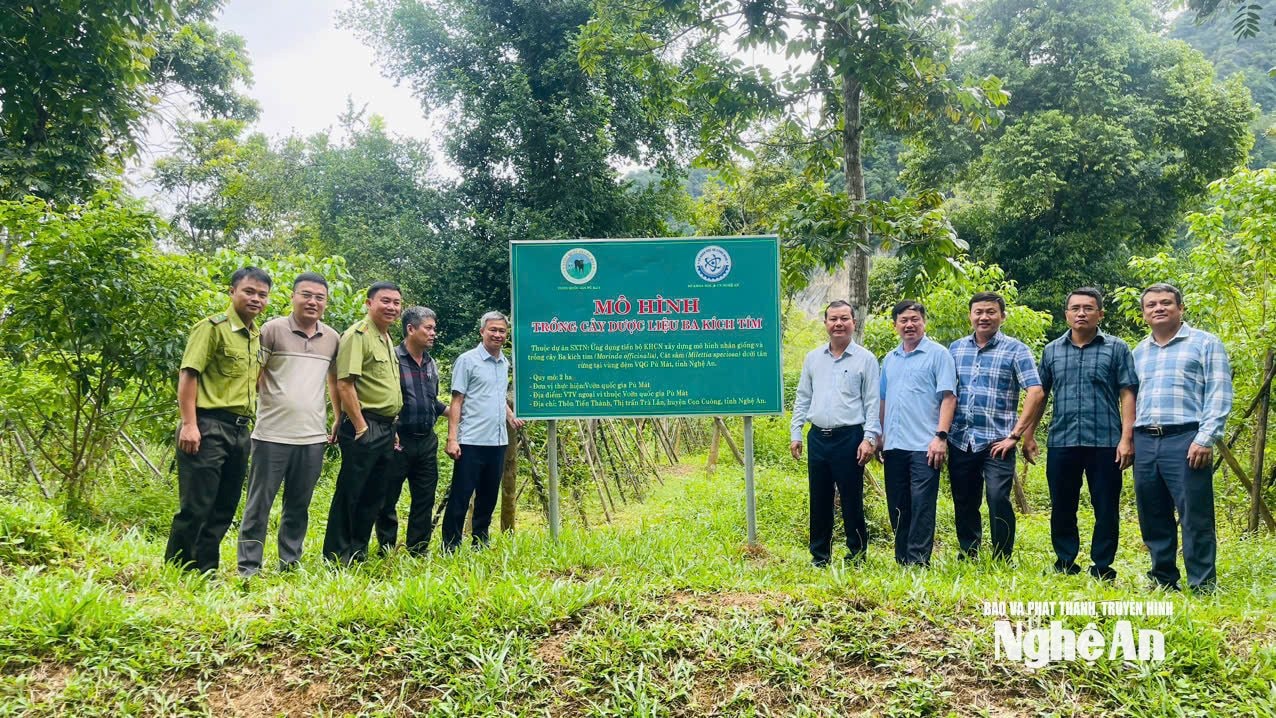
The model of cultivating the medicinal plant *Panax notoginseng* in Pu Mat National Park opens up opportunities for livelihood creation for people in the buffer zone. Photo: Pu Mat National Park
Due to its proximity to the Lao People's Democratic Republic with a border of nearly 68 km, since 2010, Pu Mat National Park has maintained a successful cross-border biodiversity conservation cooperation agreement with the Department of Agriculture and Environment of Bolikhamsai Province. Annually, the two sides alternately hold conferences to exchange experiences and conduct joint forest patrols and protection operations along the border between the two countries. Through these conservation cooperation activities, a friendly cooperative relationship has been maintained, strengthening the special bond and cultural exchange between the two units and the local people.
In its environmental education and awareness campaigns, Pu Mat National Park regularly conducts activities in villages, hamlets, and schools every year, achieving accomplishments such as the Vietnam Environmental Award for the period 2010-2015; a Certificate of Merit for outstanding achievements in wildlife conservation for the period 2010-2020 from the Ministry of Agriculture and Environment; the Vietnam Environmental Award in 2021, and many other accolades.
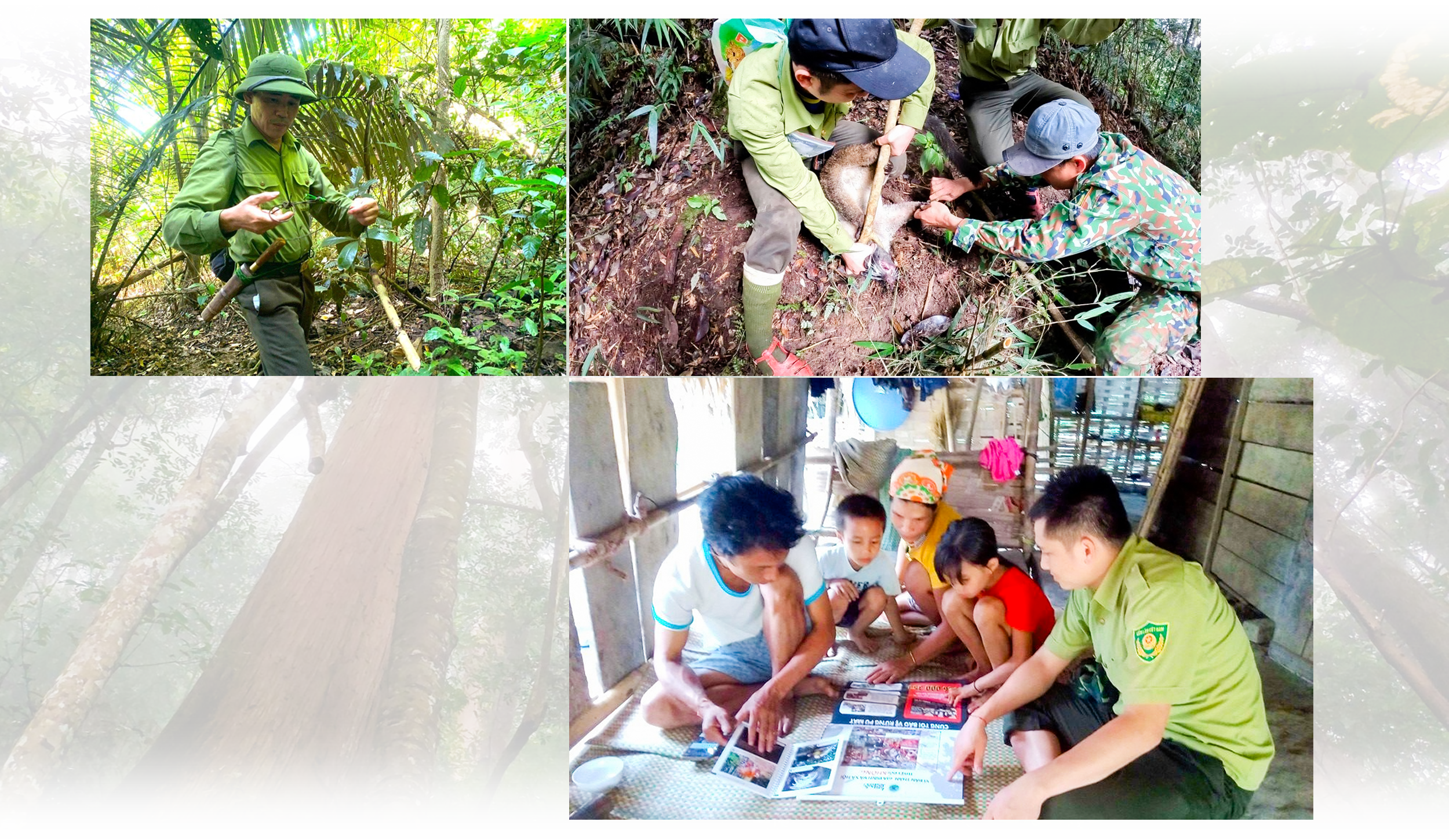
Officials from Pù Mát National Park discovered and dismantled traps, rescuing wild animals.(The two photos above)Raising awareness among residents in the buffer zone about wildlife conservation. (Photo: Van Truong)
Pu Mat National Park, with its limestone mountain ranges, numerous waterfalls, and caves, boasts many famous natural attractions such as Kem Waterfall, Oc Cave, Mo Vit Rock Beach, Sang Le Forest, and Nuoc Moc Stream ("Fairy's Navel"). These are strong points that allow the park to focus on ecotourism activities. Since 2019, the park has attracted a large number of domestic and international tourists. Currently, the park has developed the "Ecotourism, Resort, and Recreation Project for Pu Mat National Park, giai đoạn 2024 – 2030, with a vision to 2050," which has been approved by the People's Committee of Nghe An province to invite qualified investors to develop ecotourism.
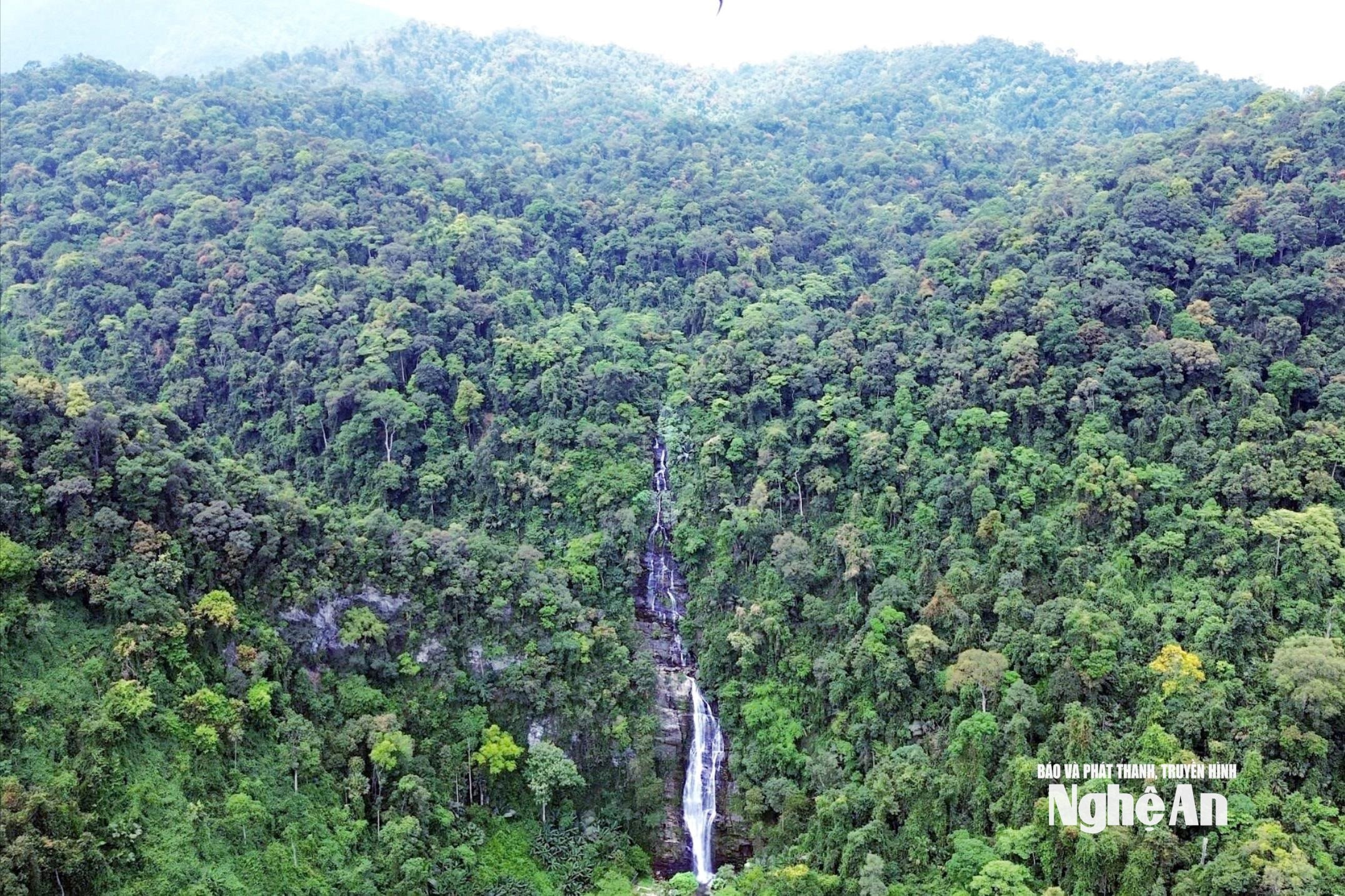
Khe Kèm Waterfall resembles a white silk ribbon draped across the heart of Pù Mát National Park. Photo: Xuân Hoàng
Recognizing the achievements made during its 30-year journey of construction and development, Pu Mat National Park has been honored with many prestigious awards: 28 Certificates of Merit from the People's Committee of Nghe An province, 8 Certificates of Merit from the Ministry of Agriculture and Environment, 2 Certificates of Merit from the Prime Minister, and the Government's Emulation Flag. Notably, in 2023, it was awarded the Second Class Labor Medal by the President of Vietnam. The park's Party Committee has consistently achieved the title of "Exemplary, Clean, and Strong" for many years.
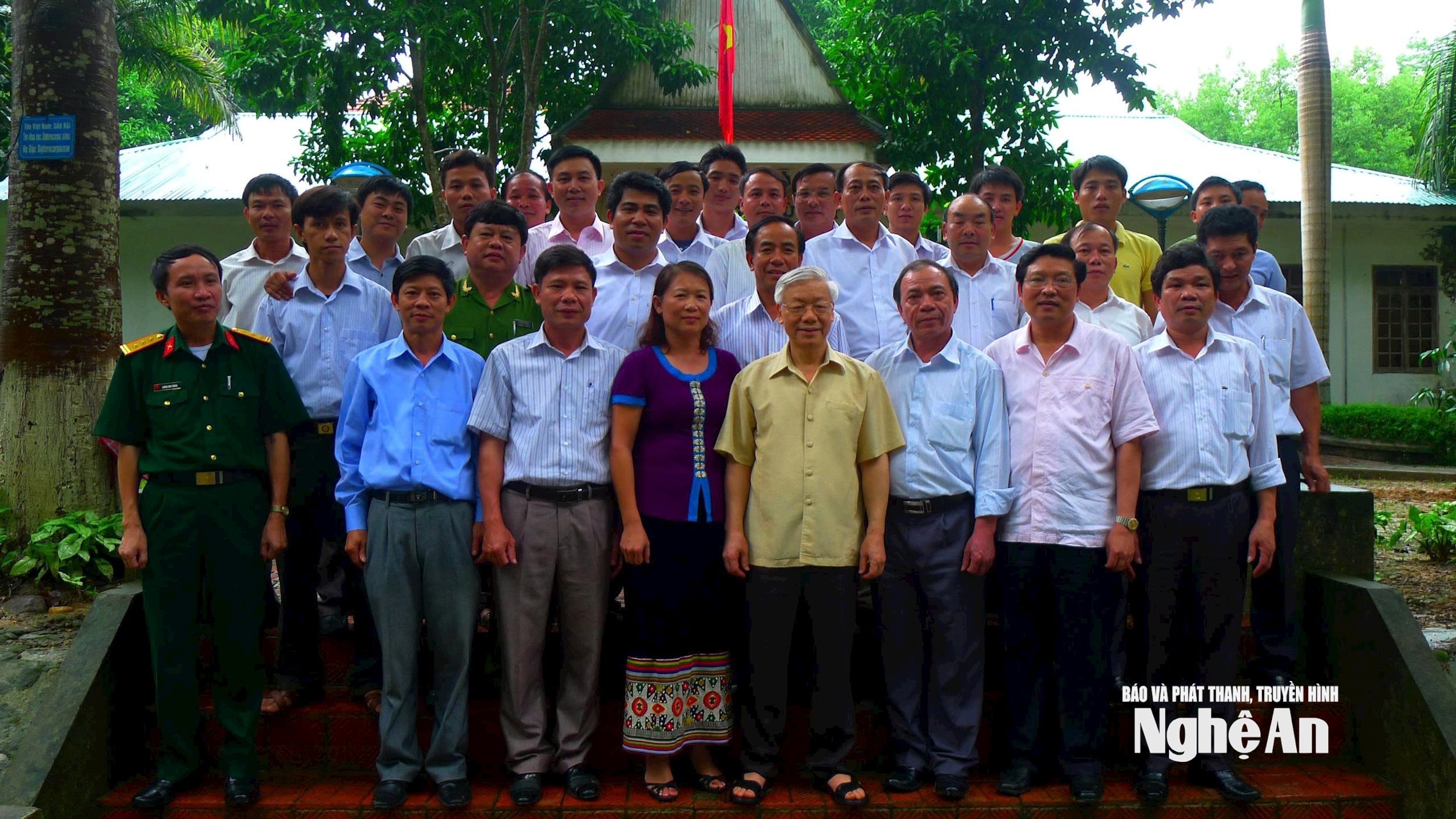
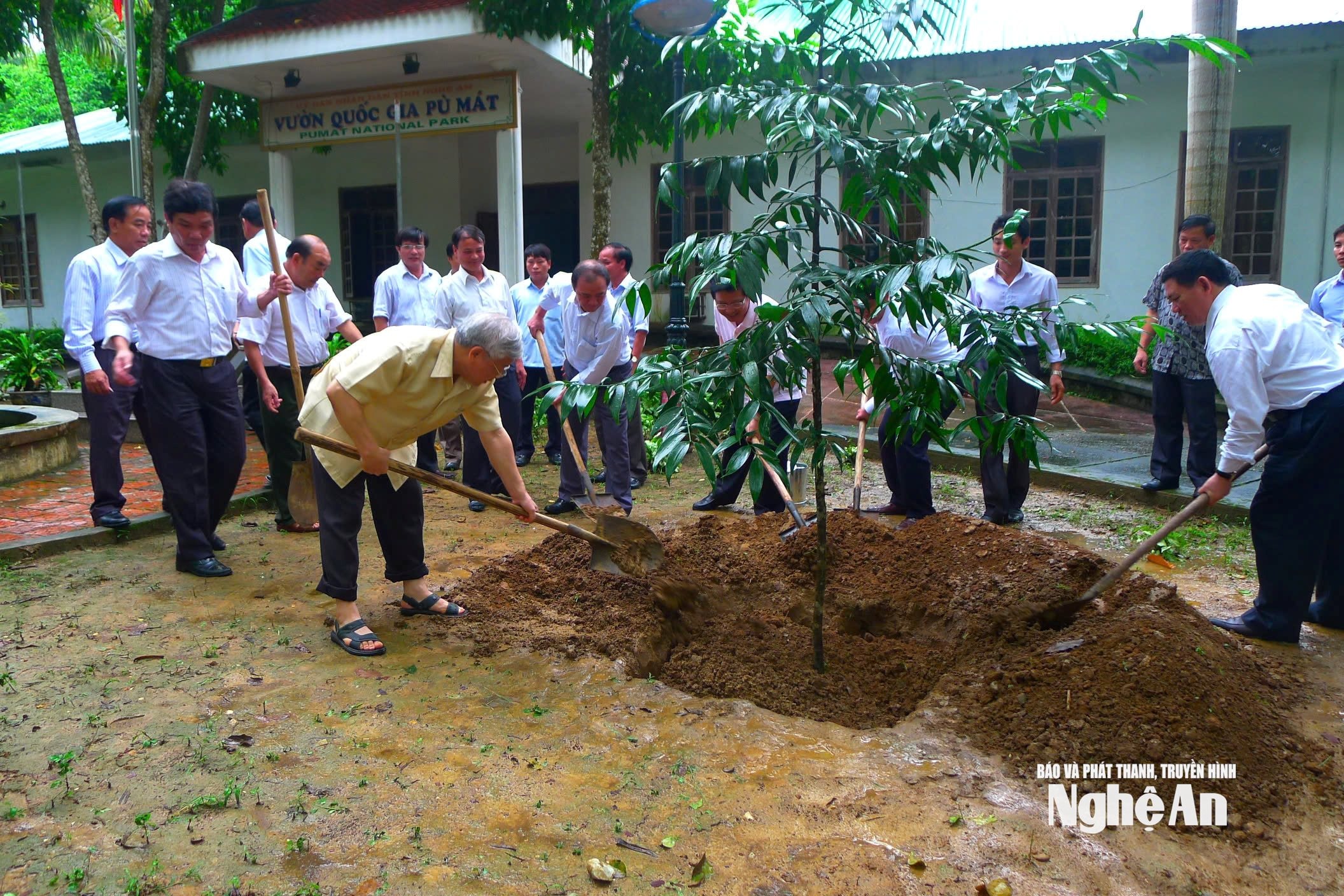
On September 5, 2012, Pu Mat National Park had the honor of welcoming General Secretary Nguyen Phu Trong for a visit and commemorative photo session. Photo: Pu Mat National ParkDuring his visit to Pu Mat National Park on September 5, 2012, General Secretary Nguyen Phu Trong planted a commemorative tree in the park's grounds. Photo: Pu Mat National Park
With achievements in the conservation and development of forest ecosystems and biodiversity resources, and to exploit the multi-purpose value of the forest, enhance the promotion of the national park's image, and meet the requirements of international integration, in 2020, Pu Mat National Park proposed to the People's Committee of Nghe An province to approve the principle of building a dossier to request recognition of Pu Mat National Park as an ASEAN Heritage Park. After a rigorous evaluation process, from the provincial level to the central ministries and agencies, the dossier was approved in principle by the Prime Minister, and was assessed and evaluated on-site by the ASEAN Biodiversity Centre, which recognized it as meeting 12 selection criteria. The ASEAN Biodiversity Centre then submitted the dossier for recognition as an ASEAN Heritage Park at the ASEAN Environment Ministers' Meeting on September 3, 2025.
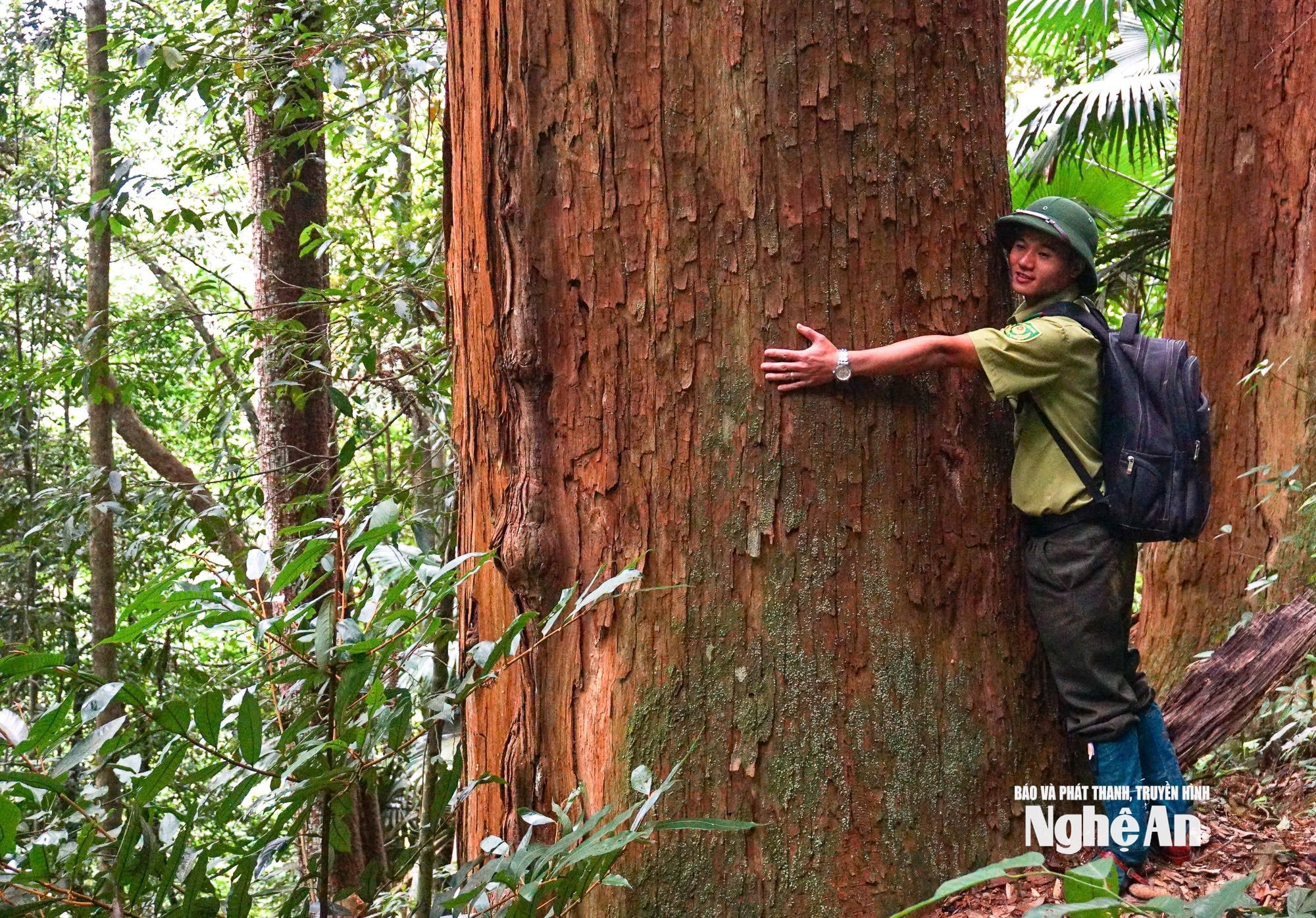
A valuable fir tree trunk in Pu Mat National Park. Photo: Thanh Cuong.
In 2025, Pu Mat National Park will officially become one of the three national parks in Vietnam to be honored with the ASEAN Heritage Park designation. This is a great honor, not only for Pu Mat National Park but also for Nghe An province. This designation affirms its status and serves as a motivation for Pu Mat National Park, along with all levels of government, relevant agencies, localities, and the people, to continue working together to preserve and promote its unique natural heritage, contributing to building the image of a green and sustainable Vietnam.
Throughout its 30 years of development and remarkable achievements, Pu Mat National Park expresses its deepest gratitude to the Ministry of Agriculture and Environment; the Provincial Party Committee, the Provincial People's Council, and the Provincial People's Committee of Nghe An; provincial departments and agencies; domestic and international organizations; universities and research institutes; domestic and international scientists; local authorities of communes, agencies, and units; and all the people in the area who have always shown concern, cooperation, and support for the park; and especially to the generations of cadres, staff, and workers who have strived to build and protect the park to its current state...
The beauty of the Giang River, flowing through the vast Pù Mát forest. Photo courtesy of Quang Dũng.
Your comment has been submitted and will be displayed after being reviewed by the editorial team. The editorial board reserves the right to edit comments to comply with the newspaper's content guidelines.


.png)