
Ky Son leverages its strengths to develop the economy.
(Baonghean.vn) - Focusing on developing livestock farming and gradually diversifying economic models and methods towards green growth,... is being identified by Ky Son district as the direction for the future, aiming to help people escape poverty sustainably and maintain the "three pillars" goal in the area...
Strengths in livestock farming
At the end of the year, assigned to report on the economic development of Ky Son district, a remote border area, we (reporters) had the opportunity to speak with Mr. Nguyen Viet Hung, Chairman of the District People's Committee. He affirmed that livestock and poultry farming is currently a strength that helps people in Ky Son district reduce poverty and become more prosperous. This is also a "spearhead" of local economic development, contributing to maintaining the "three secure" goals: secure people - secure area - secure border...
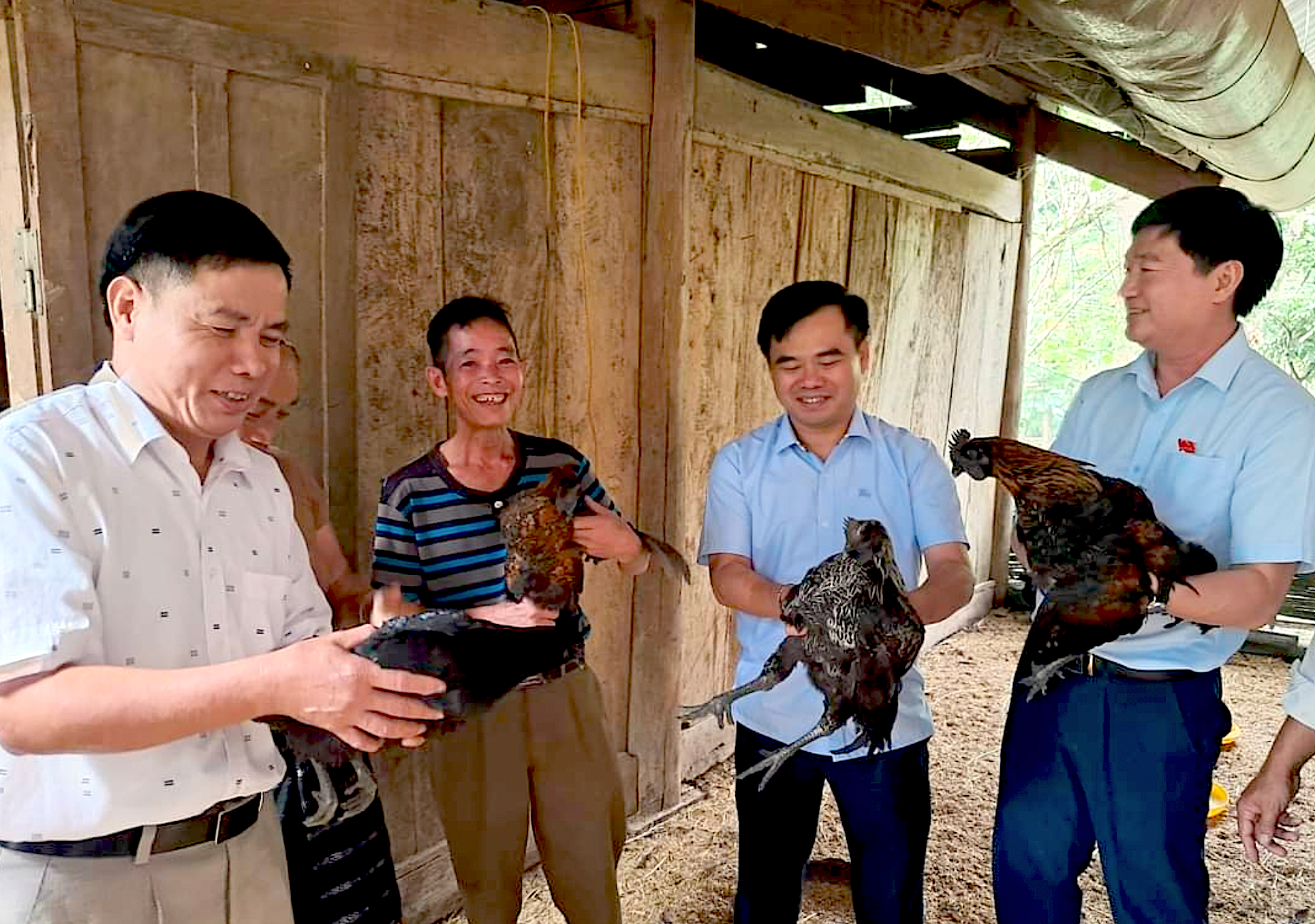
To learn more, from the early morning, while the trees were still covered in dew, we traveled from Muong Xen town to Kim Da village in Pha Danh commune. After climbing a steep mountain slope, we could hear the lively sounds of music. In front of each house, people were leisurely preparing for a new day's work. Women and children were getting breakfast ready before heading to the fields and school. The men were busy preparing to herd their cattle to the fields.
The Party Secretary of Kim Da village, Mr. Moong Van Kham, pointed to the herd of cows trudging up the mountain in search of grass and said: “Now that the rice fields have been harvested, the buffaloes and cows are free to graze. After Tet, when the new farming season comes, they will be confined again. My family currently only has 7 cows, and we sell a few each year to cover living expenses. Everyone in Kim Da village does the same; raising buffaloes and cows has helped us escape poverty.”
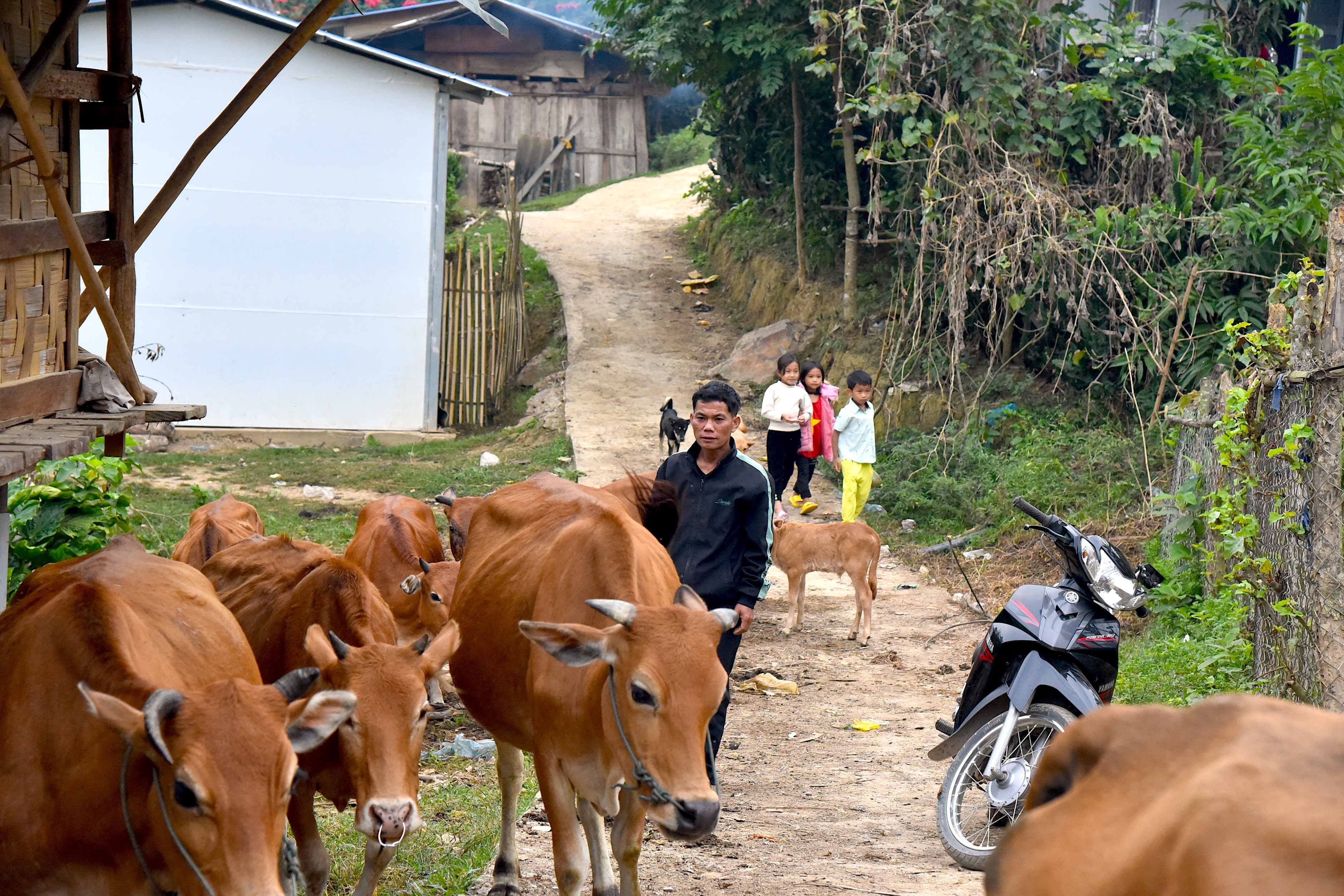
The family of village headman Cụt Văn Phòng is similar; their main economic activity is raising buffalo and cattle. Mr. Phòng estimates that the entire Kim Đa village has over 100 cows and more than 40 buffaloes. With 67 households and 309 inhabitants, only a few households don't raise buffalo or cattle. The rest, like Cụt Văn Phòng's and Moong Văn May's families, raise 6-7 animals, while others raise 10-20 buffalo or cattle.
“We were raising eight buffaloes and seven cows, but we just sold them all. Raising both buffalo and cows is quite hard work because they don't like to live together, so we have to separate them into two different areas,” said Cụt Văn Thắng, a resident of Kim Đa village. In Phà Đánh commune, besides Kim Đa village, many other villages are gradually becoming more prosperous thanks to livestock farming combined with crop cultivation, such as Piêng Phô and Piêng Hòm villages…
Keng Du commune is the furthest area from the center of Ky Son district, bordering Laos; in recent years, many households here have gradually escaped poverty thanks to diligent livestock farming and increased production.
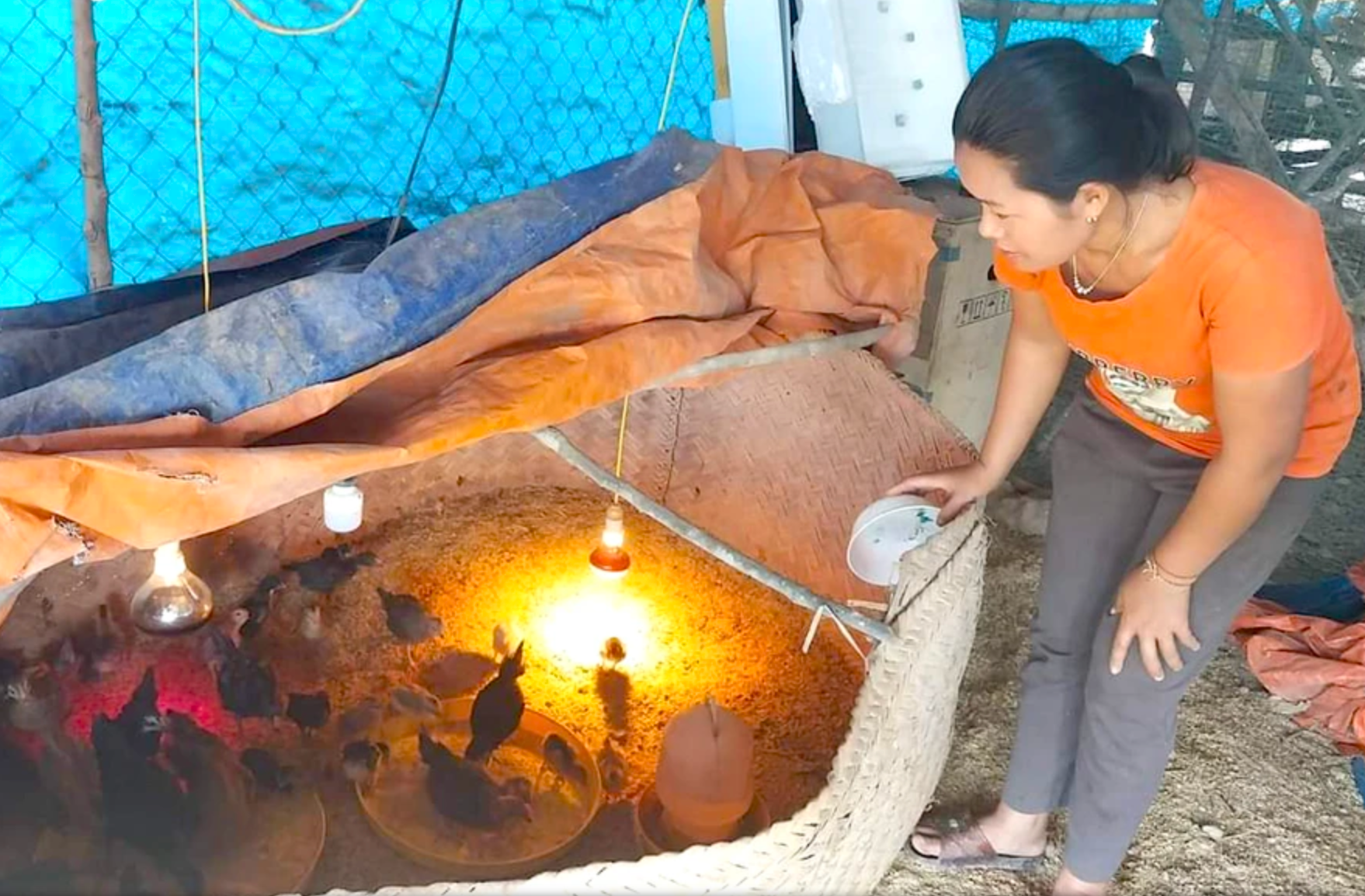
The family of Ms. Moong Thi Hien, from Huoi Phuon 2 village, Keng Du commune, was previously classified as a poor household. Both she and her husband had unstable jobs and low incomes; in addition, they had to care for their elderly parents and support her husband's younger brother who was studying at university, making their finances very difficult and tight. After receiving support and guidance from commune and district officials, particularly the Women's Union, Ms. Hien boldly borrowed 20 million VND from the bank to invest in livestock.
Through hard work and diligently searching for food sources to care for her livestock, including chickens, pigs, and cows, ensuring their rapid growth and good reproduction, Ms. Hien's family has not only improved their living standards but also been able to purchase an additional 20-40 kg of fish fry per year to diversify their livestock.
After experimenting with this "integrated" farming method for a while, Ms. Hien realized that chickens adapted well to local conditions, yielding higher and more stable economic value. Therefore, she decided to focus on building her flock and expanding the scale of her operation. In just over two years, her family, formerly a poor household, has become well-off, enjoying a comfortable and happy life, and confidently settling in their village, diligently working to improve their lives.
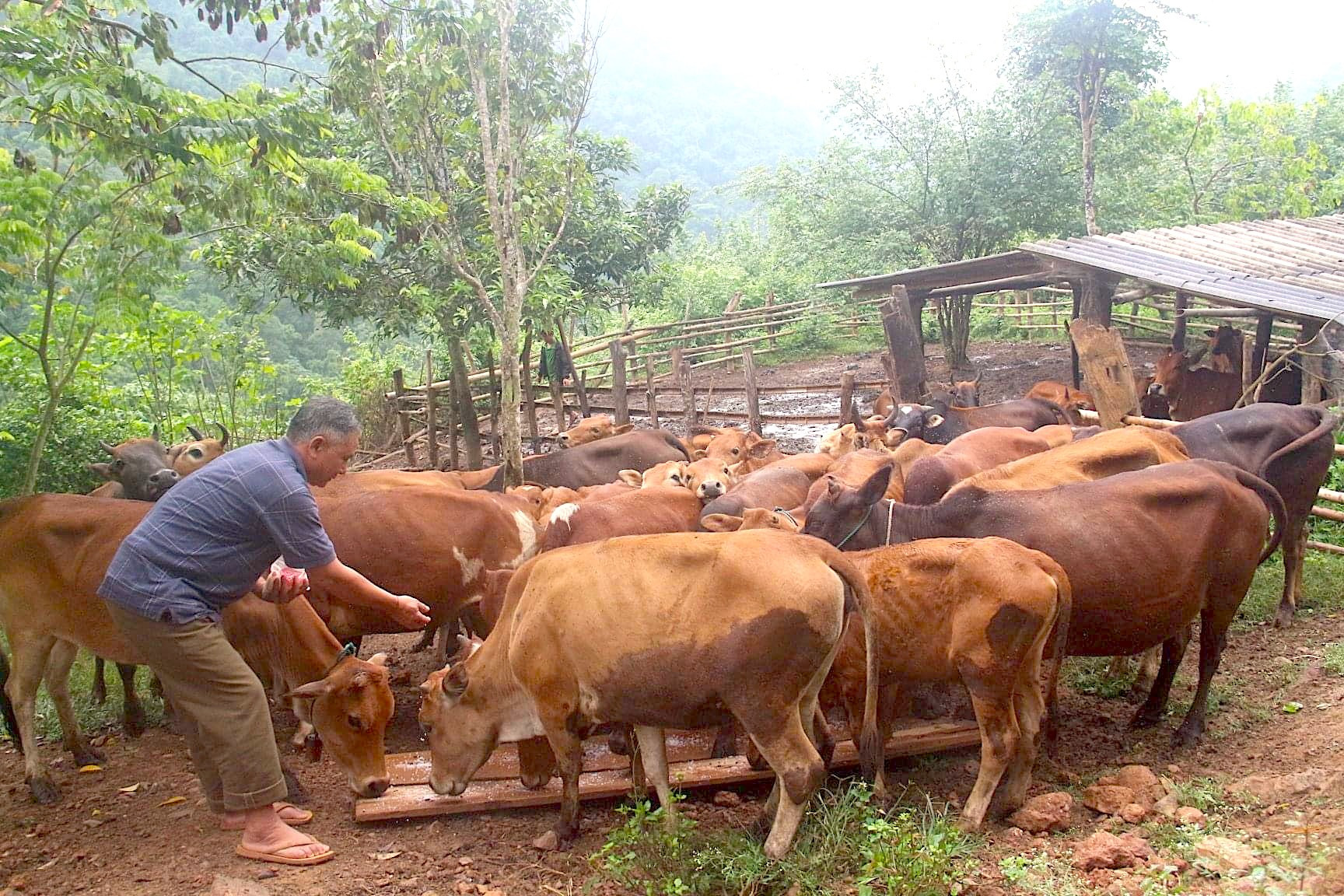
Supporting the scaling up of effective economic models.
According to Mr. Nguyen Viet Hung, Chairman of the Ky Son District People's Committee, along with livestock development, the district will direct and support the replication of effective and sustainable economic models and practices in the direction of green growth, especially in the fields of tourism and economic development under the forest canopy associated with environmental protection and forest conservation.
Based on economic models that have proven effective, in 2024, Ky Son district will continue to promote the application of appropriate science, technology, and engineering, combined with the development of geographical indications, brands, and trademarks for the district's strong agricultural products.
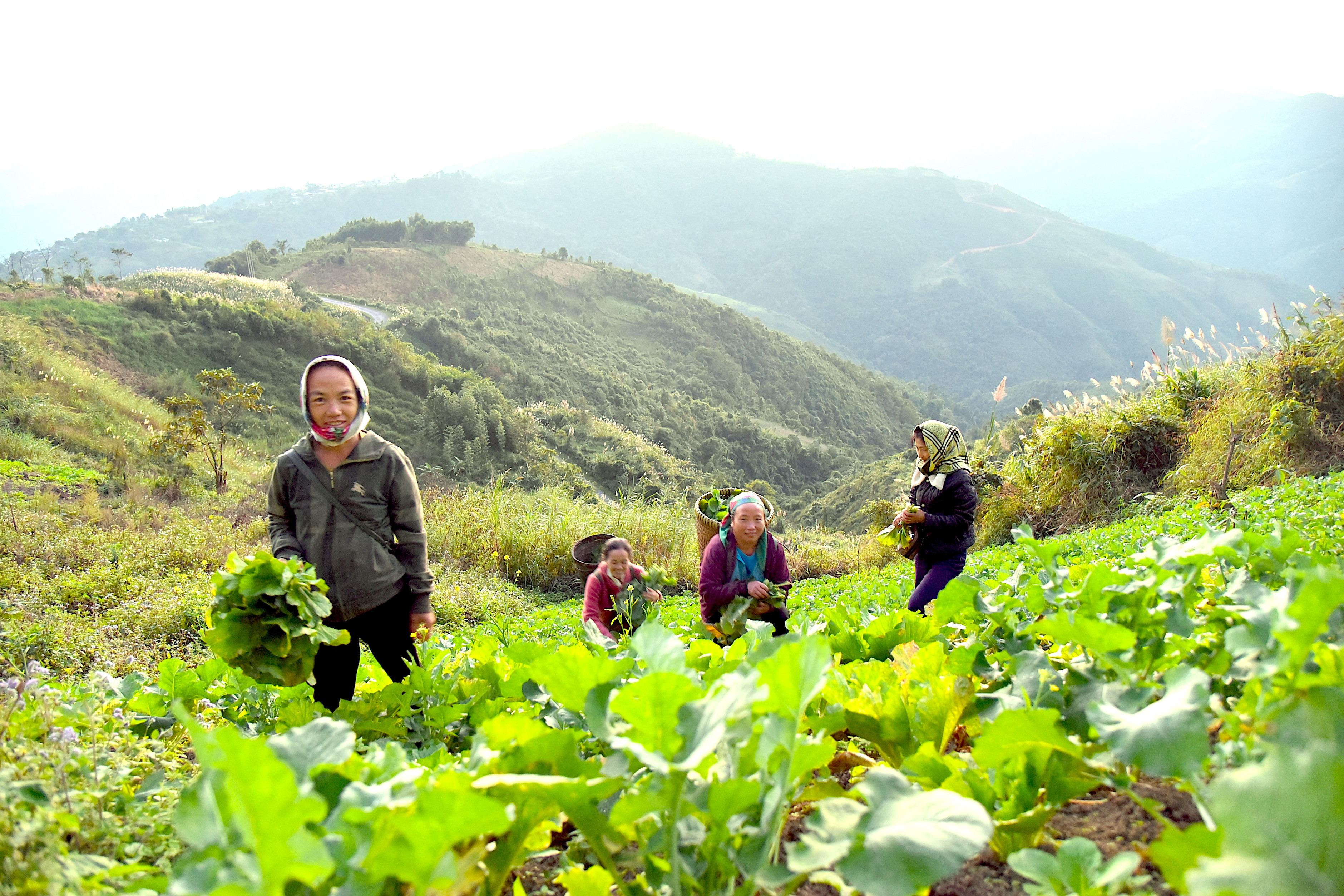
This includes focusing on raising buffaloes, cattle, pigs, and poultry in a farm and household-scale manner; establishing agricultural areas following VietGAP standards, organic production, and medicinal plant cultivation under the forest canopy; and promoting forest allocation linked to land allocation, connecting the interests of the people in the management, protection, care, and planting of forests.
In addition, effectively implement the central and provincial policies supporting production development through programs and projects, focusing on projects and sub-projects under the three national target programs to support people in developing production, diversifying livelihoods, and replicating effective production development models.
In 2023, Ky Son district had a total buffalo herd of 11,742 (reaching 100% of the plan), a cattle herd of 45,230 (reaching 95% of the plan, 105% compared to the same period); a total pig herd of 30,120 (reaching 78% of the plan); and a total poultry flock of approximately 358,000 (reaching 83% of the plan, 102% compared to the same period).


